
Hunting Backpacks: Complete Guide
Comprehensive technical analysis of sizing, materials, installation requirements, and manufacturer standards for hunting backpacks.

Recommended Products
See the full ranking →
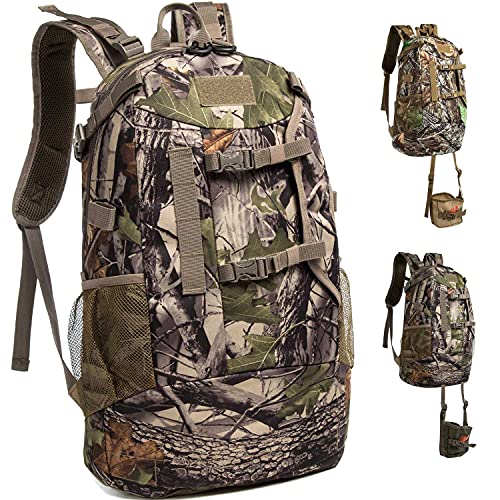

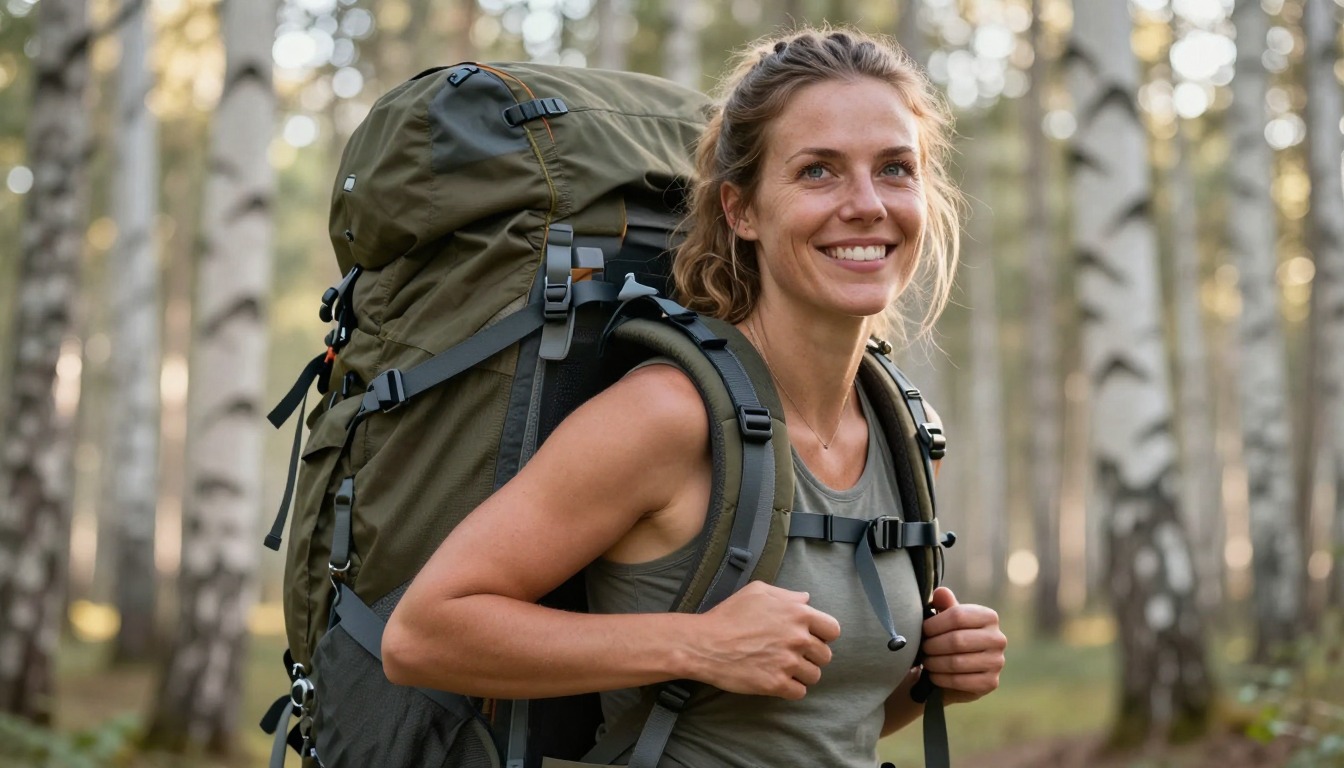
A hunting backpack adds meat-hauling load shelves and camo to a hiking-grade suspension for backcountry hunts. It starts from the same frame technology as a full-size hiking backpack — an internal or external frame, an adjustable torso length, and a hipbelt built to carry most of the load — then adds features a hiker never needs: a detachable or expandable shelf behind the main bag for lashing on quartered meat, exterior daisy-chain webbing for a bow or rifle, and camo or muted earth-tone fabric instead of bright trail colors. A hunting pack does two jobs on one trip: it carries a normal backcountry kit in on the approach, then carries that same kit plus 60 to 100-plus pounds of meat, hide and antler on the way out.
A hunting backpack differs from a standard hiking backpack in three ways: a detachable or expandable meat shelf behind the main bag, exterior daisy-chain or PALS webbing for lashing on a bow, rifle or spotting scope, and camo or muted earth-tone fabric instead of bright trail colors. The frame and hipbelt underneath use the same load-transfer hardware found on hiking and mountaineering packs.
The meat shelf is the defining feature. On most modern hunting packs it's a mesh or nylon platform that either unzips from behind the main bag or cinches down flat against the frame when empty, then expands outward to hold a boned-out quarter or a full game bag load. Bow hunters look for a side-mounted bow holder or a set of compression straps rated to carry a bow's weight without letting limbs swing; rifle hunters use a similar daisy-chain or scabbard system on the opposite side. Hardware tends to run quieter than on a typical hiking pack — fewer loud plastic buckles near the shoulders, and zipper pulls that don't rattle against the frame — since noise and movement both matter when closing the last stretch on an animal.
Load capacity depends on pack size and frame type: a day-hunt pack handles roughly 20 to 40 pounds, a multi-day backcountry pack is built for 60 to 100 pounds loaded with meat, and a dedicated meat-hauler or expedition frame can carry 100 to 150-plus pounds on a single pack-out. As on any load-bearing pack, the hipbelt should carry roughly 80% of that weight, not the shoulders.
| Pack category | Typical volume | Load capacity | Frame type |
|---|---|---|---|
| Day/scouting hunting pack | 1,500–3,000 cu in (25–50L) | Up to 40 lbs | Internal frame or frameless |
| Multi-day backcountry hunting pack | 4,000–6,500 cu in (65–105L) | 60–100 lbs loaded | Internal frame with expandable meat shelf |
| Meat-hauler / expedition hunting pack | 6,500–9,000+ cu in (105–150L+) | 100–150+ lbs for pack-outs | External or hybrid frame |
Well-known hunting-specific frame systems include Stone Glacier's Sky series, Kifaru's Reckoning and Fortress lines, Mystery Ranch's Metcalf and Pop Up 38, Exo Mountain Gear's K-series, Eberlestock's meat-hauler models, Badlands' Sacrifice and Superday packs, ALPS OutdoorZ's Commander external frame, and Kuiu's Icon Pro. Each uses a different balance of internal-frame comfort versus external-frame raw capacity, but all are built around the same idea: carry a hunting kit comfortably on the way in, then convert to a load hauler on the way out. Hunters comparing raw meat-hauling capacity should look closely at true external frame backpacks, which trade some carrying comfort for the highest rated loads.
Camo and muted earth-tone patterns help a hunting pack blend into terrain and avoid catching an animal's eye through movement and contrast; they don't change how the frame or hipbelt performs. Pattern choice should match habitat and season, and many states require a blaze-orange cover or panel during firearm season regardless of the pack's base color.
Common options include patterned camo — Kryptek Highlander, Realtree Edge, Sitka's Optifade in Open Country or Timber, and Kuiu's Vias and Verde 2.0 — built to break up a hunter's outline in specific terrain types, and solid earth tones like Ranger Green or Coyote Brown, which work across more seasons and don't date as pattern trends shift. State hunting regulations on hunter orange vary and change season to season, so hunters should check current state rules before a hunt; many packs are sold with, or paired with, a removable blaze-orange panel or pack cover to meet that requirement without giving up camo the rest of the year.
Size a hunting pack the same way as any load-bearing backpack: measure torso length from the C7 vertebra at the base of the neck to the iliac crest at hip level, then match that figure to the pack's torso-adjustment range before looking at volume. Hunters should size the frame's rated load capacity for the heaviest expected pack-out weight, not just the base kit carried in.
Base pack weight — everything before an animal is down — should stay close to the general 20%-of-bodyweight load guideline used across backpacking, the same target that applies to standard 45–55L multi-day packs on a non-hunting trip. A hunting pack's frame then needs headroom well above that base figure, since a single boned-out elk quarter can add 50 or more pounds on its own. Late-season and mountain hunts add another variable: hunters heading out in snow or freezing temperatures should also review how winter and snow packs handle extra insulation layers and traction gear, since a cold-weather hunting kit packs heavier and bulkier than a warm-season one. Getting torso fit right matters more, not less, once a pack is loaded near its rated maximum — a mis-sized frame concentrates that extra weight on the shoulders instead of the hips.
Go Deeper
Detailed companion guides for hunting backpacks.
Best Hunting Backpacks
Buyer's guide: best hiking backpack for hunting.
Meat-Hauler Frame Packs Explained
How external-frame meat-hauler backpacks carry 100+ pound game loads, and how they compare to internal-frame hunting packs on backcountry pack-outs.
Winter & Snow Backpacks
Related backpacks by activity guide.
Hut-to-Hut & Lodge Hiking
Related backpacks by activity guide.