
Best Time to Hike Alta Via 1 — Dolomites
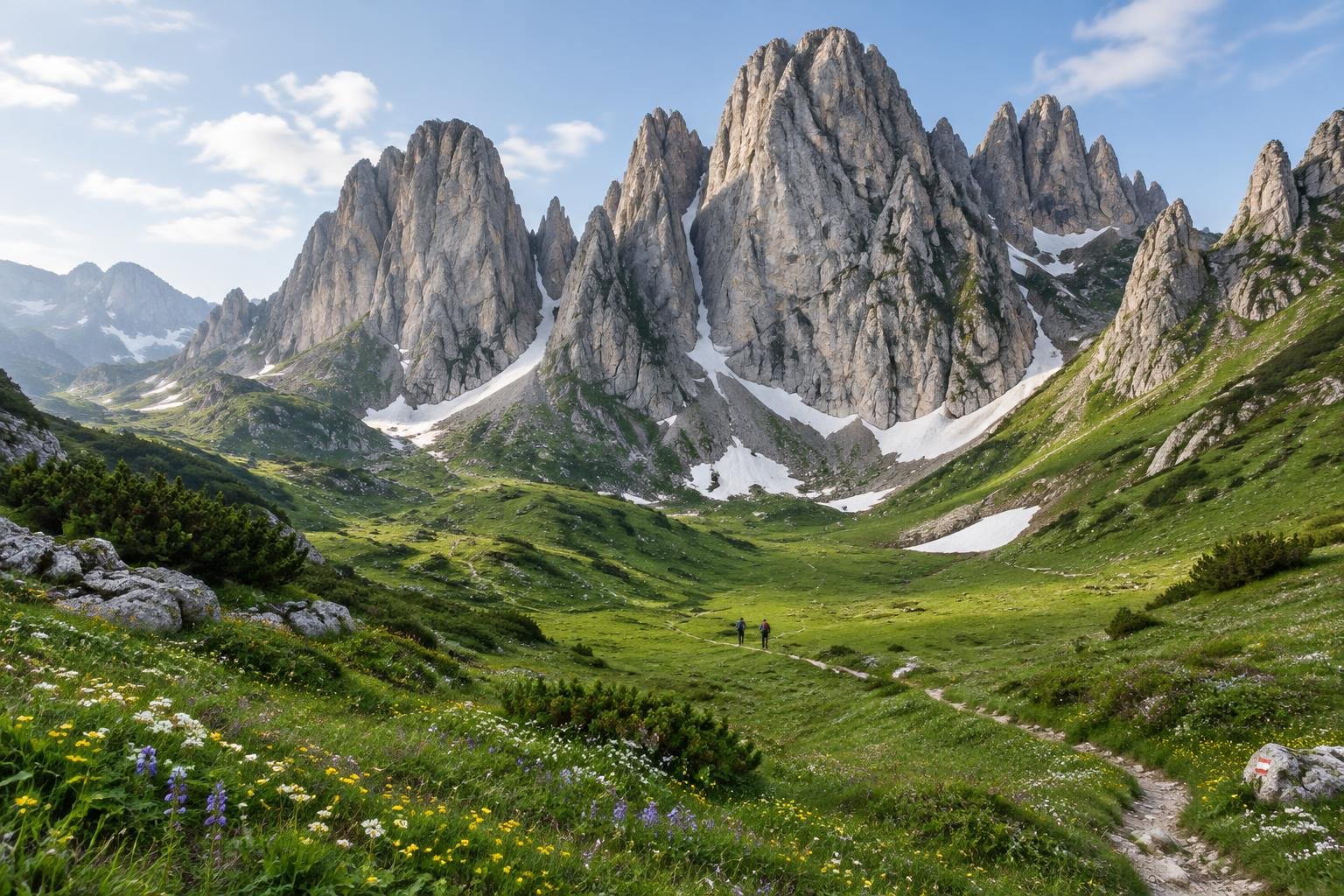
The best time to hike Alta Via 1 is late June to September, when the rifugi are open. That window also brings the warmest months of the year and the longest daylight, from about 15.6 hours in June to 12.3 hours in September. Reserve rifugio beds early for summer.
Month-by-month climate for Alta Via 1 — Dolomites
| Month | Relative warmth | Rain | Daylight |
|---|---|---|---|
| Jan | Coldest | 53 mm | 8.8 h |
| Feb | Coldest | 59 mm | 10.1 h |
| Mar | Cool | 59 mm | 11.6 h |
| Apr | Mild | 77 mm | 13.3 h |
| May | Warm | 130 mm | 14.8 h |
| Jun | Warmest | 119 mm | 15.6 h |
| Jul | Warmest | 135 mm | 15.3 h |
| Aug | Warmest | 148 mm | 14 h |
| Sep | Warm | 111 mm | 12.3 h |
| Oct | Mild | 117 mm | 10.6 h |
| Nov | Cool | 123 mm | 9.1 h |
| Dec | Coldest | 73 mm | 8.4 h |
Modelled regional averages for 2010–2023 (rainfall) and calculated daylight hours; they describe the wider area, not a reading taken on the trail. “Relative warmth” compares each month with the warmest and coldest months of this place’s own year. It is not a temperature, and the high parts of a route are colder than the region around them.
The numbers show a wetter year than you might expect. Rainfall is lowest in winter, around 53 mm in January and 59 mm in February and March, then climbs to roughly 130 mm in May and peaks at 148 mm in August. Daylight swings from about 8.4 hours in December to 15.6 hours in June. June, July and August are the relatively warmest months of this place's own year, while December to February are the coldest. These are modelled regional averages, not trail measurements, so the high-summer window trades more rainfall for warmth and long days.
Alta Via 1 — Dolomites season by season
Early summer · June
Late June is when the official season guidance says the rifugi begin to open, and it brings the longest days of the year at about 15.6 hours of daylight. Modelled rainfall in June averages roughly 119 mm, and the month is among the relatively warmest of the year. This is a good time for long walking days with plenty of light, though the start of the season can mean some services are still opening. Check with the managing authority and individual rifugi before you commit to dates, and book beds well ahead.
High summer · July to August
July and August are the relatively warmest months and the core of the hut season, with daylight of about 15.3 hours in July and 14.0 hours in August. They are also the wettest part of the supported window, with modelled averages of roughly 135 mm and 148 mm. Expect to carry rain protection every day and plan for the chance of wet spells, even in the warmest weather. Rifugio reservations are effectively mandatory at this time, so lock in beds early and keep your itinerary flexible enough to cope with conditions.
Early autumn · September to October
September is still inside the official season guidance and remains relatively warm, with modelled rainfall of around 111 mm and daylight dropping to about 12.3 hours. By October the warmth eases to mild, rain averages roughly 117 mm, and daylight falls to about 10.6 hours, so days are noticeably shorter. Because the hut season is tied to opening dates, confirm with the managing authority and each rifugio which ones are still open before relying on late-season plans, particularly toward the end of the window.
Late autumn to spring · November to May
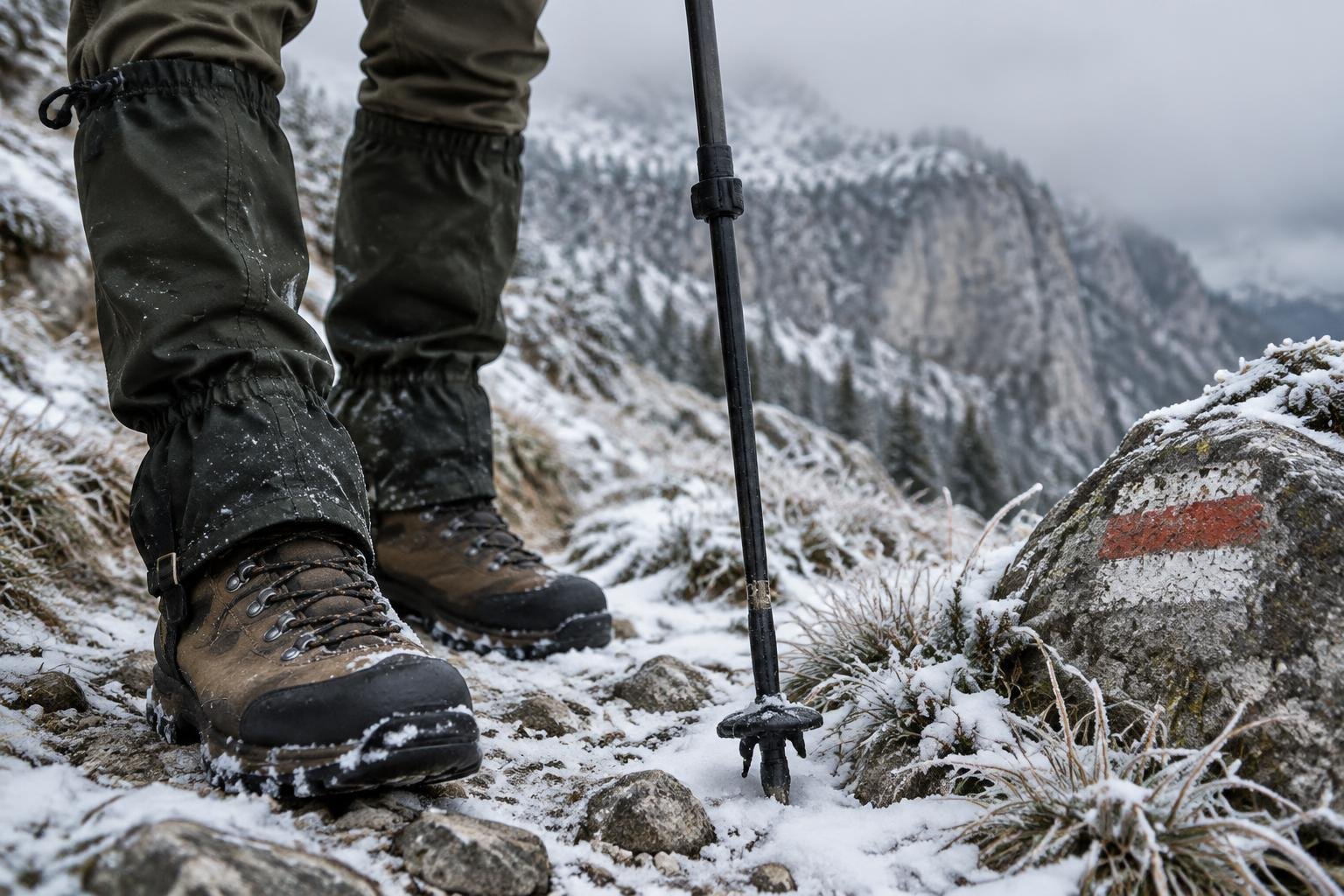
Outside the summer window the huts are not the reliable base the route depends on, and the numbers show why this is a poor fit for the trek. Daylight shrinks to about 8.4 to 9.1 hours from November to January, December to February are the coldest months of the year, and modelled rainfall rises again to around 130 mm in May and 123 mm in November. Spring brings milder weather and lengthening days, but the official season guidance points to late June onward. Check with the managing authority before planning anything earlier.
Official season guidance
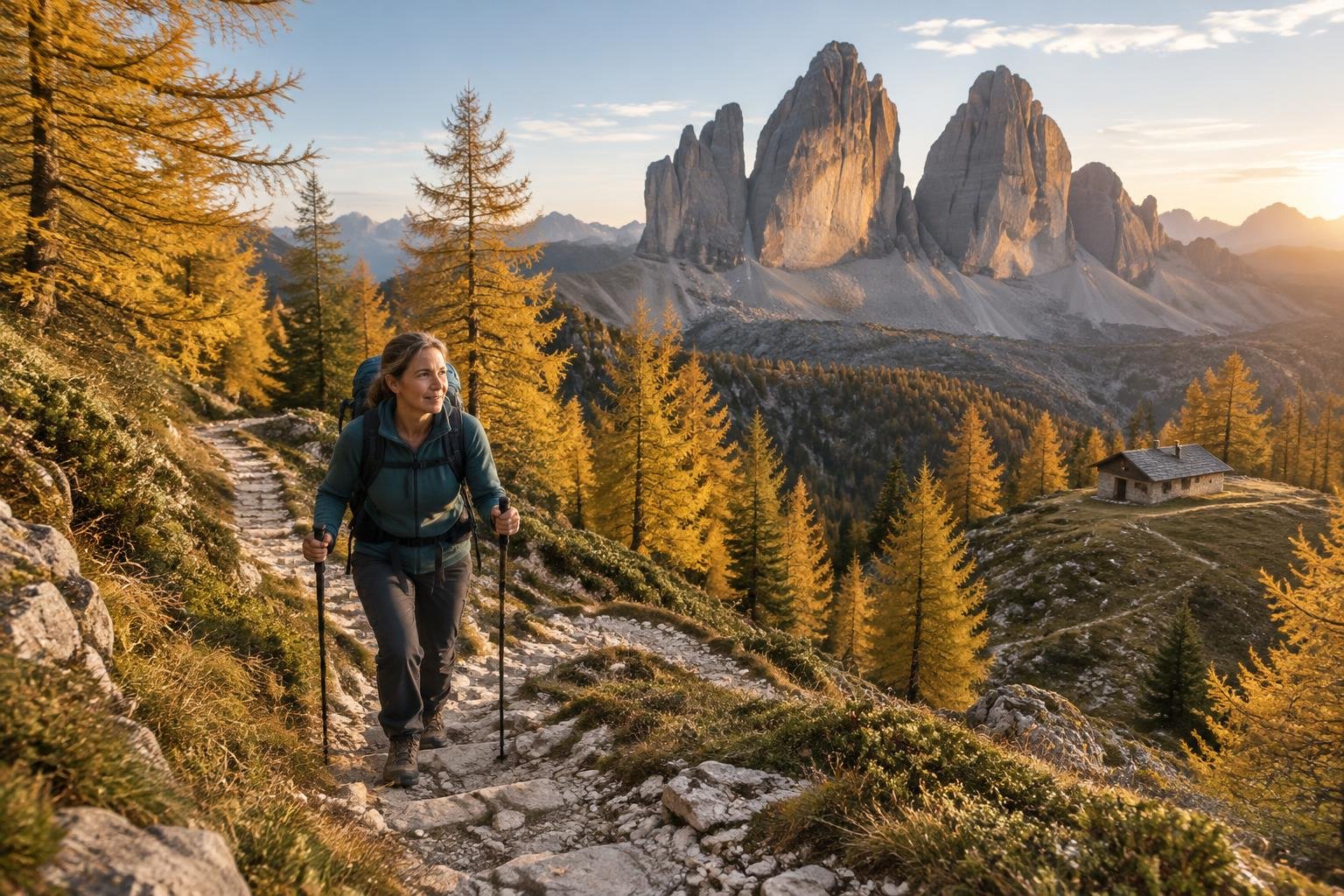
Regional authorities & CAI: Late June to September, when the rifugi are open
No permit is required, but rifugio reservations are effectively mandatory in summer. Some optional variants use via-ferrata protection — take the walking route unless you have the kit and skills.
Check current dates on dolomiti.org (regional tourism portal)What to pack for the season
Packing should follow the season you choose. In the warmest months, bring layers you can add or shed through the day, reliable rain cover for the wetter summer spells, and sun protection for long exposed stretches. Shoulder-season dates call for extra insulation and a headlamp, since daylight shortens quickly after September. Plan around huts rather than camping gear.
For layering, rain cover and weather planning, see hiking in rain, heat and cold.
Timing mistakes to avoid
The most common timing mistake is choosing dates without checking when the rifugi actually open, since the route is built around them and the official season guidance points to late June to September. Another is assuming the driest month is the best one: the lower winter rainfall figures sit outside the hut season. Finally, leaving reservations late in summer is risky, because beds are effectively mandatory to book. Confirm opening dates with the managing authority and each rifugio before fixing your itinerary.
Common questions
When is the best month to hike Alta Via 1?
The official season guidance gives late June to September, when the rifugi are open. Within that window, July and August are the relatively warmest months, while June offers the longest daylight at about 15.6 hours. Pick dates around hut availability and book ahead, since reservations are effectively mandatory in summer.
Is it too wet to hike Alta Via 1 in summer?
Modelled regional averages show summer is actually wetter than winter, with roughly 119 to 148 mm per month from June to August. That is typical for the supported window, so plan for rain on some days and carry dependable rain cover. These are regional averages, not trail measurements, so treat them as a guide.
How much daylight do I get on the trek?
Daylight is longest in June at about 15.6 hours and eases to about 12.3 hours by September. Into October it drops further to around 10.6 hours. Shorter days later in the season mean less time to cover each stage, so plan your daily walking accordingly and carry a headlamp.
Can I hike Alta Via 1 outside the hut season?
The route is designed around the rifugi, and the official season guidance points to late June to September. Outside that period the days are shorter, winter months are the coldest of the year, and services may not be available. Check with the managing authority before considering any dates outside the standard window.
Sources
- Regional authorities & CAI — dolomiti.org (regional tourism portal): official season and permit guidance.
- NASA POWER (Prediction Of Worldwide Energy Resources): monthly temperature and rainfall averages, 2010–2023, from MERRA-2 reanalysis. Daylight hours are calculated from latitude.
Conditions, closures and permit rules change without notice — confirm current information with the managing authority before you go. See our editorial policy and affiliate disclosure.