
GR20 vs Alta Via 1: Which Should You Hike?
Choose the GR20 if you are an experienced, very fit hiker who wants a rugged Corsican thru-hike with scrambling and exposure; choose Alta Via 1 if you want a strenuous but waymarked hut-to-hut route through the Dolomites with flexible places to split the trip. Both need advance bookings in season.
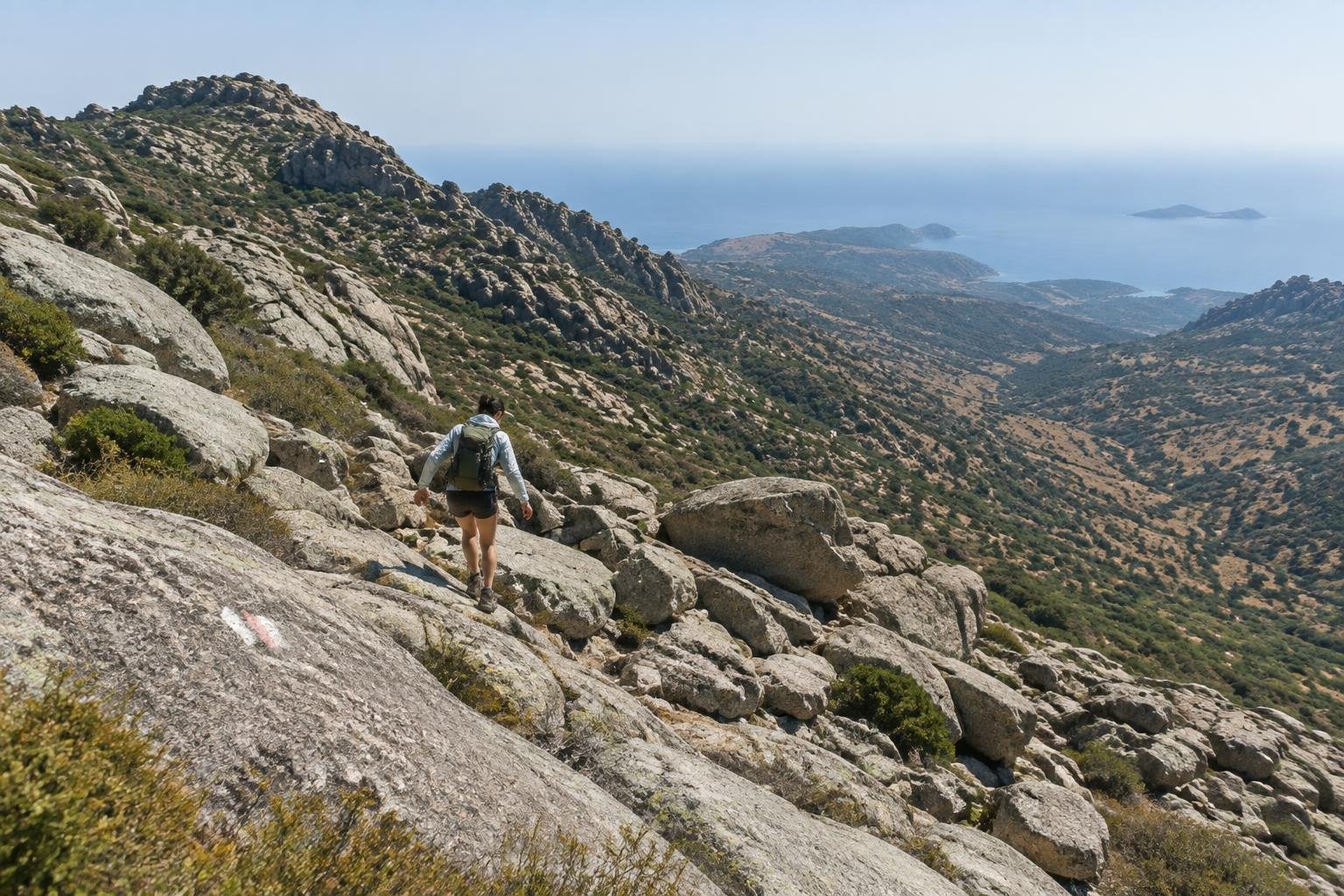
GR20 and Alta Via 1 at a glance
The GR20 is a roughly 180 km (112 mi) thru-hike across Corsica, from Calenzana to Conca, over granite slabs, boulder fields and ridge crests. Alta Via 1 runs about 120-125 km (75-78 mi) through the Dolomites to Belluno, linking rifugi along limestone towers. Hikers weigh them because both are famous multi-day, refuge-based traverses of big mountain terrain, with different levels of technical difficulty.
| GR20 | Alta Via 1 | |
|---|---|---|
| Place | Mediterranean · Corsica, France | Dolomites · Italy |
| Distance | ~180 km (112 mi), Calenzana to Conca, 15-16 stages | ~120-125 km (75-78 mi), Lago di Braies/Dobbiaco to Belluno |
| Elevation gain | ~11,000-13,000 m cumulative ascent | ~6,230-7,400 m cumulative ascent |
| Difficulty | Very strenuous / expert only (widely rated one of Europe's toughest long-distance trails; scrambling and exposure on the northern half) | Strenuous (hut-to-hut multi-day; some sections have via-ferrata-assisted exposure depending on variant taken) |
| Route type | thru-hike | thru-hike |
| Official season | June to September, once the snow clears the high stages | Late June to September, when the rifugi are open |
| Managed by | Parc naturel régional de Corse | Regional authorities & CAI |
Effort and difficulty
The GR20 is the bigger commitment. It covers about 180 km (112 mi) with roughly 11,000-13,000 m of cumulative ascent, and it is rated very strenuous and expert only, with scrambling and exposure on the northern half. Alta Via 1 covers about 120-125 km (75-78 mi) with roughly 6,230-7,400 m of ascent and is rated strenuous. Its standard route is a waymarked hiking trail, though some sections have cable handrails and optional variants use via ferrata protection. The GR20 typically takes around two weeks; Alta Via 1 roughly a week and a half.
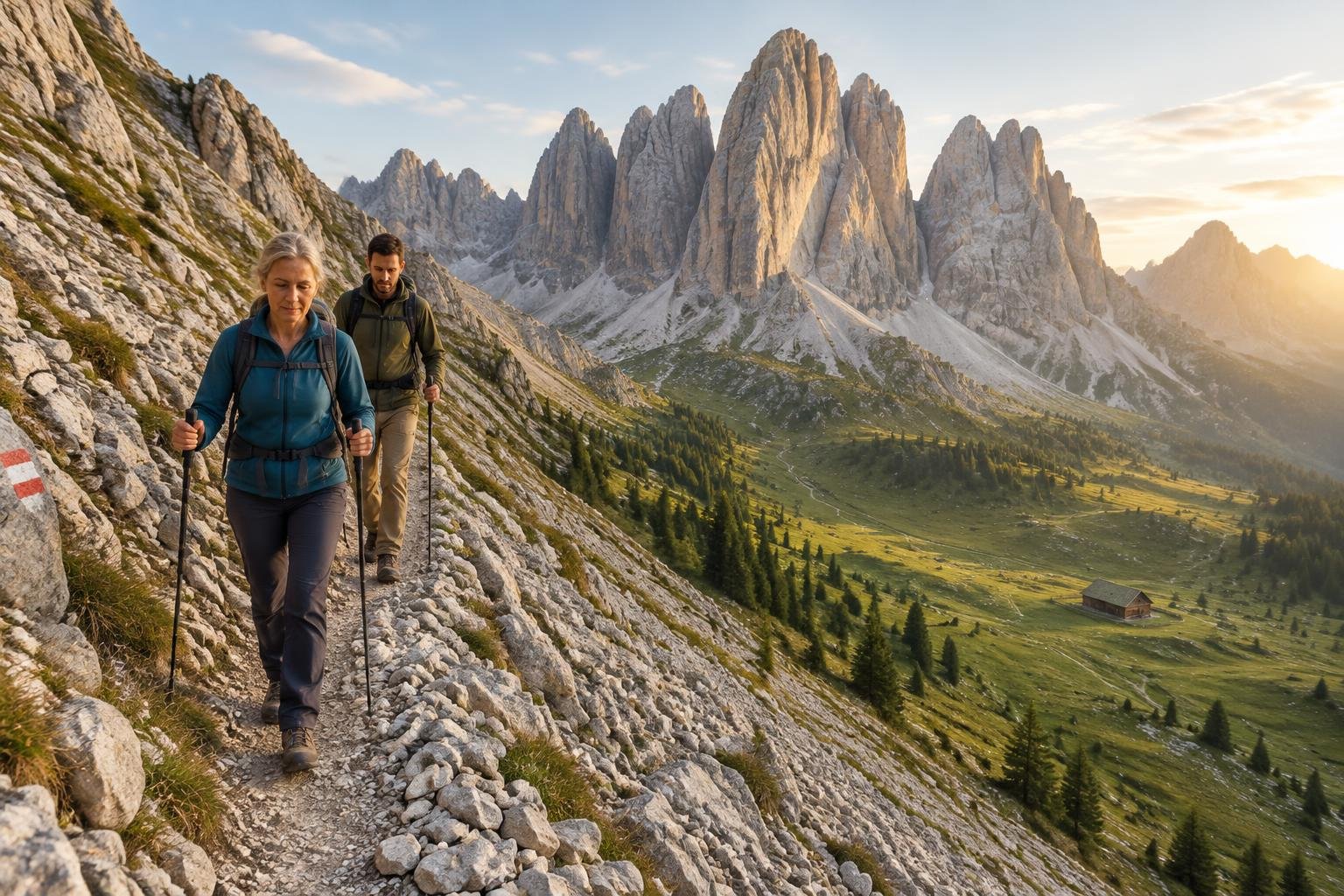
Season, permits and booking
The GR20's official best season is June to September, once snow clears the high stages. Alta Via 1's runs from late June to September, when the rifugi are open. Neither requires a permit, but both need accommodation bookings in summer: refuge and pitch bookings on the GR20, and rifugio reservations on Alta Via 1. Rules, openings and conditions can change, so confirm current details with each managing authority, the Parc naturel régional de Corse for the GR20 and the regional authorities and CAI for Alta Via 1, before you commit to dates.
Which one is right for you?
Choose GR20 if…
Pick the GR20 if you have solid mountain experience, strong fitness and confidence on rock. It suits hikers who want a demanding traverse where you use your hands as well as your feet, and who can commit about two weeks. It fits people comfortable with early starts, heat on open granite and afternoon storms, and who will build in a spare day for weather or slow stages.
How to hike GR20 — CorsicaChoose Alta Via 1 if…
Pick Alta Via 1 if you want a strenuous multi-day route on a waymarked trail, with cable-assisted sections on the standard route and the option of skipping the harder variants. It suits hikers who like hut-to-hut rhythm and may want to walk only part of it, since the trail crosses roads at several points and a bus or lift can bypass a stage spoiled by weather. Expect steep stages in both directions.
How to hike Alta Via 1 — DolomitesWhat the two have in common
Both are point-to-point thru-hikes where the refuges or rifugi effectively set each day's stage, so where you sleep is largely fixed by the route's infrastructure. Both have a summer season, need advance bookings, and require no permit. Both involve serious climbing, exposure in places, and weather-driven planning, and both reward hikers who allow flexibility in their schedule.
How your choice changes what you pack
The choice changes how you pack, not which brands you carry. With huts or refuges on both routes, you can generally travel lighter than on a camping trip, but plan for fast-changing mountain weather with proper layers, sun and storm protection, and enough water for long days. The GR20's rock demands sturdy footwear and secure grip; on Alta Via 1, only carry via ferrata equipment if you have the skills and choose those variants.
Common questions
Which is harder, the GR20 or Alta Via 1?
The GR20 is harder. It is rated very strenuous and expert only, with scrambling and exposure on the northern half, and it covers more distance and ascent. Alta Via 1 is rated strenuous, though some variants add via ferrata-style exposure.
Which is better for a first multi-day hut-to-hut trip?
Alta Via 1 is generally the more approachable choice, since its standard route is a waymarked hiking trail and you can walk a section rather than the whole route. Still check the official sources and your own fitness first.
Do I need a permit for either trail?
Neither requires a permit, according to the facts here. However, the GR20 needs refuge and pitch bookings in season, and Alta Via 1 effectively requires rifugio reservations in summer. Confirm current rules with each managing authority.
Can I hike just part of each route?
Yes. Many hikers walk only one half of the GR20, splitting at the traditional midpoint village with transport. On Alta Via 1 the trail crosses roads at several points, so walking a section or skipping a stage by bus or lift is possible.
Sources
- Parc naturel régional de Corse — pnr.corsica: official information for GR20.
- Regional authorities & CAI — dolomiti.org (regional tourism portal): official information for Alta Via 1.
Conditions, permits and access rules change without notice — confirm current information with each managing authority before you go. See our editorial policy.