
Affiliate disclosure: this page contains affiliate links. Purchases made through them may earn us a commission at no extra cost to you. See our affiliate disclosure.
In plain English
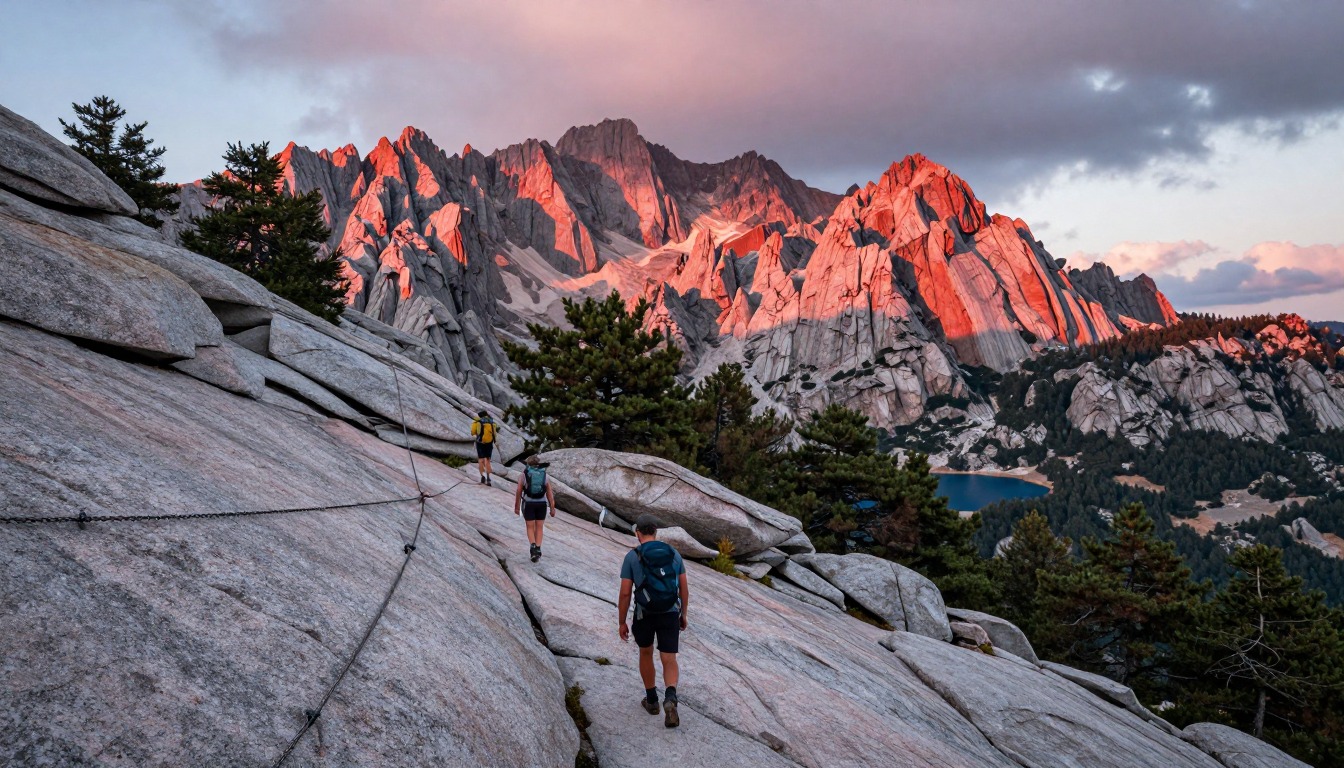
The GR20 crosses the mountains of Corsica, a French island in the Mediterranean. It takes most people about two weeks and is known as one of Europe's toughest long-distance hikes. A lot of the time you are climbing over big granite rocks and slabs, using your hands as well as your feet.
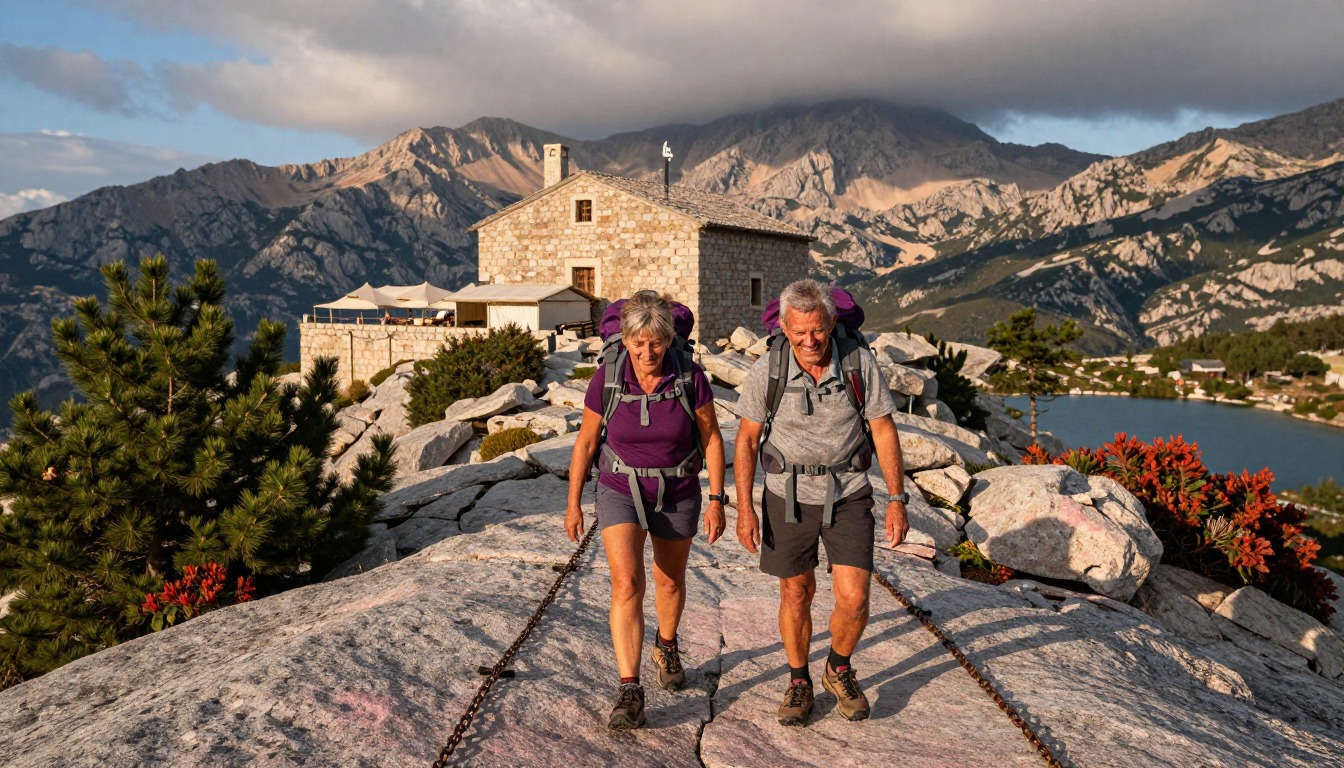
You sleep in mountain refuges (simple huts) or nearby campsites. The regional park that looks after the route has a booking service for GR20 refuges on its website, and some refuges sell food.1
Two things shape your pack: heat and scrambling. The rock gets hot, so you need to carry enough water. And because you use your hands, the pack must sit tight and not swing. Picture climbing a jungle gym with a backpack on: a small, snug pack is much safer than a big, floppy one.
What the hike is like
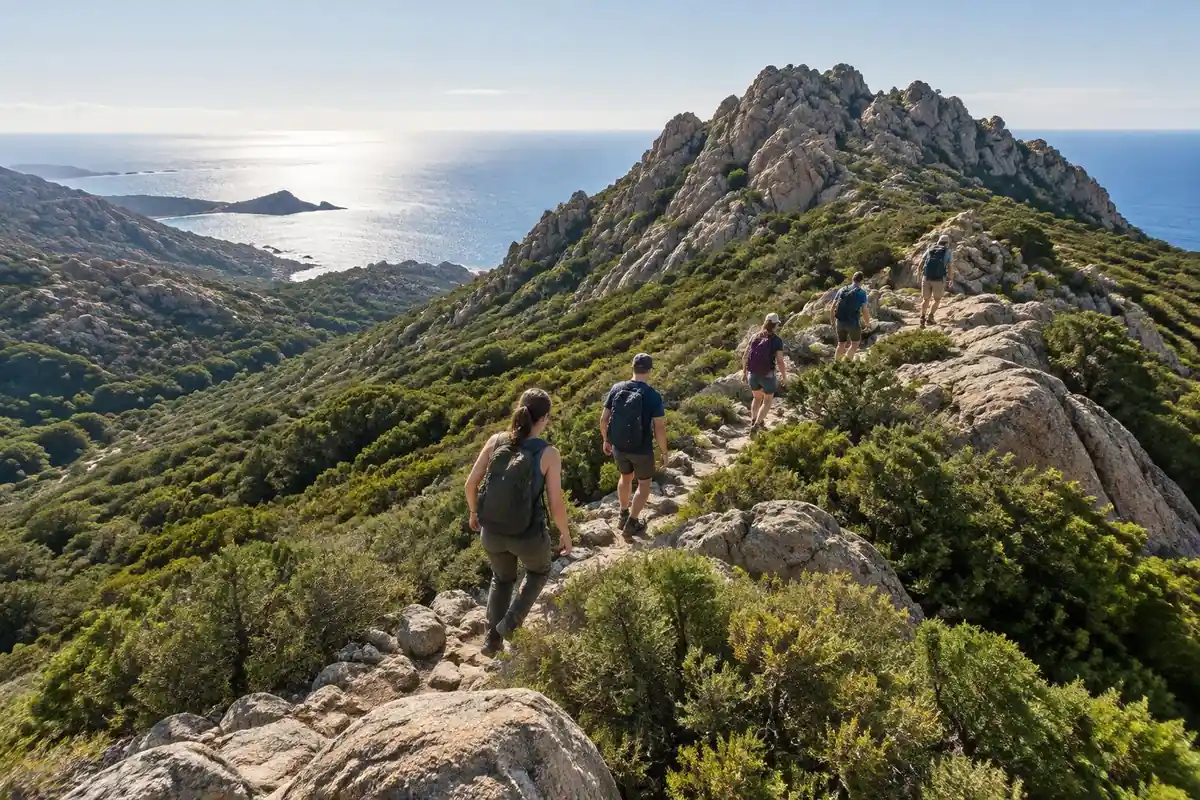
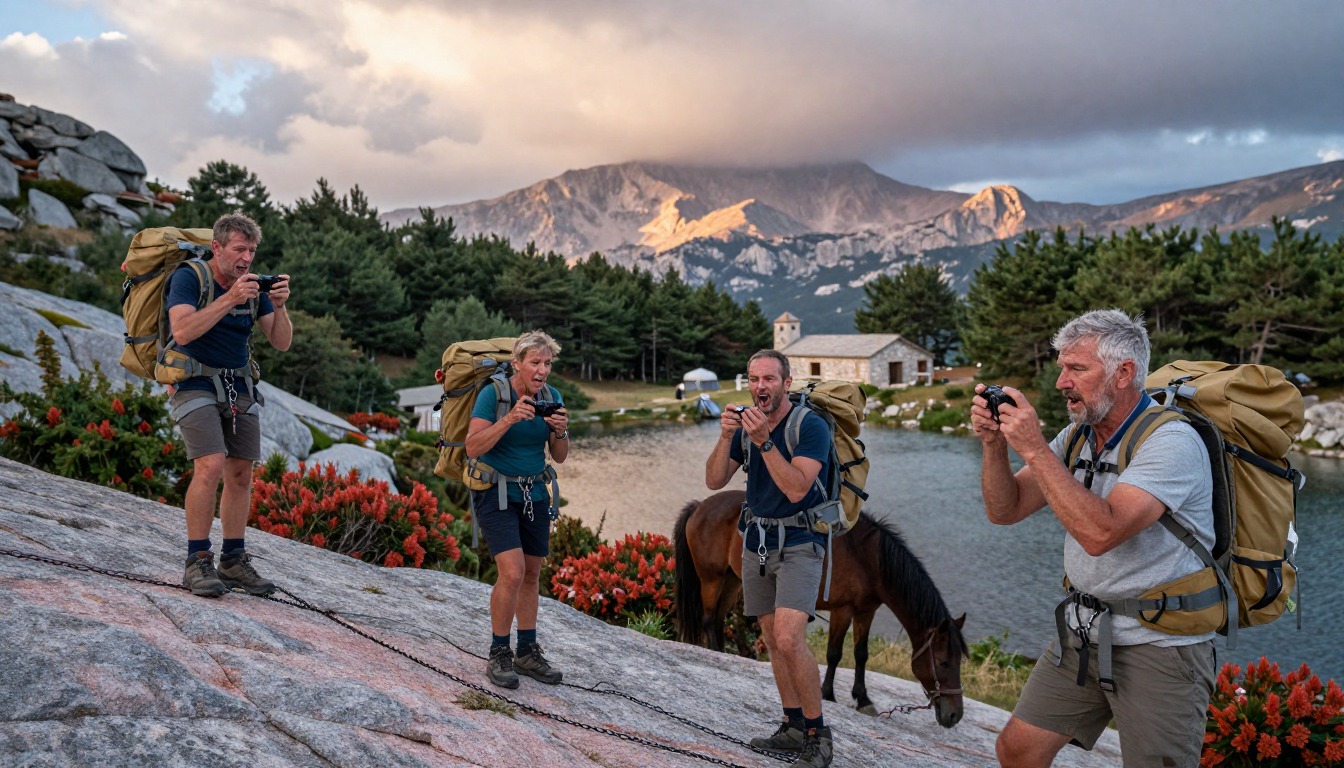
The GR20 is walked as much with your hands as your feet. Long stretches cross bare granite slabs and boulder fields where the route is a line of red-and-white paint flashes rather than a worn path, and progress is a matter of picking a way from rock to rock. Chains and fixed cables protect a handful of steep pitches, ridge crests narrow to exposed traverses with big air on either side, and scree descents drop hard and fast off the passes. The northern half is generally the rockier, more technical and more relentless of the two; the southern half opens into forest, easier tread, and longer walkable sections, though it still climbs seriously. Between the high ground the route threads past streams, pine woods, and staffed refuges where the day reliably ends.
How to plan the itinerary
The full traverse typically takes around two weeks, with the refuges spaced roughly a day apart doing most of the work of setting the stages — where you sleep is essentially fixed by the route's infrastructure rather than chosen. Plenty of hikers walk only one half, splitting at the village most people use as the traditional midpoint, which is served by transport and makes a natural start or finish. Early starts are close to universal: the heat builds fast on open granite and afternoon storms are a genuine feature of the season, so most walkers are moving at first light and finished by mid-afternoon. Adding a spare day for weather, or for a stage that simply takes longer than the book says, is standard practice on this route.
Plan this trip in 5 steps
-
Pick the right pack
Match a pack to your trip, fit and priorities.
-
Plan food & water
Calories, food weight and water for your days on trail.
Trail-specific tips
Weight matters more than usual here, because everything you carry has to be hauled over boulders and up chains — go lighter than you think is sensible. Choose footwear with grip that works on dry polished granite, which is where most slips happen, and expect your descents to be slower than your climbs. Carry water for the whole stage rather than counting on sources between refuges, and be watching the sky from midday onwards. For scrambling technique and storm judgment, see /trail-smarts/.
Permits & rules
No permit is required, but refuge and pitch bookings are needed in season. The GR20 is famously rugged with rock scrambling and long exposed days — it demands fitness and sure footing.
Gear suited to this hike
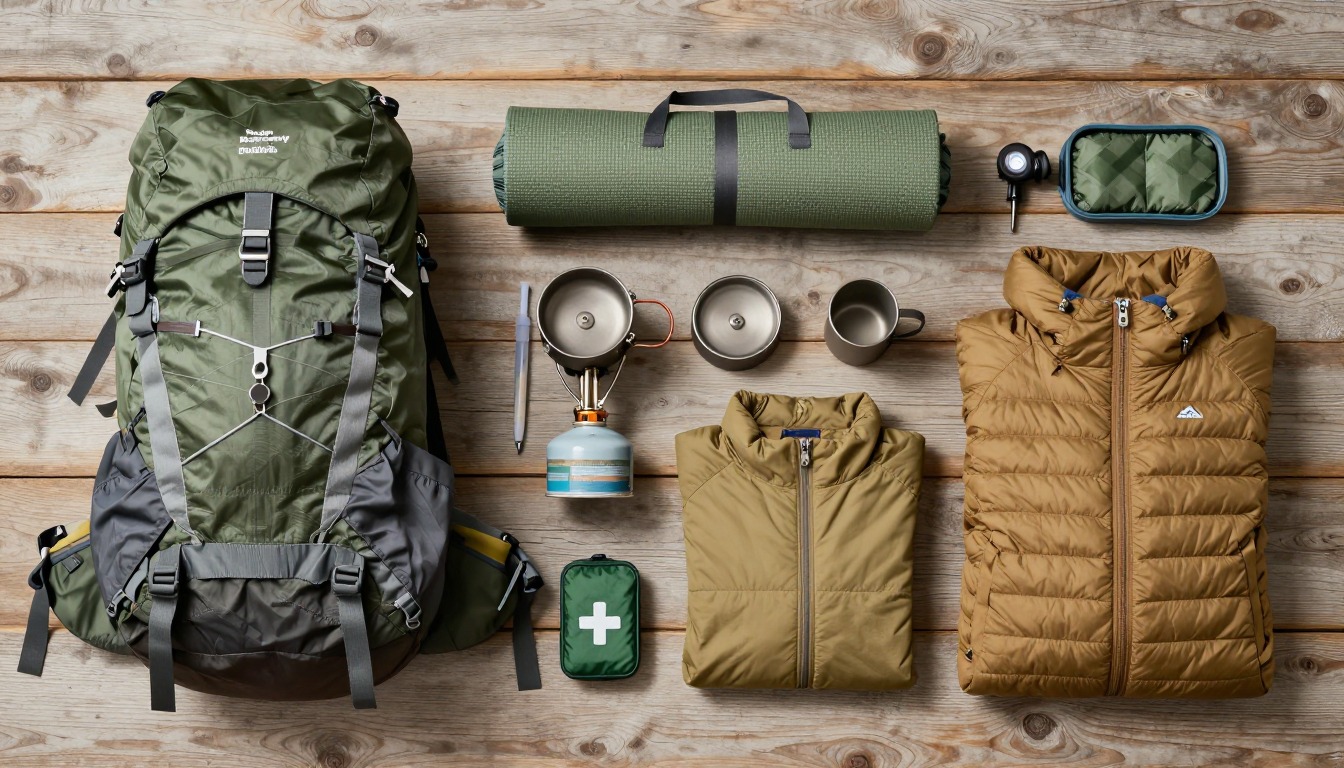
Matched to the terrain and conditions here. Real products — check current price on Amazon.


Refuges, bookings and what the park page covers
The Parc naturel régional de Corse lists the GR20, branded Frà li monti, among its hiking routes and links to a reservation service for GR20 refuges.1 Its home page also notes a local energy bar sold at three refuges (L'Onda, Ortu di u Piobbu and Usciolu),1 a hint that some refuges sell food, but the page does not list what each one stocks. Plan resupply from current refuge information rather than assuming.
The park's home page does not set out bivouac, camping or fire rules. Those vary by site and season in many mountain areas, so check the park and refuge pages for current rules before you rely on a tent or a stove.
Water and heat on open granite
Grand Canyon's NPS guidance says hikers in heat can lose one to two quarts of water per hour,2 and CDC's Yellow Book says sweat rates can reach 1 liter per hour.5 Water weighs about a kilogram per liter,6 so carrying enough between refuges is the single biggest variable in pack weight. CDC advises doing outdoor activity in the coolest part of the day when heat risk is high,7 which is why GR20 walkers start at first light.
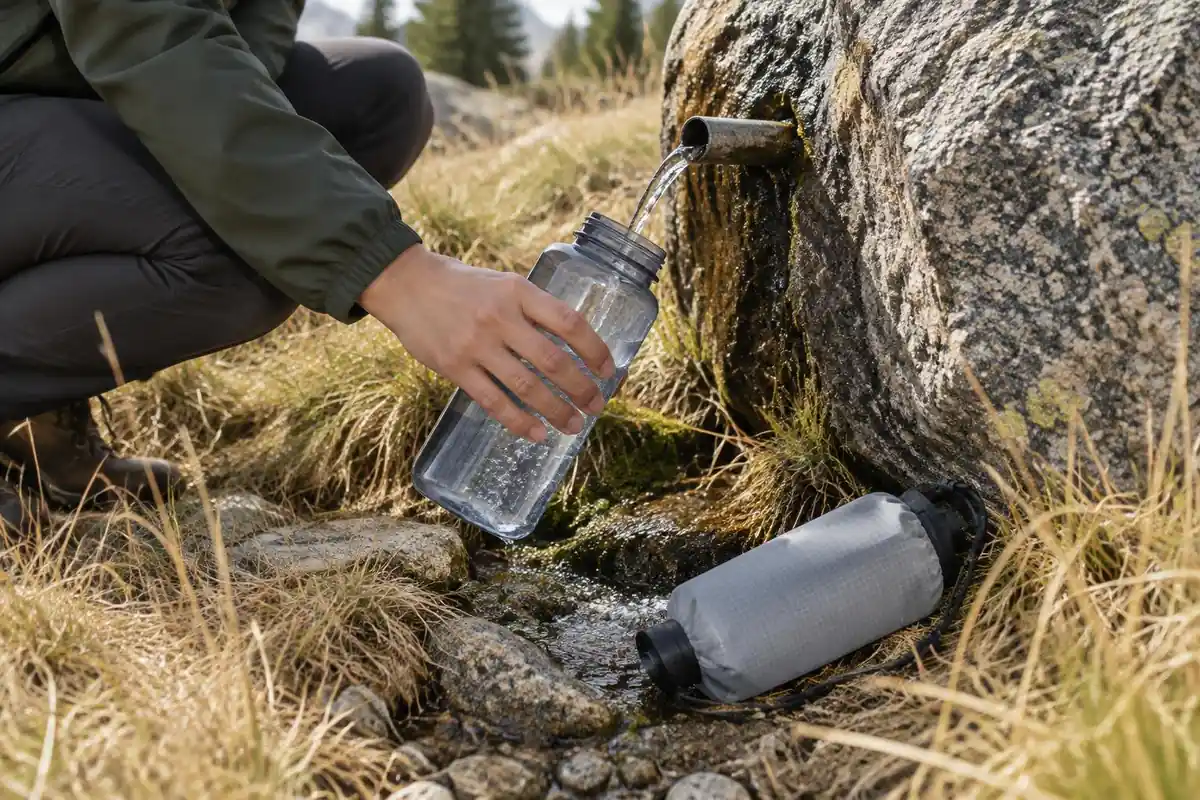
Drinking too much is also a risk. CDC says drinking to thirst helps prevent hyponatremia (low blood sodium), and that 'you can't drink too much' is outdated advice.5 Mountain streams need treatment; CDC says most portable filters remove parasites but not viruses or bacteria.8
A pack for scrambling and storms
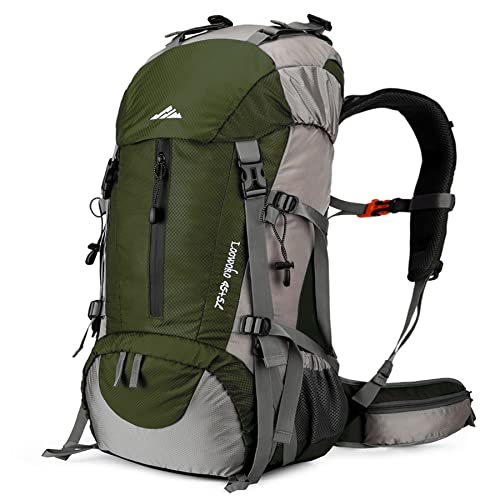
When you are moving hand over hand, a pack that sways pulls you off balance. Knapik's load-carriage review notes that low or mid-back load placement may suit uneven terrain, and that hip belts reduce shoulder pressure.4 Cinch compression straps, keep poles stowed where they will not snag on the chain sections, and avoid hanging gear off the outside. A 35 to 45 liter pack suits refuge-based walkers; campers need more room, which is a reason to keep kit minimal.
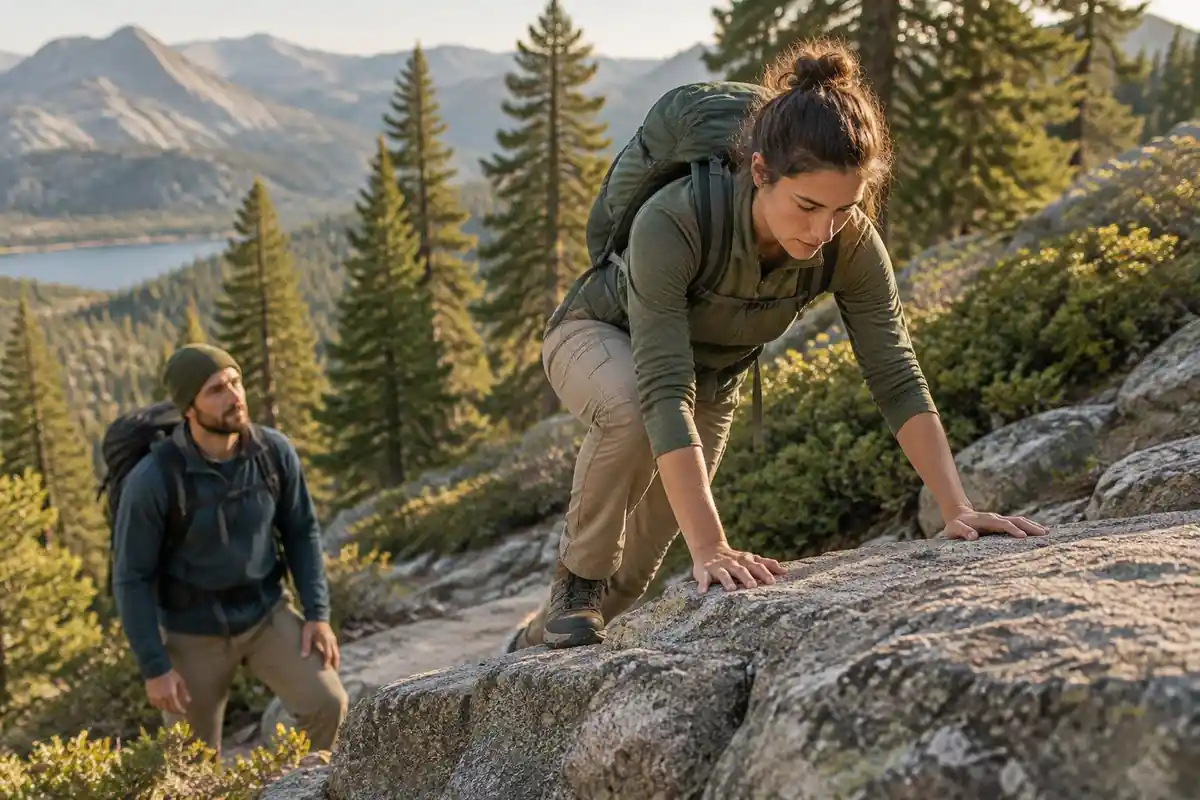
Weight matters more here than on a smooth trail. Researchers found foot pressure rises clearly once a pack passes about 10% of body weight.9 The familiar 20% target is a hiking-community rule of thumb, not a research finding.
Afternoon storms on exposed ridges are a real hazard. NWS advises hiking early, being off the mountain by noon when storms build, avoiding ridgetops and spreading a group out if caught.3 Its broader message is that there is no safe place outdoors in a thunderstorm.10
Common questions
Should I hike the northern or southern half?
The north is the harder, more spectacular half — more scrambling, more exposure, longer days on rock. The south is still demanding but more forgiving underfoot and generally faster. Hikers wanting the full reputation of the GR20 go north; those wanting a tough but less technical week, or with less time on rock, usually choose south.
Do I need climbing experience?
No technical climbing skill is required, but comfort on steep rock is. You'll use your hands regularly, move across slabs and boulders, and pass a few chain-protected sections with genuine exposure. Hikers who dislike heights or scrambling often find the north half a serious struggle, and it's worth testing that honestly before committing.
How many days does the full GR20 take?
Around two weeks is typical, set by the spacing of the refuges rather than by distance. Faster parties compress stages and slower ones split them, but the accommodation chain limits how much either is possible. Whatever the plan, build in at least a day of slack — storms or a bad stage can cost you one easily.
Can I hike it in trail runners?
Some experienced hikers do, and the lighter weight helps on the scrambling. The trade-off is less protection when your foot slams into rock, which it will, and less support on loaded descents. Whatever you choose, sticky, well-treaded soles matter far more than ankle height on Corsica's polished granite.
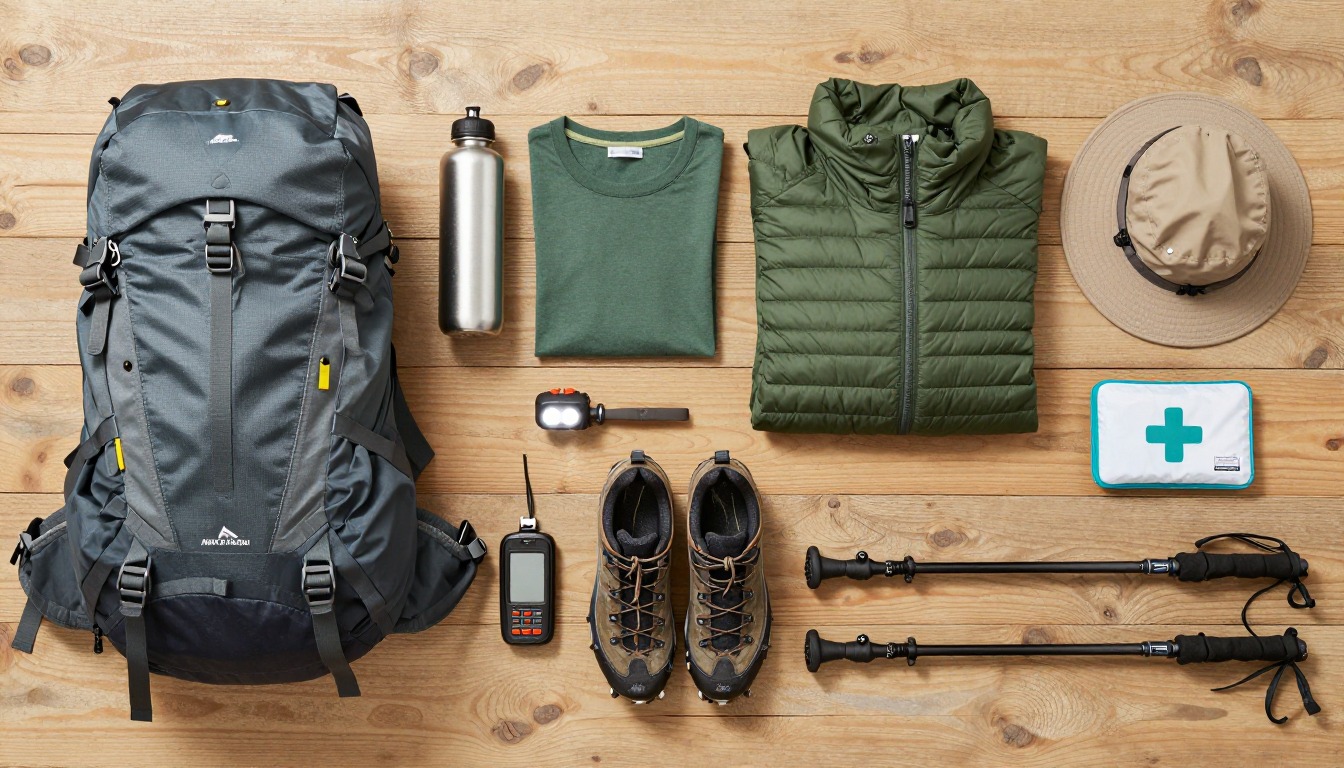
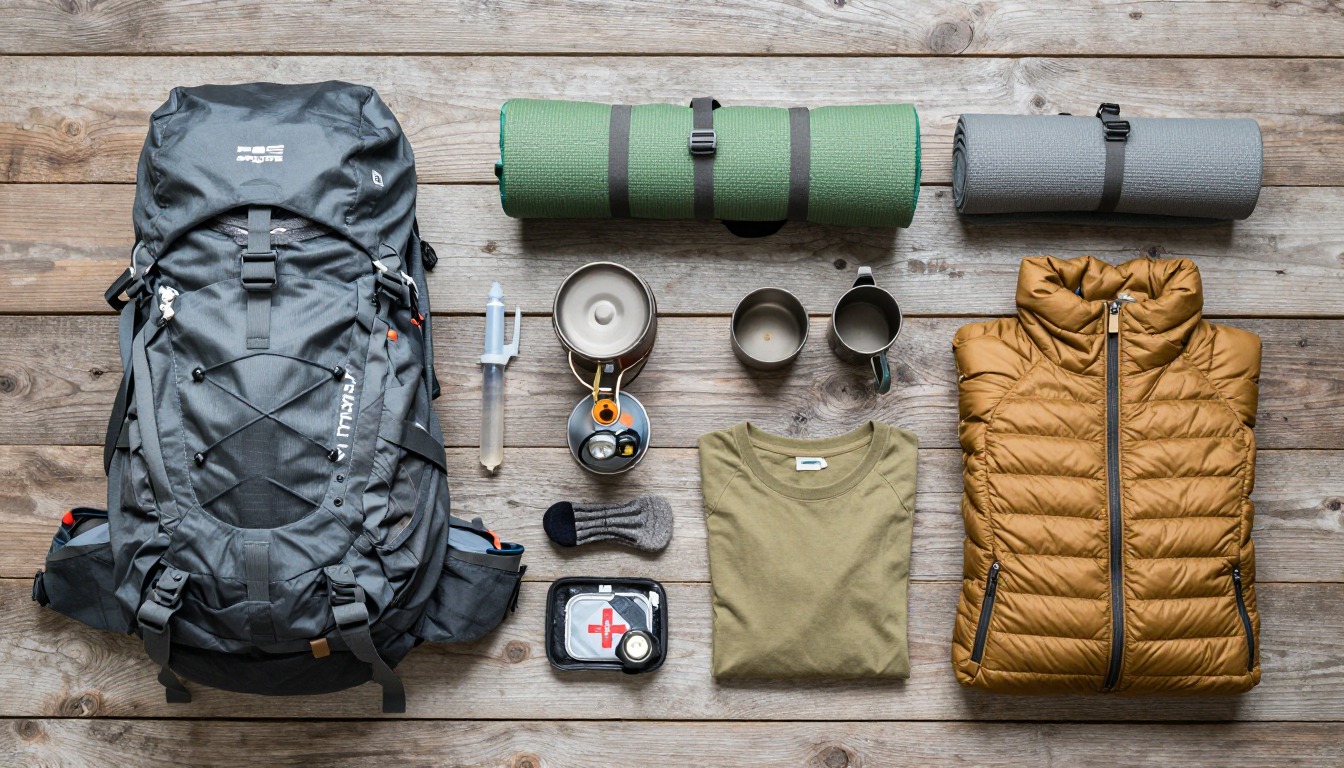
Complete gearsets for this trip
Full curated kits built for exactly this kind of hike.
Trail conditions, permits and access rules change without notice — always confirm current information on the official source above before you go. Some facts on this page are still pending owner verification and are marked accordingly. Product links and the accommodation map are affiliate links: we may earn a commission at no extra cost to you; product prices and availability are shown on Amazon, and accommodation prices on the booking site. See our affiliate disclosure.