
Affiliate disclosure: this page contains affiliate links. Purchases made through them may earn us a commission at no extra cost to you. See our affiliate disclosure.
In plain English
The GR20 crosses the mountains of Corsica from one end of the island to the other. You sleep in staffed refuges along the way, which are like simple mountain hostels: shared rooms, basic meals, and often a patch of ground for your own tent nearby. They are spaced about a day's walk apart, so they decide how far you go each day.
Because the refuges are so few and so important, booking is the main task. The regional park that oversees the area has a section on its site about reservations, and it names several refuges on the route. Confirm the booking method for each one with the park, because it can differ between refuges and seasons.
You also need somewhere to sleep at each end. The trailheads are small towns, and the park's site names a hotel and shop at the southern end and an information point at the northern end. Book your night before and after too, and confirm any closures or rules with the park before you go.
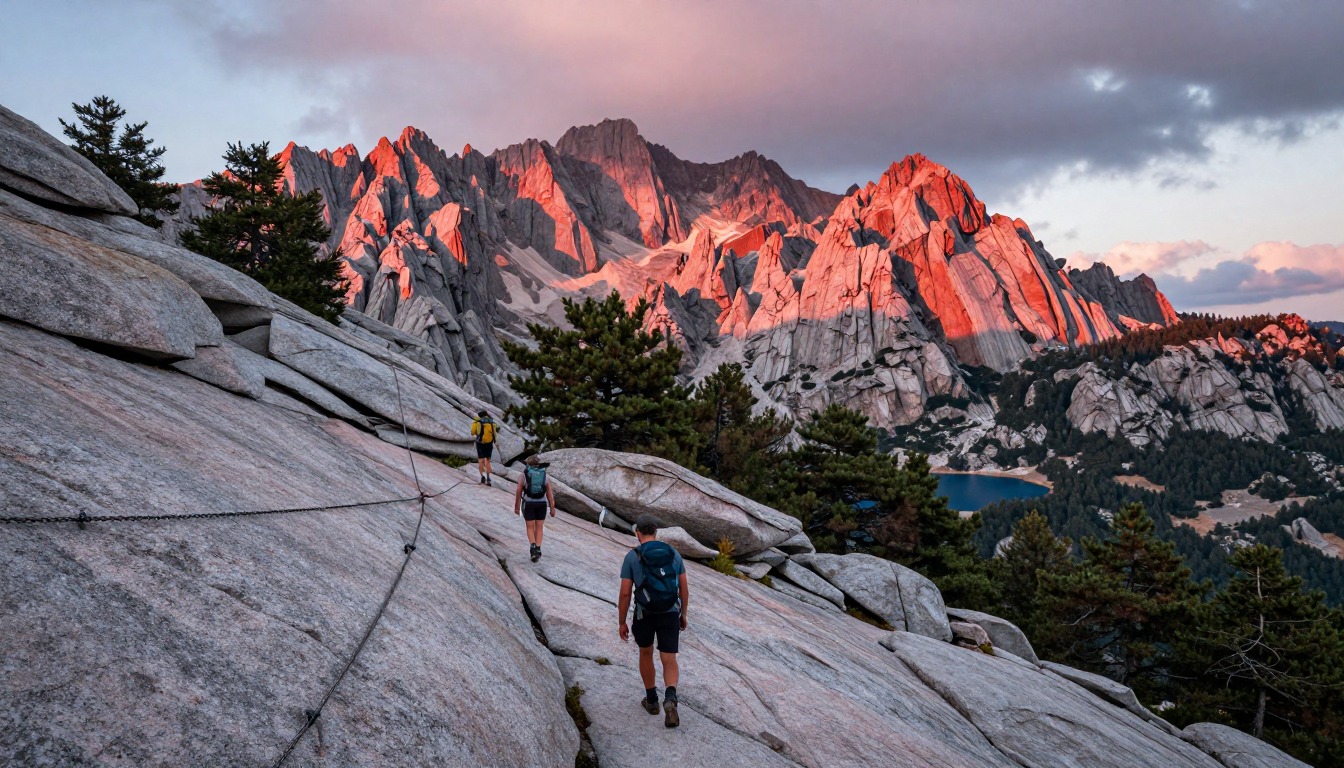
The GR20 is a roughly 180-kilometer high-mountain traverse across the spine of Corsica, widely regarded as one of the toughest long-distance trails in Europe, with rock scrambling and long, exposed days between stops. It's a hut-based hike: staffed mountain refuges line the route, so where you sleep each night is less a matter of choice and more a matter of booking ahead before the season fills up.
Why hike here
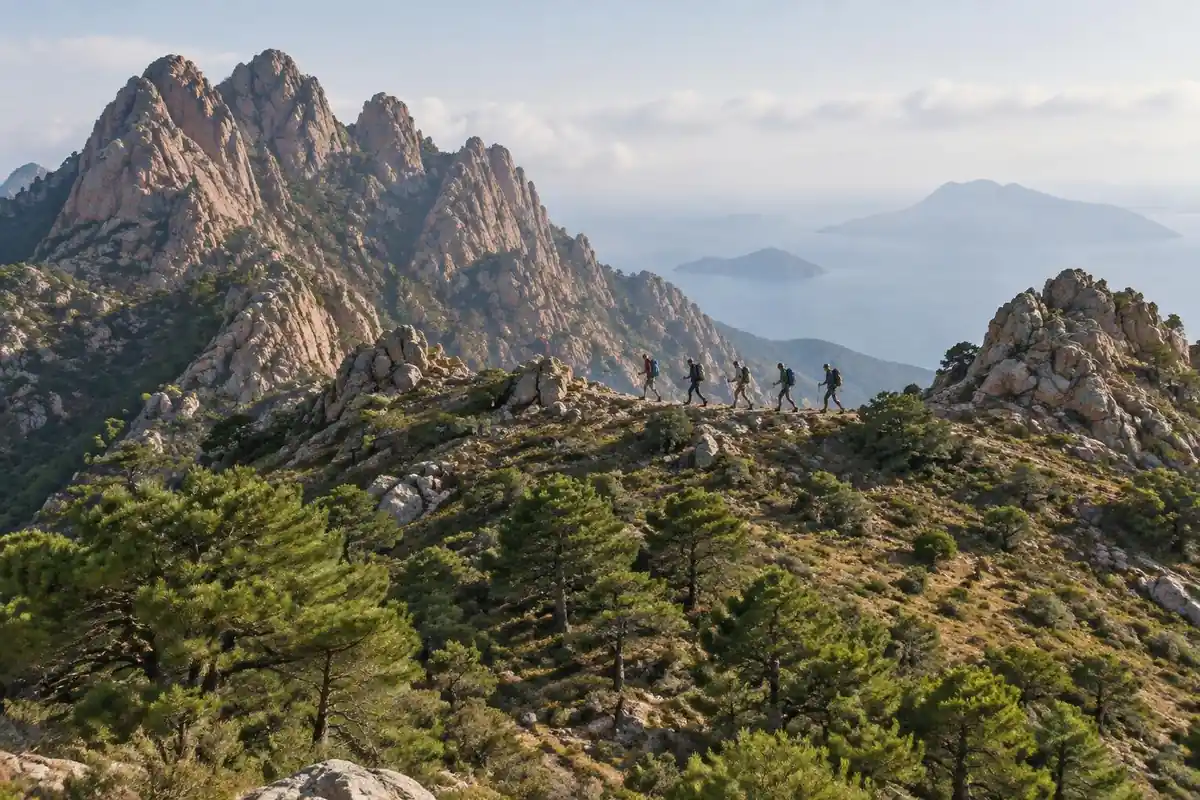
What makes the GR20 stand out is the terrain itself: granite ridgelines you scramble along with your hands as much as your feet, exposed passes where the trail narrows to a boot's width, and long views that stretch from bare rock down to the Mediterranean maquis far below. Because the route strings together one staffed refuge to the next, each day has a clear rhythm — climb, cross, descend, arrive, refill water, swap stories with other hikers who made it in that afternoon. It's less a scenic stroll than a physical test with scenery attached, and that combination — real difficulty paired with real reward at the top of every pass — is why hikers who've done long trails elsewhere in Europe still talk about Corsica differently.
Getting there
Corsica's airports handle mostly regional and mainland-France routes, so most hikers connect through a European hub before flying in. Calvi, Bastia, and Ajaccio all serve the island and put you within reach of either end of the GR20, depending on where you're starting. From there, the last leg is a road transfer: a taxi, shuttle, or local bus to Calenzana for the northern trailhead or to Conca for the southern one. Book that final transfer ahead during peak season, since transport options in these small trailhead towns are limited.
Where to stay
The realistic options, closest-to-the-trail first. Book through the official links — we don't list prices or availability because they change all the time.
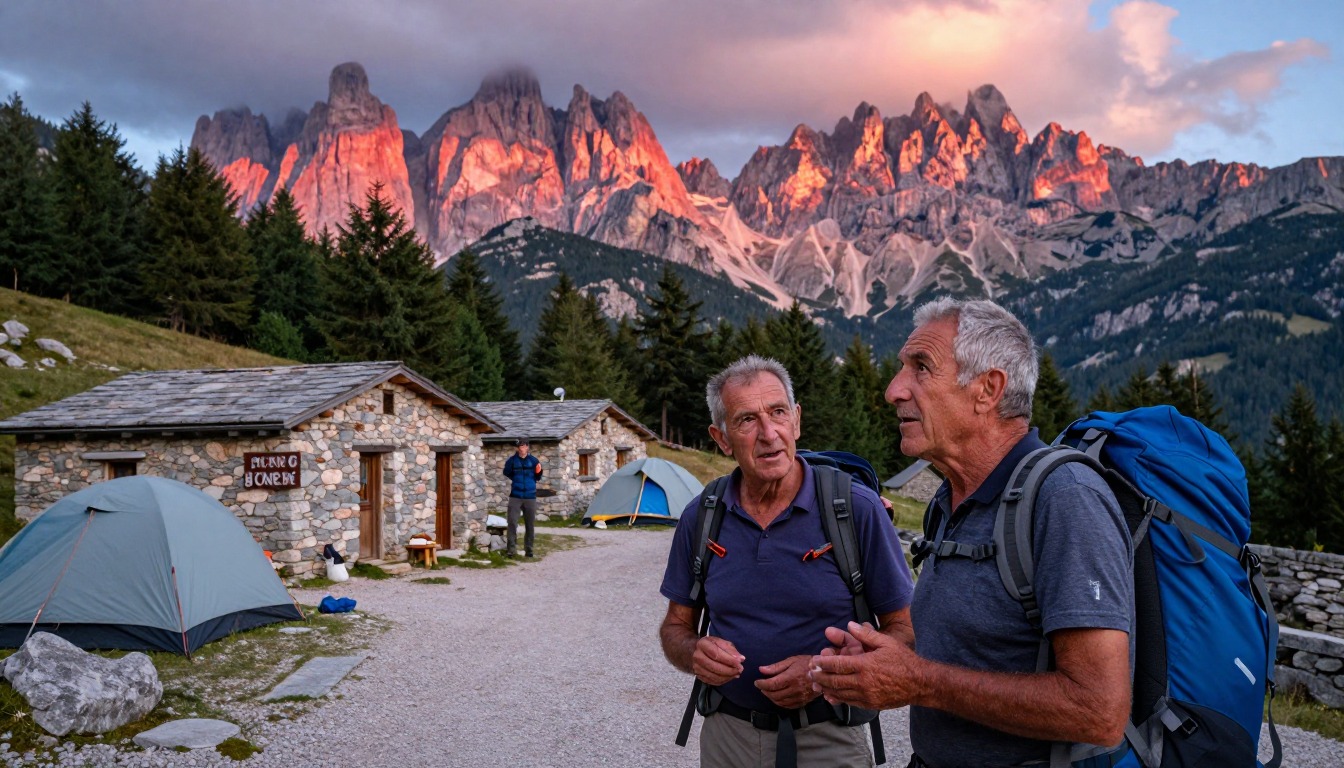
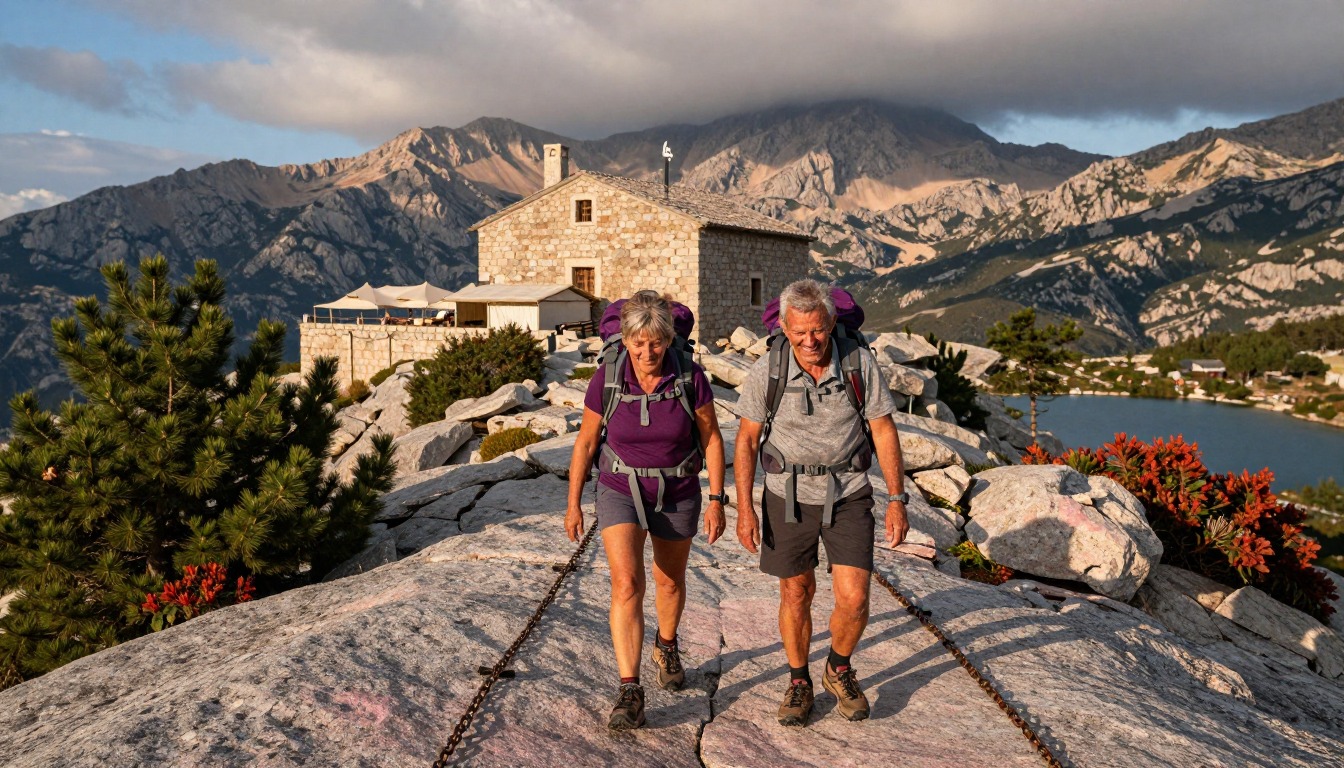
For example: Staffed mountain refuges along the traverse, with dorm bunks and marked tent areas
Most trekkers — refuges and their tent pitches are spaced a stage apart.
Refuge beds and pitches should be booked ahead in the summer season.
Parc naturel régional de CorseFor example: Rooms and gîtes at the north (Calenzana) and south (Conca) trailheads
Trekkers the night before and after the traverse.
Airports at Calvi, Bastia and Ajaccio serve the trailheads.
Nearby-town lodging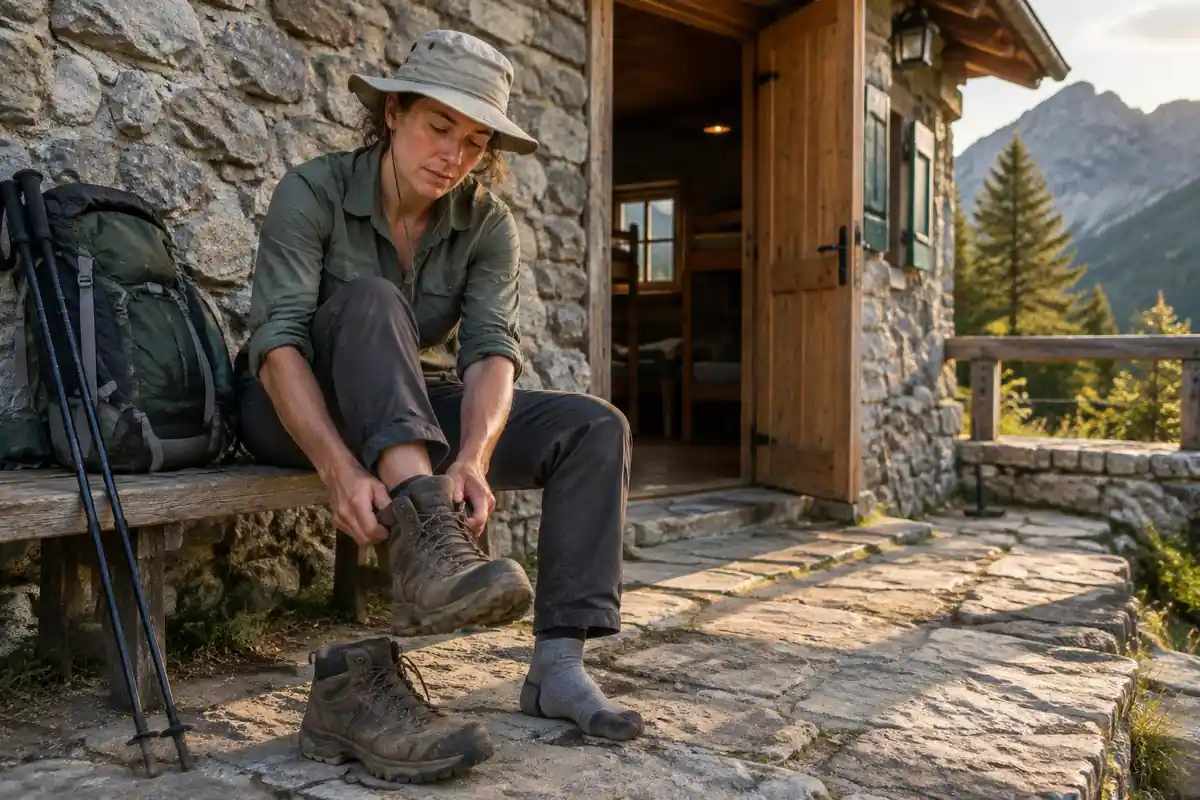
Permits & rules
No permit is required, but refuge and pitch bookings are needed in season. The GR20 is famously rugged with rock scrambling and long exposed days — it demands fitness and sure footing.
Gear you'll want for this trip
Matched to the terrain and conditions here. Real products — check current price on Amazon.


The refuge system and how the park describes it
The Parc naturel régional de Corse's site includes a booking-centers section and describes a public-service concession for running the restaurants in its high-altitude refuges.1 That tells you the refuges are part of an organized system with a managing authority behind them, not a loose collection of private huts. Ask the park which of the two ways of staying, a bunk or a tent pitch, applies to each refuge you plan to use and how to book it.
The same site names refuges on the GR20 including L'Onda, Ortu di u Piobbu and Usciolu, and describes Calenzana's information point and a hotel and shop in Conca as partners along the route.1 Those names are useful for cross-checking your itinerary: if a refuge on your plan is not named anywhere by the park, ask the park about it before relying on it. The site is in French, so a translation tool helps.
Bunk or tent: how the choice changes your pack
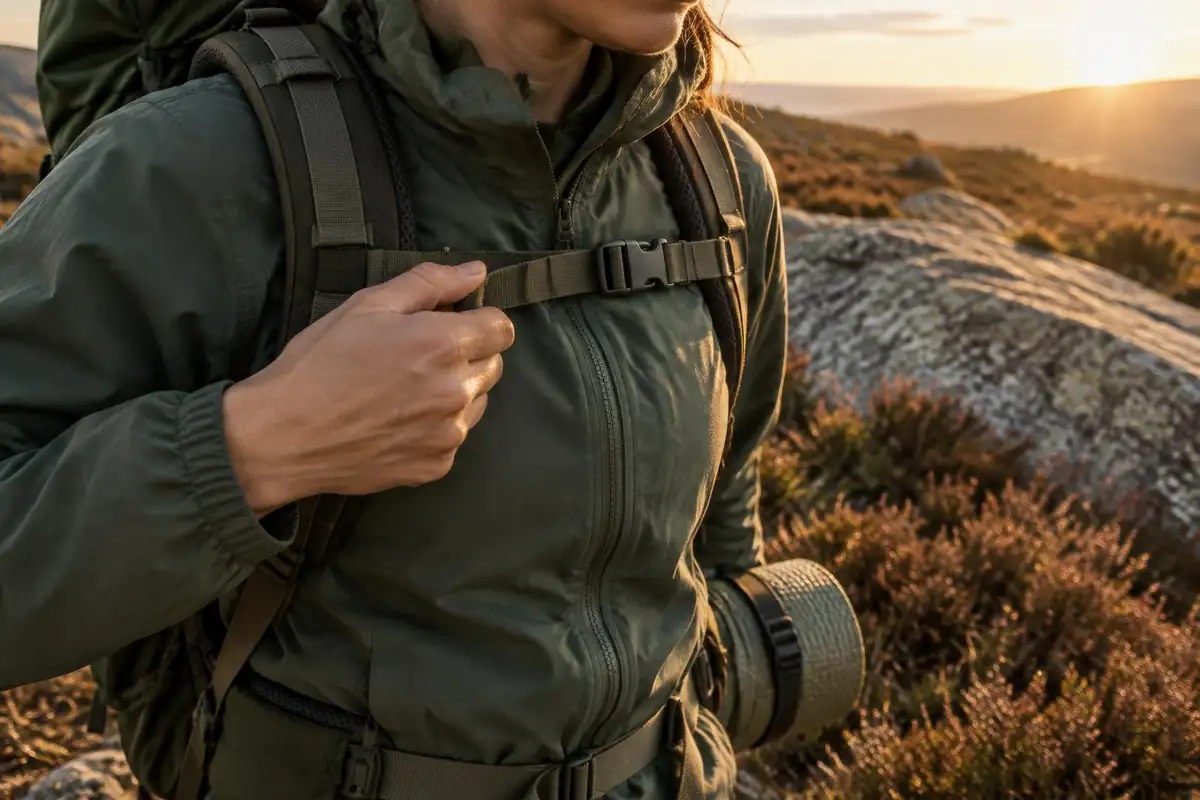
The existing page notes that refuges have dorm bunks and marked tent areas. Choosing a bunk means leaving the tent at home and relying on the refuge for shelter, and choosing a pitch means carrying a tent, pad and probably a stove. Washington Trails Association describes 50 to 70 liter packs for trips of three to seven nights and 45 to 50 liters for one or two nights, both assuming camping gear.3 A refuge trekker can often use a smaller pack, but only if the refuge supplies the meals and bedding you need, so ask.
Water still needs thought. The CDC says water from a clear mountain stream can still contain germs and is generally not safe to drink untreated, and that most portable filters remove parasites but not viruses or bacteria.4 Ask the refuges where drinking water is available and what treatment they recommend.
Exposed days, storms and getting help
The GR20 is known for scrambling and long, exposed stretches. The US National Weather Service says that in mountains thunderstorms often build in the early afternoon, so hike early and be off the mountain by noon, and to avoid ridge tops and hilltops during a storm.2 Corsica's weather may differ, but with refuges a stage apart, an early start protects you from having to decide between a storm and a distant bed.
The National Park Service advises setting a turnaround time and leaving a trip plan.5 It also says search and rescue can take hours or days depending on weather and resources.6 Since your bookings fix where you will be each night, they make an accurate plan for a contact to hold.
Common questions
Do I need to book huts in advance on the GR20?
Yes. The refuges along the route have limited dorm bunks and marked tent pitches, and they fill up fast in peak summer. Reserve beds or tent spots ahead of your trip rather than assuming you'll find space on arrival; the Corsica regional park's site has a reservation section for its refuges, so start there and confirm the terms for each one.
When is the best time to hike the GR20?
June through September, once snow has cleared the high stages, is the accepted window. Early and late in that range you may still hit patches of snow or ice on the higher passes, so check current trail conditions before you go and be ready to adjust your plan if a stage isn't passable yet.
What if I don't want to stay in a shared dorm every night?
The trailhead towns give you a break from dorm-style refuges: Calenzana in the north and Conca in the south both have rooms and gîtes where you can get a private space before or after the trek. Along the route itself, though, staffed refuges and their tent areas are effectively the only lodging.
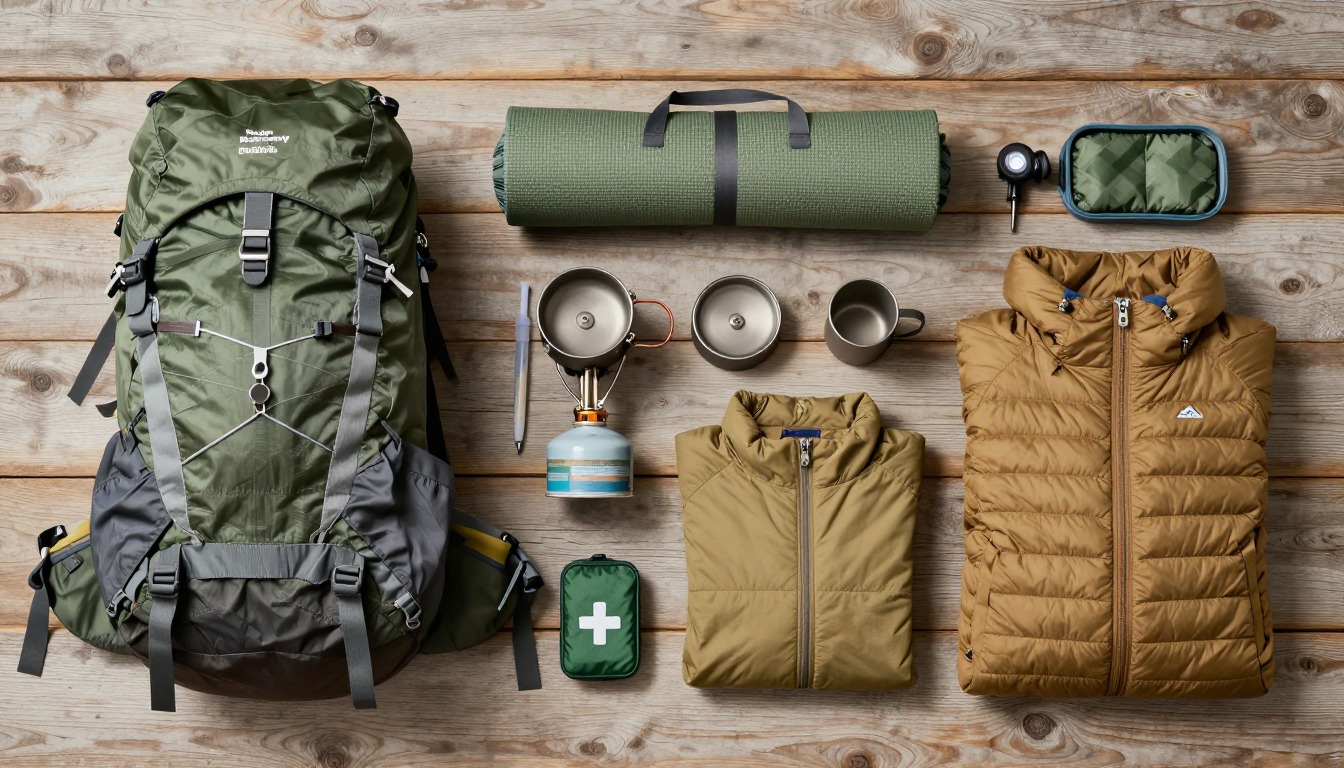
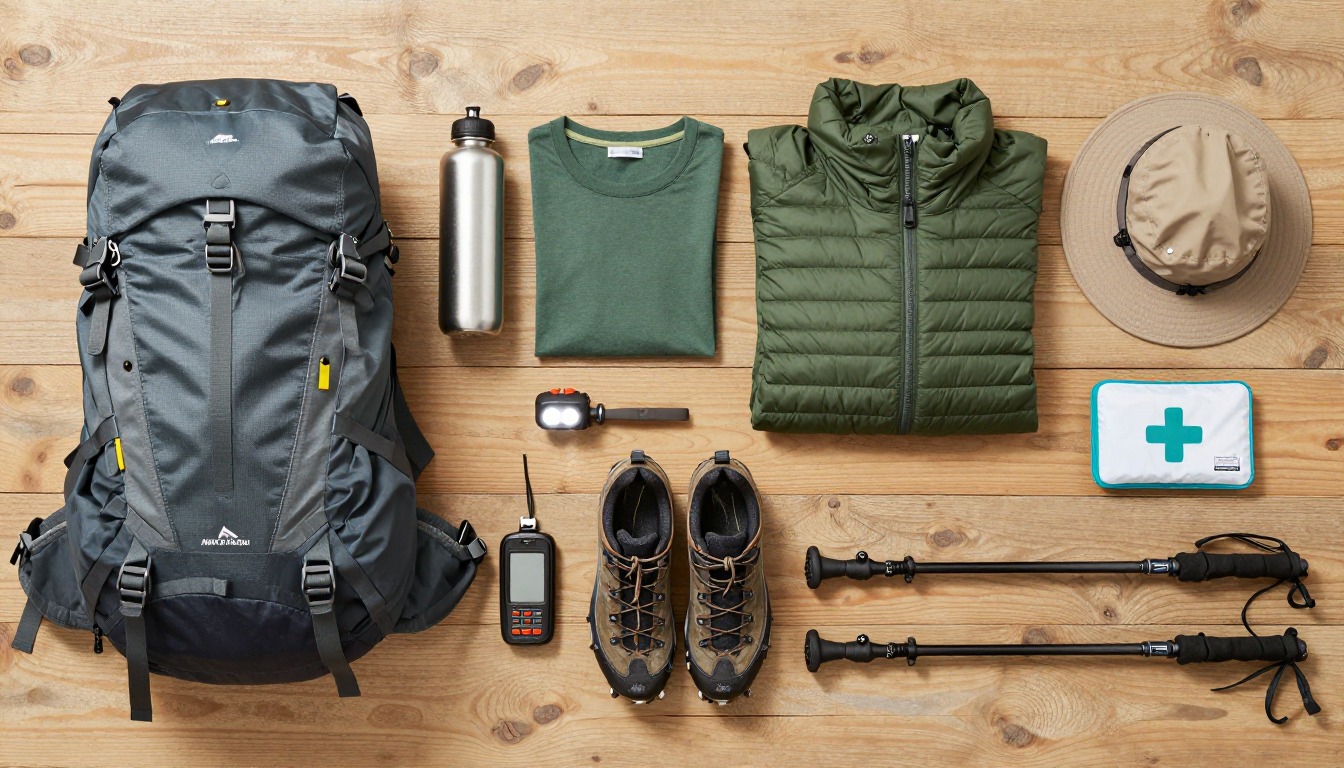
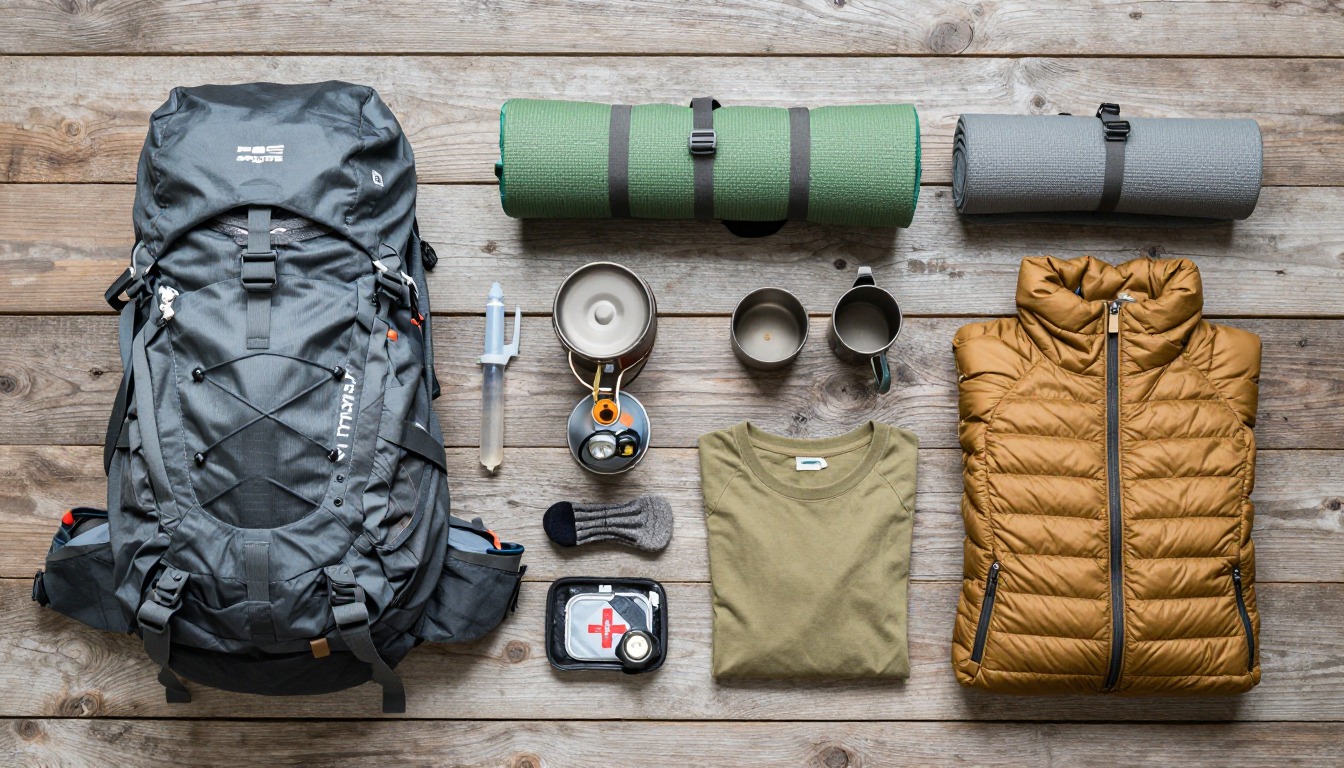
Complete gearsets for this trip
Full curated kits built for exactly this kind of hike — what to bring, why, and links to similar gear.
Lodging details are compiled from official parks, refuge associations and reservation systems and can change without notice. We publish no prices, availability or ratings — always confirm current information on the official site before booking or setting out. Product links and the accommodation map are affiliate links: we may earn a commission at no extra cost to you; product prices and availability are shown on Amazon, and accommodation prices on the booking site. See our affiliate disclosure.