
The alpine & above-treeline setup
Above treeline there's no canopy to break the wind and no trees to hint a storm is building — often no warning at all before a clear morning turns into blowing cloud or hail. This is an alpine and above-treeline setup for long day hikes and high traverses across exposed ridgelines: built around wind, sudden weather, and getting off high ground before it gets there first.
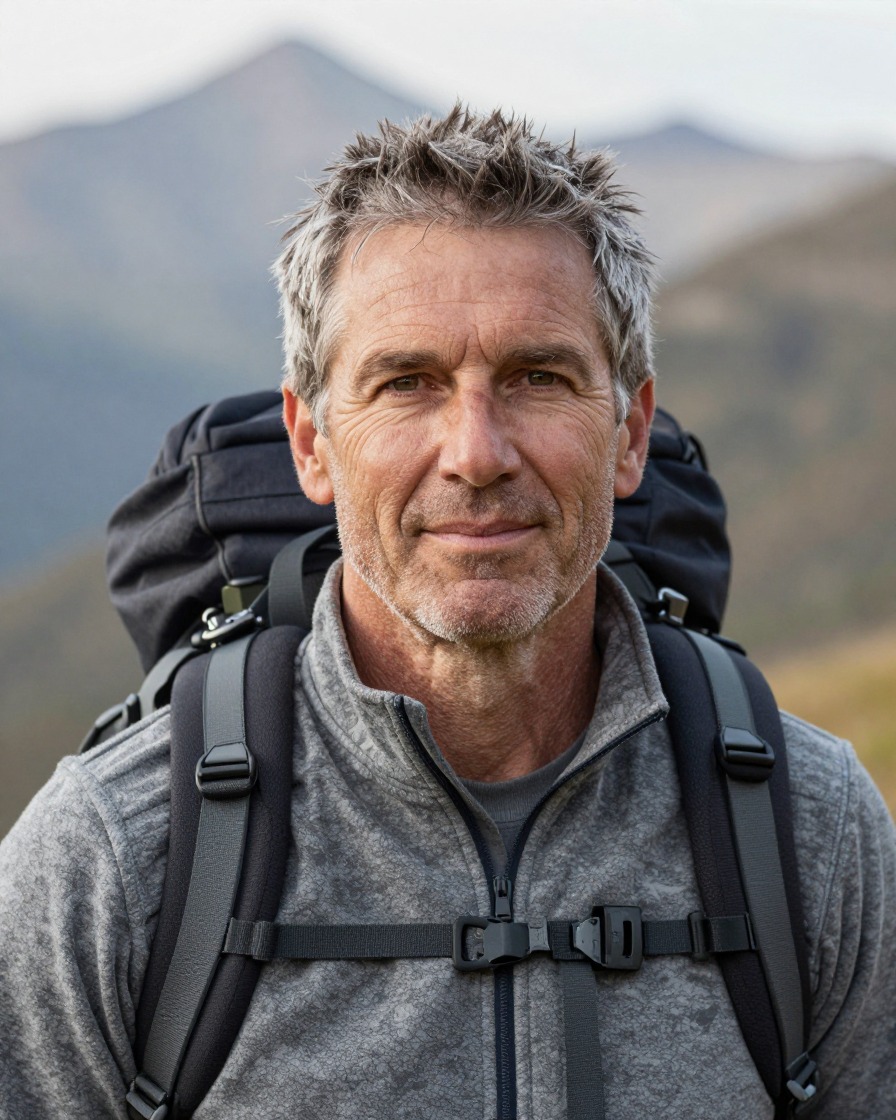
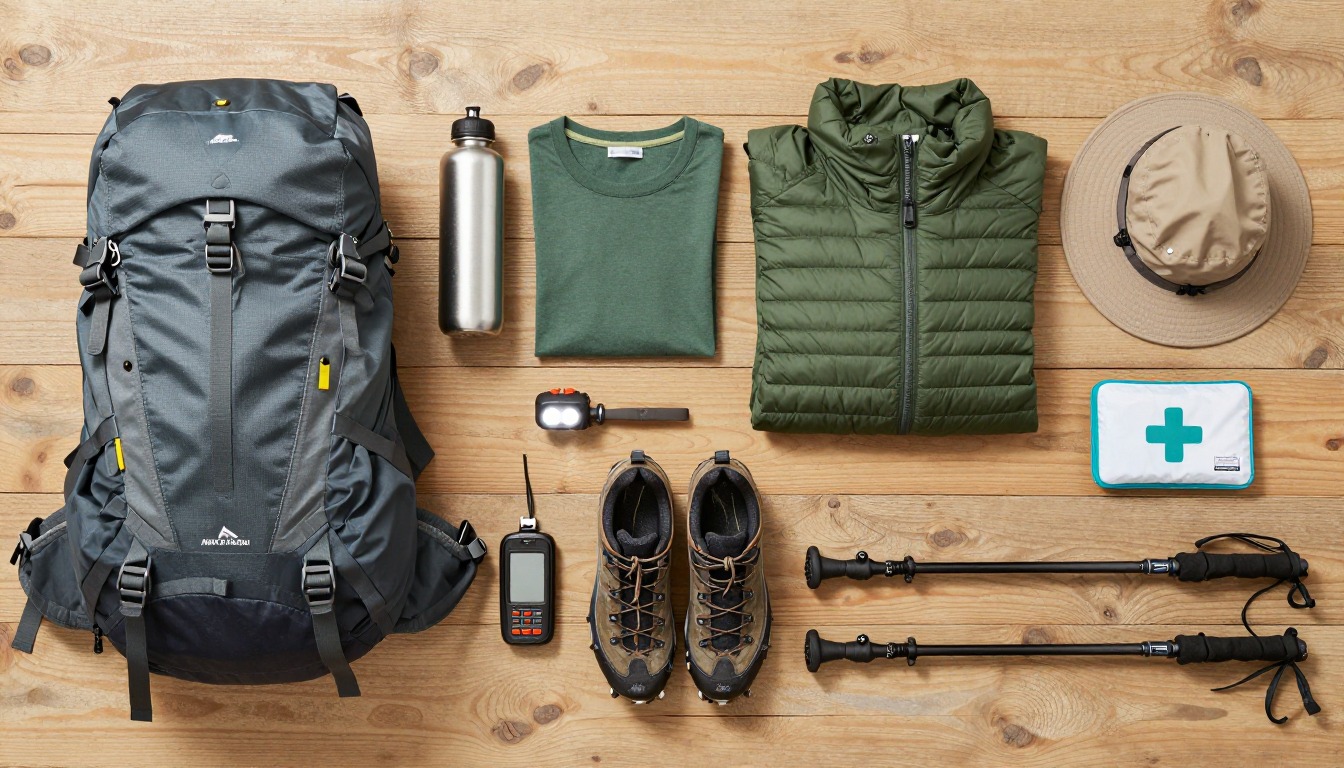
An above-treeline kit is built around instability, not distance. The terrain itself is the hazard: wind that never lets up, temperature swings of 30 degrees or more in an afternoon, and storms that build in the time it takes to eat lunch. Every piece here answers one of three threats — losing heat to wind, getting caught with no cover, or losing the trail in fog thick enough to erase the horizon. It's not about moving faster; it's about staying warm, oriented, and off exposed ground when the mountain decides the day is over.
This suits hikers comfortable on established above-treeline trails and ridge traverses, used to sustained exposure and weather that can turn fast, and disciplined enough to retreat rather than push through a building storm. It covers dry-season, non-technical terrain — rock, tundra and scree, not snowfields or ice. Snow or ice on steep ground, or any route crossing avalanche terrain, is mountaineering rather than a hike, and needs formal training, an ice axe and crampons, and a trained partner beyond this list.
- Start with a light daypack sized for wind layers, navigation backups and emergency shelter, not just food and water for the miles.
- Build a layering system that blocks wind first: a base layer, an insulating layer, and a windproof shell you can get on fast when a squall hits.
- Add navigation you trust with zero visibility — map and compass or GPS you can use without landmarks — plus a satellite messenger where there's no cell signal.
- Set a hard weather deadline for exposed ground, same as a turnaround time, and pack emergency shelter and extra warmth you hope never to use.
About this setup
Above treeline the rules of hiking change. There's no canopy to slow the wind, no trees to hide behind, and often no warning before a clear morning gives way to blowing cloud or a fast-building storm. Whether it's a long day on an open ridge or a high traverse between basins, the terrain does the work that used to be optional: wind that never stops, a temperature swing of 30 degrees or more between a sheltered start and an exposed summit, and weather that builds faster than you can react to.
Two hazards deserve special attention up here. The first is disorientation: fog or low cloud can erase the trail and every landmark within minutes, which is why navigation above treeline means holding a bearing and finding your way down without anything to look at. The second is timing: afternoon thunderstorms are common in mountain country through the warmer months, and there's little worse than being the tallest thing on an open ridge when one arrives. Neither problem is solved by gear alone — it's solved by setting a hard deadline for exposed ground and honoring it.
None of this is mountaineering, and it isn't meant to be. Snow or ice on steep terrain, or any route crossing avalanche terrain, is a different sport — it needs formal training, an ice axe and crampons you know how to use, and a partner trained alongside you, well beyond a packing list. If your route above treeline still has that kind of snow on it, that's the sign to turn back and build those skills first, not improvise with what's in this kit.
The pack
Above treeline your pack is your only shelter from the wind — sized for extra layers, navigation backups and emergency gear, not stripped down for speed.
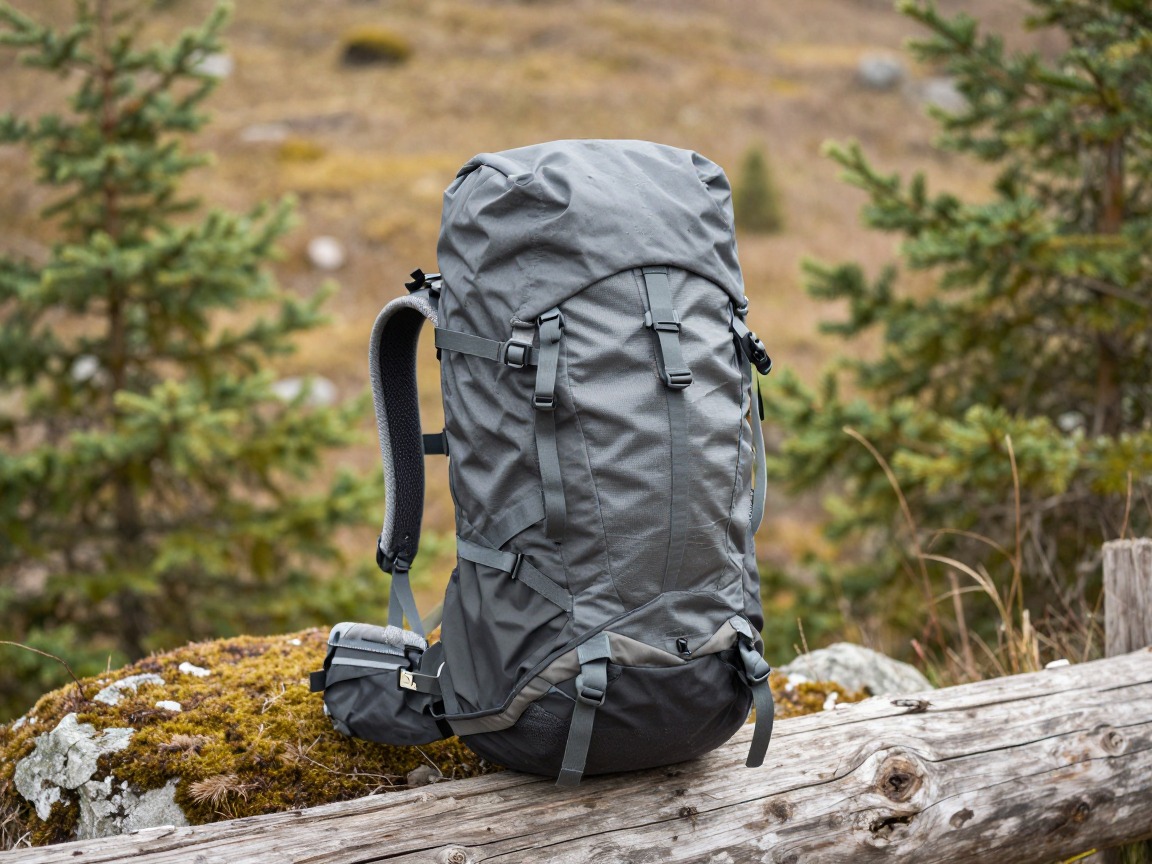
Alpine daypack
Carries the wind layers, navigation backups and emergency shelter a long day or traverse above treeline needs, beyond food and water for the miles.
What to look for: A close-fitting 25–35 L pack with external attachment points and a simple, weatherproof design. Room to stash a jacket fast matters more than a long feature list.
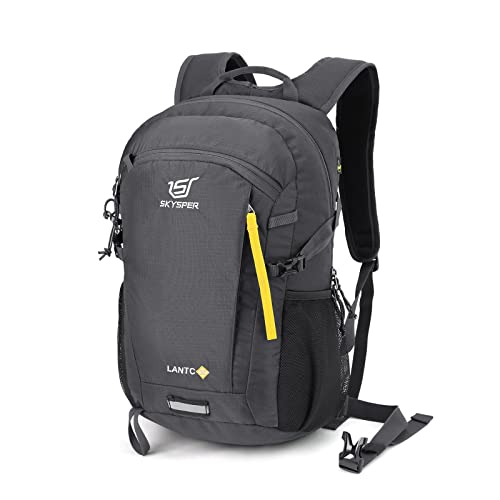 SKYSPER Small Hiking Backpack Check price
  Osprey Sportlite 20L Lightweight Hiking Backpack Check price
 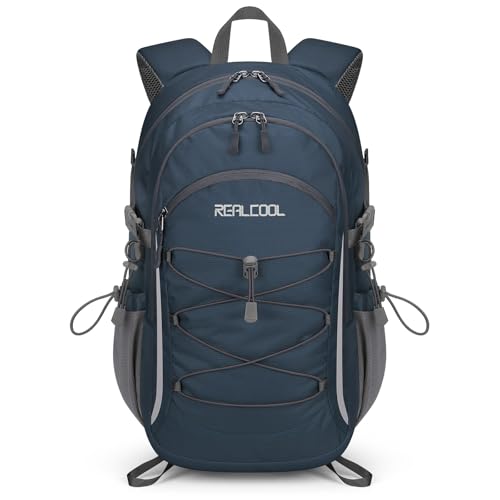 RealCool 20L Lightweight Hiking Backpack Check price
 - A pack liner or dry bag, for when weather moves in fast
Water & fuel for a long day up high
Thin air and constant wind dry you out faster than the effort feels like, and a long traverse leaves little room to refill.
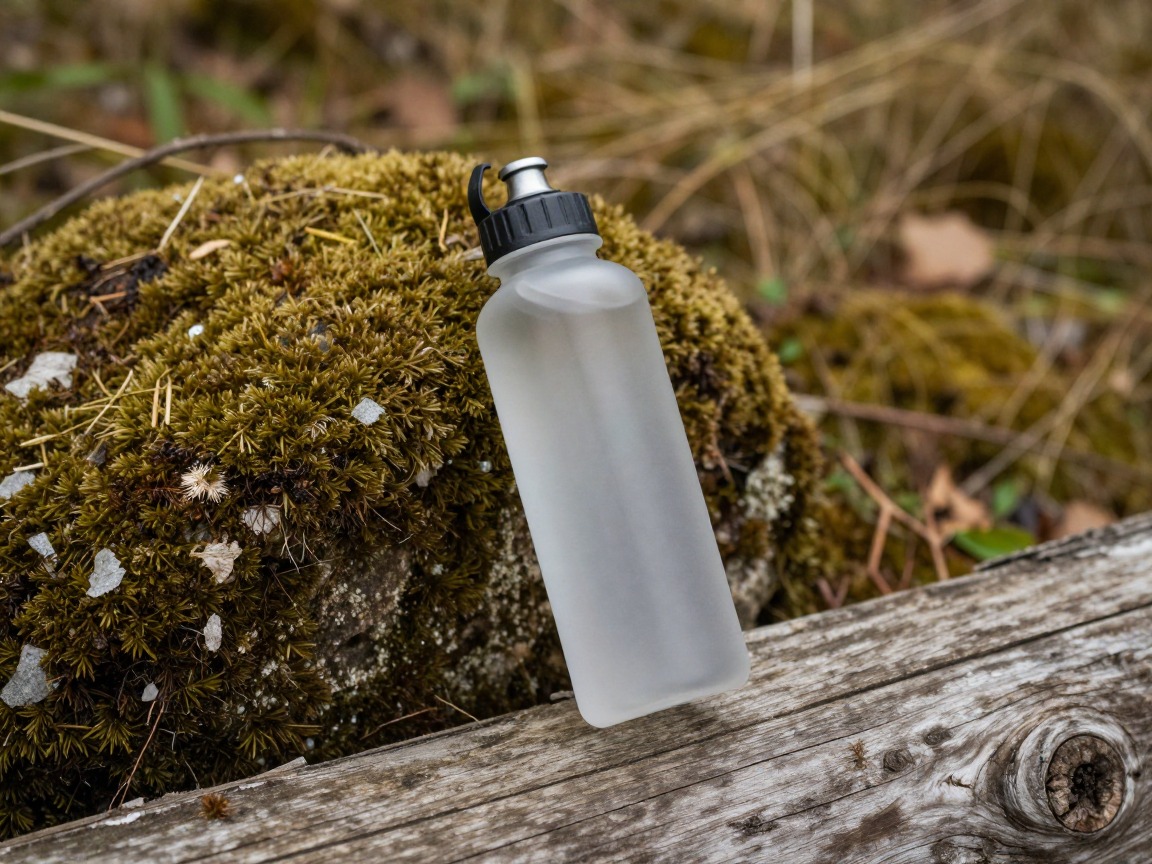
Insulated bottle
Holds up through a cold, windy start and stays usable if temperatures drop hard once weather moves in.
What to look for: An insulated, wide-mouth bottle or two, easy to fill and drink from with gloves on. Simple and reliable beats a hose that can freeze or snag.
 Nalgene 32 oz Wide Mouth Water Bottle Check price
  Nalgene 32 oz Wide Mouth Water Bottle Check price
  Nalgene 32 oz Wide Mouth Water Bottle Check price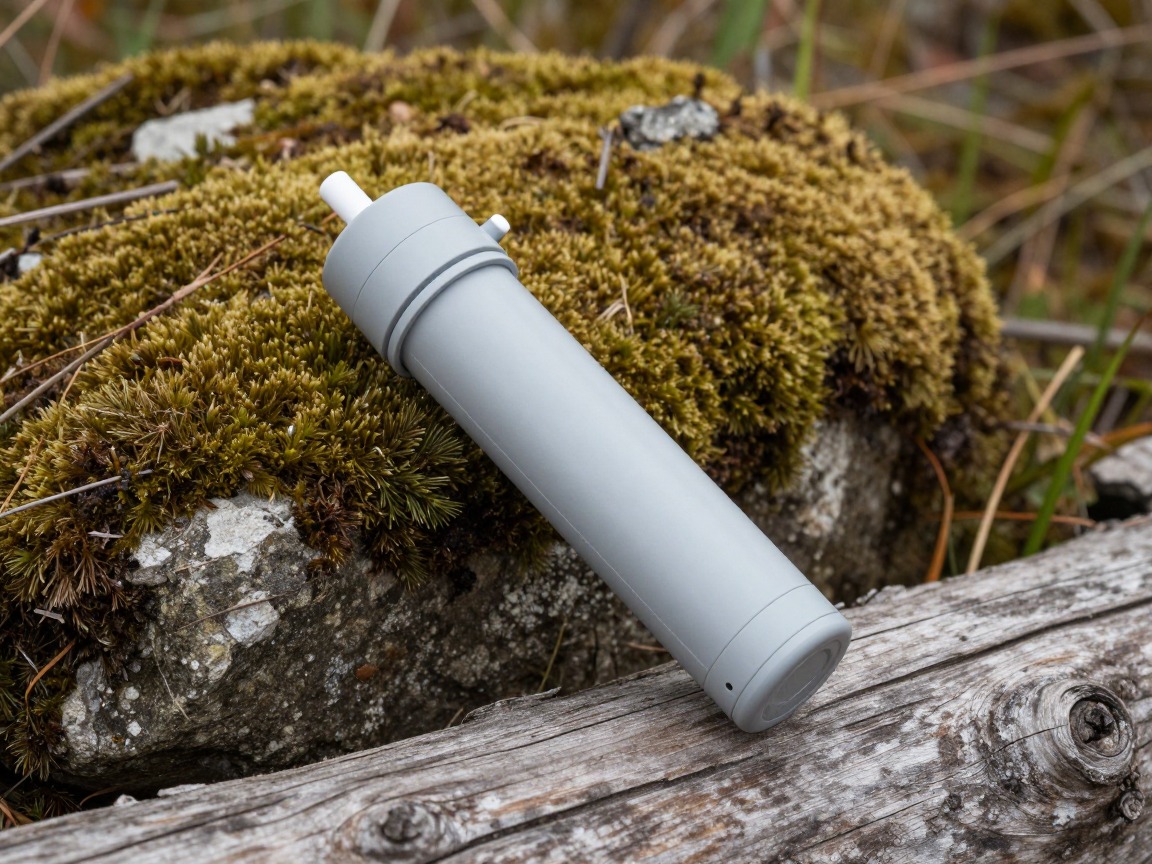
Water filter
Above the last reliable creek or snowmelt near treeline, water sources can disappear for hours — filter and top off before you commit to open ground.
What to look for: Fast and light, built for occasional use rather than daily filtering. Treat the last water below treeline as your final fill-up.
 Sawyer Squeeze Water Filtration System Check price
  Sawyer Products SP128 Mini Water Filtration System Check price
  LifeStraw Personal Water Filter for Hiking Check price
 - Calorie-dense food you can eat on the move
- Electrolyte mix or tabs
- Extra food beyond what the day should take
Wind & the layering system
Wind, not cold air alone, is what chills you above treeline — this layering system goes on fast, in either direction of a big temperature swing.
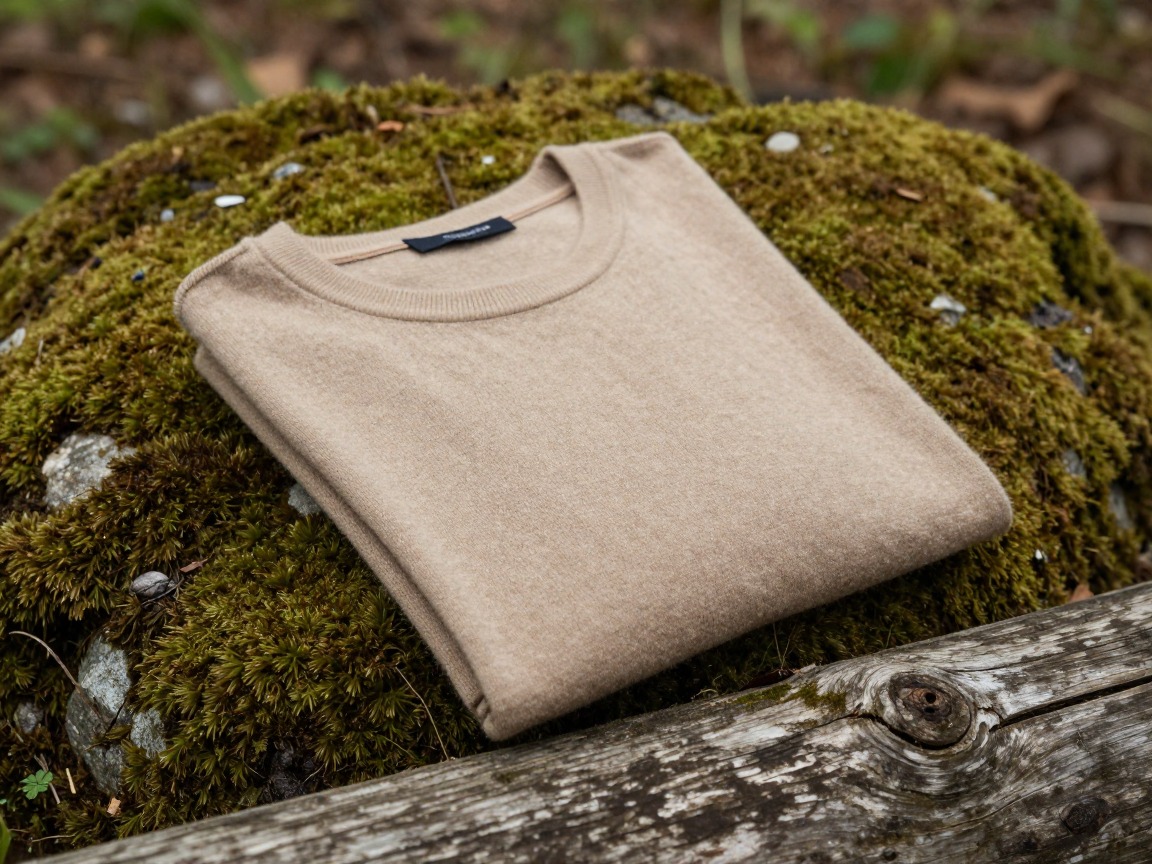
Wicking base layer
Keeps you working through a cold, windy start and through the swing between shaded gullies and full alpine sun.
What to look for: A midweight merino or synthetic base that keeps insulating even damp. Cotton is genuinely dangerous here — it holds moisture and gives up its warmth exactly when the wind picks up.
 100% Merino Wool Base Layer Men Set - Thermal Underwear for Men Long Check price
  Merino.tech Merino Wool Base Layer Women Set - Heavyweight Check price
  100% Merino Wool Base Layer Men Set - Thermal Long Underwear with Ba Check price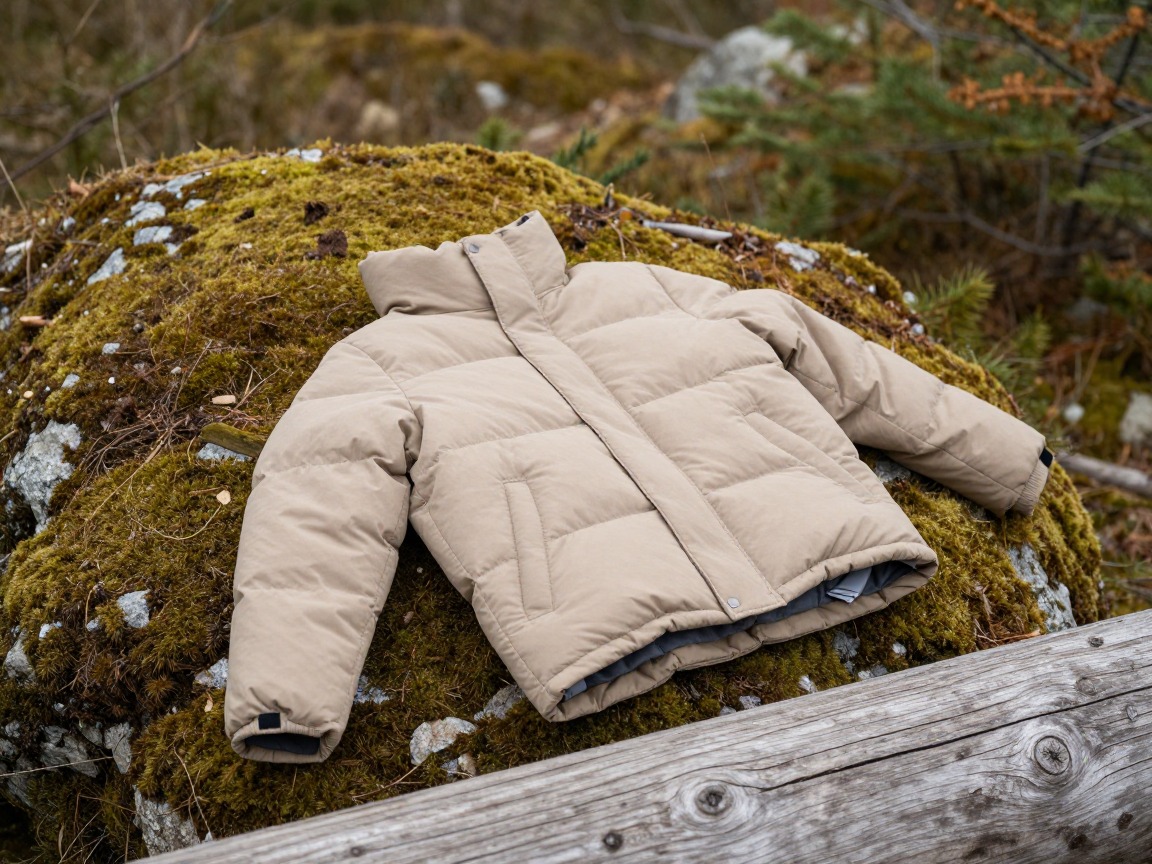
Packable insulated layer
Goes on the moment you stop moving or the wind picks up — above treeline, that moment can arrive with no warning.
What to look for: The most warmth for its weight, quick to pull on over other layers. Synthetic fill keeps insulating if it gets damp in blown mist or spindrift.
 Outdoor Ventures Women's Packable Lightweight Puffer Jacket with Hoo Check price
  Amazon Essentials Women's Lightweight Long-Sleeve Water-Resistant Pa Check price
  Outdoor Ventures Women's Packable Lightweight Puffer Jacket with Hoo Check price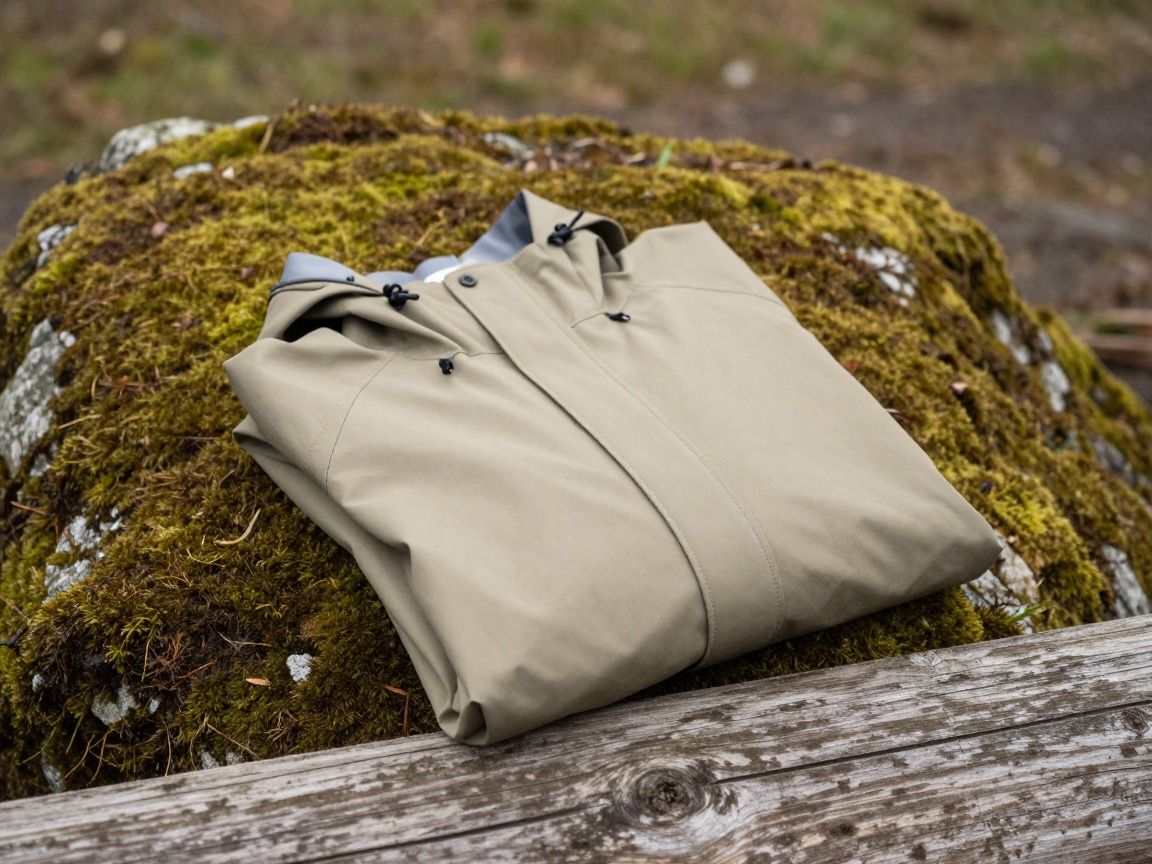
Wind/storm shell
Blocks wind and turns a building storm from an emergency into an inconvenience — the single most-used piece of clothing on exposed ground.
What to look for: Fully waterproof and windproof, with a hood that cinches down and fits over a warm hat. Keep it at the top of the pack, not the bottom.
 UIQUR Mens Rain Jacket Raincoat Waterproof Windbreaker Black L Check price
  COOFANDY Men's Waterproof Hiking Travel Shell Breathable Rain Jacket Check price
  Columbia Womens Arcadia II Waterproof Rain Jacket Check price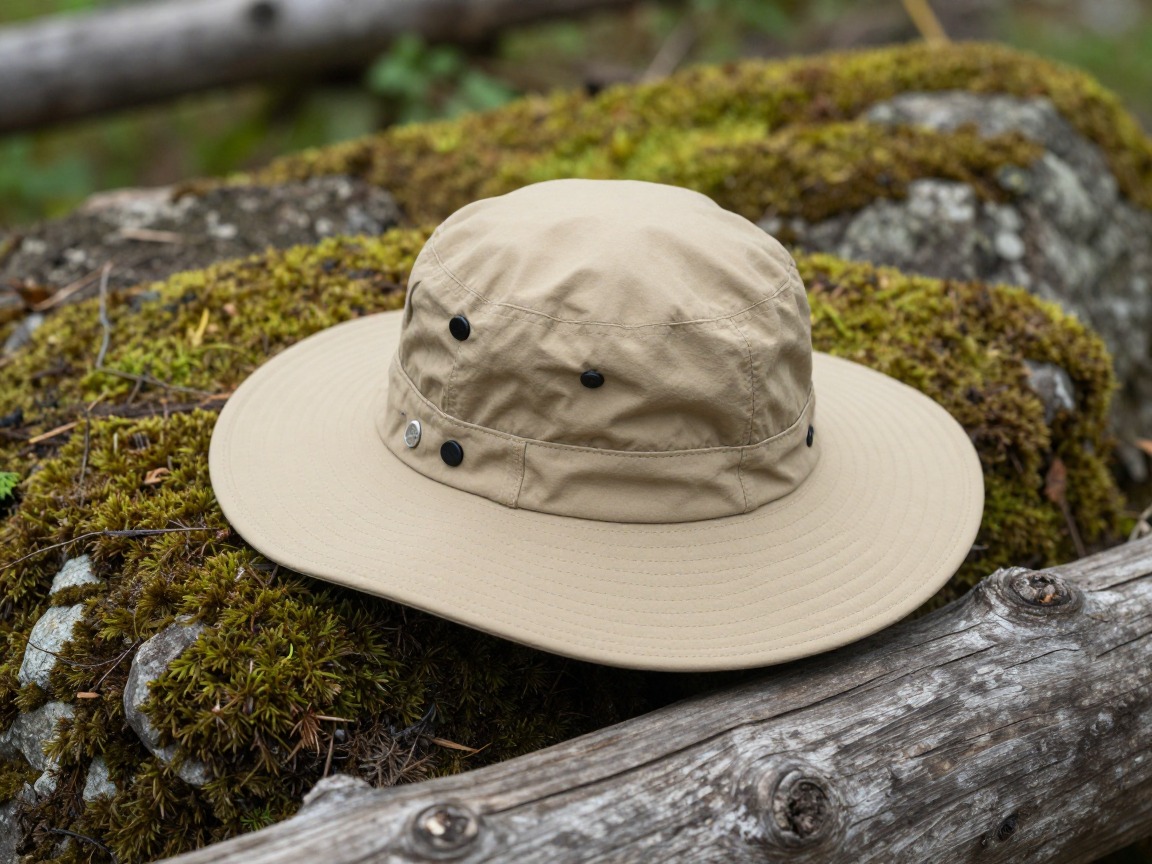
Sun protection
Thinner air at altitude filters less UV, so sun and wind burn skin and eyes faster up high than the same conditions closer to sea level.
What to look for: A brimmed hat that shades face and neck, sunglasses that block wind-driven grit and glare, and real sunscreen reapplied through the day.
 FURTALK Womens Sun Hat with Ponytail Hole Beach Hiking Summer Wide B Check price
 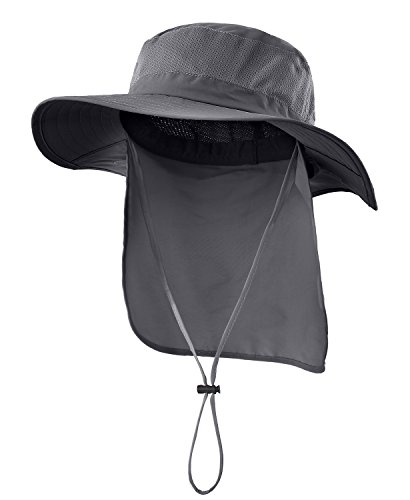 Home Prefer Outdoor UPF50+ Mesh Sun Hat Wide Brim Fishing Hat with N Check price
  FURTALK Sun Hats for Men Fishing Hat UPF Protection Wide Brim Bucket Check price
 - Wool hiking socks plus a dry spare
- Warm hat or beanie
- Wind-blocking gloves
- Buff or neck gaiter for driving wind
Navigation, whiteout & storm timing
This is where an above-treeline setup earns its name: no landmarks in fog, and a hard deadline for getting off exposed ground before afternoon storms build.
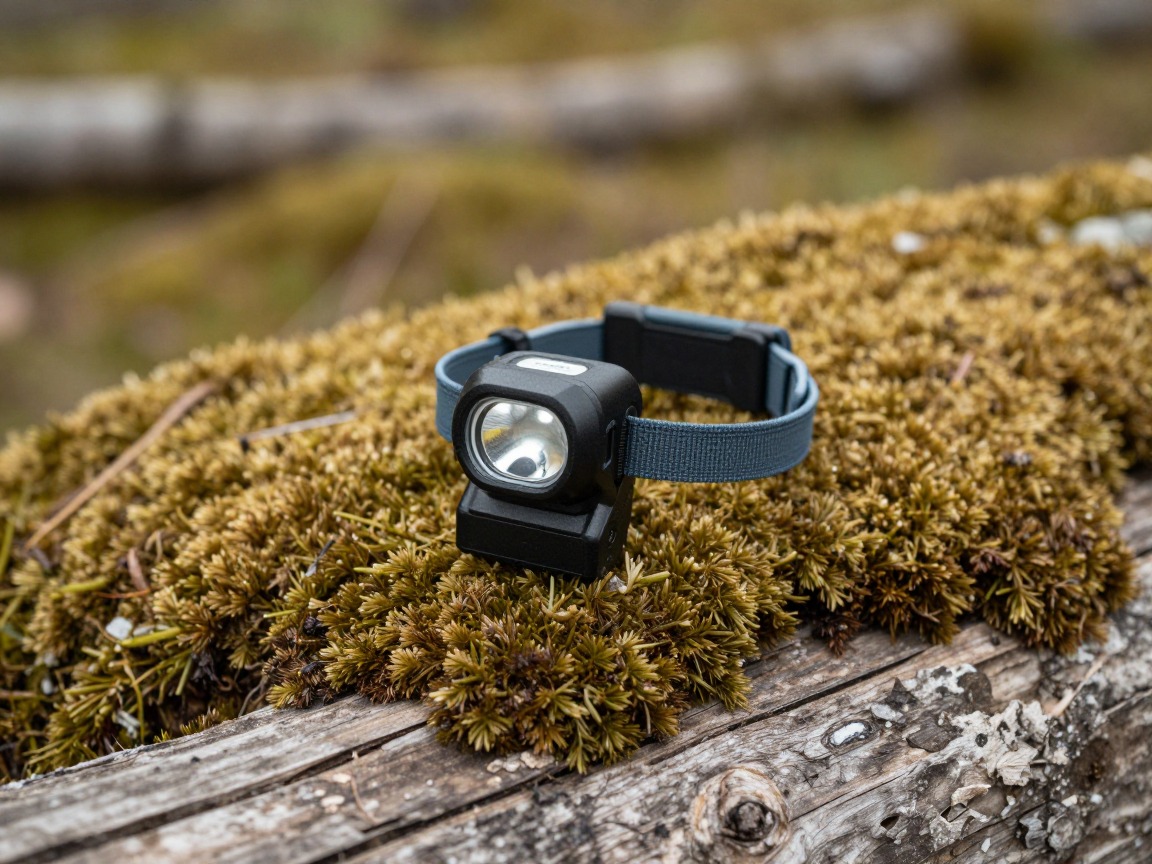
Headlamp
Backs up a day that runs long, and lets you navigate in poor light if fog or an early storm cuts visibility well before dark.
What to look for: Enough output to move confidently in poor visibility, a secure strap, and a lock mode so it doesn't drain in your pack.
 LHKNL Headlamp Flashlight Check price
 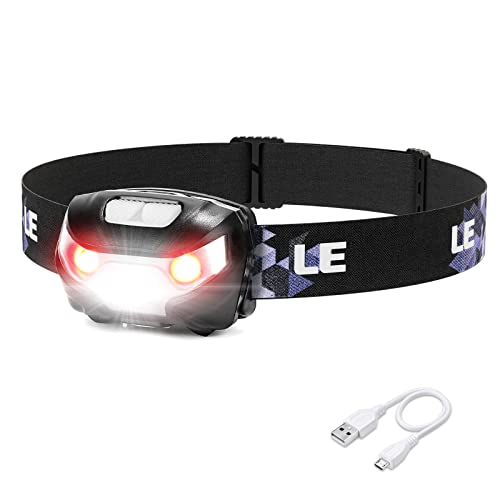 Lepro LED Headlamp Rechargeable IPX4 Waterproof Headlight 5 Modes - Check price
 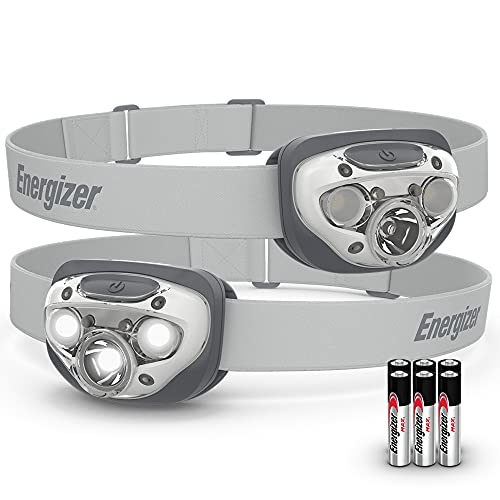 Energizer LED Headlamp PRO Check price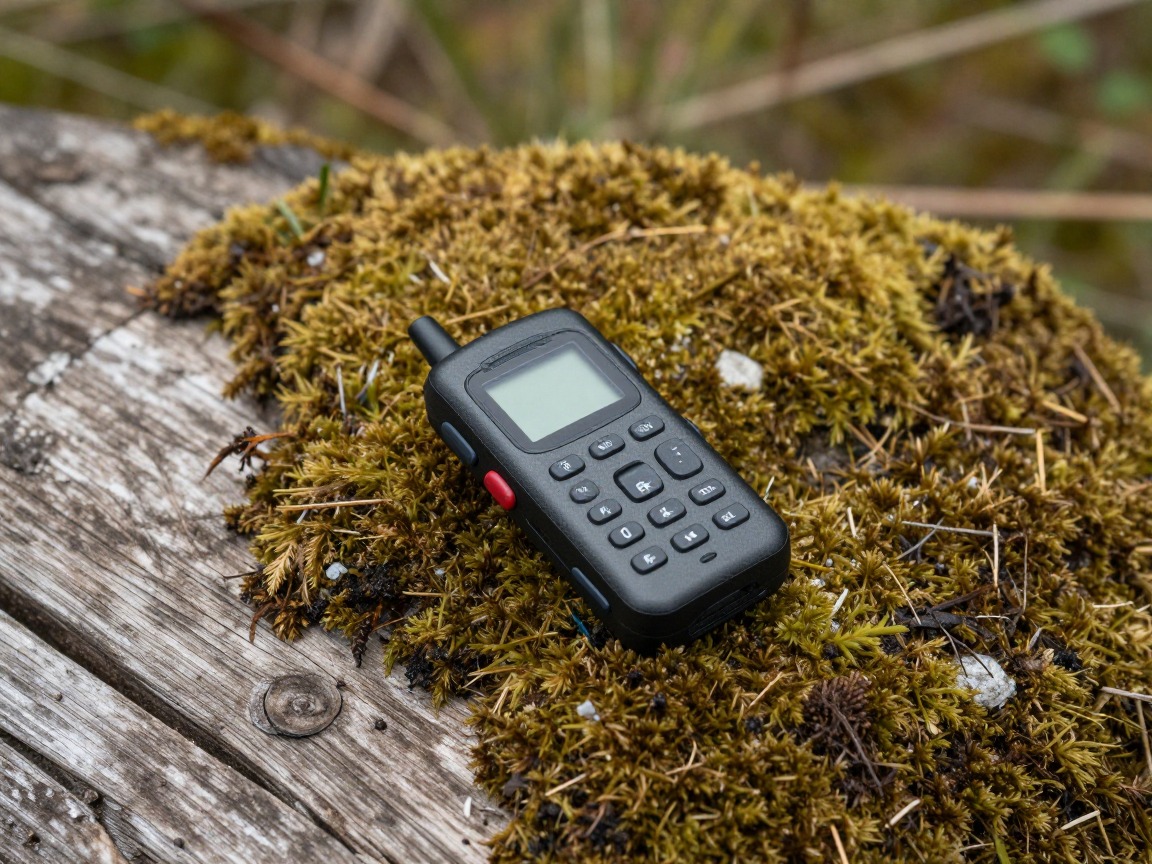
Satellite messenger
Above-treeline routes often sit well outside cell coverage — a satellite messenger lets you check in or call for help if you're disoriented or the weather turns dangerous.
What to look for: Two-way messaging and SOS, with a battery that lasts the full day plus a margin. Learn how to use it before you're relying on it in fog.
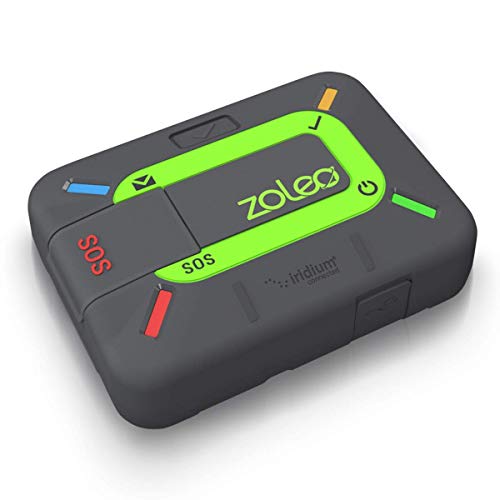 ZOLEO Satellite Communicator Check price
  Garmin inReach® Messenger Satellite Communicator Check price
  Garmin inReach® Mini 2 Check price
 - Map + compass you can use without landmarks, or a GPS with the route loaded
- A weather forecast checked the morning of, not the night before
- A hard turnaround or retreat time for exposed ground
- A written route left with someone
Traction, poles & safety backups
Lingering snow patches and loose rock are common above treeline well into the season — traction and poles keep you upright, and the backups here cover what happens if a storm catches you out.
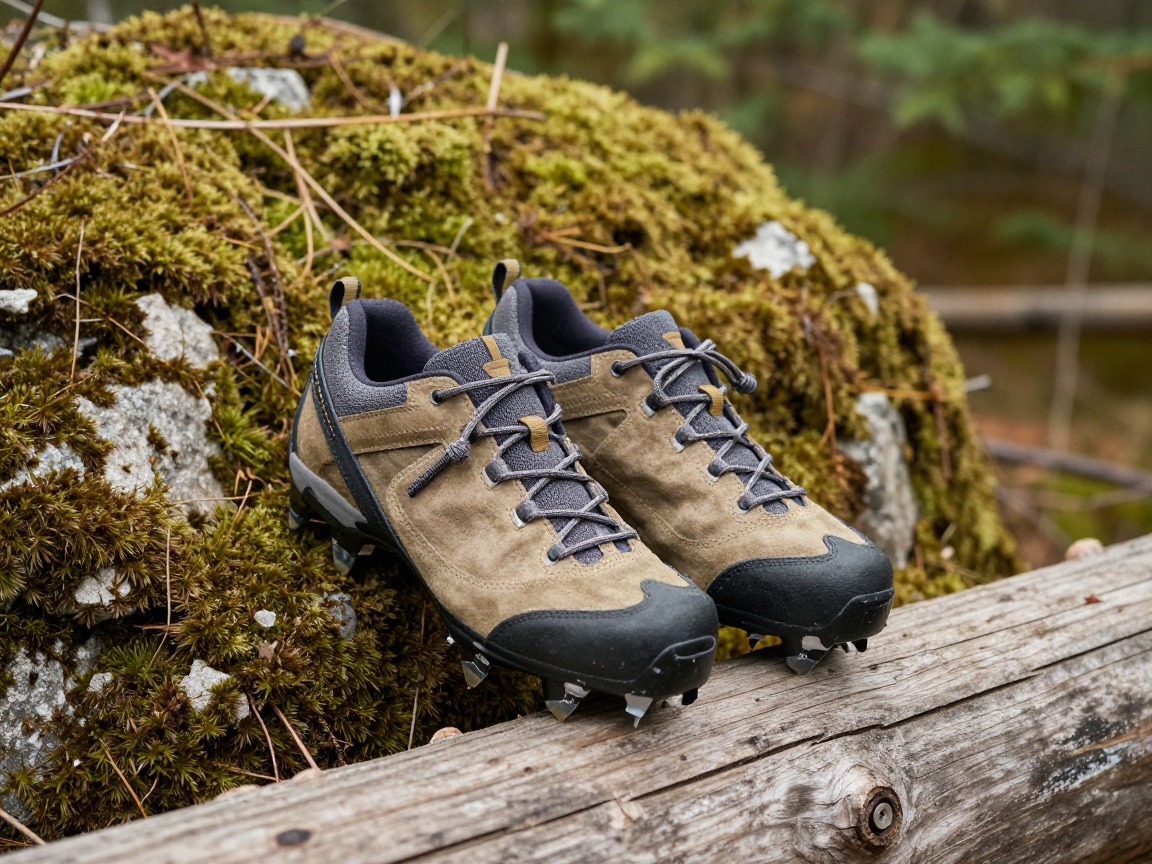
Microspikes
Occasional snow patches or icy shaded sections on an otherwise dry route turn slick fast — spikes make a short crossing a non-event.
What to look for: Slip-on microspikes that pack small, good for packed snow and icy patches on walkable ground. Steep or continuous snow needing an axe and crampons is mountaineering, not this list.
 Kahtoola MICROspikes Footwear Traction for Winter Check price
 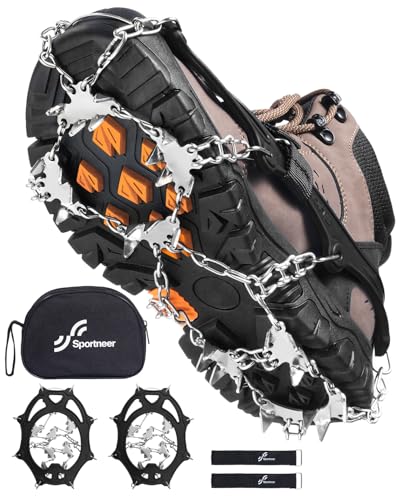 Sportneer Crampons: Ice Cleats for Shoes and Boots with 28 Spikes - Check price
  Kahtoola MICROspikes Footwear Traction for Winter Check price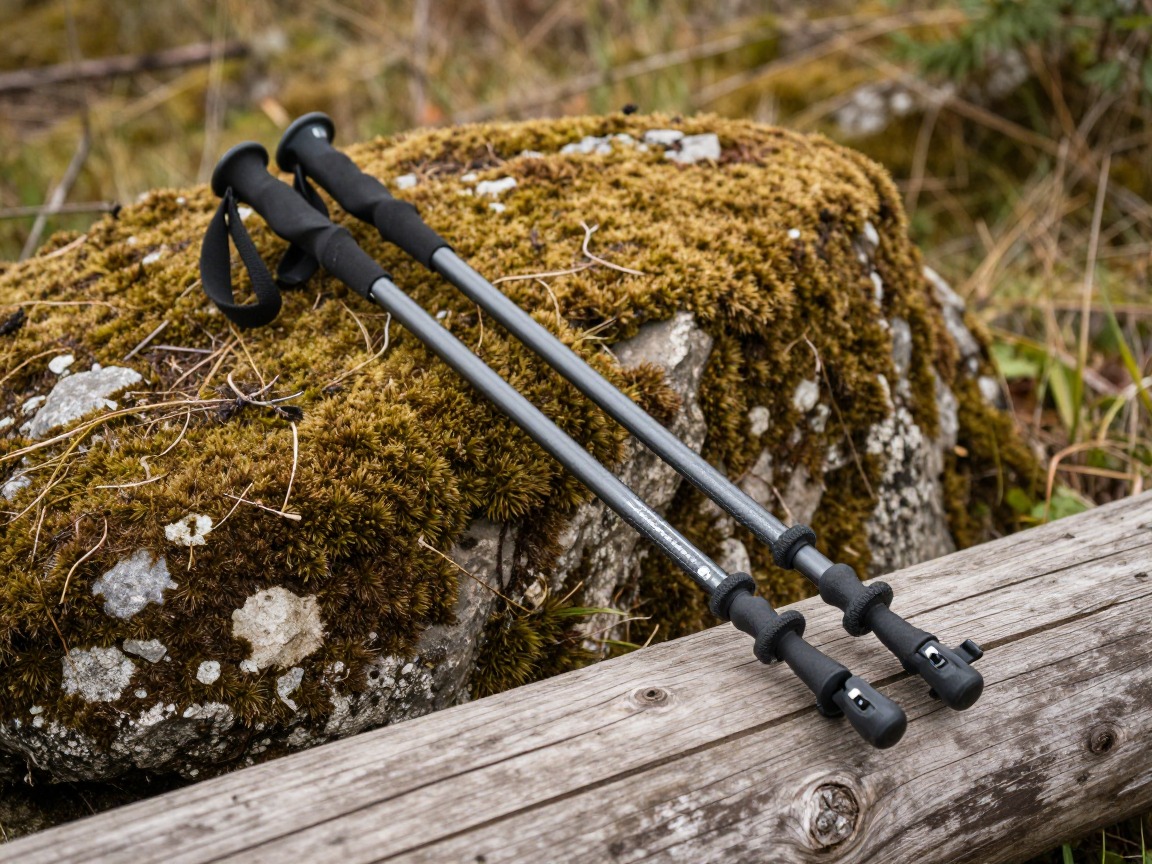
Trekking poles
Add stability on loose talus and scree, and steady you against wind gusts on an open ridge.
What to look for: Adjustable, comfortable grips and locks that hold under load. Useful for balance in wind as much as for the climb itself.
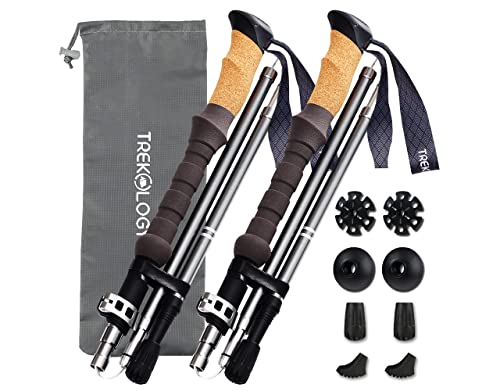 Trekology Trek-Z Cork Grip Collapsible Lightweight Hiking Trekking P Check price
 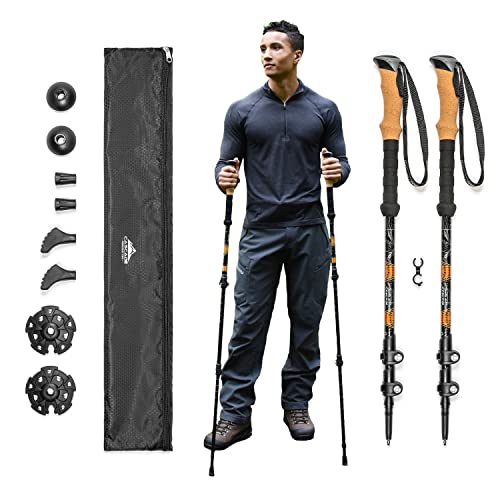 Cascade Mountain Tech Trekking Poles Check price
 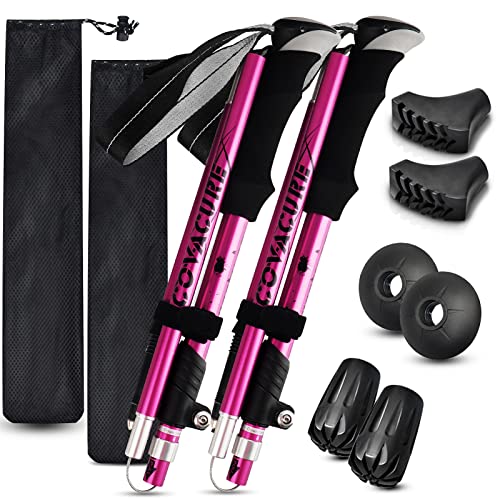 covacure Hiking Poles Check price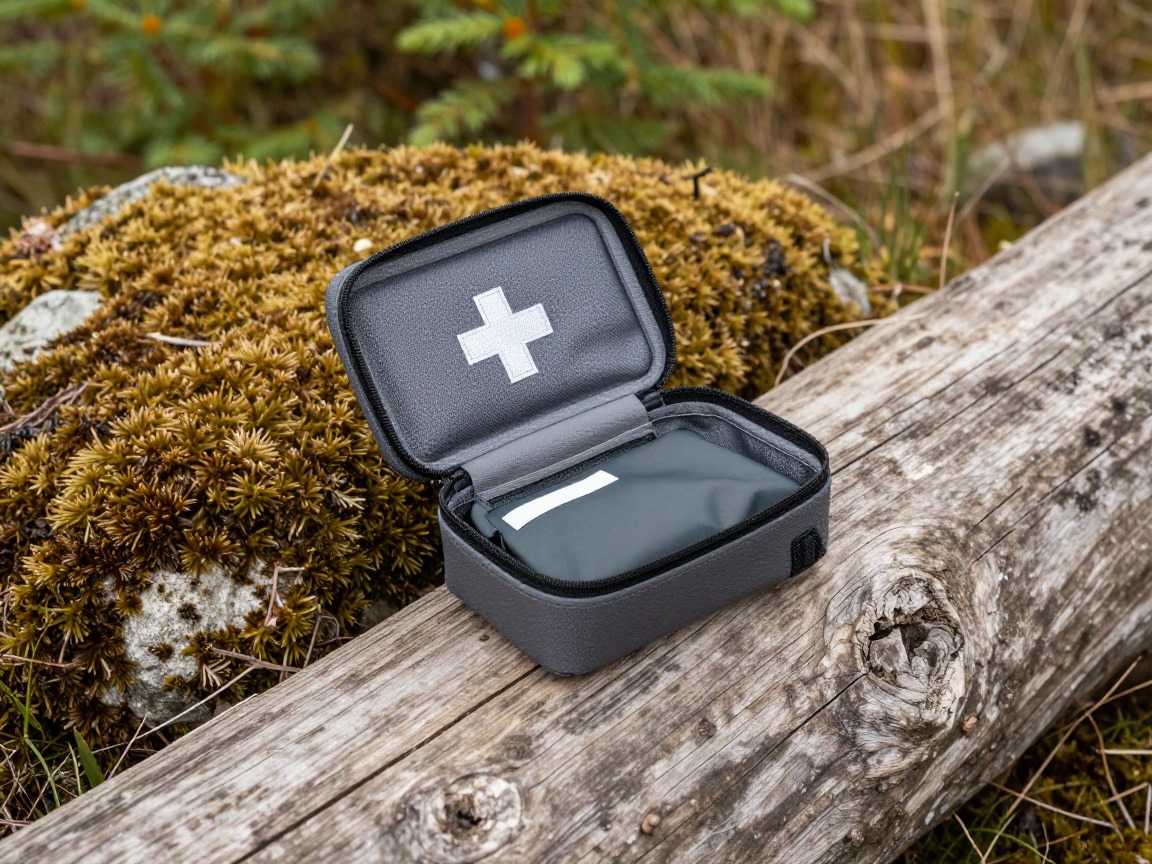
First-aid kit
Covers blisters, cuts and the small stuff, alongside a basic sense of hypothermia and altitude symptoms in yourself and your group.
What to look for: A compact kit weighted toward what actually happens on long, exposed days — then learn what's in it before you need it.
 Mini First Aid Kit - 150 Piece Small Waterproof EVA Hard Shell Case Check price
  Adventure Medical Kits Ultralight/Watertight Medical Kit .5 Check price
 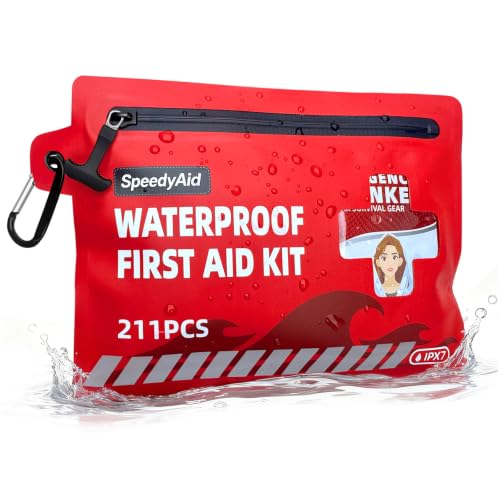 211 PCS Waterproof First Aid Kit Check price
 - Emergency shelter (bivy or space blanket), carried on every trip up high
- Whistle
- Fire — lighter/matches
- Phone + power bank
- Sunscreen & SPF lip balm
How to adapt this setup
More exposed miles between basins means more food, water and margin — plan bailout points off the ridge and know where they are before you start.
In the warmer months, treat an early-afternoon deadline for exposed ground as fixed, not a guess, and start earlier than feels necessary to build in margin.
When visibility drops to nothing, navigation redundancy matters more than speed — carry map and compass even if you trust your GPS, and practice using them before you need them.
Occasional snow crossings call for traction and caution. Steep or continuous snow is your sign to step back and get mountaineering training and gear first.
Lean harder on the wind shell and packable insulation, and be ready to layer up and move off the ridge the moment gusts or cloud start building.
Common mistakes to avoid
- Treating wind as a minor annoyance instead of the main way you lose heat above treeline.
- No hard deadline for exposed ground, so an afternoon storm arrives while you're still on the ridge.
- Trusting a phone or GPS alone, then losing the trail entirely when fog rolls in.
- Skipping real sun protection because it's not hot — altitude sun burns just as fast, faster off snow or rock.
- Leaving emergency shelter at home on a 'short' day, then having nothing when weather turns.
- Pushing on toward a summit after the turnaround time because it looks close, instead of respecting the deadline.
Make it yours
Frequently asked questions
What makes above-treeline hiking different from a regular day hike?
There's no tree cover to block wind or signal a storm building, so exposure, wind chill and fast-changing weather become the main hazards instead of distance or elevation gain alone. The kit shifts toward wind-blocking layers, navigation for low visibility, and mandatory emergency shelter.
How do I navigate in fog or whiteout conditions above treeline?
Know your bearing and route before visibility drops, and carry a map and compass (or a GPS with the route loaded) you can use without landmarks to guide you. Practicing this on a clear day is what makes it usable on a foggy one — don't wait until you need it to learn it.
When should I turn back on an exposed ridge or traverse?
Set a hard weather deadline before you start — commonly an early-afternoon cutoff in thunderstorm season — and treat building cloud, distant thunder or static in the air as an immediate reason to head for lower ground, not a maybe.
Do I need sun protection above treeline if it's not hot?
Yes — thinner air at altitude filters less UV, and sun reflecting off open rock or lingering snow burns skin and eyes faster than the same conditions lower down, even on a cool or overcast day.
Do I need mountaineering gear for above-treeline hiking?
Not for dry, non-technical terrain — rock, tundra and scree covered by this list. If your route has snow or ice on steep ground, or crosses avalanche terrain, that's mountaineering territory and calls for formal training, an ice axe and crampons, and a trained partner.
Illustrative images show the type of gear, not specific products. Recommendations link to similar items on Amazon; we only ever link real listings and never show fabricated prices or ratings. General planning guidance, not a substitute for your own judgment or professional backcountry-safety instruction.