
Alta Via 1 vs Tour du Mont Blanc: Which Should You Hike?
Choose Alta Via 1 if you want a point-to-point Dolomites trek of limestone towers, rifugi and scree traverses, with optional via-ferrata variants. Choose Tour du Mont Blanc if you prefer a loop around one massif, wide signed paths, balcony views and built-in bus and lift shortcuts. Both are strenuous hut-to-hut trips.
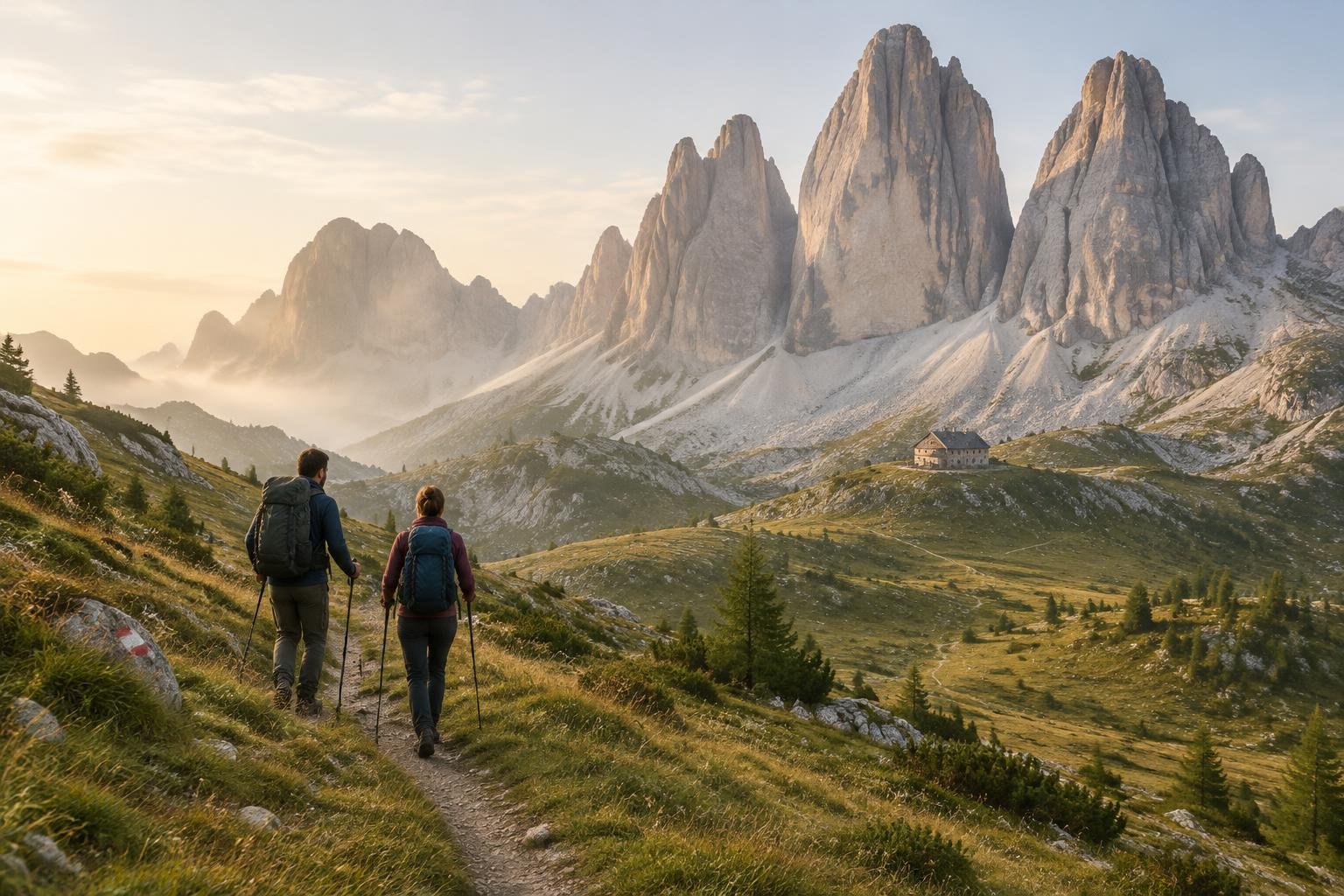
Alta Via 1 and Tour du Mont Blanc at a glance
Alta Via 1 is a waymarked thru-hike through the Dolomites, running roughly 120-125 km (75-78 mi) from Lago di Braies/Dobbiaco to Belluno. The Tour du Mont Blanc is a roughly 170 km (105 mi) loop through France, Italy and Switzerland, starting and ending in the Chamonix valley. Hikers compare them because both are classic Alpine hut-to-hut treks of about a week and a half, with refuge or rifugio bookings shaping the itinerary.
| Alta Via 1 | Tour du Mont Blanc | |
|---|---|---|
| Place | Dolomites · Italy | European Alps · France, Italy & Switzerland |
| Distance | ~120-125 km (75-78 mi), Lago di Braies/Dobbiaco to Belluno | ~170 km / 105 mi circuit |
| Elevation gain | ~6,230-7,400 m cumulative ascent | ~10,000 m (33,000 ft) cumulative ascent over the full circuit (descent roughly equal) |
| Difficulty | Strenuous (hut-to-hut multi-day; some sections have via-ferrata-assisted exposure depending on variant taken) | Strenuous (multi-day, high cumulative gain, several passes over 2,500 m) |
| Route type | thru-hike | loop |
| Official season | Late June to September, when the rifugi are open | Mid-June to mid-September, once the high cols are clear of snow |
| Managed by | Regional authorities & CAI | Regional authorities & refuge associations |
Effort and difficulty
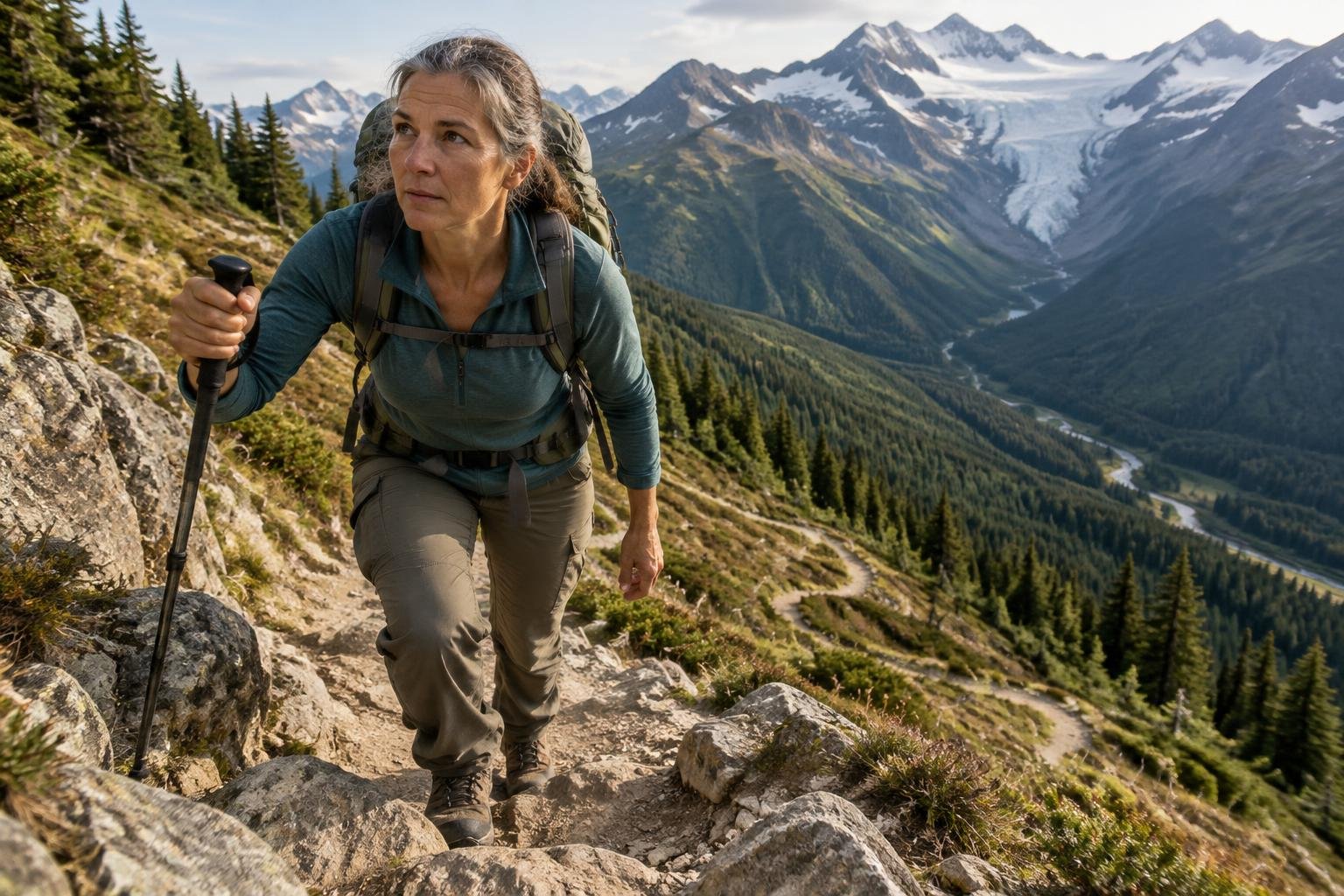
Both routes are rated strenuous. Alta Via 1 covers roughly 120-125 km (75-78 mi) with about 6,230-7,400 m of cumulative ascent. The Tour du Mont Blanc covers roughly 170 km (105 mi) with about 10,000 m (33,000 ft) of cumulative ascent, plus several passes over 2,500 m. On the numbers in FACTS, the Tour du Mont Blanc is the larger overall commitment in distance and climbing. Alta Via 1's stages are described as moderate in length but consistently steep in both directions, and some sections use cable-assisted ledges, with optional variants going into via-ferrata terrain. Its walking route is the standard choice unless you have the kit and skills for the variants.
Season, permits and booking
Alta Via 1's official best season runs from late June to September, when the rifugi are open. The Tour du Mont Blanc's runs from mid-June to mid-September, once the high cols are clear of snow. Neither route requires a trekking permit, but hut reservations are effectively mandatory in summer for both. The Tour du Mont Blanc also has rules to check: bivouac and wild-camping regulations differ by country and protected area, and as of 2026 a reroute applies in the Swiss section near Les Treutsebo. Confirm current rules with each managing authority before you commit.
Which one is right for you?
Choose Alta Via 1 if…
Pick Alta Via 1 if you want a point-to-point route through dramatic limestone scenery and are comfortable with steep stages in both directions. It suits hikers who like rocky saddles, long scree traverses and the option of the Tre Cime di Lavaredo detour. It also suits those with the skills and equipment to consider via-ferrata variants, or who will stick to the walking route. Because the trail crosses roads, you can also hike a section rather than the whole route.
How to hike Alta Via 1 — DolomitesChoose Tour du Mont Blanc if…
Pick the Tour du Mont Blanc if you like the idea of a full circuit around one massif, with the glaciers and peaks in view for long stretches. It suits hikers who want wide, well-graded, heavily signed paths broken up by one pass per day, and who value the option to use valley buses and lifts on a tired or wet day. The Chamonix end also works as a standalone day walk if you lack ten days.
How to hike Tour du Mont Blanc — ChamonixWhat the two have in common
Both are strenuous, multi-day Alpine treks that most people walk over about a week and a half, with refuge or rifugio reservations effectively fixing the stages. Both follow a rhythm of climbing to a high point, then dropping into the next valley, and both cross rocky terrain with scree near the high points. Both have road crossings, buses or lifts that allow you to shorten a section if weather or fatigue demands.
How your choice changes what you pack
Because both routes are hut-to-hut, you can generally carry a lighter pack than on a camping trek, with no tent or bulky cooking setup. Pack layers for wind and weather at the passes, and enough water capacity for long climbs. The Tour du Mont Blanc's rules restrict camping outside official sites, which reinforces the hut-based approach. If you consider Alta Via 1's via-ferrata variants, that adds specialist protective equipment and skills.
Common questions
Which is harder, Alta Via 1 or the Tour du Mont Blanc?
Both are rated strenuous. The Tour du Mont Blanc is longer and has more cumulative ascent per FACTS, about 10,000 m versus roughly 6,230-7,400 m. Alta Via 1 has consistently steep stages and some cable-assisted ledges, so neither is a light option.
Which is better for a first Alpine trek?
The Tour du Mont Blanc is mostly wide, well-graded, heavily signed path, with bus and lift shortcuts built in. Alta Via 1 includes cable-assisted sections and steep terrain. Either demands solid fitness, so check the official sources and your own experience.
Do I need permits or reservations for either route?
Neither requires a trekking permit, but hut reservations are effectively mandatory in summer on both. The Tour du Mont Blanc also has camping and bivouac restrictions and a 2026 Swiss reroute, so check the official notices for current details.
Can I hike just part of either route?
Yes. Alta Via 1 crosses roads at several points, so you can hike a section or skip a stage by bus or lift. The Tour du Mont Blanc has valley buses and lifts, and its Chamonix balcony section toward Lac Blanc is commonly done as a day walk.
Sources
- Regional authorities & CAI — dolomiti.org (regional tourism portal): official information for Alta Via 1.
- Regional authorities & refuge associations — autourdumontblanc.com: official information for Tour du Mont Blanc.
Conditions, permits and access rules change without notice — confirm current information with each managing authority before you go. See our editorial policy.