
Affiliate disclosure: this page contains affiliate links. Purchases made through them may earn us a commission at no extra cost to you. See our affiliate disclosure.
In plain English
Alta Via 1 crosses the Dolomites from hut to hut. In Italian, a mountain hut is called a rifugio. It is a bit like a simple mountain hotel: bunks, shared rooms and an evening meal. They sit roughly a day's walk apart, so where you sleep each night is set for you.
That makes planning a chain. Each rifugio is a separate booking, and each one depends on the last. If one is full or you arrive a day late, the rest of your plan can shift. Book the whole route in order, and keep the confirmations handy.
Booking rules and opening dates are set by each hut and its owners, so contact each one directly or through the relevant club or regional authority. Confirm bookings, rules and closures with the rifugio and local authorities before you go. Also plan the night before and after in a gateway town.
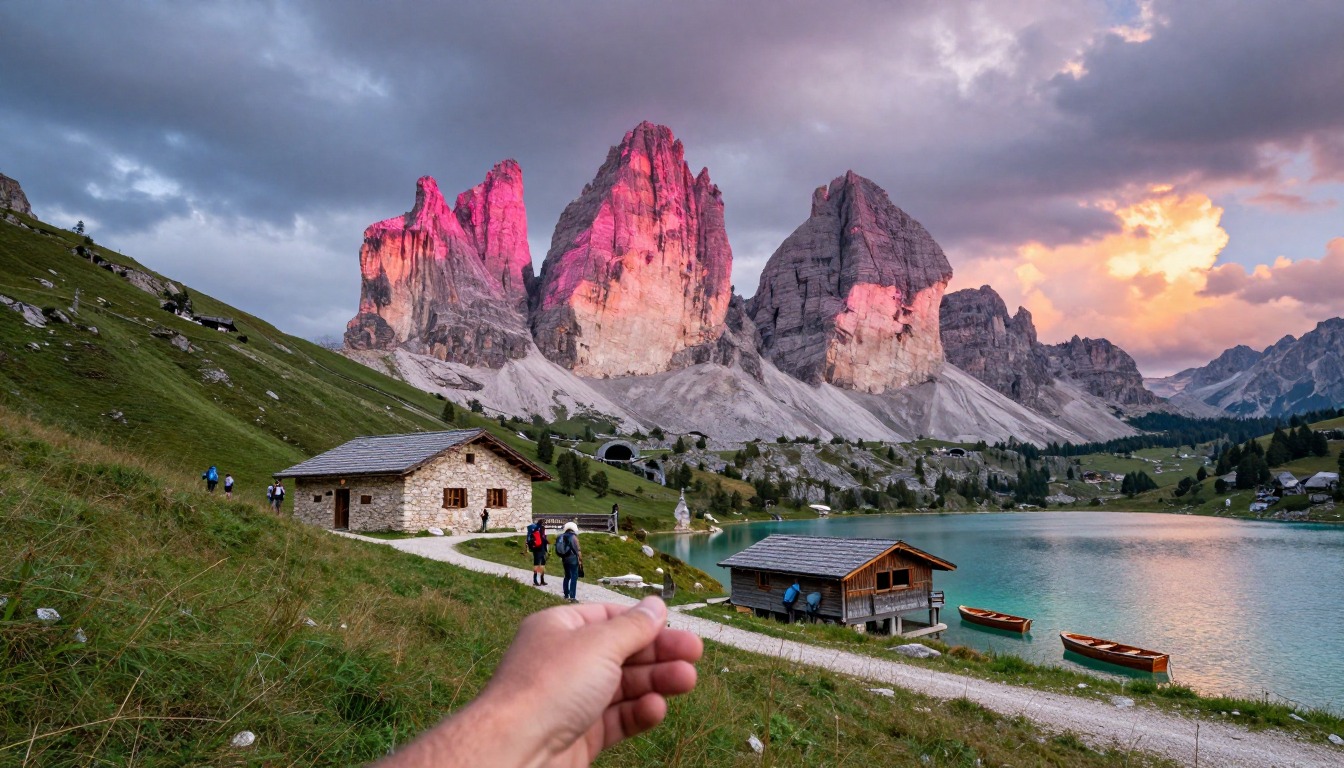
Alta Via 1 is the classic multi-day traverse of the Dolomites, a hut-to-hut route that links a string of high alpine days with an optional detour out to the three towers of Tre Cime di Lavaredo. Because the trail runs point to point through the mountains, where you sleep is set by the rifugi spaced roughly a day's walk apart, and that spacing does more to shape your itinerary than anything else. Most hikers book each hut separately, well before the short summer season fills up.
Why hike here
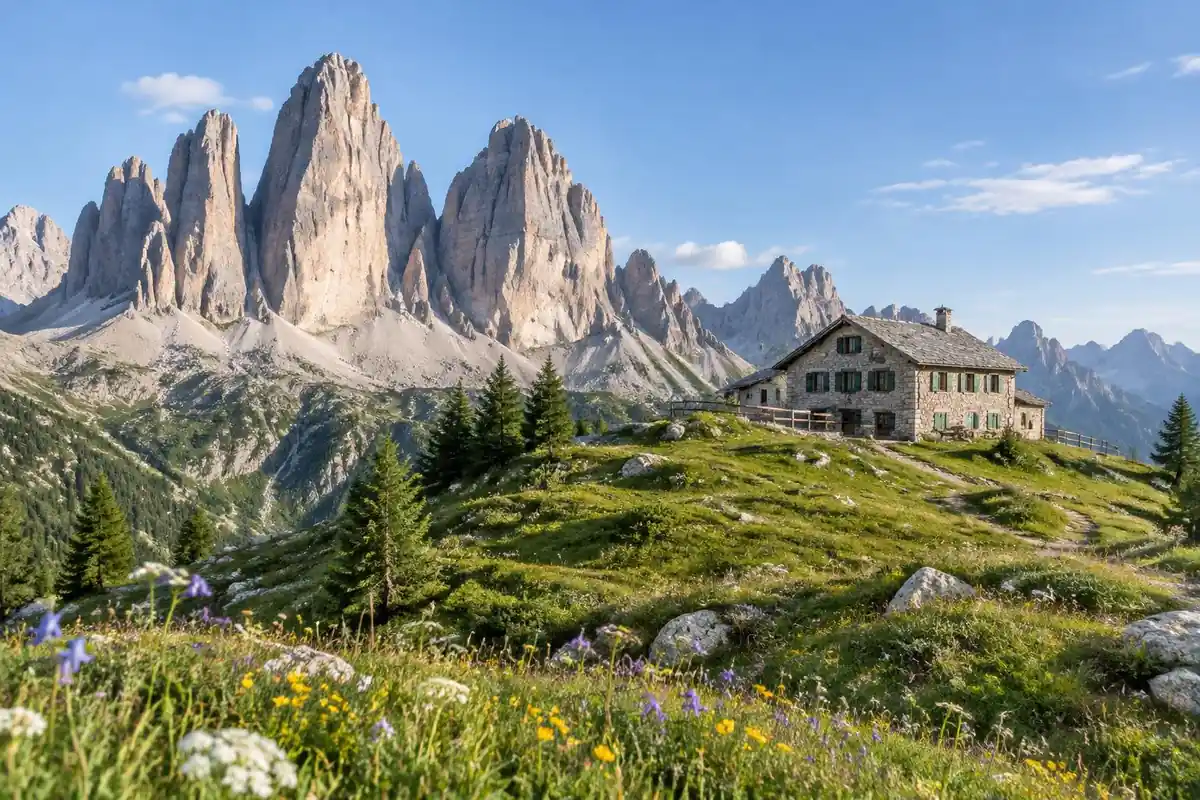
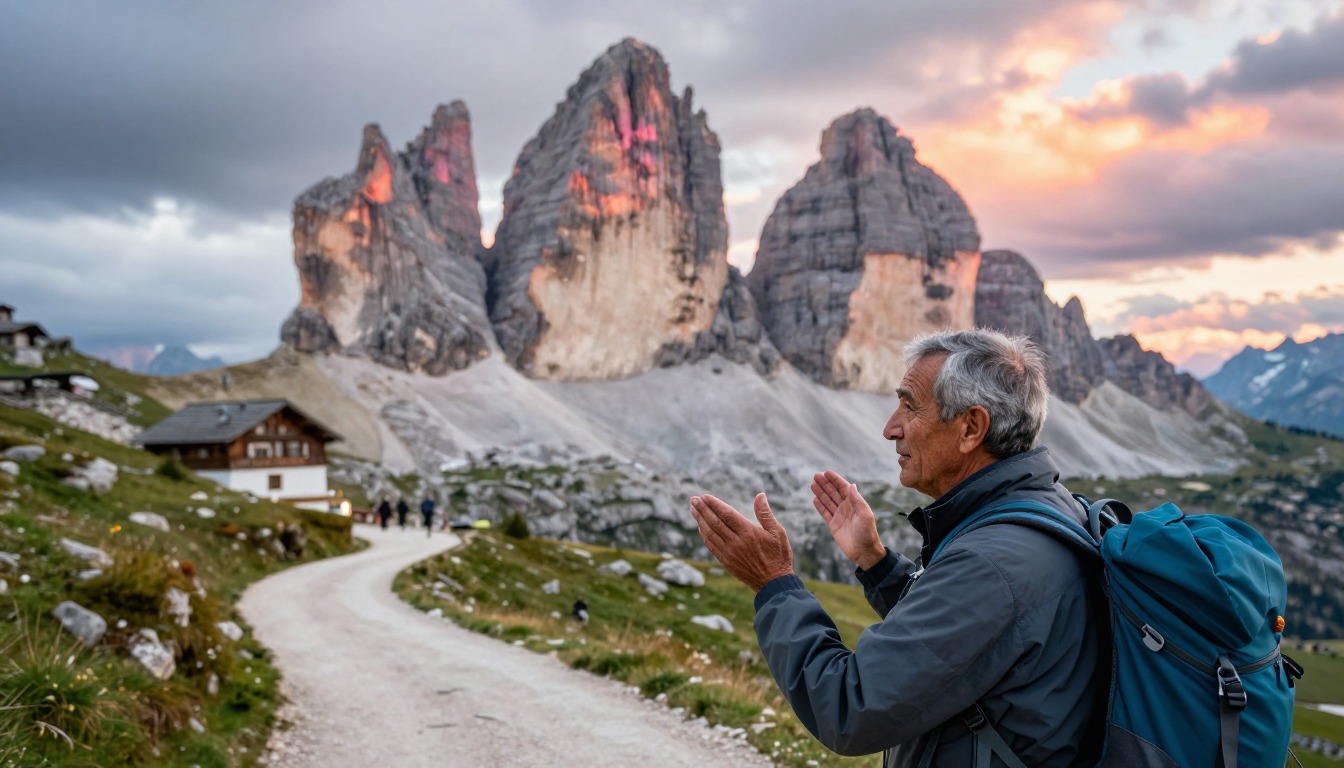
What makes Alta Via 1 special is the pace of change underfoot: pale limestone towers and spires give way to grassy alpine bowls, then scree traverses below sheer rock faces, all within a single day's walk. The route rewards hikers who like variety over repetition — no two days look alike, and the detour toward Tre Cime di Lavaredo adds one of the most recognizable skylines in the Alps, three rock towers rising out of a high plateau. Evenings end at a rifugi rather than a tent, so there's a rhythm of walking hard by day and resting under a real roof by night among other hikers doing the same route. Some optional side variants add via ferrata sections with fixed cables and ladders — worth knowing even if you plan to stick to the standard walking route.
Getting there
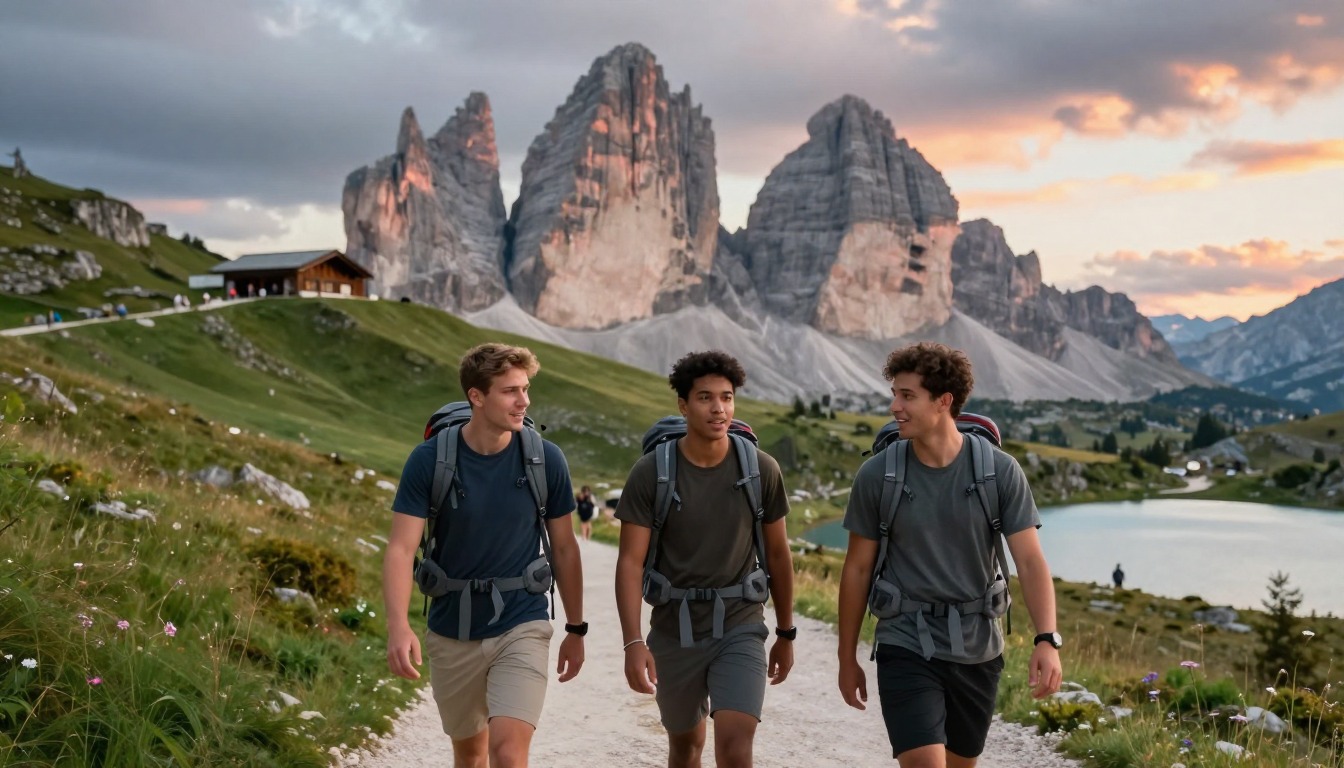
Venice is the nearest major airport for Alta Via 1, with regional buses connecting on to the Dolomite gateway towns of Cortina d'Ampezzo and Dobbiaco, both common start or end points depending on which section you hike. Either town has hotels and rentals if you need a night before or after the trek, and local buses or a short taxi typically cover the last leg out to the trailhead. Because the route runs point to point rather than as a loop, it's worth planning your return transport back through one of these towns to Venice before you start walking, especially outside peak season when services run less frequently.
Where to stay
The realistic options, closest-to-the-trail first. Book through the official links — we don't list prices or availability because they change all the time.
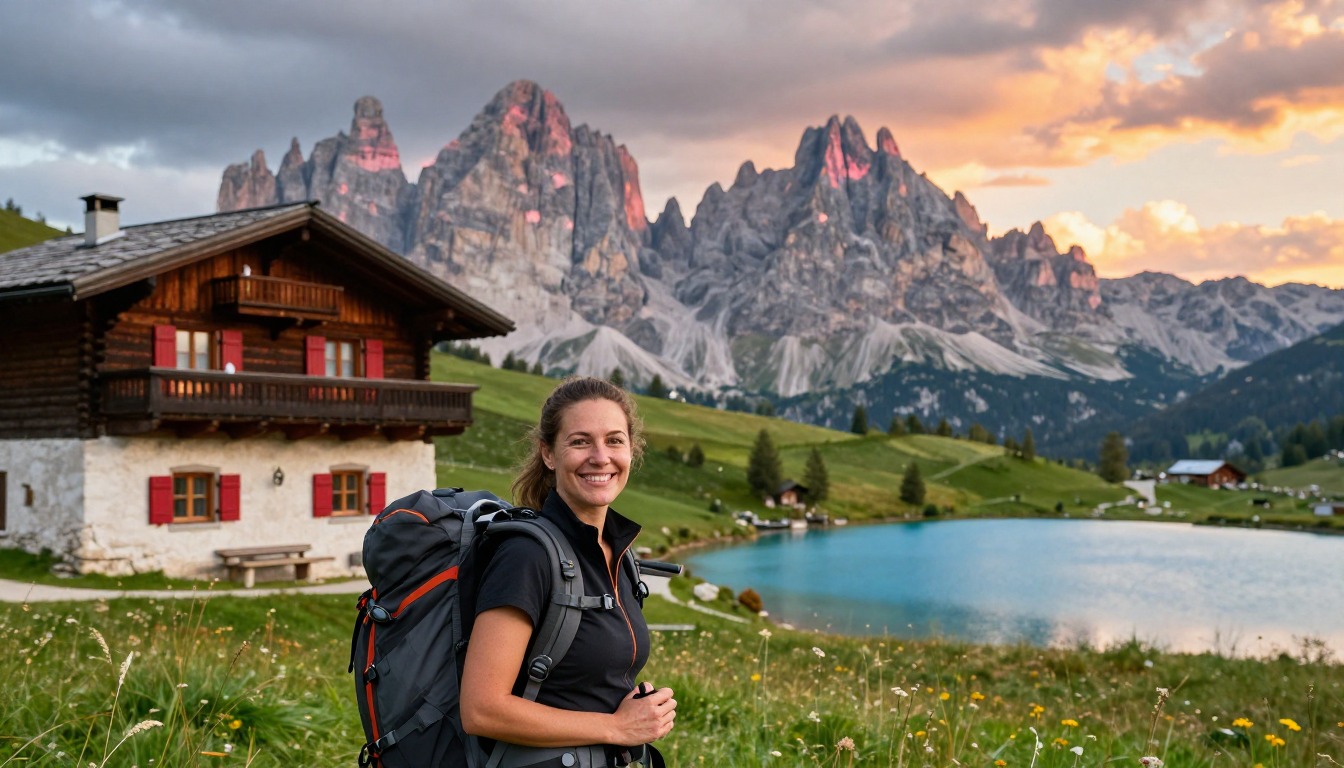
For example: Mountain huts (rifugi) with half-board along the Alta Via 1 route
Every trekker — rifugi are spaced roughly a day apart.
Rifugi fill months ahead for the short summer season.
Book each rifugio direct (many via CAI)For example: Hotels and rentals in the Dolomite gateway towns
Trekkers at the start/finish or on a rest day.
Venice is the nearest major airport; buses reach the towns.
Nearby-town lodging
Permits & rules
No permit is required, but rifugio reservations are effectively mandatory in summer. Some optional variants use via-ferrata protection — take the walking route unless you have the kit and skills.
Gear you'll want for this trip
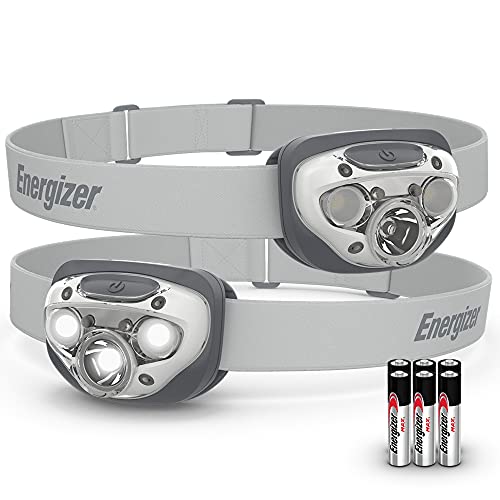
Matched to the terrain and conditions here. Real products — check current price on Amazon.


Why hut spacing decides everything
On a point-to-point hut route, your itinerary is your reservation list. Each stage ends at a hut, so the length of your day is the distance to the next bed. If you are slower than planned, you cannot simply stop where you like the way a camper can. That is why it helps to build in a spare day near the middle and to ask each hut how they handle late arrivals and cancellations.
Guides often say rifugi fill months ahead. Booking terms vary from hut to hut, including deposits and meal times, so record each hut's terms in one list. Because the route can be started or ended at more than one town, confirm your return transport before you set off.
What half-board means for your pack
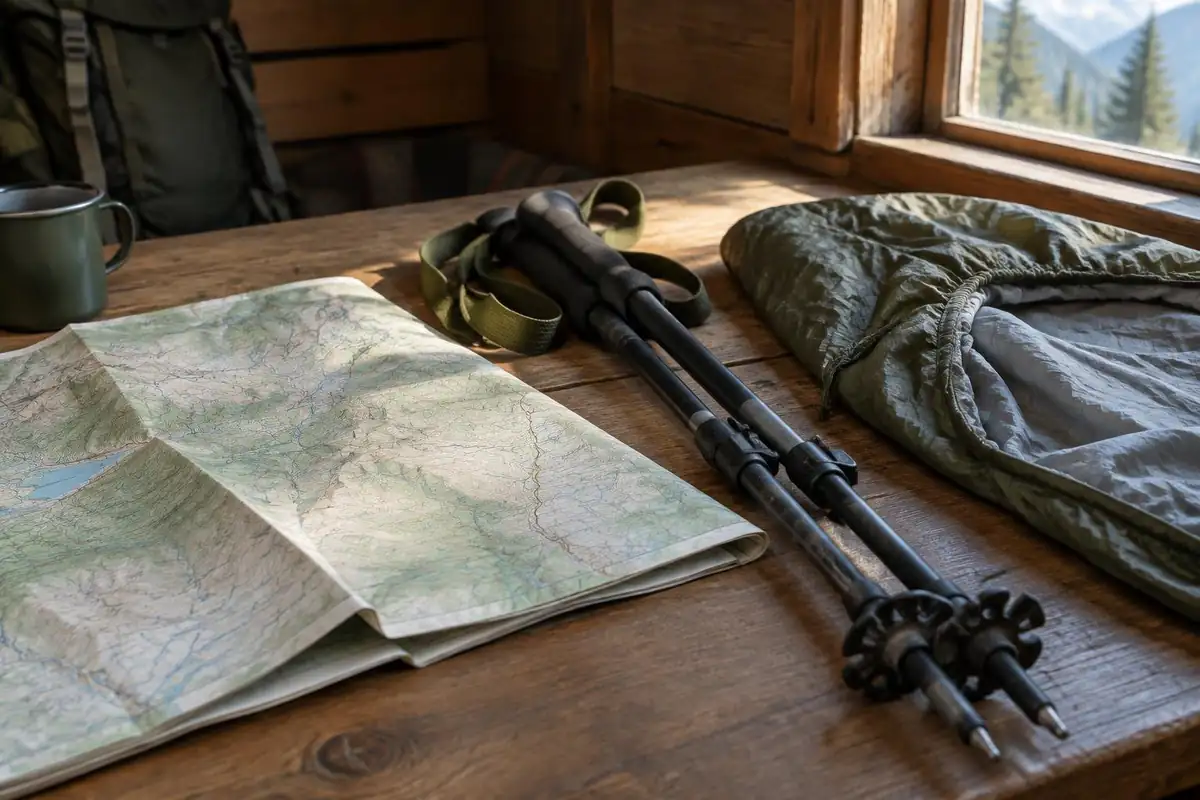
A half-board hut supplies a bed and an evening meal, so you do not carry a tent, stove or dinners. That changes pack size a lot. Washington Trails Association describes 50 to 70 liter packs for trips of three to seven nights and 45 to 50 liters for one or two nights, but those bands assume you carry your own shelter and food.1 Hut trekkers often go lighter, though it depends on what each hut supplies, so ask about bedding and whether you need your own liner.
Base weight is the weight of your gear without food, water or fuel, and lightweight backpacking is usually defined as a base weight under 20 pounds.3 Without camping gear a hut trek can fall well under that, which leaves room for extra layers and a rain shell, both of which the Dolomites' changeable weather can call for.
Weather, sun and turning back
Afternoon storms are a real risk in mountain ranges. The US National Weather Service advises hiking early, being off the mountain by noon and avoiding ridge tops and hilltops during a storm.2 Those are US guidelines, but the pattern of afternoon build-up is common in mountain ranges, and an early start is sensible whatever the range.
The EPA says UV intensity increases about 6% per kilometer of elevation, and that overcast skies still transmit about 31% of UV.4 The National Park Service advises setting a turnaround time and leaving a trip plan with someone who is not on the trip.5 Optional variants that use fixed protection on rock need extra skills and kit, so treat them as a separate decision.
Common questions
Do I need to book the rifugi in advance?
Yes — rifugi along Alta Via 1 fill up fast in the short summer season, and booking terms differ from hut to hut, so reserve each one directly well ahead of a summer trip and note its deposit and cancellation terms. Since the huts are spaced roughly a day apart, your bookings effectively lock in your daily itinerary before you ever set foot on the trail.
When is the best time to hike Alta Via 1?
Late June through September is the usual window, when most rifugi are open and staffed; confirm each hut's opening dates when you book. Outside those months, huts generally close for the season and the route is exposed to snow and much more serious alpine conditions. Even within the season, mountain weather in the Dolomites can shift quickly, so check the forecast daily and be ready to adjust your plans.
Do I need via ferrata gear to hike Alta Via 1?
No — the standard route is a walking trail and doesn't require via ferrata equipment. Some optional variants along the way do use fixed cables, ladders, or exposed sections requiring a harness and via ferrata kit, so unless you're equipped and experienced with that gear, stick to the main walking route and skip those detours.
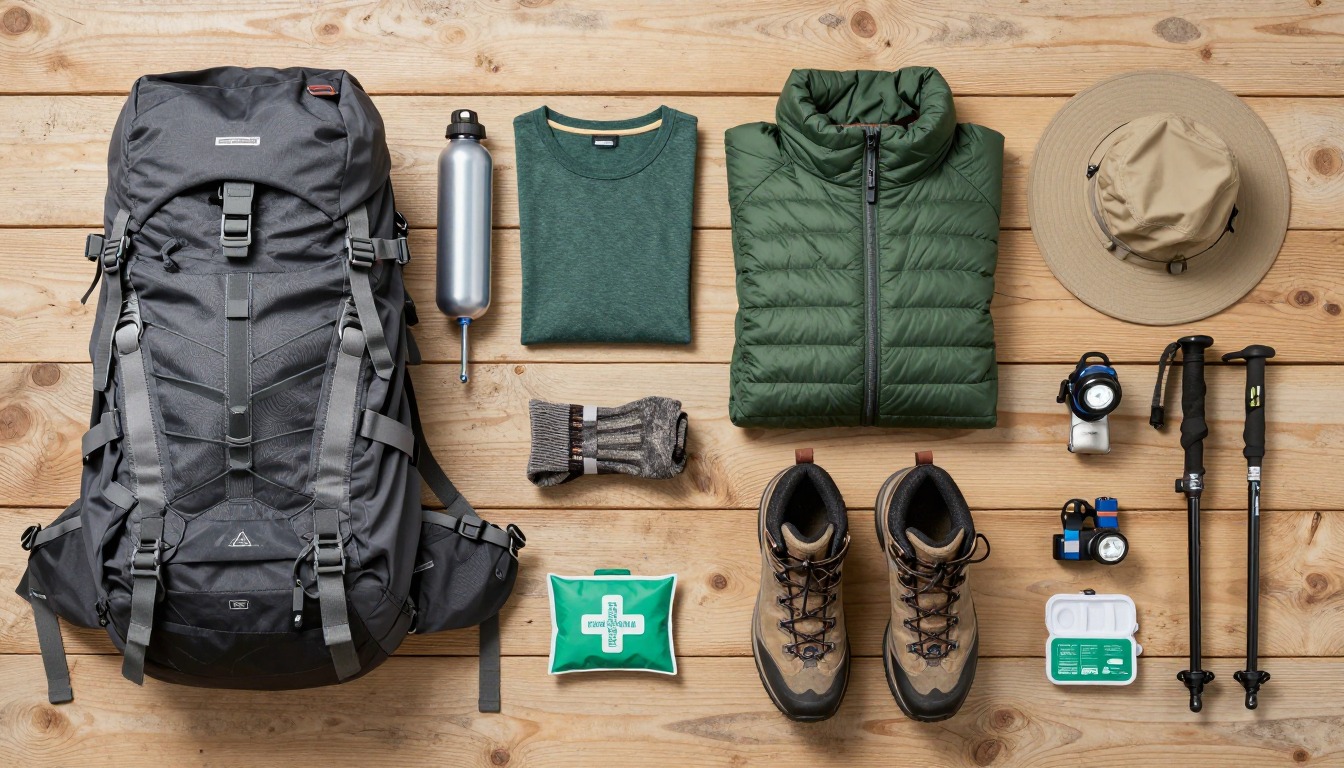
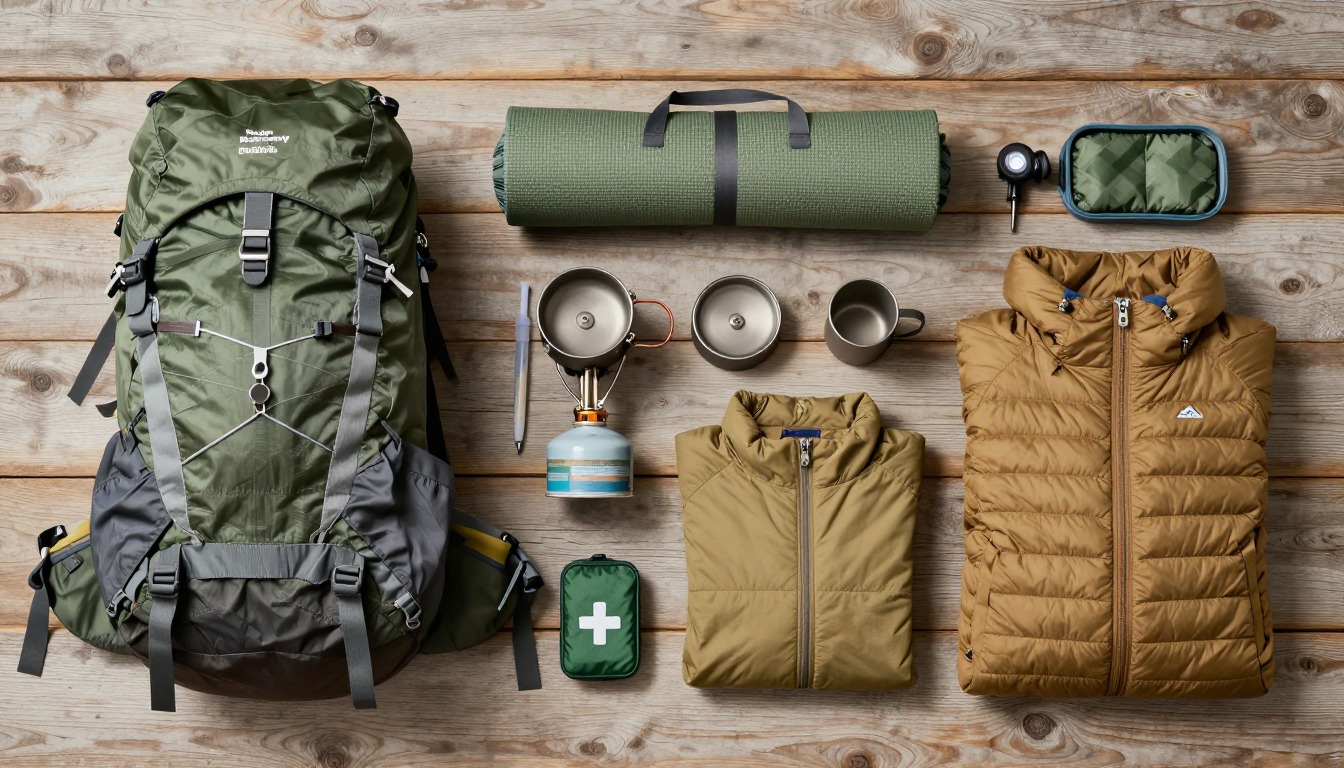
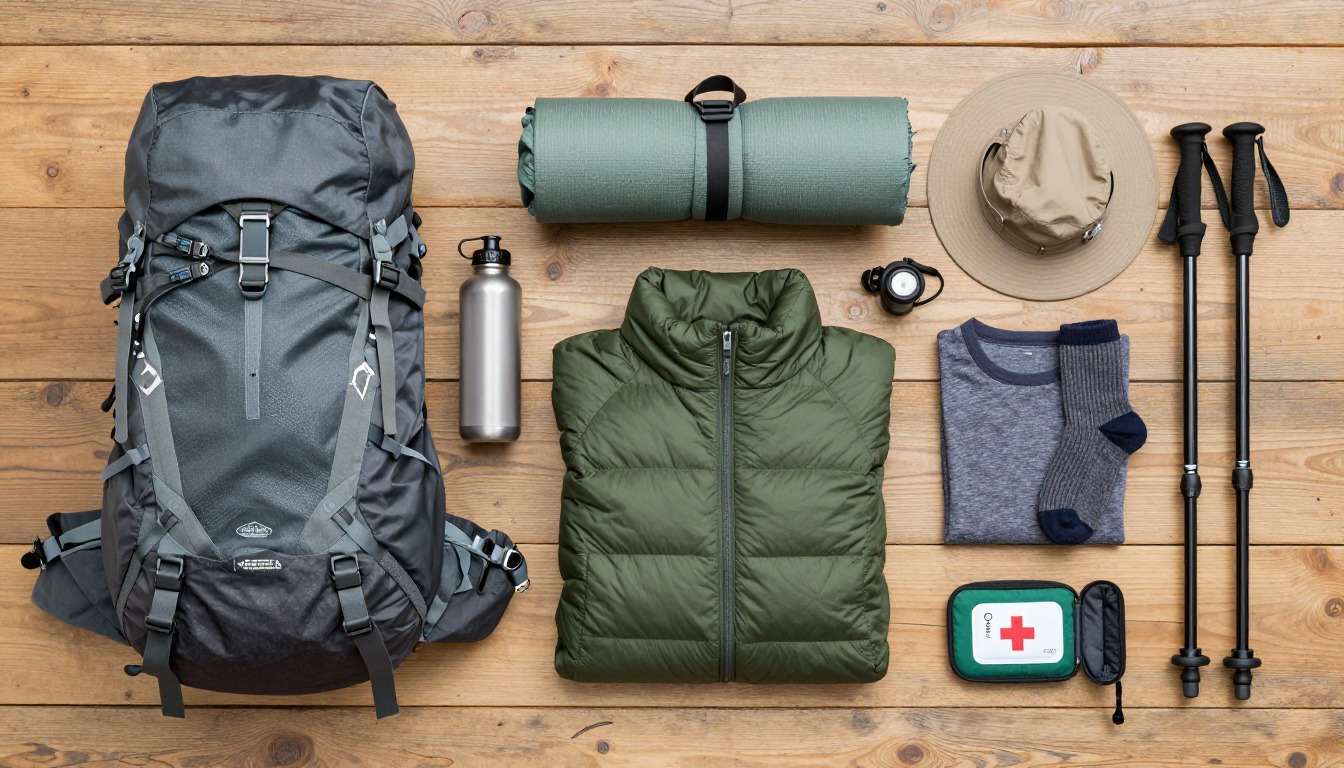
Complete gearsets for this trip
Full curated kits built for exactly this kind of hike — what to bring, why, and links to similar gear.
Lodging details are compiled from official parks, refuge associations and reservation systems and can change without notice. We publish no prices, availability or ratings — always confirm current information on the official site before booking or setting out. Product links and the accommodation map are affiliate links: we may earn a commission at no extra cost to you; product prices and availability are shown on Amazon, and accommodation prices on the booking site. See our affiliate disclosure.