
Best Time to Hike Wonderland Trail — Mount Rainier
The best time to hike the Wonderland Trail is late July to September, once the snow clears. The data backs this up: July and August are the driest months on average, and daylight is still long enough for full days on the loop. Confirm current conditions with the National Park Service.
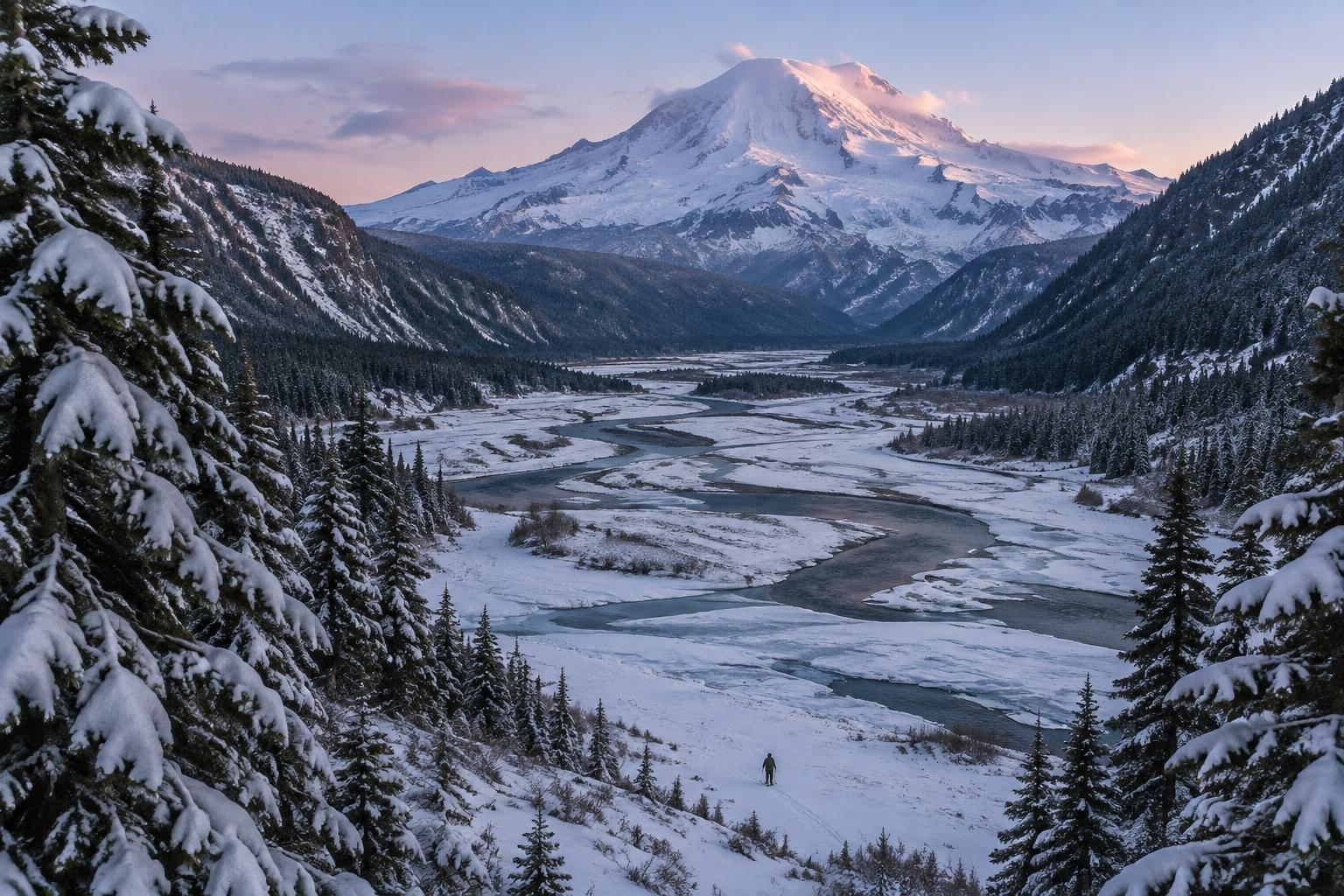
Month-by-month climate for Wonderland Trail — Mount Rainier
| Month | Relative warmth | Rain | Daylight |
|---|---|---|---|
| Jan | Coldest | 215 mm | 8.7 h |
| Feb | Coldest | 190 mm | 10.1 h |
| Mar | Cool | 172 mm | 11.6 h |
| Apr | Mild | 136 mm | 13.4 h |
| May | Warm | 96 mm | 14.8 h |
| Jun | Warmest | 76 mm | 15.6 h |
| Jul | Warmest | 19 mm | 15.3 h |
| Aug | Warmest | 24 mm | 14 h |
| Sep | Warmest | 79 mm | 12.3 h |
| Oct | Mild | 170 mm | 10.6 h |
| Nov | Cool | 228 mm | 9.1 h |
| Dec | Coldest | 239 mm | 8.3 h |
Modelled regional averages for 2010–2023 (rainfall) and calculated daylight hours; they describe the wider area, not a reading taken on the trail. “Relative warmth” compares each month with the warmest and coldest months of this place’s own year. It is not a temperature, and the high parts of a route are colder than the region around them.
The modelled rainfall shows a sharp dry spell in summer. July averages about 19 mm and August about 24 mm, compared with roughly 215 mm in January, 228 mm in November and 239 mm in December. September climbs to about 79 mm, so the wet season is already returning. Daylight swings from about 8.3 hours in December to about 15.6 hours in June. Relative to this place's own year, June through September are the warmest months, while December through February are the coldest.
Wonderland Trail — Mount Rainier season by season
Winter · December to February
These are the coldest months of the year here and among the wettest, with roughly 190 to 239 mm of rain on average and only about 8 to 10 hours of daylight. The official season guidance points to late July through September, so this window falls well outside the recommended hiking period. Short days leave little margin on a long loop, so confirm conditions with the managing authority before considering anything outside the normal season.
Spring · March to May
Spring warms from cool to warm relative to the rest of the year, and rainfall eases from about 172 mm in March to about 96 mm in May. Daylight grows quickly, from about 11.6 hours to nearly 15 hours. The official guidance still says to wait for the snow to clear, which points to late July. Averages cannot show what is on the ground, so check the managing authority for current trail conditions before planning anything in this window.
Summer · June to August
This is the core window and the warmest stretch of the year. June brings about 76 mm of rain on average, then July and August fall to roughly 19 and 24 mm, the driest months in the data. Daylight peaks at about 15.6 hours in June and stays above 14 hours through August. Late July onward matches the official season guidance, so it is the most reliable time to plan, though the permit process is competitive and needs advance attention.
Early fall and late fall · September to November
September is still among the warmest months and offers about 12.3 hours of daylight, but rainfall rises to about 79 mm on average and is the last month within the official season guidance. By October the average climbs to about 170 mm and warmth drops to mild, and November reaches roughly 228 mm with only about 9 hours of light. Plan to finish early in this window, and check with the managing authority as conditions shift.
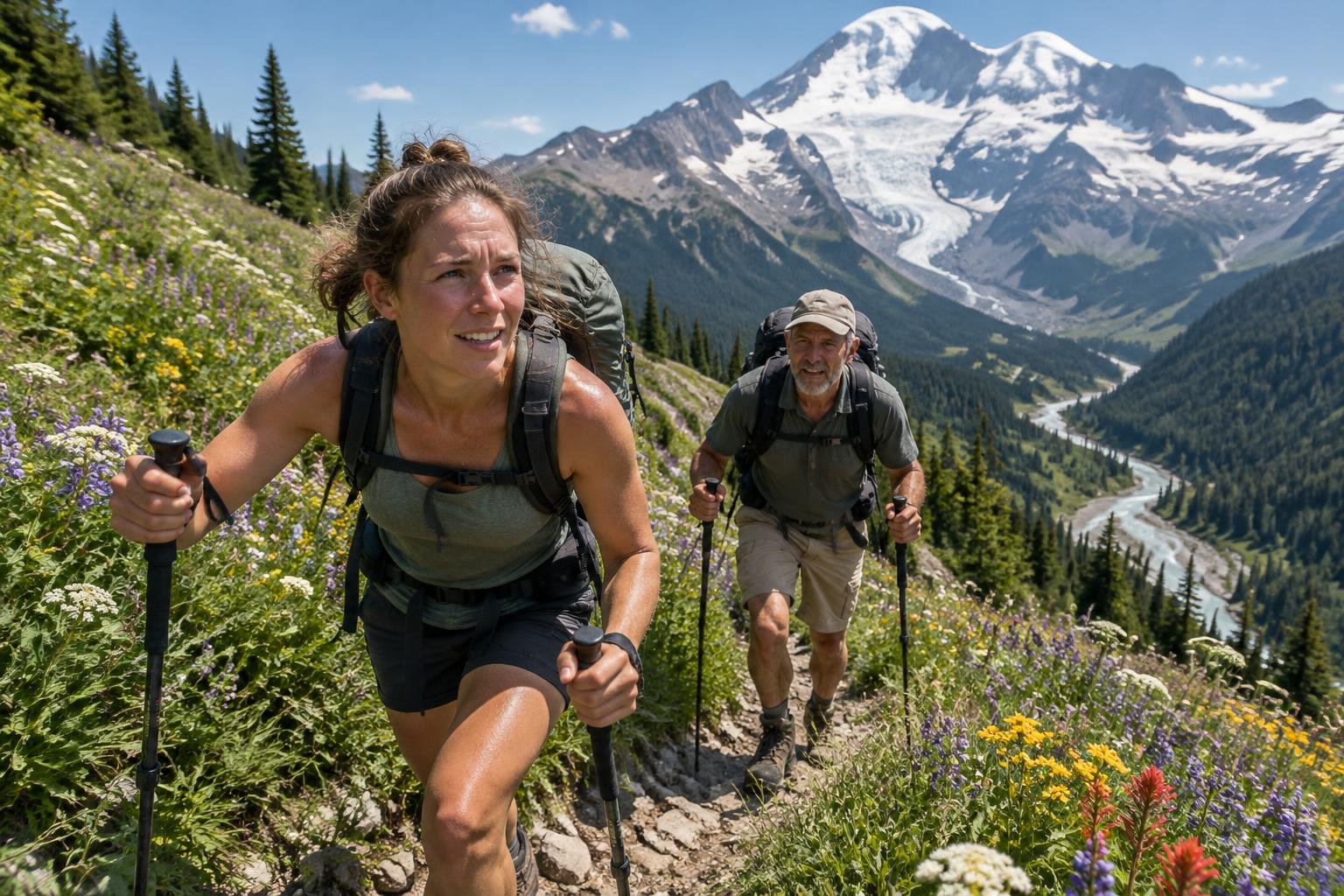
Official season guidance
U.S. National Park Service: Late July to September, once the snow clears
A wilderness permit with camps is required for the Wonderland Trail; it is competitive, with an optional early lottery, roughly two-thirds of itineraries reservable in advance and roughly one-third available as walk-up permits. Store food properly and plan resupply caches in advance.
Check current dates on nps.gov/moraWhat to pack for the season
Packing should follow the season. Even in the driest months, bring layers and rain cover, because rainfall can return quickly, especially toward September. Sun protection matters during the long summer days. As daylight shortens later in the season, a headlamp becomes more useful. Pack for a range of conditions rather than the average, and store food as the park requires.
For layering, rain cover and weather planning, see hiking in rain, heat and cold.
Timing mistakes to avoid
The biggest mistake is picking dates around a single month's average instead of the official season guidance of late July to September, once the snow clears. Another is assuming the dry-looking summer numbers guarantee clear trail; they are regional averages, not trail conditions. A third is treating the permit as an afterthought: the wilderness permit with camps is competitive, so your timing depends on what you can actually reserve. Confirm everything with the National Park Service.
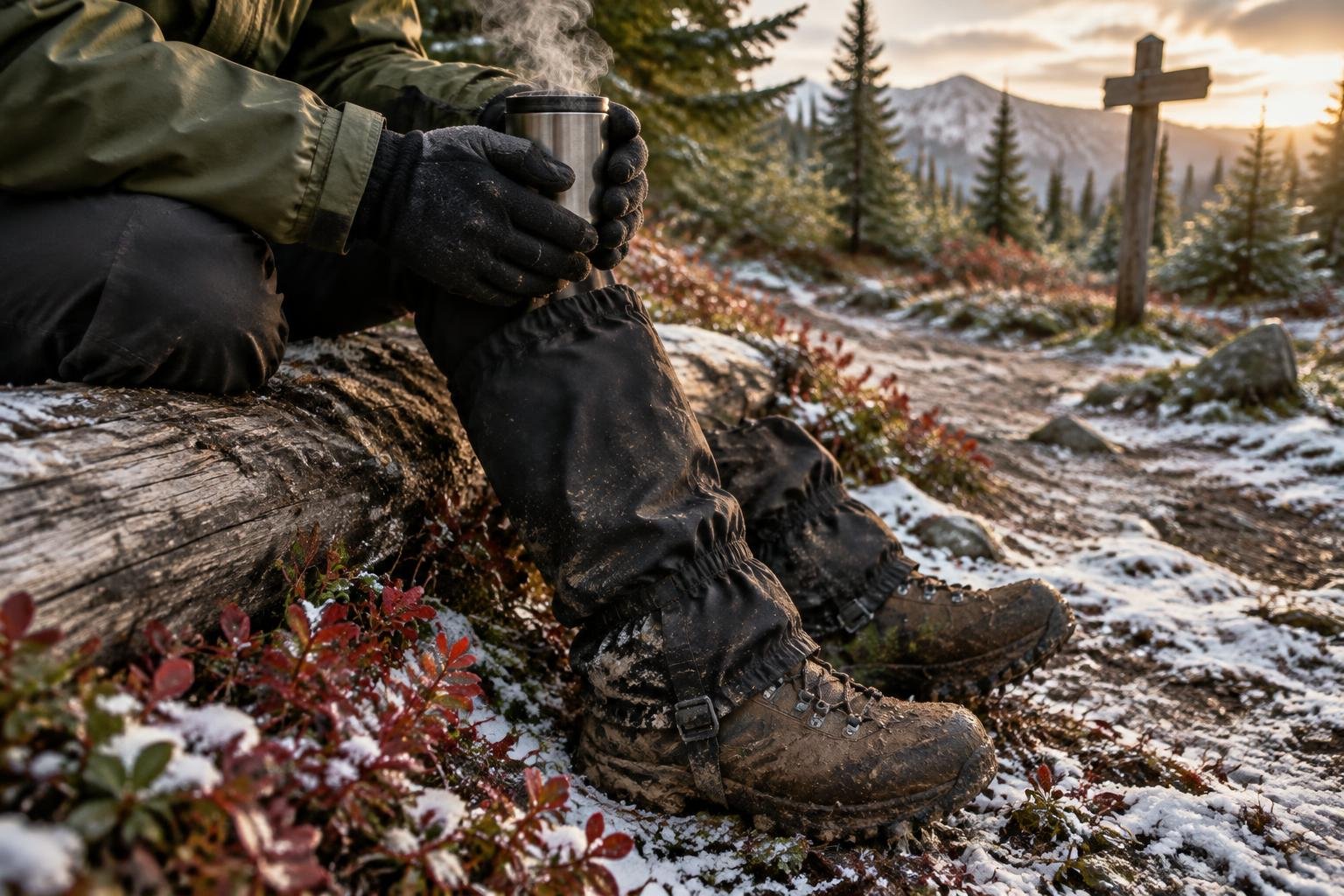
Common questions
When is the best time to hike the Wonderland Trail?
The official season guidance says late July to September, once the snow clears. The modelled data fits this: July and August are the driest months on average, and summer days are long. Always confirm current conditions with the National Park Service, since averages do not reflect what is on the trail.
Which months are driest on the Wonderland Trail?
July and August are the driest months in the regional data, averaging about 19 mm and 24 mm of rain. June is about 76 mm and September about 79 mm. These are modelled regional averages rather than measurements taken on the trail, so treat them as a general guide to the typical pattern.
How much daylight do I get during the best season?
In the calculated daylight figures, July has about 15.3 hours, August about 14.0 hours and September about 12.3 hours. Daylight is longest in June at about 15.6 hours and shortest in December at about 8.3 hours. Shorter days later in the season leave less margin, so plan your daily progress accordingly.
Does timing affect getting a Wonderland Trail permit?
Yes. A wilderness permit with camps is required, and it is competitive. There is an optional early lottery, roughly two-thirds of itineraries are reservable in advance, and roughly one-third are walk-up permits. Since the preferred window is short, check the National Park Service for current rules and plan your dates around what you can secure.
Sources
- U.S. National Park Service — nps.gov/mora: official season and permit guidance.
- NASA POWER (Prediction Of Worldwide Energy Resources): monthly temperature and rainfall averages, 2010–2023, from MERRA-2 reanalysis. Daylight hours are calculated from latitude.
Conditions, closures and permit rules change without notice — confirm current information with the managing authority before you go. See our editorial policy and affiliate disclosure.