
John Muir Trail vs Wonderland Trail: Which Should You Hike?
Choose the John Muir Trail if you want a roughly three-week point-to-point walk through high Sierra granite and have the time, fitness and permit luck for it; choose the Wonderland Trail if you want a shorter loop around one mountain with a mix of forest, rivers and meadows. Both are very strenuous.
John Muir Trail and Wonderland Trail at a glance
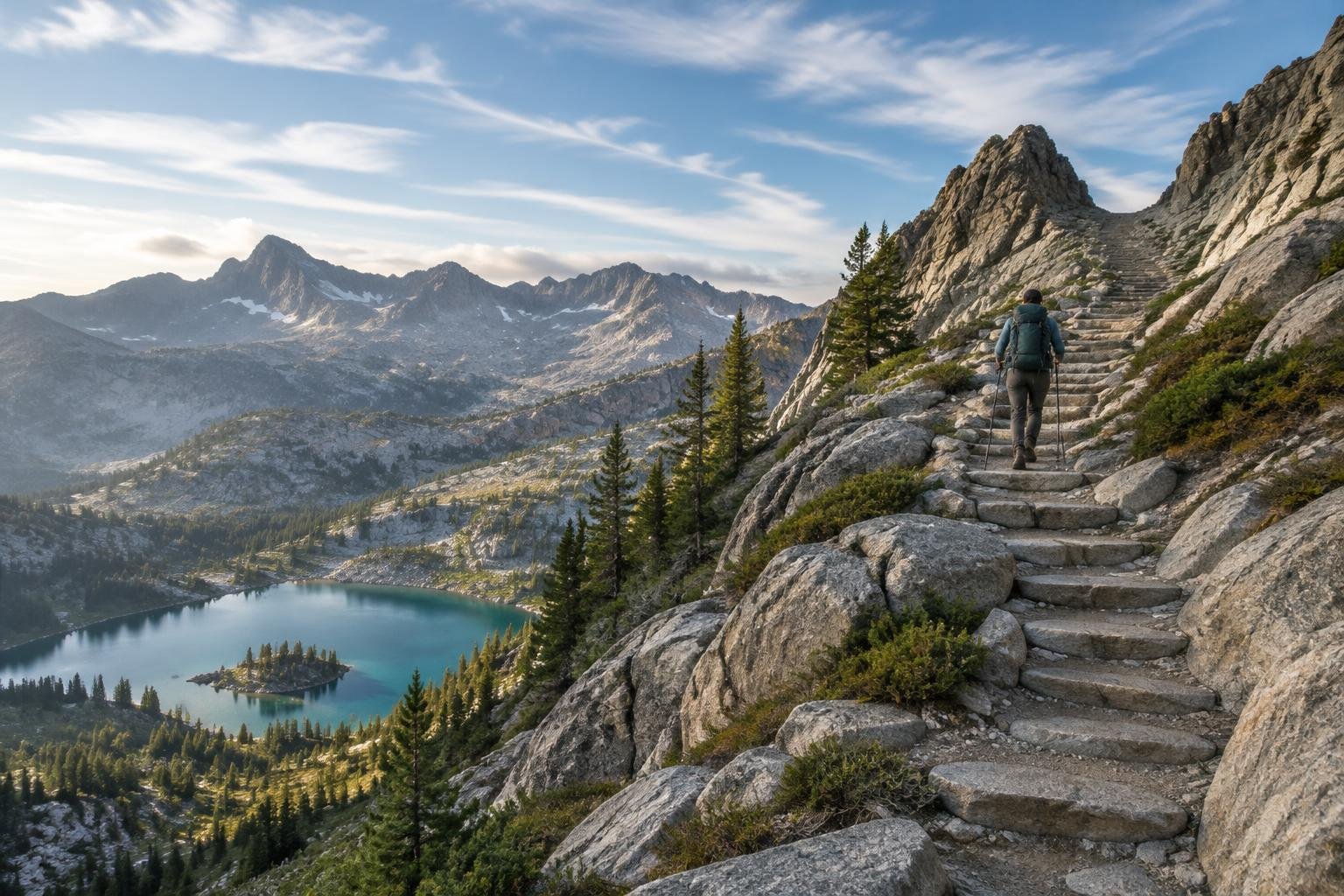
The John Muir Trail is a 211-mile point-to-point thru-hike through California's Sierra Nevada, crossing several passes above 11,000–13,000 ft. The Wonderland Trail is a roughly 93-mile loop around Mount Rainier in Washington. People compare them because both are famous, permit-limited, multi-day, very strenuous treks that reward strong hikers with big mountain scenery.
| John Muir Trail | Wonderland Trail | |
|---|---|---|
| Place | Sierra Nevada · California, USA | Cascades · Washington, USA |
| Distance | 211 miles (340 km) point-to-point | ~93 miles (150 km) loop |
| Elevation gain | ~47,000 ft (14,000 m) cumulative elevation gain over the full thru-hike route | ~27,000 ft (8,230 m) cumulative gain for the full loop (and ~27,000 ft of cumulative loss) |
| Difficulty | Very strenuous (multi-week wilderness thru-hike crossing several passes above 11,000–13,000 ft) | Very strenuous / expert-level multi-day trek |
| Route type | thru-hike | loop |
| Official season | July to September, after most snow has melted | Late July to September, once the snow clears |
| Managed by | U.S. National Park Service & Forest Service | U.S. National Park Service |
Effort and difficulty
The John Muir Trail is the bigger commitment on paper: 211 miles (340 km) with about 47,000 ft (14,000 m) of cumulative gain, usually walked over roughly three weeks. The Wonderland covers about 93 miles (150 km) with about 27,000 ft (8,230 m) of gain and the same amount of loss, and most hikers plan a week and a half to two weeks. Both are listed as very strenuous. The JMT is described as difficult through volume rather than technicality, on well-graded granite tread. The Wonderland is rarely technical but relentless, repeatedly dropping into river valleys and climbing out again.
Season, permits and booking
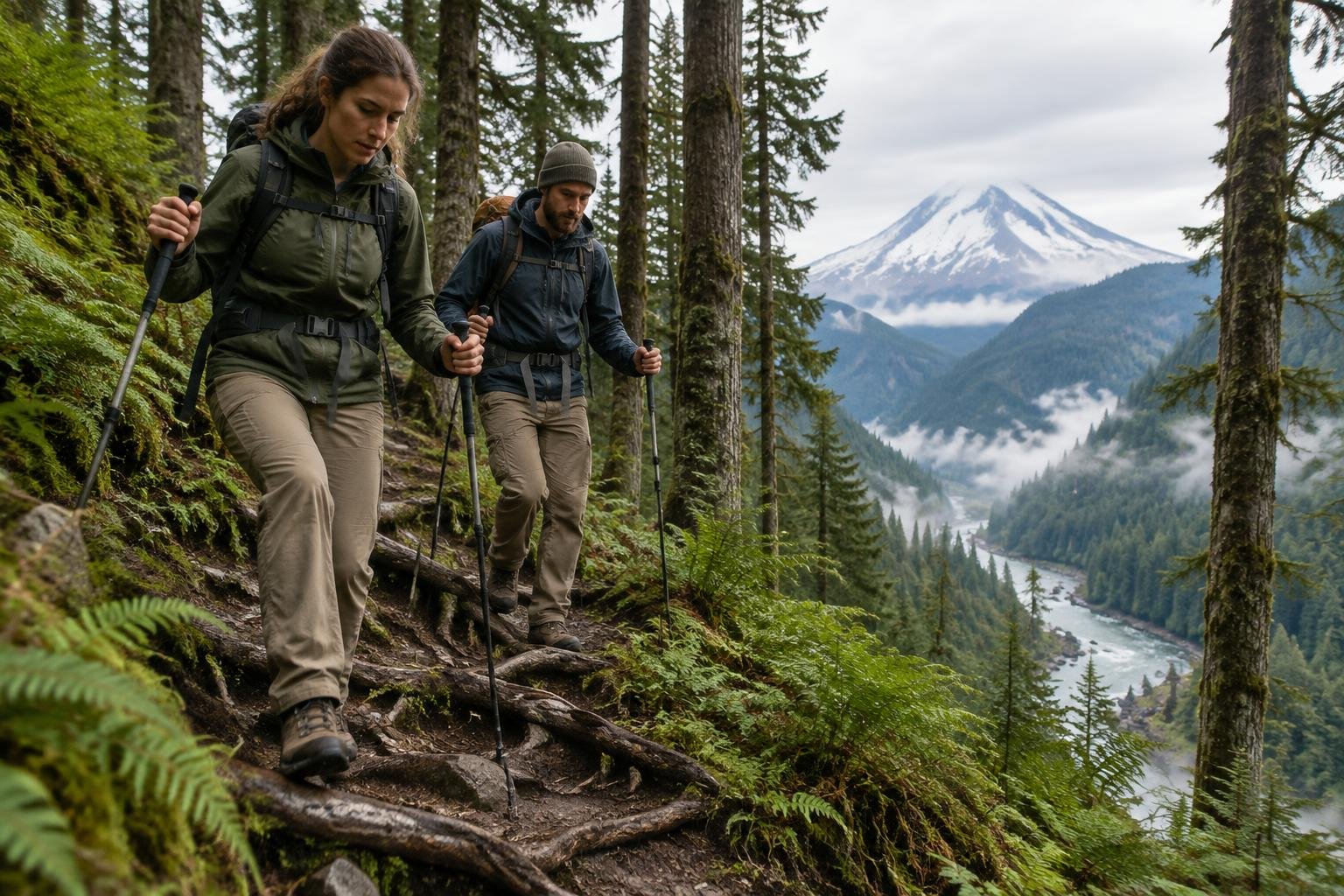
Both trails have a short summer window. The John Muir Trail is best from July to September, after most snow has melted. The Wonderland is best from late July to September, once the snow clears, and snow can linger on its passes well into the season. Permits are competitive on both. The JMT permit is tied to your start trailhead and date through a rolling lottery, and bear-resistant canisters are required along most of the route. The Wonderland requires a wilderness permit with designated camps, with an optional early lottery, about two-thirds of itineraries reservable in advance and about one-third walk-up. Confirm current rules with each managing authority.
Which one is right for you?
Choose John Muir Trail if…
Pick the John Muir Trail if you can free up around three weeks and want a true thru-hike with a steady rhythm of one high pass after another. It suits hikers who are comfortable at altitude, can plan resupply stages around a bear canister's capacity, and can arrange exit transport at the southern end. It rewards patience with a conservative first week, since that is where over-ambitious schedules tend to unravel.
How to hike John Muir TrailChoose Wonderland Trail if…
Pick the Wonderland Trail if you have closer to a week and a half to two weeks and like the idea of finishing where you started. It suits hikers who enjoy variety, from old-growth forest and glacier-fed rivers to subalpine meadow and bare rock passes, and who are fine with constant ups and downs. Its camp-to-camp structure, fixed by your permit, appeals to people who like a set plan. Resupply caches along the loop are the norm.
How to hike Wonderland Trail — Mount RainierWhat the two have in common
Both are very strenuous, multi-day wilderness treks managed by U.S. federal agencies, with competitive permit systems and a summer-only window once snow clears. Both are won by volume rather than technical difficulty, with long days of steady climbing and descending, and both ask for careful food planning, whether that means bear canisters or resupply caches. Both also reward hikers who build conservative schedules and leave room for weather.
How your choice changes what you pack
The choice changes how you plan your load more than what you bring. A three-week point-to-point trip means more food stages, a canister that shapes your resupply, and layers for cold, windy mornings on high passes. The Wonderland's shorter loop still calls for rain-ready layers and food planning, but pre-placed caches can keep your pack lighter between stops. On either route, pack for cold nights, changing weather and long days on your feet.
Common questions
Which is harder, the John Muir Trail or the Wonderland Trail?
Both are listed as very strenuous. The John Muir Trail is longer and has more cumulative gain, and it crosses several passes above 11,000–13,000 ft. The Wonderland is shorter but climbs and descends constantly. Which feels harder depends on your fitness, pack weight and tolerance for long, repetitive climbs.
Which is better for a first big backpacking trip?
Neither is a beginner route; both are described as very strenuous. If you are building toward one, shorter shakedown trips and section hikes help. The Wonderland can be hiked in sections across separate trips, which some hikers find a gentler way in.
Which is harder to get a permit for?
Both are competitive. The John Muir Trail permit is tied to your start trailhead and date through a rolling lottery. The Wonderland has an optional early lottery, with roughly two-thirds of itineraries reservable in advance and about one-third available as walk-up permits. Check each agency for current details.
Do I need a bear canister on both?
The John Muir Trail requires bear-resistant canisters along most of the route, and a canister is the practical choice for most of it. For the Wonderland, the supplied guidance says to store food properly and plan resupply caches in advance. Check current food-storage rules with the National Park Service before you go.
Sources
- U.S. National Park Service & Forest Service — nps.gov (JMT): official information for John Muir Trail.
- U.S. National Park Service — nps.gov/mora: official information for Wonderland Trail.
Conditions, permits and access rules change without notice — confirm current information with each managing authority before you go. See our editorial policy.