
How to Train for Wonderland Trail
To train for the Wonderland Trail, build an aerobic base through steady weekly walking, add hill or stair sessions to mimic the loop's constant climbing and dropping, then progress to loaded pack walks and strength work on at least 2 days a week. Allow roughly 8 to 12 weeks, rehearse with two loaded walks on consecutive days, and taper in the last 1 to 2 weeks so you start the loop fresh.
General fitness guidance, not medical or personal training advice. If you have a health concern, an injury, or you're returning to exercise after a long break, check with a doctor first.
What the Wonderland Trail asks of your body
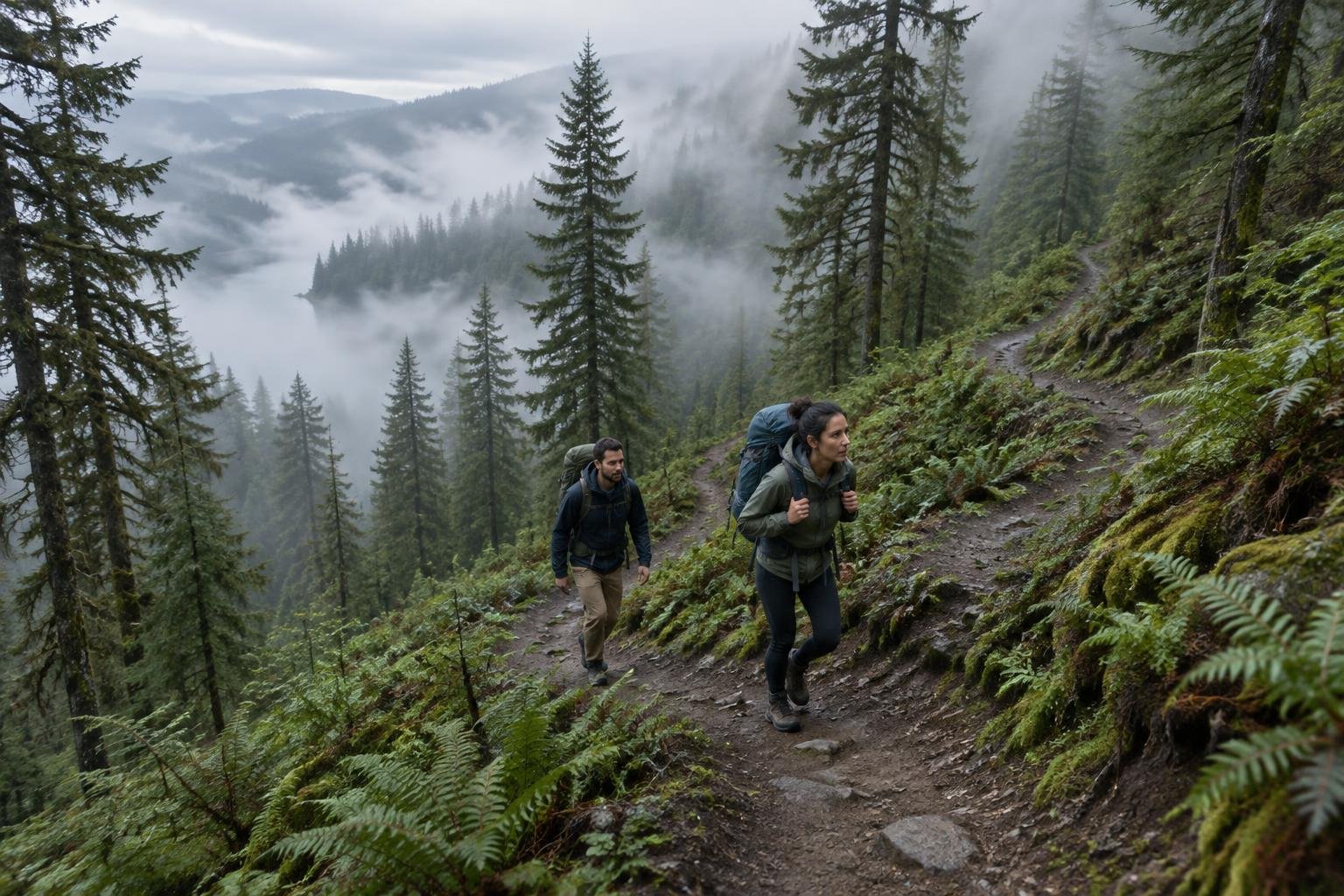
The Wonderland is a loop of about 93 miles (150 km) with roughly 27,000 ft (8,230 m) of cumulative gain and about the same in loss. The overview describes it as a saw blade: you drop into a river valley, climb out to the next ridge, and repeat. The walking is rarely technical, but it is relentless. Tread ranges from soft, rooty forest to meadow and bare rock at the passes. Most hikers plan around a week and a half to two weeks, so the challenge is repeating big climbs and descents day after day, not any single effort.
Start with a weekly base
The CDC's adult guidance is 150 minutes of moderate-intensity activity a week, or 75 minutes of vigorous activity, or an equivalent mix. It does not have to be done all at once and can be split across the week. For a trip like this, treat that as the floor under your training, not the target. Your weekly base is the foundation that the hill work and pack walks sit on. If you are not already near that level, spend the early weeks reaching it before adding load. If you have health concerns, ask a doctor first.
The training plan, phase by phase
Build the aerobic base · Weeks 1 to 4
Walk most days and aim to reach the CDC weekly base: 150 minutes of moderate activity, split however suits your schedule. Keep the pace comfortable and the pack light or absent. The point is to make regular, sustained time on your feet a habit. Vary routes a little so your feet and ankles meet uneven ground, and let the first weeks be easy enough that you finish each session wanting a bit more.
Add hills and stairs · Weeks 3 to 6
Layer in one weekly hill or stair session, since the loop is a string of long climbs. Walk a steady incline for as long as you can find one, or repeat a staircase, and keep the effort conversational. Over the weeks, lengthen the session before you worry about speed. Climbing repeatedly while tired is the closest rehearsal for a trail built from valley after valley, so let the sessions gradually grow in duration.
Walk with a loaded pack · Weeks 5 to 10
Start with a light pack, many people begin around 10 pounds, and add weight in small steps. A commonly quoted ceiling for a loaded pack is about 20% of body weight. Because resupply caches are the norm on this loop, you may be able to carry less food at any one time. Pair the weight with your hill route, so the pack walks resemble the trip: long, hilly, and steady.
Rehearse and taper · Weeks 9 to 12
A couple of weeks out, do two loaded walks on consecutive days to see how your legs, feet and shoulders respond on the second morning. Use them to test boots, socks and pack fit. Then taper in the last 1 to 2 weeks: keep walking, but cut the volume so you arrive rested. Stopping hard training early is what lets the work you have done actually show up on the trail.
Strength work that helps on the trail
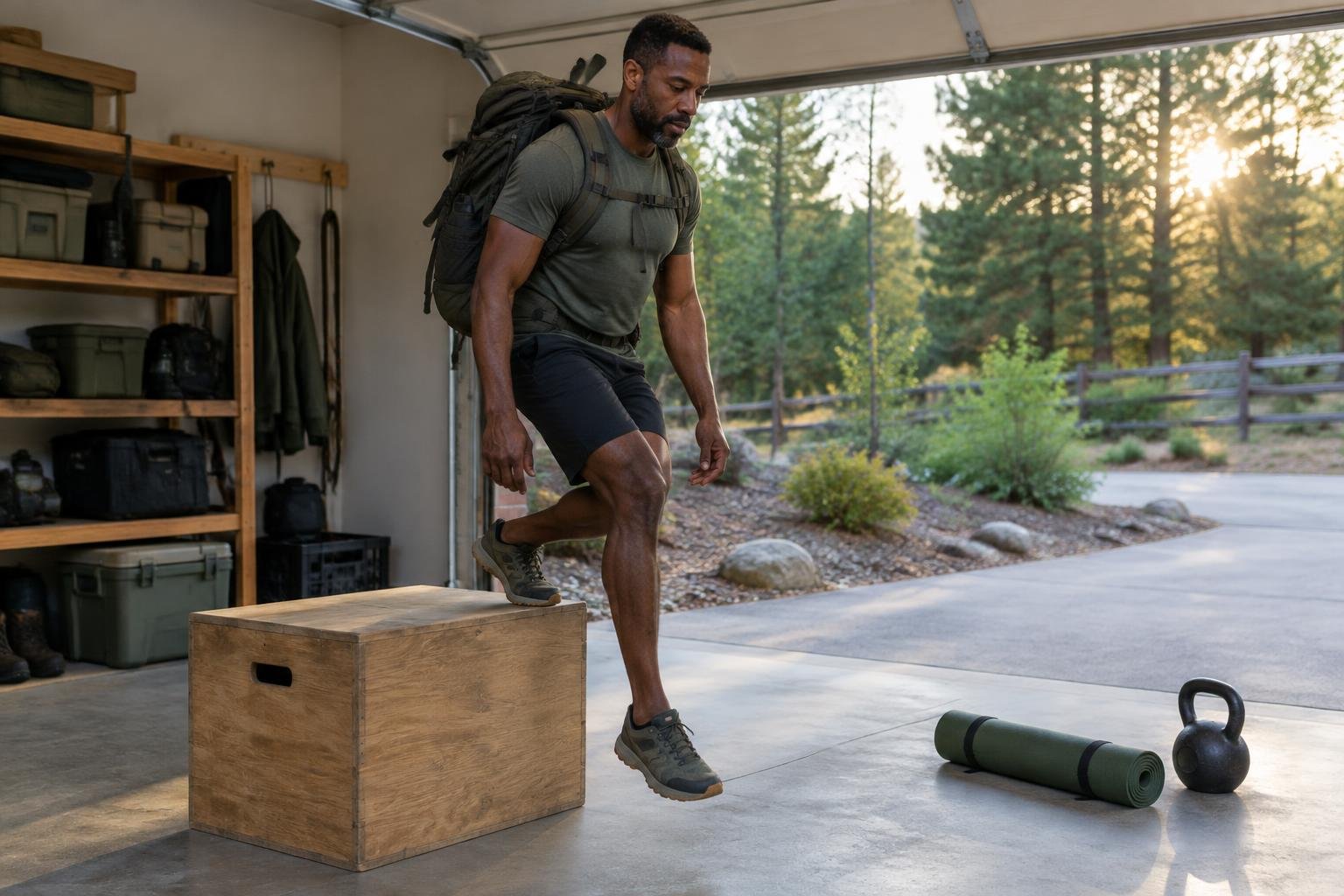
The CDC recommends muscle-strengthening activity on at least 2 days each week, working all major muscle groups. For this trip, put the emphasis on legs, hips and core, which carry the pack up every climb and steady you on every descent. Add slow step-downs from a low step, because stairs replicate downhill poorly. Downhill loads the quads and causes delayed soreness, and the Wonderland has about as much descent as ascent, so practice lowering yourself under control.
Pack walks and back-to-back days
Loaded walks are the heart of the plan. Begin light, around 10 pounds, and add weight gradually, staying under the roughly 20% of body weight ceiling. Choose hilly routes where possible. A couple of weeks before the trip, do two loaded walks on consecutive days. Since this loop is staged camp to camp over many days, that back-to-back rehearsal matters more than one long outing: it shows how your body feels carrying a pack on tired legs.
Terrain and descents
The terrain, not the altitude, sets the training priority here. The profile is a saw blade of drops into river valleys and climbs back out, so descents deserve as much attention as ascents. Downhill loads the quads and causes delayed soreness, and it builds across consecutive days. Practice slow step-downs and long hilly walks with a pack. The overview also mentions snow lingering at the passes and routes marked by wands or cairns, so be comfortable walking on uneven, less obvious ground.
Training mistakes to avoid
A common mistake is training only on flat ground when the trail is mostly climbing and descending. Another is never walking with the loaded pack until the trip begins. Many people also ignore downhill work, then struggle as their quads tire. Starting too late is another trap, since a multi-day trip with a full pack needs roughly 8 to 12 weeks. Skipping the back-to-back rehearsal and the taper leaves you either untested or tired at the trailhead.
Common questions
How long should I train for the Wonderland Trail?
Allow roughly 8 to 12 weeks for a multi-day trip with a full pack. Spend about the first 4 to 8 weeks building an aerobic base, then add hills, loaded pack walks and strength work, and taper in the last 1 to 2 weeks.
Is walking enough to prepare?
Walking is the best foundation, but it should include hills, stairs and eventually a loaded pack. Add strength work on at least 2 days a week, as the CDC advises, and include slow step-downs to prepare your legs for the long descents.
How heavy should my training pack be?
Start light, many people begin around 10 pounds, and add weight in small steps. A commonly quoted ceiling for a loaded pack is about 20% of body weight. Increase the load gradually and stop adding if your form or joints start to suffer.
Should I train for the downhill sections?
Yes. The loop has about as much descent as climbing, and downhill loads the quads and causes delayed soreness. Stairs replicate downhill poorly, so add slow step-downs and hilly pack walks. If you have health concerns, check with a doctor before starting.
Sources
- Centers for Disease Control and Prevention — Physical Activity Guidelines for Adults: weekly aerobic and muscle-strengthening targets.
- U.S. National Park Service — nps.gov/mora: official route information.
- Training and fitness for hiking (this site): the general training progression this plan builds on.
See our editorial policy and affiliate disclosure.