
Best Time to Hike Camino Francés — Galicia to Santiago
The best time to hike the Camino Francés through Galicia is April to June and September to October, per the official season guidance. These months avoid the hot, busy summer. Rainfall is moderate in spring and early autumn, while daylight runs from about 12 to 15 hours.
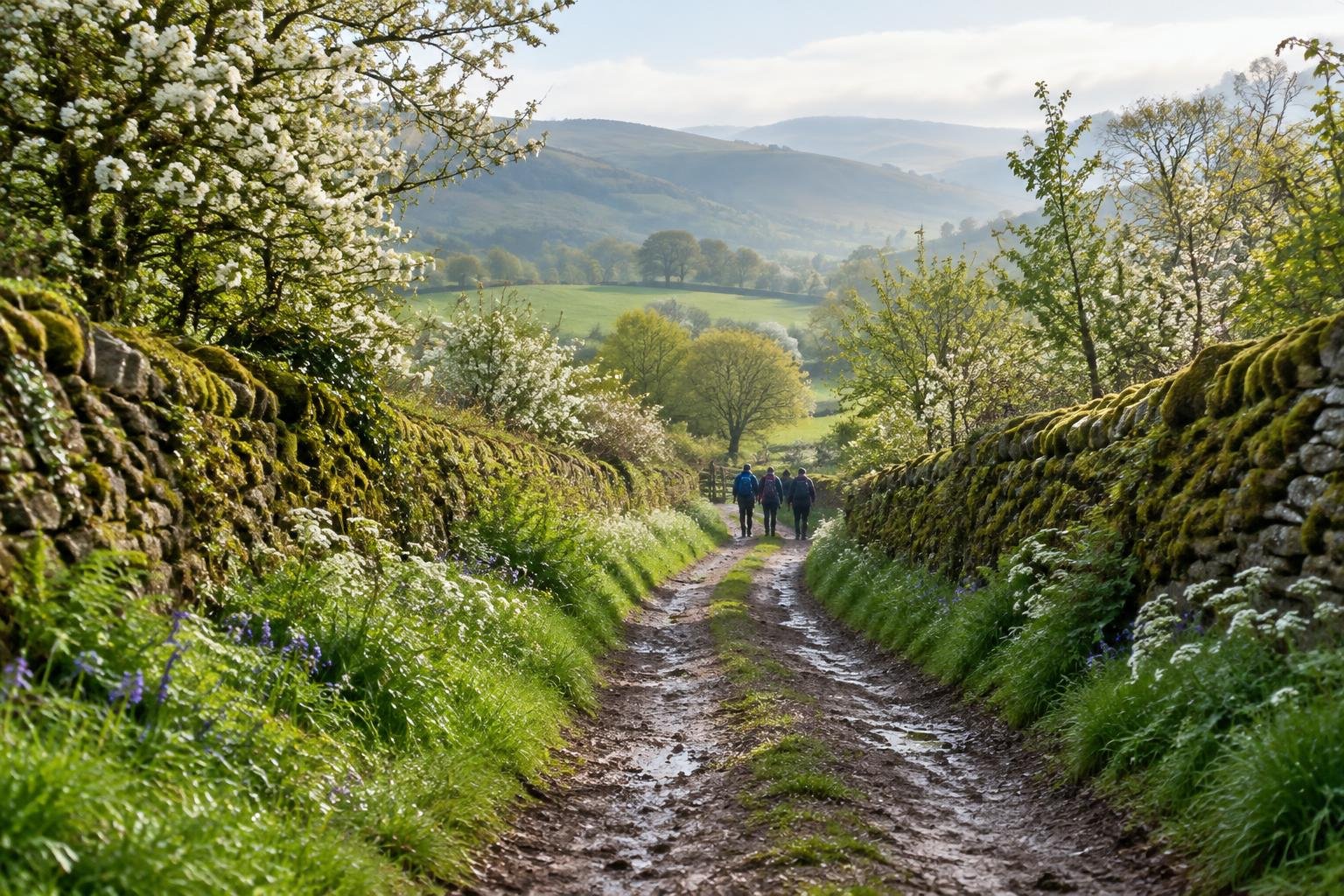
Month-by-month climate for Camino Francés — Galicia to Santiago
| Month | Relative warmth | Rain | Daylight |
|---|---|---|---|
| Jan | Coldest | 146 mm | 9.2 h |
| Feb | Coldest | 107 mm | 10.3 h |
| Mar | Coldest | 106 mm | 11.7 h |
| Apr | Cool | 91 mm | 13.2 h |
| May | Warm | 62 mm | 14.5 h |
| Jun | Warmest | 59 mm | 15.1 h |
| Jul | Warmest | 21 mm | 14.9 h |
| Aug | Warmest | 32 mm | 13.8 h |
| Sep | Warmest | 49 mm | 12.3 h |
| Oct | Warm | 138 mm | 10.8 h |
| Nov | Cool | 160 mm | 9.5 h |
| Dec | Coldest | 156 mm | 8.9 h |
Modelled regional averages for 2010–2023 (rainfall) and calculated daylight hours; they describe the wider area, not a reading taken on the trail. “Relative warmth” compares each month with the warmest and coldest months of this place’s own year. It is not a temperature, and the high parts of a route are colder than the region around them.
The monthly numbers show a clearly wet winter and a dry summer. January is typically the wettest of the early months at 146 mm, and rain stays heavy into November (160 mm) and December (156 mm). July is the driest month at about 21 mm, with August close behind at 32 mm. Daylight swings from roughly 8.9 hours in December to about 15.1 hours in June, which changes how much walking time you realistically have. Relative to this place's own year, January through March are the coldest months, June through September the warmest, and April and November sit in the cool middle.
Camino Francés — Galicia to Santiago season by season
Spring · March to May
March is the coldest-feeling and still wet stretch at about 106 mm, with daylight near 11.7 hours, so it suits walkers who accept damp conditions and shorter days. April is cool with about 91 mm of rain and 13.2 hours of light, while May warms up and rain drops to roughly 62 mm. April and May fall within the official season guidance, making this a strong window for a comfortable, longer-daylight walk.
Early summer · June to August
June is among the warmest months of the year here and the driest of the guidance-recommended period, at about 59 mm with around 15 hours of daylight. July and August are the driest overall at roughly 21 mm and 32 mm, but the official season guidance describes summer as hot and busy. Expect crowds on the final Galician stages and plan around heat. June is the gentlest entry into this period; July and August trade dry weather for heat and demand.
Early autumn · September to October
September is still among the warmest months of the year, with only about 49 mm of rain and roughly 12.3 hours of daylight, which fits well inside the official season guidance. October stays warm but rainfall jumps to about 138 mm and daylight drops to near 10.8 hours. Early autumn is a good compromise between settled weather and thinner crowds, though rain becomes much more likely as the month goes on and days shorten quickly.
Late autumn and winter · November to February
Rain peaks in this period, with about 160 mm in November, 156 mm in December and 146 mm in January, and February still at roughly 107 mm. December and January are among the coldest-feeling months and have the least daylight, near 8.9 and 9.2 hours. These months fall outside the official season guidance, so walking then means short days, wet ground and a need to confirm services with the regional authorities and pilgrim associations.
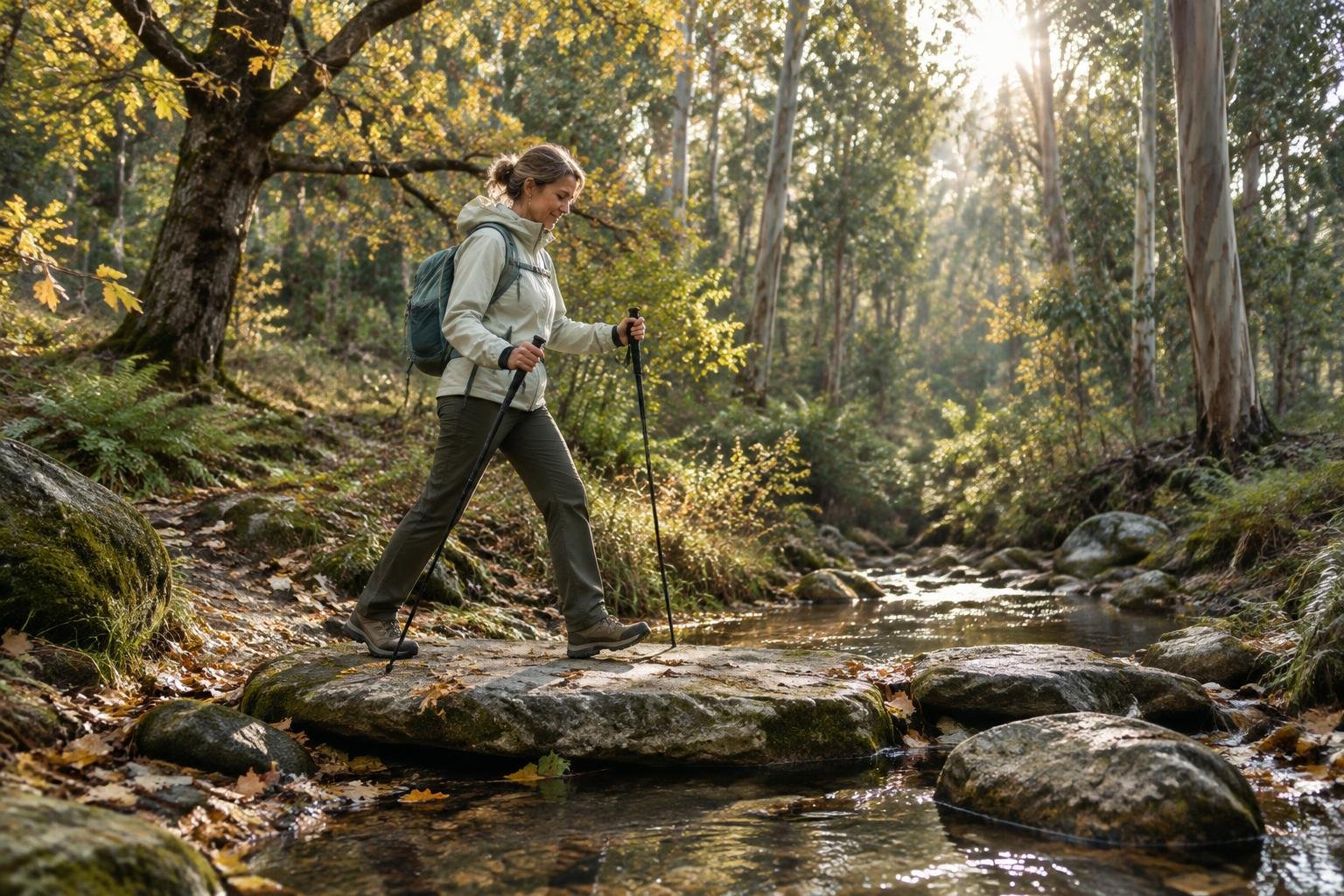
Official season guidance
Regional authorities & pilgrim associations: April–June and September–October; summer is hot and busy
No permit is needed to walk. The Compostela is issued by the Pilgrim’s Office to pilgrims who walk at least the last 100 km with a religious or spiritual motive (otherwise a separate certificate of distance is available); you carry a pilgrim credential and collect stamps (Sarria onward is the popular start). Albergue priorities vary.
Check current dates on oficinadelperegrino.comWhat to pack for the season
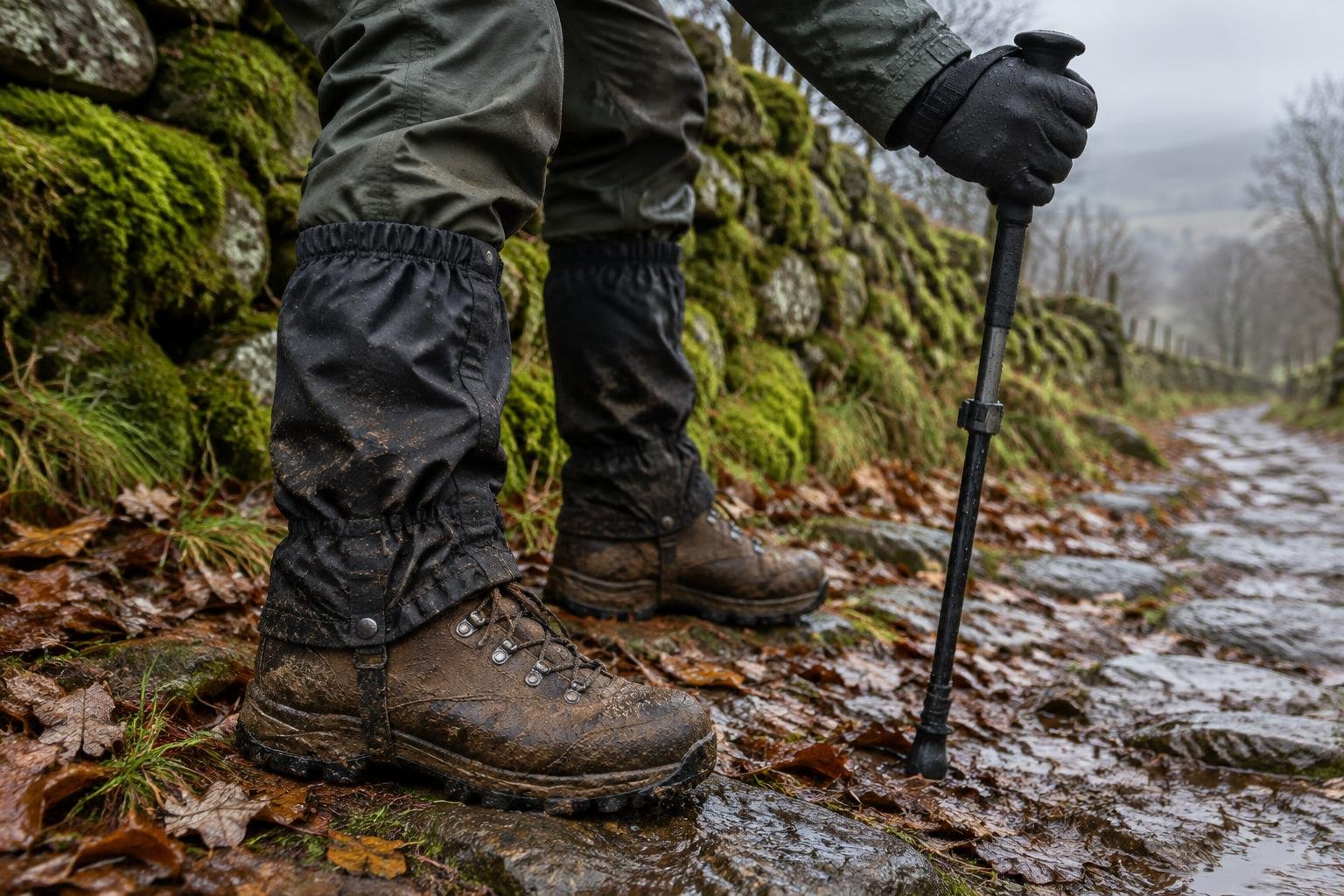
Packing should follow the season. In the wetter, cooler months bring reliable rain cover, quick-drying layers and a headlamp for short days. In the warmer months prioritize sun protection, breathable clothing and extra water. Spring and autumn are changeable, so carry a light waterproof and an insulating layer whichever month you choose.
For layering, rain cover and weather planning, see hiking in rain, heat and cold.
Timing mistakes to avoid
A common mistake is assuming the dry months are automatically best. July and August have the least rain, but the official season guidance flags summer as hot and busy, which can matter more on the popular final stages. Another is ignoring daylight: October through February give far fewer walking hours than June. Finally, don't rely on one month's averages; rain varies year to year, so check conditions with the managing authorities and pilgrim associations before you go.
Common questions
When is the best time to walk the final Galician stages of the Camino Francés?
The official season guidance points to April to June and September to October. These months avoid the hot, busy summer, and the climate data shows moderate rainfall in spring and early autumn with long daylight in spring.
Is summer a bad time to hike the Camino Francés in Galicia?
Summer is the driest period, with July at about 21 mm of rain, but the official guidance describes it as hot and busy. It can still be walked, though you should expect warmth and crowds, and plan early starts and sun protection.
How wet is Galicia in autumn and winter on this route?
Rainfall climbs sharply from October (about 138 mm) through November (160 mm) and December (156 mm). Winter is the wettest and has the shortest days, so waterproof gear and careful daily planning matter if you walk then.
How much daylight can I expect on the Camino Francés through the year?
Daylight ranges from about 8.9 hours in December to roughly 15.1 hours in June. Spring and early summer give the most walking time, while late autumn and winter call for shorter stages and a headlamp.
Sources
- Regional authorities & pilgrim associations — oficinadelperegrino.com: official season and permit guidance.
- NASA POWER (Prediction Of Worldwide Energy Resources): monthly temperature and rainfall averages, 2010–2023, from MERRA-2 reanalysis. Daylight hours are calculated from latitude.
Conditions, closures and permit rules change without notice — confirm current information with the managing authority before you go. See our editorial policy and affiliate disclosure.