
Camino Francés in the Pyrenees vs Camino Francés in Galicia: Which Should You Hike?
Choose Camino Francés in the Pyrenees if you want one demanding mountain day that opens a long walk and you are comfortable with exposed weather. Choose Camino Francés in Galicia if you want a moderate, multi-day pilgrimage into Santiago with constant waymarking and a café or bed never far away.
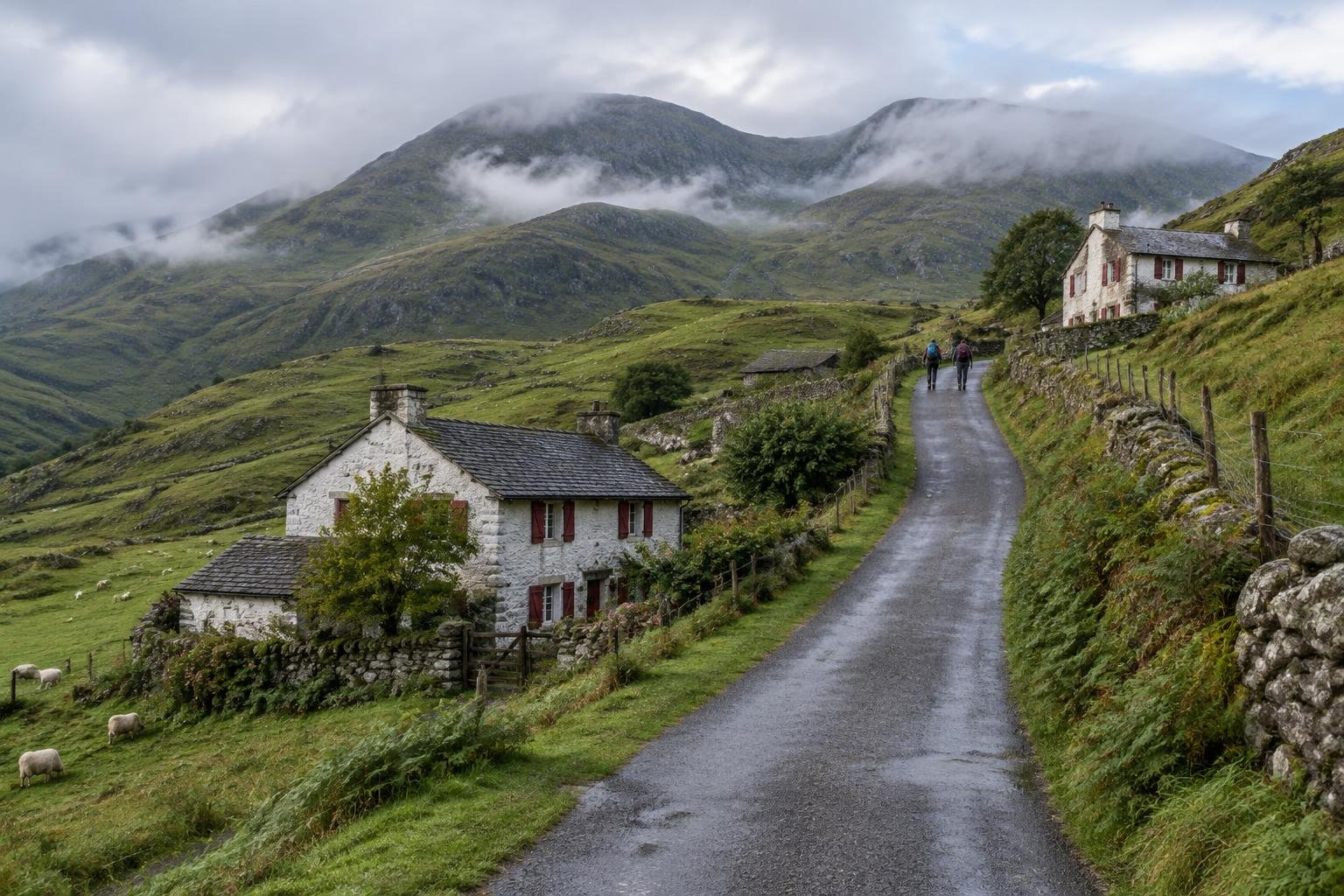
Camino Francés in the Pyrenees and Camino Francés in Galicia at a glance
The Pyrenees section runs from Saint-Jean-Pied-de-Port in France over the Route Napoleon to Roncesvalles in Spain, a single high crossing. The Galicia section is a pilgrimage walk from around Sarria into Santiago de Compostela. Walkers weigh them because both belong to the Camino Francés, yet they offer very different experiences: one mountain day versus several rolling days.
| Camino Francés in the Pyrenees | Camino Francés in Galicia | |
|---|---|---|
| Place | Pyrenees · France & Spain | Green Spain · Galicia, Spain |
| Distance | ~24-25 km, point-to-point (Saint-Jean-Pied-de-Port, France to Roncesvalles, Spain, via the Route Napoleon) | ~115 km, point-to-point (pilgrimage walk from around Sarria into Santiago de Compostela); commonly cited range is 100-116 km depending on the exact start point used in/around Sarria |
| Elevation gain | ~1,300-1,400 m ascent / ~650 m descent, cresting the Col de Lepoeder at 1,450-1,480 m | ~1,850-1,900 m cumulative ascent across the ~5-6 stages (approx. Sarria-Portomarin 290 m, Portomarin-Palas de Rei 330 m, Palas de Rei-Melide 240 m, Melide-Arzua 240 m, Arzua-O Pedrouzo 250 m, O Pedrouzo-Santiago 340 m) |
| Difficulty | Strenuous (widely cited as one of the hardest single days on the Camino Frances) | Moderate |
| Route type | point-to-point | point-to-point |
| Official season | Late spring to early fall; the high route can close in winter or bad weather | April–June and September–October; summer is hot and busy |
| Managed by | Regional authorities & pilgrim associations | Regional authorities & pilgrim associations |
Effort and difficulty
The Pyrenees stage covers about 24-25 km with roughly 1,300-1,400 m of ascent and about 650 m of descent, cresting the Col de Lepoeder at 1,450-1,480 m. It is rated strenuous and widely cited as one of the hardest single days on the Camino Francés. Galicia covers about 115 km (commonly 100-116 km) with roughly 1,850-1,900 m of cumulative ascent spread across about five to six stages, rated moderate. Galicia is the bigger total commitment in distance, but the Pyrenees is the harder single day.
Season, permits and booking
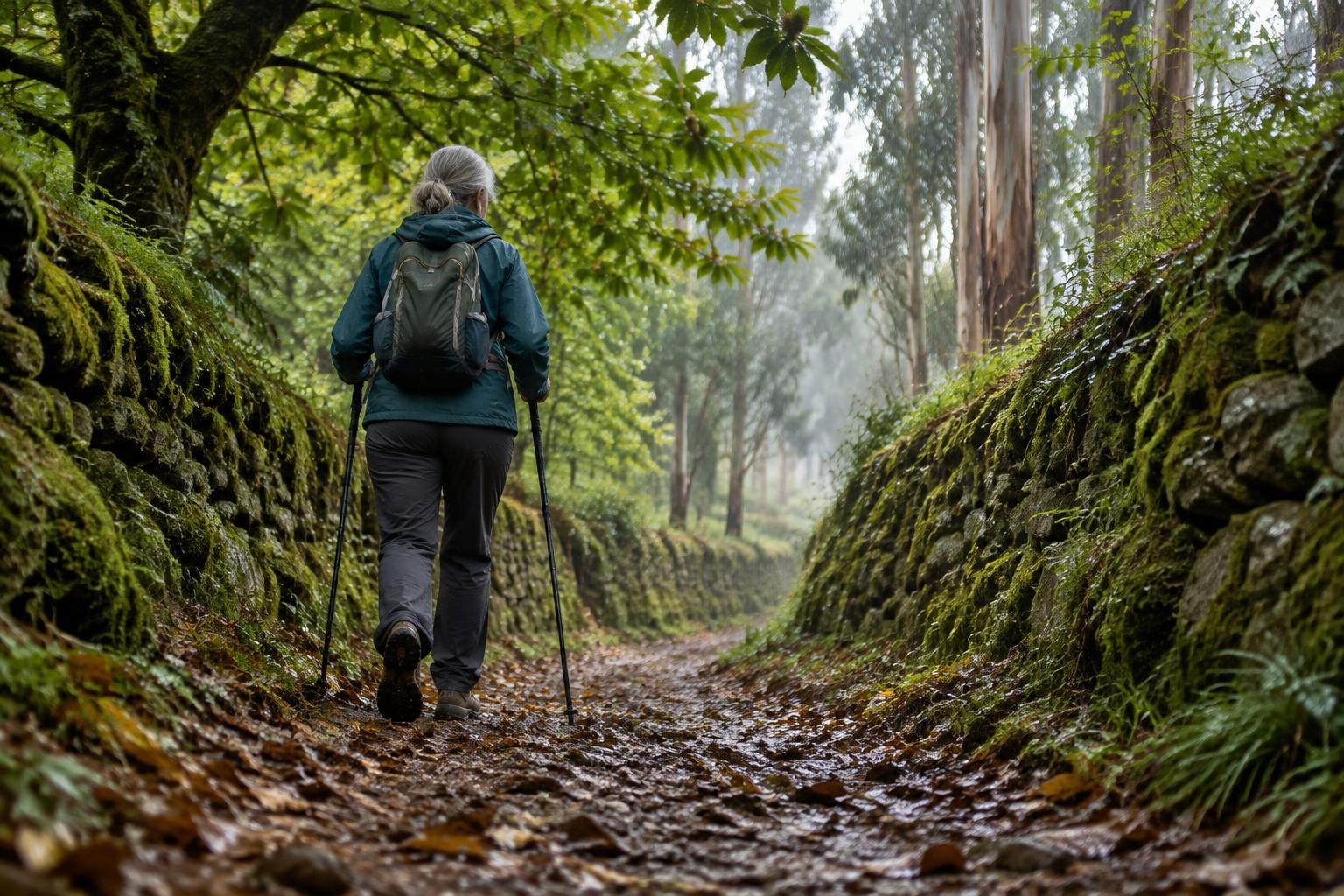
The Pyrenees is best from late spring to early fall, and the high route can close in winter or bad weather, so check current status in Saint-Jean-Pied-de-Port and ask about the lower valley alternative. Galicia's best seasons are April-June and September-October; summer is hot and busy. Neither needs a permit to walk, but the Compostela has its own requirements for the final 100 km. Confirm current rules with each managing authority and the Pilgrim's Office.
Which one is right for you?
Choose Camino Francés in the Pyrenees if…
Pick the Pyrenees if you want a big first-day challenge and have the fitness for a long, steep climb. It suits walkers who are comfortable making weather calls in open, treeless terrain, where waymarking is sparse and visibility can drop. If you want a gentler start, FACTS note that splitting the climb with a night at the small pilgrim refuge partway up is increasingly common, though beds are limited and must be arranged well ahead.
How to hike Camino Francés — the Pyrenees StartChoose Camino Francés in Galicia if…
Pick Galicia if you want a pilgrimage with a clear finish and a steady daily rhythm. It suits first-time long-distance walkers, those short on fitness for a mountain day, and anyone who wants the Compostela, since the last 100 km is the usual requirement. With hamlets close together, constant waymarking and a town with beds and food at each stage end, it is forgiving. You can compress stages or add a rest day.
How to hike Camino Francés — Galicia to SantiagoWhat the two have in common
Both are point-to-point sections of the Camino Francés, managed by regional authorities and pilgrim associations, and neither requires a permit to walk. Both follow established pilgrim routes across rural Europe and finish in a place with beds and food for walkers. Both reward an early start: the Pyrenees to keep daylight in hand for the descent, Galicia to finish around early afternoon.
How your choice changes what you pack
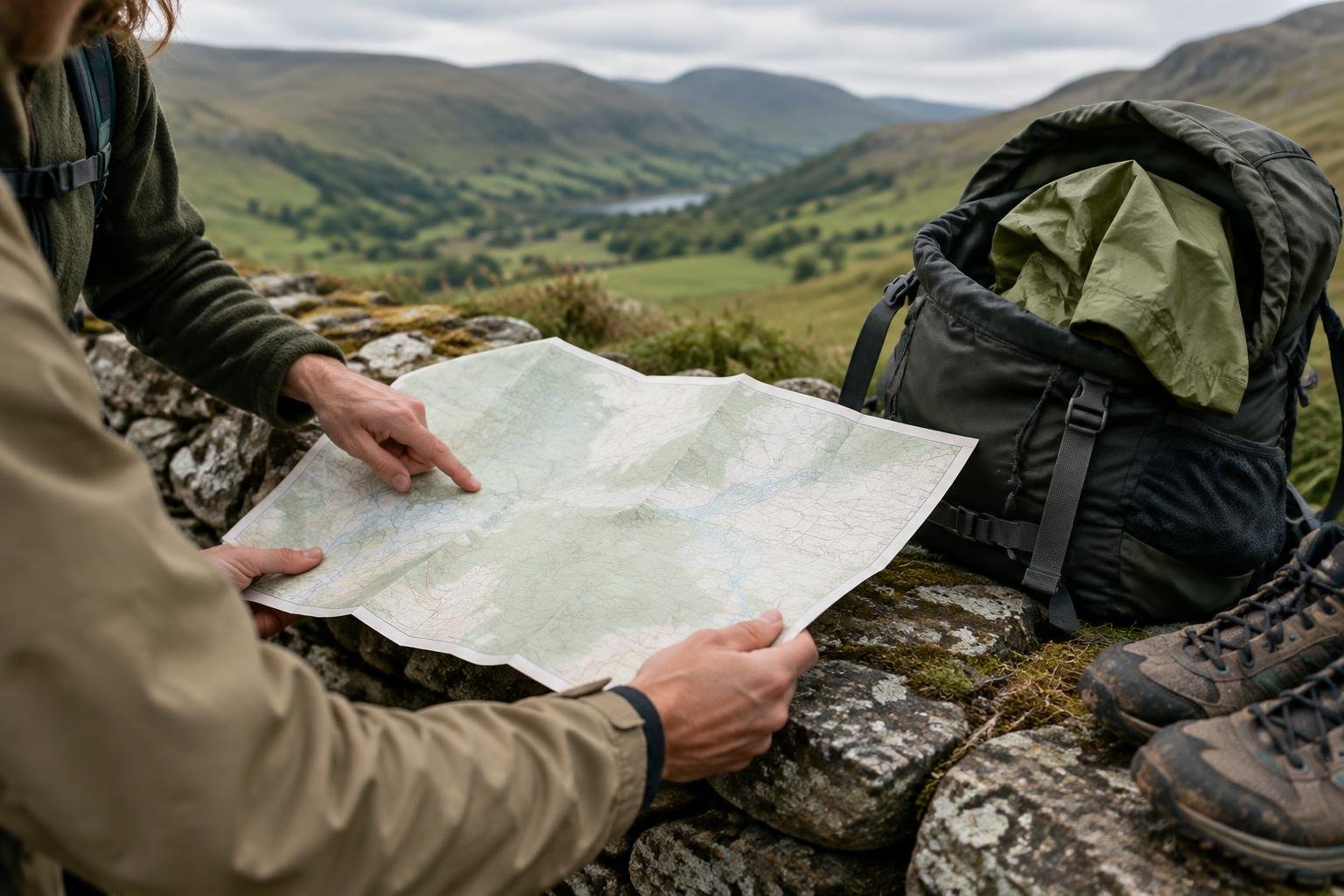
The Pyrenees day calls for layers that handle fast-changing mountain weather, plus enough water and food for a long exposed climb with little shelter. Galicia's frequent villages and cafés let you carry less food and water, so a lighter pack works, though you will want comfortable footwear for roads and hard surfaces over several days. Neither route needs a stove, since food and beds are along the way.
Common questions
Which is harder, the Pyrenees or Galicia?
The Pyrenees stage is harder as a single day: it is rated strenuous, with roughly 1,300-1,400 m of ascent over about 24-25 km. Galicia is rated moderate, with its climbing spread across several days. Galicia is longer overall, so the total effort depends on how you pace it.
Which is better for first-time Camino walkers?
Galicia is generally the gentler introduction: moderate difficulty, constant waymarking and frequent villages. The Pyrenees can suit fit, prepared first-timers, especially if they split the climb with a refuge night. Either way, check current conditions and requirements before you go.
Can I earn the Compostela on either route?
The facts supplied tie the Compostela to walking at least the last 100 km with a religious or spiritual motive, which is why Sarria onward in Galicia is the popular start. Otherwise a separate certificate of distance is available. Confirm current requirements with the Pilgrim's Office.
Do I need a permit or to book ahead?
Neither route needs a permit to walk. In the Pyrenees, beds at the small refuge partway up the mountain are limited and must be arranged well ahead. In Galicia, albergue priorities vary, so check locally. Always confirm current rules with the managing authorities.
Sources
- Regional authorities & pilgrim associations — oficinadelperegrino.com: official information for Camino Francés in the Pyrenees.
- Regional authorities & pilgrim associations — oficinadelperegrino.com: official information for Camino Francés in Galicia.
Conditions, permits and access rules change without notice — confirm current information with each managing authority before you go. See our editorial policy.