
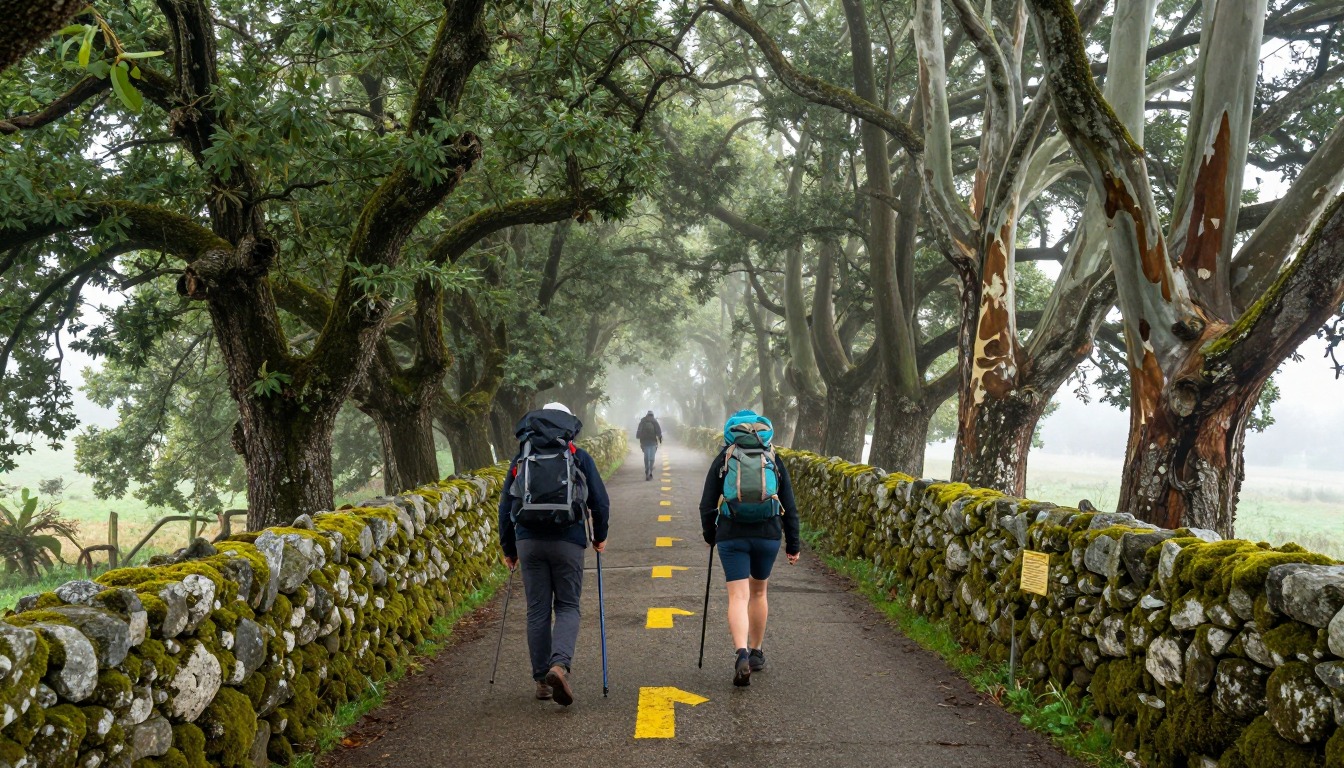
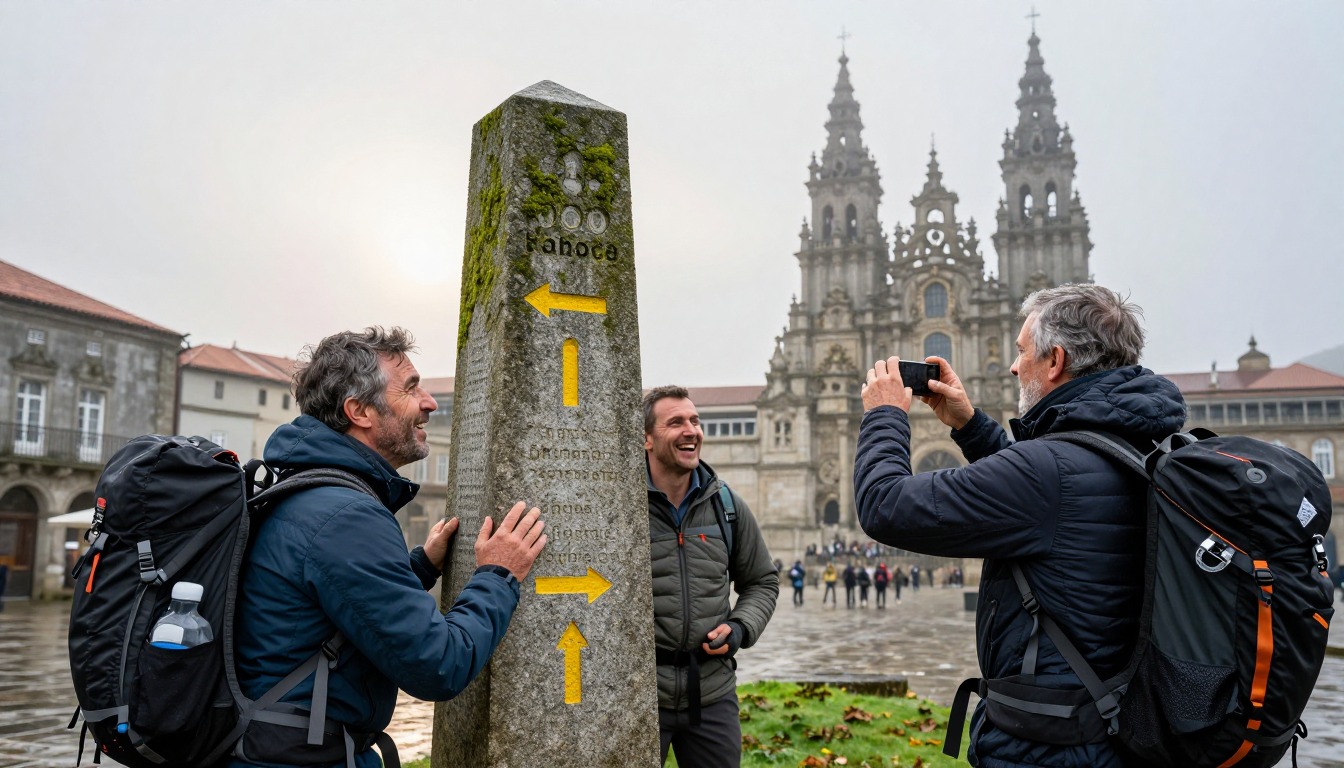
Illustrative artwork — an impression of Camino Francés — Galicia to Santiago, not a literal photograph.
The Camino Francés is the most-walked route to Santiago de Compostela, and its final Galician stages — roughly the last 115 km, beginning around Sarria — are where the largest share of pilgrims join the trail each year. This isn't a backcountry trek: there's no camping, just a chain of pilgrim albergues, pensiones, and small rural hotels strung between towns, so the real logistics question each day is which bed you'll walk into, not where you'll pitch a tent.
Why hike here
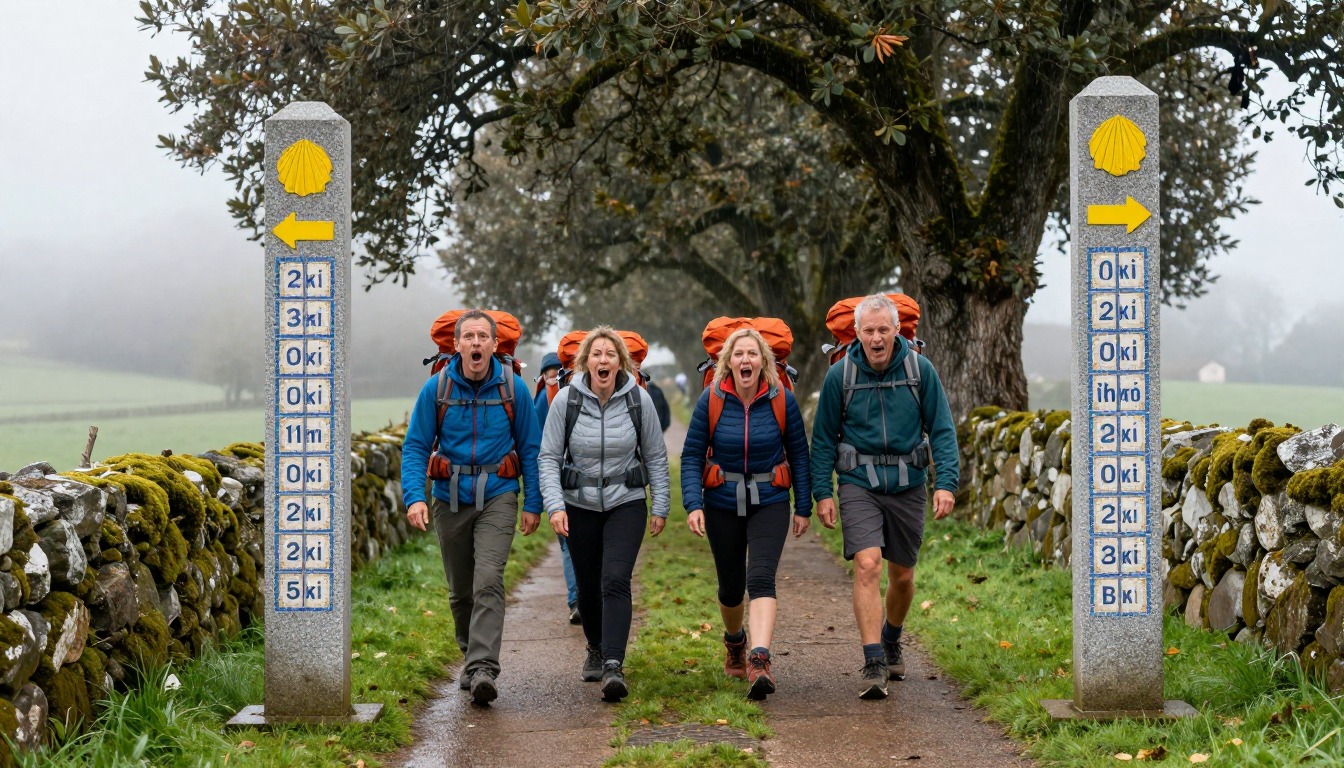
What makes this stretch different from the rest of the Camino Francés is how compressed the experience becomes. You're walking through Galicia's green, often misty countryside — eucalyptus and oak woodland, stone hamlets, herds of cattle sharing the lane — while the number of pilgrims around you swells, because so many people join here specifically to complete their final 100 km. There's a rhythm to it: stamping your credential at each albergue and café, falling into step with walkers from a dozen countries, watching the kilometer markers count down. It builds toward one fixed point — the plaza in front of Santiago's cathedral, where pilgrims who set out weeks earlier in France and pilgrims who set out days earlier in Sarria arrive at the same place, for the same reason.
Getting there
Most hikers fly into Santiago de Compostela's own airport, which puts you a short trip from both ends of this stretch. To walk the Galician finish, take a train or bus from Santiago (or from another Spanish hub) to Sarria, the popular starting point for the final 100-plus kilometers; you'll then walk back into Santiago on foot over the following days. Because Sarria and the villages beyond are well served by regional transport, getting to the start is straightforward — it's the walk itself, not the journey there, that takes the planning.
Where to stay
The realistic options, closest-to-the-trail first. Book through the official links — we don't list prices or availability because they change all the time.
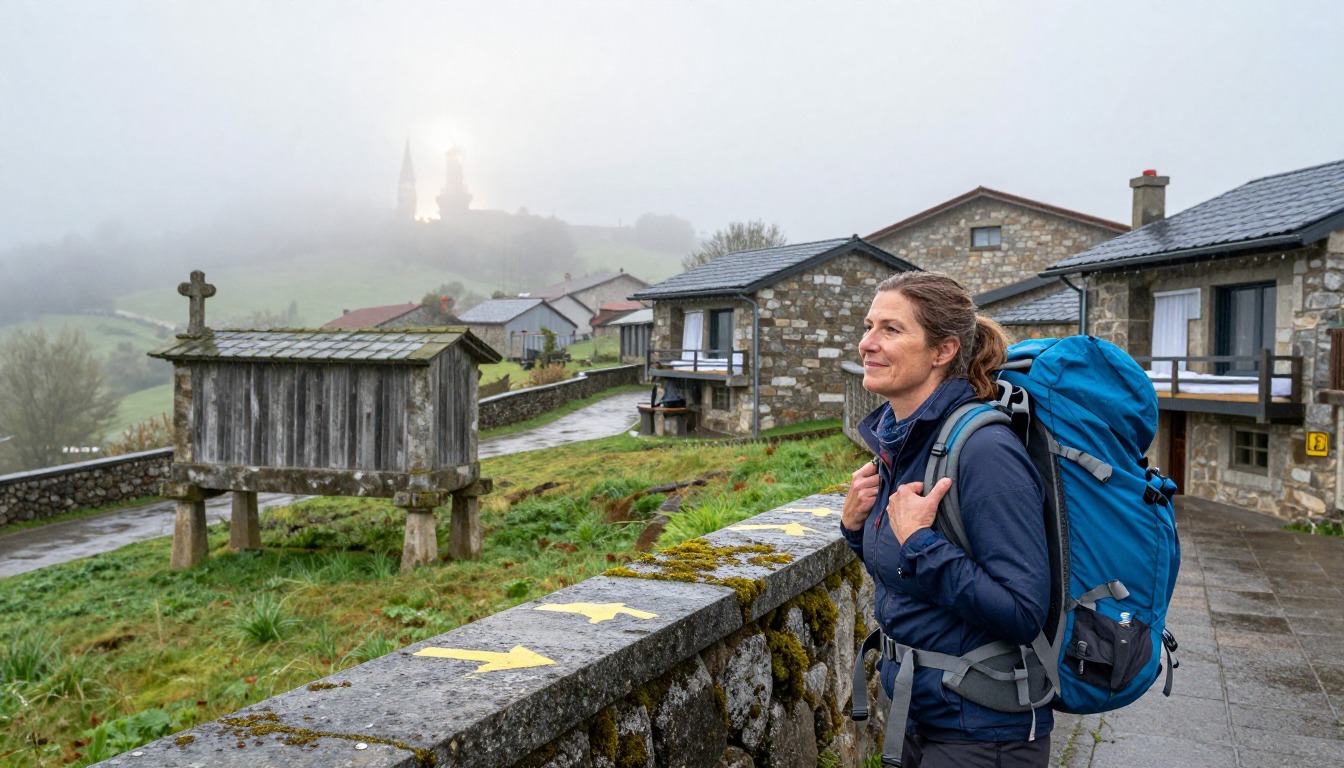 Illustrative — evokes the setting, not a specific property.
 For example: Dormitory pilgrim hostels in every stage town along the route
Most pilgrims — cheap, social, and stamped for your credential.
Carry a pilgrim credential to stay in albergues and earn the Compostela.
Municipal (first-come) / private (bookable)For example: Private rooms in the villages and towns of Galicia’s final stages
Walkers wanting privacy or a quieter night.
Book a night or two ahead in the busy months.
Search lodging along your stagesPermits & rules
No permit is needed to walk. To earn the Compostela certificate you must carry a pilgrim credential, collect stamps along the way, and walk at least the final 100 km on foot (Sarria onward is the popular start). Municipal albergues prioritize walking pilgrims.
Gear you'll want for this trip
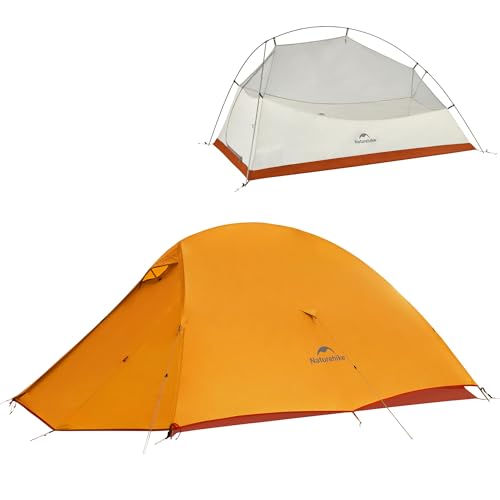
Matched to the terrain and conditions here. Real products — check current price on Amazon.


Common questions
Do I need to book albergues in advance on this stretch?
Not always. Municipal albergues work on a first-come basis for anyone carrying a pilgrim credential, so they can't be reserved ahead — you simply arrive and register. Private albergues, pensiones, and small rural hotels along the route can usually be booked in advance, which takes the pressure off finding a bed after a long day, especially during the busier summer months.
What do I need to do to earn the Compostela certificate?
You need a pilgrim credential, stamped along the way, and you must walk at least the final 100 km into Santiago on foot — starting in Sarria comfortably covers that distance. Present your stamped credential at the Pilgrim's Office in Santiago to receive the Compostela. Because municipal albergues prioritize walking pilgrims, carrying and stamping your credential matters for lodging too, not just the certificate.
When's the best time to walk the Galician stretch, and does it affect where I sleep?
April through June and September through October are the most comfortable windows, with milder weather and fewer people on the trail. July and August bring heat and the heaviest pilgrim numbers, since so many people join right here to finish their Camino, and that puts pressure on albergue beds, especially the municipal ones. Walking in the shoulder seasons eases both the daily walking and the nightly search for a room.
Complete gearsets for this trip
Full curated kits built for exactly this kind of hike — what to bring, why, and links to similar gear.
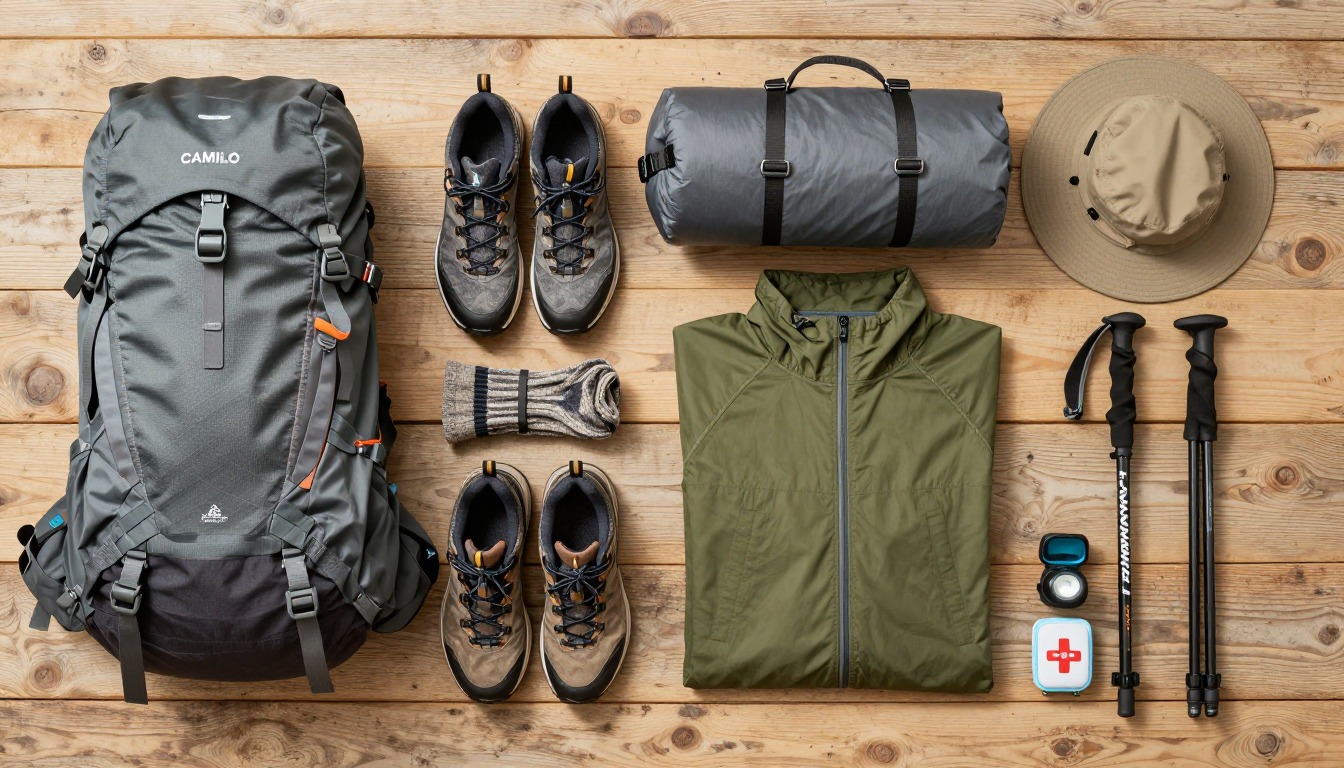
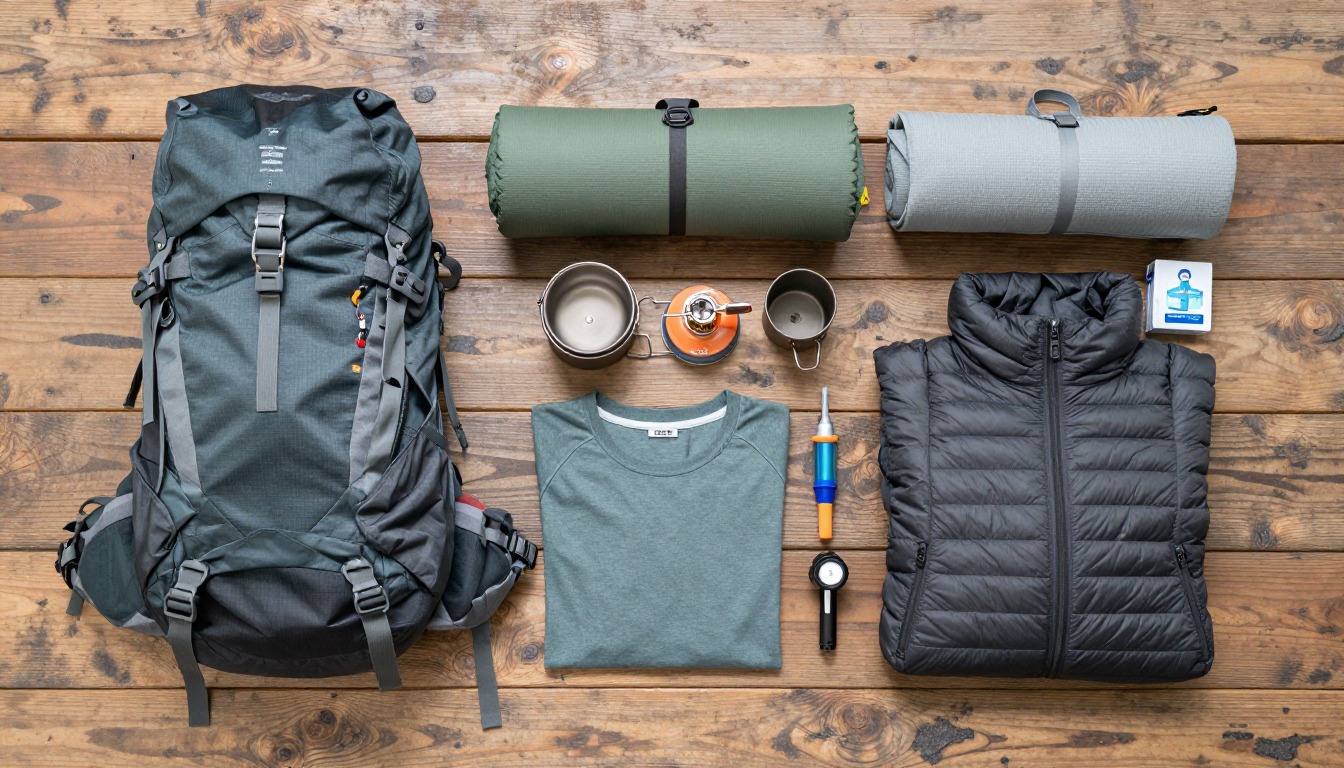
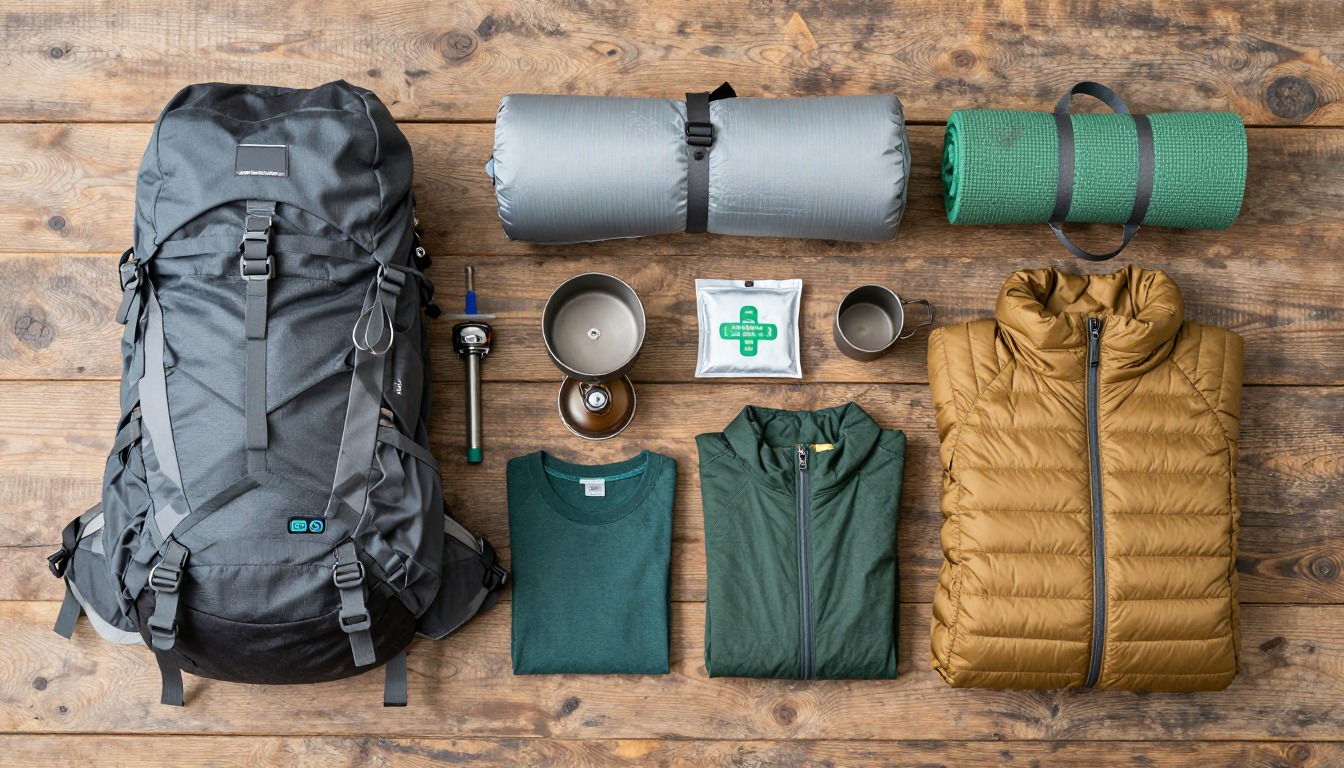
Lodging details are compiled from official parks, refuge associations and reservation systems and can change without notice. We publish no prices, availability or ratings — always confirm current information on the official site before booking or setting out. Product links are affiliate links: we may earn a commission at no extra cost to you; prices and availability are shown on Amazon. See our affiliate disclosure.