
The Camino de Santiago setup
The Camino is walked, not backpacked — you cover real daily miles on foot, then sleep indoors in an albergue, hostel, or small pensión every night. No tent, no stove, no sleeping bag: just a light pack, tough feet, and clothes you can rinse and have dry by morning. Here's the setup, item by item, built around the rule every returning pilgrim repeats: pack light.
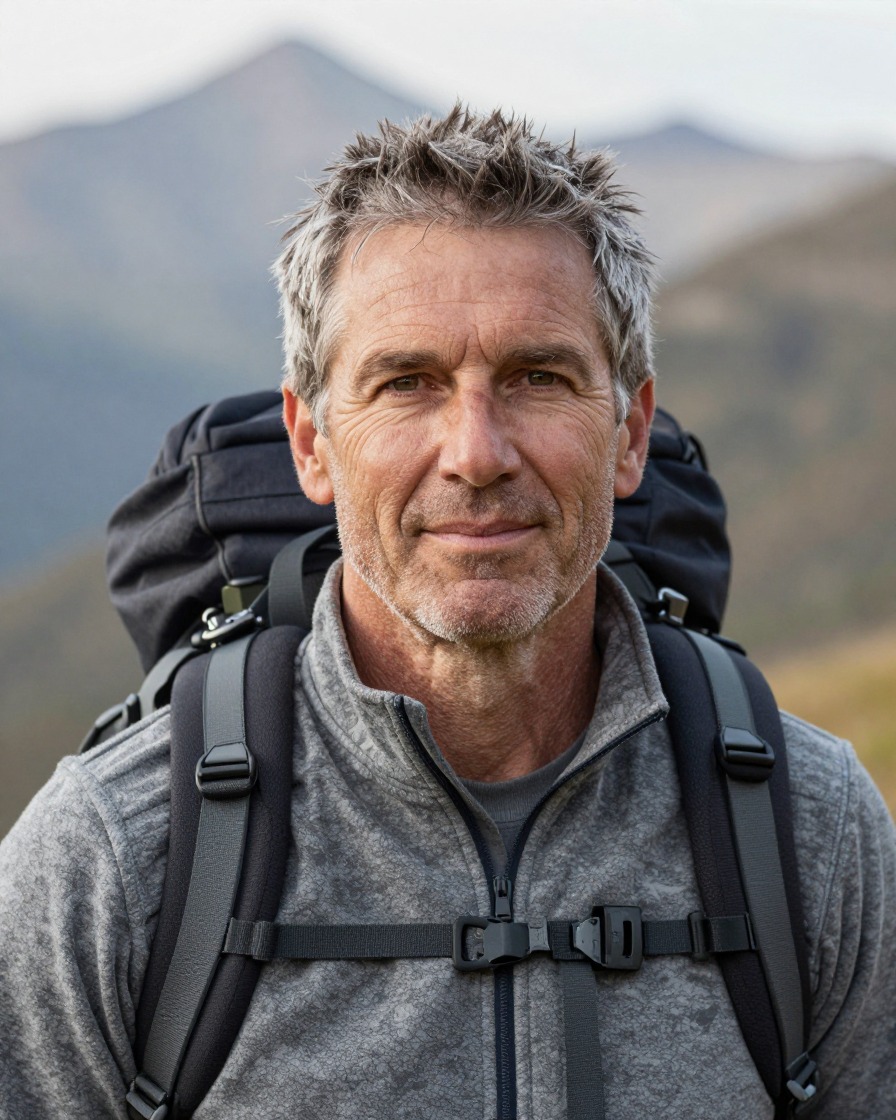
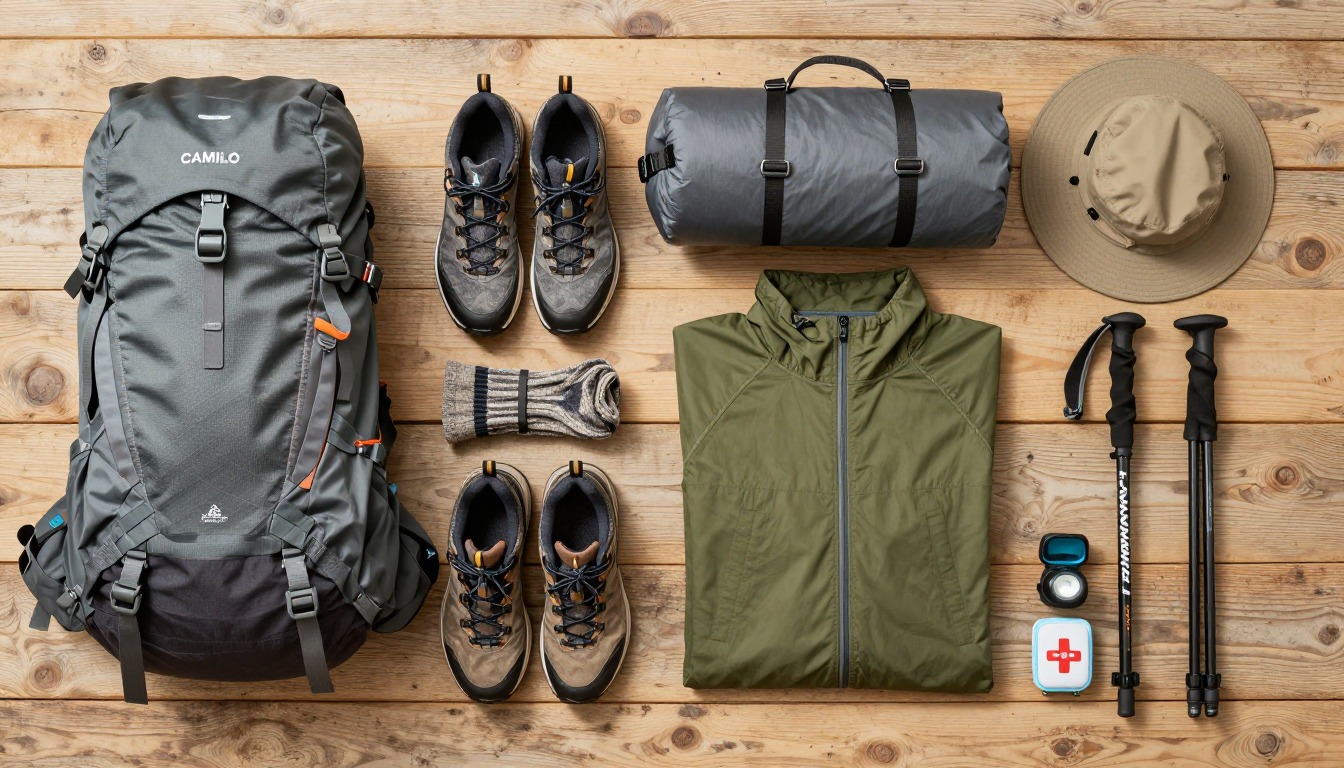
A Camino kit is built backward from the daily grind: you walk again tomorrow, and the day after, often for five or six weeks straight, so anything heavy punishes you on repeat. Sleeping under a roof each night removes the shelter-and-sleep system a backpacking pack carries, replaced by a thin liner and a daypack light enough to forget you're wearing it. What's left targets what actually ends a Camino early: wrecked feet and too heavy a pack.
This setup suits anyone walking a way-marked Spanish pilgrim route — Camino Francés, Camino Portugués, Camino del Norte, or another — staying in albergues or small guesthouses. It fits a full multi-week Camino or a shorter stretch. Planning to wild camp instead? Look at the backpacking or ultralight setups instead.
- Start with the pack — a 20–35 L daypack you'll live in for weeks, riding on your back every mile of every day.
- Sort your feet next: shoes already broken in, a sock system that works, and a blister kit you know how to use.
- Build a tiny wardrobe you can wash in an albergue sink each evening and count on dry by morning.
- Add the albergue extras — liner, earplugs, credential, poles — then weigh it all and trim what you haven't touched.
About this setup
The Camino de Santiago is less a wilderness trek than a five-or-six-week walk across Spain along ancient pilgrim routes converging on Santiago de Compostela. The Camino Francés is the classic and most crowded; the Camino Portugués, Camino del Norte, and Camino Primitivo each offer a quieter alternative. What they share is the albergue system — a chain of pilgrim hostels, some volunteer-run, others private — meaning you almost never carry shelter or a stove. That one fact reshapes the entire packing list.
Ask any pilgrim what actually ends a Camino early and the answer is almost never the weather or the distance — it's feet. Day after day of pavement, gravel tracks, and the odd stretch of Roman road adds up differently than a weekend trail, and a boot that felt fine on a training hike can turn brutal by week two. The other classic mistake is the pack itself: first-time pilgrims routinely start out heavier than they need, then spend week one mailing things home. Pack for the Camino you're actually walking, not the wilderness trip it sometimes gets confused with.
Many pilgrims use a daily luggage-transfer service — a van that moves your main bag between albergues for a small fee — and walk with only a light daypack. Others carry everything themselves the whole way; both work, and this list is built light enough for either. With no laundromat waiting at day's end, the wardrobe below is designed to be rinsed in a sink each evening and worn again by morning.
The pack
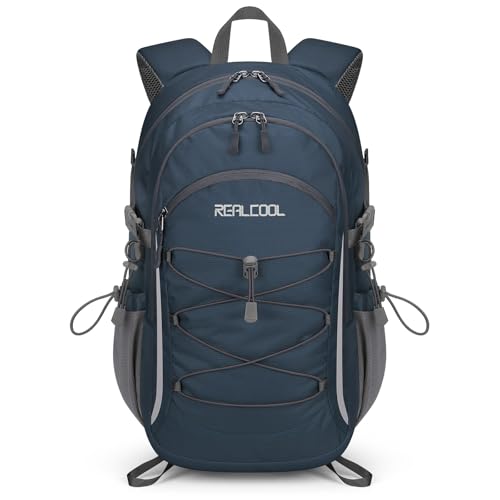
Every mile of every day rides on this pack, so a light 20–35 L daypack beats a bigger bag every time, even if you're carrying your own gear the whole way.
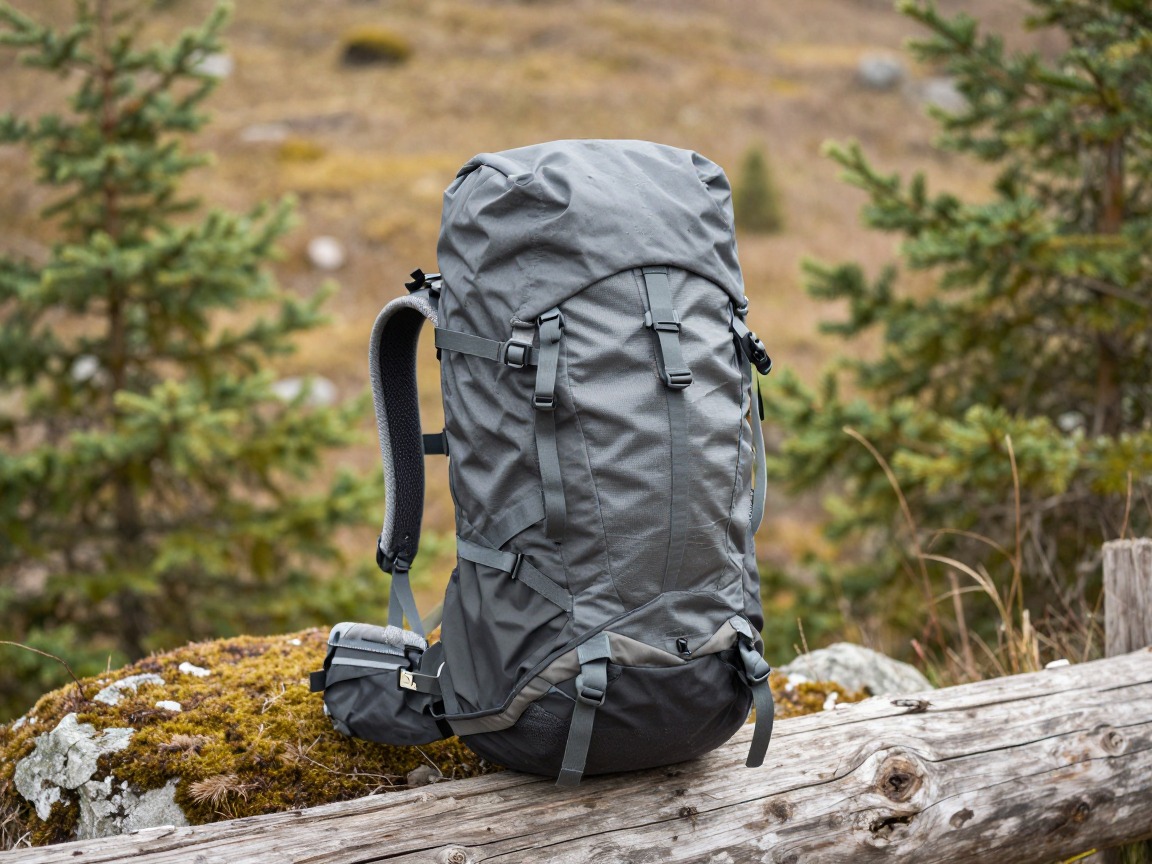
Camino daypack (20–35 L)
Carries a day's water, snacks, layers, and admin kit; small enough that you forget it's there by the afternoon, which matters over five or six weeks.
What to look for: A genuinely padded hip belt and shoulder straps you can wear for weeks without complaint, and easy-access pockets for your credential, phone, and snacks so you're not digging mid-stride.
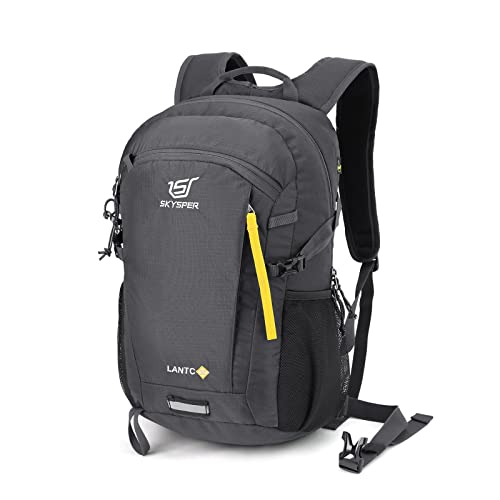 SKYSPER Small Hiking Backpack Check price
  Osprey Sportlite 20L Lightweight Hiking Backpack Check price
  RealCool 20L Lightweight Hiking Backpack Check price
 - A slim rain cover or waterproof liner — Galicia and the north see real rain
- Packing cubes or stuff sacks to keep clean and worn clothes separate
Footwear & the sock system
Blisters end more Caminos than anything else. The fix isn't one magic shoe — it's shoes you've already broken in, a sock system, and feet you look after every single day.
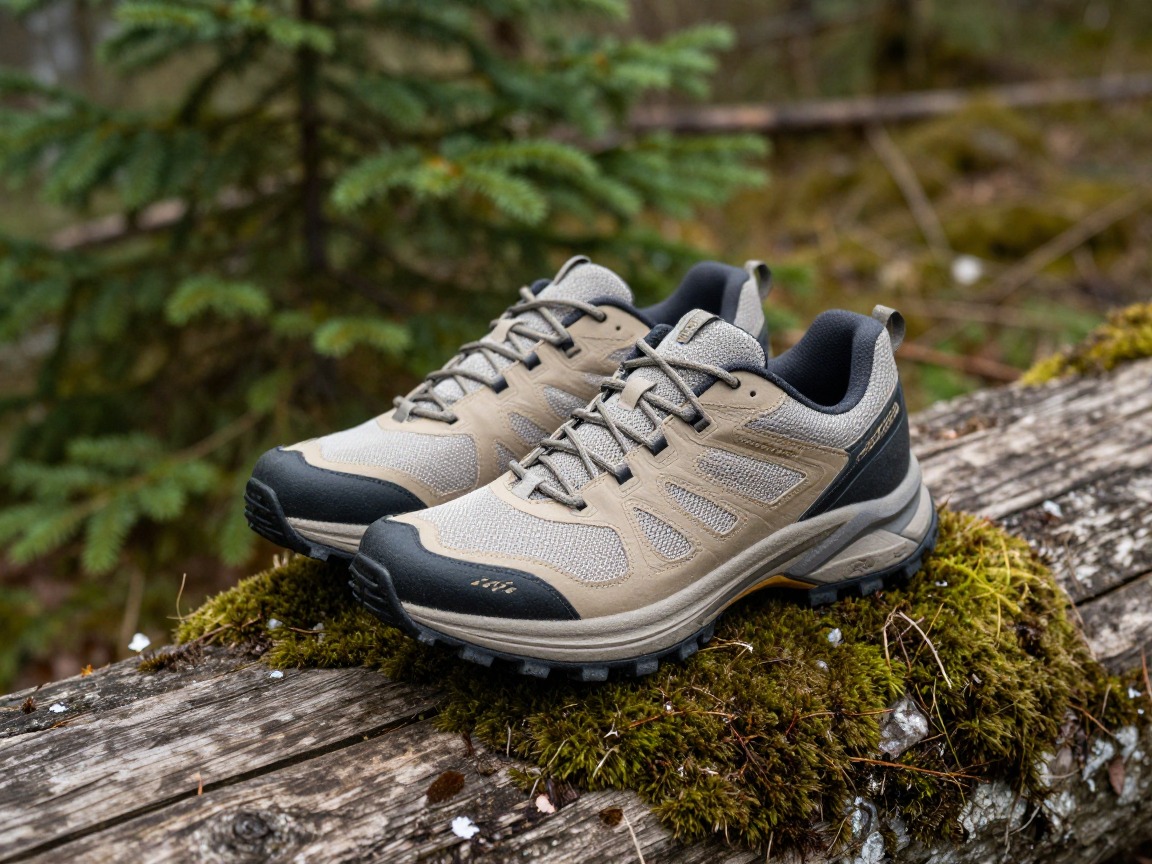
Trail running shoes
Many pilgrims now walk the Camino in trail runners rather than boots — lighter underfoot on pavement and gravel, and they dry faster after rain.
What to look for: A shoe already broken in over real miles before you fly out, a wide enough toe box for feet that swell on long days, and enough tread for gravel farm tracks and the odd muddy stretch.
 Saucony Men's Excursion TR14 Trail Running Shoe Check price
  Adidas Mens Terrex Tracefinder 2 Trail Running Check price
  Brooks Men’s Cascadia 19 Mountain Trail Running Shoe - Black/Black/E Check price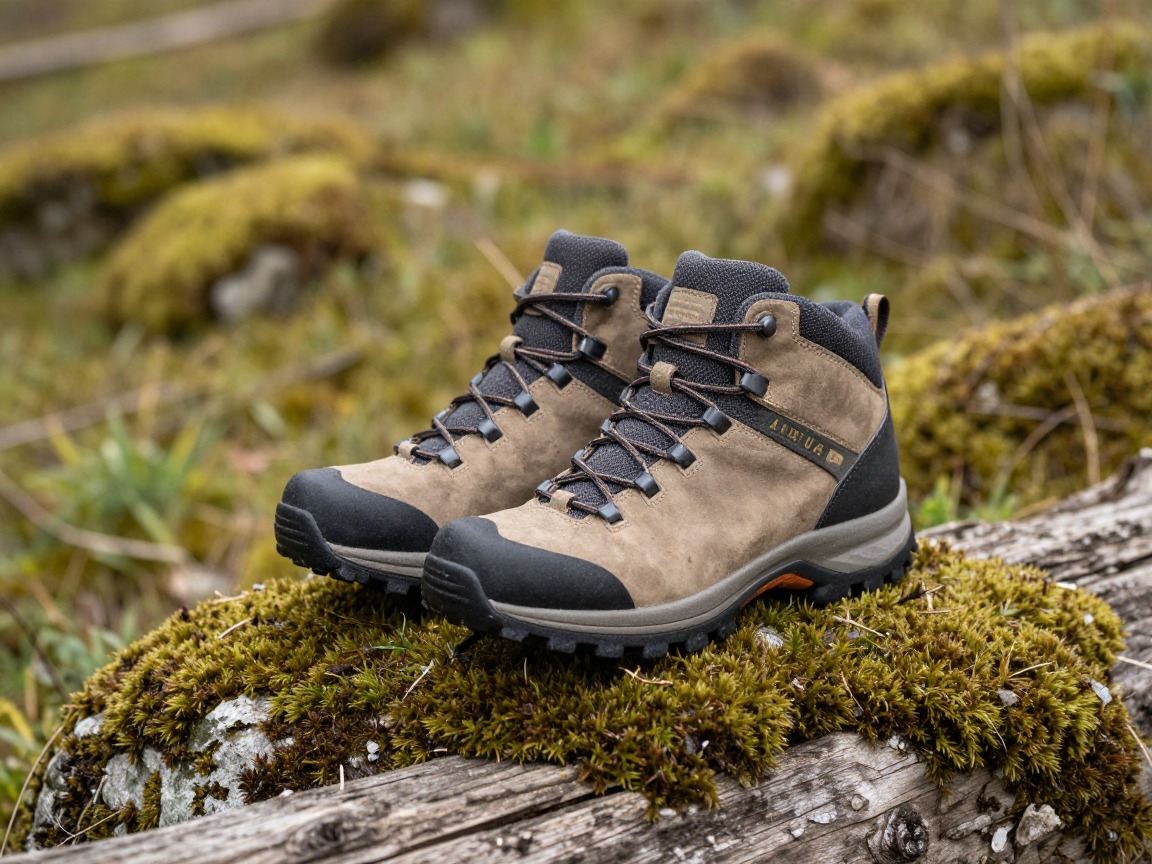
Broken-in hiking boots
The alternative to trail runners — more ankle support and better protection in mud, cobblestones, and wet weather on routes like the Camino del Norte.
What to look for: Boots with real miles on them already, never a pair you're breaking in on the trail itself, plus a fit that leaves room for feet that swell by afternoon.
 Columbia Men's Transverse Waterproof Hiking Boot Check price
  NORTIV 8 Men's Ankle High Waterproof Hiking Boots Check price
  Columbia Mens Transverse Waterproof Hiking Boot Check price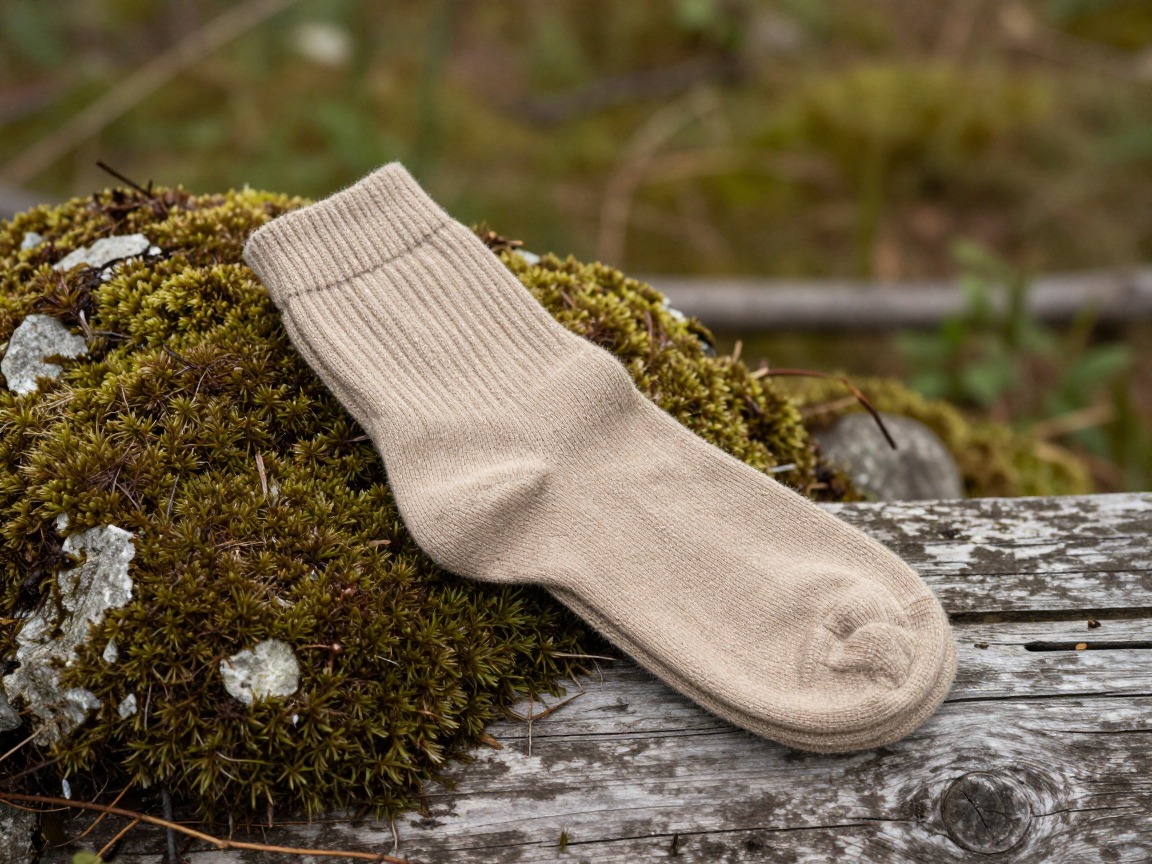
Sock system
A wool or synthetic sock, sometimes paired with a thin liner sock underneath, manages moisture and friction across back-to-back walking days.
What to look for: Cushioned wool or a wool blend, never cotton, and enough pairs to rotate while one dries. Some pilgrims add a thin liner sock under the main sock to cut friction further.
 Alvada Merino Wool Hiking Socks Thermal Warm Crew Winter Boot Sock F Check price
  DANISH ENDURANCE Merino Wool Socks for Men & Women Check price
  innotree 3 Pack Men's Merino Wool Hiking Socks Check price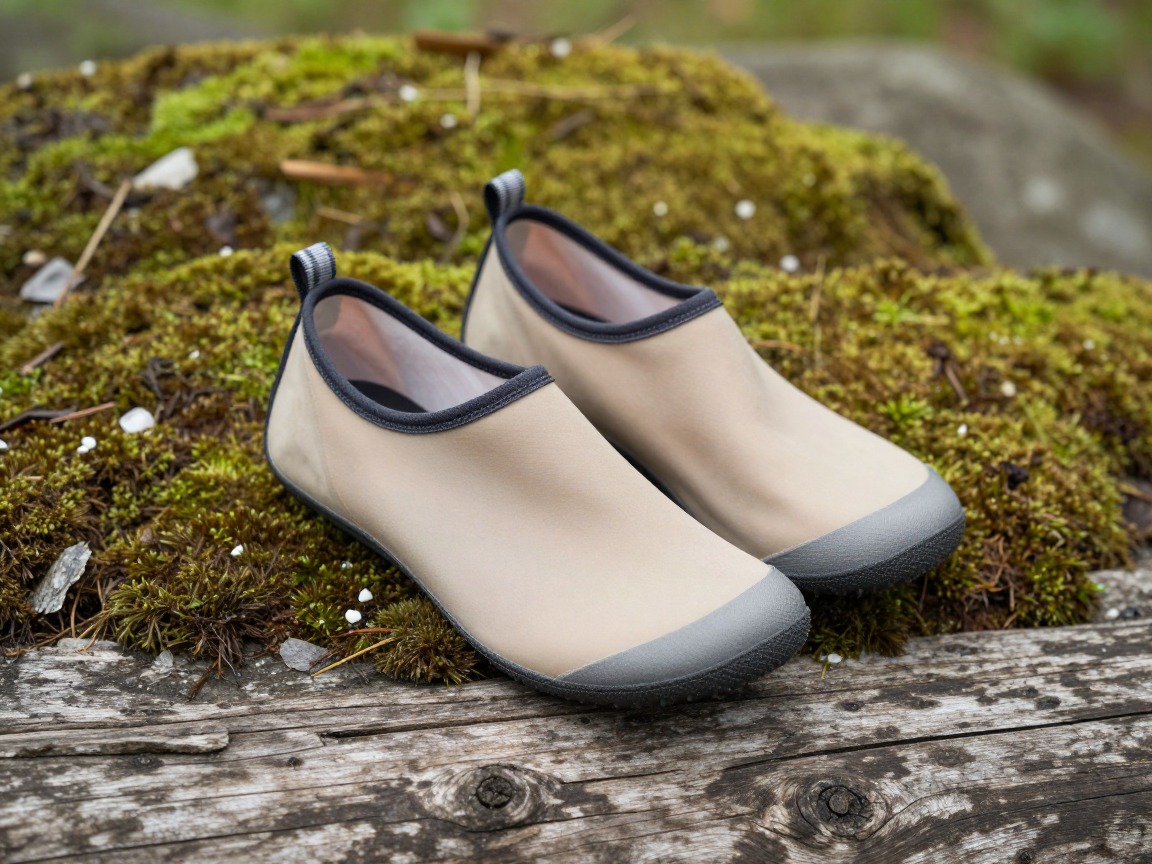
Camp & recovery sandals
Lightweight sandals to change into the moment you reach the albergue — airing your feet out each afternoon is one of the simplest ways to keep them intact for tomorrow.
What to look for: Light, packable, and easy to slide on with sore feet; a pair with real tread also doubles as albergue shower footwear.
 SEEKWAY Water Shoes for Women Adult Quick-Dry Aqua Sock Barefoot Men Check price
  Water Shoes Mens Women Barefoot Shoes Quick-Dry Aqua Outdoor Sports Check price
 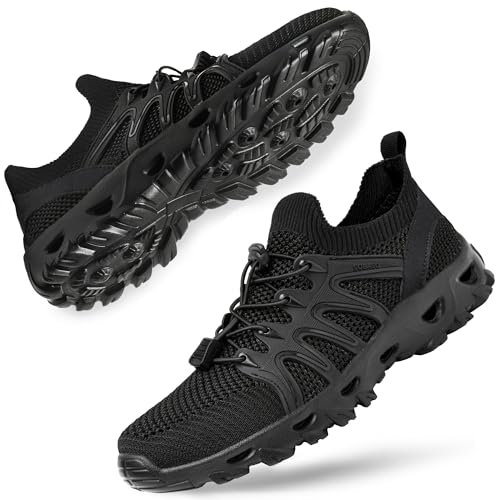 Alibress Water Shoes for Women Men Lightweight Men's Water Hiking Sh Check price
 - Blister prevention — tape, moleskin, or hydrocolloid patches applied at the first hot spot, not after
- Foot powder or anti-friction balm for long days
- Nail clippers (short nails help prevent black toenails on descents)
Albergue nights
You'll sleep somewhere different most nights, often in a shared dorm — a few small, light items make that routine easy.
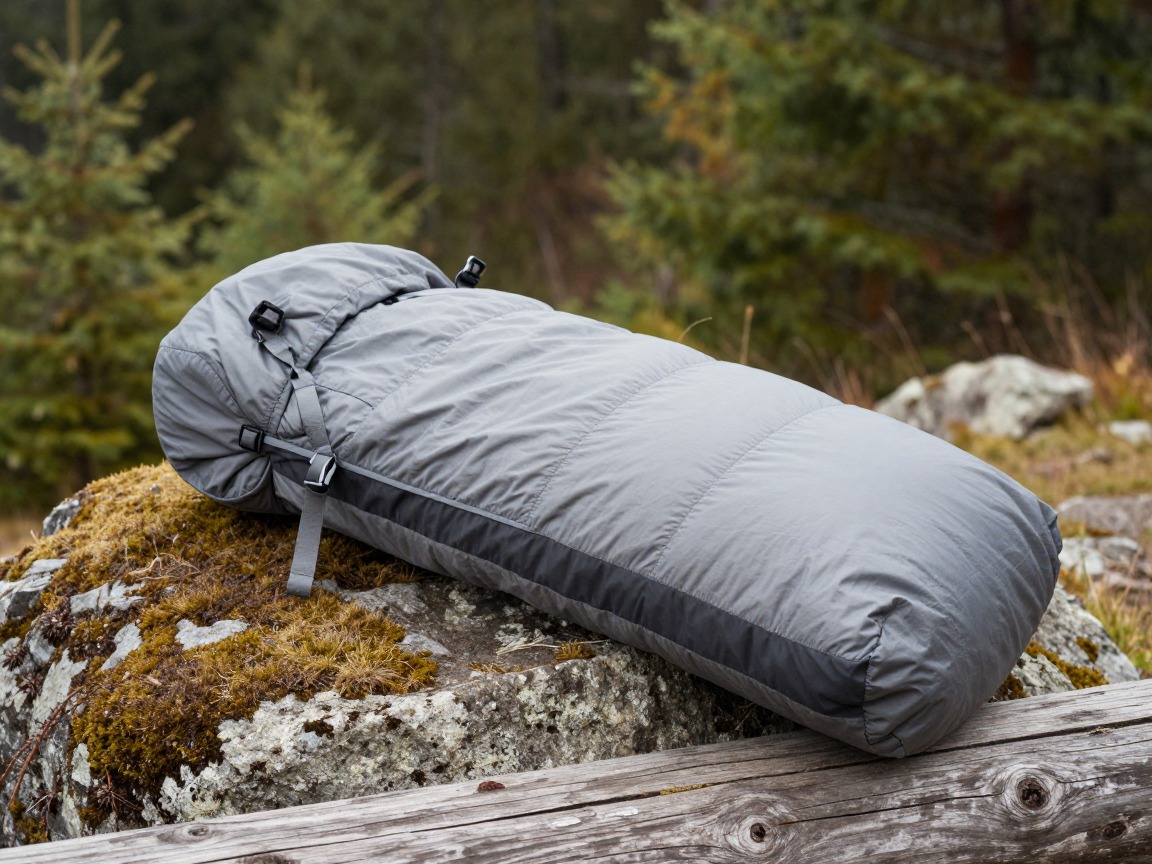
Sleeping bag liner
A thin silk or synthetic liner, not a real sleeping bag, covers you on the albergue bunk and satisfies the hygiene rules some hostels ask for.
What to look for: Silk for the lightest pack weight, synthetic or cotton if you run cold; either way, it should stuff down to almost nothing.
 MalloMe Sleeping Bags for Adults Cold Weather & Warm - Backpacking C Check price
 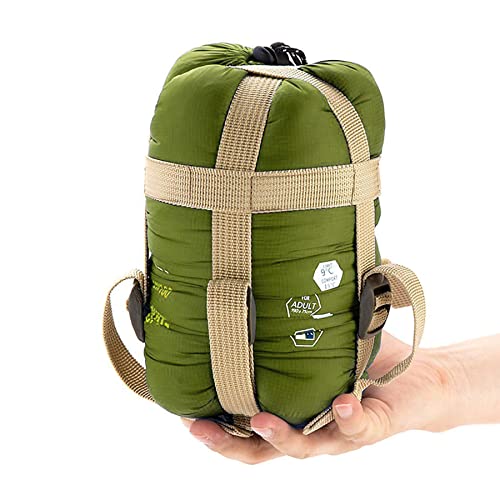 ECOOPRO Portable Check price
  Teton Trailhead Check price
 - Earplugs (dorm rooms mean snorers)
- An eye mask for early risers and hallway lights
- A small combination padlock for albergue lockers
- A quick-dry travel towel (see note below)
Clothing you wash nightly
You're not carrying a week of outfits — you're carrying two of everything and washing one set each evening, so quick-drying fabric matters more here than almost anywhere else.
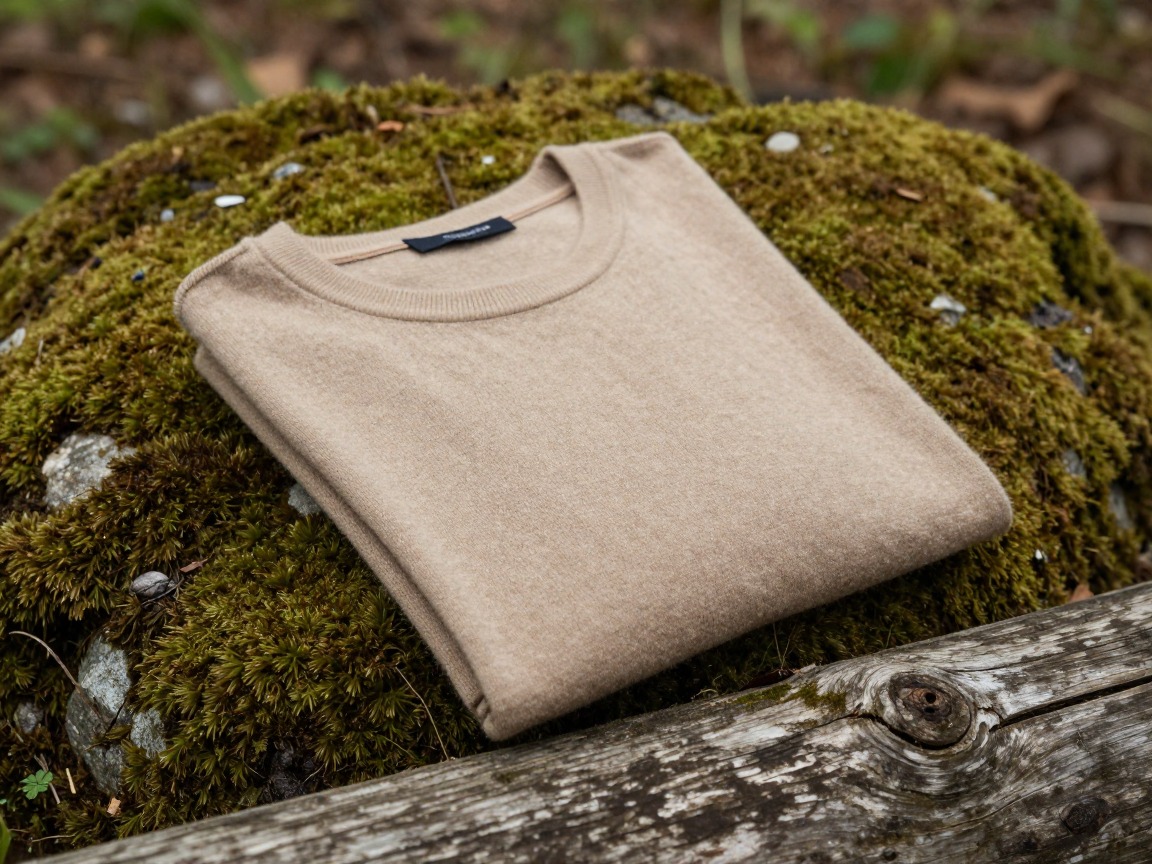
Quick-dry hiking shirt
Worn most days and rinsed most nights, so it needs to dry by morning and resist odor between washes far better than cotton ever will.
What to look for: Merino or a synthetic blend that dries overnight on an albergue line, a loose enough weave to breathe in Meseta heat, and a second one to rotate while the first dries.
 100% Merino Wool Base Layer Men Set - Thermal Underwear for Men Long Check price
  Merino.tech Merino Wool Base Layer Women Set - Heavyweight Check price
  100% Merino Wool Base Layer Men Set - Thermal Long Underwear with Ba Check price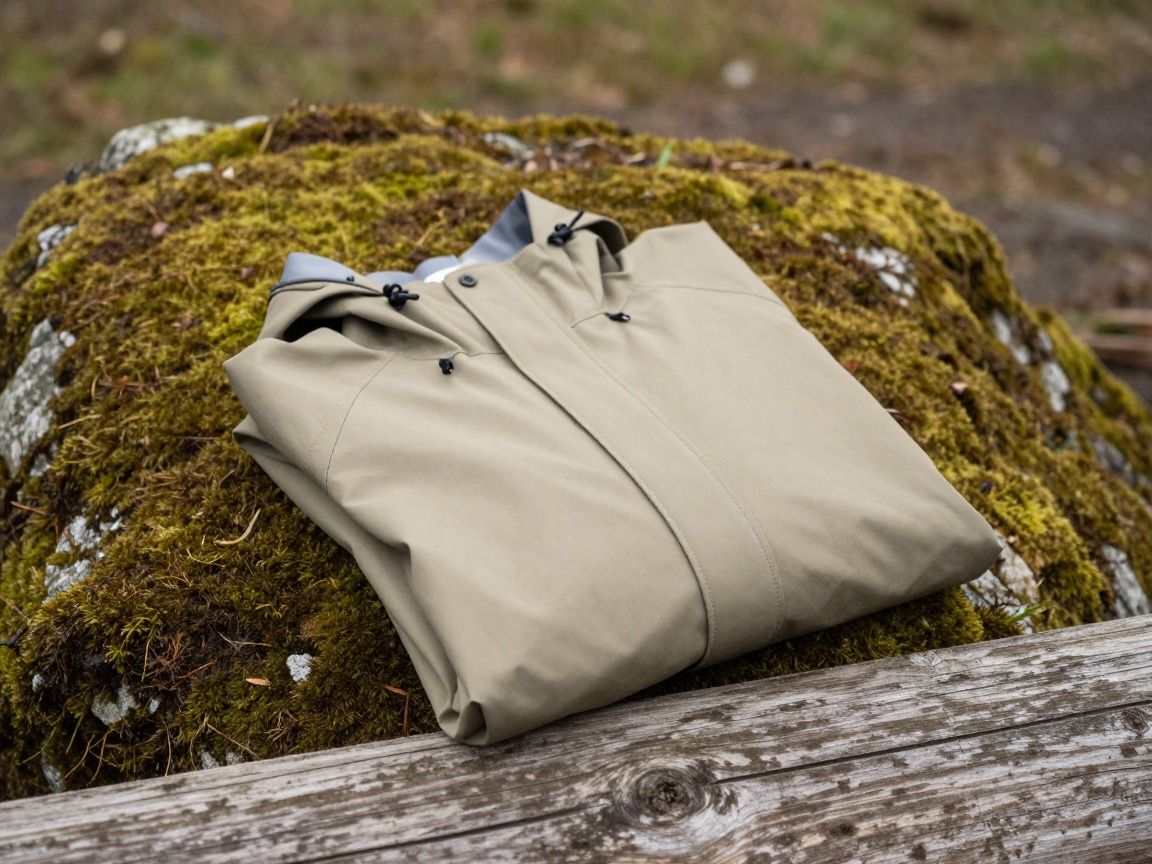
Rain shell
Spain's weather swings by region — genuine rain in Galicia and the north, dry heat on the Meseta — so a packable shell earns its place on almost every route.
What to look for: Waterproof and breathable rather than merely water-resistant, packs down small, and doubles as a windbreaker on exposed, high-plains stretches.
 UIQUR Mens Rain Jacket Raincoat Waterproof Windbreaker Black L Check price
  COOFANDY Men's Waterproof Hiking Travel Shell Breathable Rain Jacket Check price
  Columbia Womens Arcadia II Waterproof Rain Jacket Check price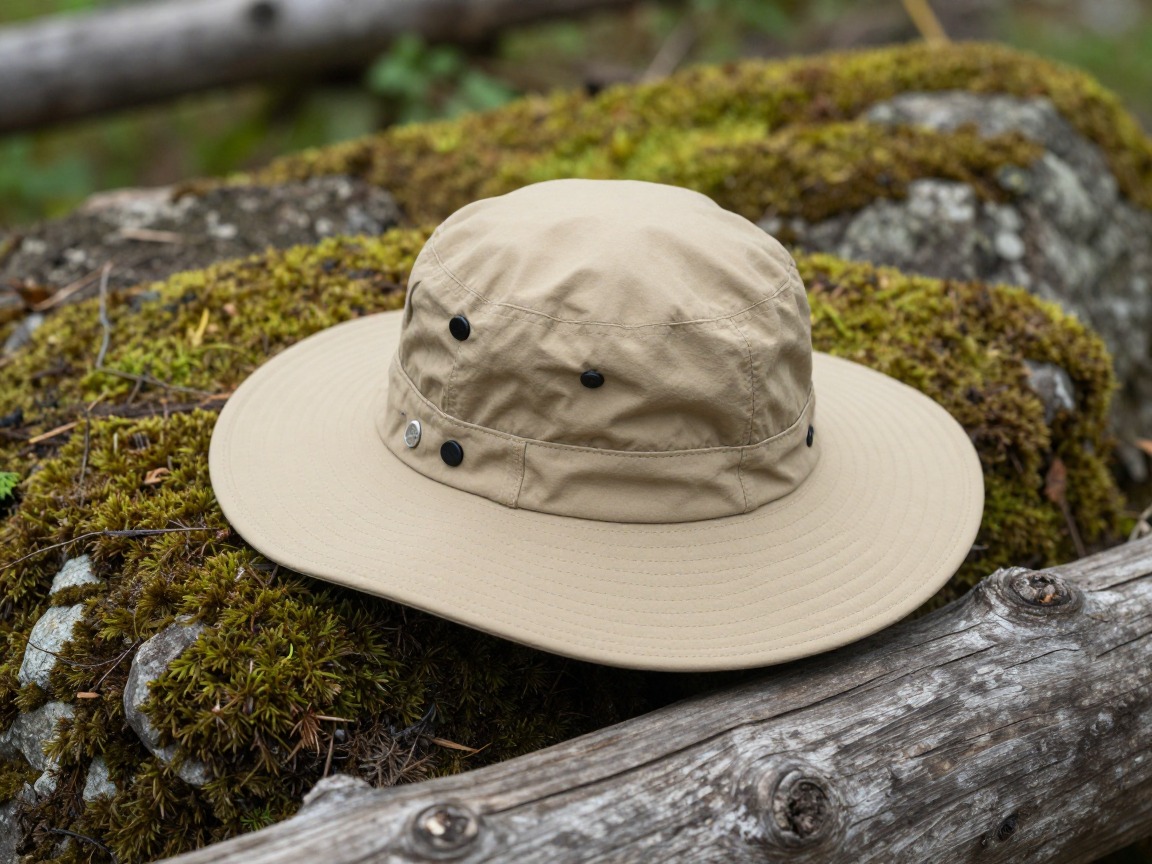
Sun hat
The Meseta's long, shadeless stretches make sun protection non-negotiable for a good chunk of the Camino Francés.
What to look for: A real brim that shades your face and neck, breathable and packable, paired with sunglasses and sunscreen you reapply through the day.
 FURTALK Womens Sun Hat with Ponytail Hole Beach Hiking Summer Wide B Check price
 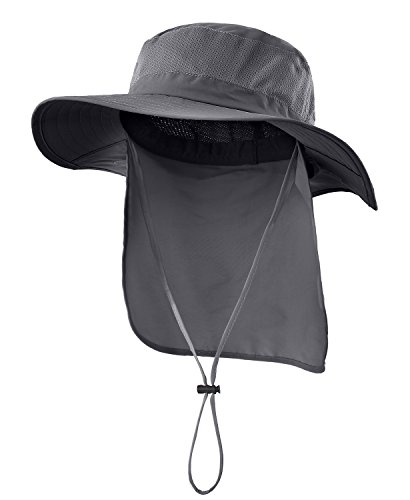 Home Prefer Outdoor UPF50+ Mesh Sun Hat Wide Brim Fishing Hat with N Check price
  FURTALK Sun Hats for Men Fishing Hat UPF Protection Wide Brim Bucket Check price
 - Quick-dry hiking pants or shorts (two sets, one drying while one's worn)
- Lightweight sleepwear
- A travel clothesline or cord and a few clothespins
- Travel-size laundry detergent or wash strips
- A buff or light scarf for sun, dust, or cool mornings
Navigation, safety & documents
The Camino is famously well-marked with yellow arrows and scallop shells, so this section is short — a few small items and the paperwork that makes the pilgrimage official.
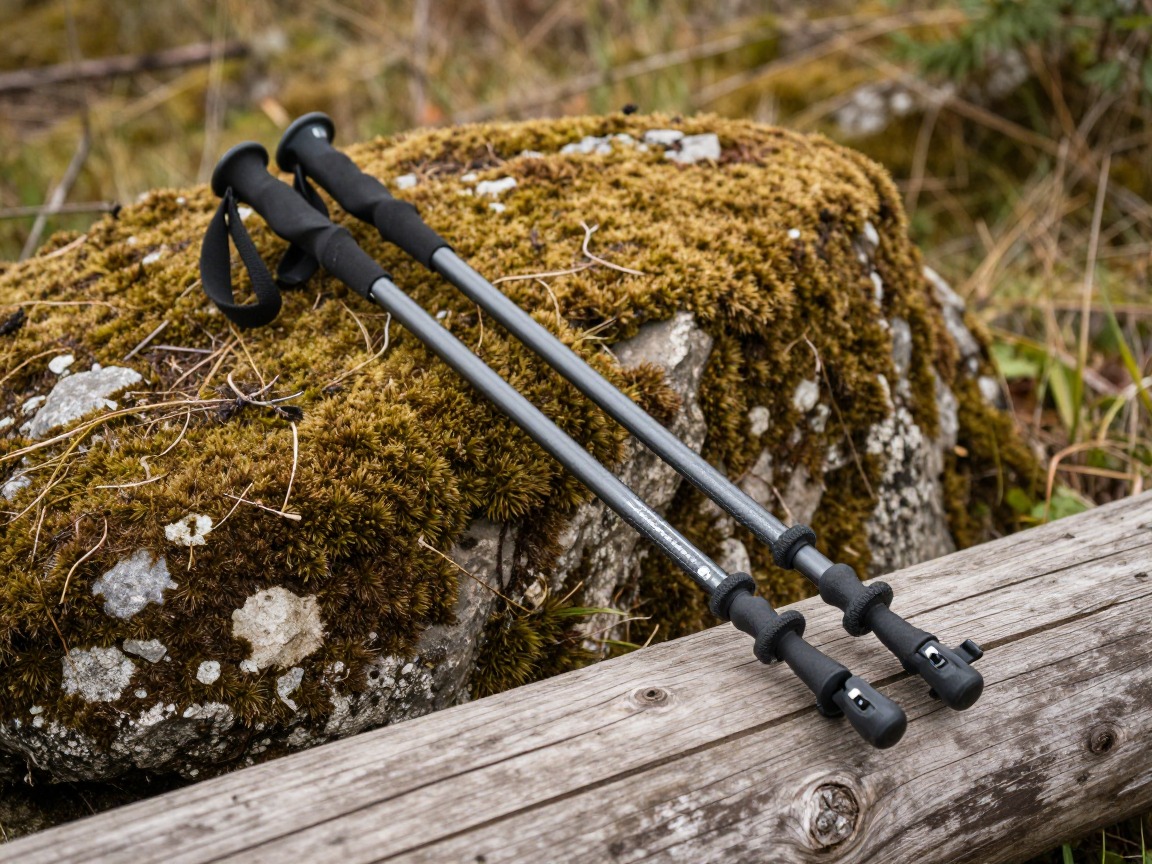
Trekking poles
Genuinely useful on the Camino's cobblestones, descents, and sheer accumulated daily mileage, even for hikers who'd skip them on a shorter trail.
What to look for: Adjustable, comfortable grips and locks that hold under load day after day; collapsible poles that pack flat are handy for flights and bus transfers.
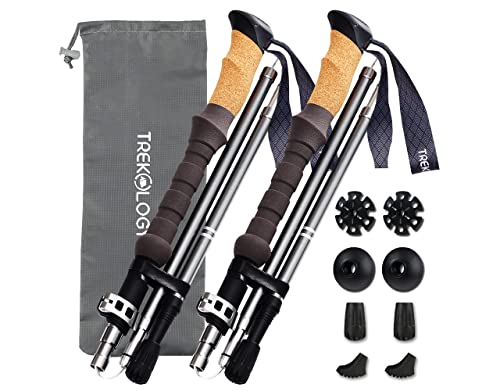 Trekology Trek-Z Cork Grip Collapsible Lightweight Hiking Trekking P Check price
 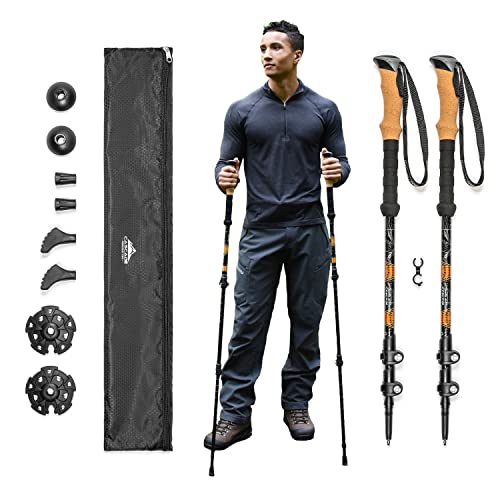 Cascade Mountain Tech Trekking Poles Check price
 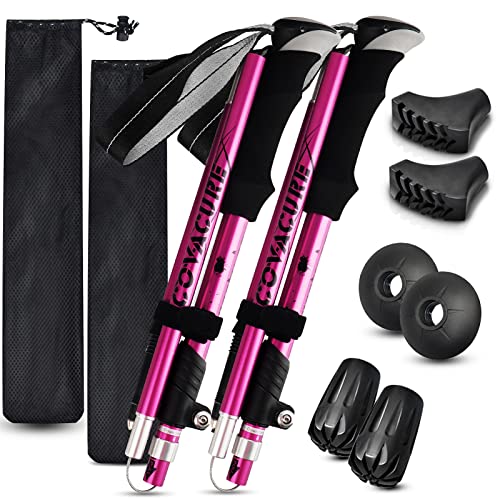 covacure Hiking Poles Check price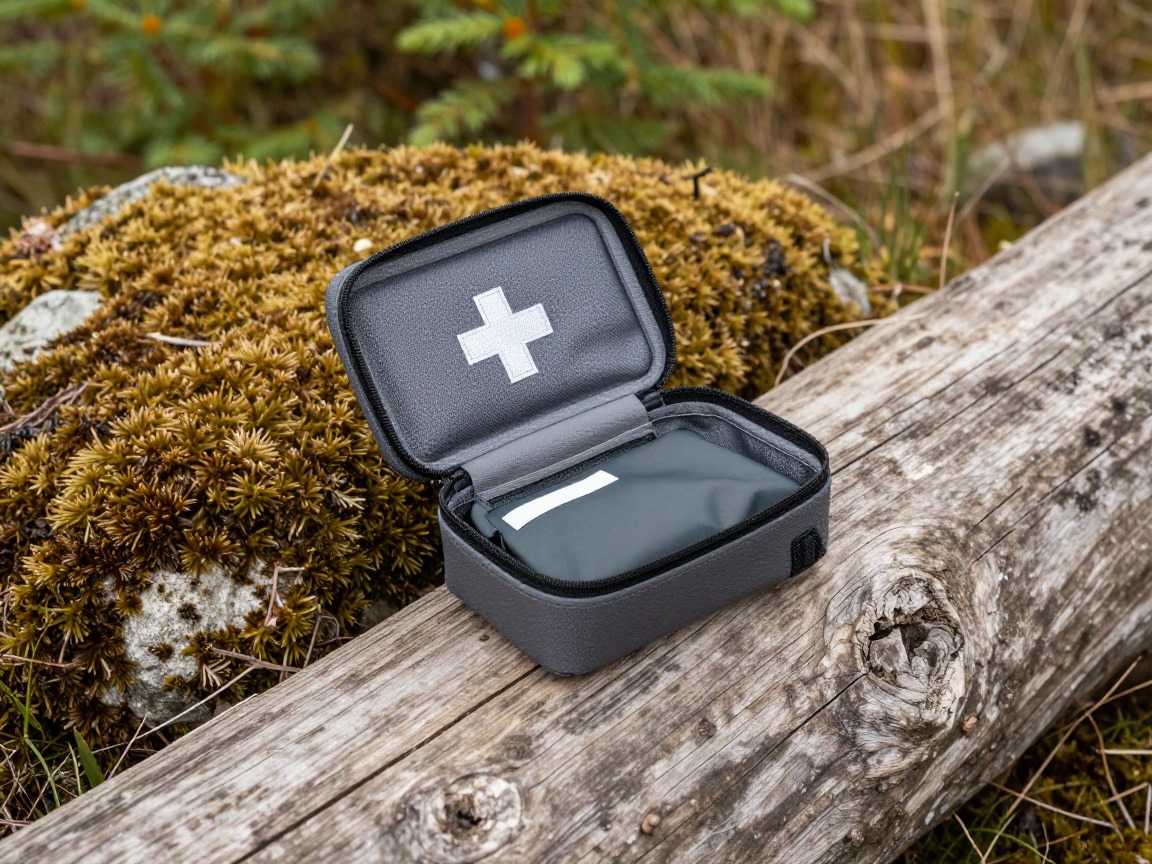
Blister & foot-care kit
A small kit weighted almost entirely toward feet — blister patches, tape, and antiseptic wipes — since that's what actually gets used on the Camino.
What to look for: Blister-specific supplies over general first aid, small enough to check daily, and light enough that you'll actually carry it the whole way. Farmacias (pharmacies) are common in Camino towns for anything beyond what's in the kit.
 Mini First Aid Kit - 150 Piece Small Waterproof EVA Hard Shell Case Check price
  Adventure Medical Kits Ultralight/Watertight Medical Kit .5 Check price
 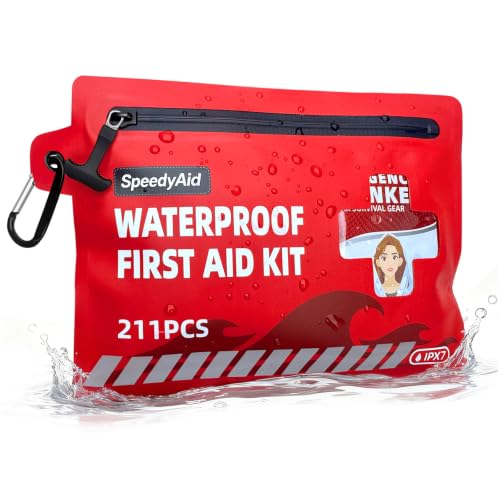 211 PCS Waterproof First Aid Kit Check price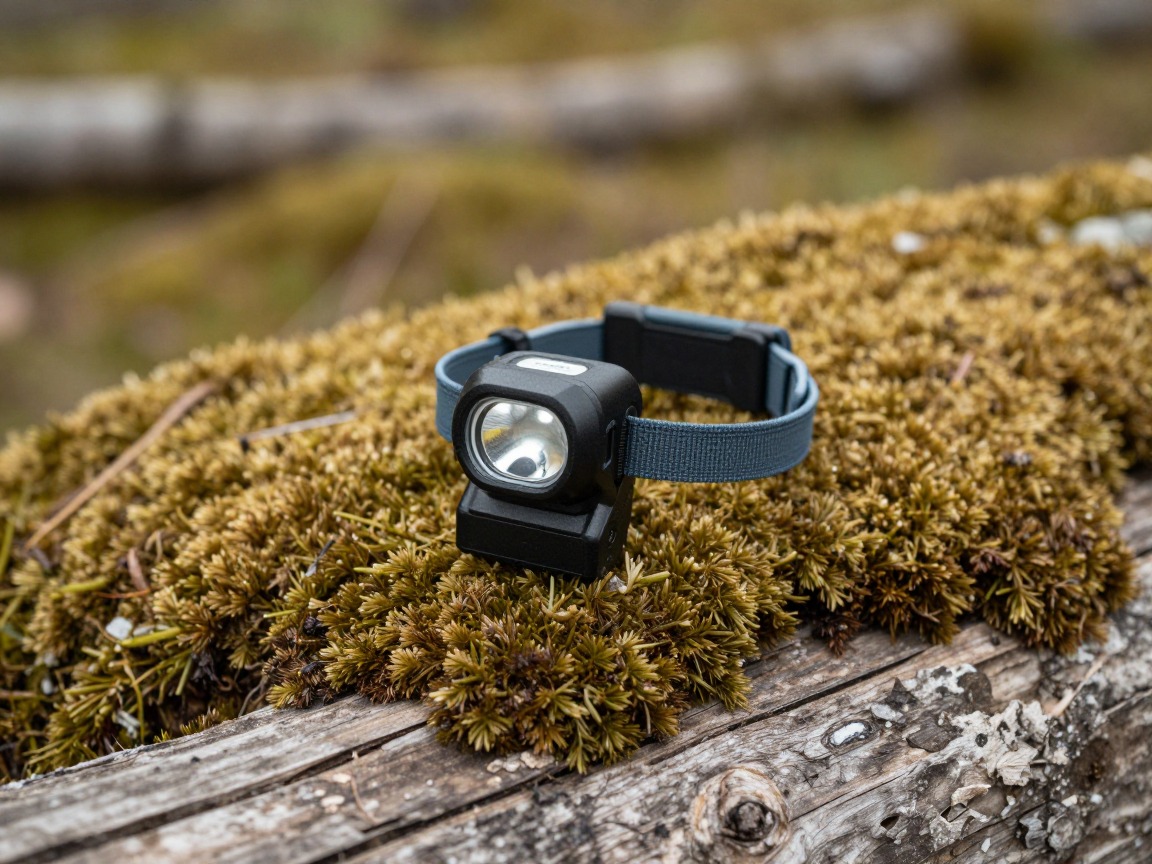
Headlamp
Useful for early starts before dawn, a common way to beat the day's heat, and for finding your bunk in a dark albergue without waking everyone else.
What to look for: A dim, low mode so you're not lighting up a dorm room at 5 a.m., and a comfortable, secure fit for hours of pre-dawn walking.
 LHKNL Headlamp Flashlight Check price
 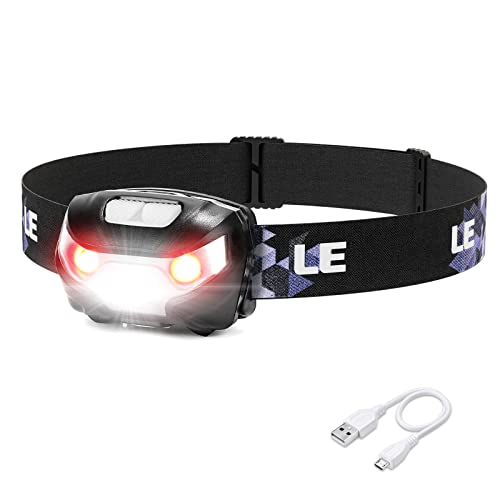 Lepro LED Headlamp Rechargeable IPX4 Waterproof Headlight 5 Modes - Check price
 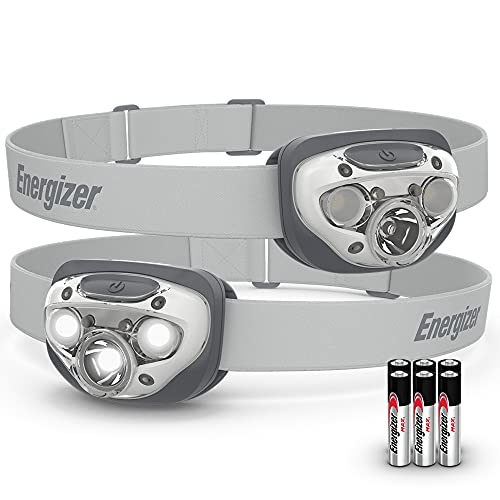 Energizer LED Headlamp PRO Check price
 - Pilgrim credential (credencial) and a pen for daily stamps
- Phone plus a compact power bank
- A guidebook or offline map app for the route and albergue listings
- Small euro bills and coins for donativo albergues and vending machines
- Sunscreen and SPF lip balm
How to adapt this setup
If you're not using a luggage-transfer service, keep the same list but watch total weight closely — you'll carry this pack every day for weeks, so trim anything unused by the end of week one.
If a van moves your main bag between albergues, your daypack only needs the day's water, snacks, rain shell, and admin items; everything else waits for you at the next stop.
On the Camino del Norte or Camino Primitivo, lean toward boots over trail runners and add a genuinely waterproof shell — these coastal and mountain routes see far more mud and rain than the Camino Francés.
Sun protection leads: start before dawn, carry more water than the distance suggests, and lean on the sun hat and a light, breathable shirt across the shadeless plains between Burgos and León.
Walking a week rather than the full route changes almost nothing here — the daily rhythm is the same, just pack a little lighter on the clothing rotation since the wash-and-wear cycle matters less.
Common mistakes to avoid
- Overpacking 'just in case' and mailing gear home or leaving it in an albergue giveaway box during week one.
- Breaking in new boots or shoes on the trail itself instead of on training walks beforehand.
- Ignoring the first hot spot on a foot instead of taping it immediately, and ending up with a real blister.
- Packing cotton socks or a cotton shirt that stay wet and chafe on repeated, back-to-back walking days.
- Carrying camping gear — a tent, sleeping bag, or stove — you'll never use, since you're indoors every single night.
- Not budgeting evening time to hand-wash and hang clothes, then starting the next day in a damp, unpleasant shirt.
Make it yours
Frequently asked questions
Do I need a tent or sleeping bag for the Camino de Santiago?
No. Pilgrims sleep in albergues, hostels, or small guesthouses every night, so there's no shelter or sleep system to carry. A lightweight sleeping bag liner is the one sleep-related item worth packing, mainly for hygiene and a little extra warmth on a bunk.
What size backpack do I need for the Camino?
Most pilgrims carrying their own gear are well served by a 20–35 L daypack — enough for clothes, a liner, and daily essentials without the bulk of an overnight backpacking pack. If you use a luggage-transfer service, you can run toward the smaller end.
Trail runners or hiking boots for the Camino?
Both work, and the honest answer is whichever you've already broken in over real miles. Trail runners are lighter and dry faster on the pavement- and gravel-heavy Camino Francés; boots add ankle support and hold up better in mud and rain on wetter northern routes.
How do I prevent blisters on the Camino?
Walk in shoes and socks you've already broken in, tape or patch any hot spot the moment you feel it rather than after it blisters, and give your feet a real break — sandals and elevation — every afternoon. Blisters are the single biggest reason pilgrims cut a Camino short.
Should I use a luggage-transfer service on the Camino?
It's a personal choice, not a requirement — many pilgrims use one and walk with just a light daypack, while others carry everything themselves the whole way. Either works with this same packing list; a transfer service just means your daypack only needs the day's essentials.
Illustrative images show the type of gear, not specific products. Recommendations link to similar items on Amazon; we only ever link real listings and never show fabricated prices or ratings. General planning guidance, not a substitute for your own judgment or professional backcountry-safety instruction.