
How to Train for Haute Route
To train for the Haute Route, build an aerobic base with steady walking for about 4 to 8 weeks, then add a weekly hill or stair session. Move on to loaded pack walks that grow in small steps, keep strength work going on at least 2 days a week, and taper in the final 1 to 2 weeks. Because this thru-hike is mostly repeated climbs and long descents, hills and step-downs matter most.
General fitness guidance, not medical or personal training advice. If you have a health concern, an injury, or you're returning to exercise after a long break, check with a doctor first.
What the Haute Route asks of your body
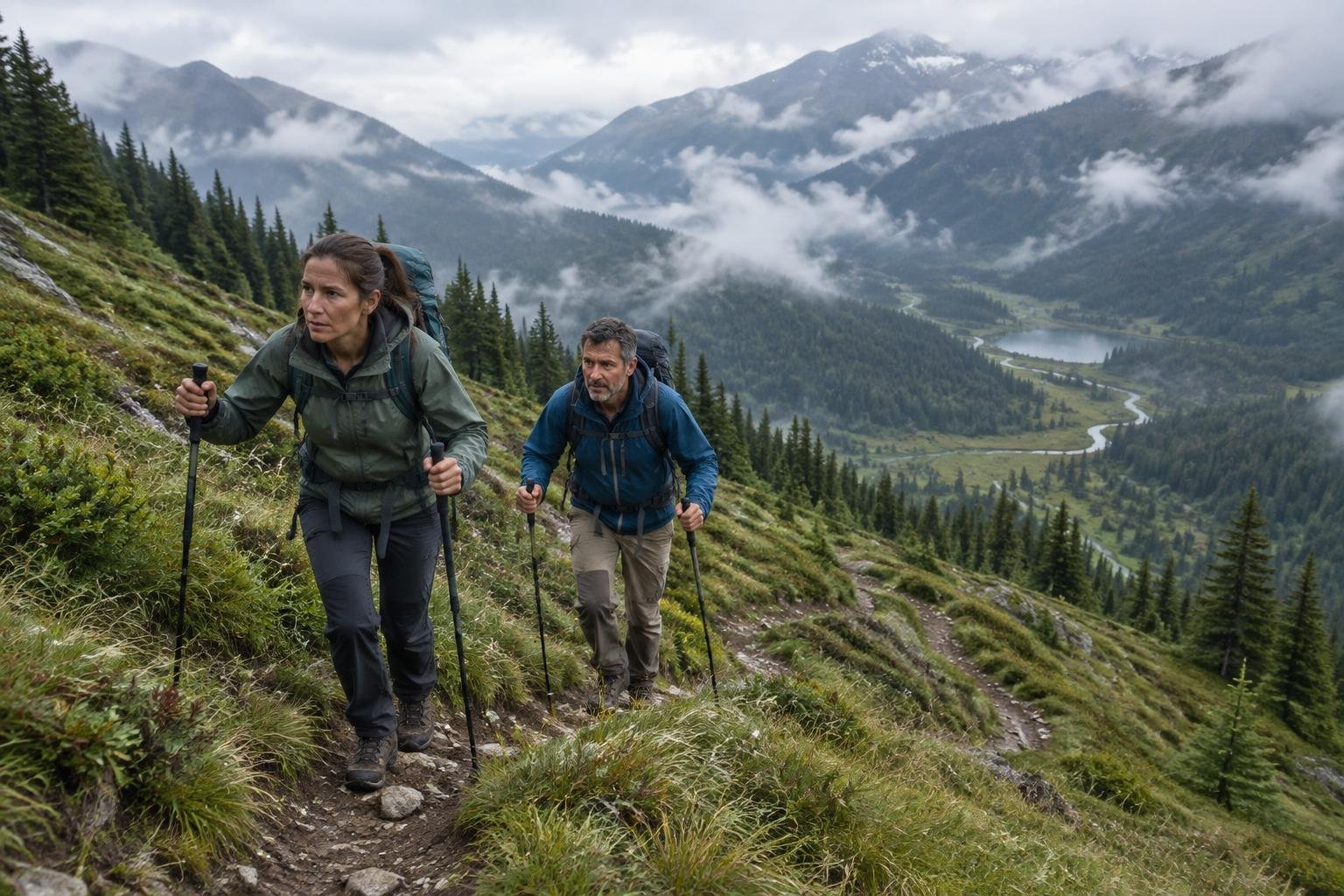
The Walker's Haute Route covers roughly 200 to 215 km (125 to 134 mi) over 14 stages, with about 13,800 to 15,200 m of cumulative ascent. The rating is very strenuous or expert. The overview says the up-and-down defines the walking more than the horizontal distance: climb to a col, cross it, drop a long way into the next valley, repeat. Expect graded paths, steep zigzags, boulder fields and moraine, and some cable-protected sections, all day after day. That asks for legs that recover well, not just a good single day.
Start with a weekly base
The CDC's adult guidance is a useful floor: 150 minutes of moderate-intensity activity a week, or 75 minutes of vigorous activity, or an equivalent mix. It does not have to happen in one go and can be split across the week. For a two-week thru-hike, treat that as the minimum you already do before the training phases begin, then build on it with longer walks and hill work. If you are not yet near that level, start there and give yourself more time before the heavier phases.
The training plan, phase by phase
Aerobic base · Weeks 1 to 4
Walk regularly and build up toward the CDC weekly baseline, keeping most sessions at a comfortable, conversational effort. Add one longer walk each week, since this trip is many hours on your feet. Include a second activity you enjoy, such as cycling or swimming, to spread the load. The aim is a steady habit, not a hard test. Keep the base going through the whole plan; it is what lets you recover from the harder sessions that follow.
Hills and stairs · Weeks 5 to 8
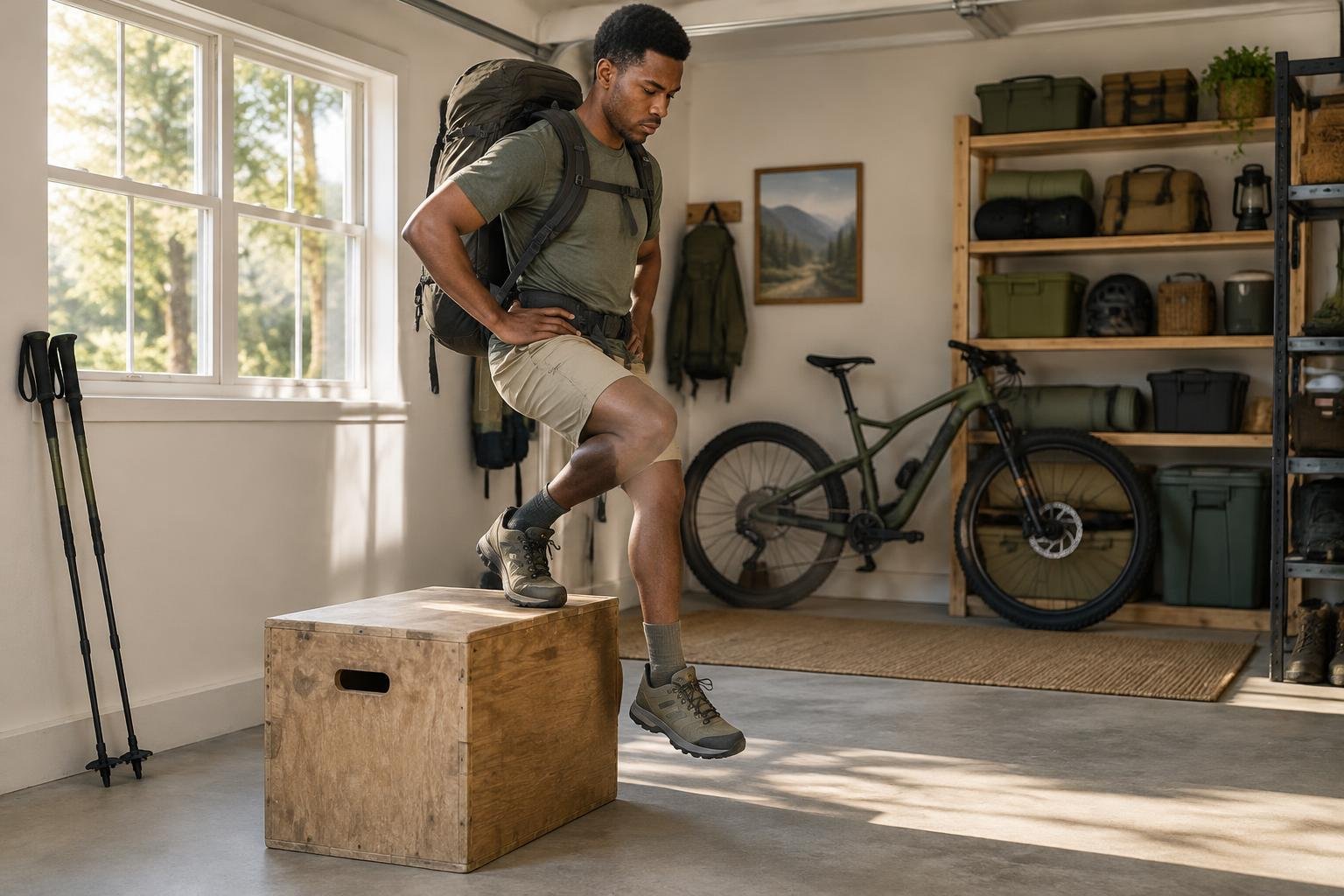
Add one hill or stair session a week, because the route is built from repeated climbs to a col. Find the longest, steepest ascent nearby and climb it steadily, or use a stairwell if the terrain is flat. Lengthen the session over the weeks rather than rushing the pace. Also practice slow step-downs, since stairs replicate downhill poorly and the long descents into each valley are a big part of this route's load.
Loaded pack walks · Weeks 9 to 11
Start walking with your pack, light at first; many people begin around 10 pounds, and a commonly quoted ceiling is about 20% of body weight. Add weight in small steps and carry it on your hill routes, not just flat ground. A couple of weeks before departure, do two loaded walks on consecutive days to rehearse the back-to-back effort of a multi-day trek. Use your real boots and pack so fit problems show up now.
Taper · Final 1 to 2 weeks
Ease off in the last 1 to 2 weeks. Keep a few short, easy walks to stay loose, but stop adding distance, weight or hill volume. The aim is to arrive rested, since a thru-hike of this length rewards fresh legs. Use the time to finish packing, check boot fit, and confirm your hut and guesthouse bookings so logistics are not competing with recovery.
Strength work that helps on the trail
Aim for muscle-strengthening work on at least 2 days each week, covering all major muscle groups, as the CDC advises. For this route, put the focus on legs, hips and core, which carry the pack up each climb and brake your body on every descent. Include slow step-downs from a bench or low step to prepare for the long drops into each valley. Keep sessions manageable, and cut back if soreness from hill work is carrying over.
Pack walks and back-to-back days
Begin with a light pack, many people start around 10 pounds, and add weight in small steps, keeping the load under a commonly quoted ceiling of about 20% of body weight. Allow roughly 8 to 12 weeks overall for a multi-day trip with a full pack. Because this is a two-week thru-hike, the back-to-back rehearsal matters: two loaded walks on consecutive days, a couple of weeks out, show how your legs and shoulders respond on day two.
Terrain and descents
The terrain is the main training target here. The route repeats a climb to a col and a long descent into the next valley, with zigzags on grass and rubble, boulder fields and moraine, and a few cable-protected traverses. Downhill loads the quads and causes delayed soreness, so practice descending with a loaded pack, not only climbing. Some variants skirt glacier edges where guidebooks advise a guide or proper equipment, and fitness does not replace that decision. Train for the repetition, not one big day.
Training mistakes to avoid
A common mistake is training only on flat ground when the route is defined by repeated climbs and descents. Another is never walking with the loaded pack until departure, then finding out about fit and weight problems on day one. People also ignore downhill work, though descents drive delayed quad soreness. Starting too late leaves too little time for a gradual build, and piling on hard sessions in the final week works against the taper.
Common questions
How long should I train for the Haute Route?
For a multi-day trip with a full pack, allow roughly 8 to 12 weeks, starting with an aerobic base of about 4 to 8 weeks. If you are below the CDC's weekly activity baseline, give yourself extra time before the heavier hill and pack phases begin.
Do I need to train with a loaded pack?
Yes. Walking with your pack is the most specific preparation you can do. Start light, many people begin around 10 pounds, and add weight gradually, staying below a commonly quoted ceiling of about 20% of body weight.
How do I train for the long descents?
Add slow step-downs and practice walking downhill with a loaded pack. Stairs replicate downhill poorly, and descending loads the quads and causes delayed soreness, so build tolerance gradually instead of trying it for the first time on the route.
Should I rehearse back-to-back days?
Yes. A couple of weeks before departure, do two loaded walks on consecutive days. It shows how your body handles the second day of effort, which is the pattern this two-week thru-hike repeats. If you have any health concerns, ask a doctor before starting.
Sources
- Centers for Disease Control and Prevention — Physical Activity Guidelines for Adults: weekly aerobic and muscle-strengthening targets.
- Alpine clubs & regional authorities — sac-cas.ch (Swiss Alpine Club, Swiss huts only): official route information.
- Training and fitness for hiking (this site): the general training progression this plan builds on.
See our editorial policy and affiliate disclosure.