
How to Train for Annapurna Circuit
To train for the Annapurna Circuit, build an aerobic base with steady walking, add weekly hill or stair sessions, then practice loaded pack walks that include long, slow descents. Strengthen your legs and core, and taper in the final one to two weeks. Fitness helps, but a gradual ascent matters more at this altitude, so plan your acclimatization days as seriously as your training.
General fitness guidance, not medical or personal training advice. If you have a health concern, an injury, or you're returning to exercise after a long break, check with a doctor first.
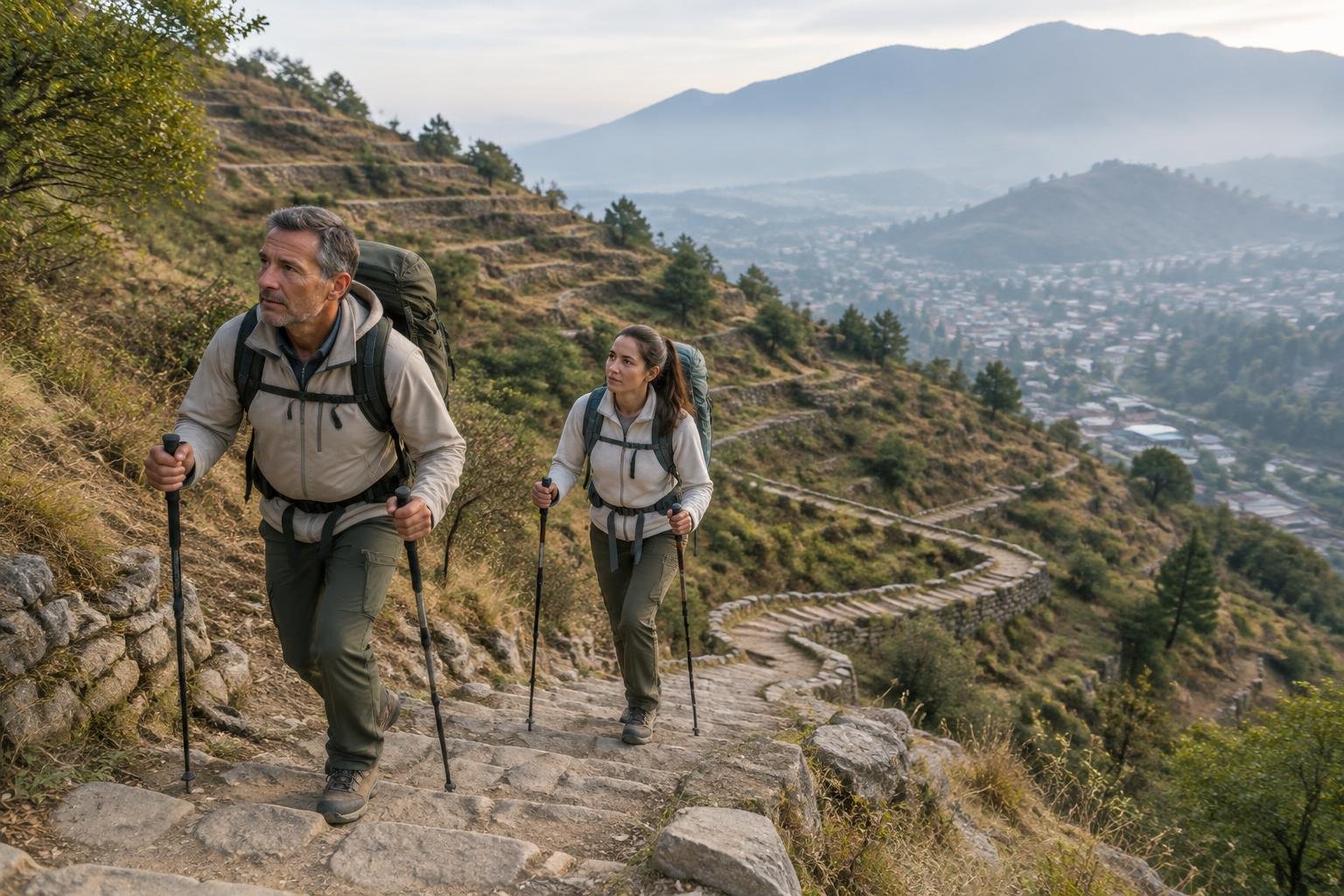
What the Annapurna Circuit asks of your body
The Circuit is a strenuous, high-altitude teahouse loop with one serious pass crossing at Thorong La, 5,416 m (17,769 ft). Total length is published as roughly 160 to 230 km (100 to 145 mi), depending on how much is walked versus driven. No single authoritative cumulative-gain figure is consistently published, but the route crosses several valleys and villages. The overview describes dusty low sections, proper mountain trail past Manang, loose ground toward the high camps, a pre-dawn crossing in the cold, and a long, relentless descent on loose rock toward Muktinath. It is a two-week-ish trek for most people.
Start with a weekly base
A sensible weekly base comes from CDC adult guidance: 150 minutes of moderate-intensity activity a week, or 75 minutes of vigorous activity, or an equivalent mix. It does not have to happen all at once, so split it across the week. For a trip with many walking days in a row, treat that guidance as the floor you reach early, then build from it with longer walks and hill work. Walking is the most specific training you can do, so make it the backbone of your week.
The training plan, phase by phase
Aerobic base · Weeks 1 to 4
Focus on steady walking that meets the CDC weekly guidance. Keep most sessions comfortable and conversational, and add one longer walk each week on the weekend. The aim is consistency rather than heroics. A reliable base of about 4 to 8 weeks makes every later phase easier to absorb and keeps your joints and feet adapting at a sensible pace.
Hills and stairs · Weeks 3 to 6
Add one weekly hill or stair session on top of your base walking. The Circuit climbs through valleys, then grinds steadily toward the high camps, so sustained uphill effort is the point. Keep the pace controlled rather than racing the climb. Build the length of the session gradually, and keep your regular walks going alongside it.
Loaded pack walks · Weeks 5 to 10
Start walking with a pack, beginning light, around 10 pounds for many people, and add weight in small steps. A commonly quoted ceiling for a loaded pack is about 20% of body weight. Use your real boots and pack so you learn where they rub. Make some of these walks hilly, and include a long, slow descent each time you can.
Rehearsal and taper · Weeks 9 to 12
A couple of weeks out, rehearse with two loaded walks on consecutive days, since this trek asks for many days in a row. Then taper in the last one to two weeks, keeping sessions short and easy so you arrive rested. Allow roughly 8 to 12 weeks overall for a multi-day trip with a full pack.
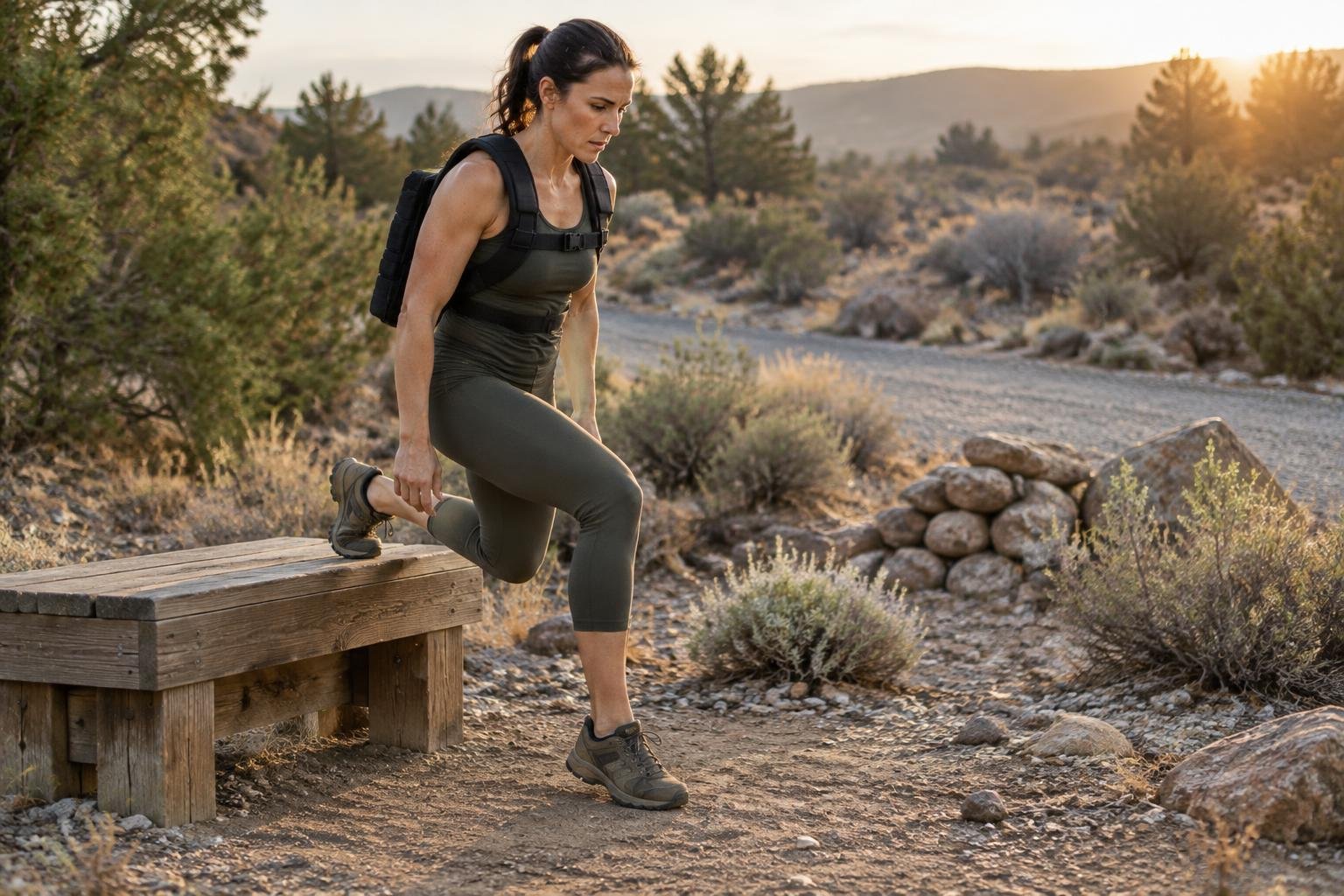
Strength work that helps on the trail
The CDC recommends muscle-strengthening activity on at least 2 days each week, working all major muscle groups. For the Circuit, prioritize legs, hips and core, which carry a pack up long climbs and hold you steady on loose rock. Add slow step-downs, because stairs replicate downhill poorly, and the descent toward Muktinath is long and relentless. Downhill loads the quads and causes delayed soreness, so train that braking action before you arrive.
Pack walks and back-to-back days
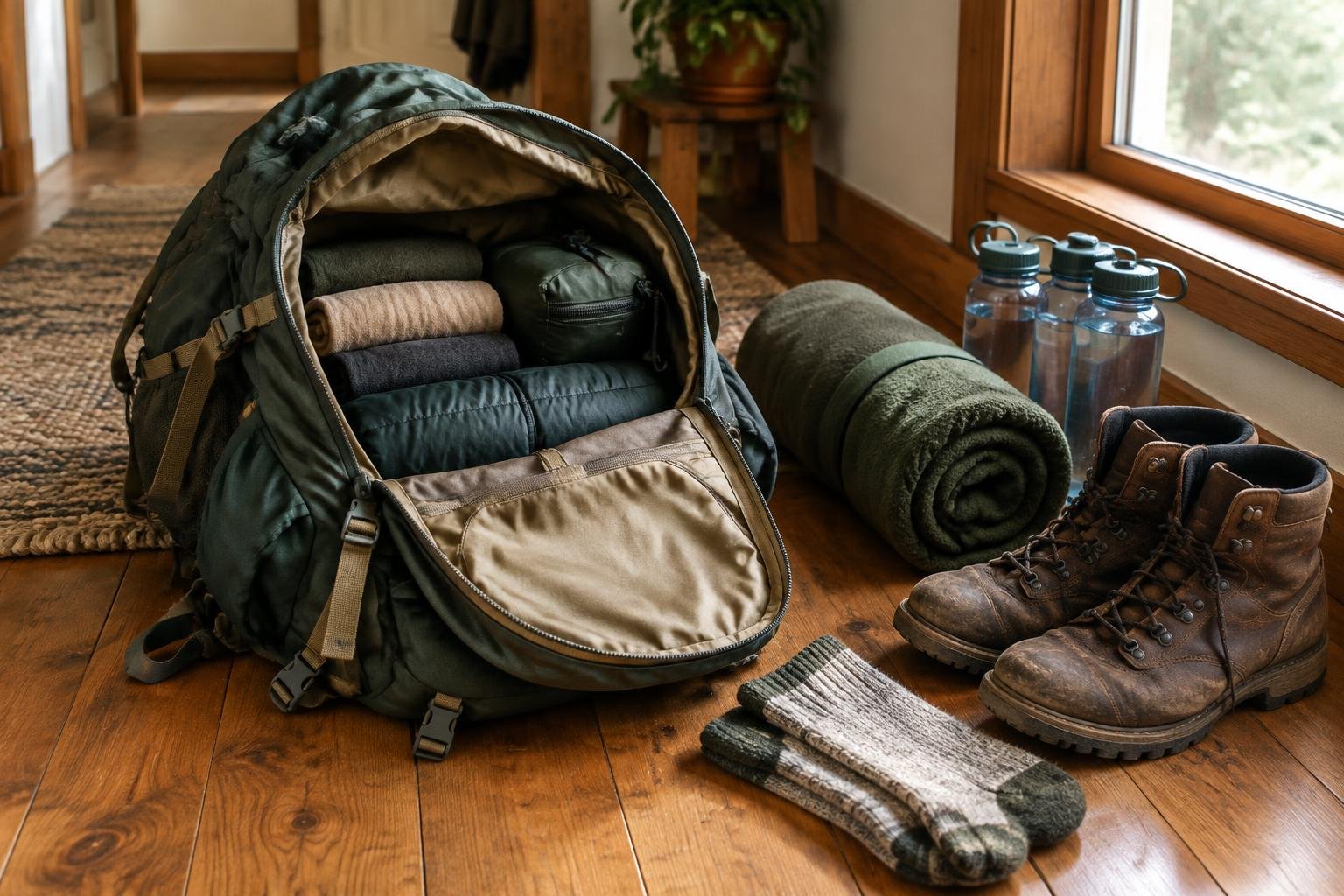
Begin with a light pack, around 10 pounds for many people, and add weight in small steps, staying under the commonly quoted ceiling of about 20% of body weight. Teahouse trekking can keep a pack lighter, which helps. Because the Circuit is a multi-day loop, rehearse with two loaded walks on consecutive days a couple of weeks out. Walk on varied ground, including loose or uneven surfaces, so your feet and ankles are used to scree-like footing.
Altitude: why a slow ascent matters
Altitude is the main risk here, and fitness does not replace a slow ascent. Avoid going from low elevation to a sleeping altitude of 2,750 m (9,000 ft) or more in a single day. Once sleeping above 3,000 m (9,800 ft), limit gains in sleeping altitude to 500 m (about 1,600 ft) per night, and add an extra acclimatization night for every 1,000 m of sleeping-altitude gain. Spending 2 to 3 nights at roughly 2,450 to 2,750 m (8,000 to 9,000 ft) before going higher is protective against acute mountain sickness. Sleeping altitude matters more than the altitude reached in the day. The route's own plan includes at least one full rest day around Manang.
More in our guide to hiking at altitude and acclimatization.
Training mistakes to avoid
The most common mistake is training only on flat ground and never walking with a loaded pack. Another is ignoring downhill work, even though this route finishes with an enormous, relentless descent on loose rock. Starting too late leaves too little time to build up, since a multi-day trip with a full pack calls for roughly 8 to 12 weeks. Rushing the climb is the biggest error of all. Strong legs do not replace a gradual ascent, and rest days are part of the plan rather than a sign of weakness.
Common questions
How long should I train for the Annapurna Circuit?
For a multi-day trip with a full pack, allow roughly 8 to 12 weeks. Spend about 4 to 8 weeks on an aerobic base, then add hill sessions, loaded pack walks and a short taper. Starting earlier is fine. Rushing the build-up is what tends to cause problems.
Can fitness prevent altitude problems on Thorong La?
No. Training fitness does not replace a slow ascent. The altitude guidance centers on gradual gains in sleeping altitude and extra acclimatization nights, not on how fit you are. Good fitness makes the walking easier, but it does not change how your body adapts to low oxygen.
Should I practice downhill walking?
Yes. The descent beyond the pass is long and relentless on loose rock. Stairs replicate downhill poorly, so add slow step-downs and include long descents on your loaded walks. Downhill loads the quads and causes delayed soreness, so training it ahead of time makes a real difference.
How much weight should I train with?
Start light, around 10 pounds for many people, and add weight in small steps. A commonly quoted ceiling for a loaded pack is about 20% of body weight. Do two loaded walks on consecutive days a couple of weeks out. If you have health concerns, ask a doctor before starting.
Sources
- Centers for Disease Control and Prevention — Physical Activity Guidelines for Adults: weekly aerobic and muscle-strengthening targets.
- CDC Yellow Book — High-Altitude Travel and Altitude Illness: ascent-rate guidance (consistent with Wilderness Medical Society recommendations).
- ACAP / NTNC — ntb.gov.np: official route information.
- Training and fitness for hiking (this site): the general training progression this plan builds on.
See our editorial policy and affiliate disclosure.