
Affiliate disclosure: this page contains affiliate links. Purchases made through them may earn us a commission at no extra cost to you. See our affiliate disclosure.
In plain English
The Annapurna Circuit is a long loop around a mountain range. Its high point, Thorong La, is a wide pass that trekkers cross in the dark and cold. You do not need climbing skill. The challenge is that the pass is very high, the day is very long, and there is a huge descent afterward.
Altitude is the main thing to understand. The higher you go, the less oxygen is in the air. Your body can adjust, but only slowly. If you go up too fast, you can get headaches and feel sick, and that can turn serious. Being fit does not stop this. Time does.
For your pack, that means bringing warm clothes for the pass morning and saving weight elsewhere. A small daypack for the day, with a warm hat, gloves, a windproof jacket and water, matters more than any fancy kit. Porters or a lighter bag are common choices, but you are still responsible for what you carry on pass day.
What the hike is like
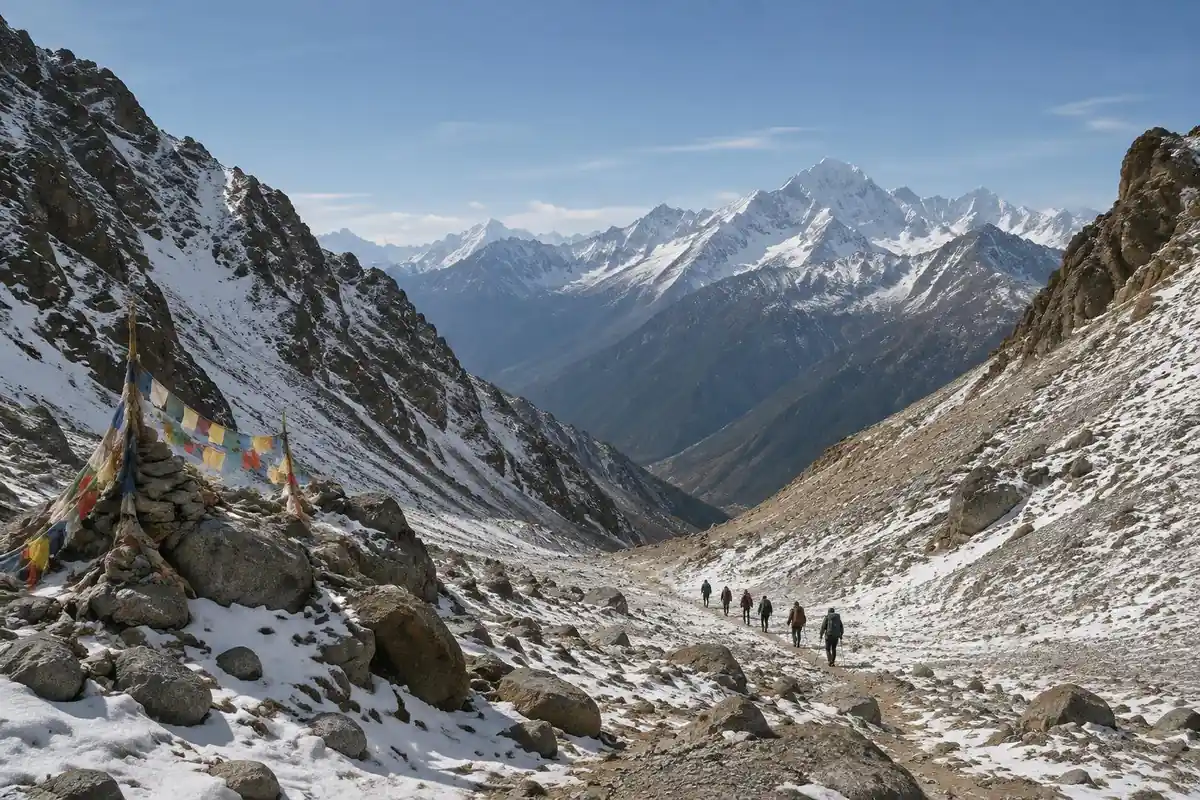
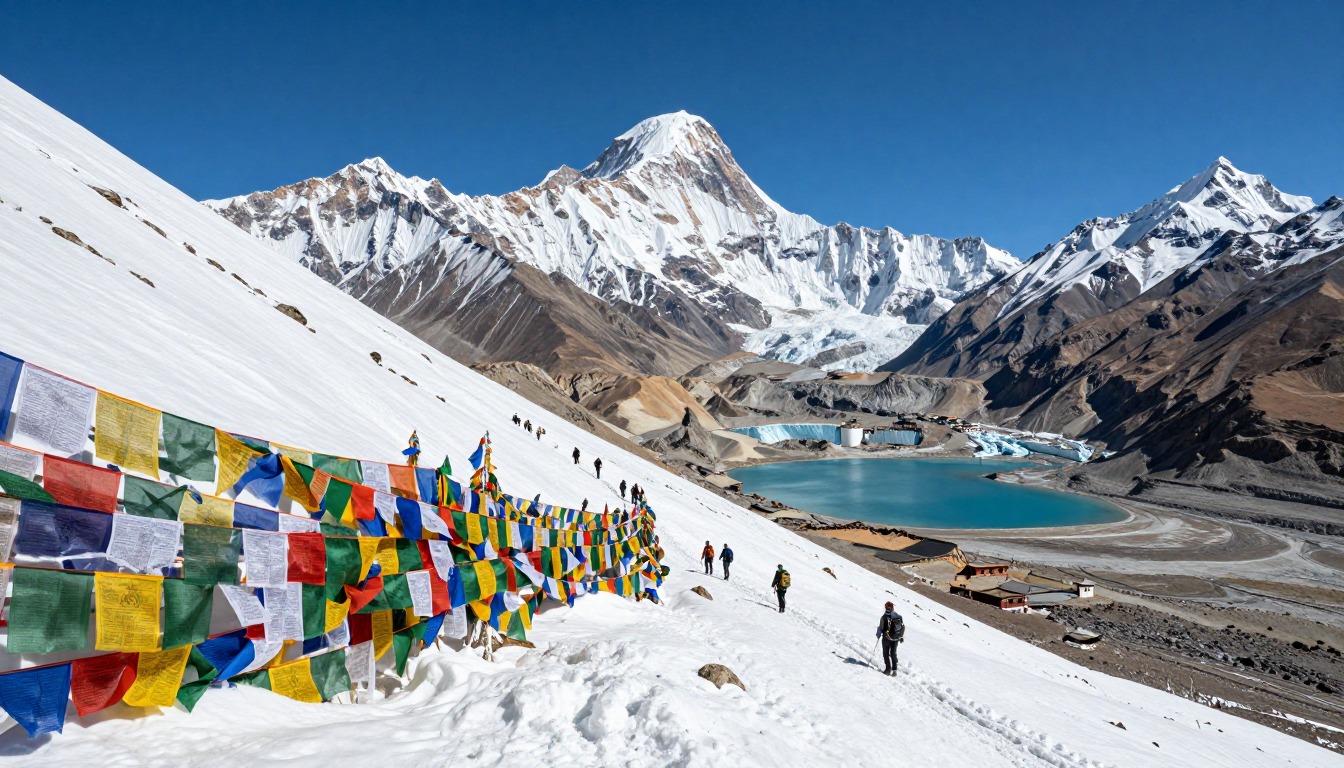
The Circuit changes character more than most treks. Low down, a good deal of the route shares or shadows jeep track, wide and dusty, which is why many trekkers now start higher up or take alternate trails on the far side of the valley. As the valley narrows the walking turns into proper mountain trail: pine forest, suspension bridges strung over the river, then a dry, stony, wind-scoured landscape past Manang where the vegetation gives up entirely. Above that it is a steady grind on loose ground toward the high camps. Thorong La itself is not technical, just a long series of switchbacks and false summits on scree and often snow, walked in the dark and the cold. The far side is the part people forget: an enormous, relentless descent on loose rock toward Muktinath.
How to plan the itinerary
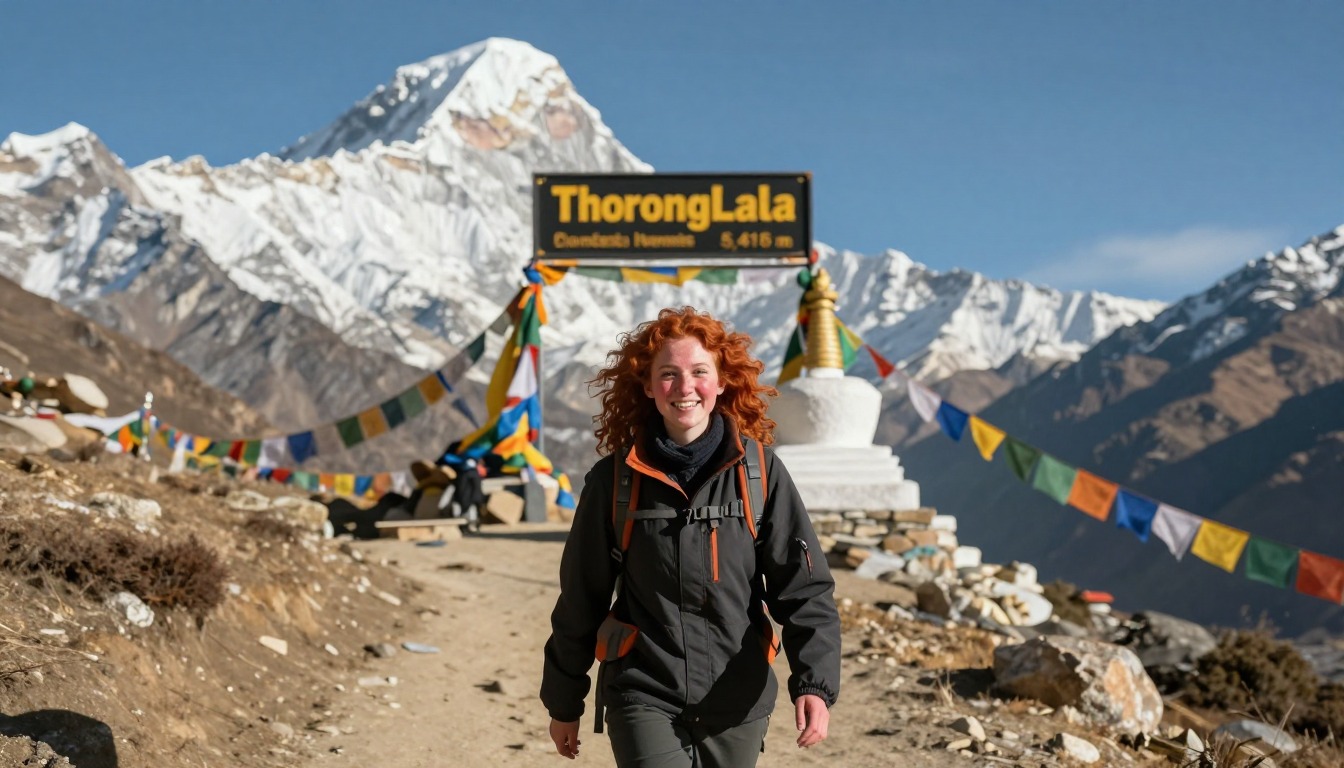
This is a two-week-ish trek for most people, though where you start has become a real choice. Road access up the valley means some trekkers skip the lowest stages by jeep and pick up the trail higher, while others walk the whole thing for the acclimatization it builds. Whatever the start, the shape of the plan is the same: climb gradually through the valley villages, stop for at least one full rest day around Manang to let the body catch up, then move up in short stages to a high camp below the pass. The crossing starts in the dark, usually well before first light, to get over before the wind builds. Afterward most trekkers descend a long way in a single day, then decide whether to keep walking down the far valley or take transport onward.
Plan this trip in 5 steps
-
Pick the right pack
Match a pack to your trip, fit and priorities.
-
Book a place to stay
Campgrounds, huts and lodges near Annapurna Circuit — Thorong La.
-
Plan food & water
Calories, food weight and water for your days on trail.
-
Estimate your time
Pre-filled with this trail’s distance and climb — adjust for your pace.
Trail-specific tips
The pass gets all the attention, but the descent off it is where most damage happens: hours of steep, loose downhill after an already long morning, on legs that are cooked. Poles and patience matter more there than on the climb. Do not skip the acclimatization day around Manang because you feel fine, because feeling fine is not the test. Start the crossing early enough that afternoon wind is not a factor, and keep a warm layer accessible rather than buried, since conditions on top are nothing like conditions at camp. General altitude guidance is at /trail-smarts/.
Permits & rules
You need the ACAP permit and trekker registration, and Nepal’s rules on guides for trekkers have been revised, so check the current requirement with the Nepal Tourism Board or a licensed operator. Crossing Thorong La means a very high pass — acclimatize properly, start the pass day before dawn, and know the signs of altitude sickness.
Gear suited to this hike
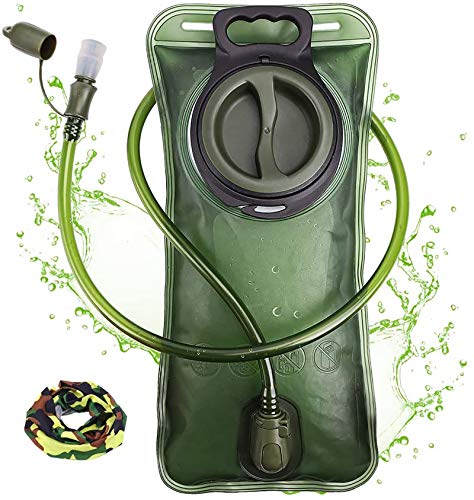
Matched to the terrain and conditions here. Real products — check current price on Amazon.



Acclimatization and the road-shortened start
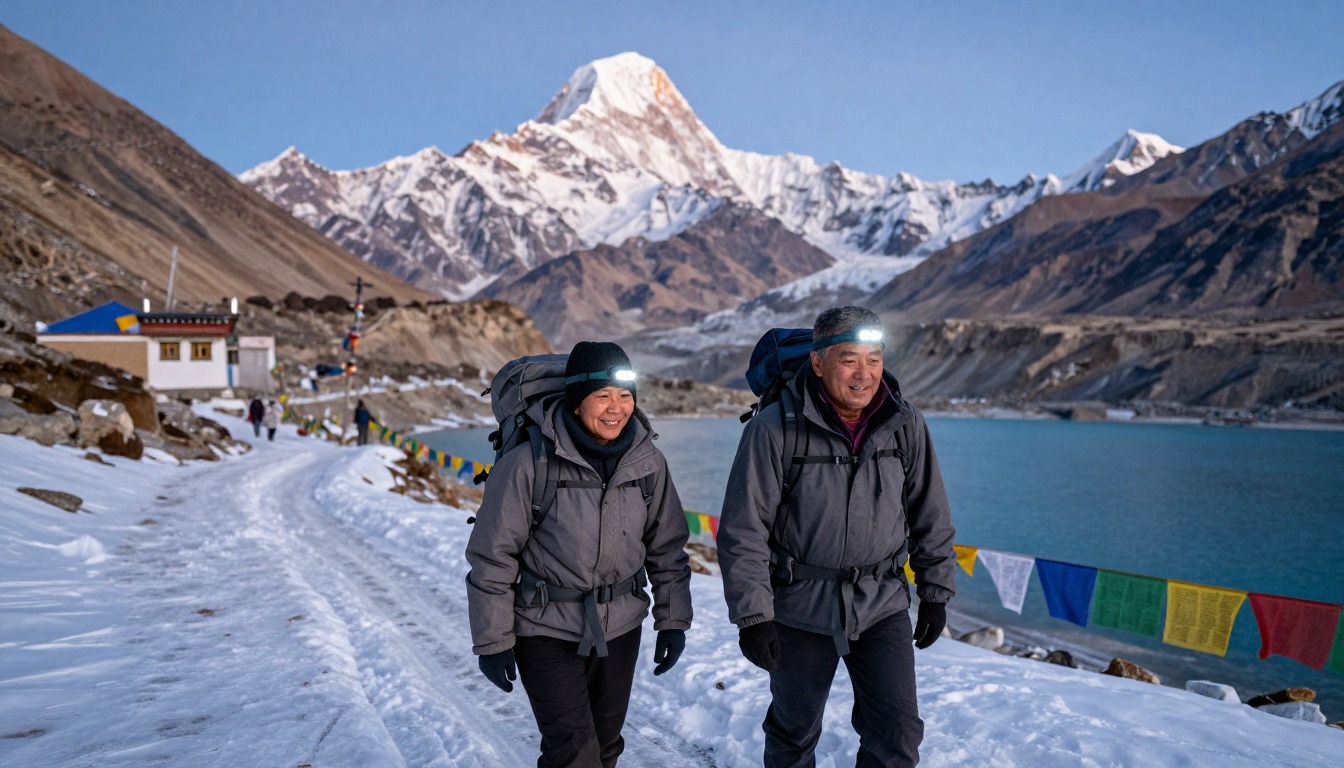
The CDC Yellow Book says physical fitness and training do not protect against altitude illness, and any unacclimatized person sleeping at 8,000 ft or above is at risk.1 Above about 9,850 ft, the guidance is to raise sleeping altitude no more than about 1,600 ft per day, with an extra acclimatization day for each 3,300 ft.1
This is the evidence behind the existing page's point that skipping the lowest stages by road costs you acclimatization. Jeep access means you can start much higher than walkers once did, so the safe approach is to count your sleeping altitudes rather than your walking days and add rest days accordingly. Headache is the main symptom and typically shows up 2 to 12 hours after arrival; symptoms ease rapidly with descent of 1,000 ft or more, and you should never go higher to sleep while symptomatic.1 This is general information; see a doctor before you go and seek medical help if symptoms worsen.
Pass-morning cold and what to carry
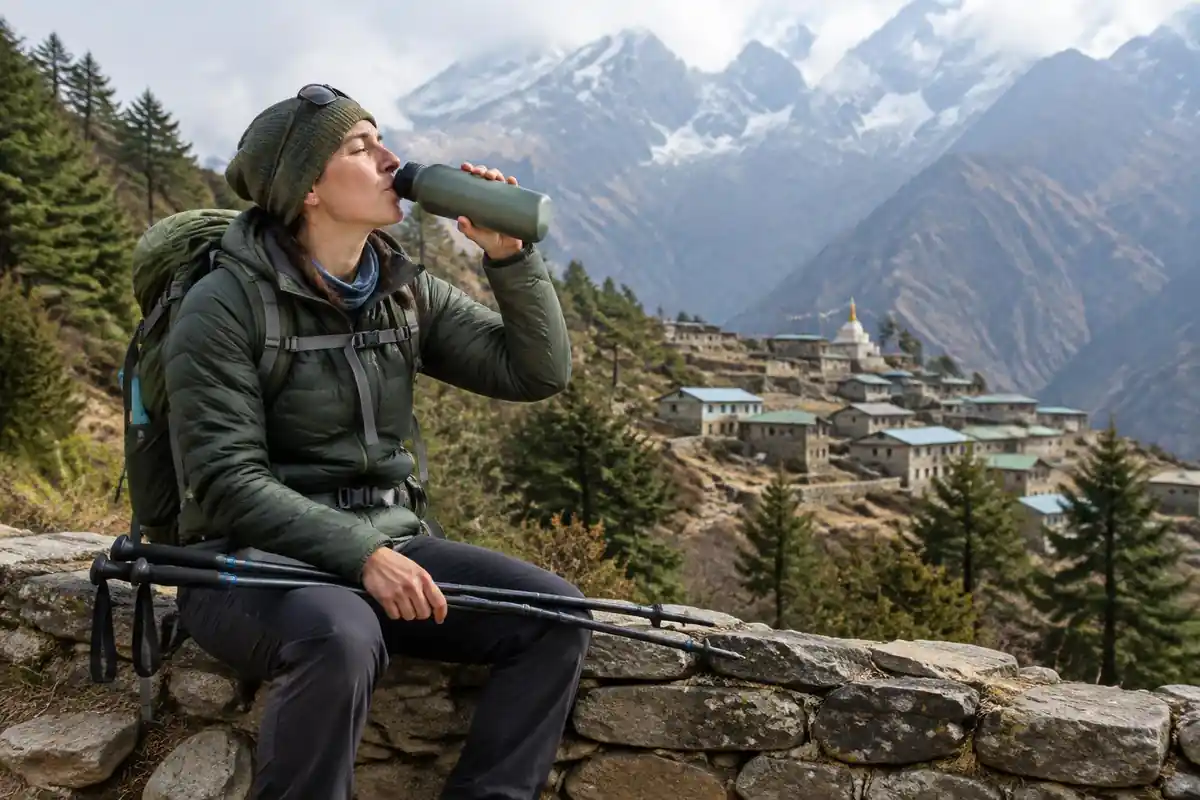
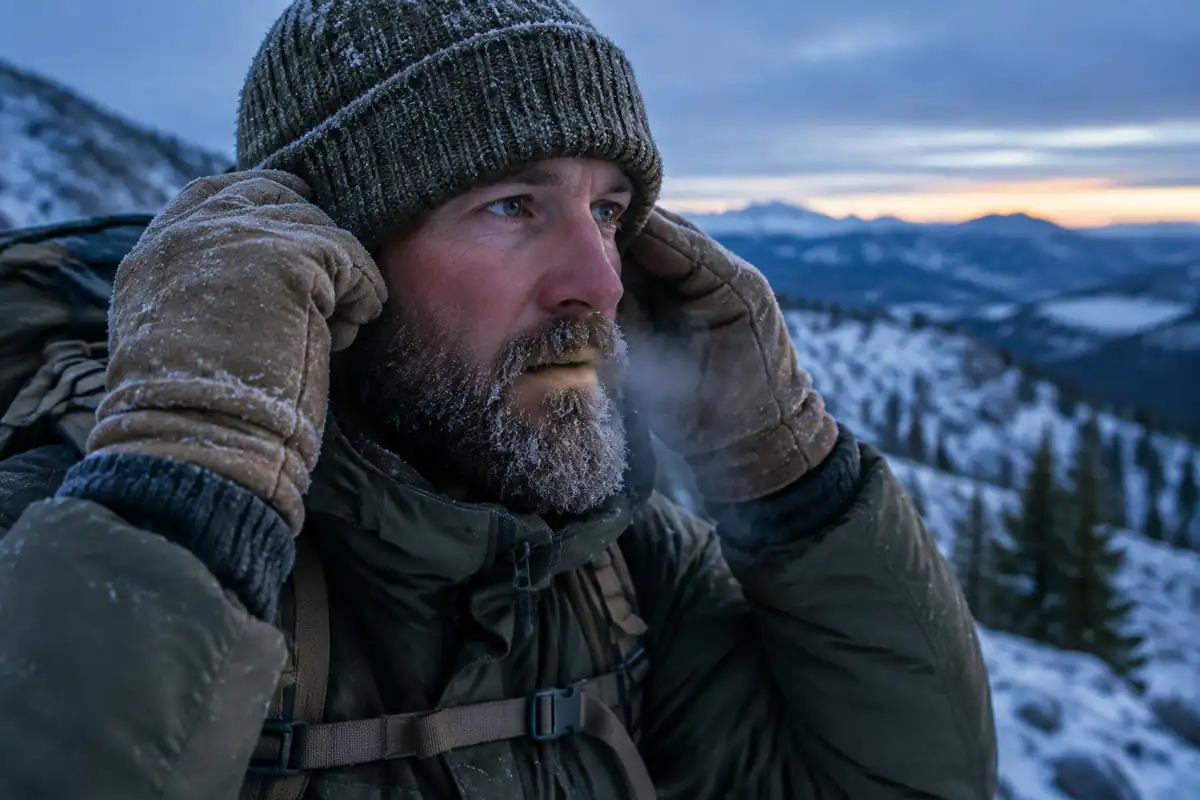
Crossing before dawn means the coldest, windiest hours. The CDC lists hikers among people at higher risk of hypothermia and notes its warning signs include shivering, confusion and fumbling hands.2 Wet cotton will not keep you warm, so wool or synthetic layers are the standard advice.3 Your water can freeze in the dark, which makes an insulated sleeve or an inside-the-jacket carry a practical detail, though this layer does not have a source for freeze times.
Headlamps are the recommended light source because they are hands-free.4 Bring spare batteries next to the body for the cold start. Water weighs about a kilogram per liter, so carry what the stage needs rather than a full day's extra.5
Snow, traction and the long descent
The existing page notes snow can cover the upper sections and that guides may suggest microspikes after heavy weather. Kahtoola describes its MICROspikes as designed for icy, packed snow in mountainous terrain, with twelve stainless steel spikes per foot.6 Whether you need them is a call to make with your guide near the date, not from home.
The far-side descent is long and loose. In a laboratory study on a steep downhill ramp, poles lowered knee compressive and shear forces by 12 to 25%,7 which is why poles are worth carrying on the way down even if you barely used them earlier.
Permits and current requirements
Permit, entry and guide requirements for the Annapurna Circuit change, so confirm them with a licensed local operator or the relevant national park office before you book. Treat trek length, daily stages and timings on this page as planning estimates.
Common questions
How hard is crossing Thorong La?
The difficulty is altitude and duration, not terrain. It is a walk on a trail, but a very long one that begins before dawn in cold, thin air and continues with an enormous descent on the other side. Properly acclimatized and well paced it is manageable for fit hikers; rushed or under-acclimatized it becomes genuinely serious.
Do you still have to walk the whole circuit now there are roads?
No. Many trekkers now use road transport to skip the lowest, dustiest stages and start walking higher up the valley, and alternate trails exist to avoid the jeep track in places. The trade-off is acclimatization, since the days you skip are days your body would have used to adjust. Plan extra time higher up if you shorten the start.
Do you need crampons or technical gear for the pass?
Usually not in the main trekking seasons, when the crossing is a walk on trail and scree. Snow can cover the upper sections though, and after heavy weather guides may recommend microspikes or simply wait a day. Conditions vary year to year, so ask your guide close to the date rather than deciding from home.
How many days should you allow?
Enough that a bad weather day does not force you over the pass on the wrong morning. Beyond the walking days themselves, most trekkers add a rest day around Manang and at least one spare day for weather or slow acclimatization. Schedules on this route slip routinely, and a tight itinerary is the common source of trouble.
Complete gearsets for this trip
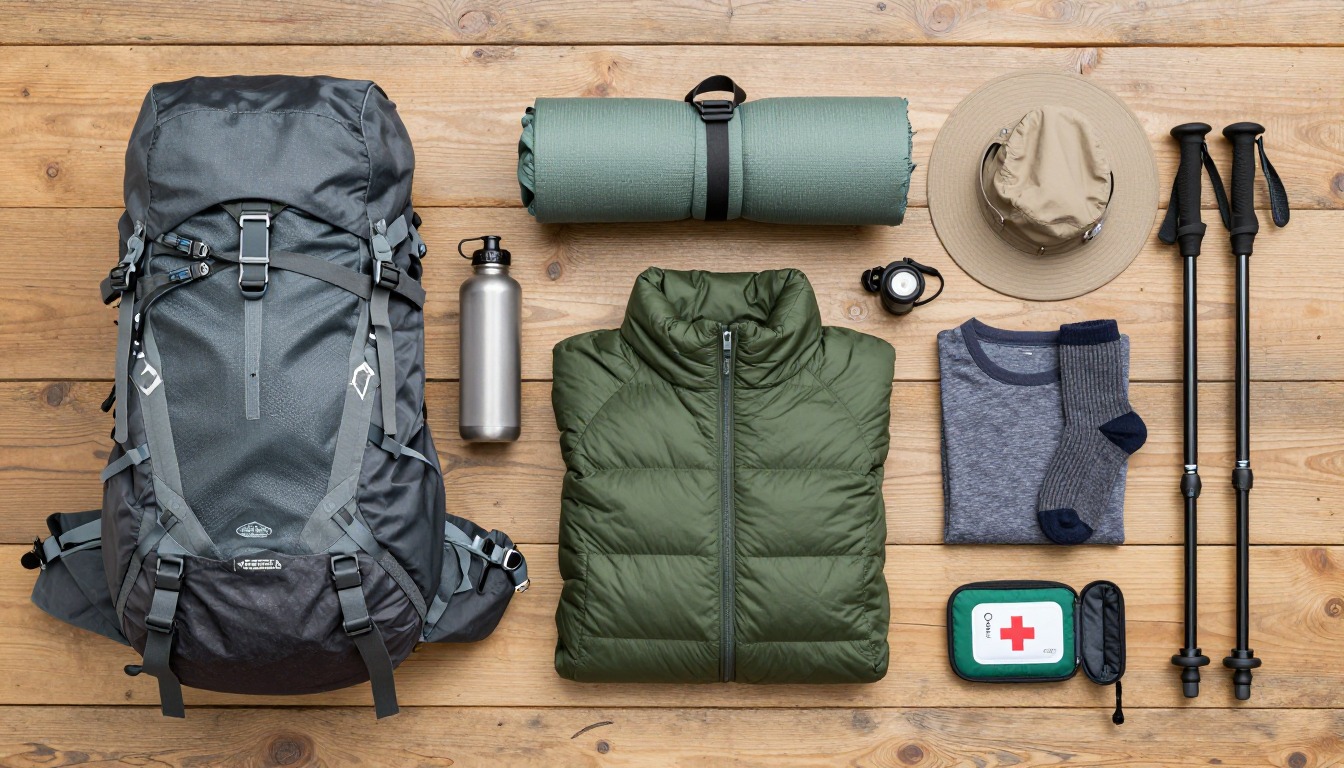
Full curated kits built for exactly this kind of hike.
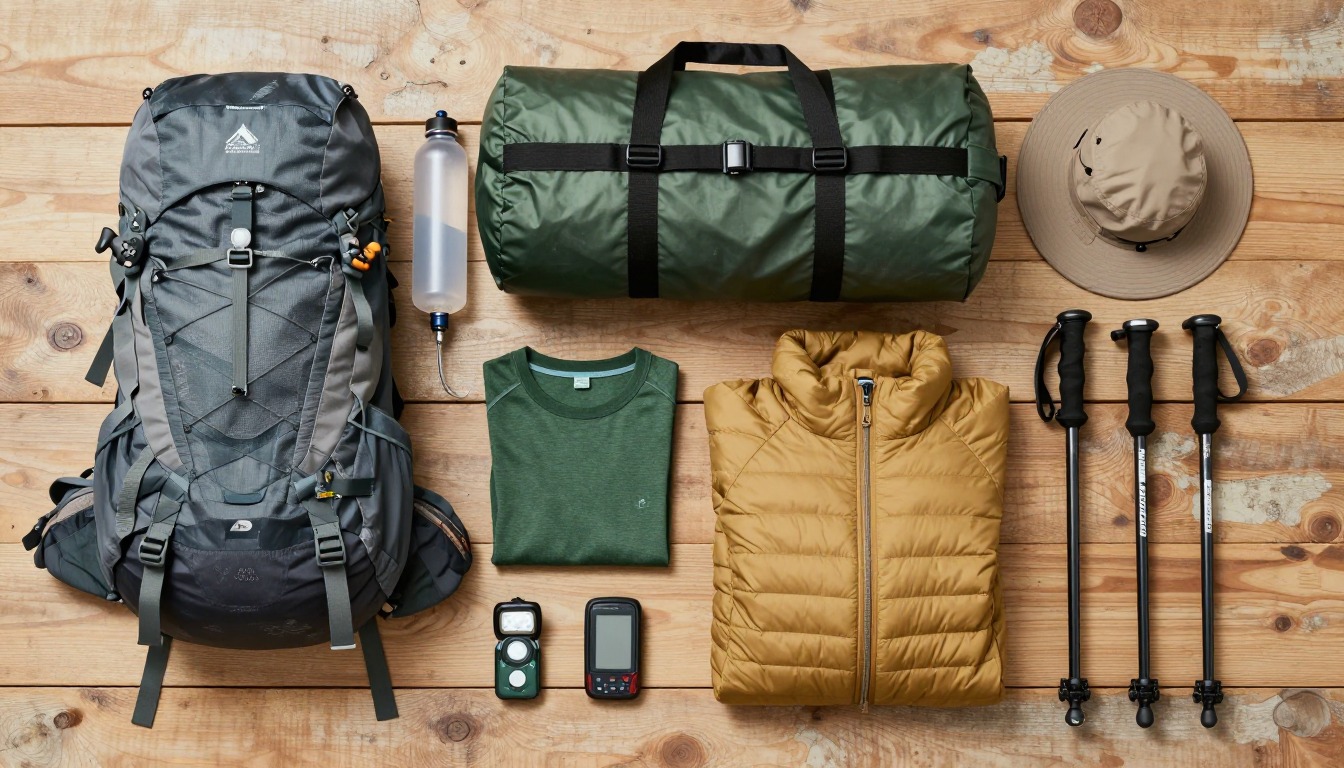
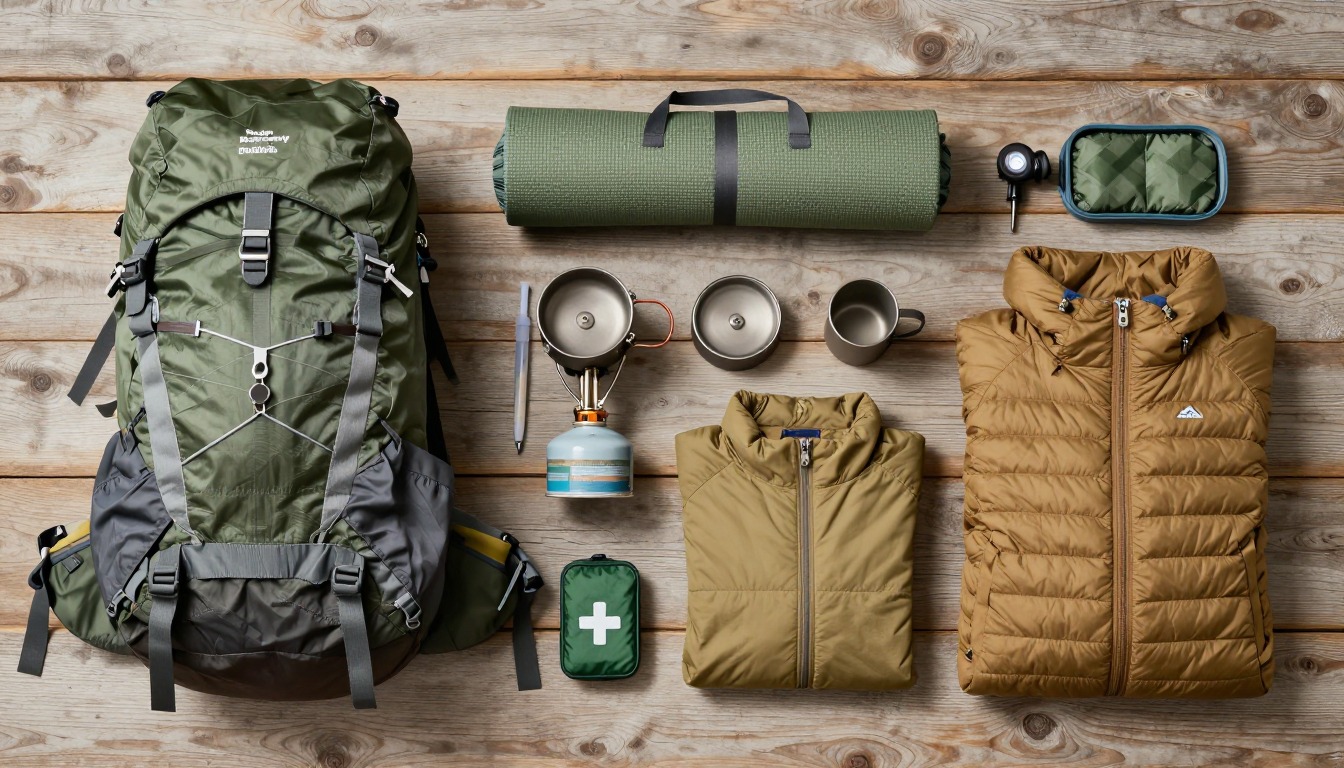
Trail conditions, permits and access rules change without notice — always confirm current information on the official source above before you go. Some facts on this page are still pending owner verification and are marked accordingly. Product links and the accommodation map are affiliate links: we may earn a commission at no extra cost to you; product prices and availability are shown on Amazon, and accommodation prices on the booking site. See our affiliate disclosure.