
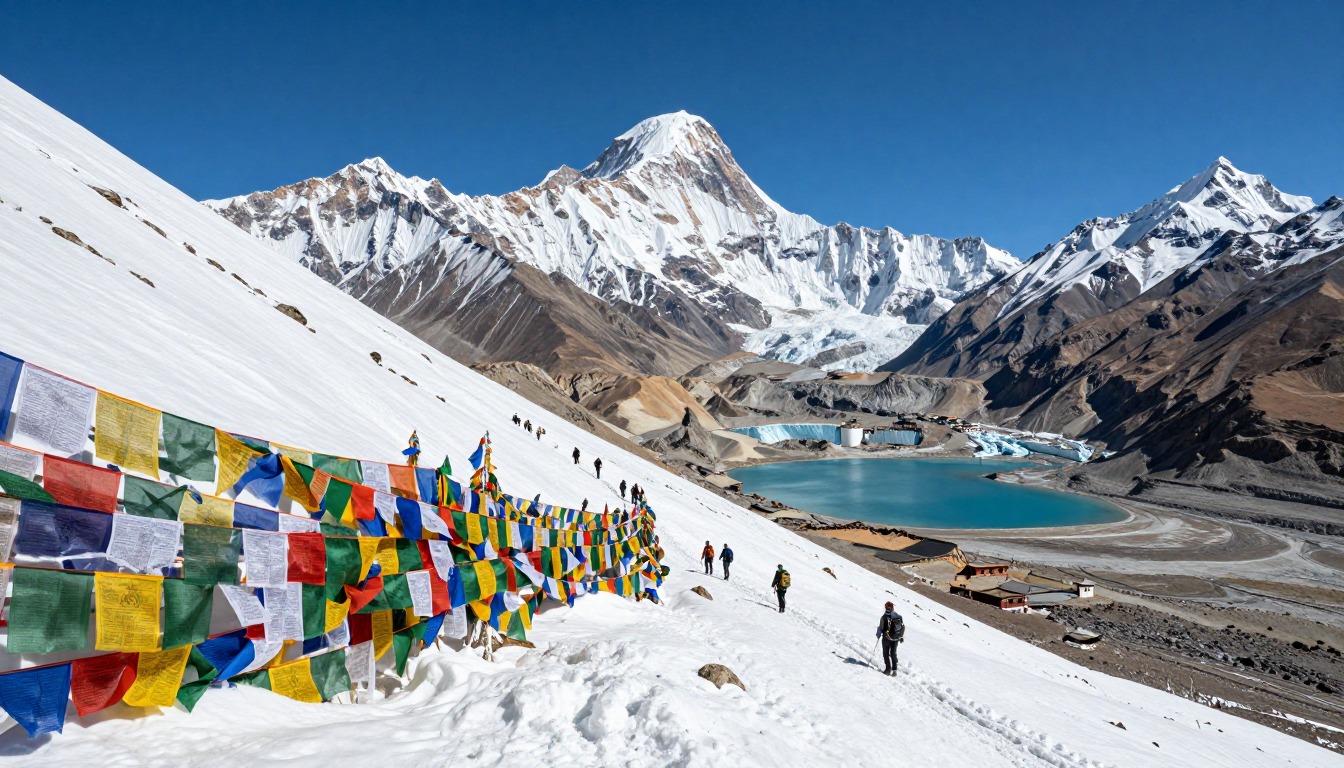
Illustrative artwork — an impression of Annapurna Circuit — Thorong La, not a literal photograph.
The Annapurna Circuit is a multi-day teahouse trek looping around the Annapurna massif in Nepal, inside the Annapurna Conservation Area, building toward its high point at the roughly 5,416-meter Thorong La pass. As with most classic Nepal treks, nobody camps out here — family-run teahouses in the villages along the route provide a room and a hot meal each night. So the real question isn't where to pitch a tent, but how to pace the days so your body is ready for the pass.
Why hike here
The circuit's appeal is in the range of country it covers in a single trek: you climb through terraced village farmland and rhododendron forest on the approach, then watch the landscape turn drier and more Tibetan in character as you near Manang, where stone houses sit under a wall of ice peaks. From Manang the trail keeps climbing past Yak Kharka to Thorong Phedi or High Camp, simple, cold lodges with little to do but eat, hydrate, and wait for morning. Crossing Thorong La itself means leaving in the dark, well before sunrise, and walking up into thin, cold air until the pass finally opens onto views down the other side toward Muktinath — a genuinely different, drier world from the one you left that morning.
Getting there
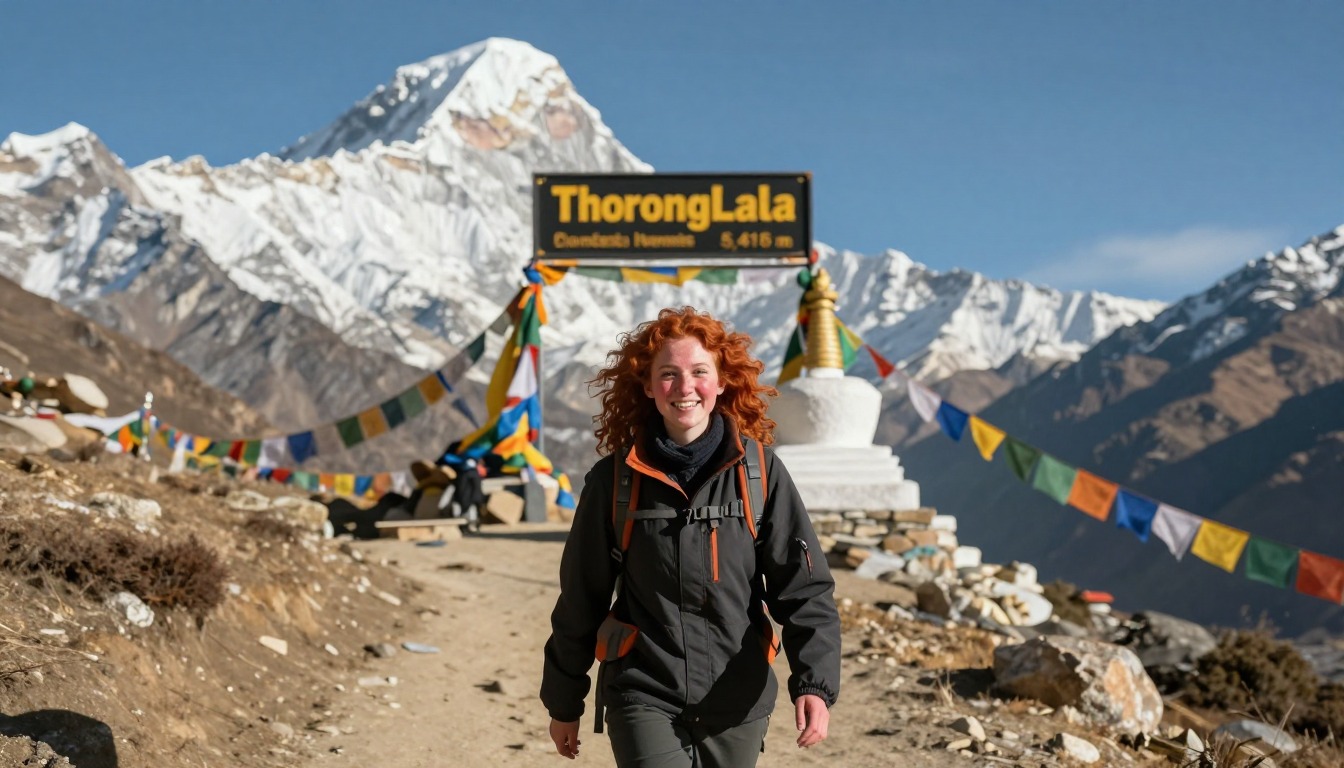
Most trekkers start from Kathmandu or Pokhara, then take a long day of road travel to Besisahar or, if you want to skip the first, mostly road-adjacent stretch of trail, all the way to Chame. From there you're on foot, following jeep track and trail up through the lower villages before the valley narrows and the route becomes a proper mountain trail. Because it's a teahouse trek requiring an ACAP permit and trekker registration, and a licensed guide for much of Nepal, most hikers sort permits and transport in Kathmandu or Pokhara before heading out, rather than trying to arrange them at the trailhead.
Where to stay
The realistic options, closest-to-the-trail first. Book through the official links — we don't list prices or availability because they change all the time.
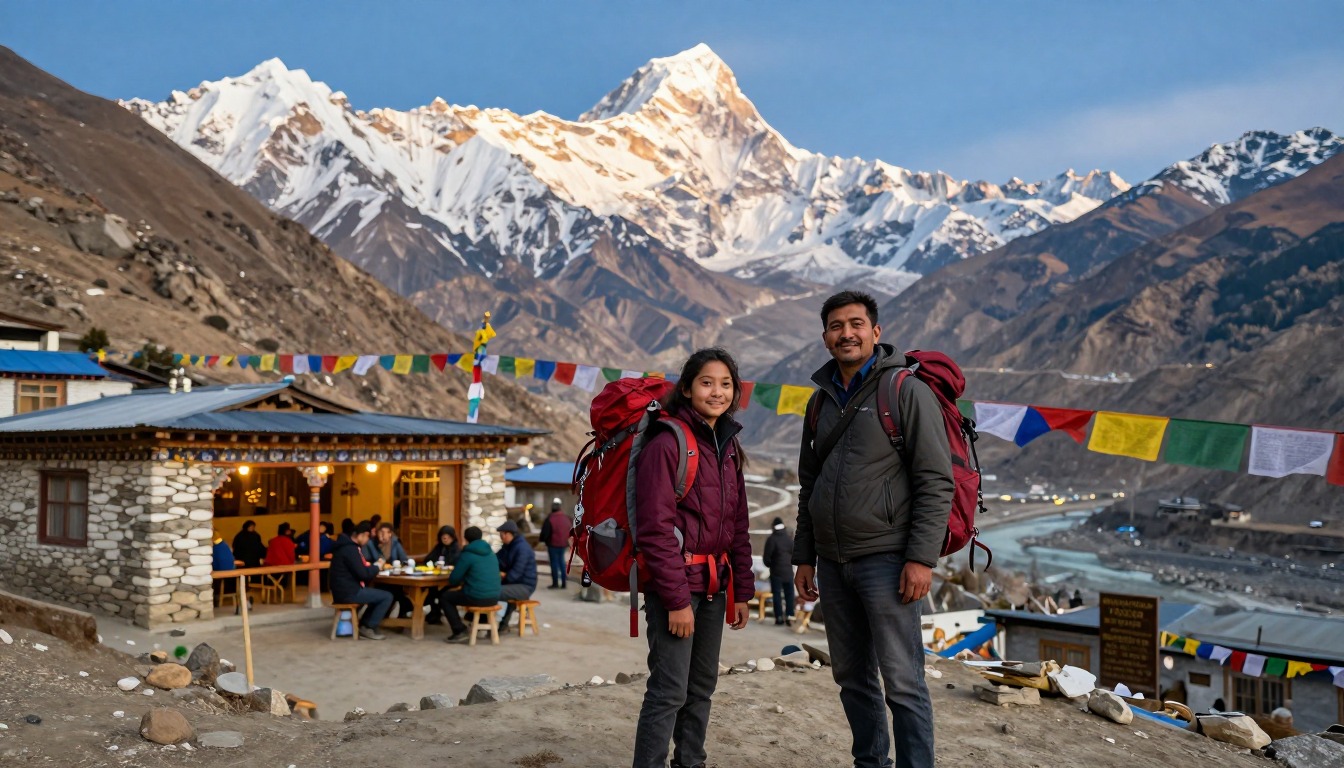 Illustrative — evokes the setting, not a specific property.
 For example: Family lodges in the villages along the route (Manang, Yak Kharka, Thorong Phedi/High Camp, Muktinath)
Every trekker — teahouses line the whole circuit.
High Camp before the pass is basic and cold; beds fill fast in season.
Via a licensed trekking operatorFor example: A cluster of lodges in Manang, the key acclimatization stop before the pass
Trekkers taking the essential rest day before Thorong La.
Spend an extra night here to acclimatize before crossing the pass.
Via a licensed trekking operatorPermits & rules
You need the ACAP permit and trekker registration, and a licensed guide is required in much of Nepal. Crossing Thorong La means a very high pass — acclimatize properly, start the pass day before dawn, and know the signs of altitude sickness.
Gear you'll want for this trip
Matched to the terrain and conditions here. Real products — check current price on Amazon.


Common questions
Do I need to camp anywhere along the Annapurna Circuit?
No — the route is a classic teahouse trek, so you'll sleep in family-run lodges in villages like Manang, Yak Kharka, and Thorong Phedi or High Camp rather than a tent. Rooms get more basic and colder as you climb toward Thorong La, so a warm sleeping bag is worth carrying even though you won't be sleeping outside.
What permits do I need, and can I trek the circuit without a guide?
You'll need an Annapurna Conservation Area Permit (ACAP) plus trekker registration, and a licensed guide is required across much of Nepal, including this route. Arranging both in Kathmandu or Pokhara before you travel to Besisahar or Chame is far simpler than trying to sort them once you're already on the trail.
How do I avoid altitude sickness crossing Thorong La?
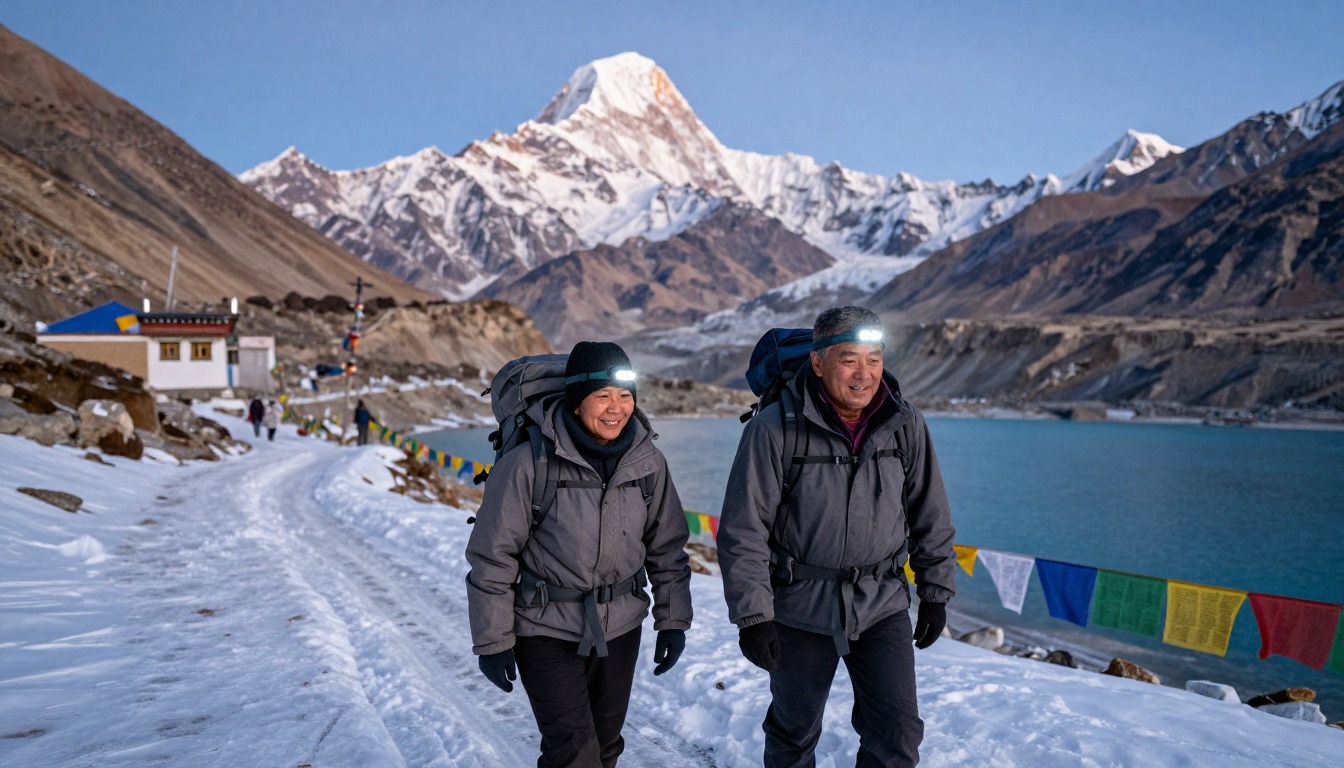
The standard advice is to climb high and sleep low, take the rest day in Manang to acclimatize before pushing higher, and know the warning signs of altitude sickness so you can descend if they appear. Because the pass crossing starts before dawn and stays at serious elevation for hours, being properly acclimatized before you leave Thorong Phedi or High Camp matters more than pace.
Complete gearsets for this trip
Full curated kits built for exactly this kind of hike — what to bring, why, and links to similar gear.
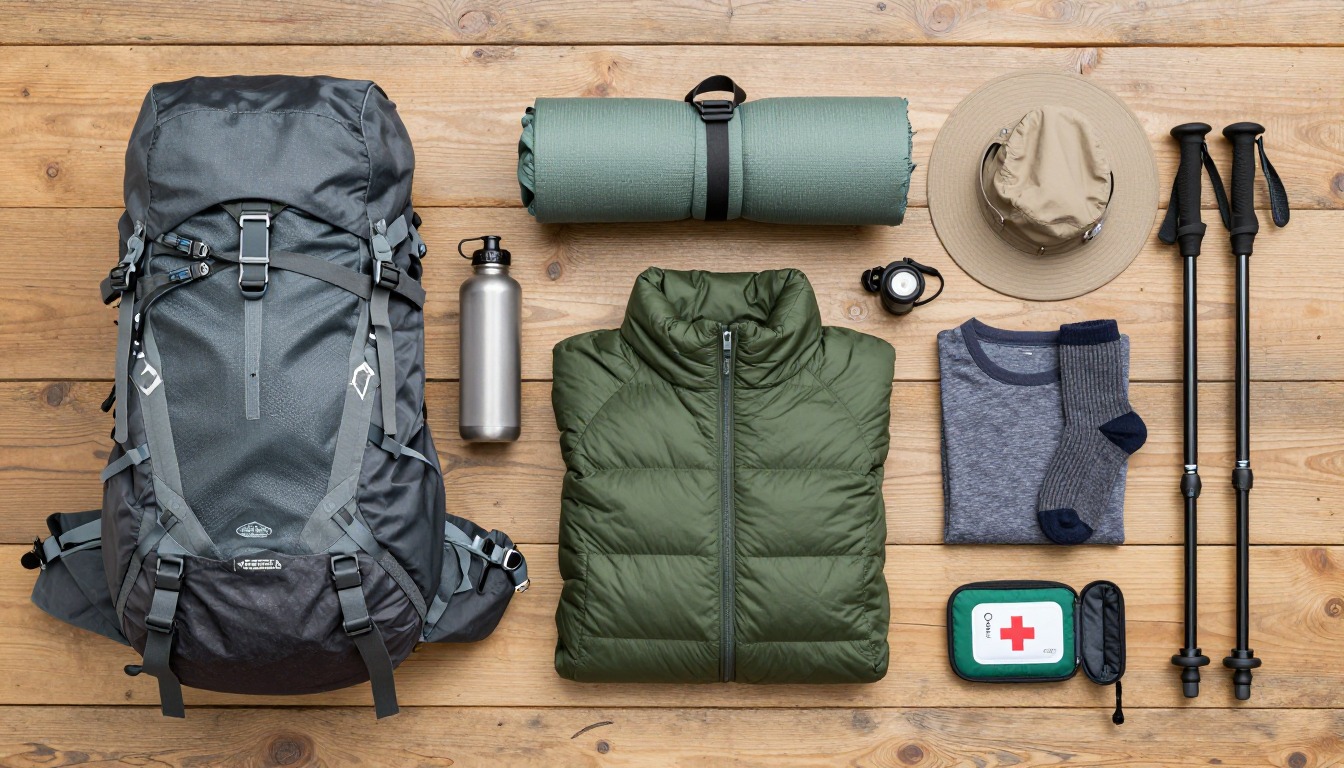
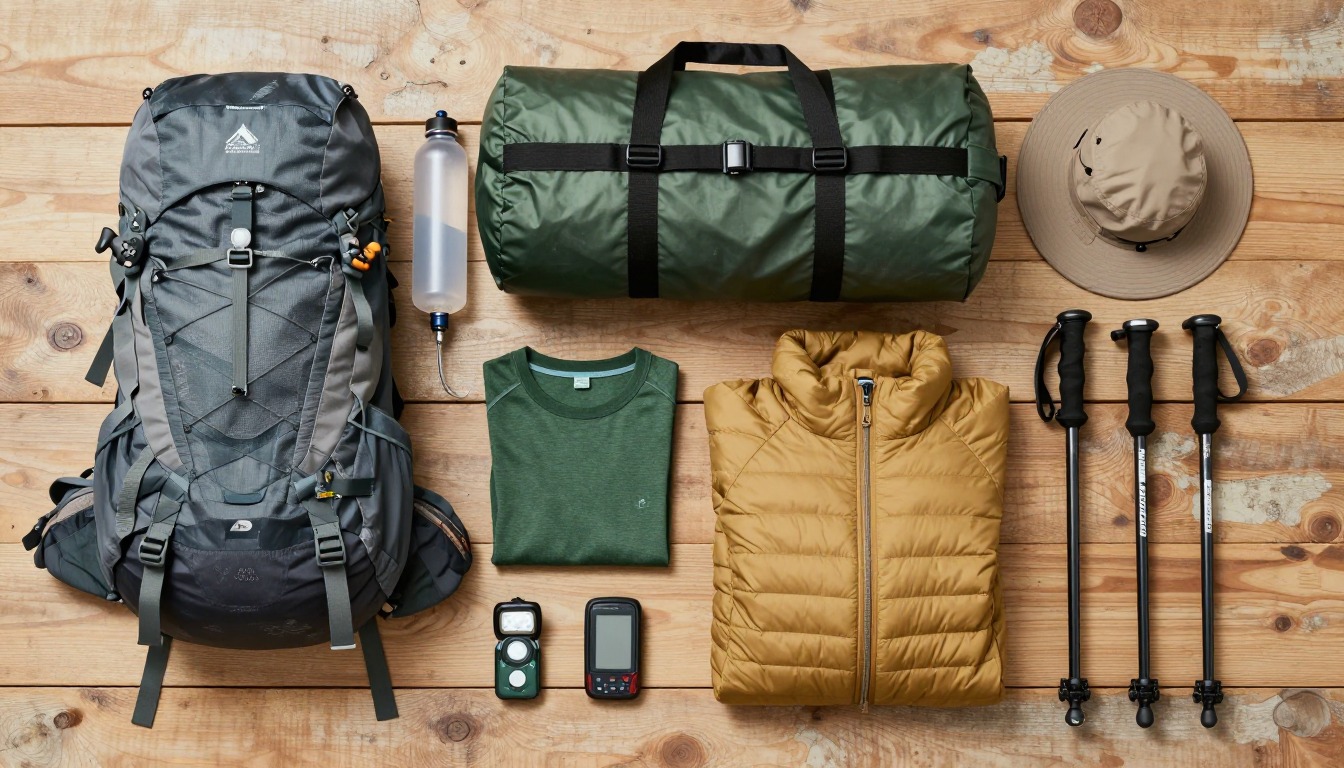
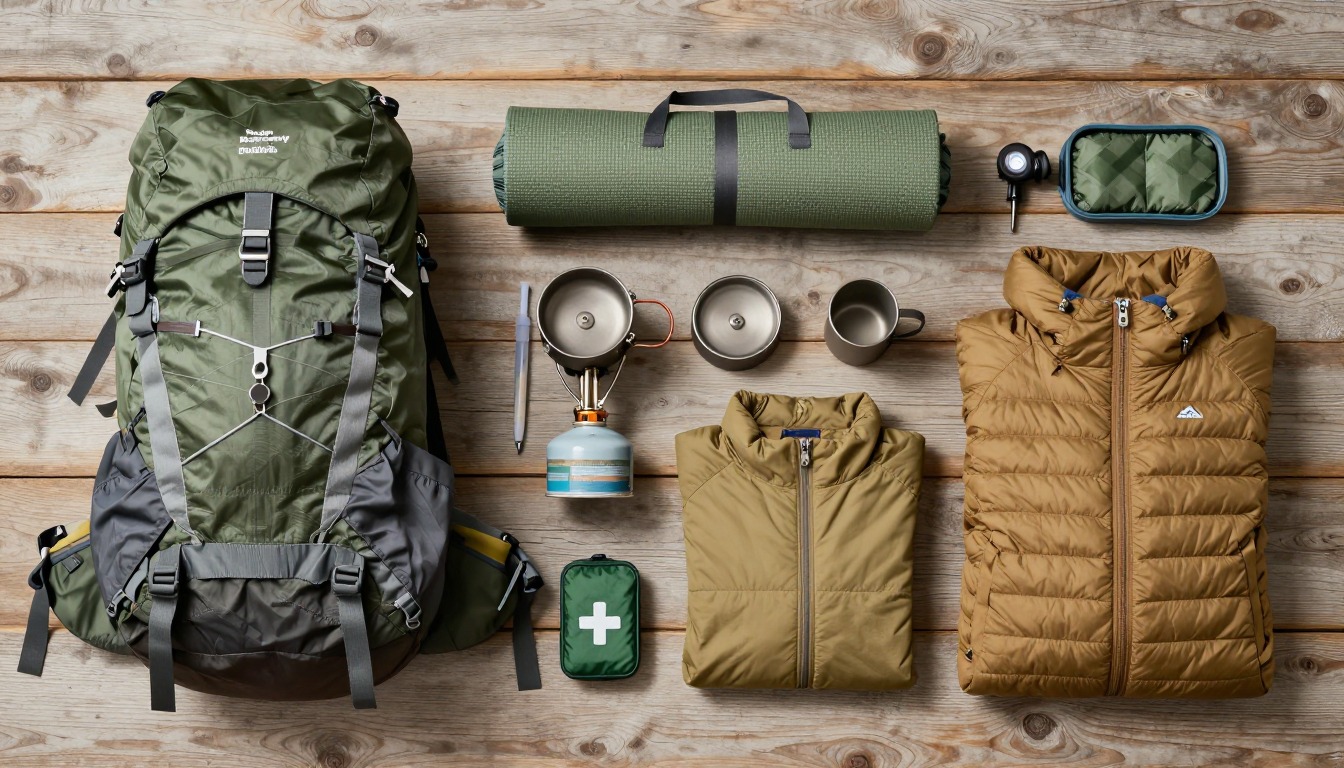
Lodging details are compiled from official parks, refuge associations and reservation systems and can change without notice. We publish no prices, availability or ratings — always confirm current information on the official site before booking or setting out. Product links are affiliate links: we may earn a commission at no extra cost to you; prices and availability are shown on Amazon. See our affiliate disclosure.