
Best Time to Hike Zhangjiajie — the Avatar Pillars
The best time to hike Zhangjiajie is spring and fall, when the managing authority's guidance points to milder weather and fewer crowds. April and October both sit in the mild range, with moderate rainfall and daylight of roughly 11 to 13 hours.
Month-by-month climate for Zhangjiajie — the Avatar Pillars
| Month | Relative warmth | Rain | Daylight |
|---|---|---|---|
| Jan | Coldest | 37 mm | 10.3 h |
| Feb | Coldest | 40 mm | 11 h |
| Mar | Cool | 100 mm | 11.8 h |
| Apr | Mild | 143 mm | 12.7 h |
| May | Warm | 206 mm | 13.5 h |
| Jun | Warmest | 232 mm | 13.9 h |
| Jul | Warmest | 234 mm | 13.7 h |
| Aug | Warmest | 153 mm | 13.1 h |
| Sep | Warmest | 147 mm | 12.2 h |
| Oct | Mild | 103 mm | 11.3 h |
| Nov | Cool | 76 mm | 10.5 h |
| Dec | Coldest | 23 mm | 10.1 h |
Modelled regional averages for 2010–2023 (rainfall) and calculated daylight hours; they describe the wider area, not a reading taken on the trail. “Relative warmth” compares each month with the warmest and coldest months of this place’s own year. It is not a temperature, and the high parts of a route are colder than the region around them.
Rain is heavily concentrated in late spring and summer: May to July each average 206 to 234 mm, with June and July the wettest, while December (23 mm), January (37 mm) and February (40 mm) are the driest. Daylight swings from about 10.1 hours in December to 13.9 hours in June. Relative to this place's own year, June through September are the warmest months, April and October are mild, March and November are cool, and December through February are the coldest. These are modelled regional averages, not trail measurements.
Zhangjiajie — the Avatar Pillars season by season
Spring · March to May
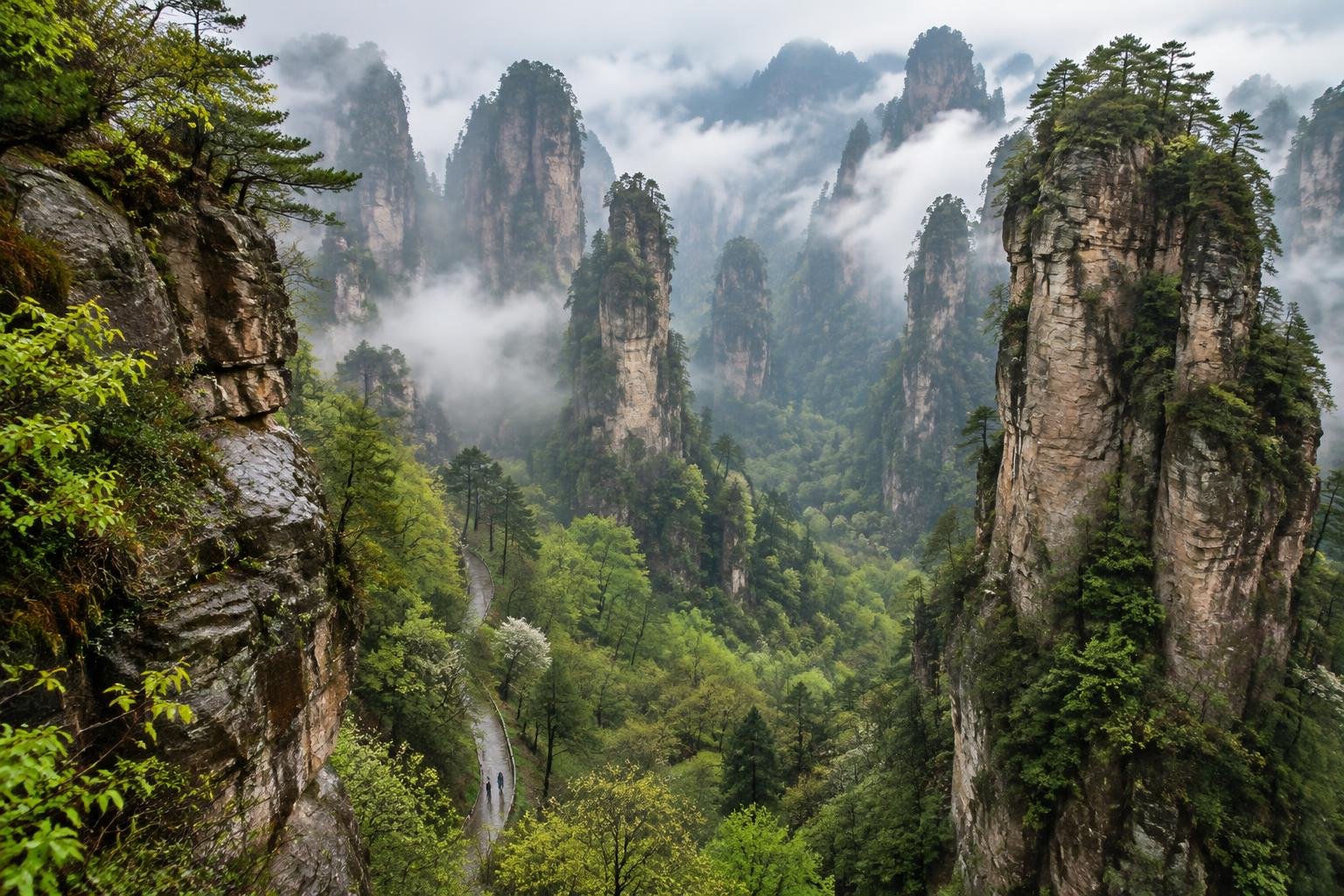
Spring is one of the two windows the official season guidance recommends. March is cool and relatively drier at about 100 mm, April turns mild with around 143 mm of rain, and May warms but climbs to roughly 206 mm. Daylight grows from 11.8 to 13.5 hours, giving you more time on the pillar paths. Mist often wraps the sandstone, so allow more than one day. Check current ticket and entry arrangements before you go.
Summer · June to August
Summer is the warmest stretch of the year, with the longest days at 13.1 to 13.9 hours. It is also the wettest period on average: June and July run around 232 to 234 mm, easing to about 153 mm in August. That means frequent rain and low cloud typically hang over the pillars, which can hide the views you came for. The official guidance does not name summer as a preferred season, so treat it as a trade-off rather than a first choice.
Fall · September to November
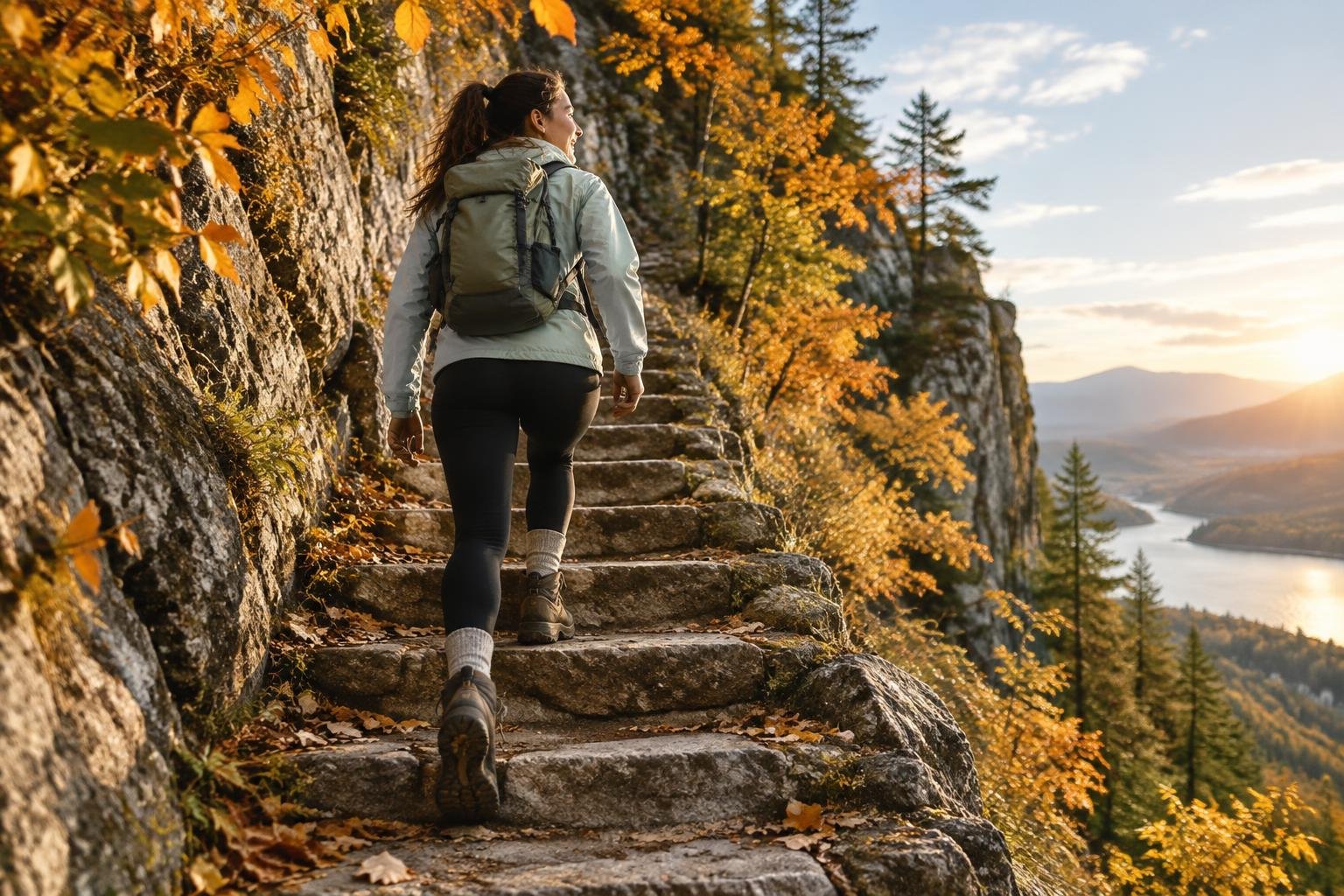
Fall is the second window the official season guidance recommends. September is still among the warmest months at about 147 mm of rain, October turns mild with around 103 mm, and November is cool and drier at roughly 76 mm. Daylight shortens from 12.2 to 10.5 hours, so plan your walking and shuttle or cable-car rides to finish earlier. Mist remains common, so build in a spare day for clearer views.
Winter · December to February
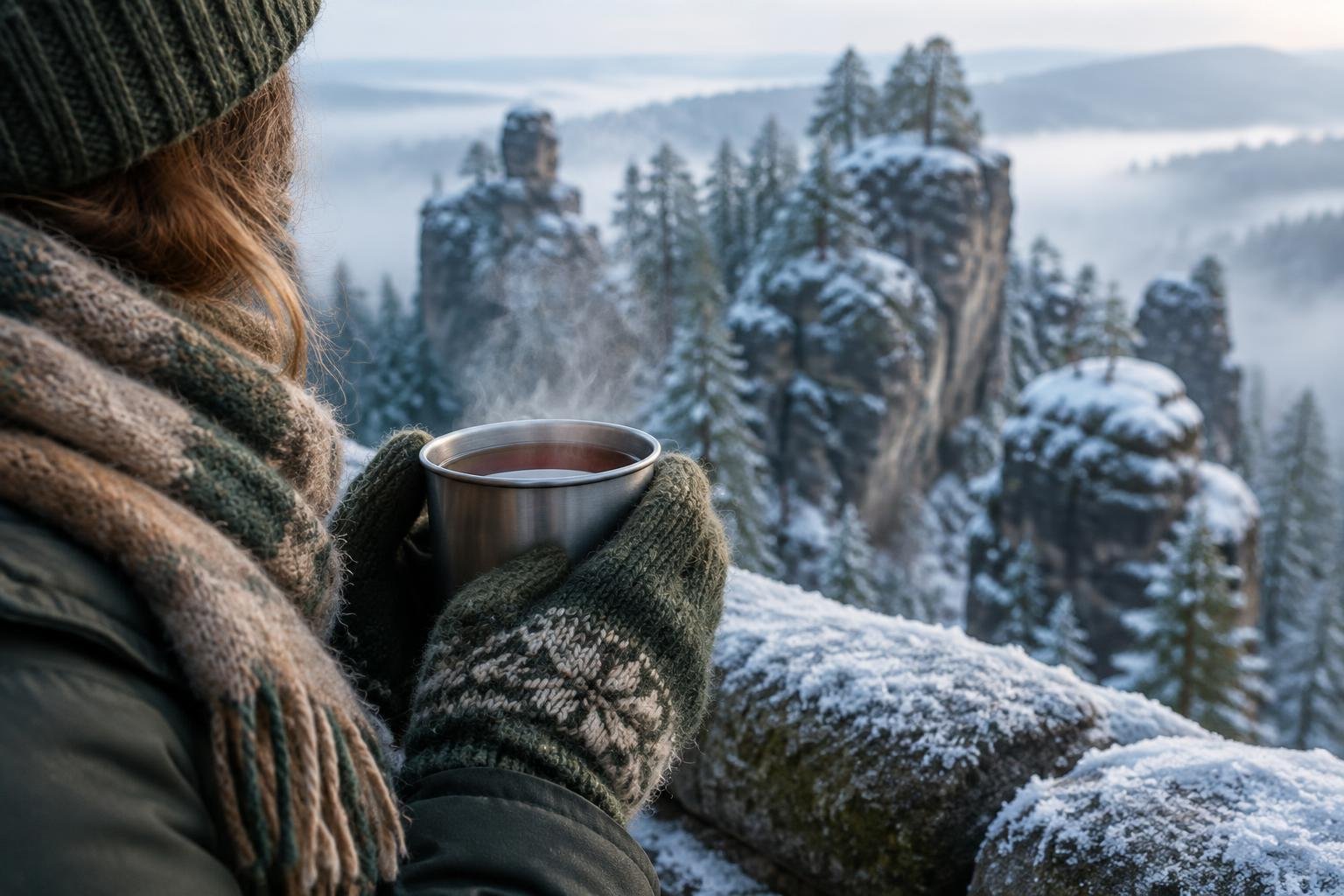
Winter is the coldest part of this place's year and also the driest, with December at about 23 mm, January 37 mm and February 40 mm. Days are the shortest, between roughly 10.1 and 11.0 hours, which leaves less time to cover the large park on foot. Winter is not among the seasons recommended in the official guidance, so confirm current conditions, entry arrangements and any access changes with the managing authority before planning a trip.
Official season guidance
Regional scenic authority: Spring and fall for milder weather and fewer crowds
A scenic-area ticket is required (entry reservation rules can apply, so check current arrangements), and the vast park is explored on foot plus shuttle buses, cable cars and the Bailong glass elevator. The sandstone pillars are often wrapped in mist — atmospheric, but plan more than one day to actually see them.
Check current dates on UNESCO World Heritage Centre (Wulingyuan Scenic Area)What to pack for the season
Season should drive your layers. In the wetter months from May to July, bring reliable rain cover and footwear that grips wet stone steps. In the cooler months, add insulating layers you can adjust as you move between exposed viewpoints and shuttle buses. Pack sun protection for the warmest stretch, and carry a headlamp or light source when days run close to ten hours.
For layering, rain cover and weather planning, see hiking in rain, heat and cold.
Timing mistakes to avoid
The most common timing mistake here is planning a single day and hoping the mist clears. The official guidance itself says to allow more than one day to actually see the pillars. Another is picking a month on temperature alone and ignoring the rainfall peak from May to July. Visitors also tend to overlook the entry ticket and reservation arrangements, which can change, so confirm current rules with the managing authority before fixing dates.
Common questions
Is spring or fall better for hiking Zhangjiajie?
The official season guidance recommends both for milder weather and fewer crowds. Fall months such as October and November are typically drier than late spring, while April offers mild conditions and longer days. Either works well, so choose based on rainfall tolerance and how much daylight you want.
Which months are wettest for hiking Zhangjiajie?
On average, June and July are the wettest at roughly 232 to 234 mm, with May close behind at about 206 mm. These modelled regional figures suggest frequent rain and low cloud, which can hide the pillars. The driest months are December, January and February.
How many days should I plan around the mist?
The official guidance says to plan more than one day, because the sandstone pillars are often wrapped in mist. Building in a spare day gives you a better chance of clearer views. Mist can occur in any season, so flexibility matters more than picking one perfect month.
Does winter work for a Zhangjiajie hike?
Winter is the coldest and driest part of the year, with December averaging about 23 mm of rain and daylight near 10 hours. It is not a season highlighted by the official guidance, so confirm current conditions, entry arrangements and any access changes with the managing authority before committing.
Sources
- Regional scenic authority — UNESCO World Heritage Centre (Wulingyuan Scenic Area): official season and permit guidance.
- NASA POWER (Prediction Of Worldwide Energy Resources): monthly temperature and rainfall averages, 2010–2023, from MERRA-2 reanalysis. Daylight hours are calculated from latitude.
Conditions, closures and permit rules change without notice — confirm current information with the managing authority before you go. See our editorial policy and affiliate disclosure.