
Affiliate disclosure: this page contains affiliate links. Purchases made through them may earn us a commission at no extra cost to you. See our affiliate disclosure.
In plain English
Zhangjiajie is different from most hikes because there is no single trail to follow. It is a big park full of tall stone pillars, and you move around it on foot, on shuttle buses, on cable cars and in the Bailong glass elevator. One day is not enough to see much of it, so visitors buy a ticket that covers several days.
That changes how you think about where to sleep. The small town of Wulingyuan sits right at the edge of the park, close to the entrances and the shuttle stops, so most people use it as a home base for several days. Zhangjiajie City, the larger place with the airport and train station, is handy for the night you arrive, but it adds a road transfer each time you head to the park.
You will not need a tent or a stove. What you will want is comfortable shoes for lots of stone steps, a light waterproof layer, and a bit of patience. The pillars are often wrapped in mist, so views come and go. Check ticket rules and shuttle hours with the scenic area management before you go.
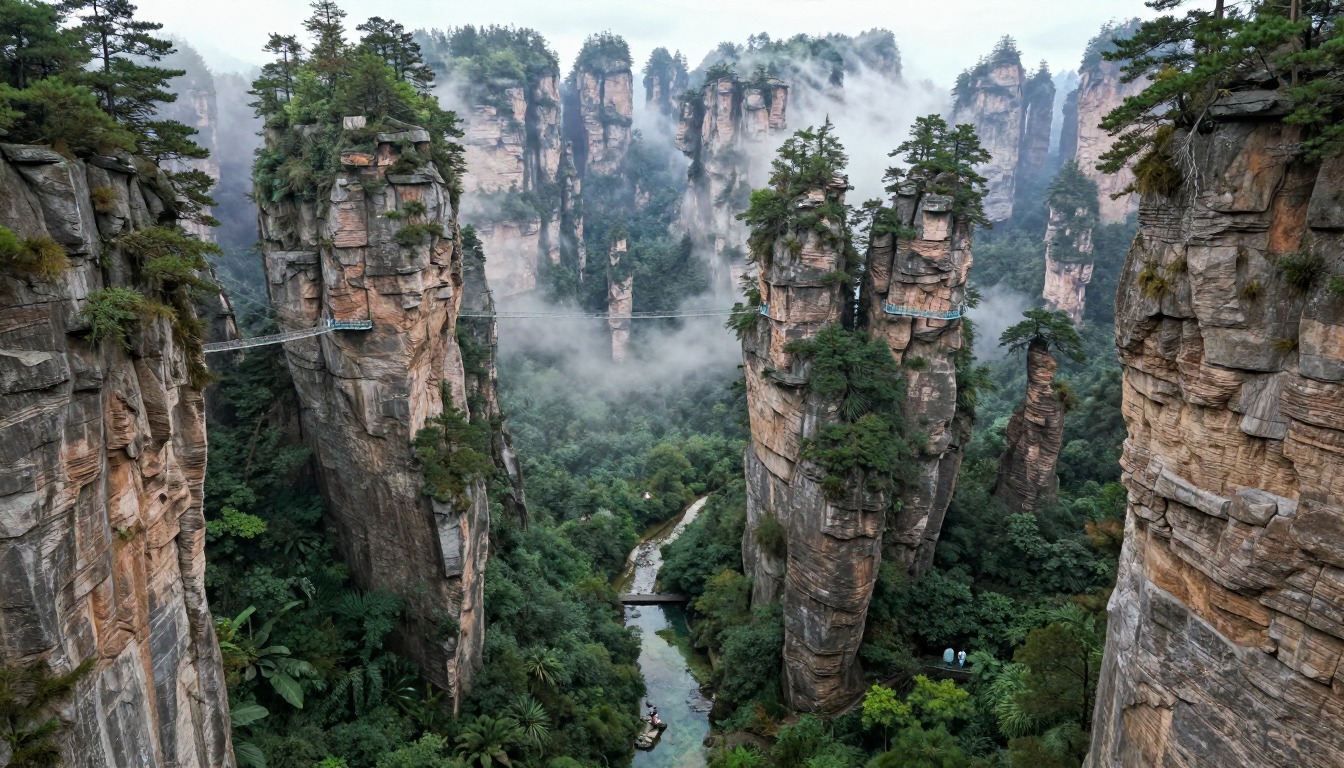
Zhangjiajie's Wulingyuan scenic area in Hunan Province is a UNESCO World Heritage landscape of thousands of towering quartz-sandstone pillars — the real-world scenery that helped inspire the floating mountains of Avatar. It's not a single trail but a sprawling park explored on foot plus shuttle buses, cable cars, and the Bailong glass elevator, and a multi-day visit is worthwhile, since one day barely scratches the surface. Where you sleep depends on whether you base inside the park or in the city outside it.
Why hike here
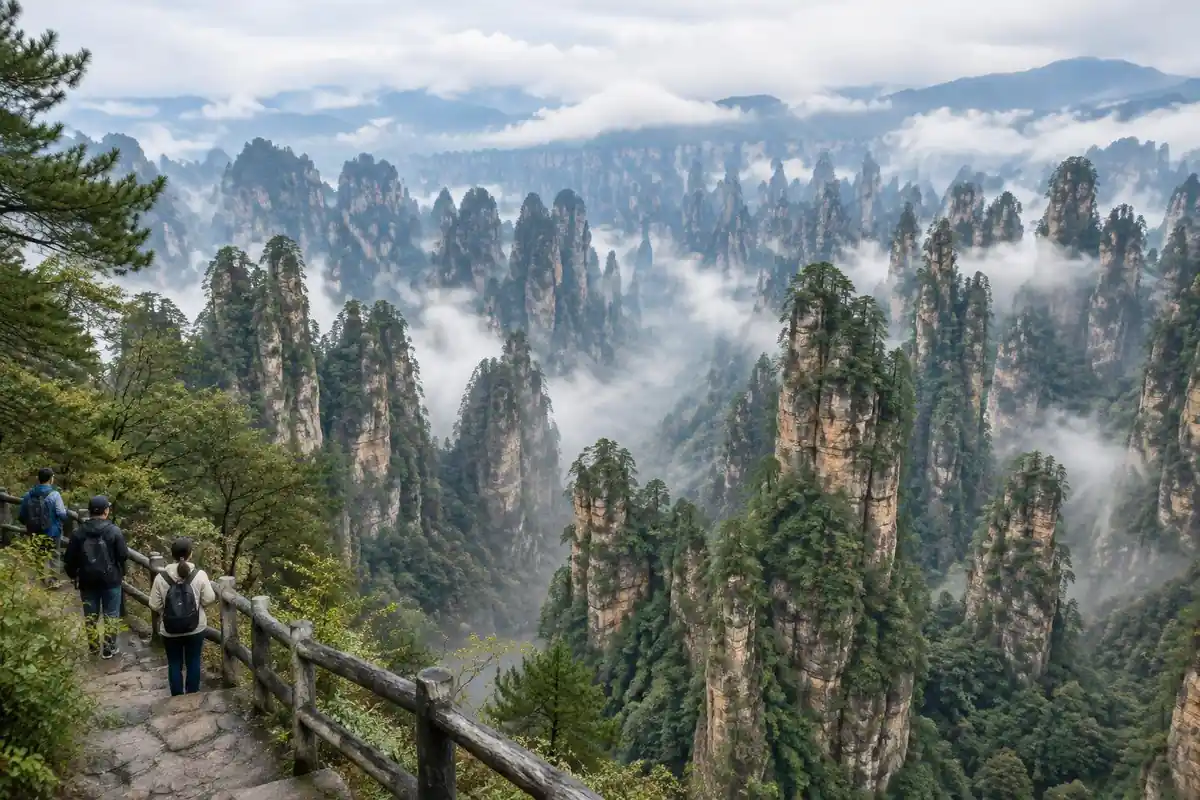
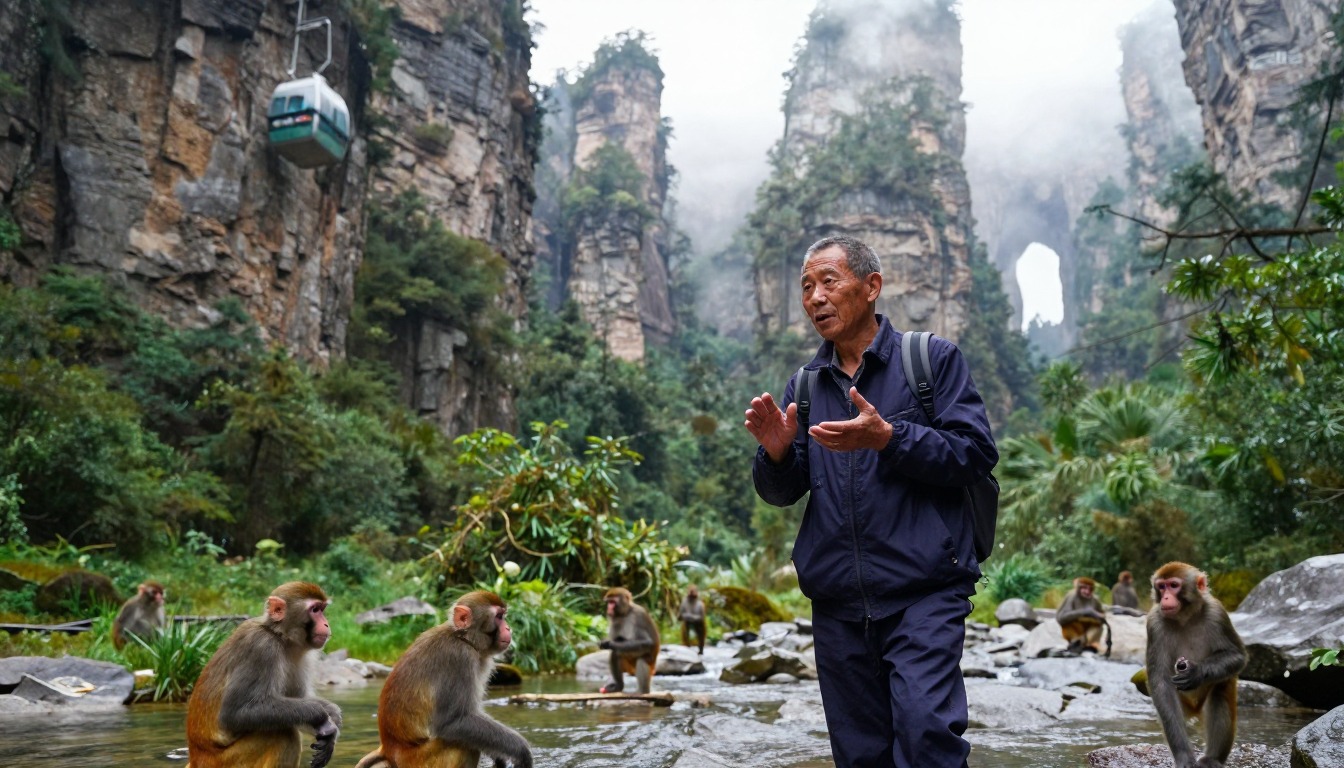
What makes Zhangjiajie stand apart is the sheer verticality of it — thousands of narrow sandstone pillars rising straight out of the forest, packed close enough that walkways and viewing platforms have been threaded between them rather than around them. Mist moves through the gorges most mornings, so the pillars appear and disappear as you walk, which is exactly the effect that made this landscape famous as the visual basis for Avatar's floating mountains. Trails wind along valley floors past streams and stone stairways, while cable cars and the glass elevator carry you up to ridgelines for a completely different view. Spring and fall bring the mist without the heaviest crowds, and the pillars photograph best in that soft, layered light.
Getting there
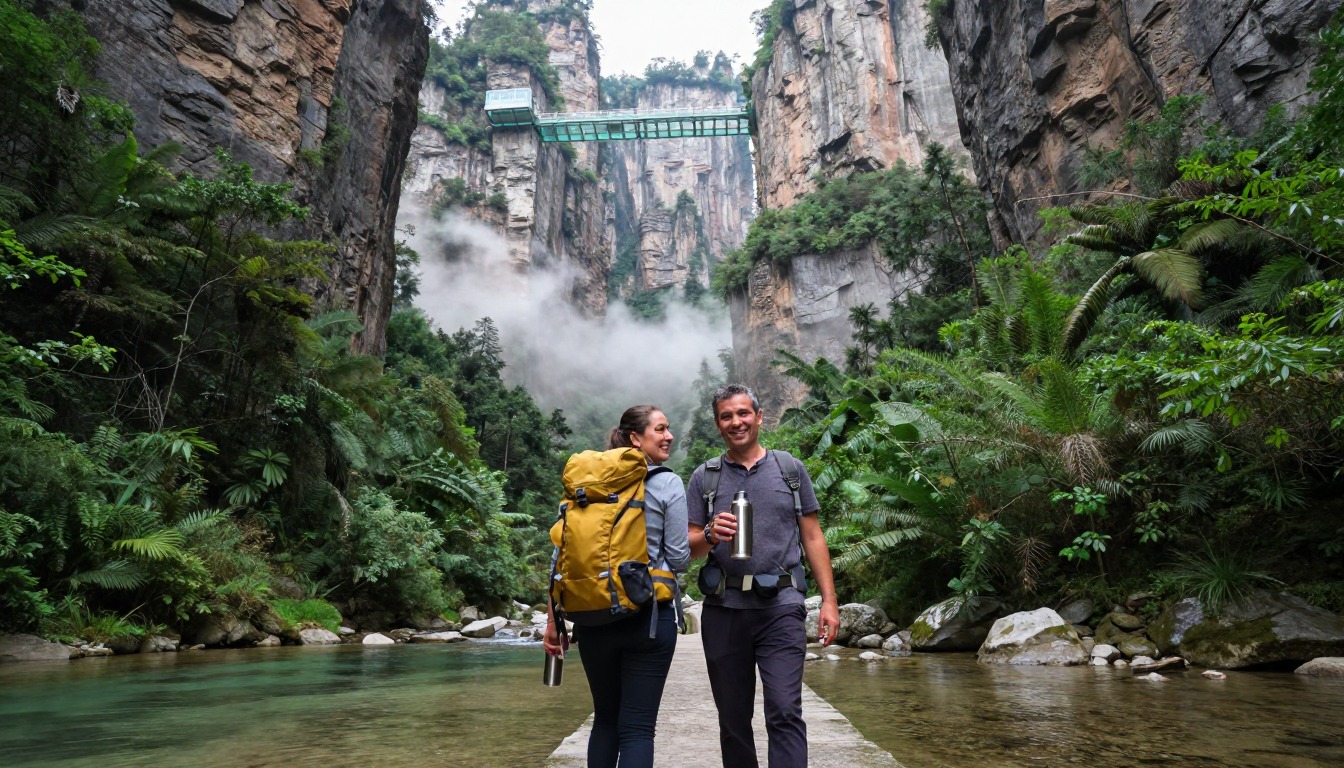
Most visitors fly into Zhangjiajie City itself, which has its own airport and train station serving as the main gateway to the scenic area, or connect through a larger regional hub in Hunan and continue by road or rail. From the city, it's a further transfer by road to Wulingyuan township, the small town that sits right at the park's edge and works as the practical base for a multi-day visit, close to the entrances and shuttle stops.
Where to stay
The realistic options, closest-to-the-trail first. Book through the official links — we don't list prices or availability because they change all the time.
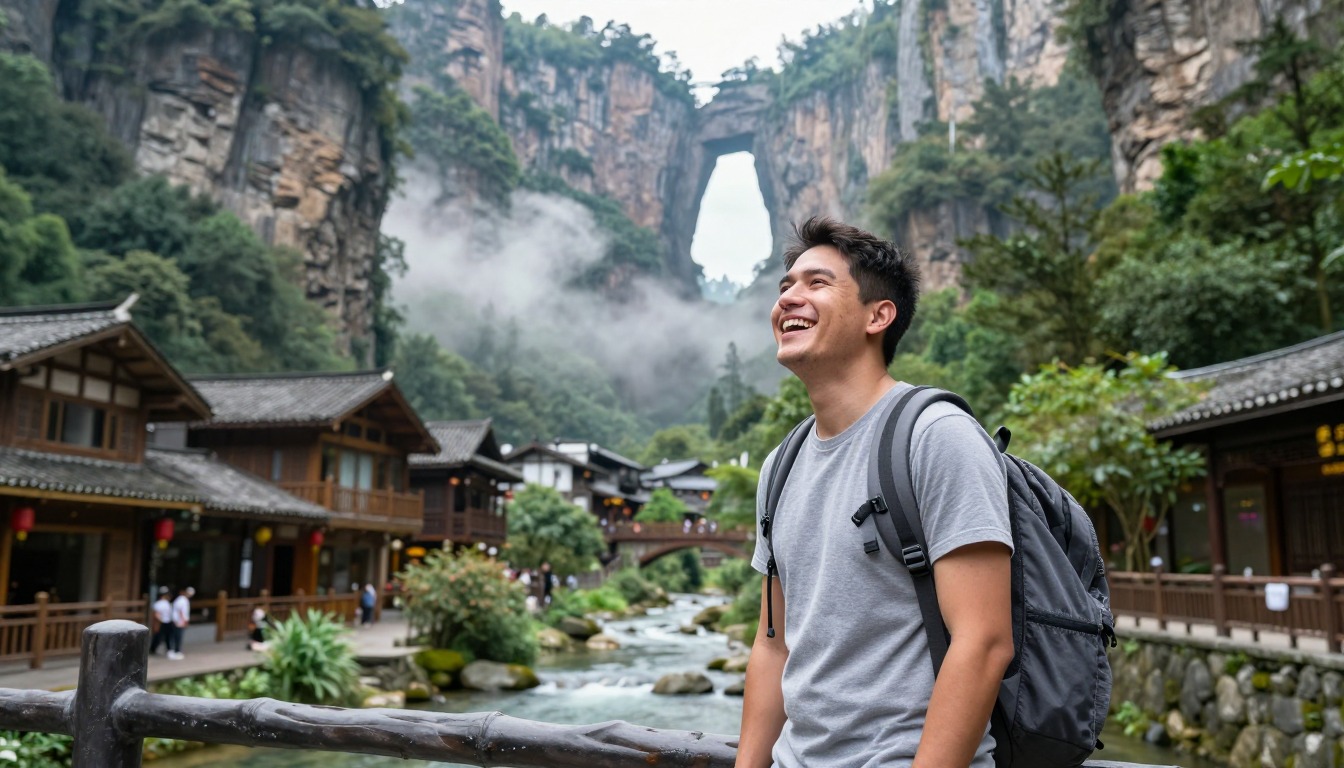
For example: Hotels and guesthouses in Wulingyuan, the main base inside the scenic area
Most visitors — a base for the multi-day park (one day isn’t enough).
Staying inside the scenic area saves long transfers each morning.
Township lodgingFor example: More hotels in Zhangjiajie City near the transport hubs
Travelers arriving by train or plane before entering the park.
Handy for arrivals; the park entrances are a transfer away.
Nearby-city lodging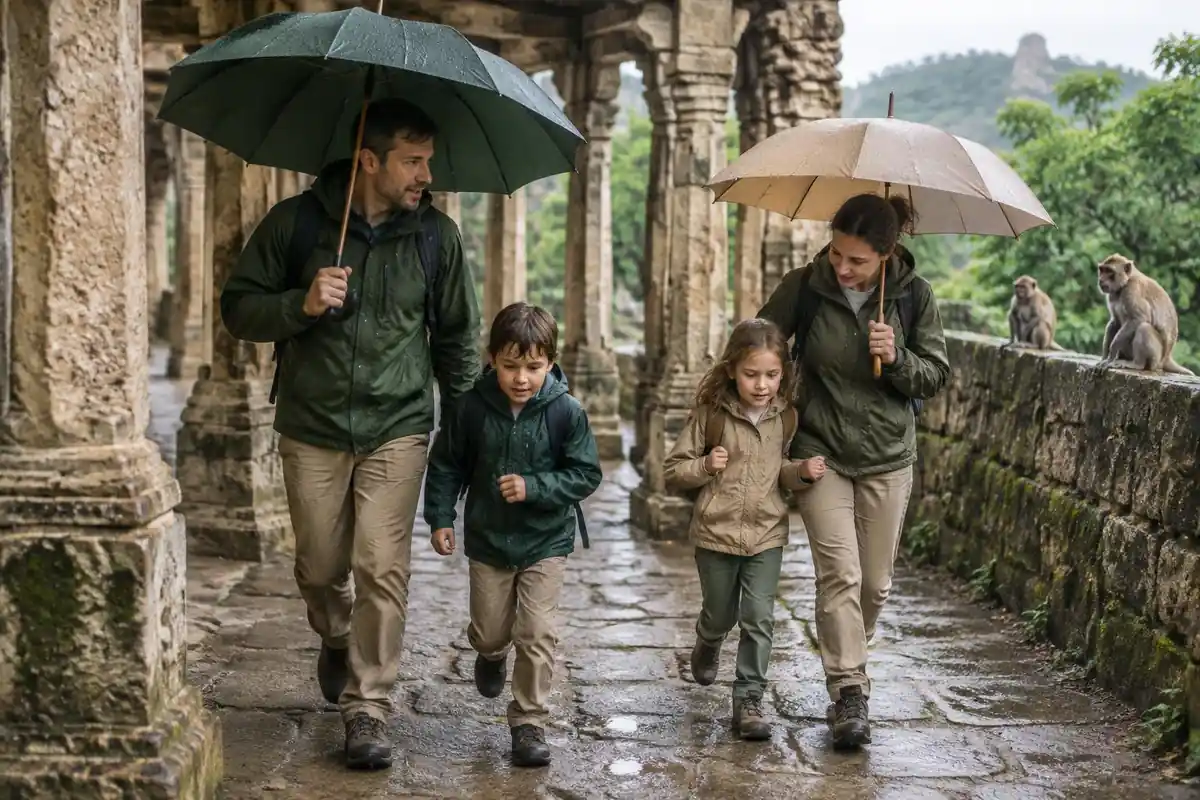
Permits & rules
A scenic-area ticket is required (entry reservation rules can apply, so check current arrangements), and the vast park is explored on foot plus shuttle buses, cable cars and the Bailong glass elevator. The sandstone pillars are often wrapped in mist — atmospheric, but plan more than one day to actually see them.
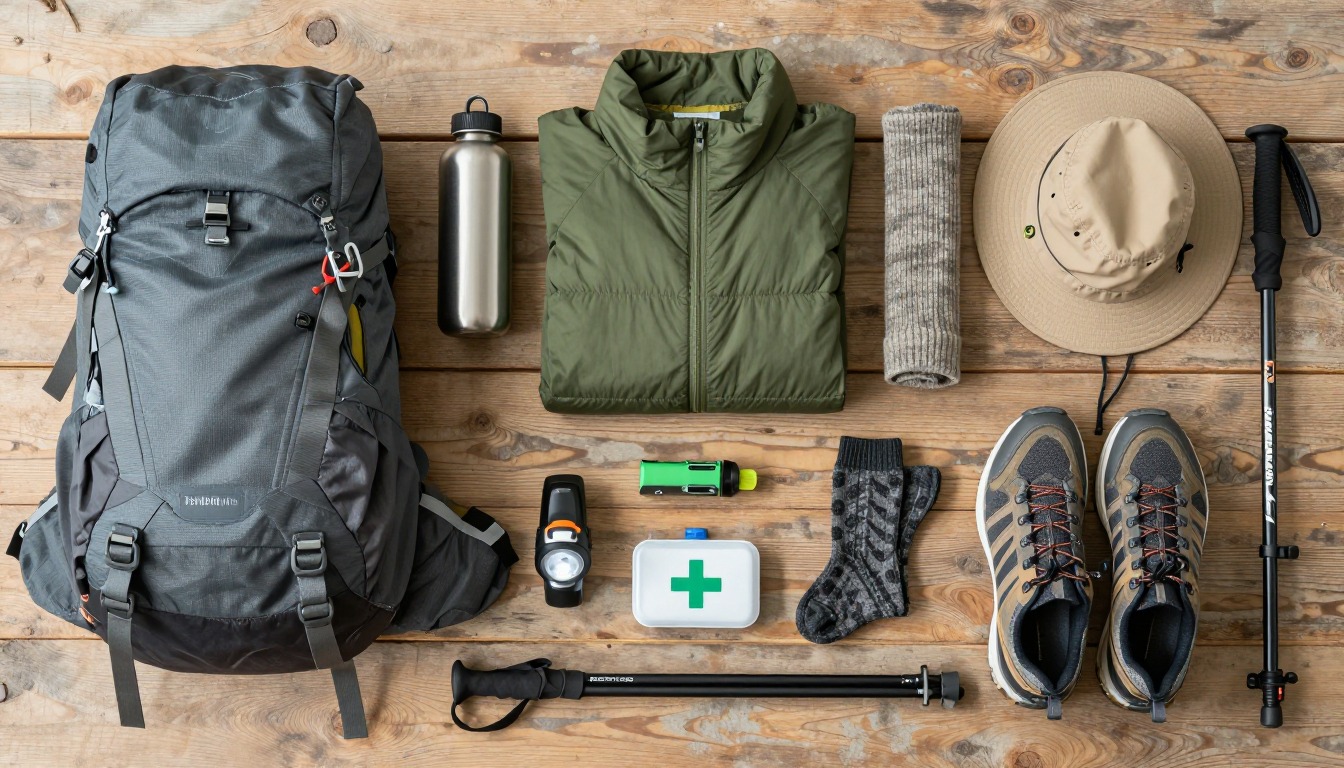
Gear you'll want for this trip
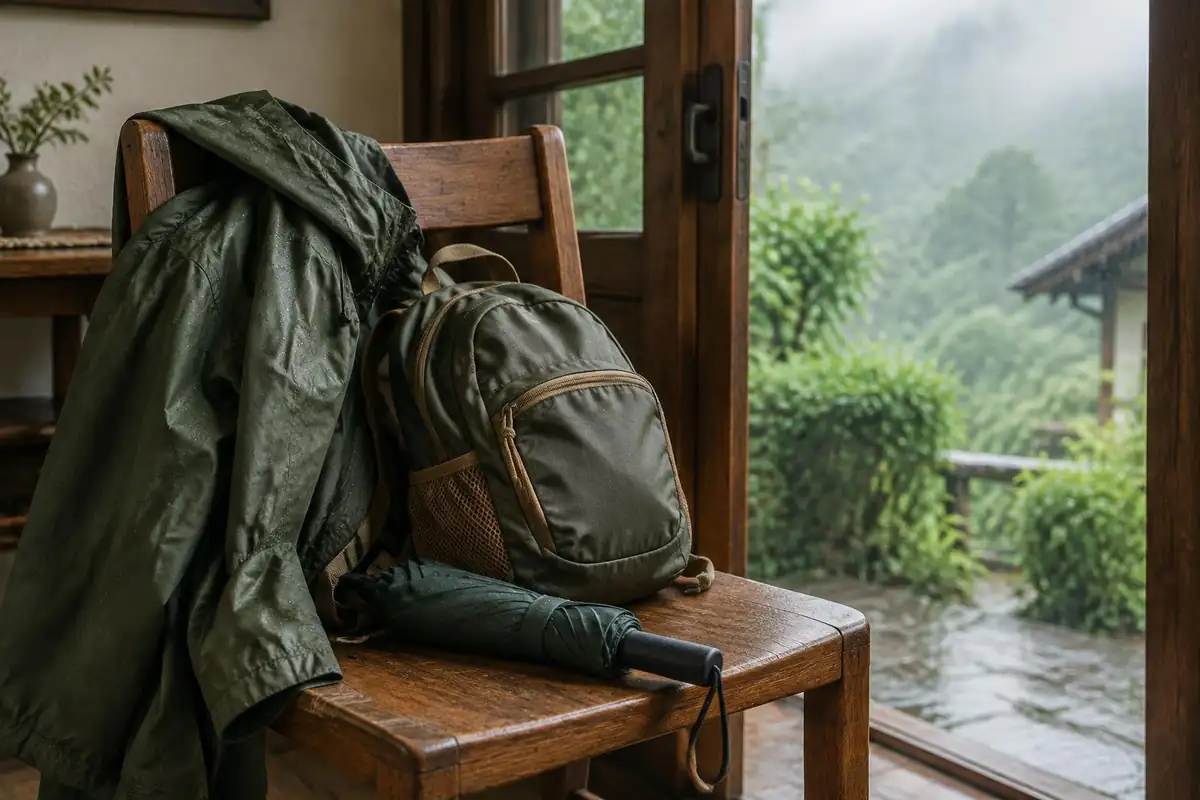
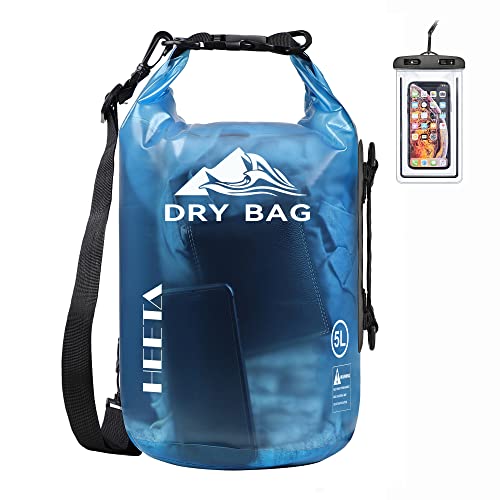
Matched to the terrain and conditions here. Real products — check current price on Amazon.


Why the base town matters more than the room
In a park this large, the biggest cost of a poor base is time. A hotel in Wulingyuan township puts you near entrances and shuttle stops, so a multi-day visit turns into walking time instead of commuting time. A room in Zhangjiajie City is convenient for trains and flights but leaves a transfer at the start and end of every day, which suits a single arrival night more than a long stay.
Because the park is explored on foot plus shuttles, cable cars and the glass elevator, your day is shaped by those timetables, not by daylight alone. Operating hours, closures and any ticket rules are set by the scenic area management and change by season, so confirm them with the scenic area's management before you fix your dates. Book lodging only after you have a rough multi-day plan.
Mist, stairs and staying warm and dry
Mist is the reason the scenery looks so dramatic, and it also keeps stone steps and railings damp. It works on your body the same way. The CDC says hypothermia can develop in cool temperatures above 40 degrees Fahrenheit if you get chilled from rain, sweat or cold water, and it lists hikers among the higher-risk groups because they stay outdoors for long periods.1 A light waterproof layer and a dry top to change into at the end of a long day are simple protection.
Long days of stairs also raise the risk of dehydration. The CDC's travel guidance calls dehydration the most important predisposing factor in heat illness apart from weather and effort, and it says drinking only enough to relieve thirst helps prevent low blood sodium, a problem that affects recreational hikers as well as athletes.2 Carry a bottle and refill it at your hotel rather than trying to drink huge amounts at once.
Getting help in a park this big
Big parks with many branching paths make it easy to lose your bearings in mist. The National Park Service notes that search and rescue can take hours or days depending on weather and resources, that a whistle helps rescuers find you and saves energy, and that if you are lost you should usually stay put unless there is an immediate danger.3 None of that is Zhangjiajie-specific, but it applies to any large, foggy landscape.
Keep your hotel's name written in Chinese on your phone or on paper, and tell someone your plan for each day. Around wildlife, the standard Leave No Trace rule is to watch animals from a distance and never feed them.4 Food attracts animals to walkways, and that is how visitors and animals both end up worse off.
Common questions
Do I need a special ticket to visit Zhangjiajie?
Wulingyuan is far too large to see in one visit, and its ticket structure, including any multi-day or repeat-entry options and cable-car or glass-elevator fares, is set by the scenic area's management and changes, so confirm the current rules before you go.
Should I stay inside the scenic area or in Zhangjiajie City?
Basing in Wulingyuan township, at the edge of the scenic area, cuts out the long daily transfer and lets you start walking early before the trails and cable cars get busy. Zhangjiajie City makes more sense for your arrival or departure night, since that's where the airport and train station are, but for the days you're actually hiking, staying closer to the park saves real time.
When is the best time to visit, and does that affect the crowds?
Spring and fall bring milder weather and thinner crowds than the peak summer season, plus the misty conditions that give the pillars their most dramatic look. The trade-off is that the scenic area still draws steady visitor numbers year-round, so booking rooms in Wulingyuan or Zhangjiajie City ahead of your trip, rather than arriving and hoping, is the more comfortable approach.
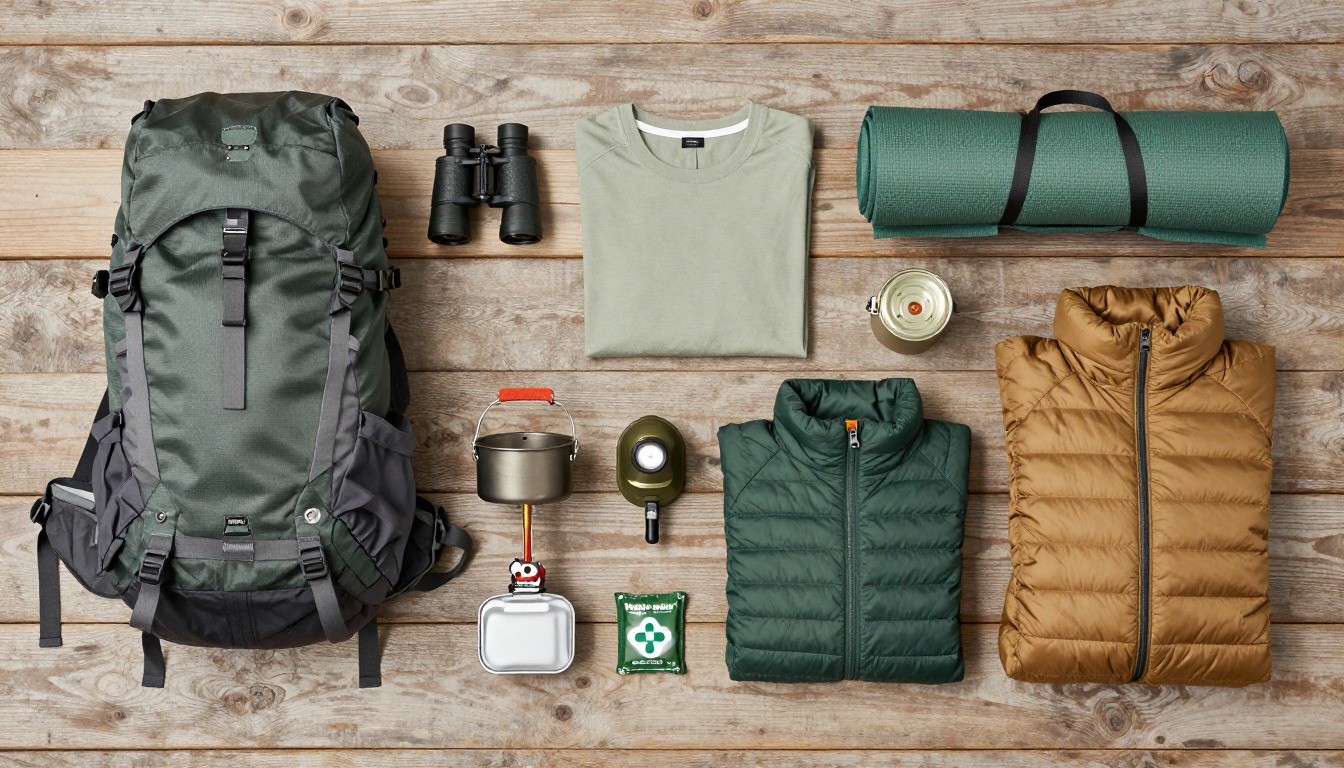
Complete gearsets for this trip
Full curated kits built for exactly this kind of hike — what to bring, why, and links to similar gear.
Lodging details are compiled from official parks, refuge associations and reservation systems and can change without notice. We publish no prices, availability or ratings — always confirm current information on the official site before booking or setting out. Product links and the accommodation map are affiliate links: we may earn a commission at no extra cost to you; product prices and availability are shown on Amazon, and accommodation prices on the booking site. See our affiliate disclosure.