
The beginner day hike starter kit
Your first day hike doesn't need a gear closet — it needs a handful of things that actually matter, carried by someone who's a little nervous and completely capable of doing this. This is a beginner-built kit: what to buy, what to borrow, and what you can happily skip until you know you love this.
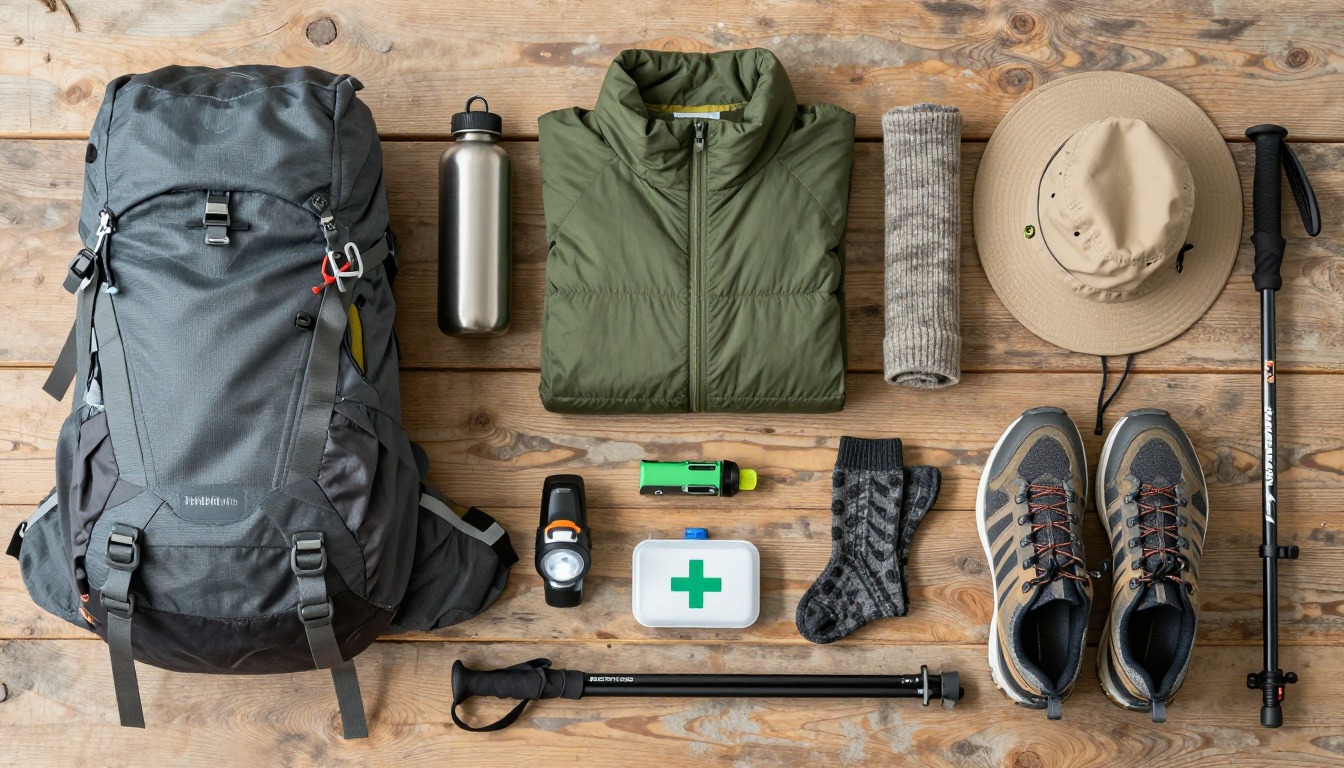
This kit is built for someone standing in an outdoor store for the first time, a little overwhelmed by aisles of gear they don't yet know if they need. A good first hike takes very little: enough water, a layer for weather turning, a light for an unplanned late finish, and a small first-aid kit. Everything here solves a real problem on a real trail, not because a display table made it look essential. Where something can be borrowed or skipped for a short, easy trail, we say so; where something is part of the Ten Essentials, we don't compromise.
This is for anyone about to do their first, second, or third day hike — someone tackling a short, marked, well-traveled trail close to home, not chasing summits yet. It's built to keep spending low and confidence high, with no pressure to buy a full outfit before you know if you like hiking. If you're already comfortable on trail and want to go further, move up to the standard day-hike setup, which adds redundancy this list leaves out.
- Start with what you already own — sneakers, a school or gym backpack, workout clothes — and shop only for the real gaps.
- Fill those gaps with the non-negotiables: water, a rain shell, a warm layer, and the safety trio of headlamp, first-aid kit, and a way to navigate.
- Borrow or buy secondhand for anything you're unsure you'll keep doing — a borrowed rain jacket works exactly as well as a new one.
- Do one short, easy trail first, notice what you actually reached for, and only then spend on the next upgrade.
About this setup
Most people who try hiking once and don't go back weren't stopped by the trail — they were stopped by the gear list. A quick search turns up dozens of 'essential' items and a shopping cart that starts to feel like the price of admission to a hobby you're not even sure you'll enjoy yet. None of that is true. The Ten Essentials that keep a hike safe — water, food, navigation, light, sun protection, first aid, extra clothing, and a couple of small emergency items — cost very little, and most of them you likely already own in some form.
The gap between what keeps you safe and what stores sell is exactly where this kit lives. A rain jacket doesn't need a brand name to keep you dry; it needs to be waterproof and actually in your bag. A first hiking trail doesn't need trekking poles, gaiters, or a filtration system — it needs water, a plan, and the sense to turn around if the weather gets past your comfort. Buying everything up front, before you know what you'll use, is a common way beginners overspend or get discouraged by a pack heavier than the hike calls for.
This setup asks you to spend where it genuinely matters — the handful of safety items that are cheap regardless — and to wait on everything else until your own hikes tell you what's worth it. That might mean you finish your third hike and realize you really do want a proper daypack, or that your feet want real hiking shoes once you're covering more ground. Either way, you'll be upgrading based on what you noticed on trail, not what a gear wall told you to buy before you'd taken a single step.
The pack
You don't need a technical daypack for your first few hikes — you need something that carries water, snacks, and a layer comfortably on your back.
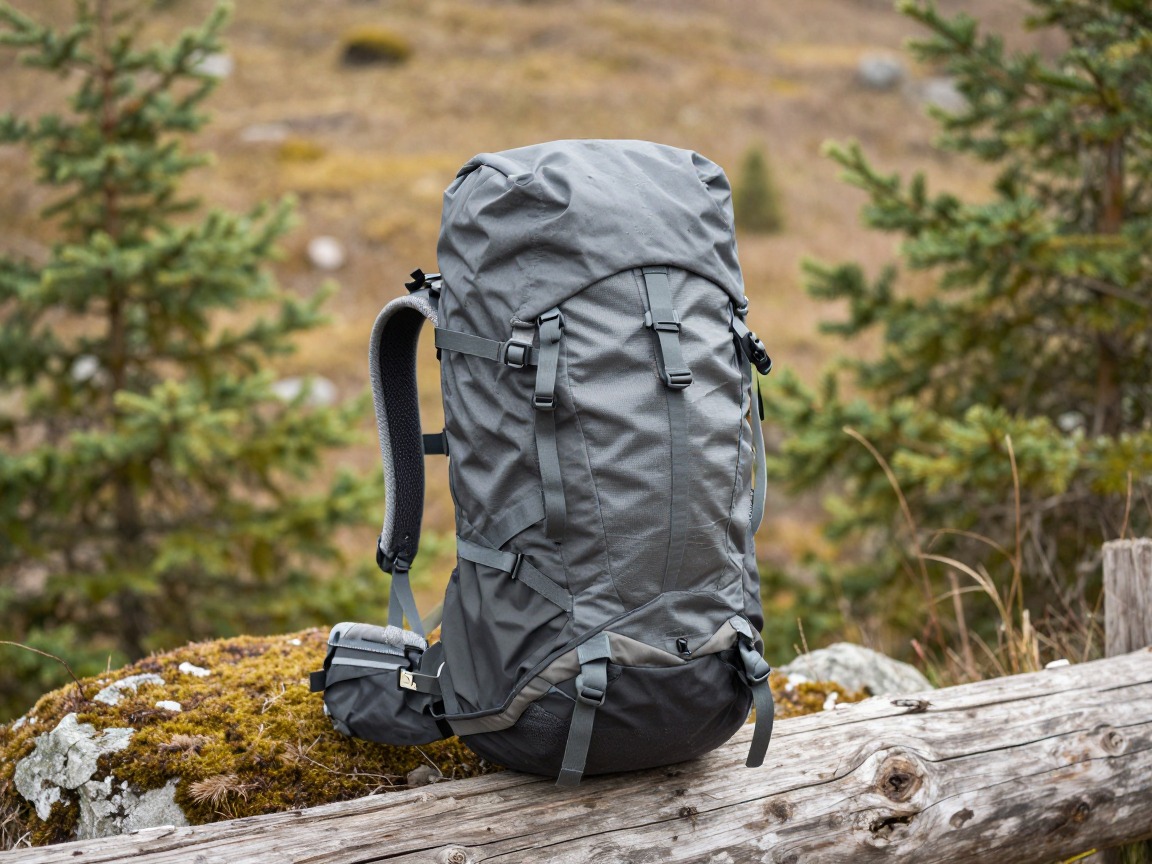
A small daypack (or what you've already got)
Carries your water, snacks, layers, and safety kit; for a first hike, almost any bag with two shoulder straps and a bit of padding will do the job.
What to look for: Padded straps and enough room for a liter of water plus one layer — 10 to 20 liters covers most short hikes. A dedicated hiking daypack is worth buying once you know you'll keep hiking, not before your first trail.
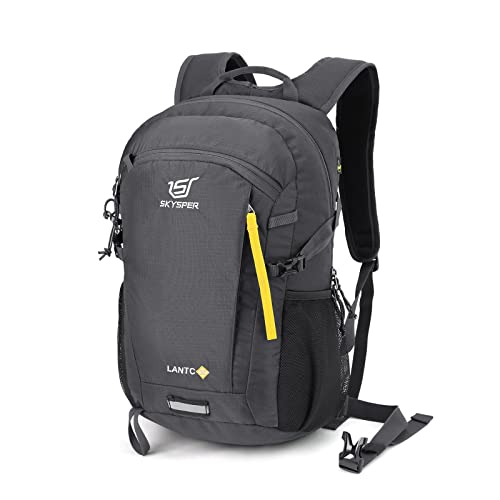 SKYSPER Small Hiking Backpack Check price
  Osprey Sportlite 20L Lightweight Hiking Backpack Check price
 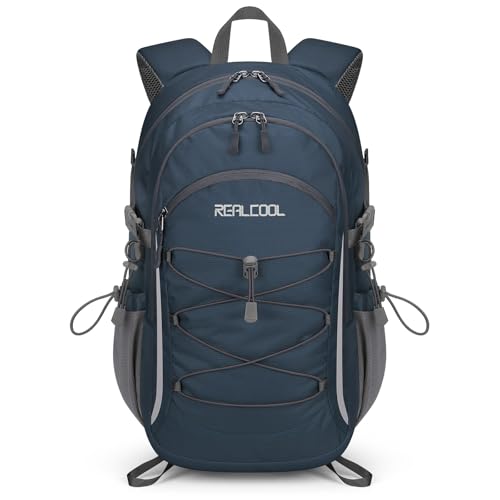 RealCool 20L Lightweight Hiking Backpack Check price
 Water & food
Water is the one thing you genuinely can't improvise — bring more than you think you'll drink, plus real food, not just a granola bar.
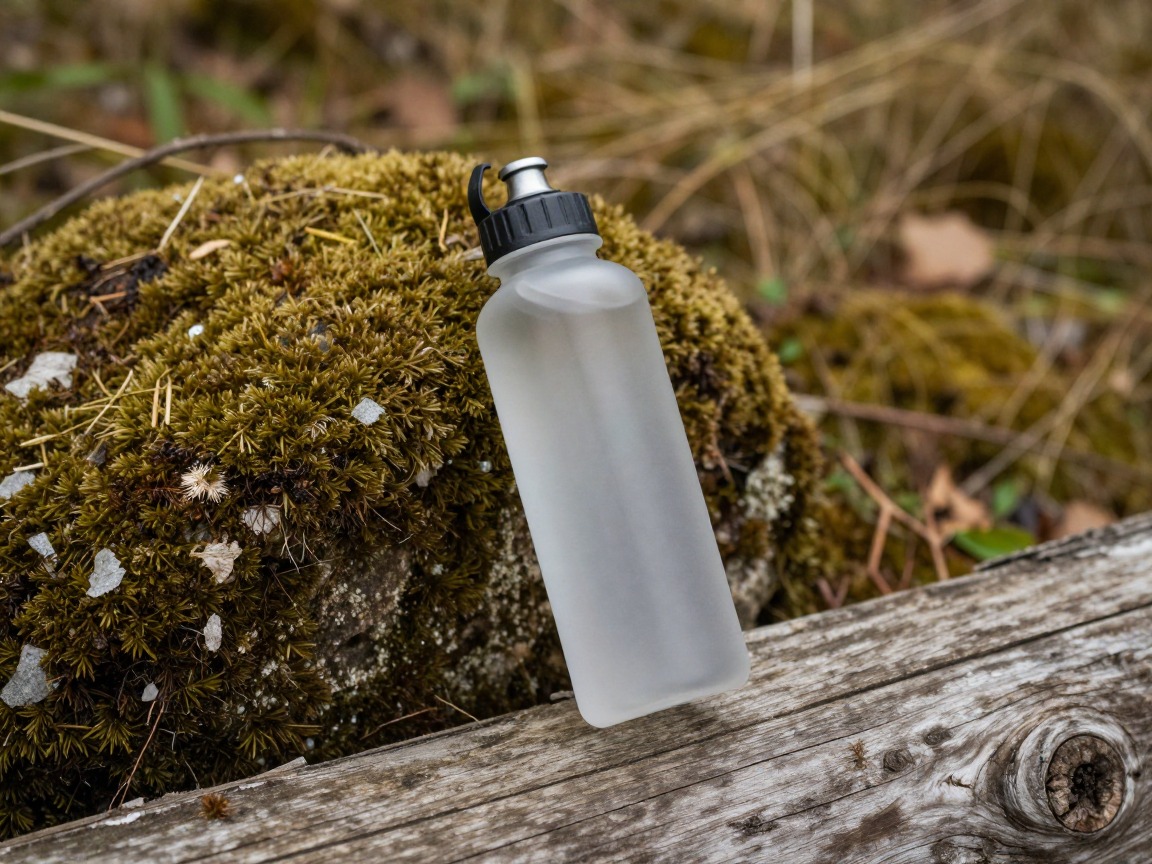
Water bottle (any bottle you have)
Carries the water that matters most on a first hike; you don't need anything special, just something you can refill and that won't leak in your bag.
What to look for: Wide-mouth and tough beats fancy — a reused sports bottle or an old one from home works fine for your first hikes. Upgrade to an insulated bottle later if you find yourself hiking in real heat or cold.
 Nalgene 32 oz Wide Mouth Water Bottle Check price
  Nalgene 32 oz Wide Mouth Water Bottle Check price
  Nalgene 32 oz Wide Mouth Water Bottle Check price
 - Snacks you actually like — a sandwich, trail mix, fruit — more than you think you'll eat
- A little extra water or a backup bottle, even on a mild day
- Skip the water filter for now — short, well-marked trails near a trailhead rarely need one; it's worth adding once you're hiking further from the car
Clothing & layers
Dress from your closet first — the only rule that really matters is skipping cotton and packing one warm layer plus a rain shell, even on a clear-forecast day.
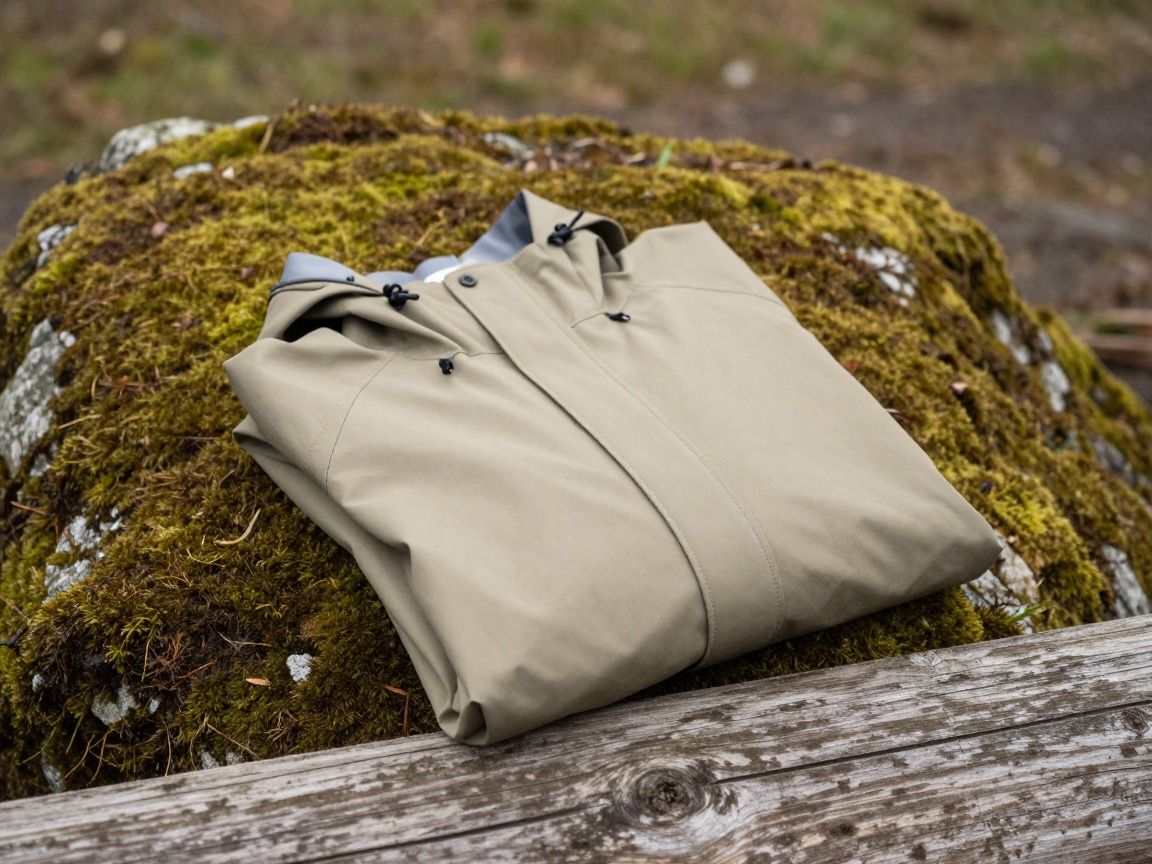
Rain jacket (borrow one if you can)
Blocks wind and rain if the weather turns; on a short hike this can be any waterproof jacket you own or borrow, not a dedicated hiking shell.
What to look for: Anything genuinely waterproof with a hood works for your first hikes. When you're ready to buy your own, look for something packable with pit zips.
 UIQUR Mens Rain Jacket Raincoat Waterproof Windbreaker Black L Check price
  COOFANDY Men's Waterproof Hiking Travel Shell Breathable Rain Jacket Check price
  Columbia Womens Arcadia II Waterproof Rain Jacket Check price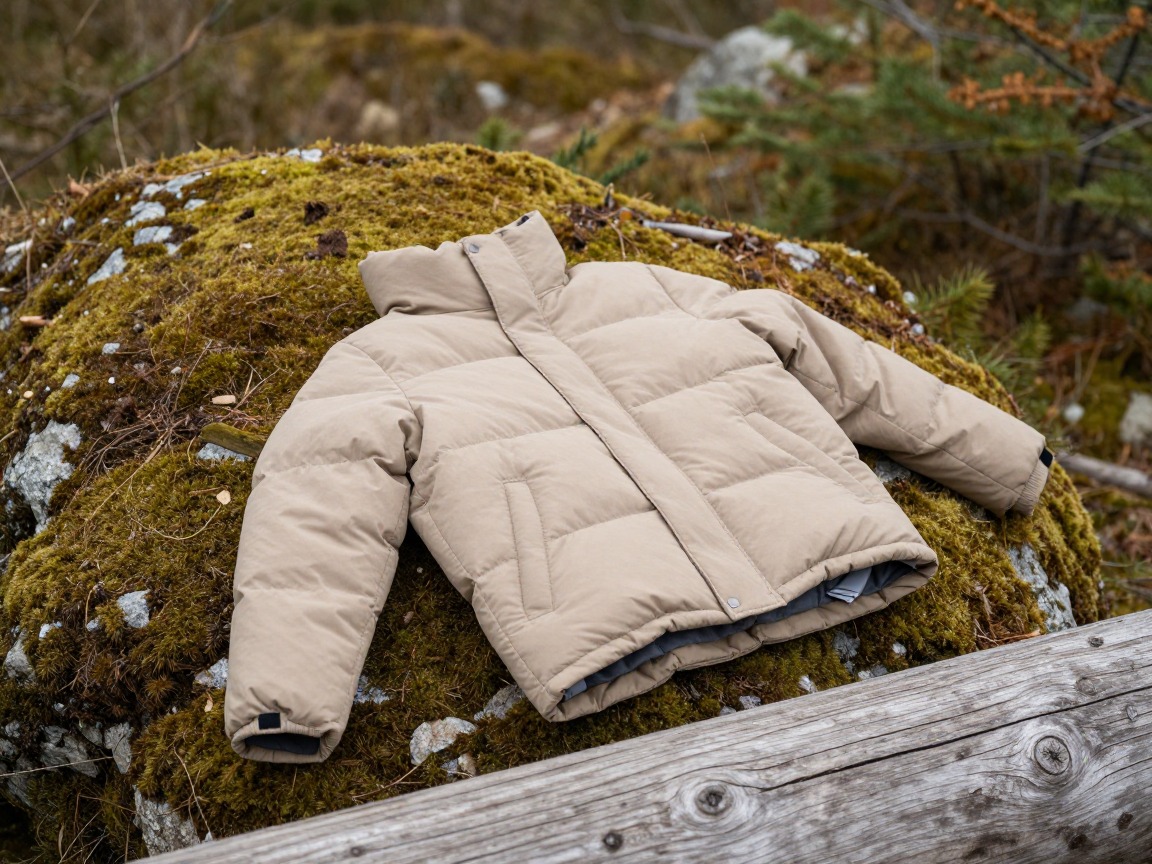
Warm layer
A fleece, hoodie, or light jacket for breaks and any weather that turns cooler than expected; pack one even when the forecast looks warm.
What to look for: Whatever warm layer you already own that isn't cotton — a fleece or synthetic hoodie from your closet is perfect starting out. A packable puffy is worth buying later.
 Outdoor Ventures Women's Packable Lightweight Puffer Jacket with Hoo Check price
  Amazon Essentials Women's Lightweight Long-Sleeve Water-Resistant Pa Check price
  Outdoor Ventures Women's Packable Lightweight Puffer Jacket with Hoo Check price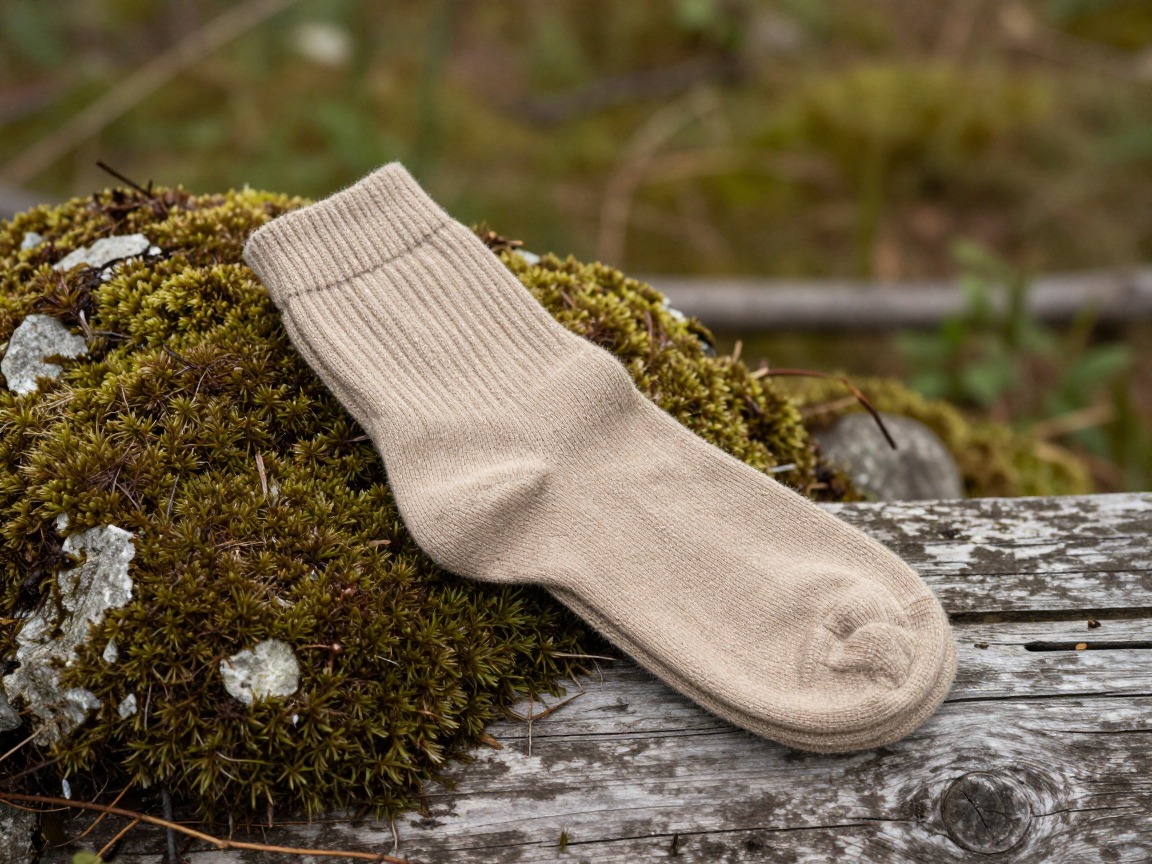
Non-cotton socks
The one clothing swap worth making even on a tight budget — wool or synthetic socks prevent the blisters that end more first hikes than anything else.
What to look for: A basic wool or synthetic sock is inexpensive and worth buying new even if everything else is borrowed. Avoid cotton crew socks — they hold sweat and rub.
 Alvada Merino Wool Hiking Socks Thermal Warm Crew Winter Boot Sock F Check price
  DANISH ENDURANCE Merino Wool Socks for Men & Women Check price
  innotree 3 Pack Men's Merino Wool Hiking Socks Check price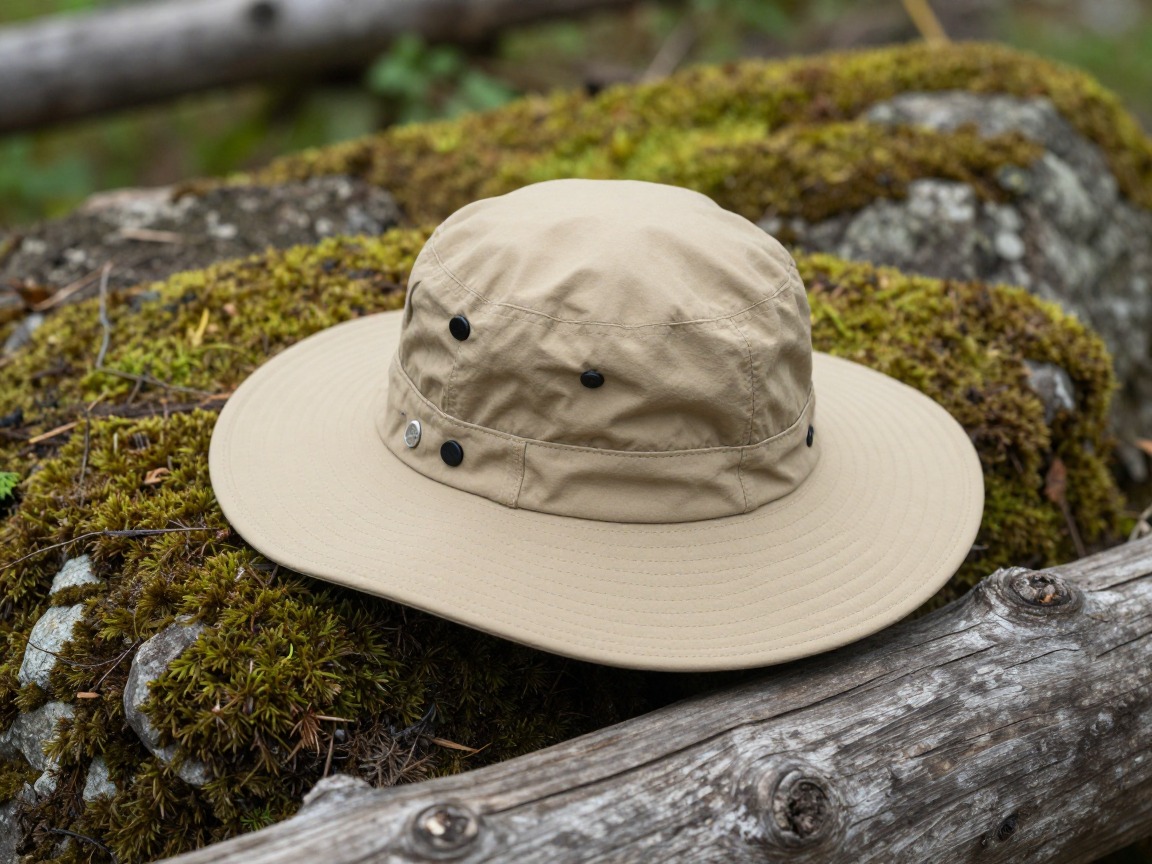
Sun protection
A cap or hat plus sunscreen; sun exposure adds up faster than you'd expect, even on a short, easy trail.
What to look for: Any hat with a brim you already own, paired with sunscreen and sunglasses — a dedicated hiking sun hat can wait.
 FURTALK Womens Sun Hat with Ponytail Hole Beach Hiking Summer Wide B Check price
 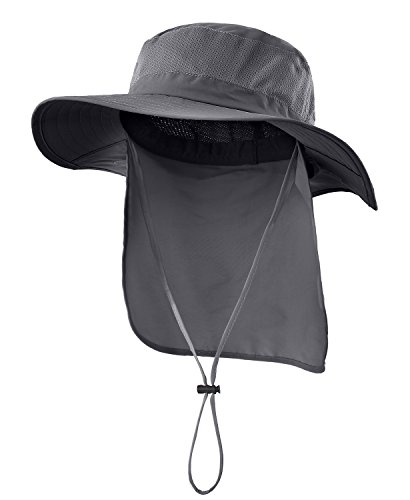 Home Prefer Outdoor UPF50+ Mesh Sun Hat Wide Brim Fishing Hat with N Check price
  FURTALK Sun Hats for Men Fishing Hat UPF Protection Wide Brim Bucket Check price
 - Comfortable, moisture-wicking or athletic top and bottoms — workout clothes you already own are fine
- A spare pair of socks in your bag, just in case
Footwear
Your shoes matter more than your pack — but for a first, short, easy trail, the sneakers already in your closet are almost always enough.
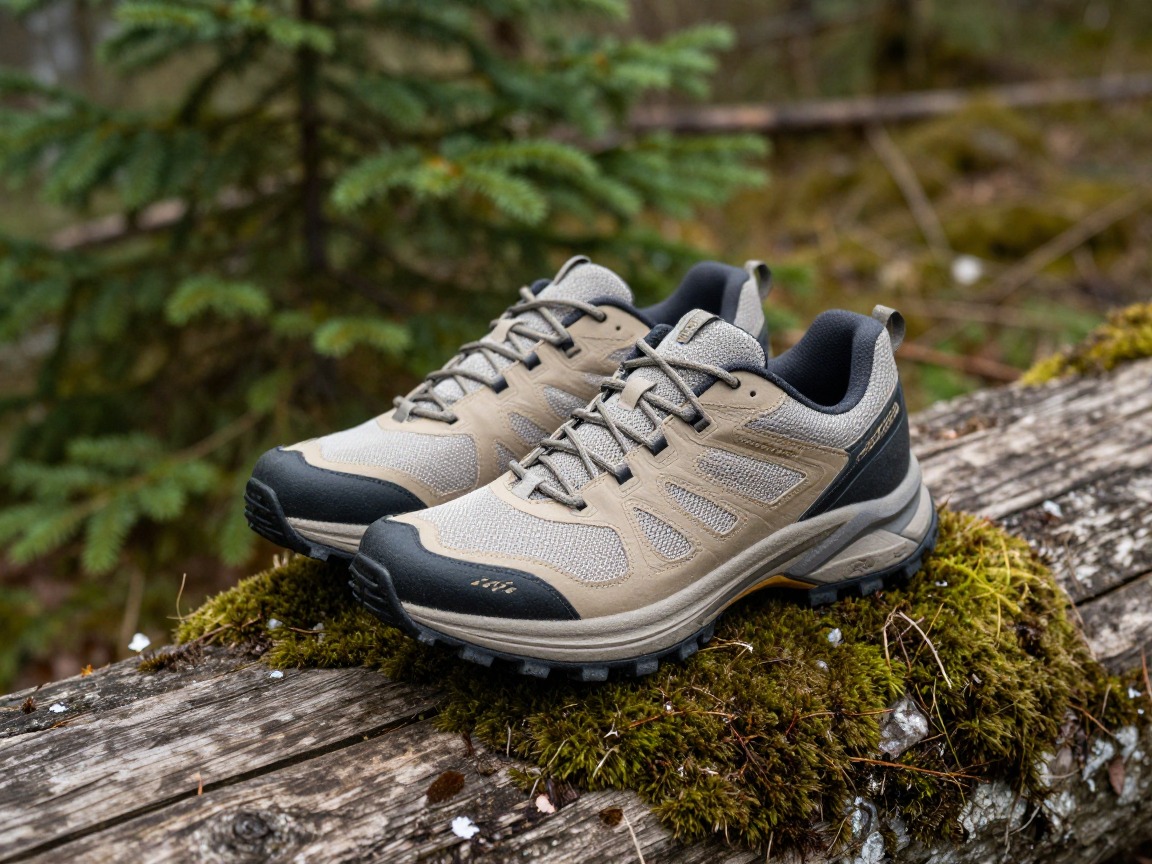
Trail shoes (or the sneakers you already own)
Supportive, comfortable shoes with decent grip; on a short, dry, well-marked trail, the athletic sneakers you already wear regularly are usually fine.
What to look for: Comfort and a shoe you've already broken in beat anything brand new. If you find you're hiking regularly, look for grippier soles and some water resistance before your next trail — but don't buy hiking boots for a first outing.
 Saucony Men's Excursion TR14 Trail Running Shoe Check price
  Adidas Mens Terrex Tracefinder 2 Trail Running Check price
  Brooks Men’s Cascadia 19 Mountain Trail Running Shoe - Black/Black/E Check price
 Safety essentials — don't skip these
This is the one section where budget and 'maybe I don't need it' don't apply. These are small, cheap, and exactly what turns a bad moment into a manageable one.
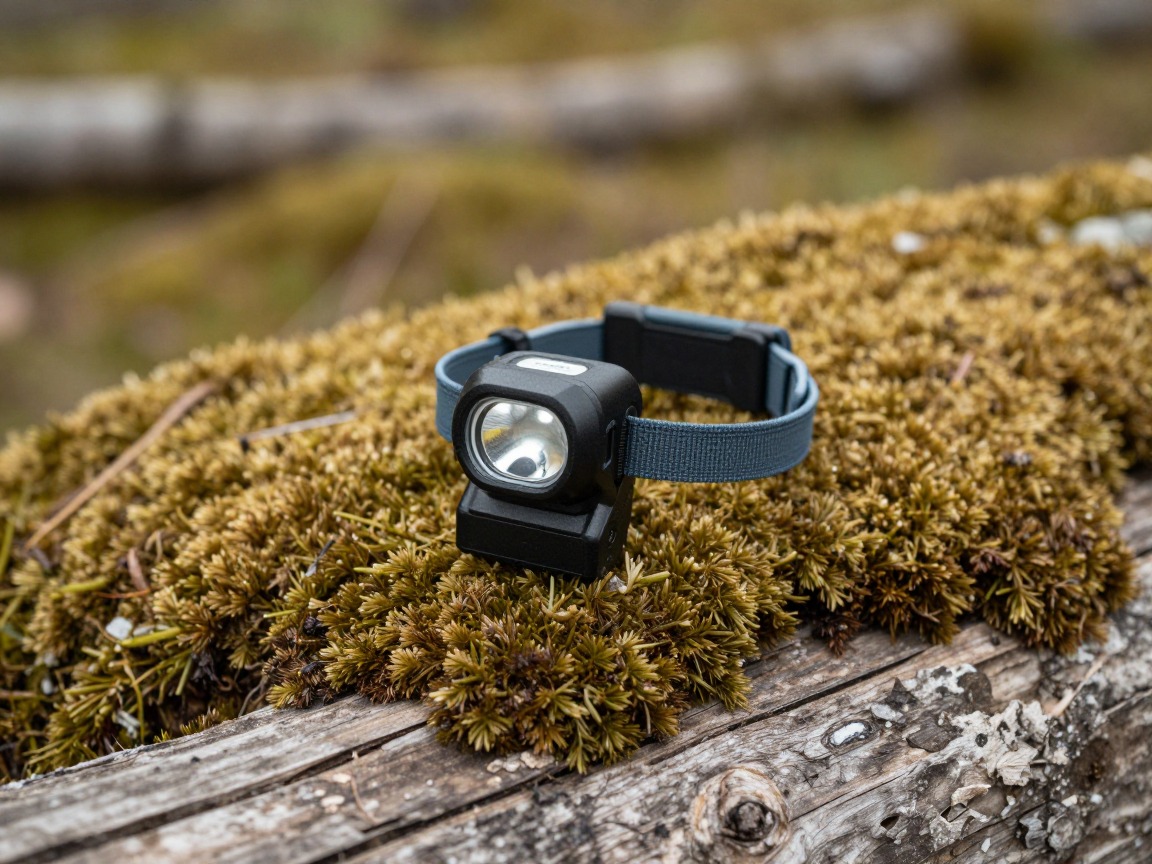
Headlamp
Hands-free light if you're out later than planned; inexpensive and worth carrying on every hike, including your very first.
What to look for: A basic headlamp with fresh batteries is all you need starting out — no need for high lumens or a rechargeable model yet. Keep it in your bag permanently.
 LHKNL Headlamp Flashlight Check price
 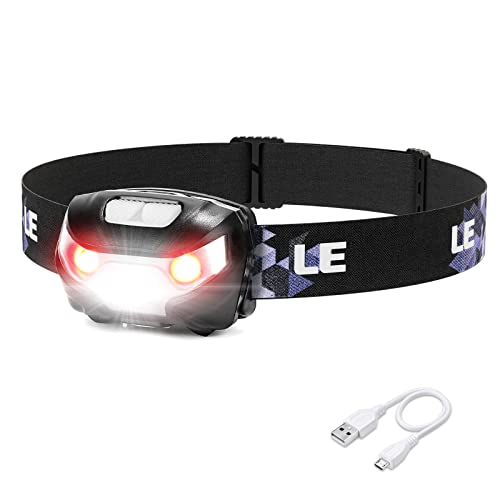 Lepro LED Headlamp Rechargeable IPX4 Waterproof Headlight 5 Modes - Check price
 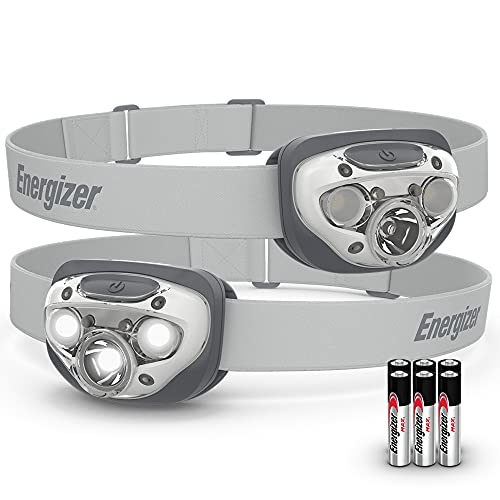 Energizer LED Headlamp PRO Check price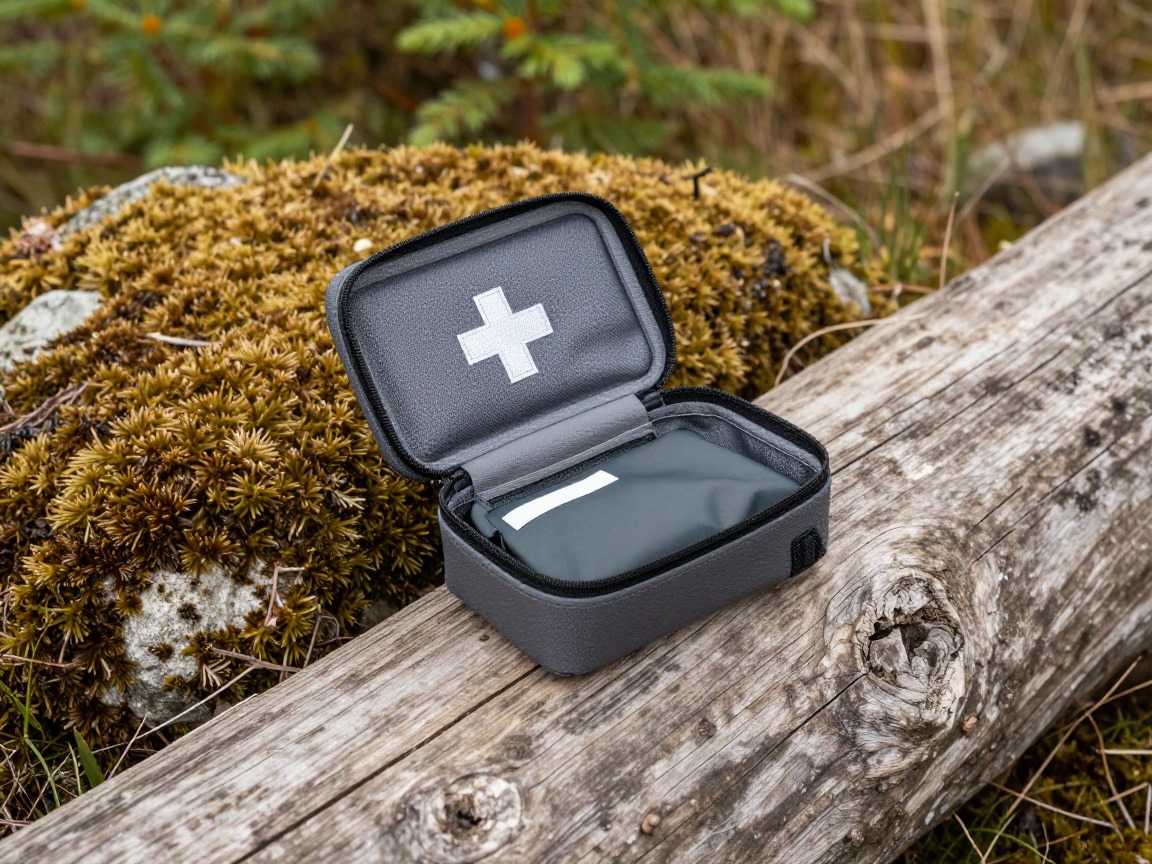
First-aid kit
A small kit for blisters and cuts; on a first hike it also builds the habit of always carrying one.
What to look for: A small, pre-made basic kit is inexpensive and covers what a beginner needs — bandages, blister pads, antiseptic wipes. You don't need a bulky wilderness kit yet.
 Mini First Aid Kit - 150 Piece Small Waterproof EVA Hard Shell Case Check price
  Adventure Medical Kits Ultralight/Watertight Medical Kit .5 Check price
 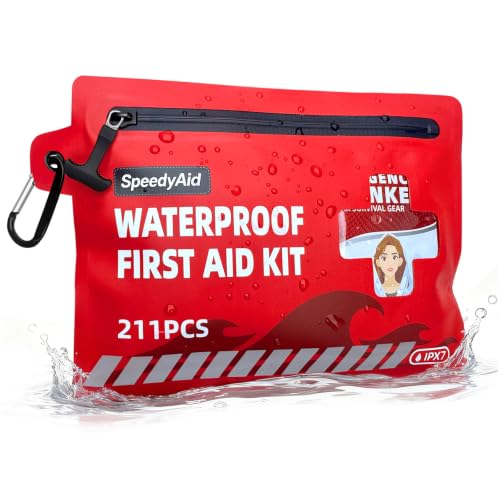 211 PCS Waterproof First Aid Kit Check price
Trekking poles (optional)
Not required for a short, flat first hike, but worth trying if the trail has any real descent — they take strain off your knees.
What to look for: Skip these for a flat, easy first trail. If your trail has hills, an inexpensive or borrowed pair is worth trying before you invest in better ones.
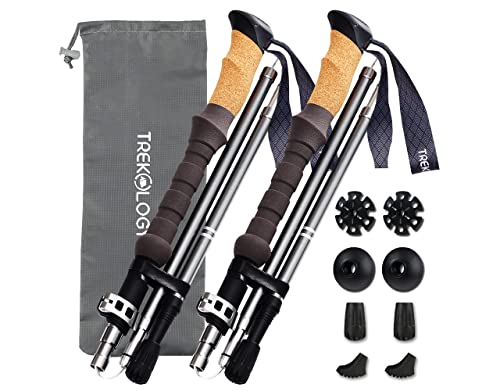 Trekology Trek-Z Cork Grip Collapsible Lightweight Hiking Trekking P Check price
 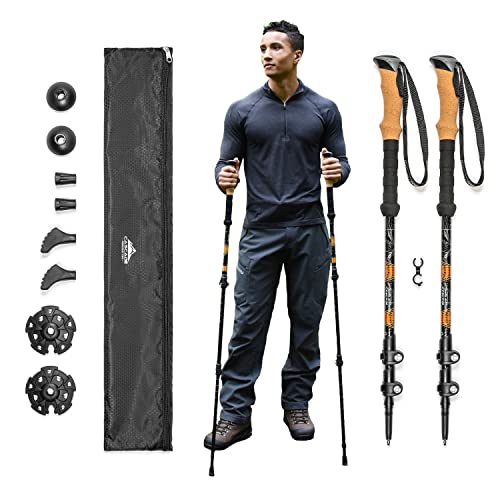 Cascade Mountain Tech Trekking Poles Check price
 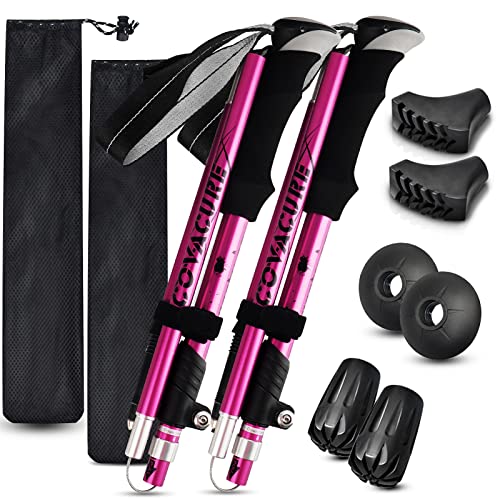 covacure Hiking Poles Check price
 - A map or a downloaded offline trail map on your phone
- A fully charged phone — and tell someone your route and expected return time
- A whistle, even a cheap one clipped to your bag
- Any personal medication you need
How to adapt this setup
Doing a one- or two-mile loop with cell service the whole way? Trim the warm layer and lean on 'wear what you have' — but keep water, the rain shell, and the safety trio. They cost nothing extra to carry.
Split up what doesn't need doubling — one first-aid kit and one map between two people is plenty, as long as you both know where they are.
Skip straight to the standard day-hike setup and invest in a proper daypack and real hiking shoes now, rather than outgrowing a beginner kit within a month.
Check the forecast for the trailhead itself, not just your town — mountains and canyons run cooler or hotter than home. Adjust the warm layer accordingly.
Budget-aware doesn't change for kids, but redundancy does — pack extra snacks and a spare warm layer, and set the turnaround time around the least experienced hiker.
Common mistakes to avoid
- Buying a full outfit of hiking-branded gear before your first trail, instead of starting with what you already own.
- Skipping the rain jacket and warm layer because the forecast looked clear — weather at the trailhead is never a sure thing.
- Wearing cotton socks or a cotton t-shirt, which stay wet and start blisters and chafing fast.
- Leaving the headlamp and first-aid kit at home because 'it's just a short hike' — they're cheap, light, and exactly for the day it isn't.
- Not telling anyone the trail and return time, even for an easy, well-marked loop.
- Picking a long or remote trail for a first hike instead of a short, easy one close to home.
Make it yours
Frequently asked questions
What do I actually need for my first day hike?
Less than the stores suggest: water, snacks, a rain jacket and warm layer (borrowed is fine), non-cotton socks, sun protection, and the safety trio — headlamp, first-aid kit, and a way to navigate. Everything else can wait until you know you'll keep hiking.
Do I need to buy hiking boots for my first hike?
No. For a short, dry, well-marked trail, the sneakers you already own and have broken in are usually fine. Consider real hiking or trail shoes once you're hiking regularly or tackling rougher, wetter, or steeper terrain.
What's the cheapest way to put together a beginner hiking kit?
Start with clothes and a bag you already own, borrow a rain jacket if you don't have one, and buy new only for the few things worth it even on a tight budget — non-cotton socks, a basic headlamp, and a small first-aid kit.
Is it safe to hike without expensive gear?
Yes, as long as the essentials are covered: water, weather protection, a light, a first-aid kit, and a way to navigate, on a trail matched to your experience. Price has very little to do with whether a hike is safe — planning and packing the right basics does.
How do I know when it's time to upgrade my gear?
When you notice a real problem a better item would solve — cold feet, a pack that digs in, blisters from your everyday shoes — rather than before you've hiked at all. Let your first few trails tell you what's actually worth spending on next.
Illustrative images show the type of gear, not specific products. Recommendations link to similar items on Amazon; we only ever link real listings and never show fabricated prices or ratings. General planning guidance, not a substitute for your own judgment or professional backcountry-safety instruction.