
Affiliate disclosure: this page contains affiliate links. Purchases made through them may earn us a commission at no extra cost to you. See our affiliate disclosure.
In plain English
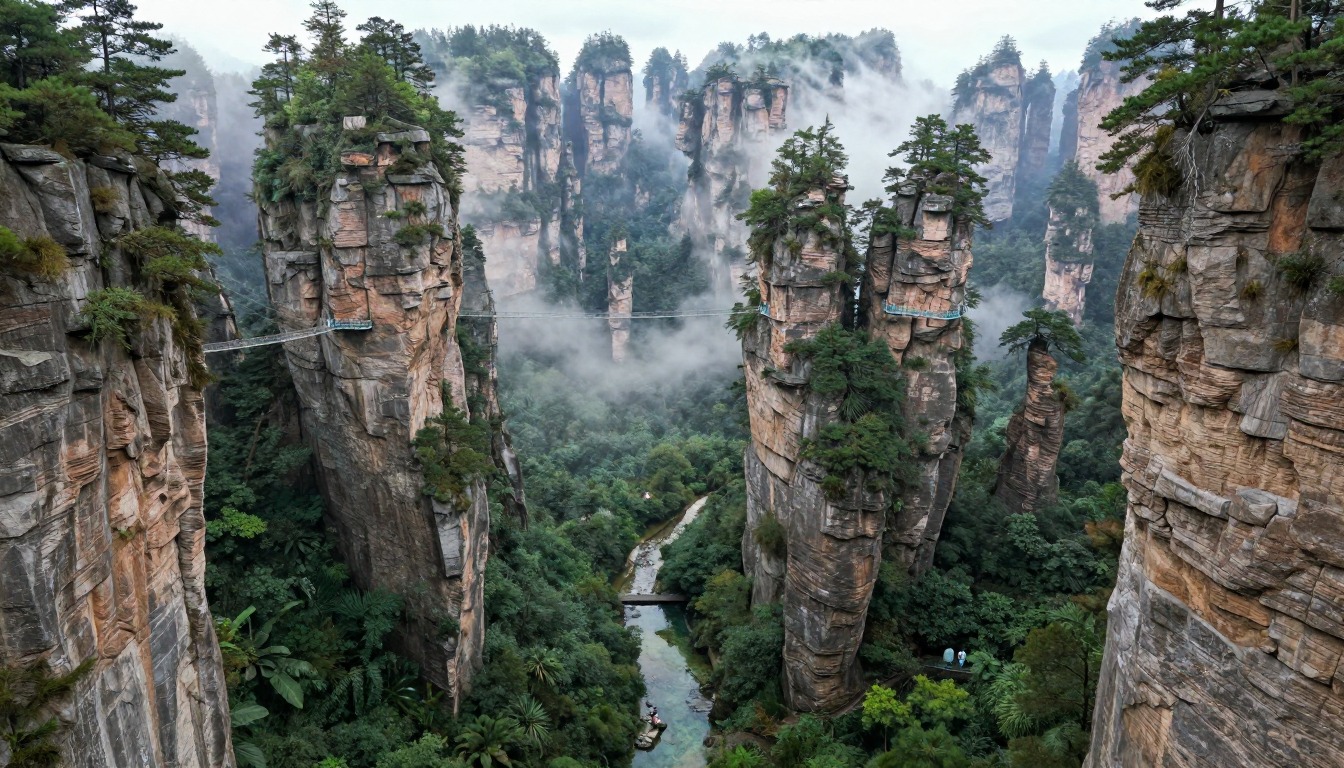
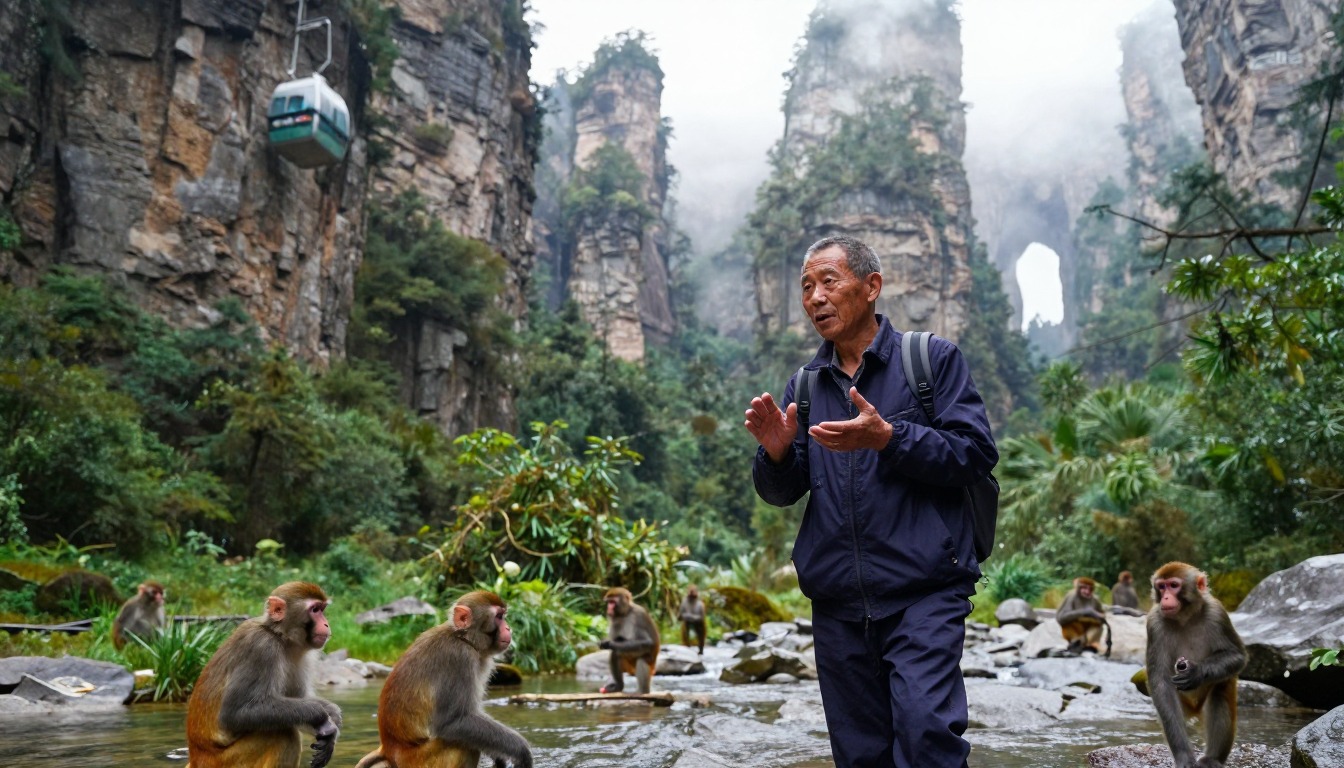
Zhangjiajie is famous for tall sandstone pillars that look like something from a film. You do not follow one trail to see them. Instead the park is a big network of paths, stairways, shuttle buses and lifts. Some walking is flat and shady along streams at the bottom. Other walking is on high platforms along the cliff edges.
A good way to picture it is a theme park built on a mountain. You choose a zone, ride or walk to it, look around, then move on. Because so much time goes into queues and rides, the day is less tiring for your legs than for your patience. The hard part is only when you choose to walk up or down the long stone stairs between levels.
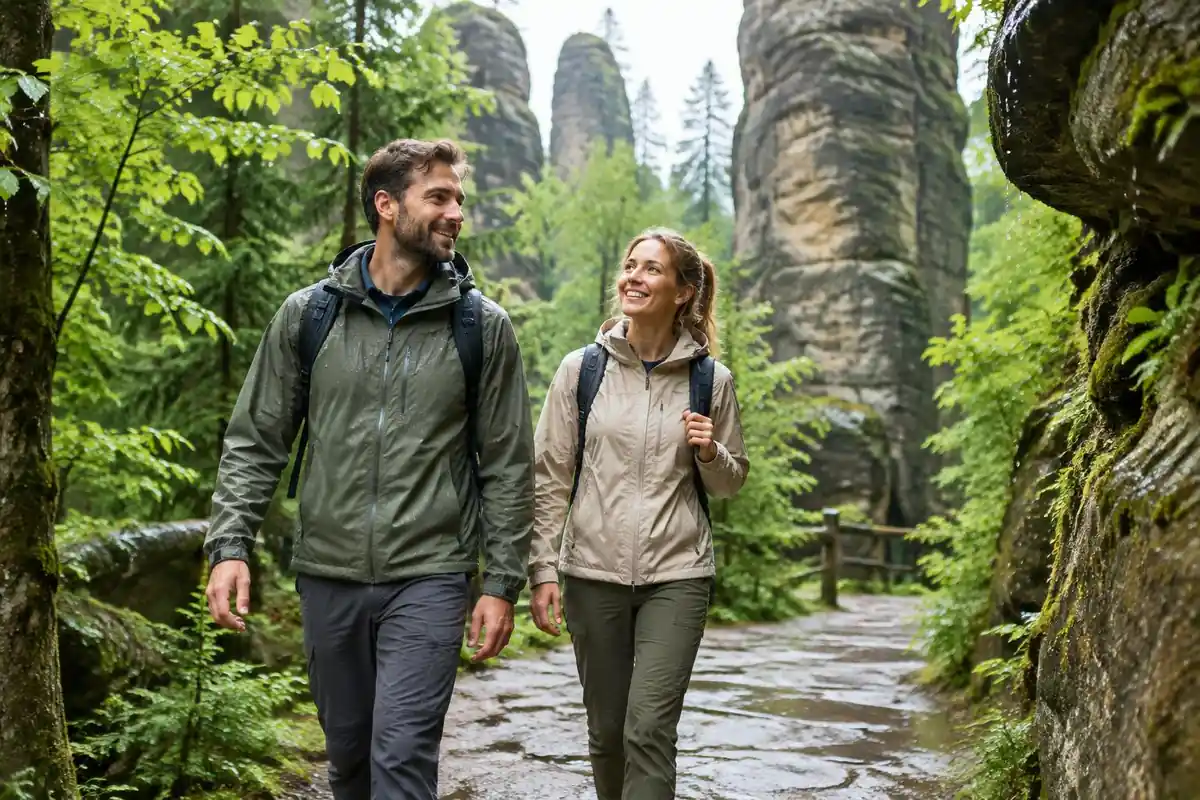
Your pack should be small and comfortable to wear for long days, mostly standing in lines and walking short distances. Carry water, a light rain jacket, a hat, a snack and a charged phone. You do not need heavy boots. Shoes with good grip are more useful, since wet stone gets slippery.
What the hike is like
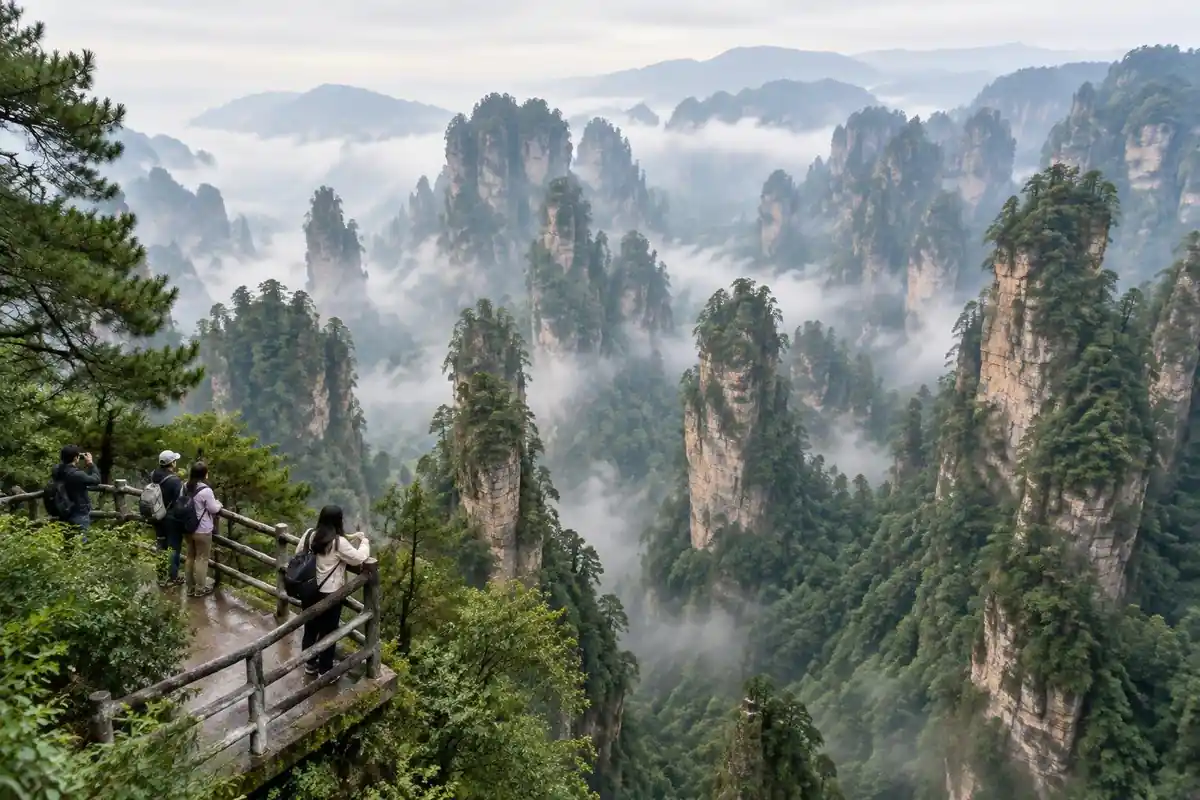
There is no single Zhangjiajie route to follow, and that is the thing to understand before you arrive. Wulingyuan is a network: paved streamside paths threading the valley floors between the pillars, long stone stairways linking the bottom to the top, and clifftop walkways and viewing platforms strung along the mesa rims above. Shuttle buses, cable cars and the Bailong glass elevator connect the zones, which means much of a day gets spent queuing and riding rather than walking. The walking itself splits into two very different modes. Down low it is flat, easy, shaded and often busy, following water between vertical sandstone walls. Up top it is level rim-walking on railed platforms and boardwalks. Getting between the two on foot is the only genuinely strenuous part of the park.
How to plan the itinerary
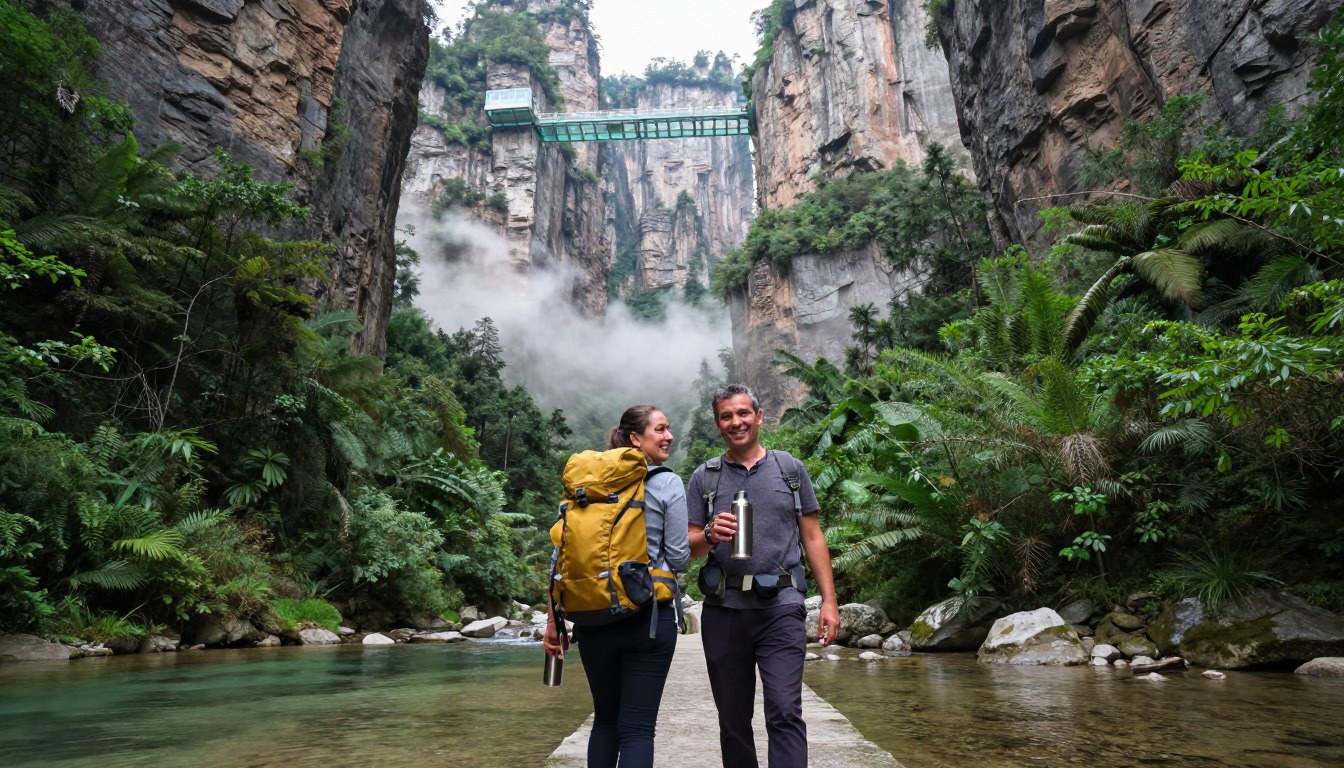
Most visitors give this two or three days, which is what the multi-day ticket is built around, and plan by zone rather than by trail. A common pattern is one day spent low — walking a valley floor path end to end, then riding up — and another day spent entirely on the clifftop platform areas, moving between viewpoints by shuttle. People with more time add a third day for the quieter corners that the tour groups skip. Work backwards from the shuttle and cable-car operating hours when you sketch each day, because the transport, not your legs, decides what fits. Anyone who wants the walking rather than the riding can climb the stairways between levels in at least one direction, which turns a sightseeing day into a real hiking day.
Plan this trip in 5 steps
-
Pick the right pack
Match a pack to your trip, fit and priorities.
-
Book a place to stay
Campgrounds, huts and lodges near Zhangjiajie — the Avatar Pillars.
-
Plan food & water
Calories, food weight and water for your days on trail.
Trail-specific tips
The mistake almost everyone makes is planning Zhangjiajie like a trail when it functions like a transit system. Look at the shuttle routes and the elevator and cable-car lines first, then decide where to walk. Queues at the glass elevator and the busiest cable car can eat a serious chunk of a morning, so hit those early or leave them until late. Mist is the reason the pillars photograph the way they do, and it is heaviest not long after dawn. Stairways between levels stay damp and mossy in the gorges, so wear shoes with real grip. General footwear and layering advice is on /trail-smarts/.
Permits & rules
A scenic-area ticket is required (entry reservation rules can apply, so check current arrangements), and the vast park is explored on foot plus shuttle buses, cable cars and the Bailong glass elevator. The sandstone pillars are often wrapped in mist — atmospheric, but plan more than one day to actually see them.
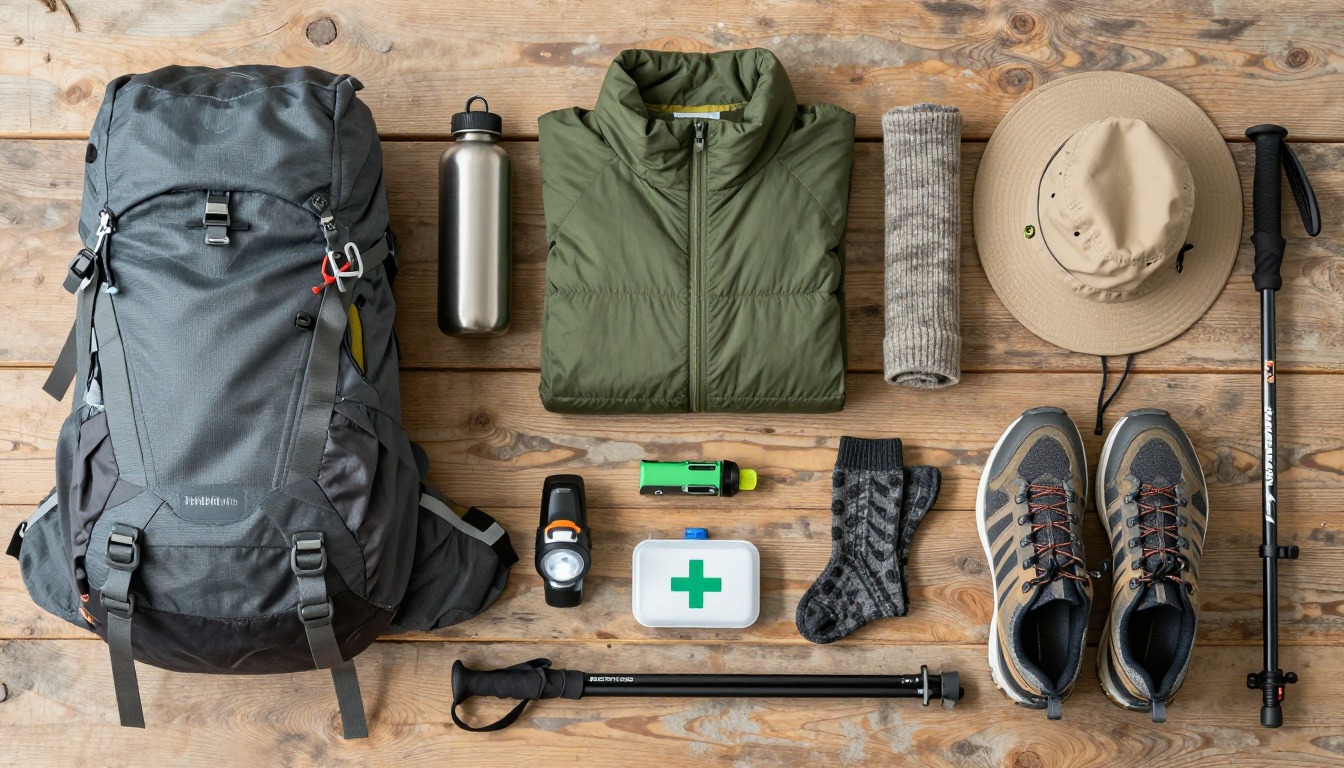
Gear suited to this hike
Matched to the terrain and conditions here. Real products — check current price on Amazon.


Timetables and tickets
The page you are reading describes the general shape of the park. Treat any specific opening hours, cable-car timetables or ticket details as something to confirm with the park operator before you go, and check for closures on the day. Because the park is split into zones linked by transport, a missed connection or a closed cable car can reshape the whole day, so build in slack and keep a fallback route in mind.
Rain, wet stone and what a daypack should carry
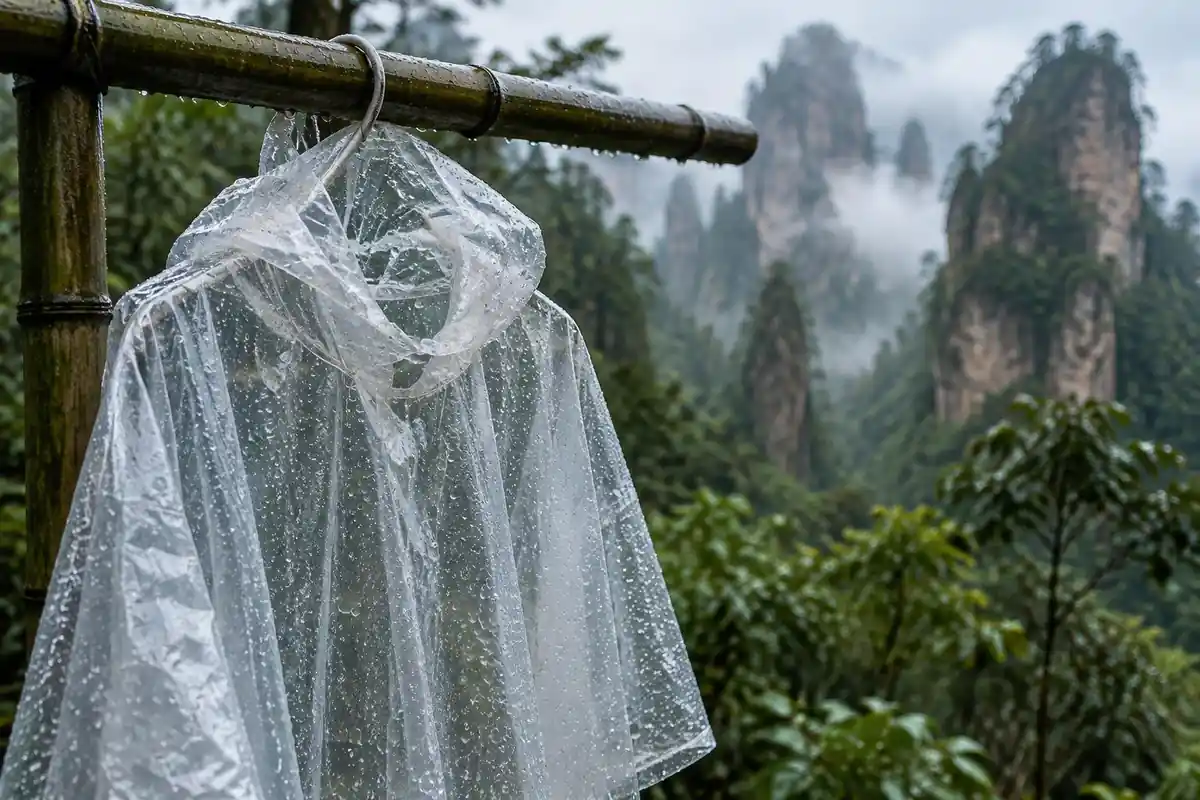
Wet weather changes the surface more than the scenery. Most pack fabric has a waterproof coating, but water can still seep in through seams and zippers.3 A waterproof stuff sack for electronics and a spare top is a cheap fix, and REI notes such sacks can work better than a rain cover in wind.3 Deuter suggests a rain cover for hiking packs and dry bags inside for alpine use.4
The National Park Service Ten Essentials list is a useful baseline even for a sightseeing day: it exists to help with minor injuries, sudden weather changes or unexpected emergencies, and it names a headlamp as the recommended light because it is hands-free.1 For a park with long transport chains and late light, a small headlamp costs little weight.
Stairs, crowds and pacing
Where the page says the strenuous part is the stairways between levels, knee load on the descent is the reason. Laboratory work on steep descents found poles cut knee compressive and shear forces by 12 to 25%,5 though the test was on a steep ramp rather than stone steps and on level ground poles did not reduce knee compression.6 Poles are therefore optional here, useful mainly for anyone who plans to walk the stairways down.
Trail etiquette from the National Park Service says uphill hikers have the right of way,7 which is a useful habit on narrow stair flights where crowds bunch. Sun protection matters on rim platforms: UV rises about 6% per kilometer of elevation, and overcast skies still transmit about 31% of UV.2
Common questions
How much actual hiking is there, versus riding?
As much or as little as you want. You can see most of the headline viewpoints using shuttles, cable cars and the elevator with only short level walks between them, or you can link the valley floors and the clifftops on foot via the stone stairways. The park is designed for the first approach, so the second takes deliberate planning.
Can Zhangjiajie be done in a single day?
You can see a slice of it, but the scale works against you. The park sprawls across separate zones connected by bus rides, so a single day realistically covers one area plus transit. That is also why the ticketing is built around multiple days rather than one-off entry — the geography simply does not compress well.
Are the clifftop walkways frightening if you dislike heights?
The main platforms and rim paths are wide and railed, and most visitors who are uneasy with heights manage them without trouble. What tends to bother people more is the glass elevator, which climbs the outside of a cliff face. Stairways and cable cars offer alternatives if that is not for you.
When are the trails least crowded?
Early morning, before the tour groups reach the busier zones, and the shoulder seasons of spring and fall rather than peak summer. Walking a valley floor path at opening time, then heading up as the crowds come down, is a reliable way to get some quiet in a park that rarely feels empty.
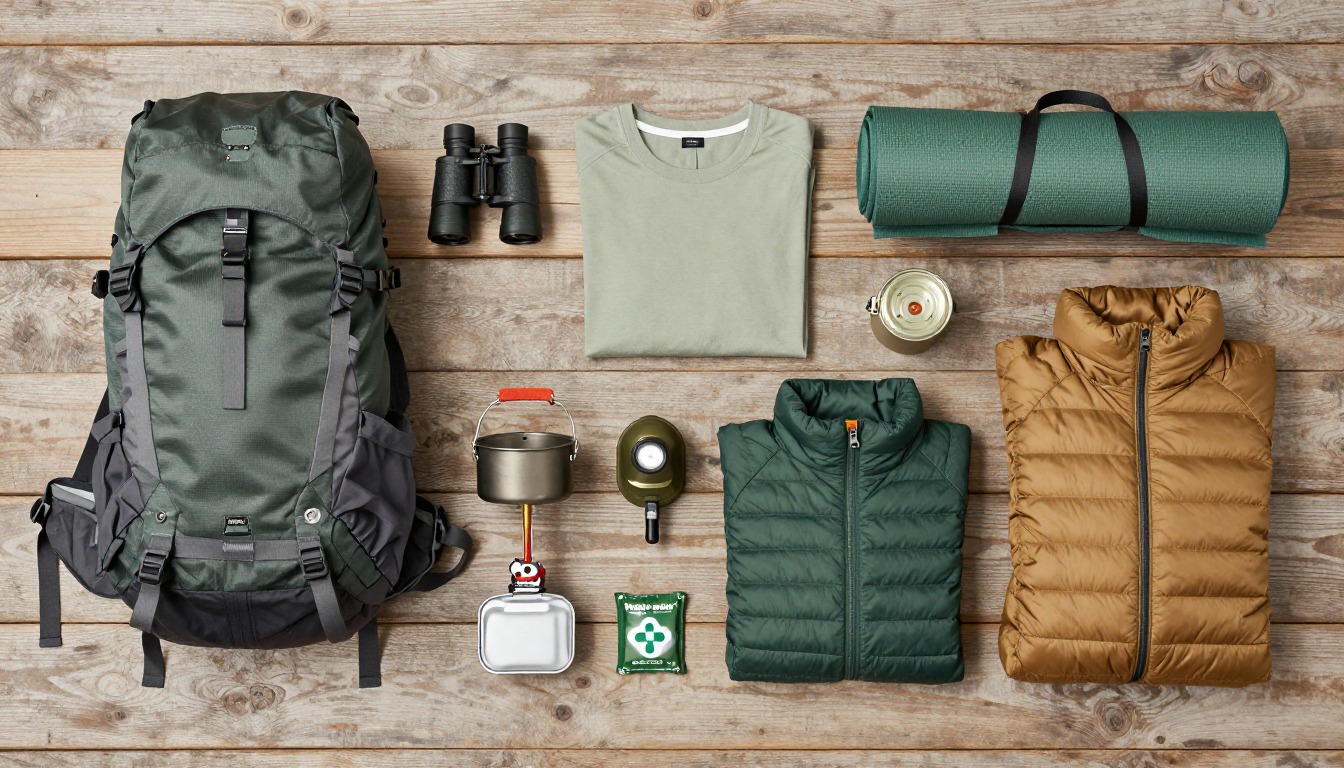
Complete gearsets for this trip
Full curated kits built for exactly this kind of hike.
Trail conditions, permits and access rules change without notice — always confirm current information on the official source above before you go. Some facts on this page are still pending owner verification and are marked accordingly. Product links and the accommodation map are affiliate links: we may earn a commission at no extra cost to you; product prices and availability are shown on Amazon, and accommodation prices on the booking site. See our affiliate disclosure.