
Best Time to Hike Wadi Rum & the Jordan Trail to Petra
The best time to hike Wadi Rum and the Jordan Trail to Petra is spring and fall, as the official season guidance says. These shoulder seasons sit between the very hot summer months and the cold winter nights, with little rain and long enough daylight for steady desert walking.
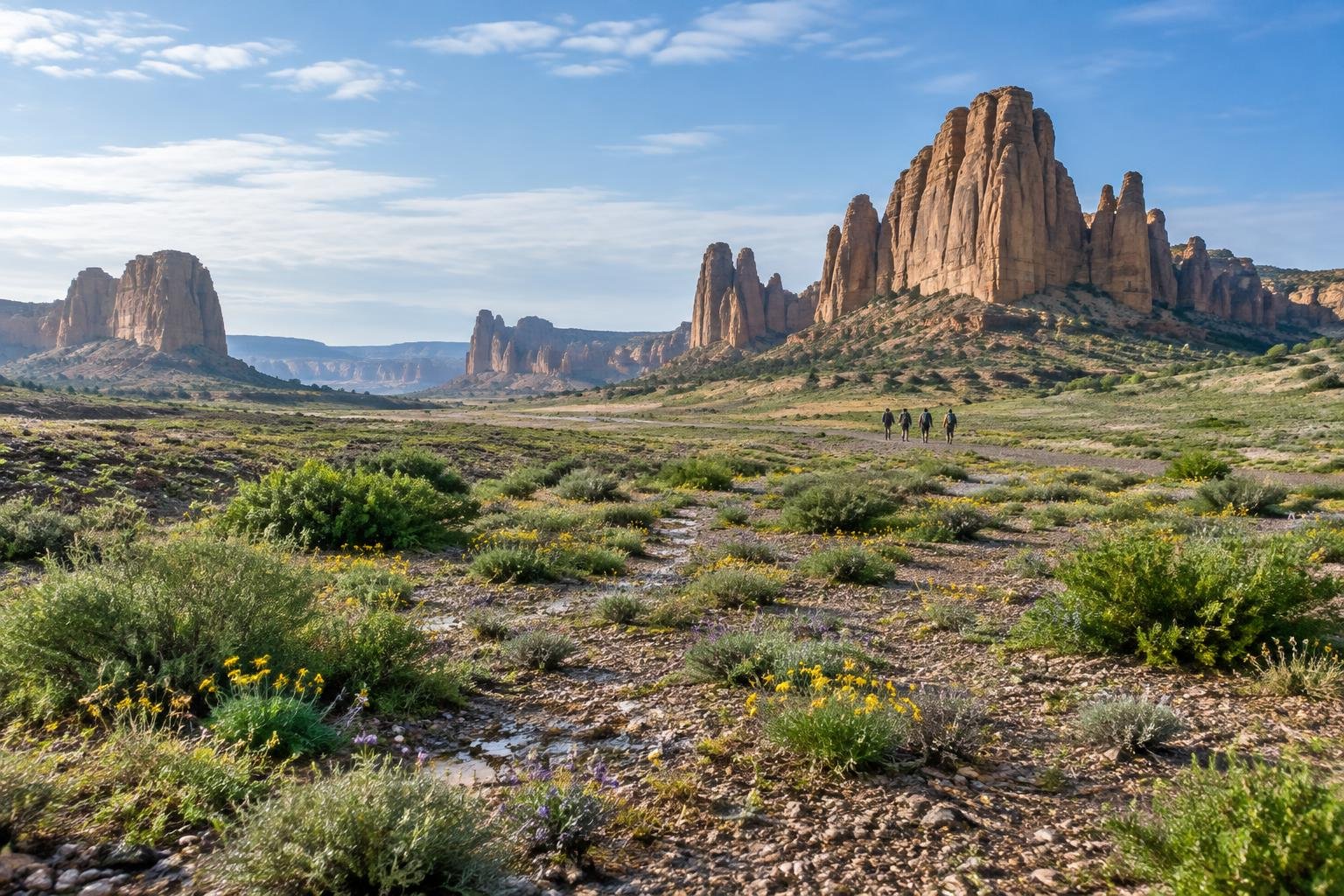
Month-by-month climate for Wadi Rum & the Jordan Trail to Petra
| Month | Relative warmth | Rain | Daylight |
|---|---|---|---|
| Jan | Coldest | 9 mm | 10.3 h |
| Feb | Coldest | 8 mm | 11 h |
| Mar | Cool | 5 mm | 11.8 h |
| Apr | Mild | 3 mm | 12.7 h |
| May | Warm | 1 mm | 13.5 h |
| Jun | Warmest | 0 mm | 13.9 h |
| Jul | Warmest | 0 mm | 13.7 h |
| Aug | Warmest | 0 mm | 13.1 h |
| Sep | Warmest | 2 mm | 12.2 h |
| Oct | Warm | 4 mm | 11.3 h |
| Nov | Cool | 7 mm | 10.5 h |
| Dec | Coldest | 6 mm | 10.1 h |
Modelled regional averages for 2010–2023 (rainfall) and calculated daylight hours; they describe the wider area, not a reading taken on the trail. “Relative warmth” compares each month with the warmest and coldest months of this place’s own year. It is not a temperature, and the high parts of a route are colder than the region around them.
Rainfall is low all year, peaking in January at about 9 mm and falling to 0 mm from June through August, so rain is rarely the deciding factor here. Daylight swings from roughly 10.1 hours in December to 13.9 hours in June. Relative to this place's own year, June through September are the warmest months and December through February the coldest, with March and November cool, April mild, and May and October warm.
Wadi Rum & the Jordan Trail to Petra season by season
Spring · March to May
Spring is one of the two seasons the official guidance recommends. March starts cool and April is mild, which suits long days among the sandstone massifs. By May it has turned warm, and rainfall drops to about 1 mm, so water planning matters more. Daylight grows from about 11.8 to 13.5 hours across the season, giving generous walking time. Since this is a remote desert, still plan around heat, sun and water, and confirm entry and guide arrangements locally.
Summer · June to August
These are the warmest months of the year here, and the official guidance describes summer as very hot. Rainfall is essentially zero, with about 0 mm in each of these months, so there is no cooling relief from weather. Daylight is at its longest, around 13 to 14 hours, but that only extends the hours of exposure. Heat, sun and water are the real challenges in this protected area, so most hikers treat summer as the season to avoid for trekking.
Early fall · September to October
September is still among the warmest months of the year, with only about 2 mm of rain, so the heat lingers. October is the first month the numbers ease to warm, with about 4 mm of rain and daylight shrinking to roughly 11.3 hours. The official guidance names fall as a good season, and October is generally where that advice becomes most practical. Carry far more water than you expect and avoid navigating the dunes alone.
Late fall and winter · November to February
November is cool and the coldest months arrive from December through February, when daylight falls to about 10.1 to 11 hours. Rainfall is higher than in summer, though still modest at roughly 6 to 9 mm a month. The official guidance warns that winter nights are cold, so even when days are pleasant, evenings in a desert camp call for warm layers. November works as a late fall option, while midwinter suits those prepared for cold nights.
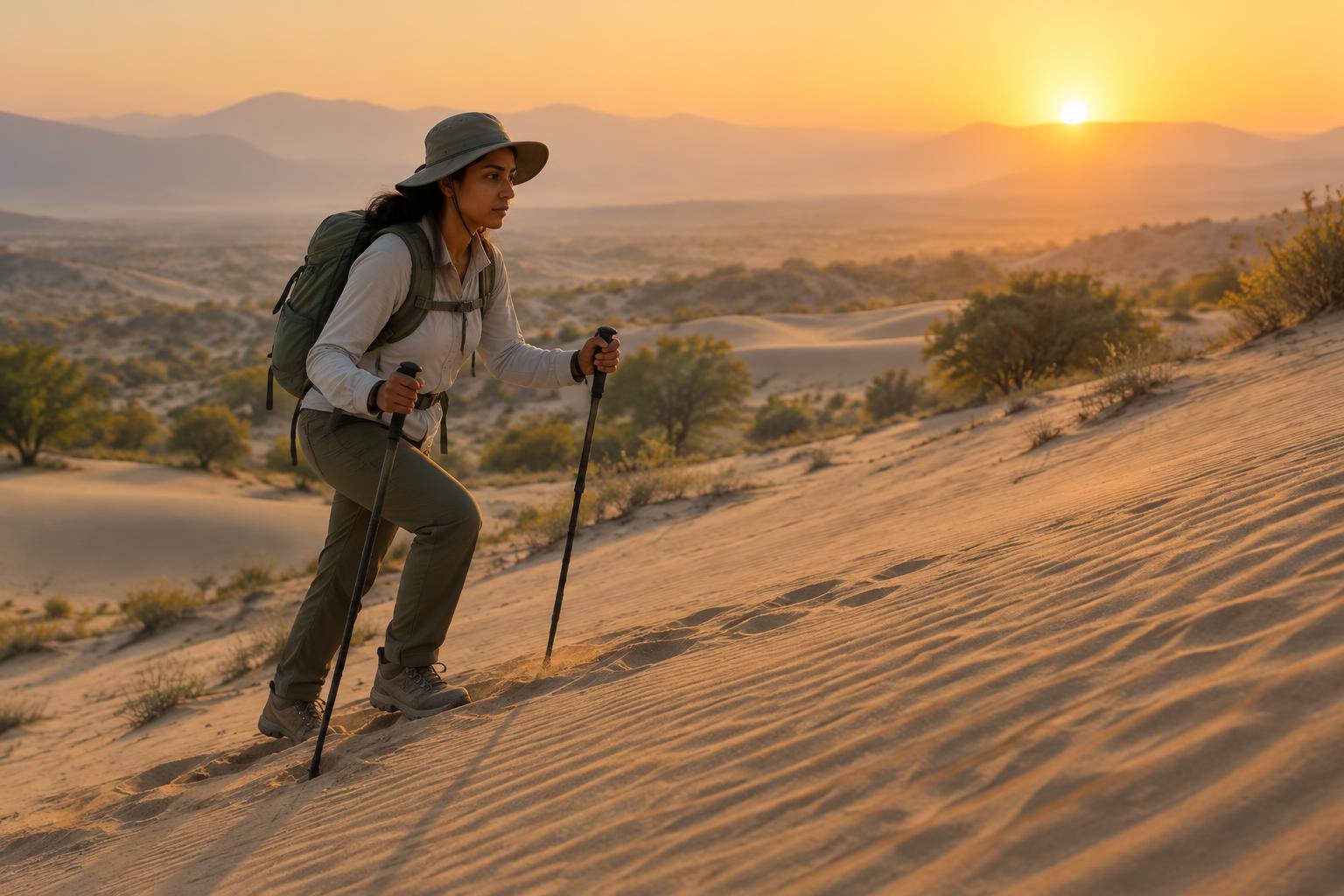
Official season guidance
Aqaba Special Economic Zone Authority (ASEZA) & local Bedouin communities: Spring and fall; summer is very hot, winter nights cold
Wadi Rum is a protected area, so check current entry and guide arrangements locally; camps in the desert are run by local operators, and many visitors arrange a local guide. This is remote desert — heat, sun and water are the real challenges, so travel in spring or fall, carry far more water than you expect, and don’t navigate the dunes alone.
Check current dates on Jordan Tourism Board (national tourist board)What to pack for the season
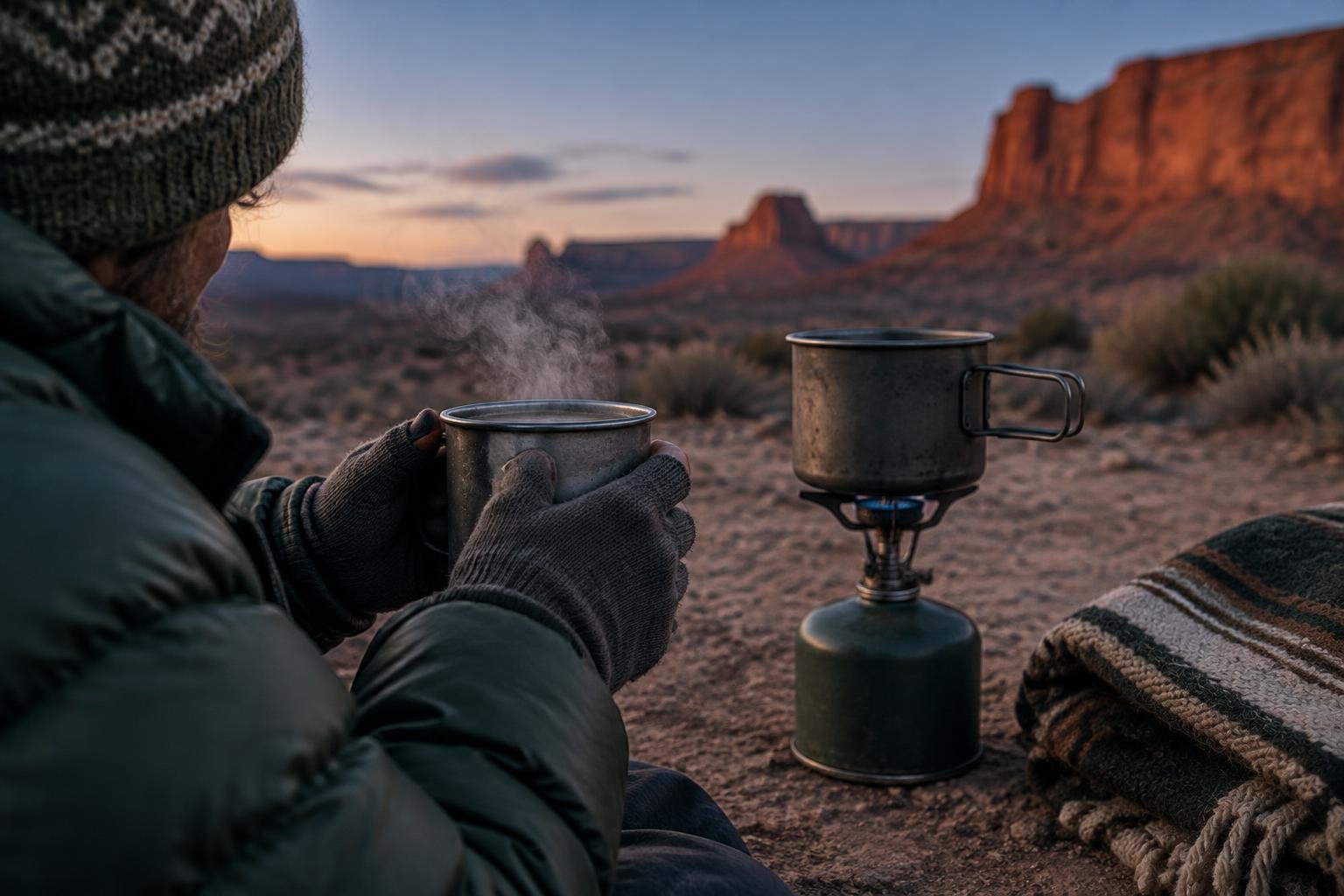
Packing follows the season. In spring and fall, bring sun protection, a brimmed hat and extra water capacity, plus a warm layer for evenings. For winter, add insulation for cold nights. Because daylight is much shorter in midwinter, carry a headlamp. Rain cover is rarely the priority here, since rainfall stays low all year.
For layering, rain cover and weather planning, see hiking in rain, heat and cold.
Timing mistakes to avoid
The biggest mistake is choosing summer because the days are long and rain is absent, when the official guidance calls it very hot. Another is treating winter days as mild and overlooking how cold the nights get. Many hikers also assume desert means no planning, yet the managing authority expects you to check current entry and guide arrangements locally. Finally, don't commit to a month without confirming conditions with the managing authority.
Common questions
What is the best time of year to hike Wadi Rum?
The official season guidance points to spring and fall. In the modelled data these months fall between the very hot summer and the cold winter nights, with low rainfall throughout. Confirm current entry and guide arrangements locally before you plan your dates.
Is summer a bad time to hike Wadi Rum?
The official guidance describes summer as very hot, and June through September are the warmest months of this place's year. Rainfall is close to 0 mm, so there is no cooling relief. Heat, sun and water are the real challenges, so most people avoid trekking then.
How cold does it get in winter?
The official guidance notes that winter nights are cold. December through February are the coldest months of the year here, and daylight shrinks to about 10 to 11 hours. Rainfall is still modest, around 6 to 9 mm a month, so plan for warm layers and a headlamp.
How much does rain affect hiking Wadi Rum?
Modelled rainfall is low all year. It peaks at about 9 mm in January and drops to 0 mm from June through August. Rain is rarely the deciding factor, so heat, sun and water supply matter more. Conditions change, so check with the managing authority before you go.
Sources
- Aqaba Special Economic Zone Authority (ASEZA) & local Bedouin communities — Jordan Tourism Board (national tourist board): official season and permit guidance.
- NASA POWER (Prediction Of Worldwide Energy Resources): monthly temperature and rainfall averages, 2010–2023, from MERRA-2 reanalysis. Daylight hours are calculated from latitude.
Conditions, closures and permit rules change without notice — confirm current information with the managing authority before you go. See our editorial policy and affiliate disclosure.