
Affiliate disclosure: this page contains affiliate links. Purchases made through them may earn us a commission at no extra cost to you. See our affiliate disclosure.
In plain English
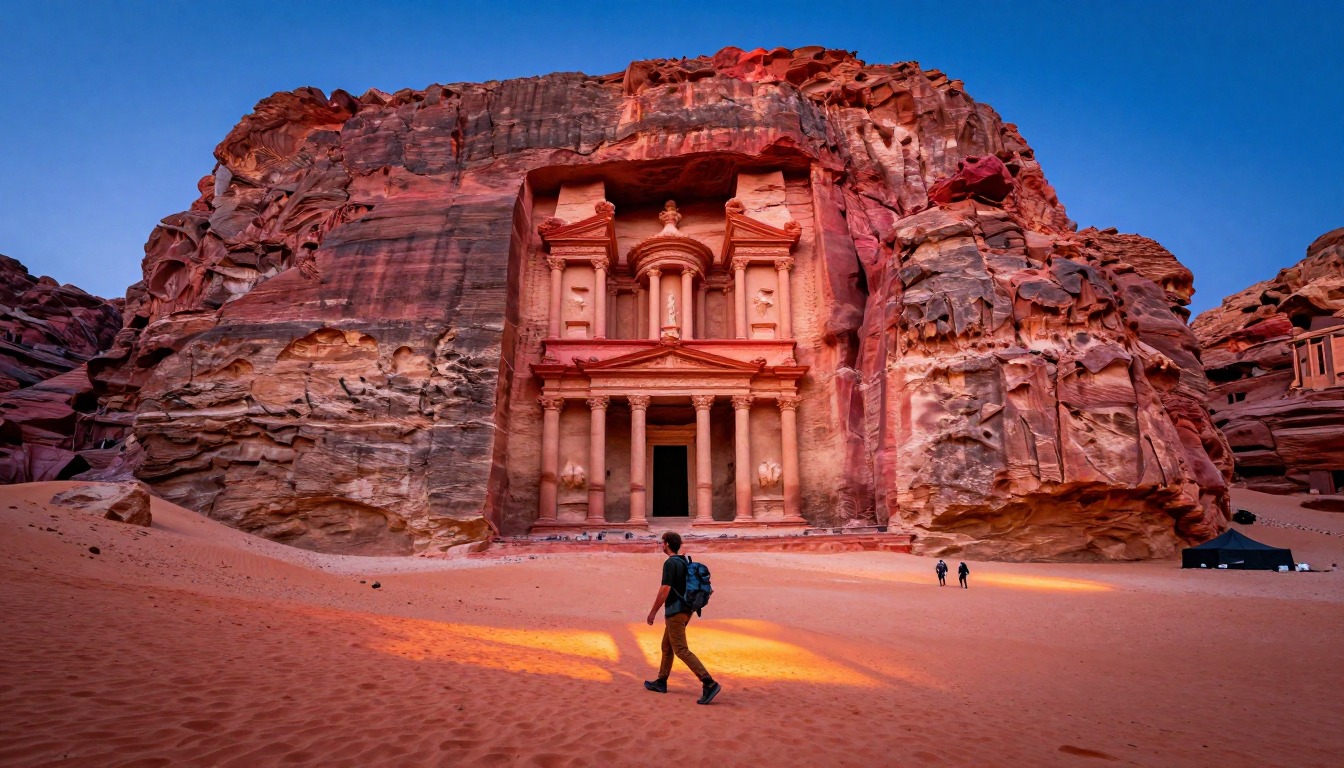
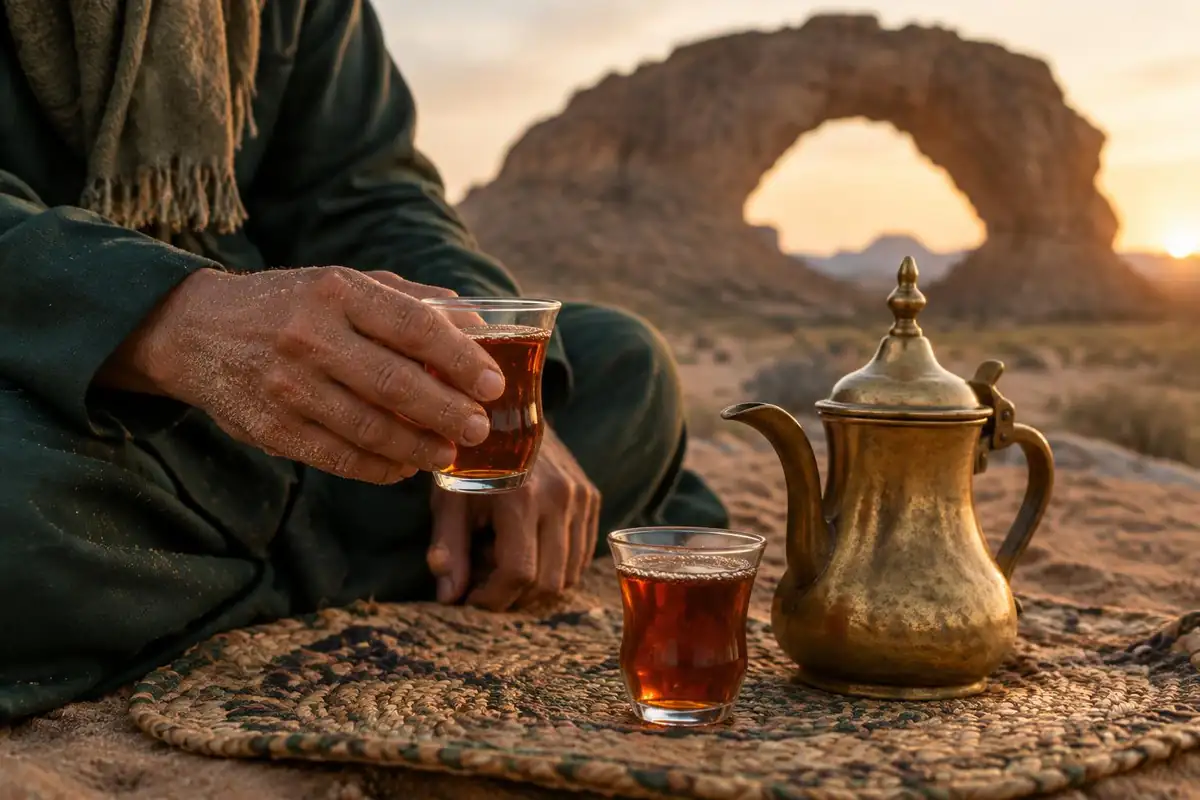
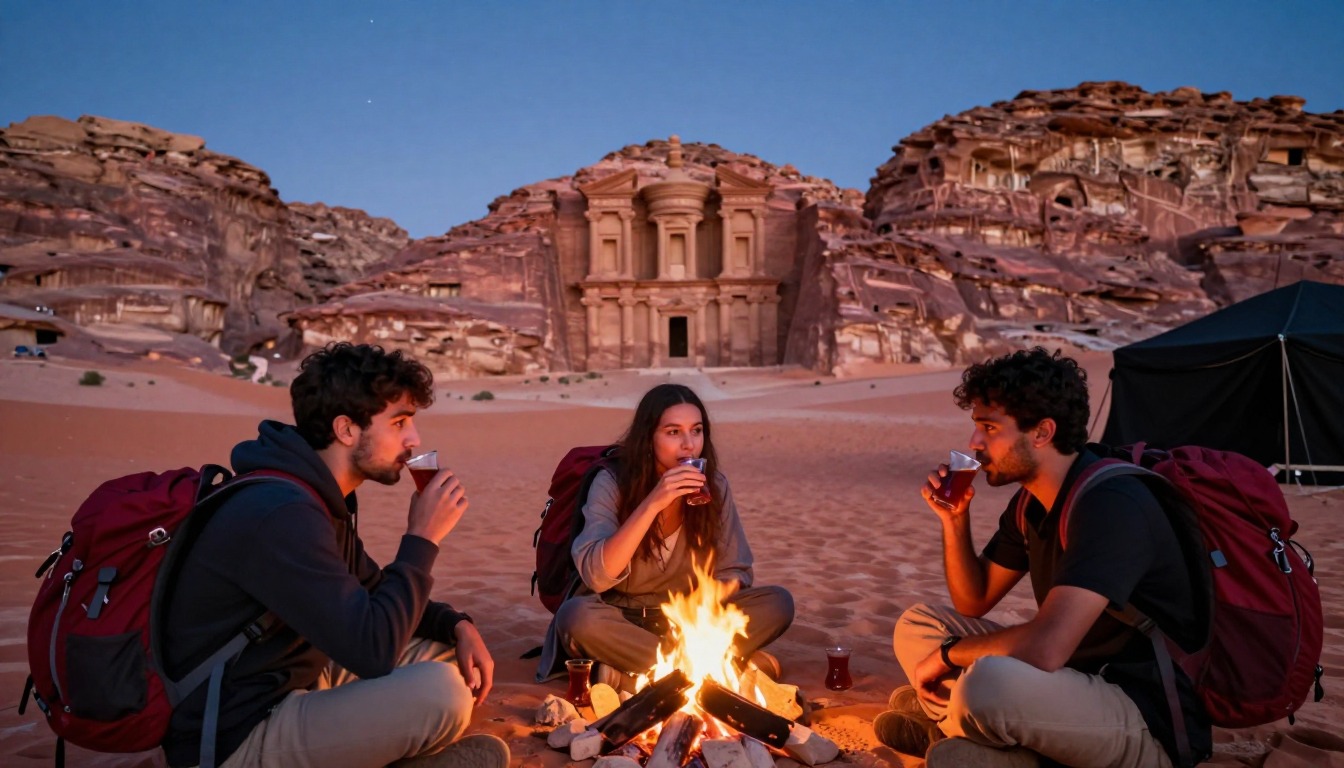
Wadi Rum is a wide desert valley with sandstone cliffs, sand and gravel. The Jordan Trail is a long walking route through Jordan, and the last part ends at Petra, the famous ancient city. Almost nobody walks this alone. Most people hire a local Bedouin guide, because the path is faint and the rock towers all look alike until you know them.
The big challenge is heat, not steepness. Think of walking in an oven that turns up around lunchtime. So the day is split in two: you walk early in the morning, rest in the shade through the hottest hours, then walk again as the light softens. Your body loses a lot of water as sweat, and if you do not drink enough you get tired, dizzy and sometimes ill.
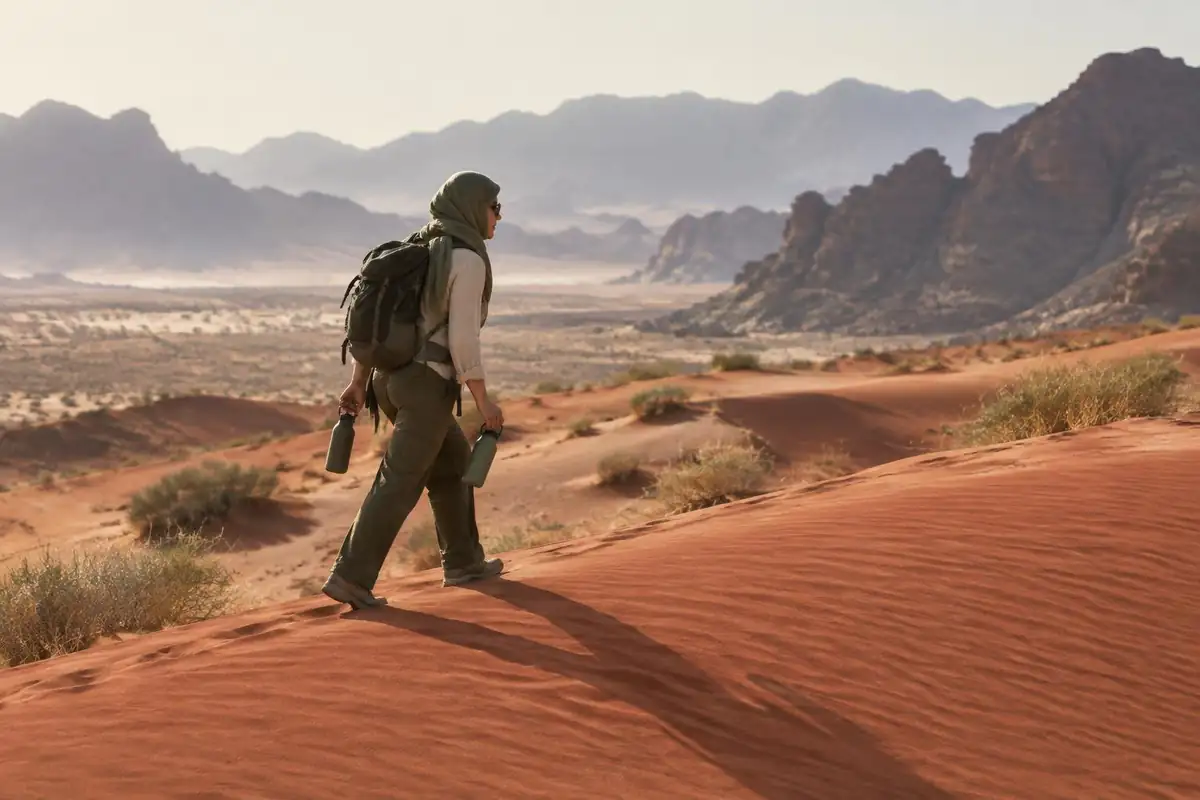
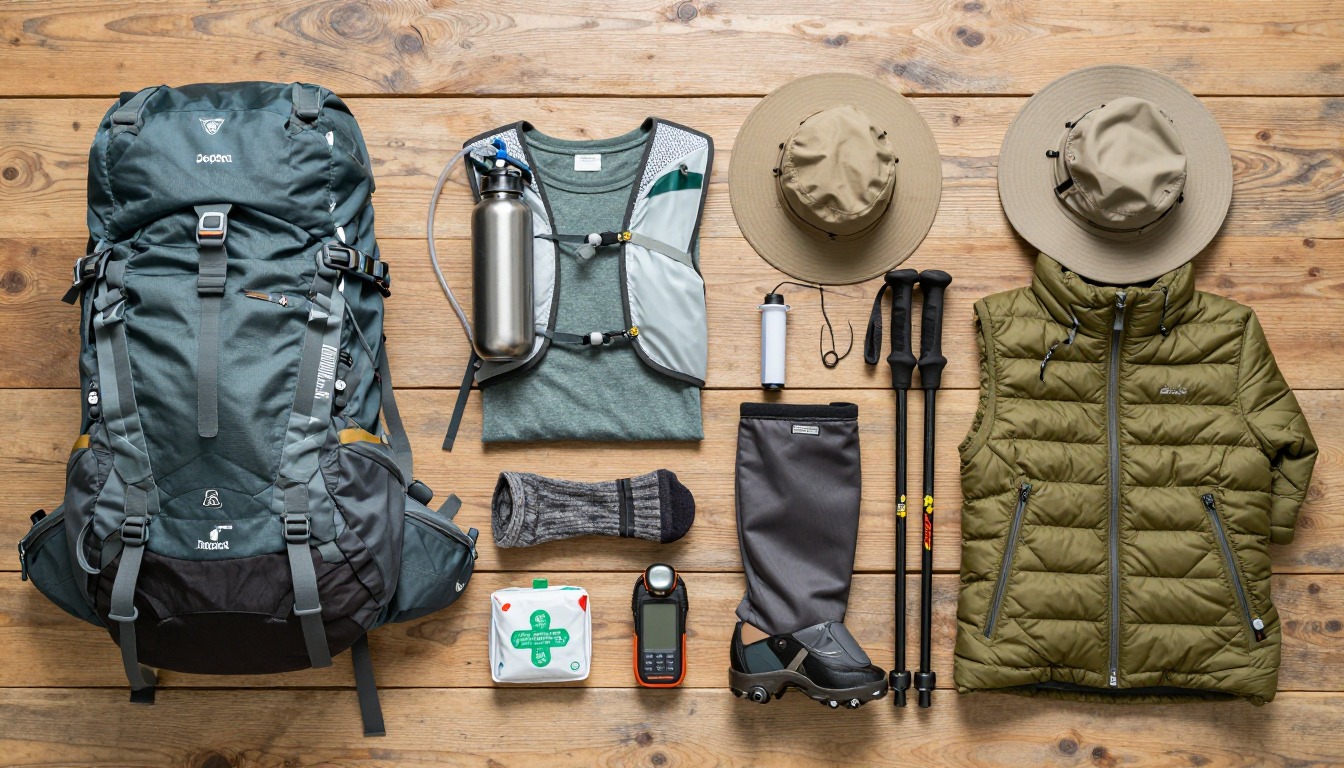
Because the route is planned around a guide, a lot of your gear decisions are about what you carry yourself and what a vehicle carries for you. If water and heavy kit ride in a truck, you only need a small daypack for water, a hat, sun protection, snacks and a light layer. If you carry everything, you need a much bigger and heavier pack, and water is the main reason it gets heavy.
What the hike is like
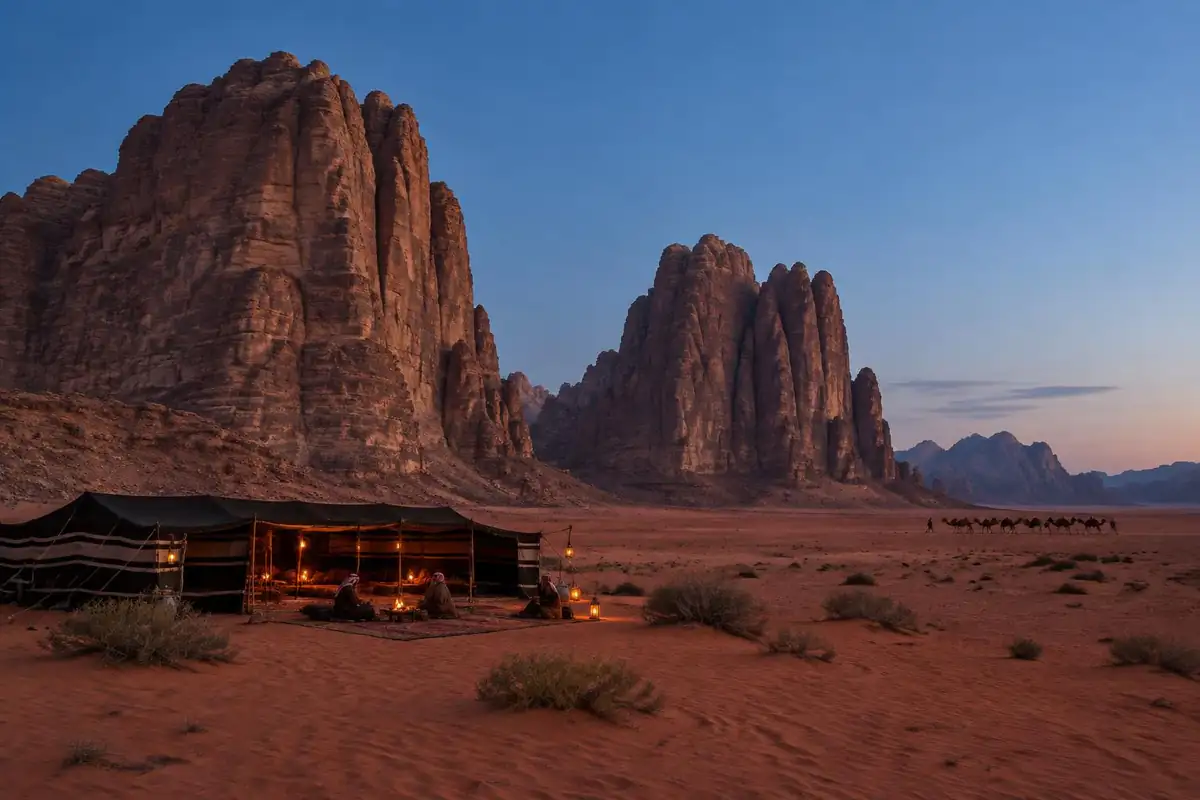
Walking the Jordan Trail out of Wadi Rum is less about following a path than about reading the ground. Long stretches cross firm gravel plain where the pace comes easily, broken by belts of soft sand that quietly drain the legs — the same distance costs far more effort on dune than on hardpack. Between them the route threads canyon floors and narrow clefts in the sandstone, with short, easy scrambles over rock steps and slabs to link one basin to the next. Shade arrives in brief doses under overhangs rather than from trees. Further north the ground rises out of the sand into rockier, more broken country, and the final approach to Petra typically drops in from the high ground behind the site rather than through the main gate. Waymarking is patchy, so most hikers travel with a Bedouin guide who navigates by the massifs themselves.
How to plan the itinerary
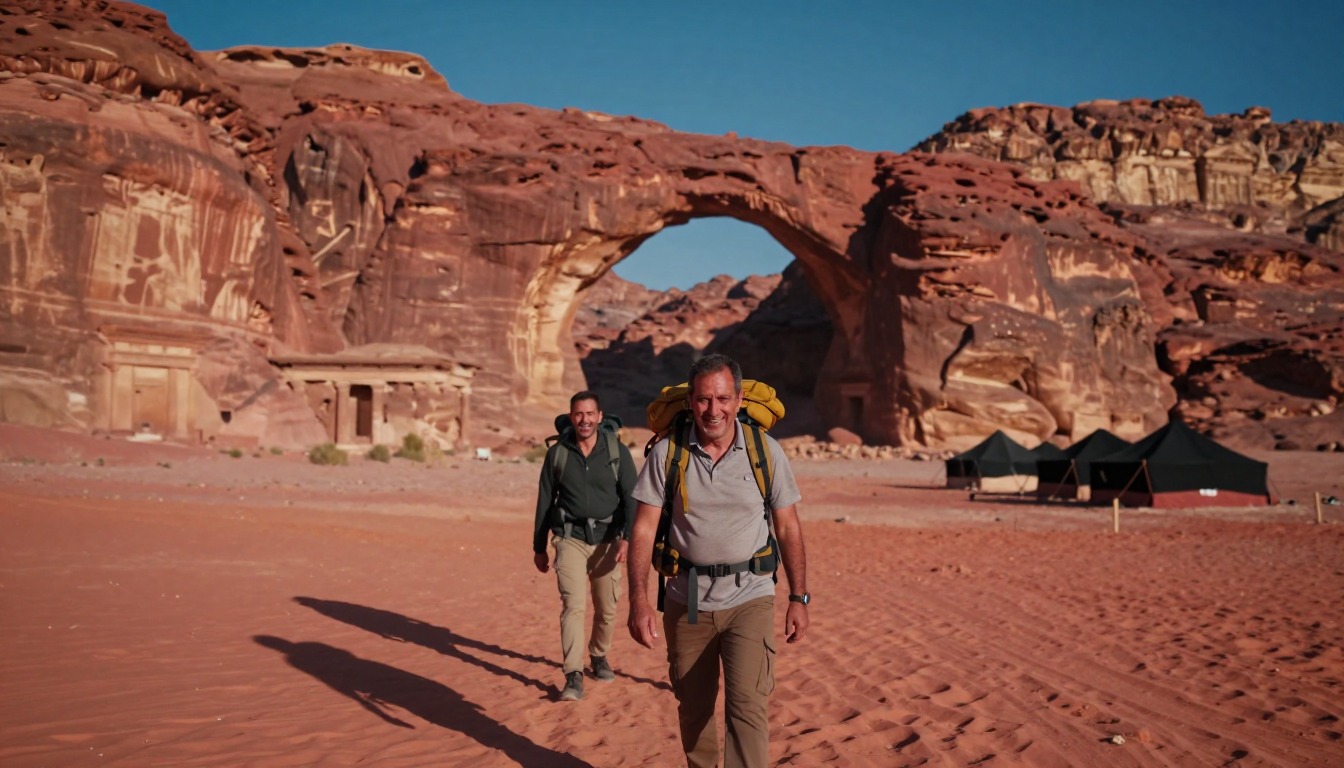
Nobody does this in a day. It is walked as a multi-day trek, split into stages that end at a desert camp, with a guide and often a support vehicle or pack animals moving water and heavier kit between points. Plenty of visitors hike only the Wadi Rum portion over a couple of days and travel on to Petra by road; others link the whole southern stretch on foot across a longer trip. Stages are shaped by heat as much as by distance — the common rhythm is to be moving not long after first light, take a long stationary break through the hottest part of the afternoon in whatever shade the rock offers, then walk again as the light softens. Arriving at Petra on foot is usually planned for a final morning, leaving a separate day to explore the site itself afterward.
Plan this trip in 5 steps
-
Pick the right pack
Match a pack to your trip, fit and priorities.
-
Book a place to stay
Campgrounds, huts and lodges near Wadi Rum & the Jordan Trail to Petra.
-
Plan food & water
Calories, food weight and water for your days on trail.
-
Estimate your time
Pre-filled with this trail’s distance and climb — adjust for your pace.
Trail-specific tips
Rate your distance for sand, not for a map: soft dune and deep gravel can halve your pace, and the day gets long fast if you plan by numbers alone. Carry far more water than a temperate-climate day would need, and confirm before each stage where the next supply of it comes from. Gaiters and full sun cover earn their weight here. The classic mistake is dressing for the daytime heat and packing nothing warm for the night — desert temperatures drop hard after dark. For general desert, navigation and heat groundwork, see /trail-smarts/.
Permits & rules
Wadi Rum is a protected area, so check current entry and guide arrangements locally; camps in the desert are run by local operators, and many visitors arrange a local guide. This is remote desert — heat, sun and water are the real challenges, so travel in spring or fall, carry far more water than you expect, and don’t navigate the dunes alone.
Gear suited to this hike
Matched to the terrain and conditions here. Real products — check current price on Amazon.


Why the day is split around the heat
The stop-and-start rhythm of dawn walking, a long afternoon rest and a late walk is not a quirk of local custom. It matches what public-health sources say about heat risk. Grand Canyon National Park reports that most heat-illness rescues there involve people hiking between 10 a.m. and 4 p.m.1 The CDC likewise suggests doing outdoor activity in the coolest parts of the day when heat risk is high.5 Wadi Rum is a different desert, so treat those figures as a comparison rather than local data, but the physics is the same: rock and sand hold heat, and shade arrives only in brief doses under overhangs.
The CDC Yellow Book says dehydration is the most important predisposing factor for heat illness apart from weather and exercise intensity, and that sweat rates can reach 1 liter per hour.2 The same source warns against the old advice that you cannot drink too much. Forcing water when you are not thirsty raises the risk of hyponatremia, a dangerous dip in blood sodium that affects recreational hikers too.2 Grand Canyon rangers pair drinking with salty snacks for the same reason.1 One practical check from the CDC is urine color: light yellow or clear usually means you are adequately hydrated.5
Know the warning signs. The National Weather Service lists heavy sweating, weakness, cool pale clammy skin, cramps, dizziness, nausea and headache as heat exhaustion, and confusion, slurred speech and a body temperature above 103 degrees F as signs of heat stroke, which it calls a severe medical emergency.6 In remote desert country that means telling your guide early and getting medical help without delay.
Sun, sand and what to wear
The CDC Yellow Book notes that UVB is most intense between 10 a.m. and 4 p.m., at higher elevations and closer to the equator, and that sand, water and snow reflect UV and add to exposure.4 It recommends broad-spectrum sunscreen of SPF 30 or higher, reapplied every two to four hours.4 The EPA adds that UV intensity rises about 6 percent for each kilometer of elevation, and that overcast skies still let about 31 percent of UV through.7 Cloud is not a reason to skip protection.
For pack choice, this means the outside pockets need to hold sunscreen, a brimmed hat or head covering, sunglasses and a light long-sleeved layer that you can reach without stopping and unpacking. Soft sand also fills shoes, and gaiters are designed to seal around footwear to keep dirt, dust and rocks out.8 Whether that is worth the extra item on a warm-weather route is a personal call, but it is a common fix for grit.
Water weight and how a guided trip changes your pack
Water is where desert pack weight comes from. One liter has a mass of about 1 kg,9 and Guadalupe Mountains National Park, a comparison desert in Texas, tells backpackers to carry a gallon per person per day and notes that water weighs about 8 lb per gallon.3 Its own example is 24 lb of water for a three-day, two-night trip.3 Those are that park's numbers, not a Jordan rule, but they show why moving water by vehicle or pack animal, as guided Wadi Rum itineraries often do, shrinks the pack you must carry.
The Washington Trails Association suggests 25 to 30 liters for a full-day hike and 45 to 50 liters for a standard one- or two-night trip.10 A guided trip with a support vehicle fits the first band, because you are effectively doing day walks between camps. If you carry your own sleeping bag and shelter, you move into the second band. Ask your operator exactly what the vehicle carries and where water is resupplied before you choose, and do not assume.
Permits, guides and current conditions
Permits, guide rules and any closures for Wadi Rum and the Jordan Trail change, so confirm them with a licensed local operator before you book. Treat the distances, stages and the point that a Bedouin guide is usual as planning descriptions.
Common questions
Can you walk from Wadi Rum toward Petra without a guide?
Wadi Rum is a protected area, and trekking here is commonly arranged with local Bedouin guides, who also handle water logistics and the camps; confirm current permit and guide rules with your operator. Beyond the practical rules, the desert has little waymarking and few obvious handrails to follow, so a guide is as much about route-finding and water as about permission. Fully independent travel here is unusual.
Is this trek technically difficult?
The difficulty is environmental rather than technical. There is no climbing and nothing calling for rope work — just occasional easy scrambling over sandstone steps and slabs. What makes it demanding is heat, sun, sand underfoot, and the amount of water you have to carry or have carried for you, day after day in open country with very little shade.
Do I have to carry all my own water and gear?
Most trips are supported to some degree, with water and heavier kit moved between camps by vehicle or pack animals so hikers walk with a day pack. Fully self-supported desert travel is possible but rare, because water weight in this terrain quickly becomes the limiting factor on how far you can realistically go in a day.
What does a walking day actually look like?
Stages are built around the heat rather than a fixed schedule, so expect an early start, several hours of walking, a long pause through the worst of the midday sun, then a second stretch in the cooler late afternoon. Moving time is often moderate; it is the sun and the surface underfoot that make the day feel longer.
Do you hike straight into Petra at the end?
The trail's final stage generally descends toward Petra from the high ground behind it, so hikers arrive from a different direction than day visitors coming through the main entrance. Petra has its own ticketing and opening hours, and most itineraries set aside a separate day to walk the site properly once the trekking is done.
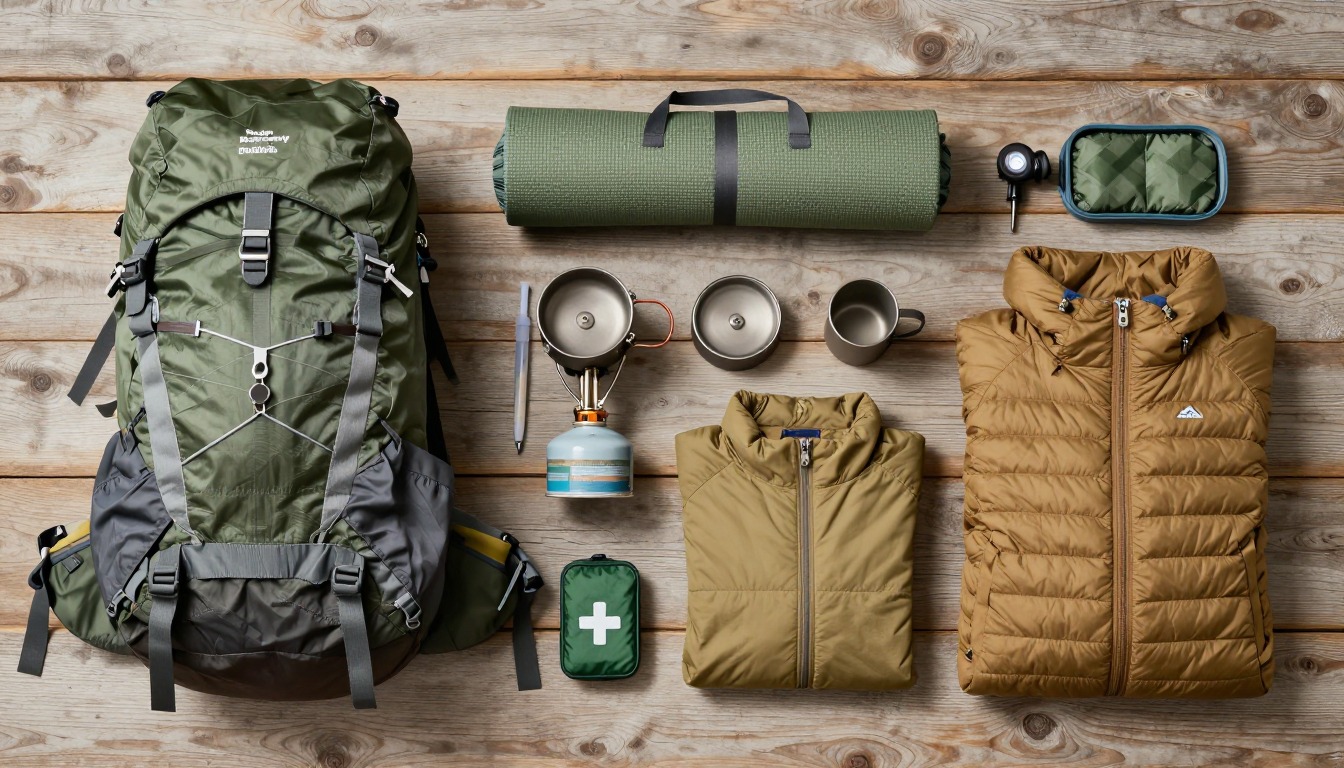
Complete gearsets for this trip
Full curated kits built for exactly this kind of hike.
Trail conditions, permits and access rules change without notice — always confirm current information on the official source above before you go. Some facts on this page are still pending owner verification and are marked accordingly. Product links and the accommodation map are affiliate links: we may earn a commission at no extra cost to you; product prices and availability are shown on Amazon, and accommodation prices on the booking site. See our affiliate disclosure.