
The desert hiking setup
Desert trails take away two things most day hikers lean on without noticing: reliable water and any real shade. This setup is built around carrying enough water and planning for more, blocking sun with nowhere to hide from, and timing your hike around the heat instead of fighting it.
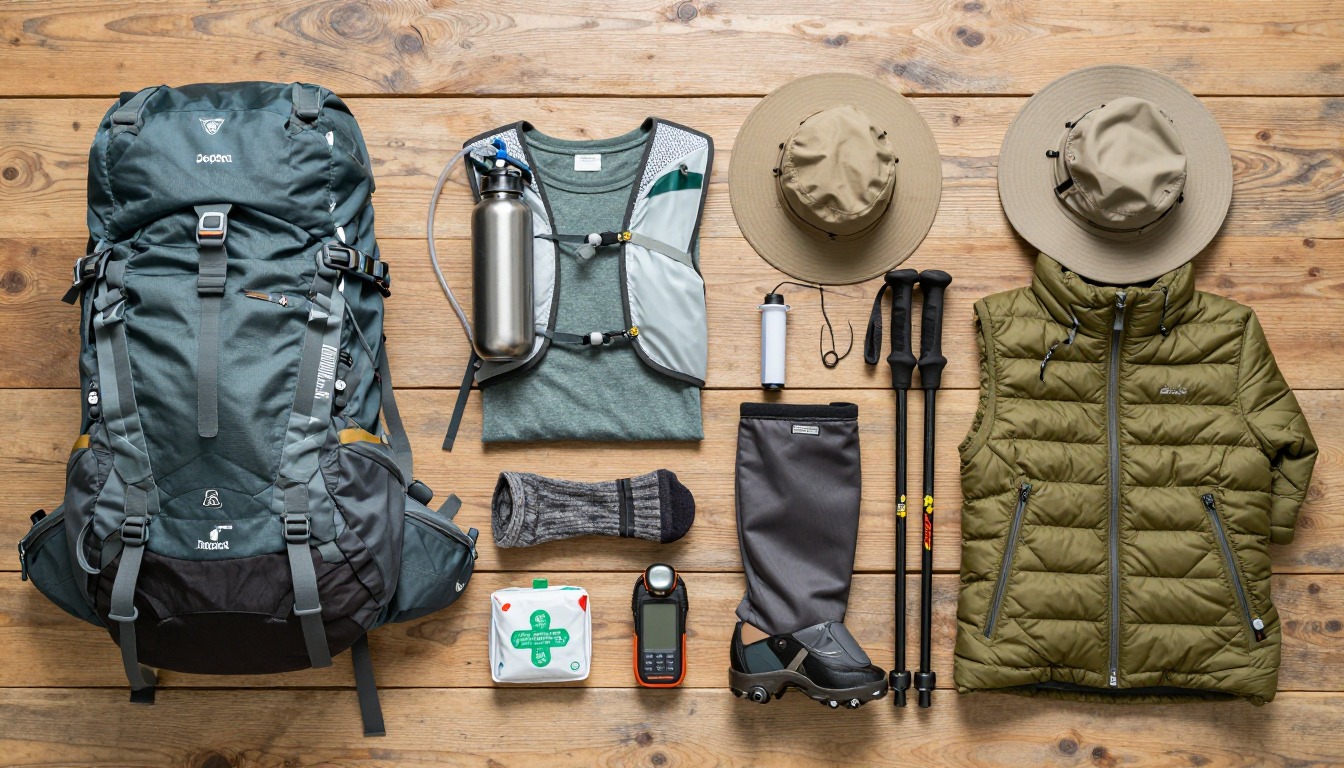
A desert kit is organized around one fact: water runs out first and matters most, so almost everything else supports that math — a pack sized for a bigger carry, a hydration system you'll actually use, and backup treatment for the rare source you find. Sun and heat get equal seriousness, since open desert offers no shade and no easy way to cool off once you're overheated. The kit still carries a warm layer and a headlamp, because a scorching afternoon and a genuinely cold, clear night often happen on the same day.
This suits hikers on established desert trails — canyon country, high desert, arid foothills — in the warmer months, where water is scarce, seasonal or simply unreliable. Heading somewhere with no cell coverage and no cached water at all? Add real margin to the water plan and lean on the satellite messenger. If extreme heat or flash-flood risk isn't something you're ready to plan around yet, pick a cooler season or a trail with dependable water instead.
- Do the water math first — how much you'll drink for the whole hike, plus a real margin, and whether you're carrying it all or caching some along the route.
- Build the sun-protection system next: hoodie, wide-brim hat, sunglasses and sunscreen, before you think much about anything else you're wearing.
- Plan your hours around the heat — start near dawn, rest through the worst of it, and pack a headlamp for the miles you'll cover in the dark.
- Add sturdy footwear and gaiters for sharp rock and sand, a warm layer for the night-time drop, and a way to call for help where cell coverage often fails.
About this setup
Desert hiking rewards planning more than any other kind of trail, because it removes the safety net you don't notice elsewhere: shade, and water you can count on finding. Low humidity means sweat evaporates almost instantly, so you can be seriously dehydrated before you feel thirsty or see yourself sweating. That's why the water plan comes first — how much you're carrying, where the next real source is, and what you do if it's dry.
Heat moves on its own schedule. Pale rock and sand bounce sunlight back at you as well as down, so shade from a hat or hoodie matters even with the sun overhead. Many desert hikers restructure the day around it — starting near first light, resting through the worst of the midday heat, and finishing in the cooler evening — rather than pushing through noon and hoping it doesn't catch up with them. Recognizing early heat illness and getting to shade to cool off beats trying to push past it.
Terrain adds its own hazards: volcanic rock and broken slickrock that shred soft-soled shoes, sandy washes that hide their depth until you're in them, and thorny plants that find their way through anything but tough socks and gaiters. Then the sun goes down — clear skies that felt brutal at 2 p.m. can drop 30–40 degrees by the early hours, since there's no cloud cover to hold the day's heat near the ground. Pack for the day you'll actually have, hot and cold at both ends, and the rest follows.
The pack
Desert days mean carrying more water than a typical day hike, so size up — a 25–35 liter pack leaves room for extra bottles or a bigger reservoir.
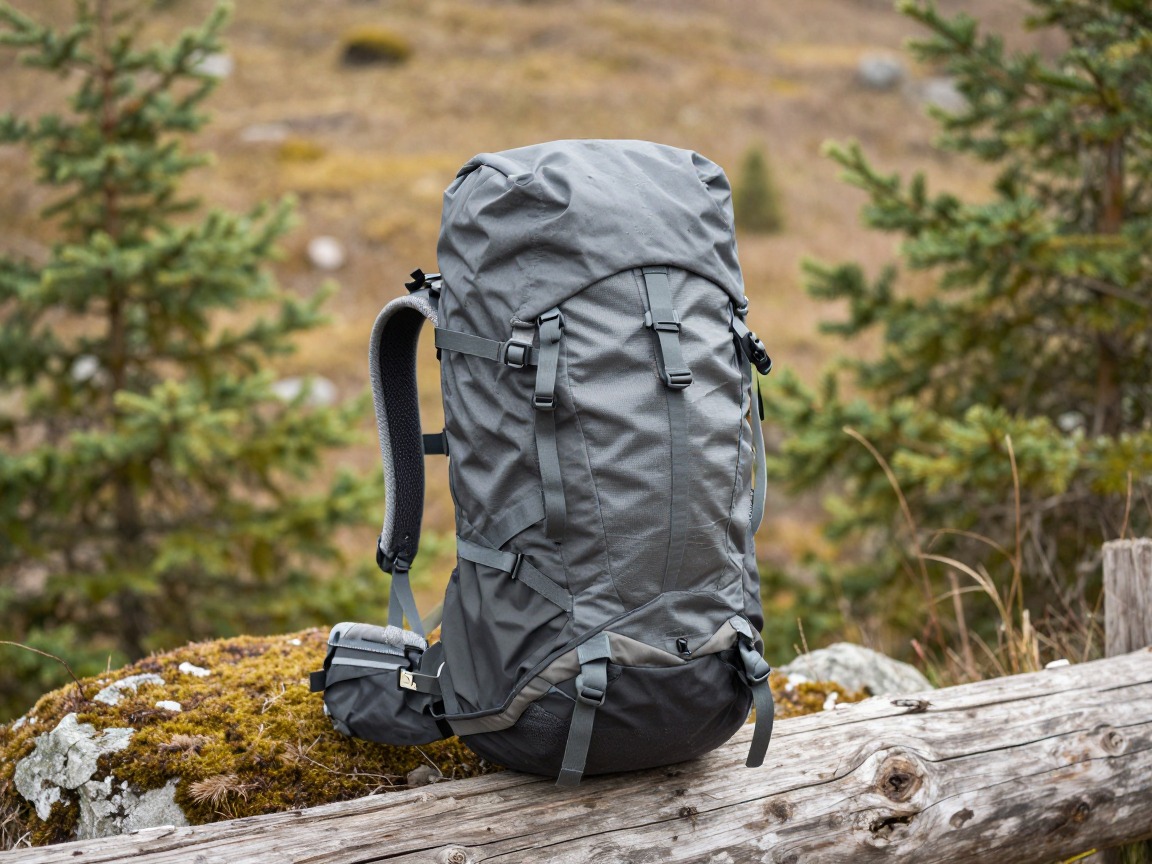
Desert day pack
Holds a bigger water load than a standard day pack, plus food, sun gear and the safety kit, so hydration capacity isn't what limits your day.
What to look for: 25–35 L with room for extra bottles or a second reservoir, side pockets you can reach without stopping, and a ventilated back panel for hours in direct sun.
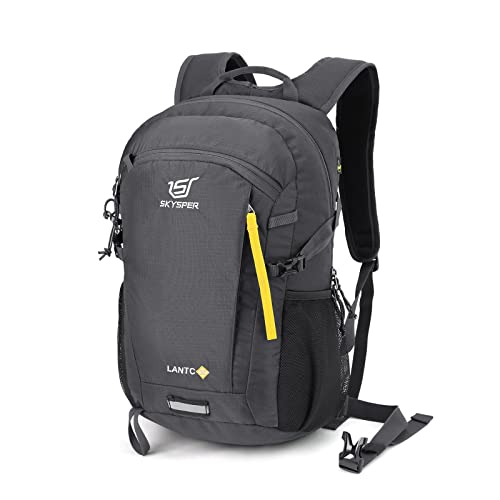 SKYSPER Small Hiking Backpack Check price
  Osprey Sportlite 20L Lightweight Hiking Backpack Check price
 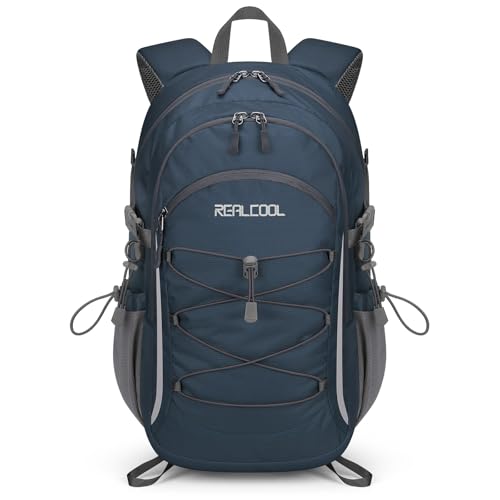 RealCool 20L Lightweight Hiking Backpack Check price
 - Dust-resistant pack liner or rain cover
Water — the whole game
In the desert, water is the plan. Work out how much you need before deciding anything else, and never trust a map symbol over what's actually flowing when you get there.
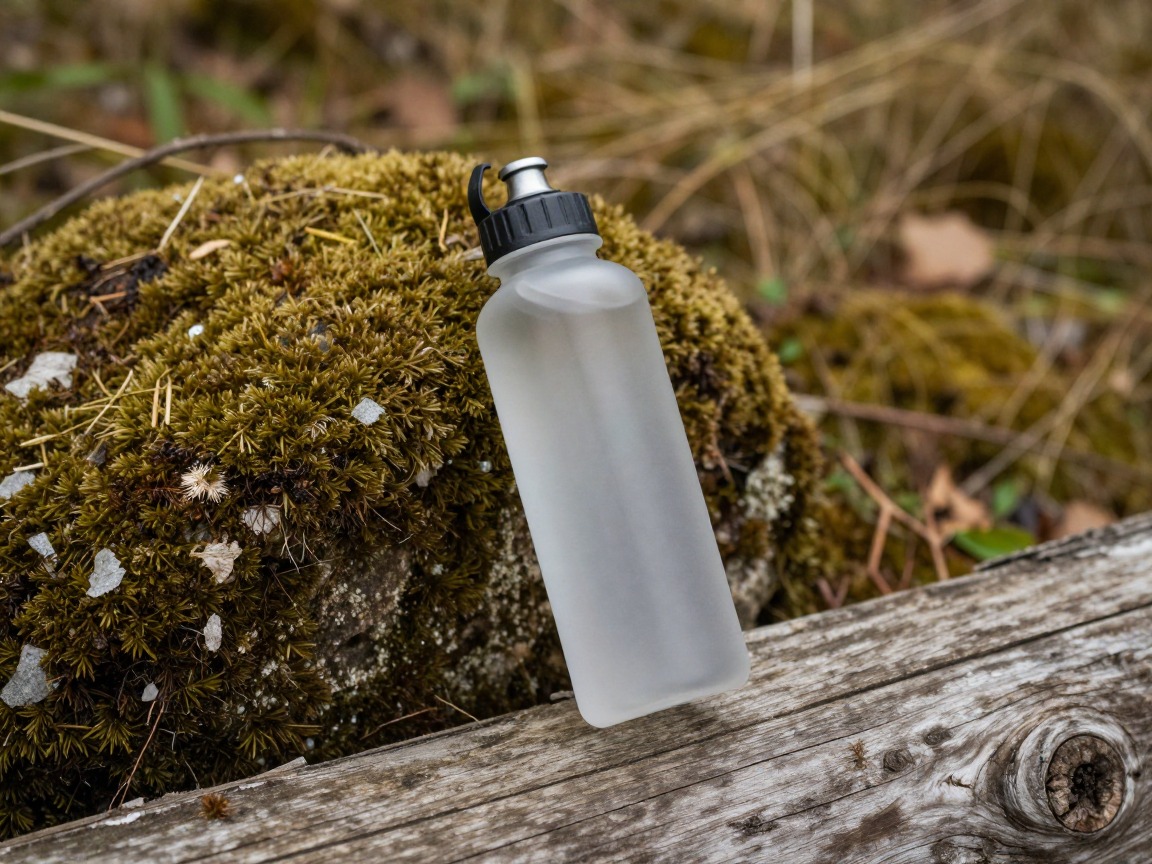
Wide-mouth water bottle
A hard-sided bottle you can see into and count — knowing exactly how much you're carrying is how you make honest turnaround decisions.
What to look for: A tough, wide-mouth bottle with clear volume markings, easy to refill at a cache or a rare seep, and durable enough for a hot pack all day.
 Nalgene 32 oz Wide Mouth Water Bottle Check price
  Nalgene 32 oz Wide Mouth Water Bottle Check price
  Nalgene 32 oz Wide Mouth Water Bottle Check price
Hydration reservoir
A 2–3 L bladder adds bulk capacity without extra bottles rattling around, and a bite valve makes it easy to sip constantly instead of waiting until you're thirsty.
What to look for: The largest reservoir your pack's sleeve will take, an insulated hose and bite valve to slow heat gain, and a wide fill opening so you can check it's clean.
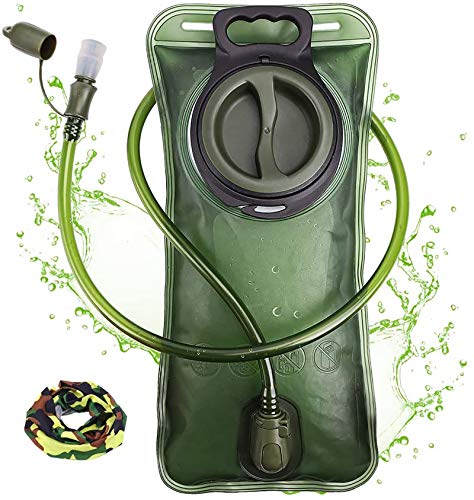 Hydration Bladder Check price
  Hydration Bladder Check price
  Mdvora 1.5L/2L/2.5L/3L Hydration Bladder Check price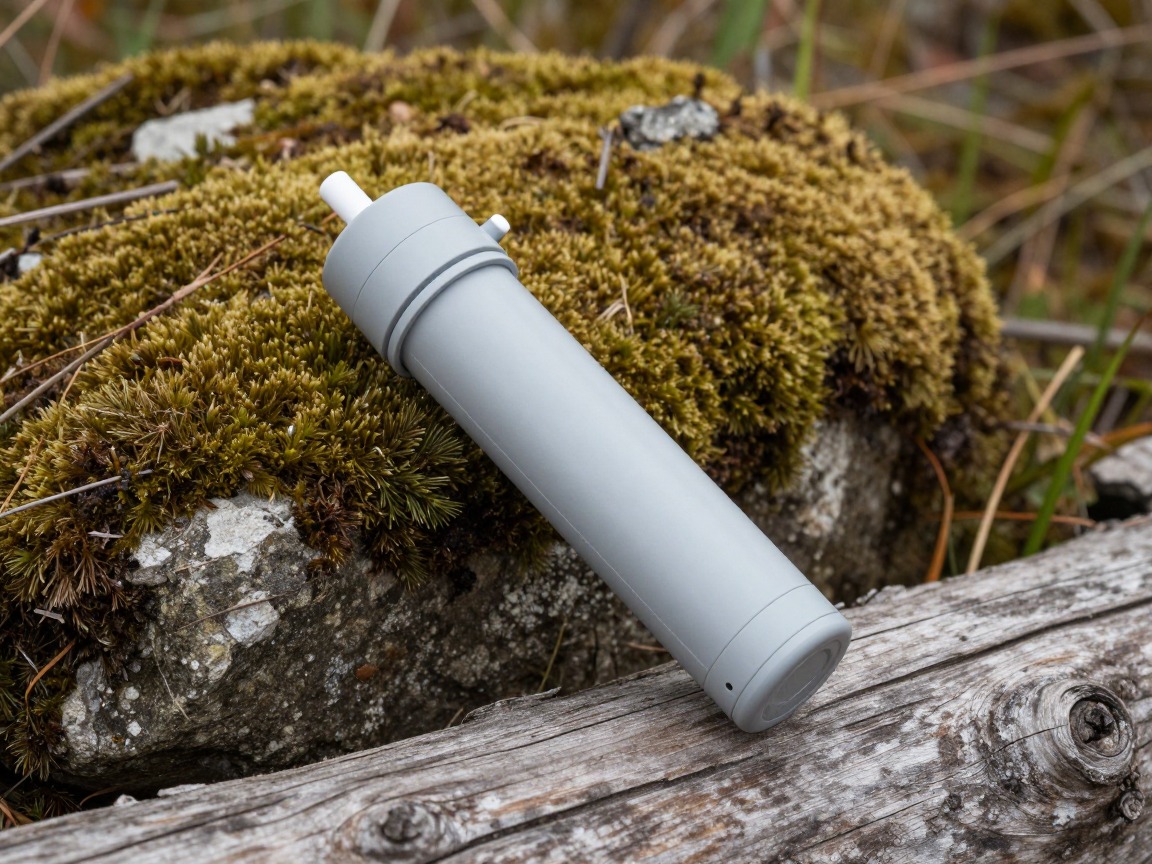
Water filter or purification
Even in dry country, a filter or purification turns a rare spring, stock tank or pothole into a real backup instead of a dead end.
What to look for: A filter that handles silty water without clogging, or backup tablets with no moving parts to fail — desert sources are often shallow and dirty when you find them at all.
 Sawyer Squeeze Water Filtration System Check price
  Sawyer Products SP128 Mini Water Filtration System Check price
  LifeStraw Personal Water Filter for Hiking Check price
 - Electrolyte tabs or drink mix
- Written water plan (sources, caches, turnaround point)
- Water cached at the trailhead or mid-route, where permitted
- Backup water jug left in the vehicle for the hike out
Sun & heat protection
Desert sun is relentless and bounces back off pale rock and sand. Treat sun protection as a full system, not an afterthought, and build your day around the heat.
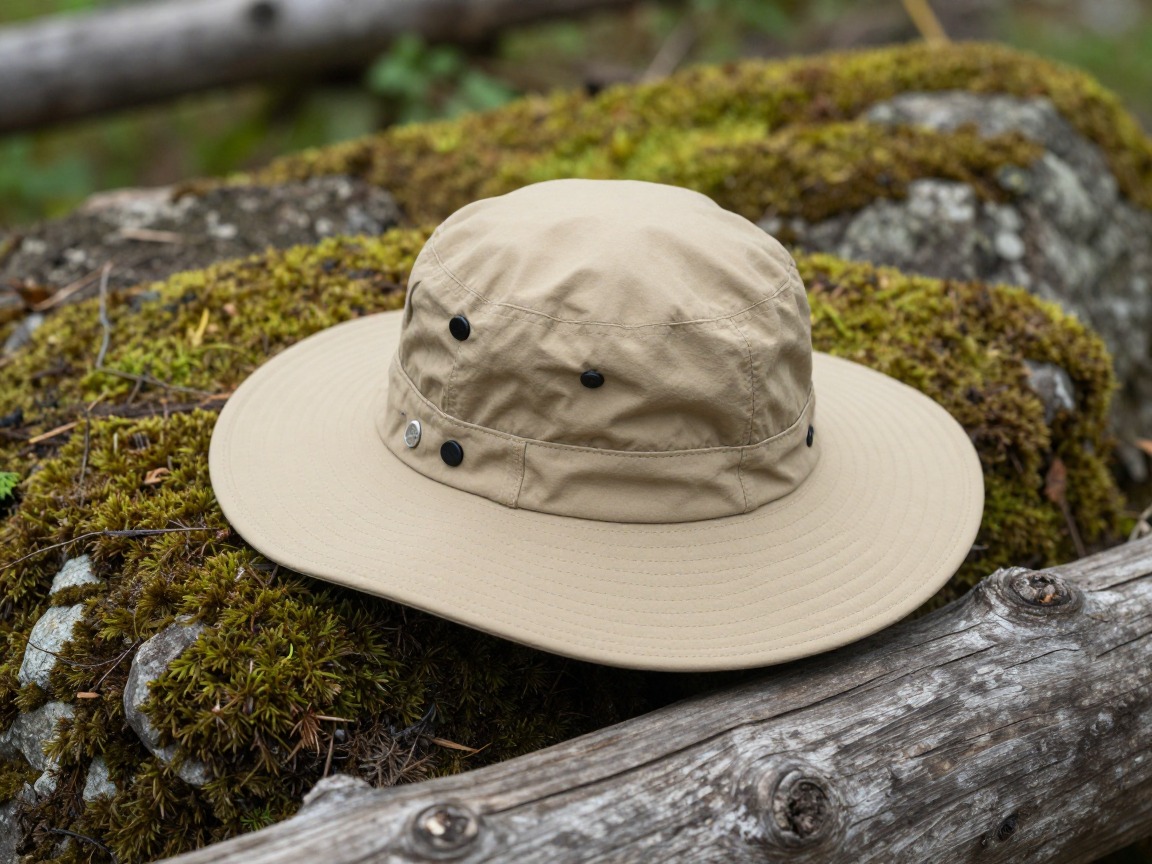
Wide-brim sun hat
Shades your face, ears and neck in a way a ball cap can't — in open desert with no tree cover, that shade is doing real work all day.
What to look for: A brim wide enough to shade your neck, a chin cord so wind doesn't take it, and a light color that reflects rather than absorbs heat.
 FURTALK Womens Sun Hat with Ponytail Hole Beach Hiking Summer Wide B Check price
 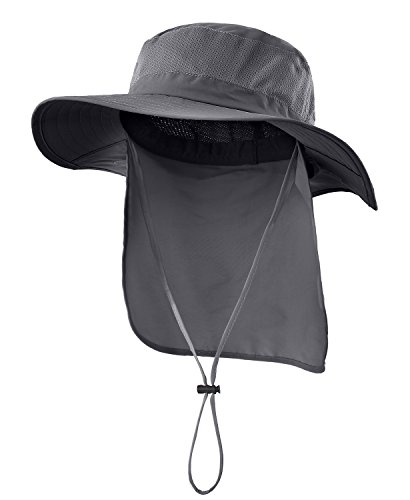 Home Prefer Outdoor UPF50+ Mesh Sun Hat Wide Brim Fishing Hat with N Check price
  FURTALK Sun Hats for Men Fishing Hat UPF Protection Wide Brim Bucket Check price
Sun hoodie
A lightweight, long-sleeve hooded layer that blocks UV directly on the skin — often more comfortable in dry heat than sunscreen alone.
What to look for: A UPF-rated fabric, a loose fit to move air, thumbholes to cover the backs of your hands, and a light color.
 100% Merino Wool Base Layer Men Set - Thermal Underwear for Men Long Check price
  Merino.tech Merino Wool Base Layer Women Set - Heavyweight Check price
  100% Merino Wool Base Layer Men Set - Thermal Long Underwear with Ba Check price
 - Hiking umbrella (silver-backed, clip-on shade)
- High-SPF sunscreen & SPF lip balm
- UV-blocking sunglasses
- Buff or neck gaiter
Footwear & terrain
Sharp volcanic rock, loose scree and sandy washes chew through soft materials fast. Build this section around durability, not just cushioning.
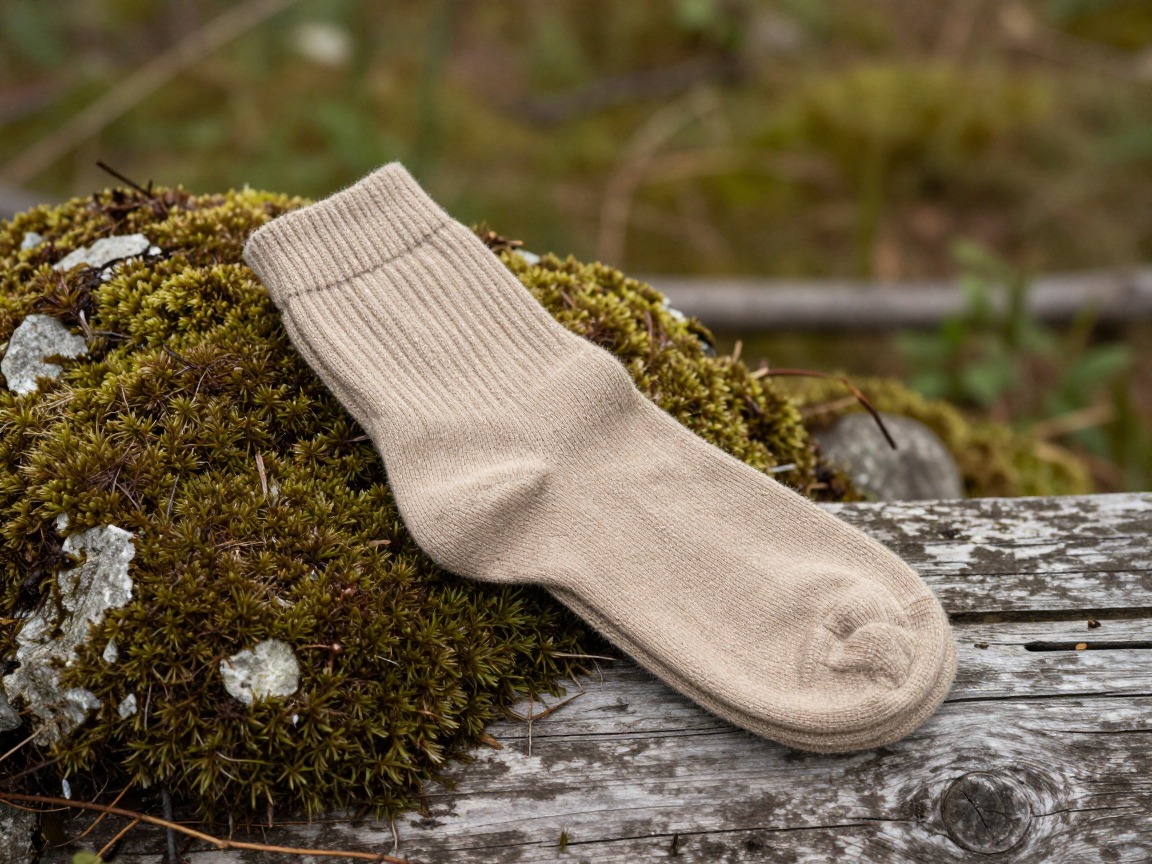
Hiking socks
Wool or synthetic socks resist the sand and grit that work into desert boots, and manage the moisture from sweating in dry heat.
What to look for: A tighter weave that resists sand infiltration, cushioning under the ball of the foot, and enough height to pair with gaiters. Skip cotton.
 Alvada Merino Wool Hiking Socks Thermal Warm Crew Winter Boot Sock F Check price
  DANISH ENDURANCE Merino Wool Socks for Men & Women Check price
  innotree 3 Pack Men's Merino Wool Hiking Socks Check price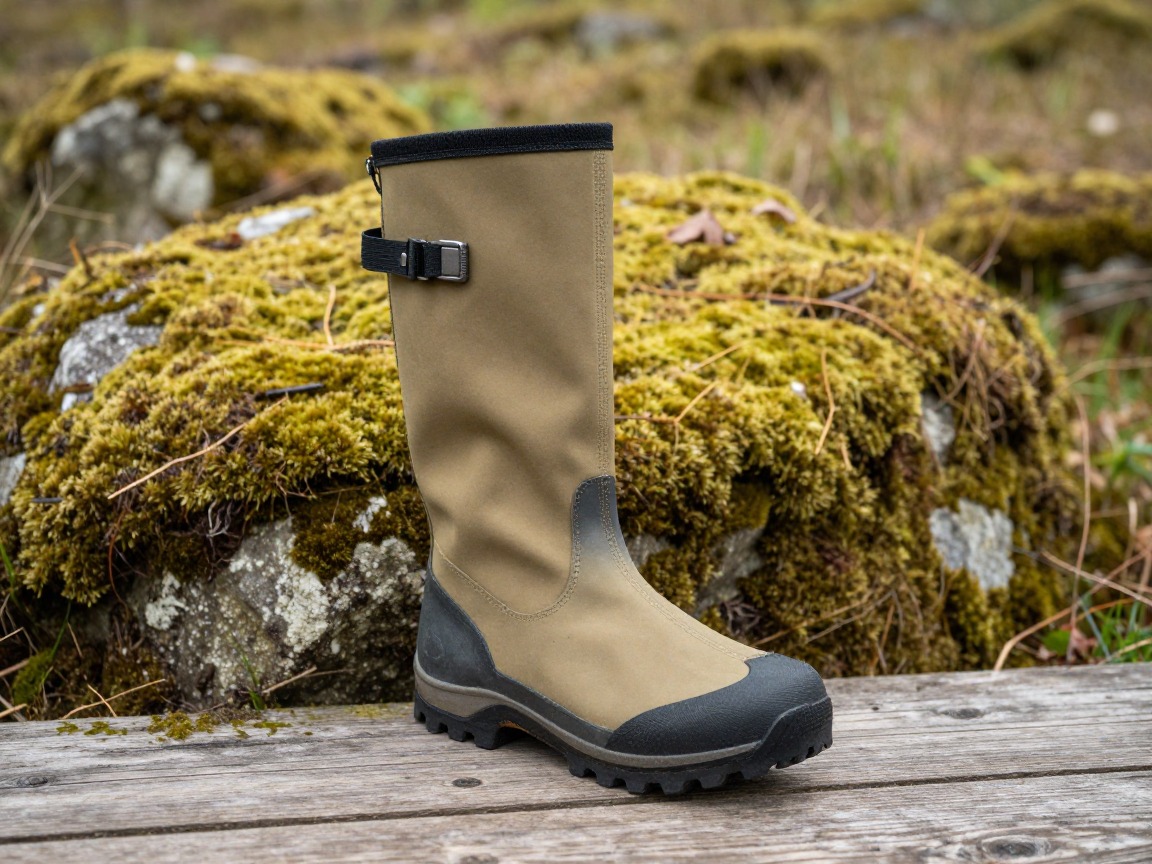
Low gaiters
Keep sand, gravel and needle-sharp seed pods out of your boots on washes and brushy sections — a small item that saves a lot of stopping.
What to look for: A low, breathable pair built for sand and scree rather than snow, with a durable instep strap that survives sharp rock.
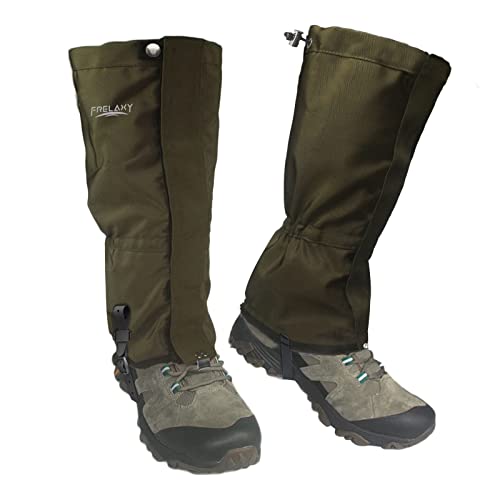 Frelaxy Leg Gaiters 100% Waterproof Hiking Gaiters Check price Frelaxy Ultra High-Performance Hunting Gaiters Check price
 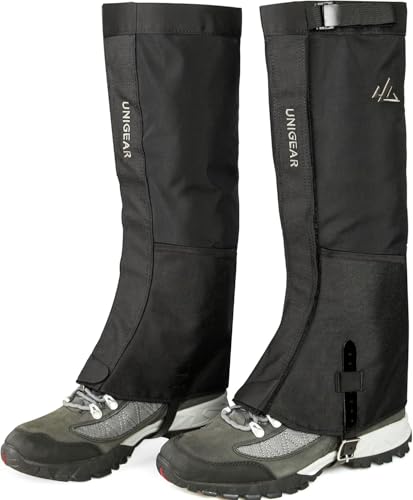 Unigear Leg Gaiters Check price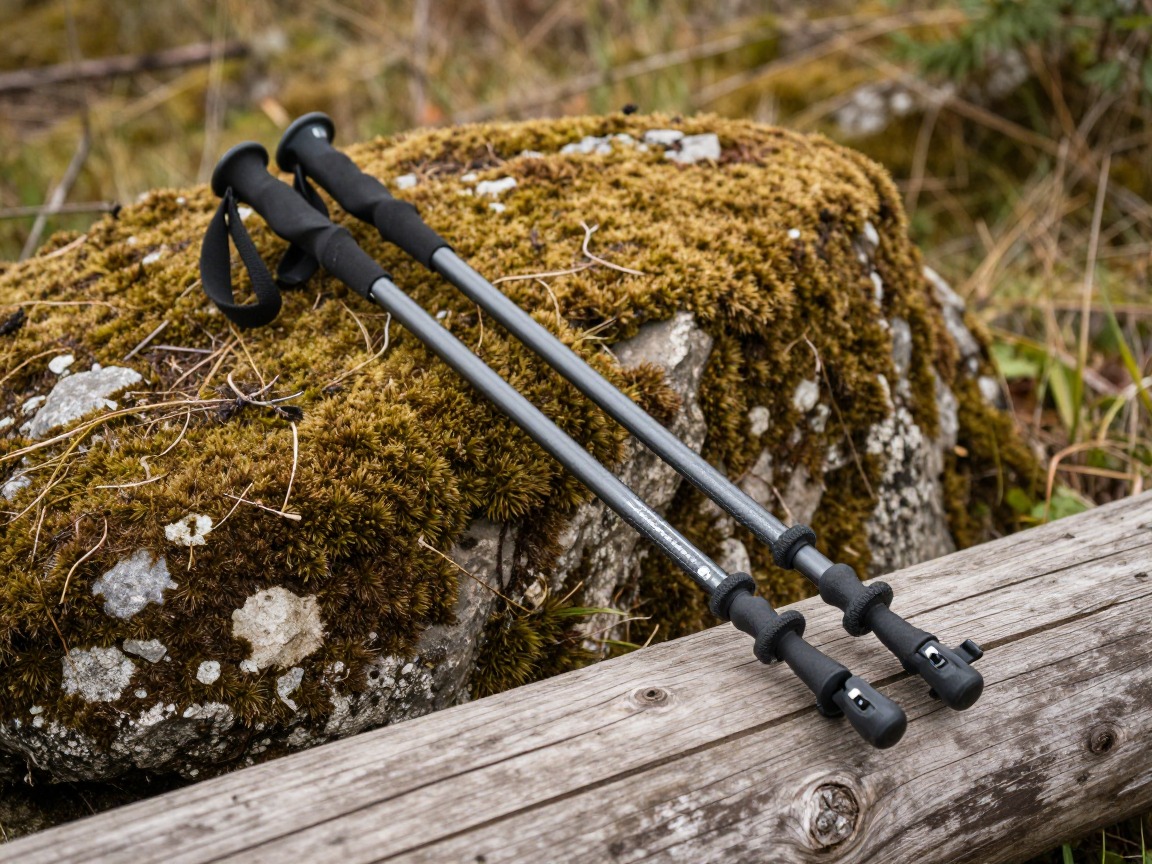
Trekking poles
Stability on loose scree, sandy washes and cut banks, plus a way to test the depth of soft sand before you commit a foot.
What to look for: Sturdy locks that hold under load, and tips you don't mind wearing down on rock. Carbon saves weight; aluminum shrugs off abuse better.
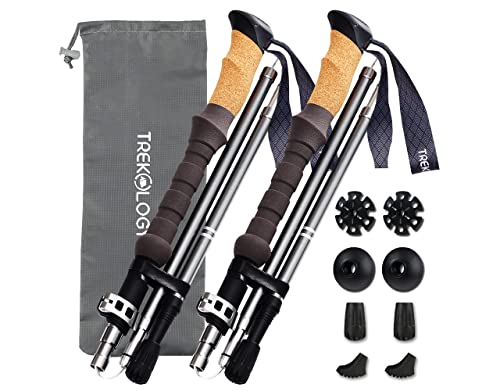 Trekology Trek-Z Cork Grip Collapsible Lightweight Hiking Trekking P Check price
 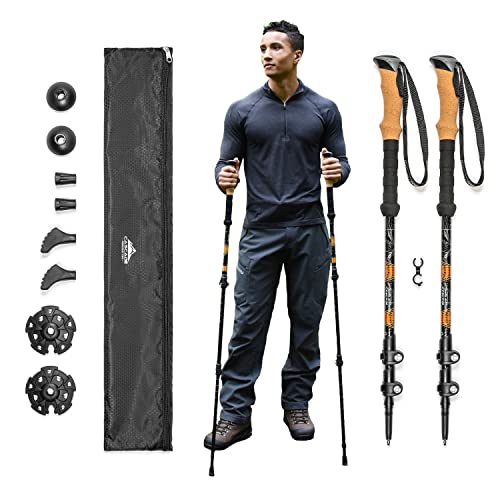 Cascade Mountain Tech Trekking Poles Check price
 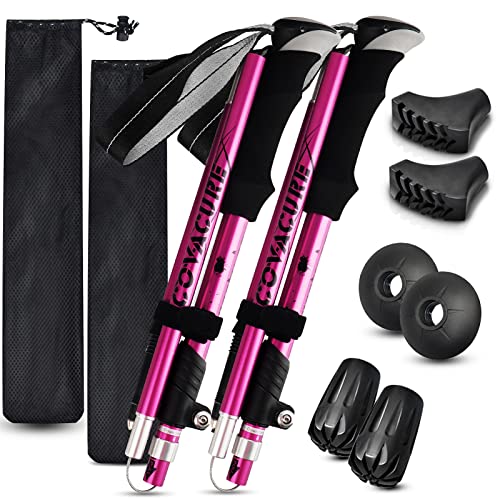 covacure Hiking Poles Check price
 - Sturdy trail shoes/boots with rock-resistant soles
- Sun sleeves or light gloves for hot-rock scrambling
Timing, warmth & safety
Desert days run hot and nights run cold. Plan your hours around the heat, and don't let a warm afternoon fool you about how far it will drop after dark.
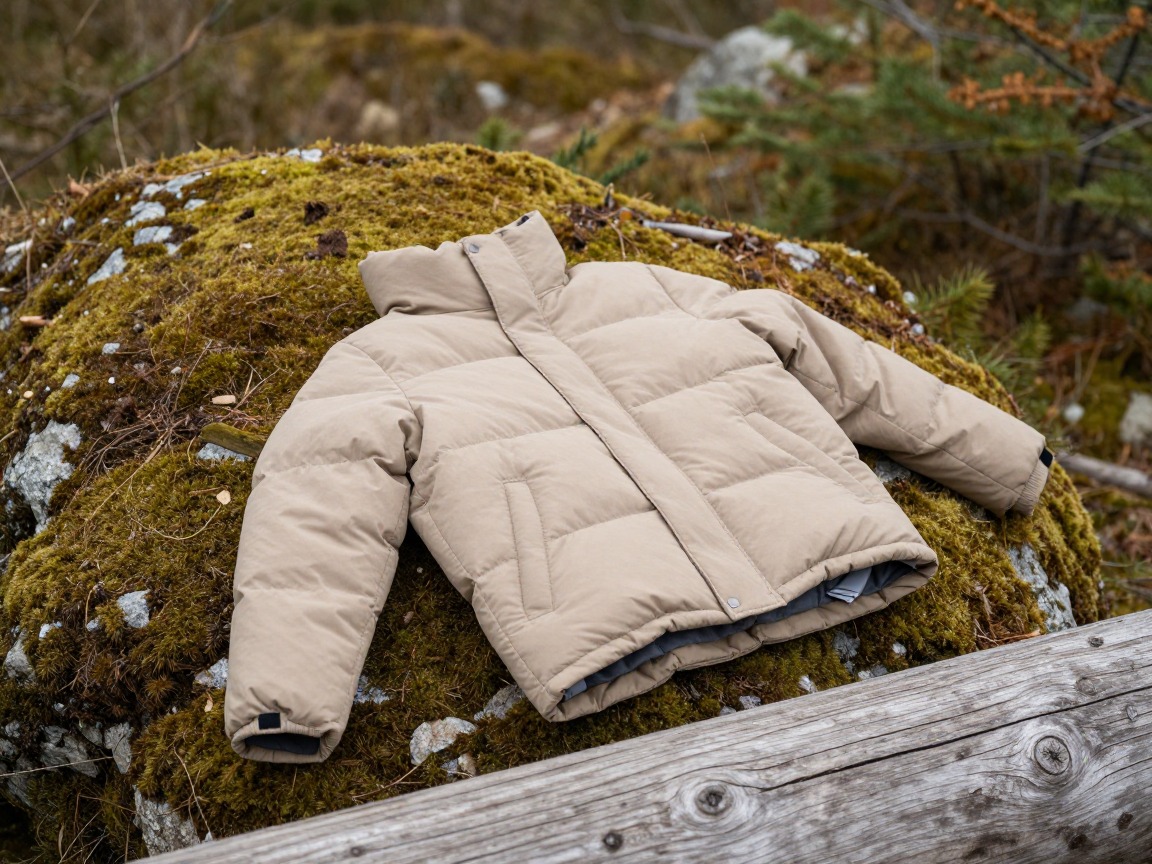
Warm layer
Clear desert skies mean the ground gives up its heat fast after sunset — a puffy or fleece that felt unnecessary at noon earns its place before dawn.
What to look for: Enough warmth for a surprising night-time drop, a packed size that doesn't crowd your water-focused pack, and a fit that layers over the sun hoodie.
 Outdoor Ventures Women's Packable Lightweight Puffer Jacket with Hoo Check price
  Amazon Essentials Women's Lightweight Long-Sleeve Water-Resistant Pa Check price
  Outdoor Ventures Women's Packable Lightweight Puffer Jacket with Hoo Check price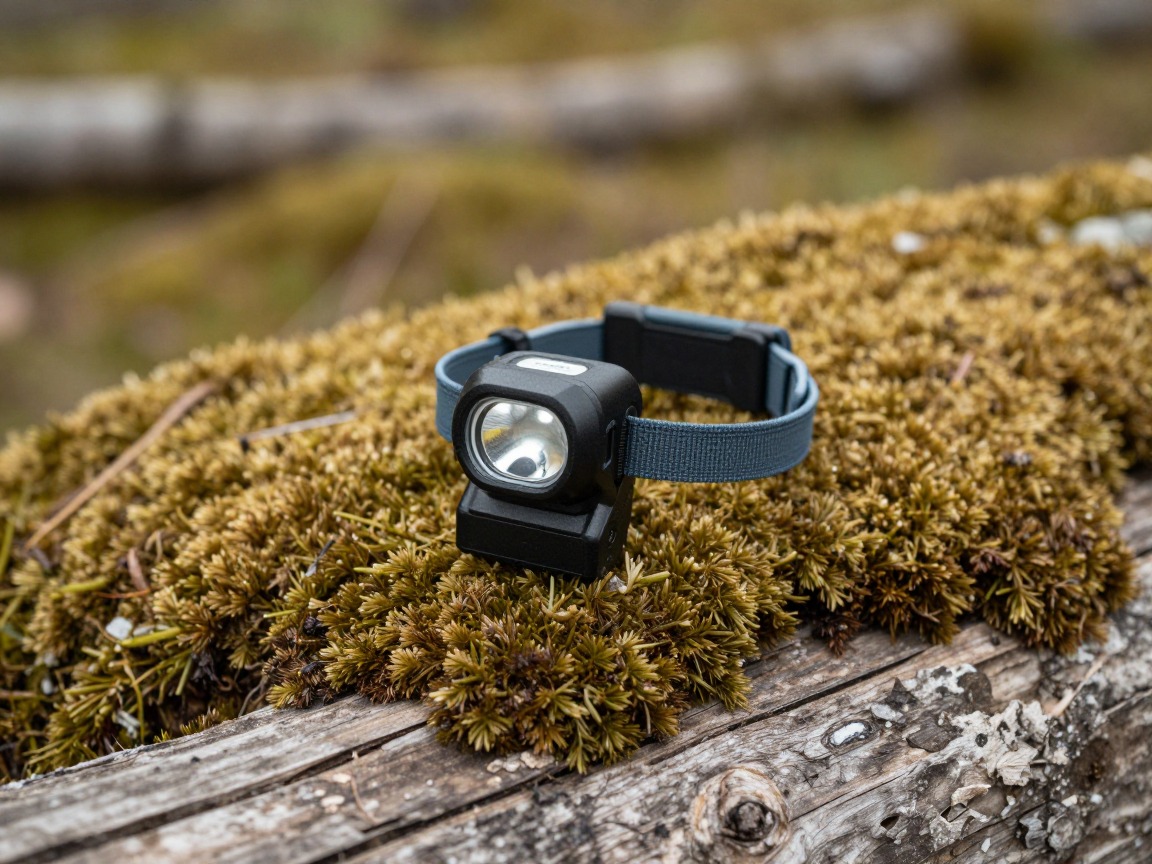
Headlamp
Earns its place for a practical reason here: many desert hikers shift their hardest miles to before sunrise or after sunset to dodge peak heat.
What to look for: Enough output for route-finding on rock in the dark, a red mode that's easier on your eyes at a pre-dawn camp, and spare batteries — heat is hard on rechargeables.
 LHKNL Headlamp Flashlight Check price
 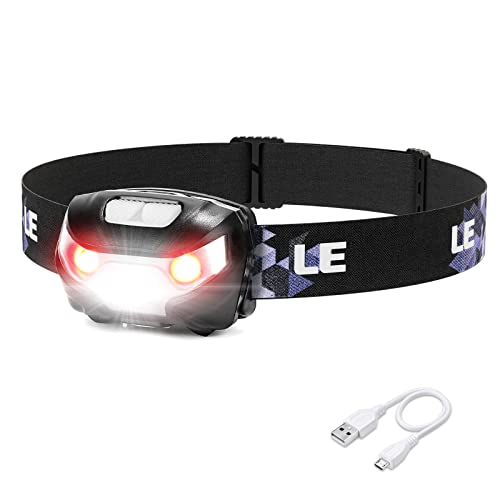 Lepro LED Headlamp Rechargeable IPX4 Waterproof Headlight 5 Modes - Check price
 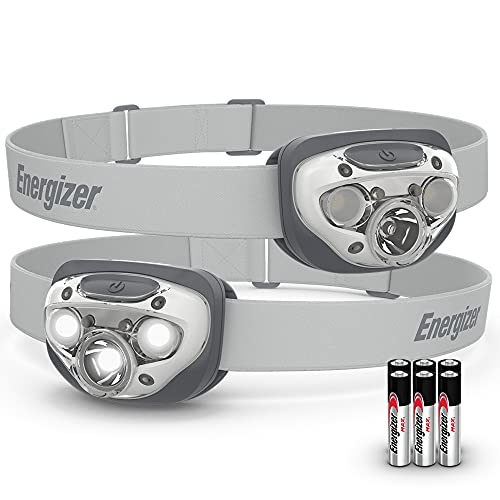 Energizer LED Headlamp PRO Check price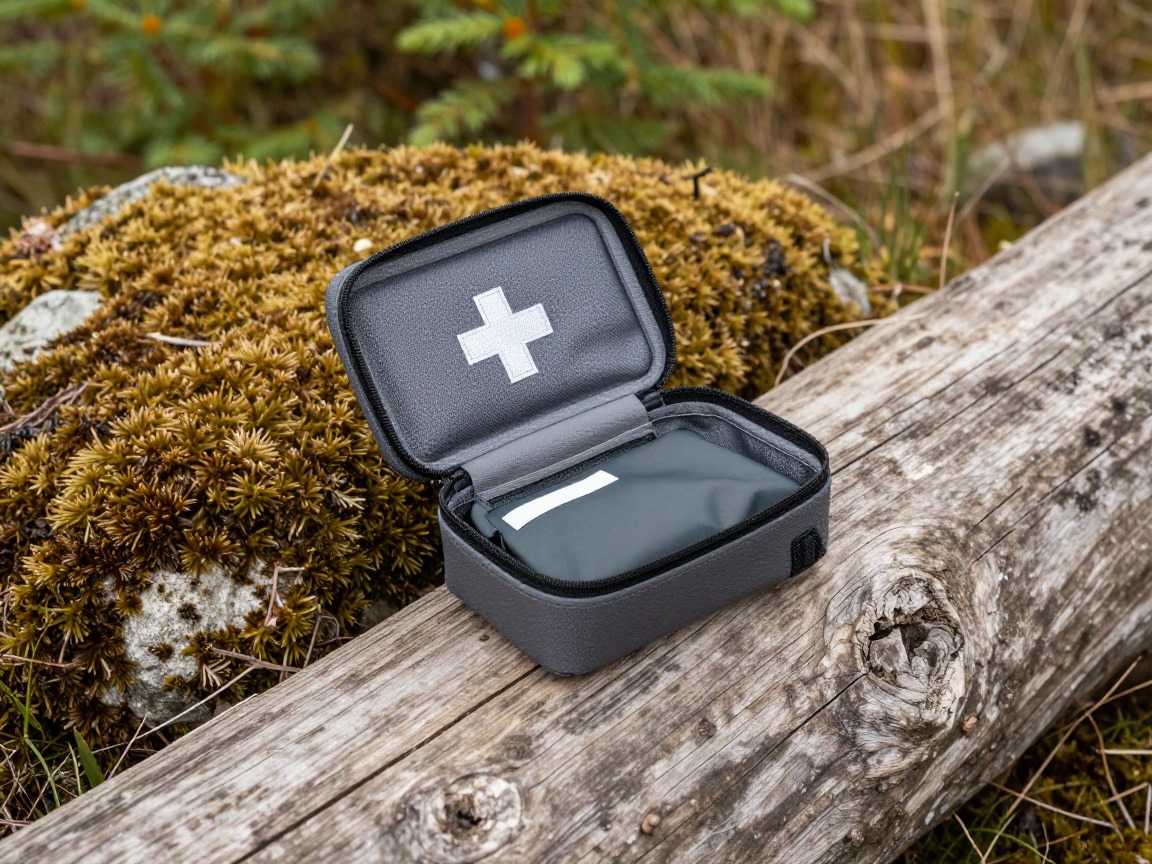
First-aid kit
A kit weighted toward blisters, cuts and thorns, alongside the judgment to notice when heat is becoming a real problem, not just discomfort.
What to look for: A compact kit with room for your own meds. Learn the early signs of heat illness — heavy sweating, headache, nausea — as your cue to get to shade, cool off and rehydrate; treat confusion or collapse as a call for emergency help immediately.
 Mini First Aid Kit - 150 Piece Small Waterproof EVA Hard Shell Case Check price
  Adventure Medical Kits Ultralight/Watertight Medical Kit .5 Check price
 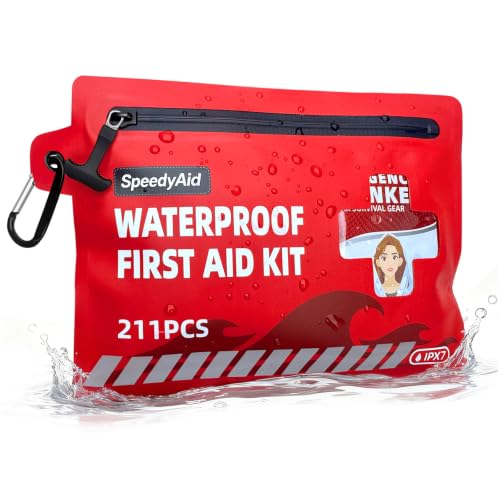 211 PCS Waterproof First Aid Kit Check price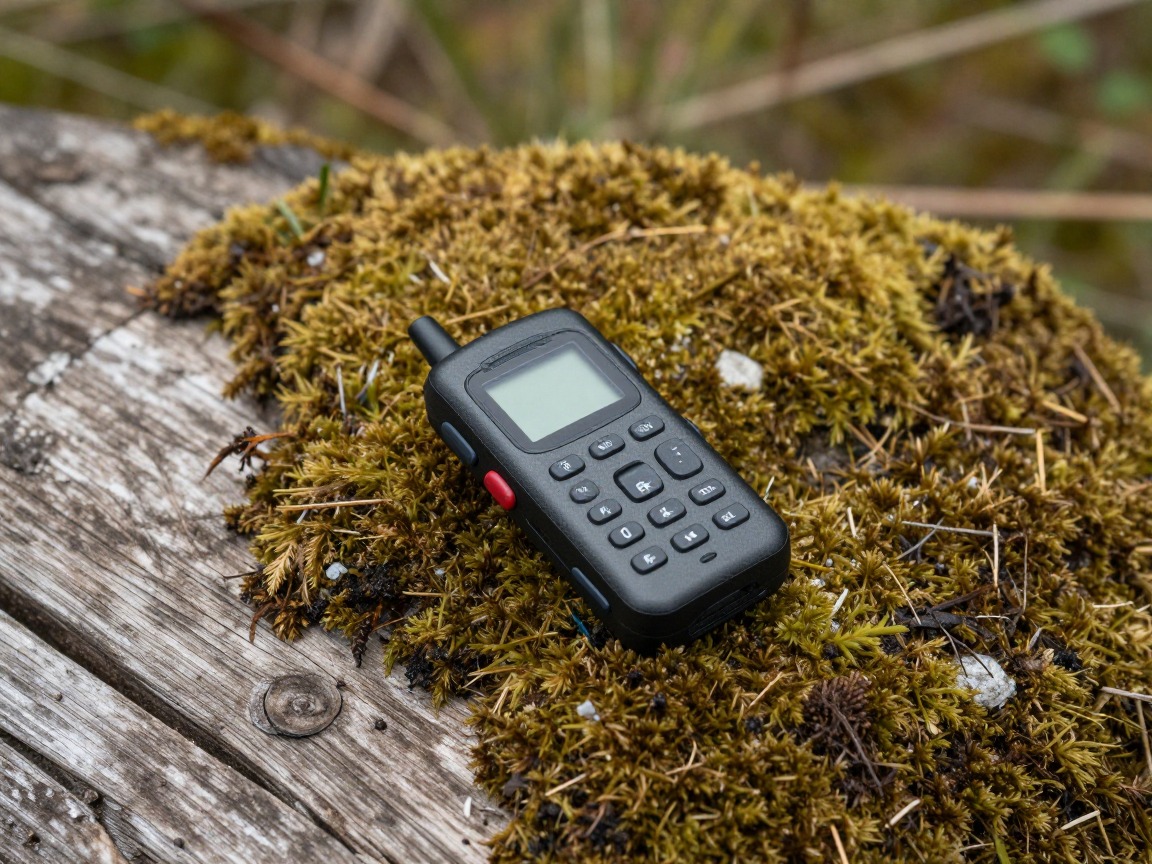
Satellite messenger
Desert trailheads are often outside cell coverage, and water-scarce terrain is exactly where you don't want to be stuck with no way to call for help.
What to look for: Two-way messaging so you can confirm help is coming, a subscription plan that matches how often you're out, and battery life that covers the full trip.
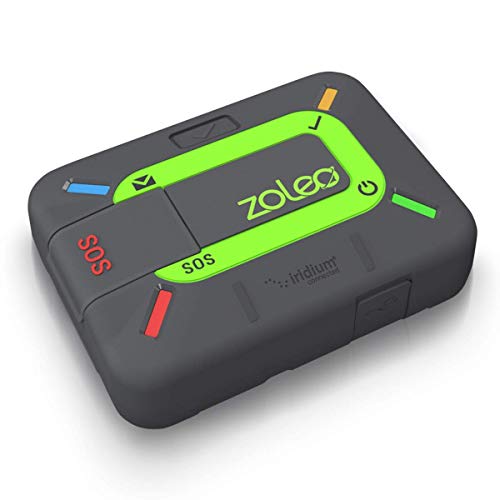 ZOLEO Satellite Communicator Check price
  Garmin inReach® Messenger Satellite Communicator Check price
  Garmin inReach® Mini 2 Check price
 - Map + compass or GPS (offline maps)
- Heat-hours hiking plan: dawn start, midday rest, evening finish
- Whistle
- Phone + power bank
- Route, water plan and return time left with someone at home
How to adapt this setup
A cooler-season, well-marked route lets you trim the water math and skip the umbrella, but keep the warm layer — desert nights swing cold whatever the season is.
No reliable sources at all on this route? Plan a full carry or a pre-placed cache, add real margin on top of your normal estimate, and lean harder on the satellite messenger — this is where the water math gets serious.
Shift almost all your miles to the hours around dawn and dusk, build in a rest through the hottest part of the day, and treat the umbrella and electrolytes as non-negotiable, not extras.
Add a sleep system built for a big day-night temperature swing — see the weekend or overnight backpacking setup — and cache or carry enough water to cover camp as well as the trail.
Common mistakes to avoid
- Underestimating water needs and having no backup plan for when a marked source turns out dry.
- Hiking straight through the hottest hours instead of shifting effort to dawn, dusk or a midday rest.
- Relying on sunscreen alone and skipping the hoodie-hat-umbrella system on a fully exposed trail.
- Packing only warm-weather clothing and getting caught cold once the sun goes down.
- Trusting a map's blue line for water without a current, on-the-ground report that it's actually flowing.
- Wearing soft-soled trail runners that shred on sharp volcanic rock a few miles in.
Make it yours
Frequently asked questions
How much water do I need for a desert hike?
A common starting point is roughly 1 liter per hour of moderate hiking in heat, more as the temperature climbs — often a gallon or more per person for a full hot-weather day. Build in a real margin above that estimate, since desert sources are unreliable, and never plan a route assuming you'll refill on the way.
Is it safe to drink from a desert water source?
Treat any desert water source before drinking it — a filter or purification tablets handle the biological risk, but they can't fix a source that's dried up, or one that's too shallow, silty or stagnant to draw from at all. Always have a backup plan that doesn't depend on a specific spring, tank or pothole being there.
What's the best time of day to hike in the desert?
Early morning and early evening, avoiding the hottest hours in between. Many desert hikers start at or before dawn, rest through the midday heat, and finish or resume once the sun is lower — it's a schedule built around the heat, not a workaround for it.
Do I really need a sun umbrella for hiking?
It's optional but genuinely effective — a light, reflective hiking umbrella creates portable shade on trails with no trees at all, and can noticeably lower how hot you feel. It's not a replacement for a hat, sunscreen and water, but it's a real addition on fully exposed routes.
How cold does it get in the desert at night?
Often much colder than daytime heat suggests — clear skies and low humidity let the ground radiate its heat away quickly after sunset, and swings of 30–40°F between day and night are common. Pack a real warm layer even when the forecast high looks brutal.
Illustrative images show the type of gear, not specific products. Recommendations link to similar items on Amazon; we only ever link real listings and never show fabricated prices or ratings. General planning guidance, not a substitute for your own judgment or professional backcountry-safety instruction.