
Best Time to Hike Mount Rinjani
The best time to hike Mount Rinjani is during the dry season, roughly April to December, according to the official season guidance. Rainfall is lowest in the middle of that stretch, with August the driest month on average. Always confirm current volcano and park status before booking a trek.
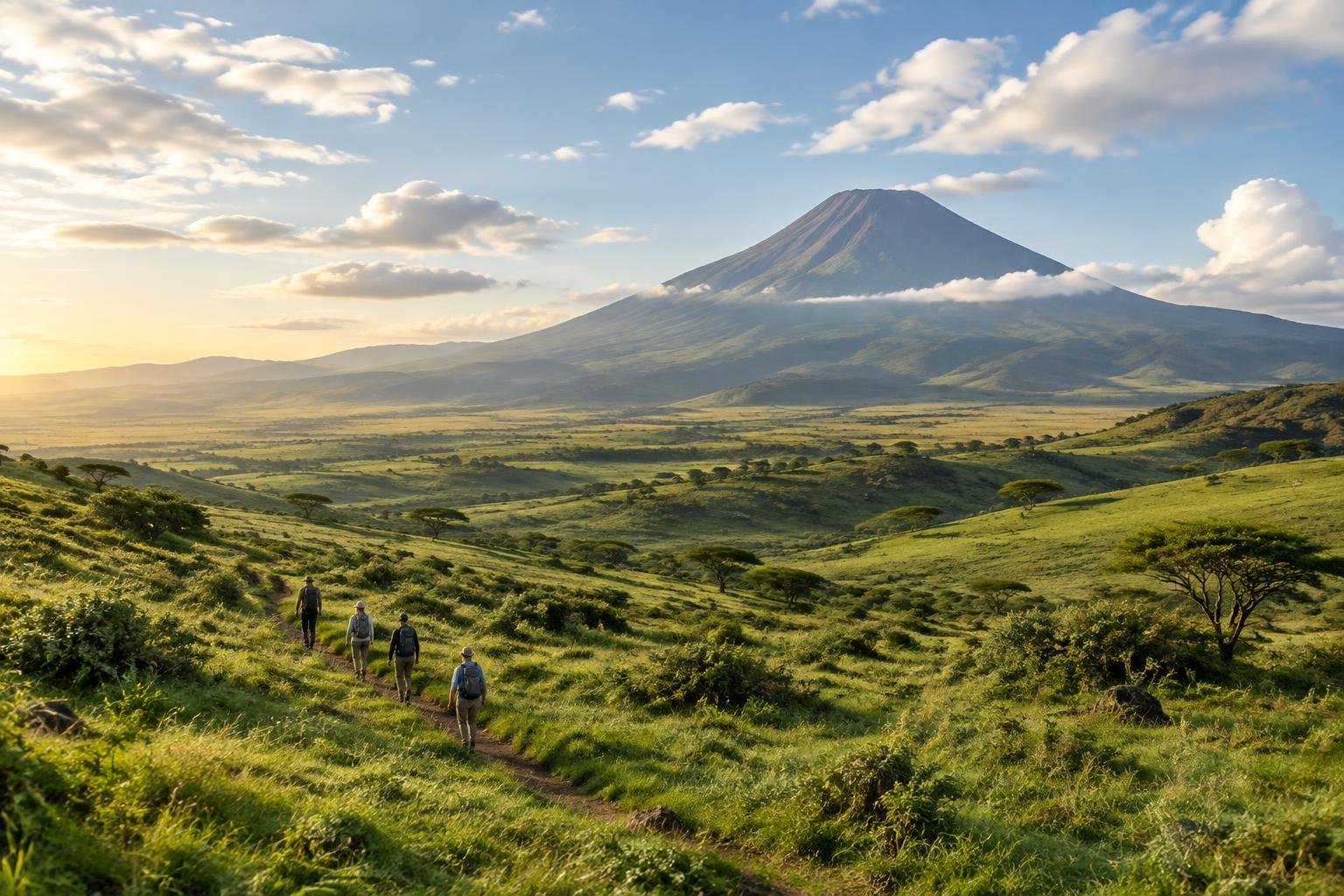
Month-by-month climate for Mount Rinjani
| Month | Rain | Daylight |
|---|---|---|
| Jan | 330 mm | 12.4 h |
| Feb | 240 mm | 12.3 h |
| Mar | 209 mm | 12.1 h |
| Apr | 121 mm | 11.8 h |
| May | 81 mm | 11.6 h |
| Jun | 48 mm | 11.5 h |
| Jul | 38 mm | 11.6 h |
| Aug | 14 mm | 11.7 h |
| Sep | 49 mm | 12 h |
| Oct | 70 mm | 12.2 h |
| Nov | 175 mm | 12.4 h |
| Dec | 283 mm | 12.5 h |
Modelled regional averages for 2010–2023 (rainfall) and calculated daylight hours; they describe the wider area, not a reading taken on the trail. Temperature changes little from month to month here, so we don’t chart it. Altitude, not season, drives how cold it feels on the route, so check the managing authority’s guidance for the section you plan to walk.
The modelled monthly figures show a clear wet and dry split. August is the driest month at about 14 mm, followed by July at 38 mm and June at 48 mm. January is the wettest at 330 mm, with December (283 mm) and February (240 mm) close behind. Daylight barely changes through the year, ranging from about 11.5 hours in June to 12.5 hours in December, so the season is shaped by rainfall rather than by short winter days. Temperature barely changes by month here, and altitude, not season, is what drives how cold it feels, so follow the managing authority's guidance for conditions.
Mount Rinjani season by season
Early dry season · April to May
Rainfall drops from about 121 mm in April to about 81 mm in May, so conditions are improving but not yet at their driest. This is the opening of the dry season described in the official season guidance. Daylight sits at roughly 11.6 to 11.8 hours, which gives a fairly steady working day for a long trek. Showers can still appear, so plan flexibility into your dates and confirm park status with the managing authority before you book.
Peak dry season · June to September
These are the driest months in the modelled data, with rainfall of roughly 48 mm in June, 38 mm in July, 14 mm in August and 49 mm in September. That makes this the most reliable window for a multi-day guided trek with a crater-rim camp. Daylight is around 11.5 to 12.0 hours. Because this window is popular, booking with a licensed guide earlier is sensible, and you should still check whether the mountain is open.
Late dry season · October to December
The official season guidance runs to roughly December, but the figures show rainfall climbing through this period: about 70 mm in October, 175 mm in November and 283 mm in December. October is still comparatively dry, while December is already close to wet-season levels. Daylight lengthens slightly to about 12.5 hours by December. Treat the later months as less predictable and ask the managing authority about current conditions.
Wet season · January to March
This is the wettest part of the year in the modelled data, with about 330 mm in January, 240 mm in February and 209 mm in March. It falls outside the dry season given in the official season guidance. Daylight is roughly 12.1 to 12.4 hours, so the limiting factor is rain rather than light. Wet conditions and the possibility of closures on volcanic or safety grounds make this the least suitable window for the trek.
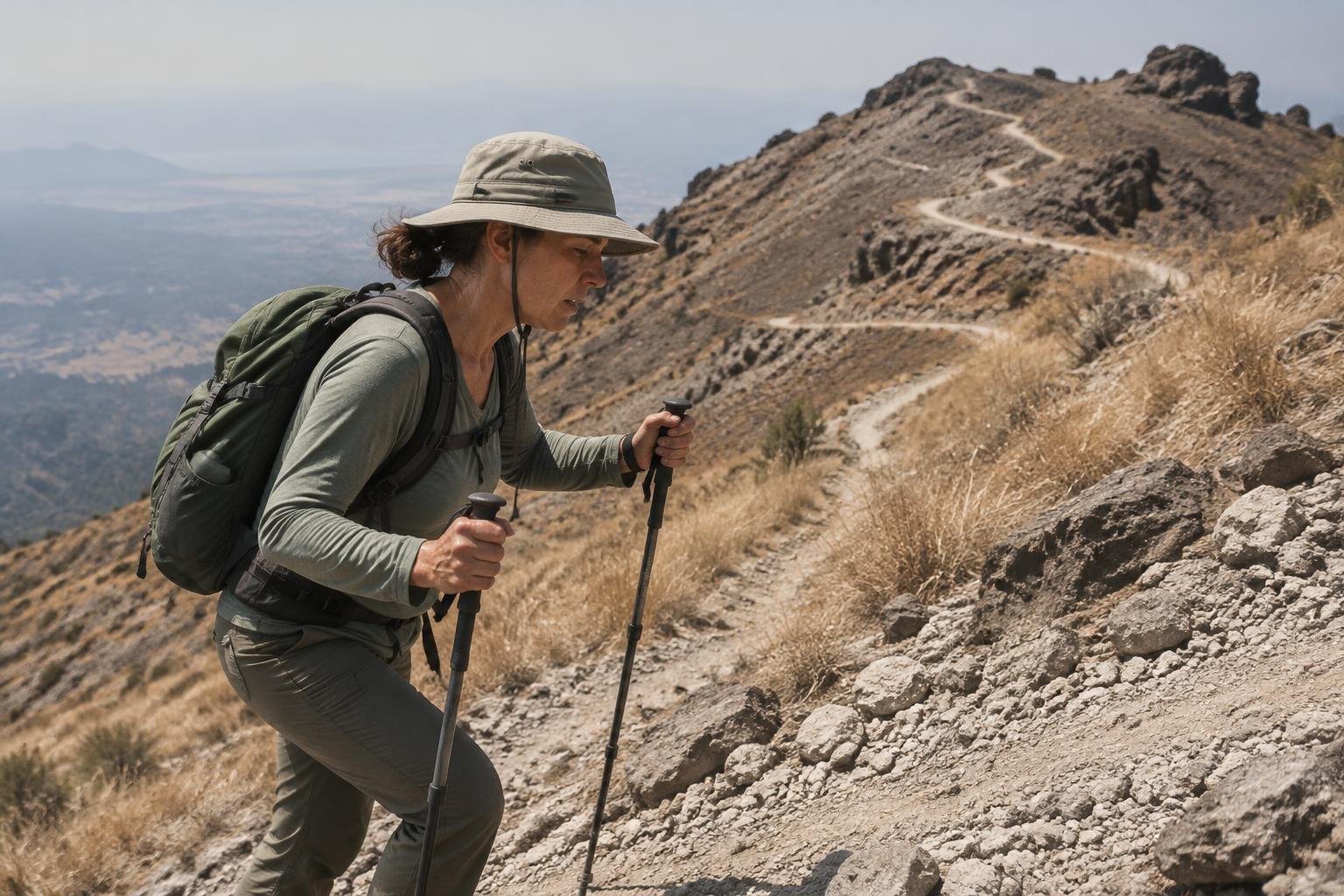
Official season guidance
Gunung Rinjani National Park: Dry season (roughly April–December)
Rinjani is an active volcano climbed via the national park, and treks are normally done with a licensed guide and porters; a park entry ticket is required and the mountain can close on volcanic or safety grounds. Check current status before booking.
Check current dates on rinjaninationalpark.com (Mount Rinjani National Park)What to pack for the season
Packing should follow the season. In the dry months, prioritize layers for cold camp nights at altitude, sun protection and a headlamp for pre-dawn starts. If you travel near the shoulder months, add reliable rain cover. Your licensed guide and porters can advise on shared gear, but check your own kit before you leave.
For layering, rain cover and weather planning, see hiking in rain, heat and cold.
Timing mistakes to avoid
A common mistake is treating the dry season as a guarantee when the figures show rainfall rising from October onward. Another is picking dates without confirming whether the mountain is open, since Rinjani is an active volcano and can close on volcanic or safety grounds. Relying on a single month's average is also risky, because these are modelled regional figures rather than trail measurements. Finally, leaving booking late for the driest months can limit your choice of licensed guides.
Common questions
What is the driest month to hike Mount Rinjani?
In the modelled monthly data, August is the driest month at about 14 mm of rainfall on average, with July (38 mm) and June (48 mm) also very dry. These are regional averages rather than trail measurements, so conditions on the mountain can differ and should be confirmed with the park.
Can I hike Mount Rinjani in the wet season?
The official season guidance points to the dry season, roughly April to December. January to March are the wettest months in the data, with 209 to 330 mm of rain. The mountain can also close on volcanic or safety grounds, so check current status with the managing authority before planning a wet-season trek.
Does daylight change much through the year?
Not much. Calculated daylight ranges from about 11.5 hours in June to about 12.5 hours in December, a difference of roughly one hour. Because of this, rainfall is the main seasonal factor to plan around, not the length of the day, though you should still carry a headlamp for early starts.
Do I need to check anything before booking a Rinjani trek?
Yes. Rinjani is an active volcano, treks are normally done with a licensed guide and porters, and a park entry ticket is required. The mountain can close on volcanic or safety grounds, so confirm current status with Gunung Rinjani National Park before you commit to dates.
Sources
- Gunung Rinjani National Park — rinjaninationalpark.com (Mount Rinjani National Park): official season and permit guidance.
- NASA POWER (Prediction Of Worldwide Energy Resources): monthly temperature and rainfall averages, 2010–2023, from MERRA-2 reanalysis. Daylight hours are calculated from latitude.
Conditions, closures and permit rules change without notice — confirm current information with the managing authority before you go. See our editorial policy and affiliate disclosure.