
Affiliate disclosure: this page contains affiliate links. Purchases made through them may earn us a commission at no extra cost to you. See our affiliate disclosure.
In plain English
Rinjani is a volcano on an island in Indonesia, and most people climb it with a guide and a crew of porters. The porters carry the tents, the food and the cooking gear, and they put up camp each evening. So there is no hut to book and no room to reserve on the mountain itself. Before and after the climb you sleep in a village at the bottom, in a simple guesthouse or homestay.
That means the choice that shapes your comfort is not the bed. It is the company you hire and the sleeping bag you bring. Even on a tropical island, nights on a volcano rim can be cold and windy, as the page says, and a bag that is too thin will make for a long night. Being properly chilled is more than uncomfortable: the CDC says hypothermia can develop even above 40°F if you get wet and cold.3
There is one more thing to keep in mind. Rinjani is an active volcano, and the page says the park can close the mountain on volcanic or safety grounds. Ask your operator what happens to your booking if that occurs, and confirm the current status with the national park before you travel.
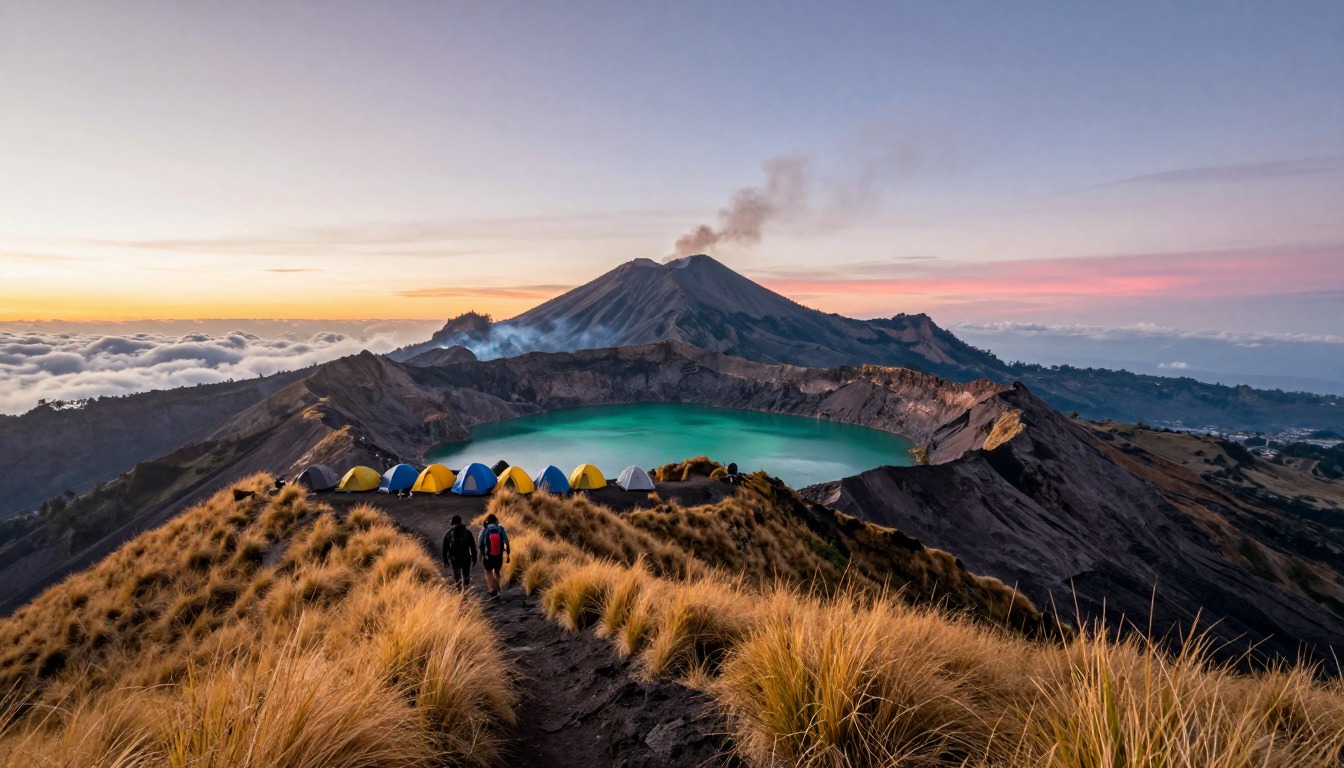
Mount Rinjani is an active volcano on Lombok, Indonesia, climbed as a multi-day guided trek with a crew of porters who carry and pitch camp for you along the way. At 3,726 meters, with a crater lake inside its caldera, the climb is broken into stages, so most nights on the mountain are spent in a tent set up by your crew, not in any kind of building. Before and after, the trailhead villages have real beds waiting.
Why hike here
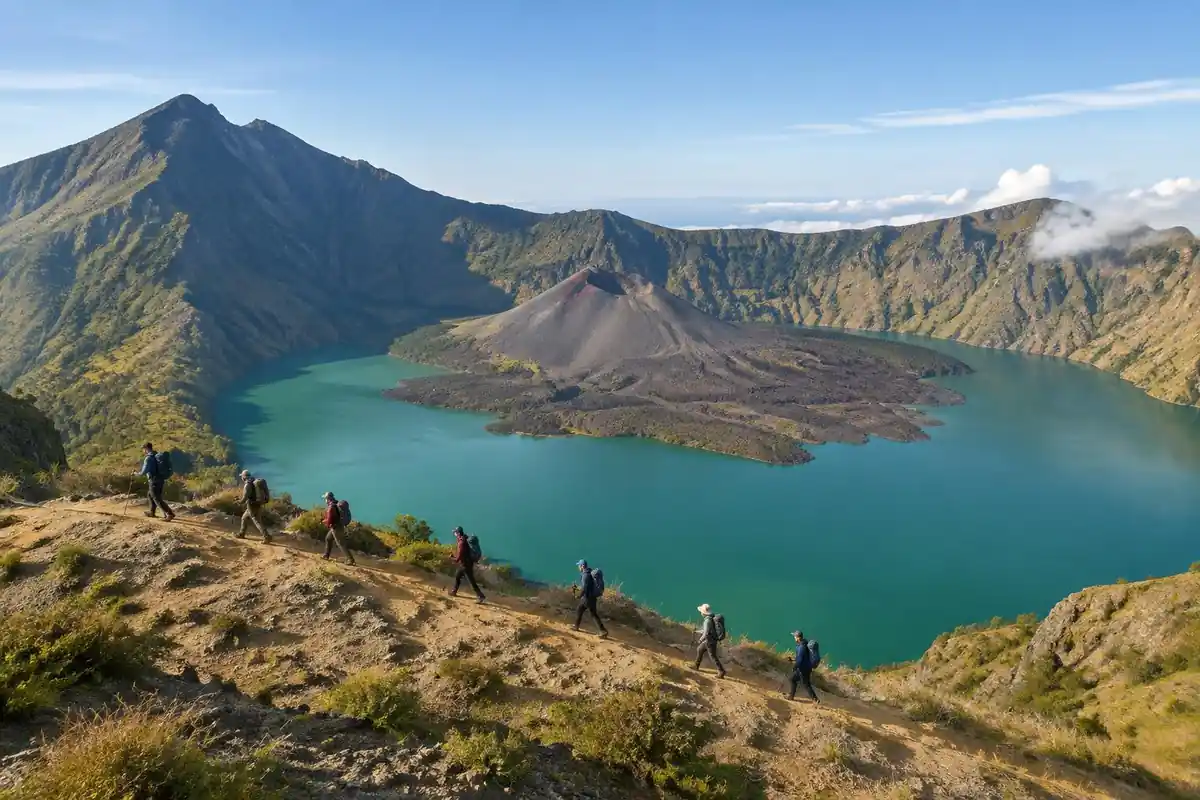
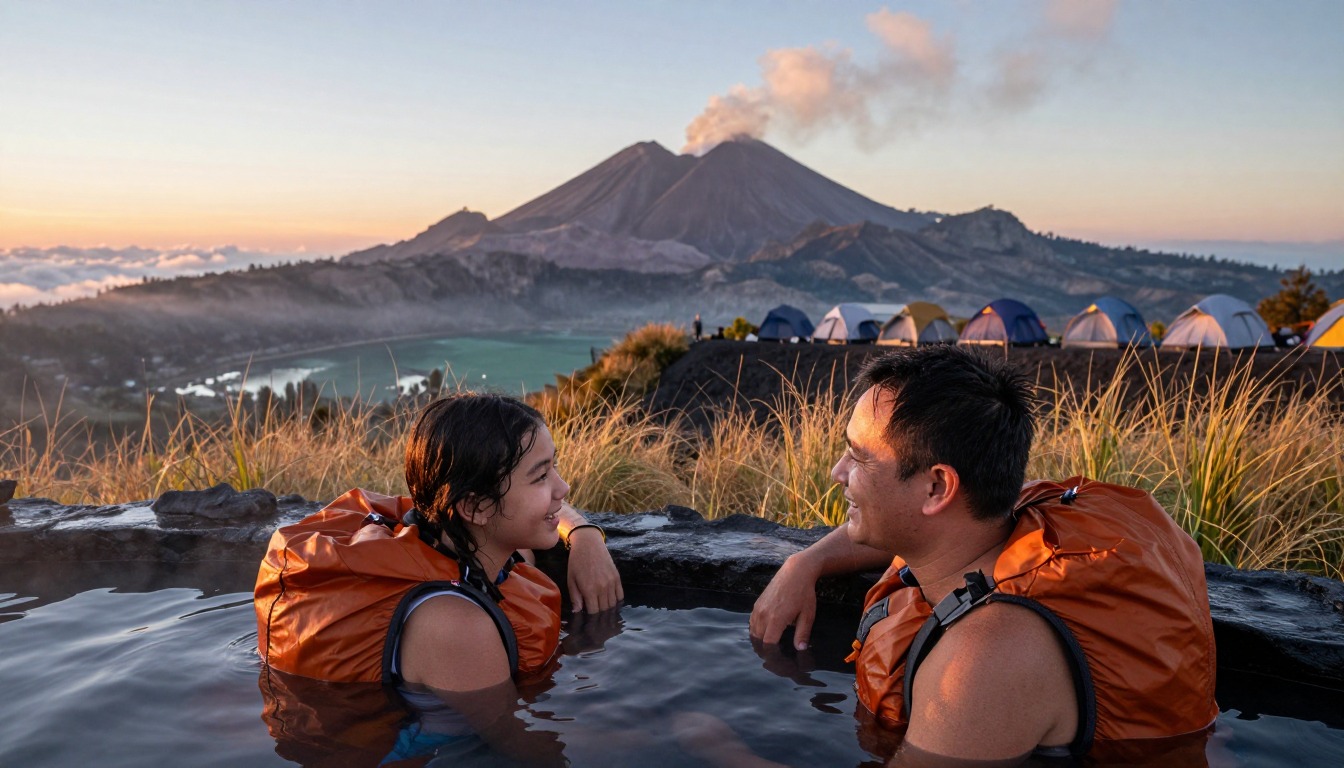
The draw here is the caldera itself: a wide crater holding a lake, ringed by steep volcanic walls, with the summit cone rising from inside it. You walk up through savanna grassland and forest before the terrain turns to bare volcanic scree, and camping on the crater rim puts you right at the edge of that view for sunset and sunrise. Because porters handle the tents, cooking, and gear, the days are mostly about the walking and the changing ground beneath your boots — grass to forest to rock — rather than logistics. It's a hike that rewards patience: the multi-day pace and the cold, windy nights on the rim are part of what makes reaching the crater lake feel earned.
Getting there
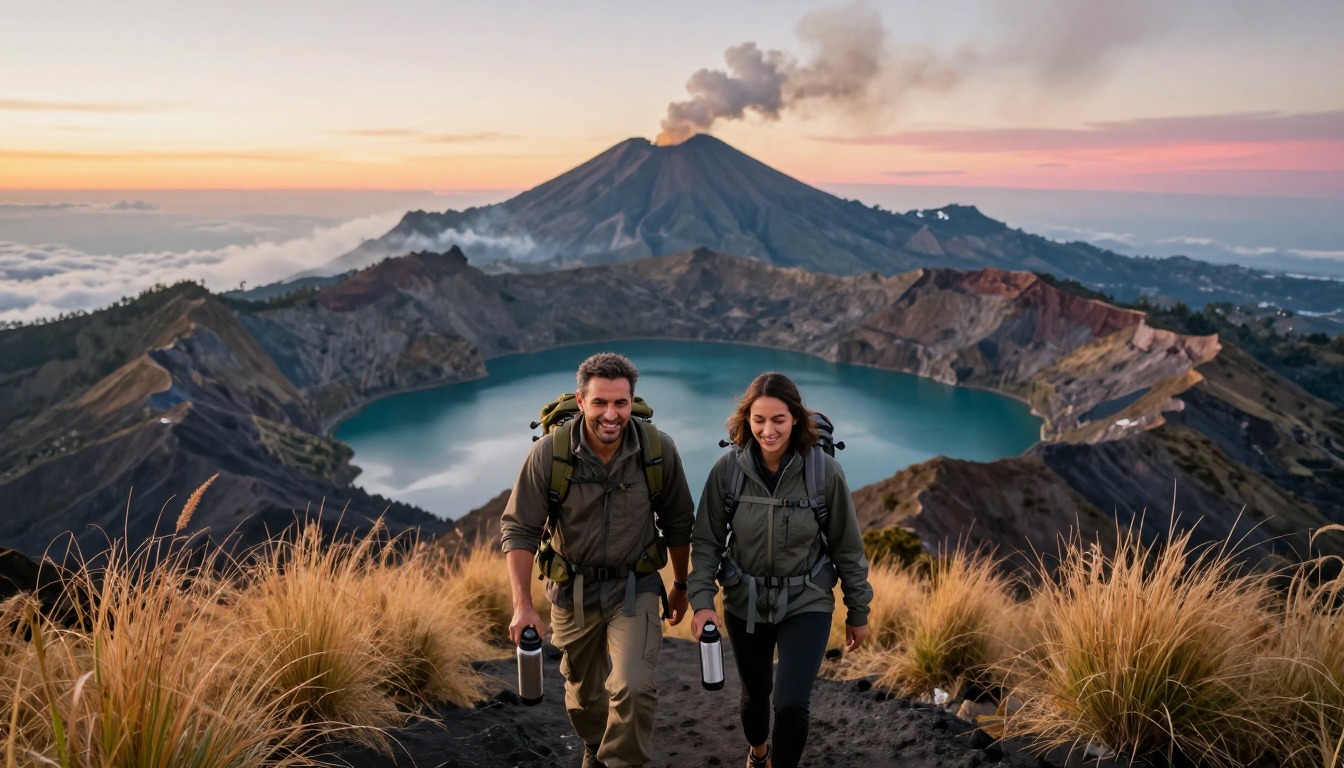
The gateway is Lombok, so you fly in and then travel by road to one of the two trailhead villages, Sembalun or Senaru, where most treks begin or end. Both villages have homestays and guesthouses if you want a night to settle in before starting or to recover afterward. From there, trekking is done with a licensed guide and porter crew, who handle the route, camp setup, and the national park entry ticket required to climb.
Where to stay
The realistic options, closest-to-the-trail first. Book through the official links — we don't list prices or availability because they change all the time.
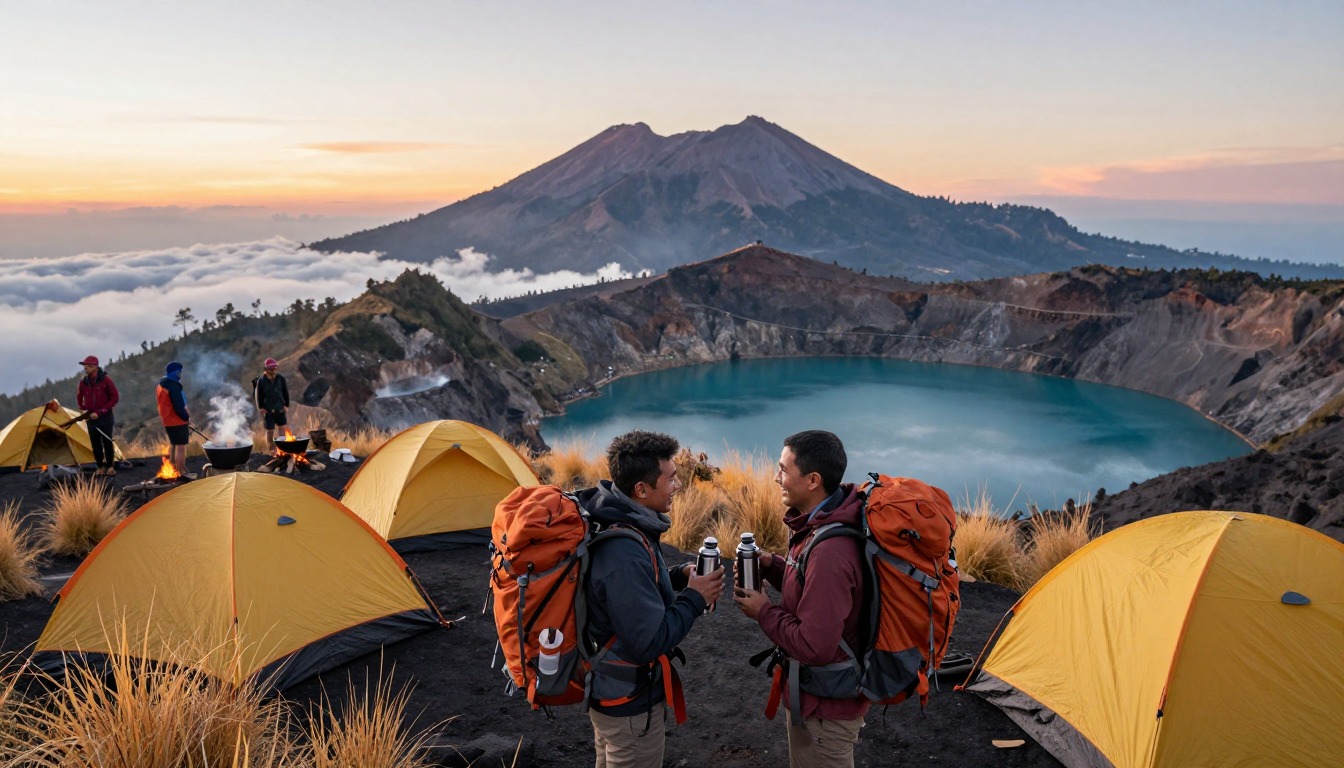
For example: Tented camps on the crater rim set up by your trekking crew and porters
Every trekker — the mountain is climbed as a guided camping trip.
Crews carry and pitch the camps; nights on the rim are cold and windy.
Booked through a licensed operatorFor example: Homestays and guesthouses in the trailhead villages of Sembalun and Senaru
Trekkers the night before and after the climb.
The two villages are the standard start and finish points.
Village lodging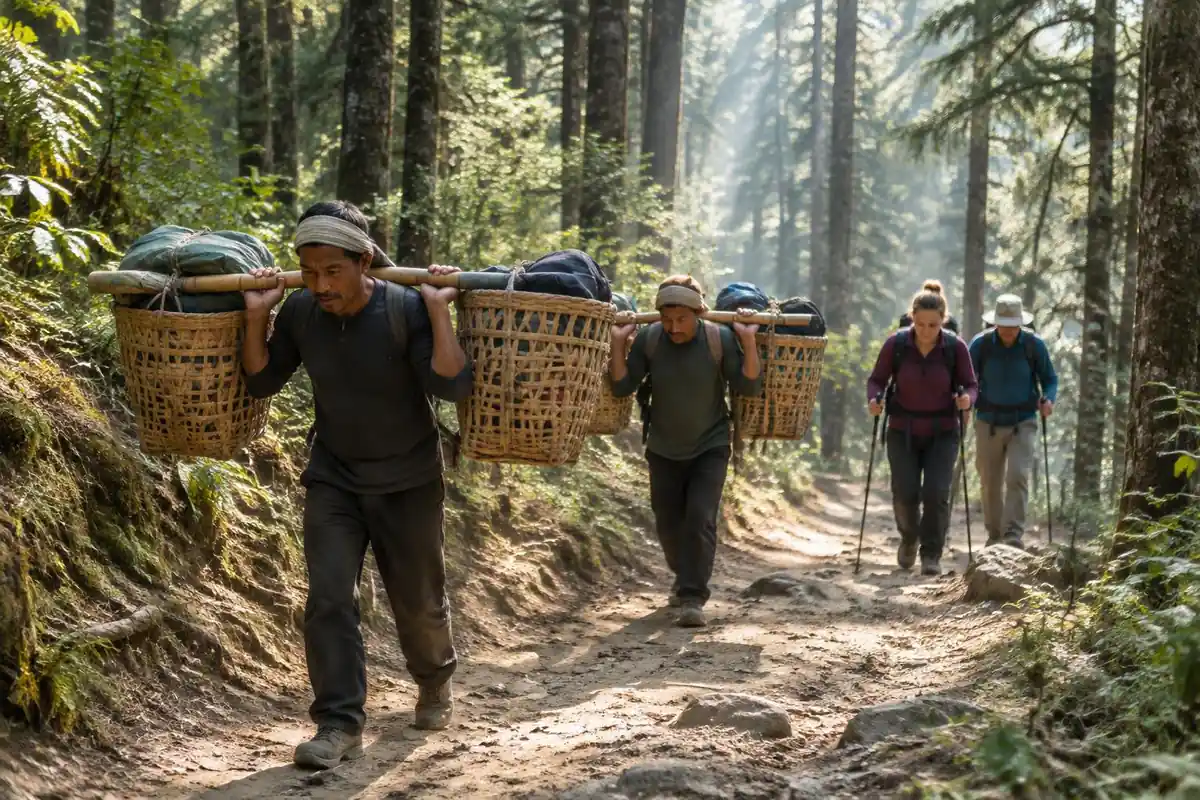
Permits & rules
Rinjani is an active volcano climbed via the national park, and treks are normally done with a licensed guide and porters; a park entry ticket is required and the mountain can close on volcanic or safety grounds. Check current status before booking.
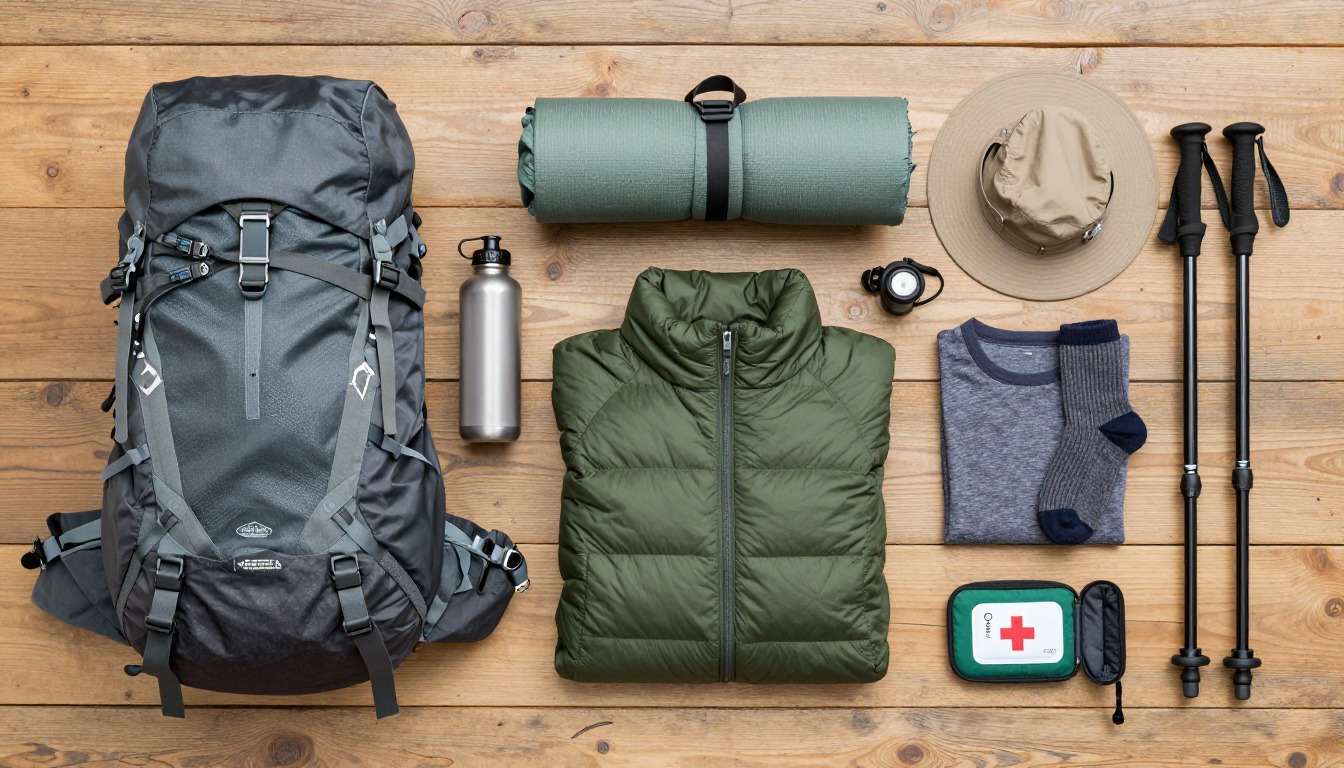
Gear you'll want for this trip
Matched to the terrain and conditions here. Real products — check current price on Amazon.


The crew is the hotel
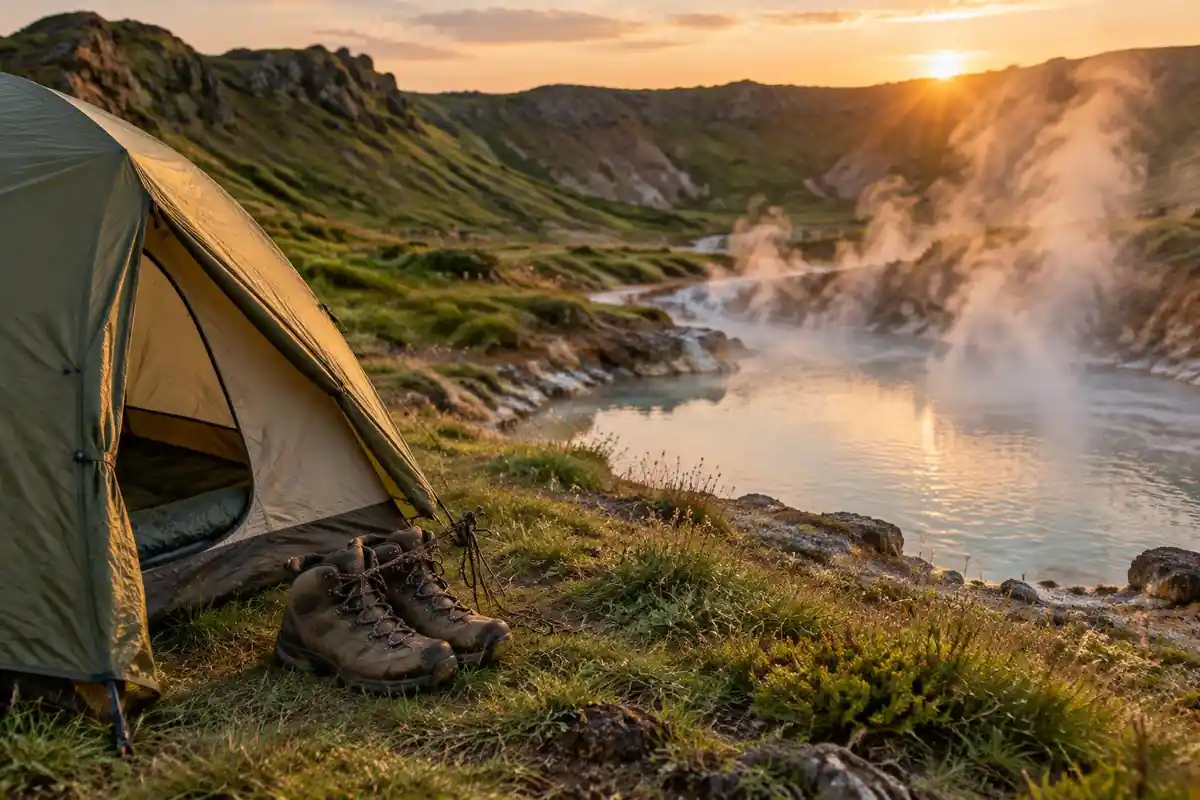
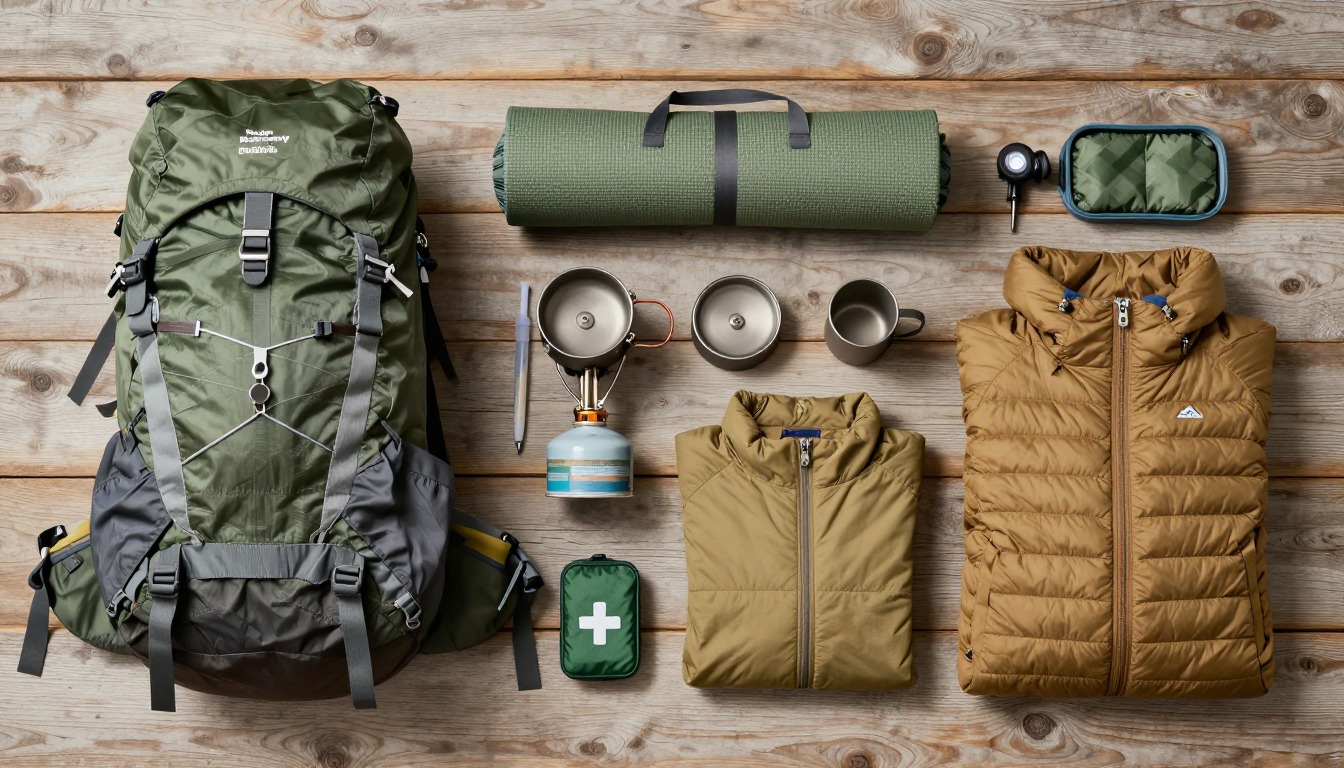
The page explains that porters carry and pitch tents at the crater-rim campsites and that the trek comes with a licensed guide and porter crew. That splits your gear into two piles. The crew's pile is the tent, kitchen and food. Your pile is the sleep system and clothes. On a rim that the page calls cold and windy, that pile deserves the attention, because it is the only part of the lodging you control.
Sleeping bag ratings are not a simple number. Therm-a-Rest explains that the EN 13537 standard, introduced in 2005 so consumers could compare bags directly, was replaced by an updated ISO standard in April 2017, and that ratings are tested with a heated manikin inside the bag on a foam mat.4 NEMO adds that the extreme rating marks serious risk of death from hypothermia within hours and is not a target rating.5 Pair the bag with an insulated pad, because sleeping directly on the ground chills you through conductive heat loss.6
Stoves, fuel and sleeping tents
The crew cooks, but you may still be tempted to warm a tent with a stove or lantern on a cold night. The CDC's report on two camping incidents that killed six people describes a propane stove burning inside a zipped tent, and says camping stoves, heaters, lanterns and charcoal grills should never be used inside a tent.1 The Consumer Product Safety Commission adds that carbon monoxide risk is higher at high altitudes and that poisoning can be mistaken for a cold or flu, and is often detected too late.7 The CDC's alternative is adequate bedding and clothing, with extra food and drink.1
MSR notes that canister fuel is not available everywhere and that liquid fuel is safer for remote international travel.8 That is mostly an issue for the operator, but it is a fair question to ask when comparing trips. The National Weather Service also says a tent offers no protection from lightning and that mountain thunderstorms often build in the early afternoon.2 A crater rim is exposed ground, so an early start and a plan for storms are part of the safety picture.
Volcano status, water and altitude
The page says the mountain can close on volcanic or safety grounds and that the wet season also shuts it periodically. Book with an operator whose cancellation and rescheduling terms you have read, and confirm current status, permits and closures with Gunung Rinjani National Park, the manager named on the page, before you book and again before you travel.
Water on a multi-day trek is usually the crew's job, but it helps to know the rules: the CDC says water from a clear mountain stream can still contain germs, boiling is the best method at 1 minute, or 3 minutes above 6,500 feet, and most portable filters remove parasites but not viruses.9 At 3,726 meters, about 12,200 feet, the summit is well above the 8,000 feet at which the CDC says any unacclimatized person sleeping is at risk of altitude illness.10 Tell your guide early if you feel unwell.
Common questions
Do I need to bring my own tent to climb Mount Rinjani?
No — on a guided trek, your porters carry and pitch tents at the crater rim campsites, so you don't need to bring your own shelter. Nights up there are cold and windy, so pack warm layers and a sleeping bag suited to below-freezing conditions even though it's a tropical island.
Do I need a permit or guide to trek Rinjani?
Gunung Rinjani National Park requires an entry ticket, and treks are normally done with a licensed guide and porter crew rather than independently; confirm current permit, route and guide rules with the park or your operator. Most trekking operators arrange the permit, guide, and porters together as part of booking, so check what's included before you commit.
When is the best time to trek, and does the mountain ever close?
The dry season is generally the best window for trekking conditions; confirm current dates with your operator. Rinjani is an active volcano and the national park can close the mountain on volcanic activity or other safety grounds, so check the current park status with your operator before booking or traveling.
Complete gearsets for this trip
Full curated kits built for exactly this kind of hike — what to bring, why, and links to similar gear.
Lodging details are compiled from official parks, refuge associations and reservation systems and can change without notice. We publish no prices, availability or ratings — always confirm current information on the official site before booking or setting out. Product links and the accommodation map are affiliate links: we may earn a commission at no extra cost to you; product prices and availability are shown on Amazon, and accommodation prices on the booking site. See our affiliate disclosure.