
Best Time to Hike Fitz Roy — Laguna de los Tres
The best time to hike Fitz Roy — Laguna de los Tres is November to March, the Patagonian summer, according to the official season guidance. Those months bring the longest daylight, up to about 16 hours in December, and the warmest part of the year here. Check with Parques Nacionales for current conditions before you go.
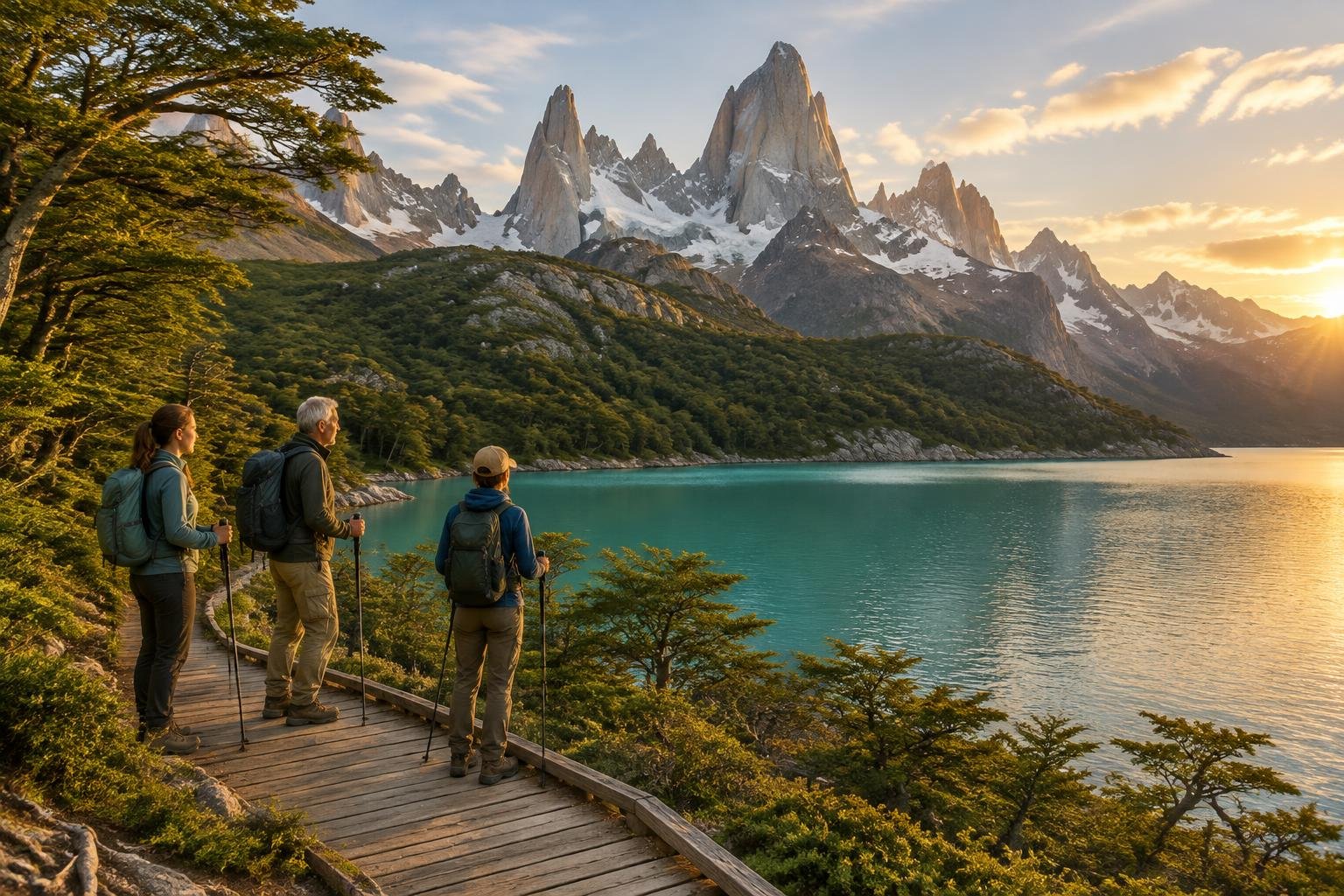
Month-by-month climate for Fitz Roy — Laguna de los Tres
| Month | Relative warmth | Rain | Daylight |
|---|---|---|---|
| Jan | Warmest | 136 mm | 15.6 h |
| Feb | Warmest | 107 mm | 14.1 h |
| Mar | Warmest | 131 mm | 12.4 h |
| Apr | Warm | 137 mm | 10.5 h |
| May | Cool | 141 mm | 8.9 h |
| Jun | Coldest | 146 mm | 8 h |
| Jul | Coldest | 127 mm | 8.4 h |
| Aug | Coldest | 131 mm | 9.8 h |
| Sep | Cool | 105 mm | 11.7 h |
| Oct | Mild | 110 mm | 13.5 h |
| Nov | Warm | 119 mm | 15.2 h |
| Dec | Warmest | 136 mm | 16 h |
Modelled regional averages for 2010–2023 (rainfall) and calculated daylight hours; they describe the wider area, not a reading taken on the trail. “Relative warmth” compares each month with the warmest and coldest months of this place’s own year. It is not a temperature, and the high parts of a route are colder than the region around them.
Modelled regional averages show rain is spread fairly evenly through the year, from about 105 mm in September to about 146 mm in June, so no month is truly dry. Daylight is the bigger swing: roughly 16.0 hours in December against 8.0 in June. Relative to this place's own year, December through March are the warmest months and June through August the coldest, with April and November sitting just below the warmest tier. These are typical figures, not trail measurements.
Fitz Roy — Laguna de los Tres season by season
Summer · December to March
This is the core of the official season and the warmest stretch of the year here, with December offering about 16 hours of daylight and March still giving around 12. Rainfall typically runs 107 to 136 mm a month, so wet weather remains possible even at peak season. The long days give room for an early start on the steep final climb to the lagoon, and for a slower return. Pack layers, because the park's guidance notes the weather can change within minutes.
Late autumn · April to May
Daylight shrinks quickly, from about 10.5 hours in April to about 8.9 in May, which shortens the window for a long day hike. April is still relatively warm for this place, while May is cool. Rainfall averages about 137 to 141 mm a month, among the higher figures of the year. This period sits outside the official November to March window, so check with the managing authority about current trail and camp conditions before planning around it.
Winter · June to August
These are the coldest months of the year here and the shortest days, with only about 8.0 hours of daylight in June and 8.4 in July. Rainfall typically sits between 127 and 146 mm a month. A day hike to the lagoon becomes a tighter race against the light, and the steep final climb needs more margin. Because this lies outside the official season, confirm conditions and access with Parques Nacionales rather than relying on averages.
Spring · September to November
Days lengthen fast, from about 11.7 hours in September to 15.2 by November, and the warmth climbs from cool to mild to warm. September and October are among the drier months in the modelled data at roughly 105 to 110 mm. November falls inside the official season, so it is the natural shoulder choice, while September and October sit just outside it. Ask the managing authority about current conditions before committing.
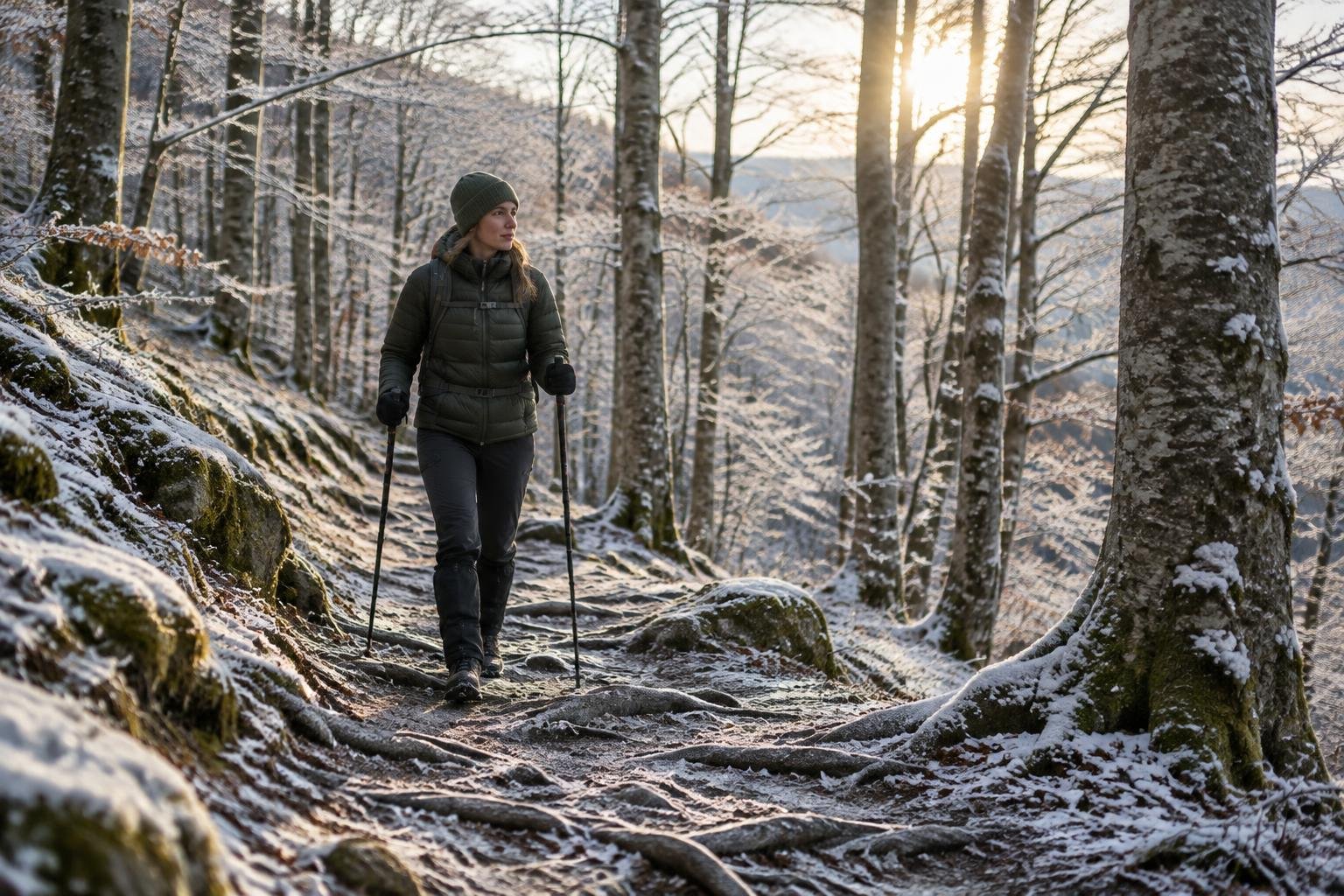
Official season guidance
Administración de Parques Nacionales: November to March (Patagonian summer)
The trails start right from El Chaltén. Parques Nacionales has charged a north-zone access fee since June 2026 — check the park for current fees — and the De Agostini, Capri and Poincenot managed camps are reservable, with registration for Laguna Toro. The final climb to Laguna de los Tres is steep, and the weather changes in minutes, so start early and pack layers.
Check current dates on argentina.gob.ar (Parques Nacionales, Los Glaciares National Park)What to pack for the season
Packing here follows the season and the fast-changing weather the park warns about. Bring layers you can add or shed, a reliable rain shell, and sun protection for long summer days. In the shoulder and winter months, add warmer layers and carry a headlamp, since daylight can drop below nine hours. Start early either way, and pack for the steep final climb.
For layering, rain cover and weather planning, see hiking in rain, heat and cold.
Timing mistakes to avoid
The biggest mistake is treating the whole year as equally workable because rainfall barely changes by month; the official November to March guidance still matters. Another is assuming a summer start time will work in autumn or winter, when daylight can fall to about 8 hours and the steep final climb takes longer. Skipping the park's fee and camp reservation details is a third: Parques Nacionales has charged a north-zone access fee since June 2026, so check current fees and camp rules before you plan dates.
Common questions
When is the official hiking season for Laguna de los Tres?
The official season guidance gives November to March, the Patagonian summer. Those months have the longest daylight and the warmest weather of the year here. Conditions can still change within minutes, so confirm current details with Parques Nacionales before you set off.
Which month has the most daylight on this hike?
December has the most daylight, at roughly 16.0 hours, followed closely by January at about 15.6 and November at about 15.2. That extra light is useful for an early start and unhurried return on the steep final climb to the lagoon.
Is there a dry season for this hike?
Not really. Modelled regional rainfall stays between about 105 and 146 mm in every month, with September the lowest and June the highest. Rain cover is worth packing in any season, since these are typical averages rather than trail measurements.
Can I hike Laguna de los Tres outside November to March?
The official season guidance covers November to March, and the shoulder and winter months bring shorter days and cooler weather. Daylight drops to about 8 hours in June. If you consider going outside the season, check current trail and camp conditions with Parques Nacionales first.
Sources
- Administración de Parques Nacionales — argentina.gob.ar (Parques Nacionales, Los Glaciares National Park): official season and permit guidance.
- NASA POWER (Prediction Of Worldwide Energy Resources): monthly temperature and rainfall averages, 2010–2023, from MERRA-2 reanalysis. Daylight hours are calculated from latitude.
Conditions, closures and permit rules change without notice — confirm current information with the managing authority before you go. See our editorial policy and affiliate disclosure.