
Best Time to Hike Ciudad Perdida — the Lost City
The best time to hike Ciudad Perdida is during the drier spells the official season guidance names: December to March, plus July and August. It is jungle year-round, so some rain is always possible, but modelled averages show far less in those windows than from September to November.
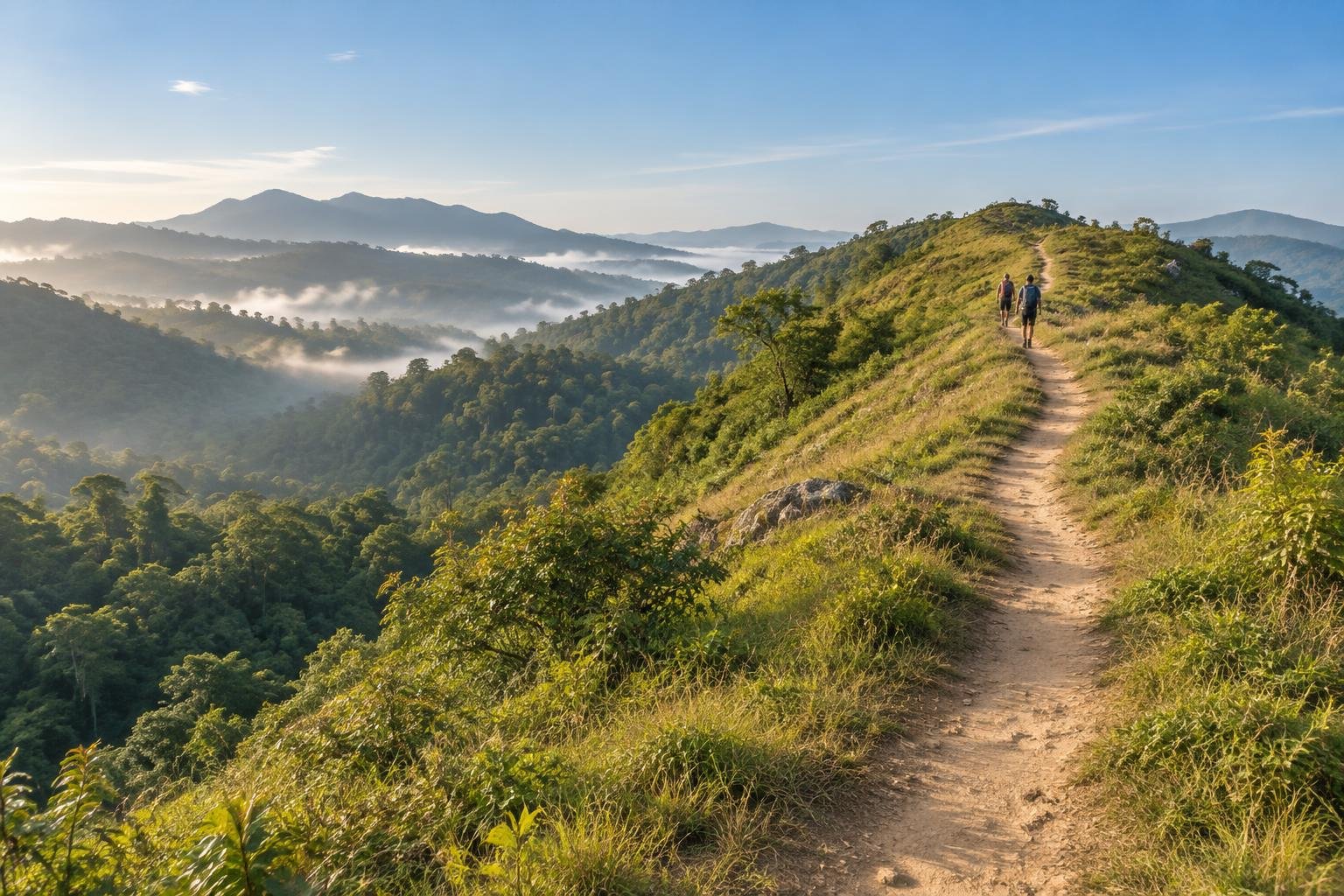
Month-by-month climate for Ciudad Perdida — the Lost City
| Month | Rain | Daylight |
|---|---|---|
| Jan | 7 mm | 11.4 h |
| Feb | 6 mm | 11.6 h |
| Mar | 18 mm | 11.9 h |
| Apr | 49 mm | 12.2 h |
| May | 111 mm | 12.5 h |
| Jun | 77 mm | 12.6 h |
| Jul | 65 mm | 12.6 h |
| Aug | 89 mm | 12.4 h |
| Sep | 127 mm | 12.1 h |
| Oct | 191 mm | 11.7 h |
| Nov | 105 mm | 11.5 h |
| Dec | 26 mm | 11.4 h |
Modelled regional averages for 2010–2023 (rainfall) and calculated daylight hours; they describe the wider area, not a reading taken on the trail. Temperature changes little from month to month here, so we don’t chart it. Altitude, not season, drives how cold it feels on the route, so check the managing authority’s guidance for the section you plan to walk.
The modelled regional averages show a clear wet and dry pattern. January and February are the driest months at roughly 7 mm and 6 mm, with March at about 18 mm and December around 26 mm. Rain climbs through April and peaks in October at around 191 mm, with September at 127 mm and May at 111 mm. July is a secondary lull at about 65 mm. Daylight varies little, from about 11.4 hours in December and January to about 12.6 hours in June and July. Because warmth is not shown for this place, treat it as hot, humid jungle all year.
Ciudad Perdida — the Lost City season by season
Main dry season · December to March
This is the window the official season guidance points to first, and the numbers agree: December averages about 26 mm of rain, January and February are the driest months at single digits, and March is still light at about 18 mm. Daylight is at its shortest, roughly 11.4 to 11.9 hours, so plan your trekking days to finish before dusk and keep a headlamp handy. Drier conditions generally mean firmer footing and easier river crossings, though it is still jungle and showers are never ruled out.
Building rains · April to June
Rain picks up through this stretch, from about 49 mm in April to a spring peak near 111 mm in May, easing to around 77 mm in June. Expect more mud, slower going on the steeper sections, and rivers that can run higher after storms. Daylight lengthens to about 12.2 to 12.6 hours, which helps with pacing. This period is not named as a drier spell in the official guidance, so waterproof packing and flexible expectations matter more here.
Midyear dry spell · July to August
The official season guidance names July and August as a second drier spell. The modelled averages support that, with July at about 65 mm and August at about 89 mm, noticeably lower than the months either side. Daylight is near its longest at roughly 12.4 to 12.6 hours, giving the most generous trekking hours of the year. It remains hot, humid jungle, so quick-dry clothing, insect protection and sensible river-crossing habits still apply.
Wettest months · September to November
This is the heaviest stretch of the year. September averages about 127 mm, October peaks at around 191 mm, and November still sits near 105 mm. Trails can be slick, streams swollen and progress slower. Separately, the archaeological park is scheduled to be closed for the whole of October 2026, according to ICANH, so check with ICANH before booking anything in this period. If you do trek in the wet months, build in buffer days and a firm waterproofing plan.
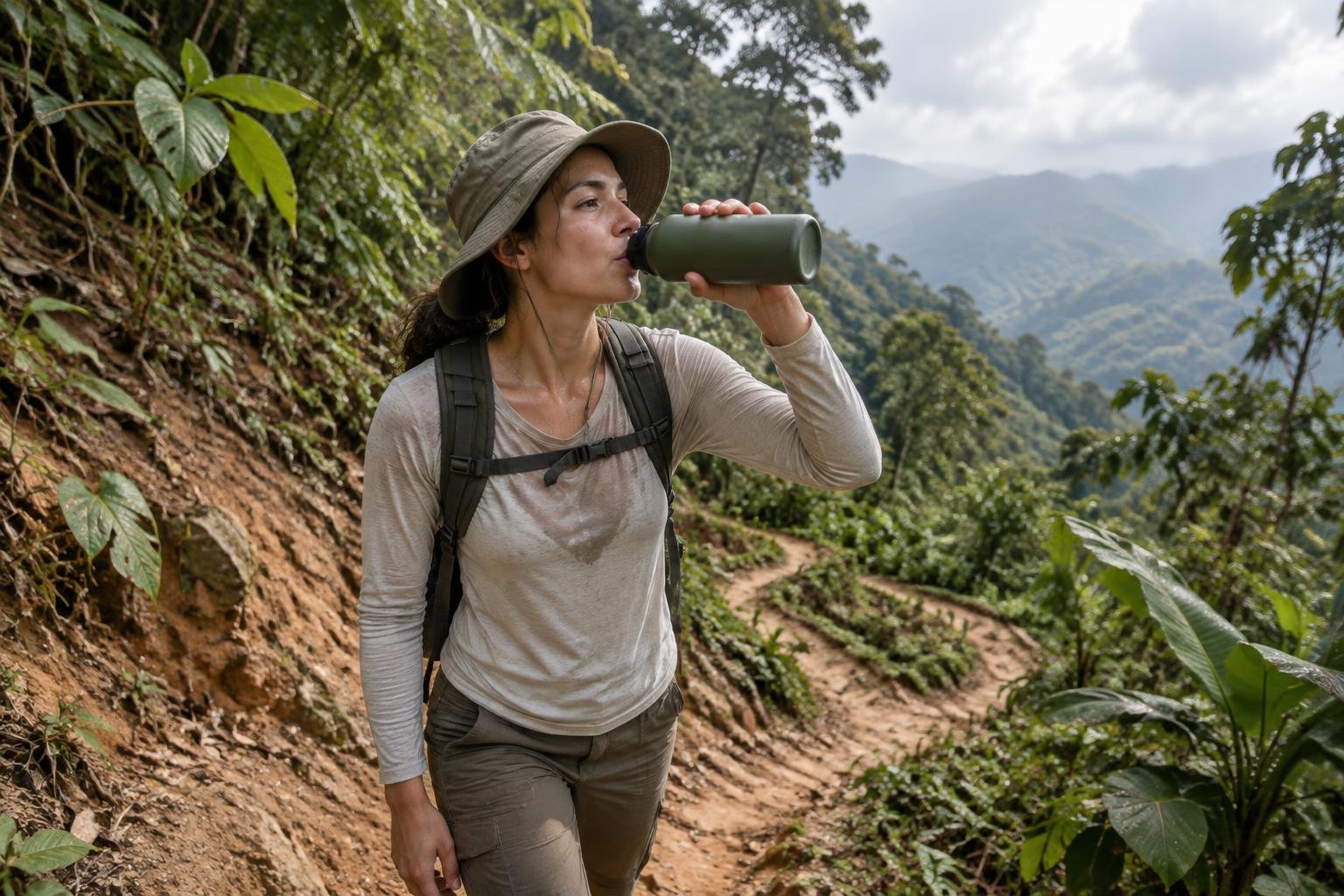
Official season guidance
ICANH & the Indigenous communities of the Sierra Nevada: Drier spells (Dec–March, Jul–Aug); it is jungle year-round
The Lost City is normally visited on a guided trek with an authorized operator, out of respect for the Indigenous communities whose land it crosses; ICANH’s FAQ says a guide is not obligatory, so confirm current rules with ICANH. As of September 2026 the archaeological park is scheduled to be closed for the whole of October 2026 (ICANH) — check ICANH before booking. It is hot, humid jungle with river crossings — pack light, quick-dry clothing and insect protection.
Check current dates on icanh.gov.co (ICANH, Colombian Institute of Anthropology and History)What to pack for the season
Packing here is driven by humidity and rain rather than cold. Choose light, quick-dry layers, a reliable rain cover for your pack, and insect protection. Wet-season treks call for extra dry bags and spare socks, while the drier windows favor lighter loads. Because daylight stays near 11 to 13 hours all year, carry a headlamp whatever the month.
For layering, rain cover and weather planning, see hiking in rain, heat and cold.
Timing mistakes to avoid
The biggest mistake is treating the drier months as a guarantee: it is jungle year-round, so rain and humidity should always be expected. Another is booking without checking ICANH, since the archaeological park is scheduled to be closed for all of October 2026. Travelers also assume rules never change; ICANH says a guide is not obligatory, yet the trek is normally done with an authorized operator, so confirm current requirements before you commit.
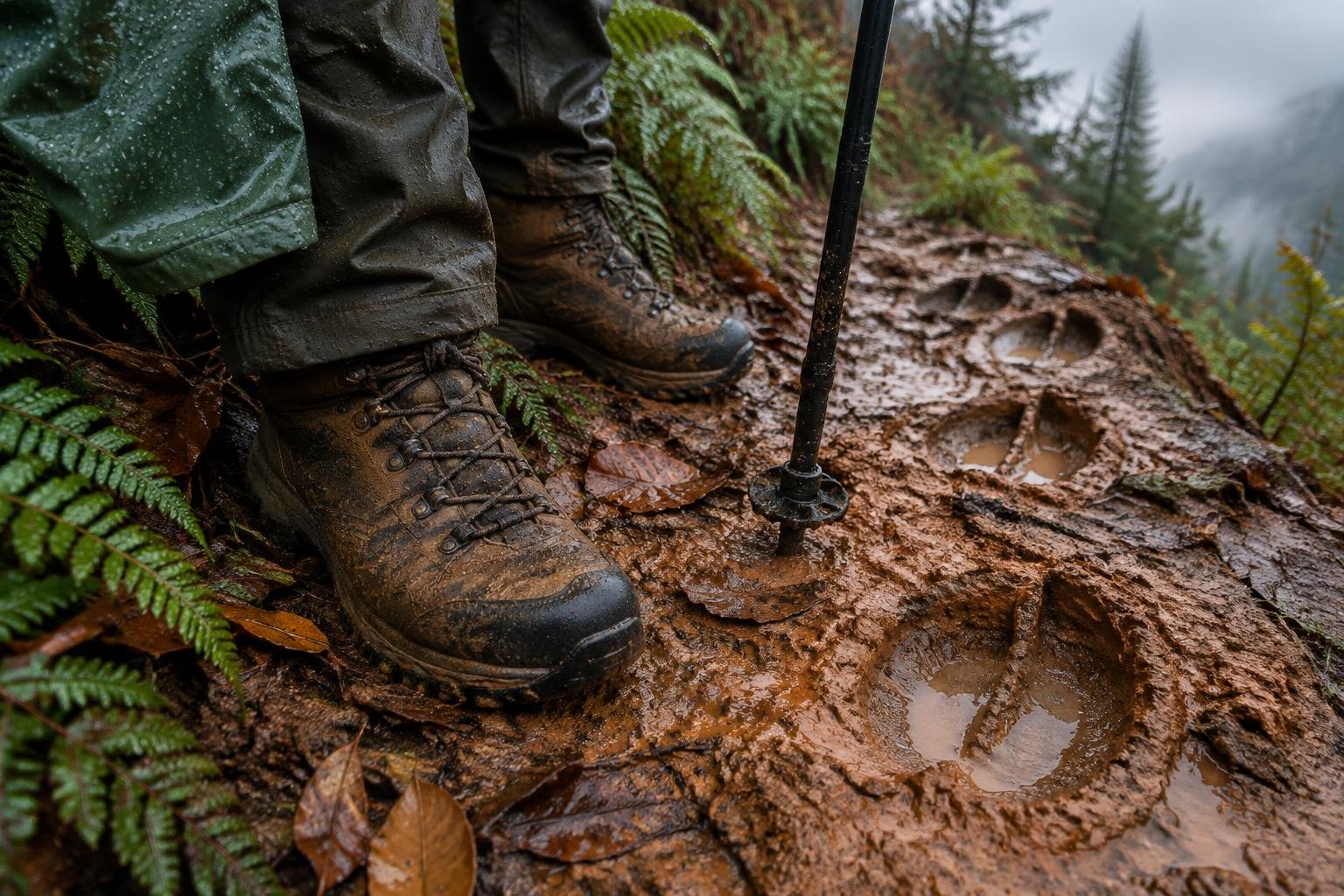
Common questions
What is the driest time to hike Ciudad Perdida?
Modelled regional averages show January and February as the driest months, at roughly 7 mm and 6 mm of rain. The official season guidance names December to March and July to August as the drier spells. It is still jungle, so expect some showers whatever the month.
Is October a bad month for this trek?
October is the wettest month in the modelled data, averaging around 191 mm. In addition, the archaeological park is scheduled to be closed for the whole of October 2026, according to ICANH. Check with ICANH before planning any trip in that month.
Does daylight change much through the year?
Not by much. Calculated daylight ranges from about 11.4 hours in December and January to about 12.6 hours in June and July. That gives a steady window for trekking all year, but a headlamp is still worth carrying for early starts and late arrivals in camp.
Can I rely on the drier months for easy river crossings?
Drier months generally mean lower rainfall, which tends to help trail and river conditions, but the route is hot, humid jungle with river crossings in every season. Conditions change quickly, so confirm current guidance with ICANH and your authorized operator rather than assuming a month will be easy.
Sources
- ICANH & the Indigenous communities of the Sierra Nevada — icanh.gov.co (ICANH, Colombian Institute of Anthropology and History): official season and permit guidance.
- NASA POWER (Prediction Of Worldwide Energy Resources): monthly temperature and rainfall averages, 2010–2023, from MERRA-2 reanalysis. Daylight hours are calculated from latitude.
Conditions, closures and permit rules change without notice — confirm current information with the managing authority before you go. See our editorial policy and affiliate disclosure.