
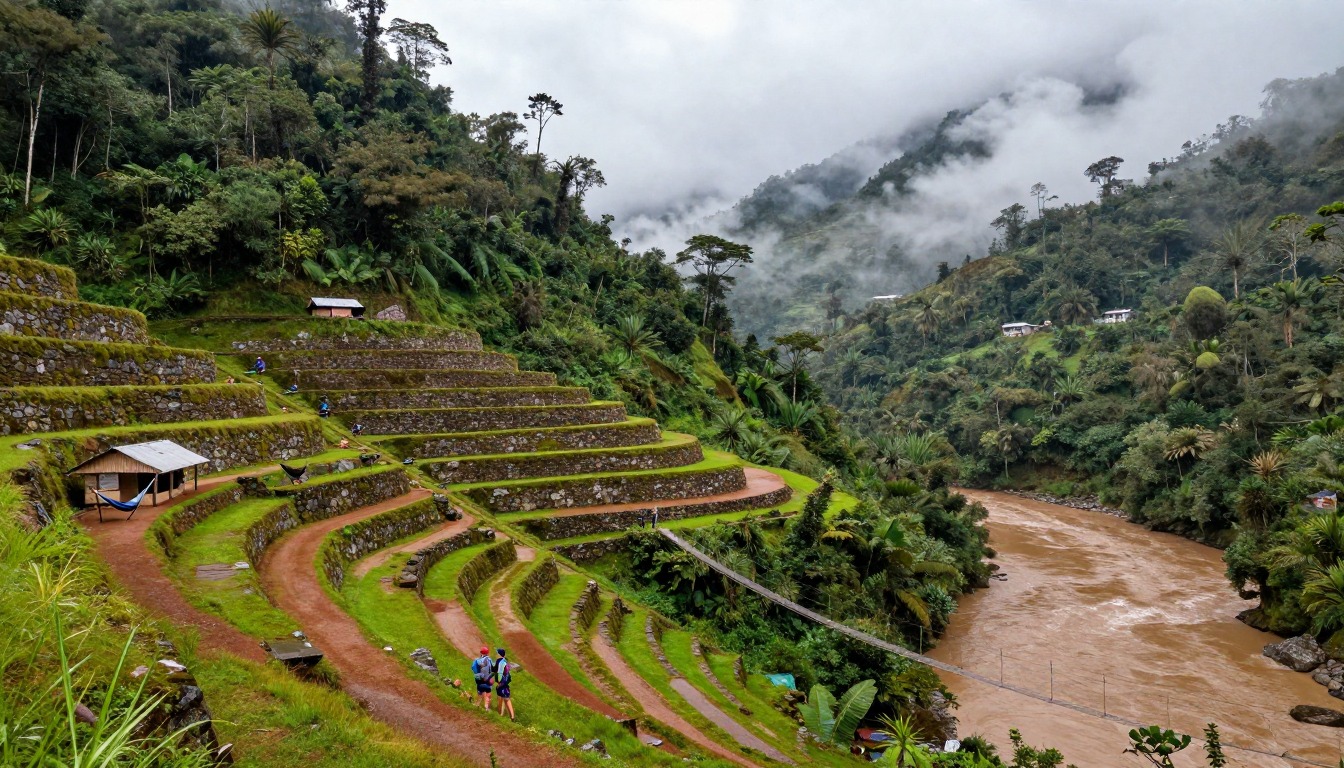
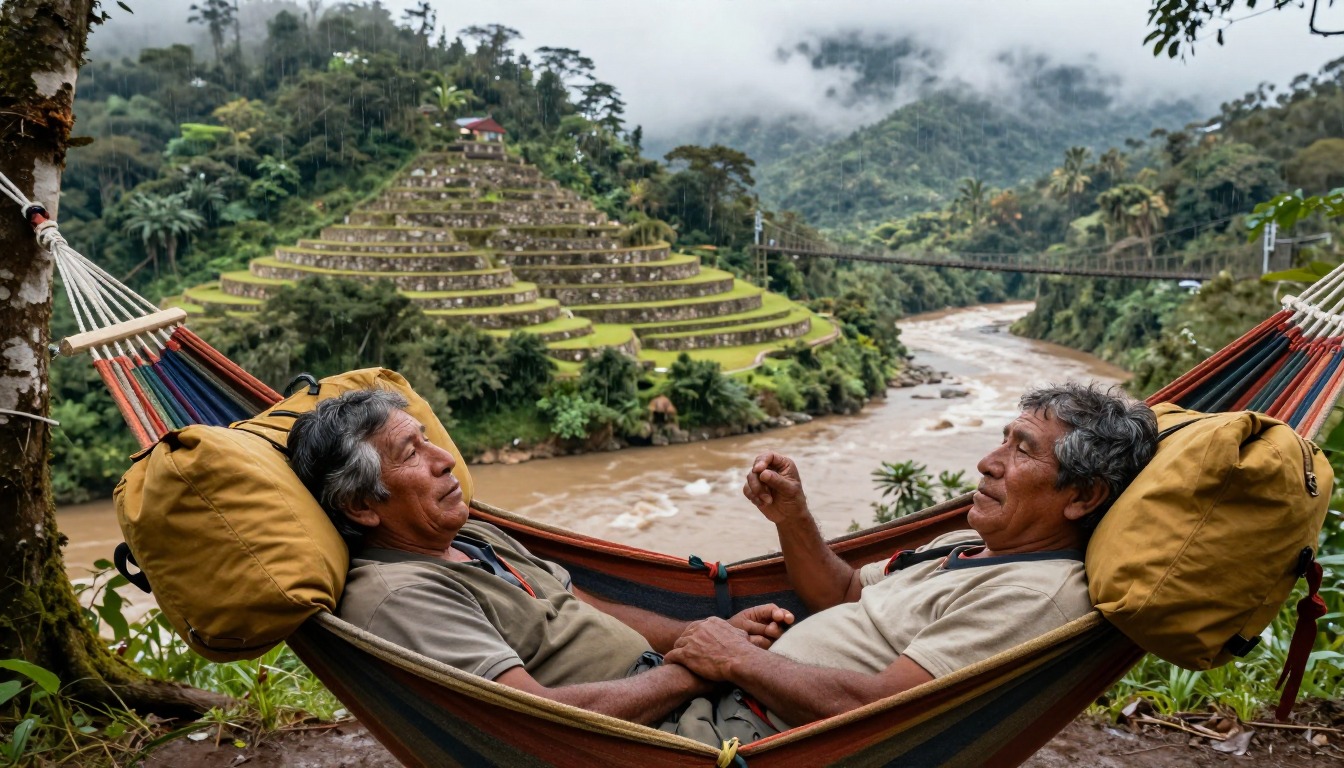
Illustrative artwork — an impression of Ciudad Perdida — the Lost City, not a literal photograph.
The Ciudad Perdida trek is a roughly four-day guided hike through the jungle of Colombia's Sierra Nevada de Santa Marta to an ancient terraced city older than Machu Picchu, reached at the end by climbing a long stone stairway cut into the hillside. It can only be walked with an authorized guided operator — independent trekking isn't allowed, out of respect for the Indigenous communities whose land the route crosses — so where you sleep each night is built into the trek itself rather than something you arrange yourself.
Why hike here
What makes this hike remarkable is the site itself: a series of stone terraces and circular platforms built into the jungle centuries before the Spanish arrived, predating Machu Picchu and still partly wrapped in forest rather than fully cleared for display. Getting there means days of walking through dense, humid jungle, wading through river crossings, and climbing steadily through the Sierra Nevada de Santa Marta, one of Colombia's most biodiverse mountain ranges, before the final push up the long stone stairway that opens onto the terraces. Because the trek is guided and access is limited to authorized operators, the route feels protected rather than overrun, and every night is spent in a different trail camp deeper into the range, with the jungle sounds, the heat, and the river crossings all part of the rhythm of getting there.
Getting there
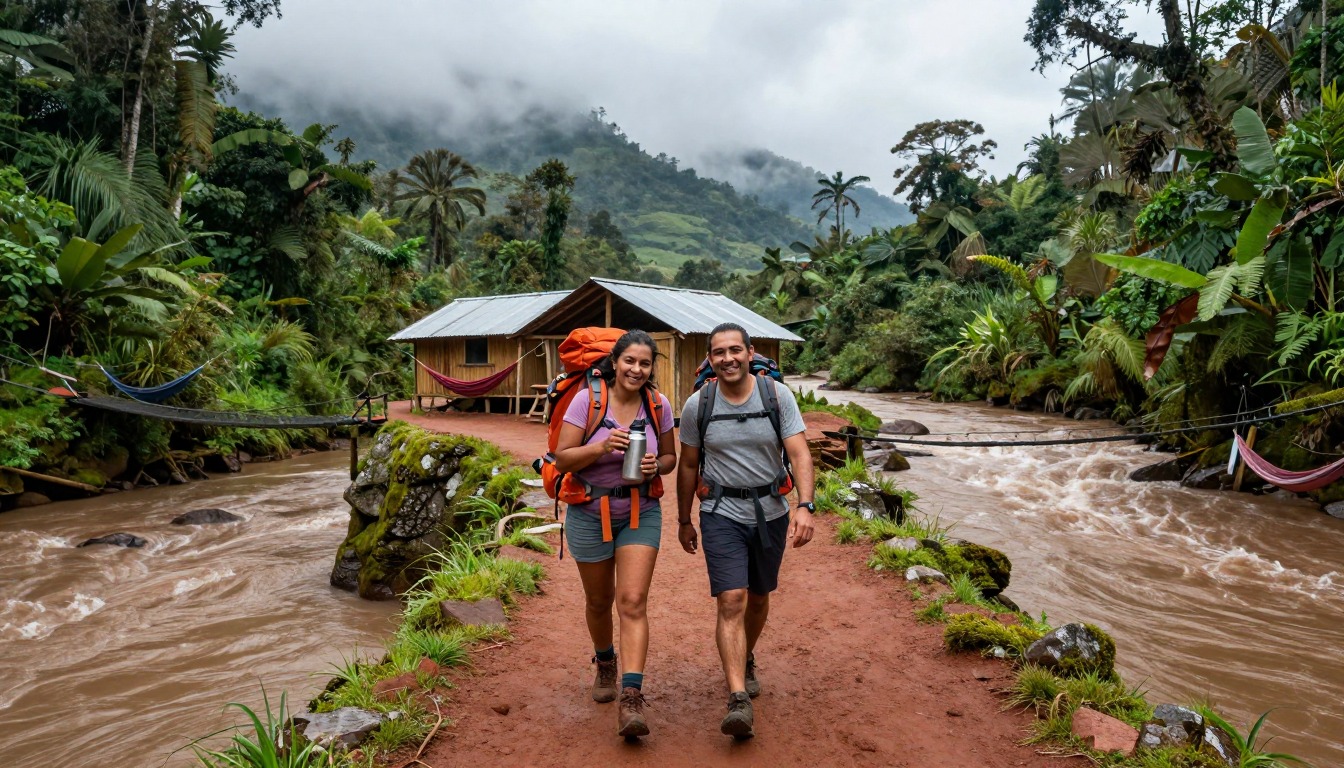
The trek starts near Santa Marta, a coastal city on Colombia's Caribbean coast with its own airport, and most hikers fly in via a connection from Bogotá or another Colombian hub. From Santa Marta, or from the nearby beach towns of Taganga or Palomino, your trekking operator arranges the road transfer out to the trailhead — this is built into the trek package, not something you organize on your own. Because the route is guided and access-controlled, showing up without a booked operator won't get you onto the trail at all.
Where to stay
The realistic options, closest-to-the-trail first. Book through the official links — we don't list prices or availability because they change all the time.
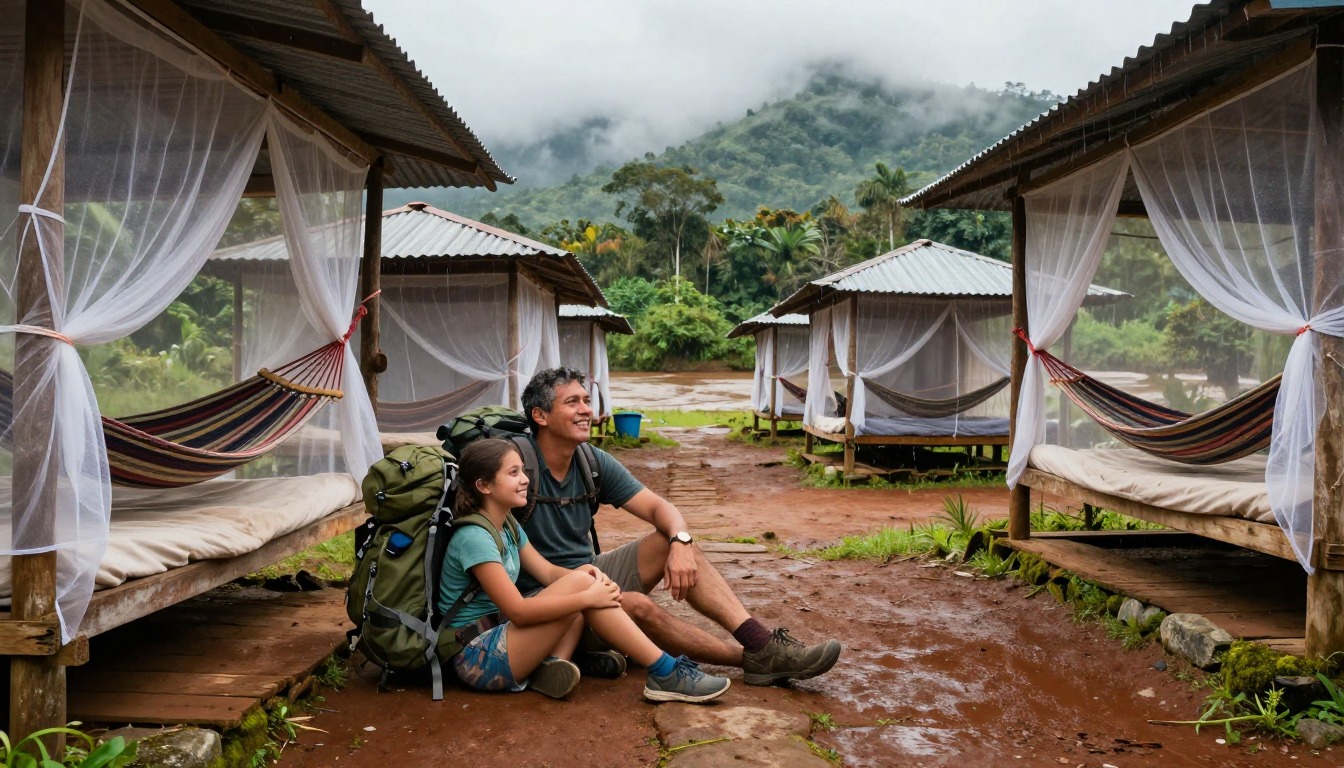 Illustrative — evokes the setting, not a specific property.
 For example: Shared open-air camps along the route with bunks or hammocks and mosquito nets, run for the trek
Every trekker — you must go with an authorized operator, and the camps are part of the trip.
Independent trekking is not allowed; camps and guides are arranged together.
Booked through an authorized operatorFor example: Hotels, hostels and rentals in Santa Marta and nearby Taganga/Palomino
Everyone — Santa Marta is the trailhead city before and after.
Trips depart from Santa Marta; rest here before the humid jungle days.
Nearby-city lodgingPermits & rules
The Lost City can only be visited on a guided trek with an authorized operator, out of respect for the Indigenous communities whose land it crosses. It is hot, humid jungle with river crossings — pack light, quick-dry clothing and insect protection.
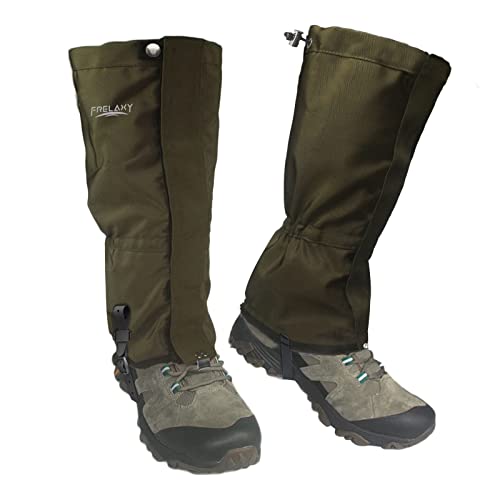
Gear you'll want for this trip
Matched to the terrain and conditions here. Real products — check current price on Amazon.


Common questions
Can I hike to Ciudad Perdida without a guide?
No. The trek can only be done with an authorized tour operator and guide — independent trekking isn't permitted, out of respect for the Indigenous communities whose territory the trail crosses. Operators handle logistics along the route, including the trail camps you'll sleep in each night, so you don't need to arrange lodging or permits yourself.
What's the lodging actually like on the trail?
You sleep in shared, open-air trail camps set up along the route as part of the trek — typically bunks or hammocks under a roof, with mosquito nets provided given the jungle setting. It's communal, basic shelter rather than private rooms. Before and after the trek, you'll stay in a regular hotel or hostel back in Santa Marta or a nearby town.
When's the best time to go, and what should I pack?
Drier spells fall around December–March and July–August, though this is jungle terrain, so heat, humidity, and river crossings are part of the trek year-round. Pack light, quick-dry clothing rather than heavy layers, plus solid insect protection for camp evenings. Sturdy footwear that handles wet crossings matters more than technical gear here.
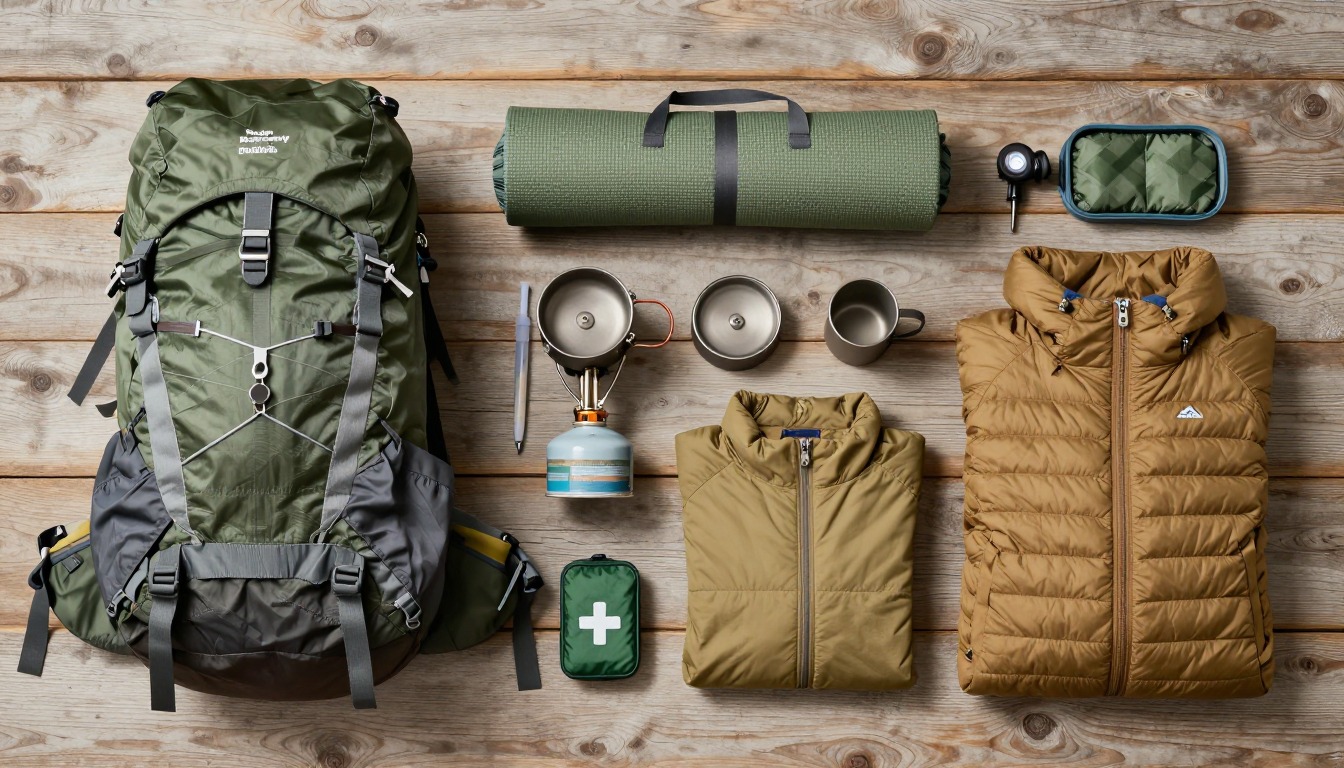
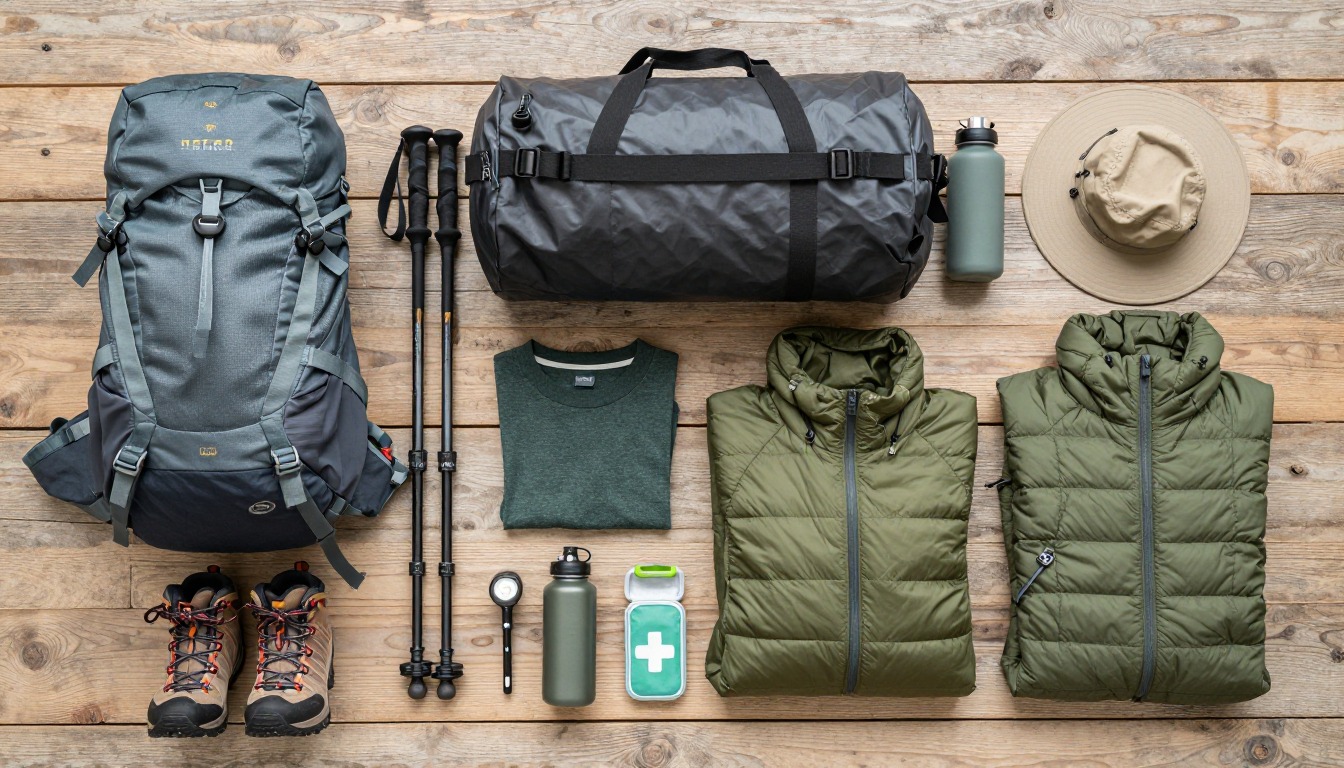
Complete gearsets for this trip
Full curated kits built for exactly this kind of hike — what to bring, why, and links to similar gear.
Lodging details are compiled from official parks, refuge associations and reservation systems and can change without notice. We publish no prices, availability or ratings — always confirm current information on the official site before booking or setting out. Product links are affiliate links: we may earn a commission at no extra cost to you; prices and availability are shown on Amazon. See our affiliate disclosure.