
Affiliate disclosure: this page contains affiliate links. Purchases made through them may earn us a commission at no extra cost to you. See our affiliate disclosure.
In plain English
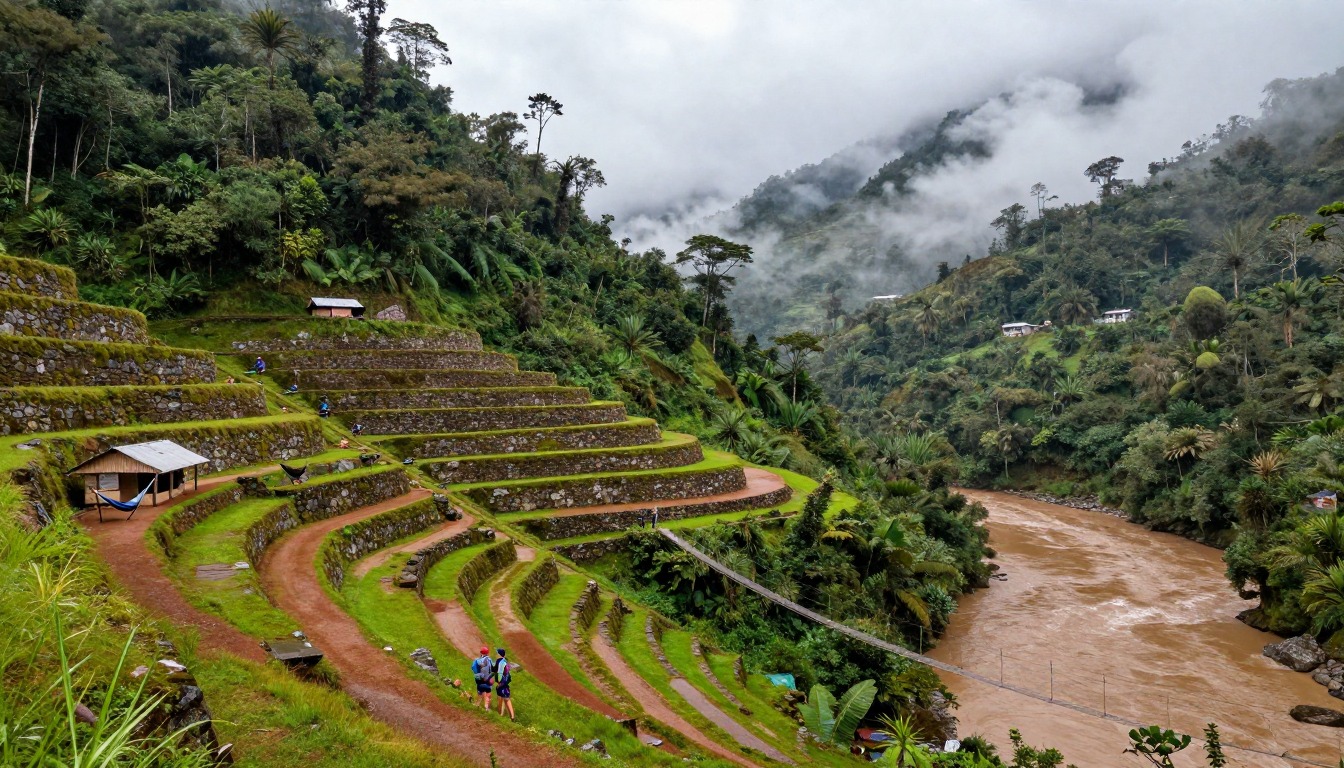
This trek goes through hot, wet jungle. There are steep hills, muddy paths and river crossings. You will be damp from sweat and humidity almost the whole time, so the heat and the mud are the main problems, more than the height of the hills.
Wet feet are the biggest risk to your comfort. Skin that stays wet rubs and gets sore faster, so blisters are common. Socks that dry quickly, a spare pair for camp, and stopping to fix a hot spot early can save the trip.
You also lose a lot of water in the heat, so drink often and eat something salty. And even clear jungle water can have germs in it, so treat everything you drink. Inside your pack, keep sleeping clothes and a phone in a waterproof bag, because a rain shower or a river crossing can soak a pack in minutes.
What the hike is like
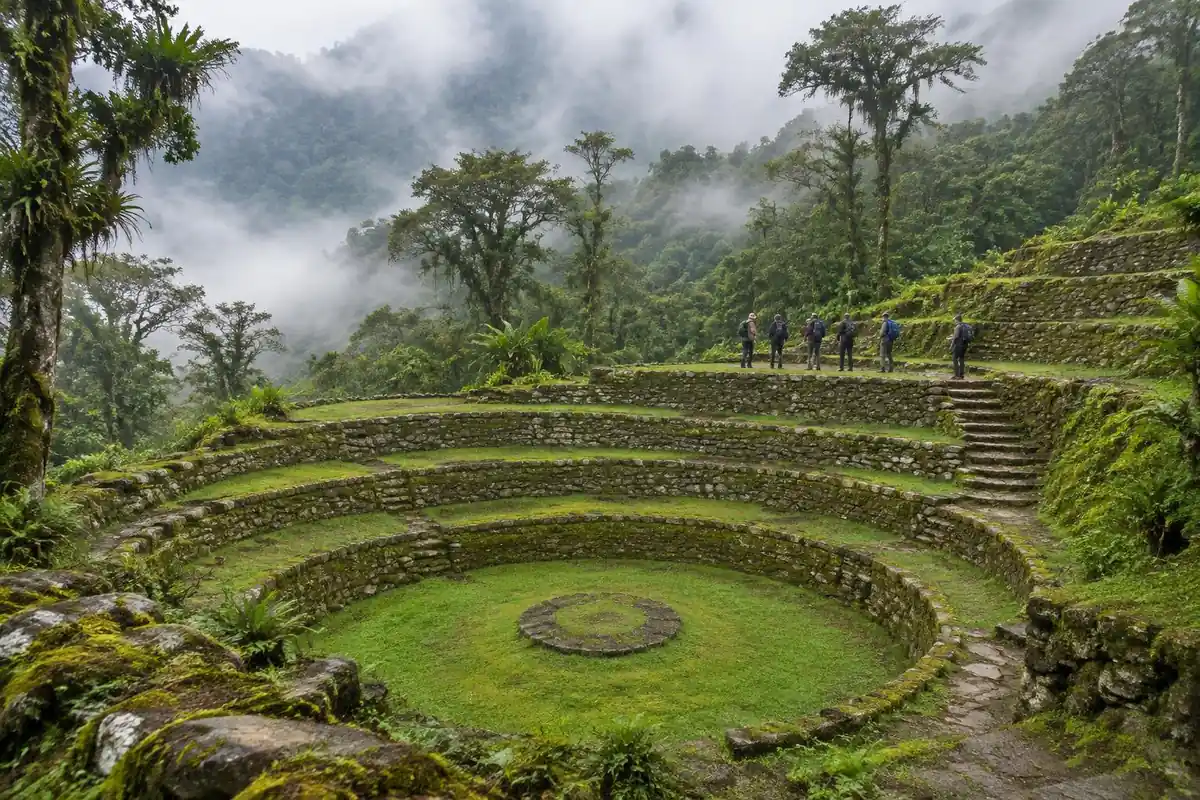
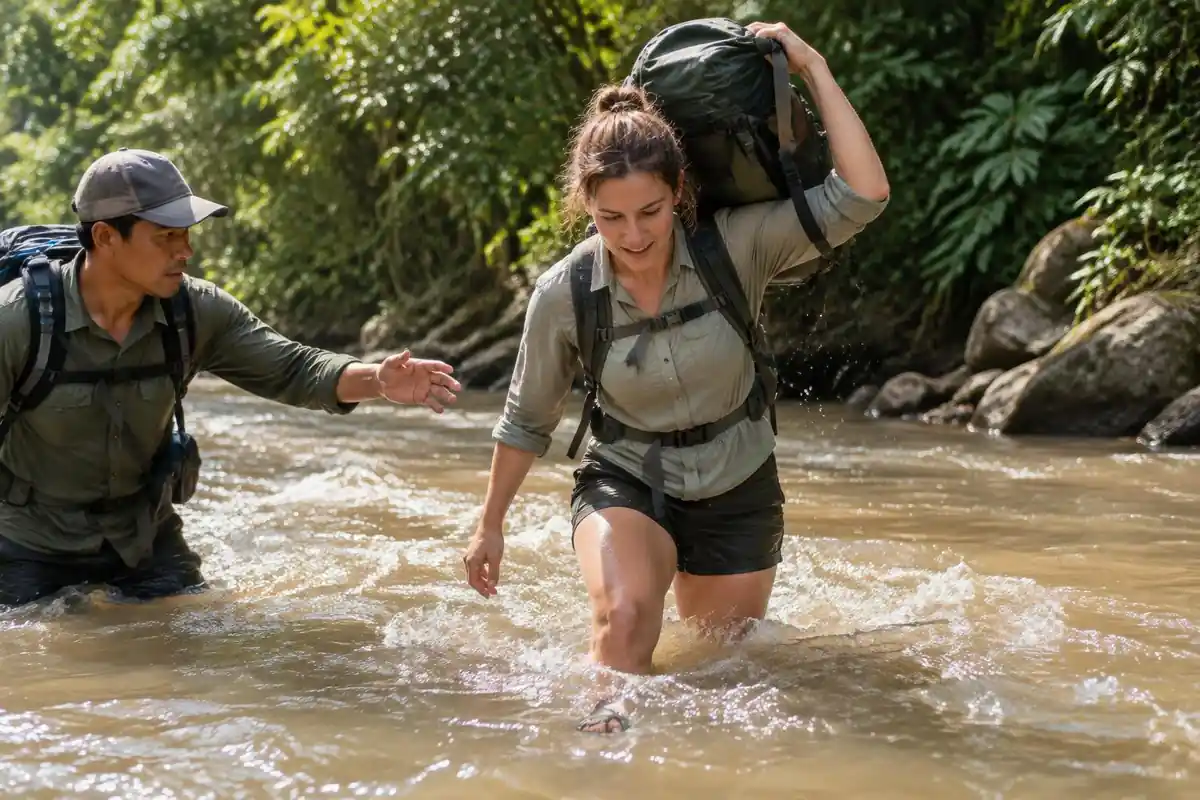
This trek is a series of steep ups and downs through humid jungle rather than one sustained climb. The path is mostly dirt single-track that turns to slick clay and churned mud wherever mules and hikers share it, with long exposed climbs over open ridges between shaded sections of forest. River crossings are part of the route — some on cables or simple bridges, others by wading, boots off or straight through depending on the water level. Heat and humidity shape the walking far more than gradient does; you're wet from the moment you start, and the trail gives you very little breeze until the ridge tops. The finish is the part people picture: a long stairway of steep, uneven, moss-slick stone steps climbing directly out of the forest onto the terraces.
How to plan the itinerary
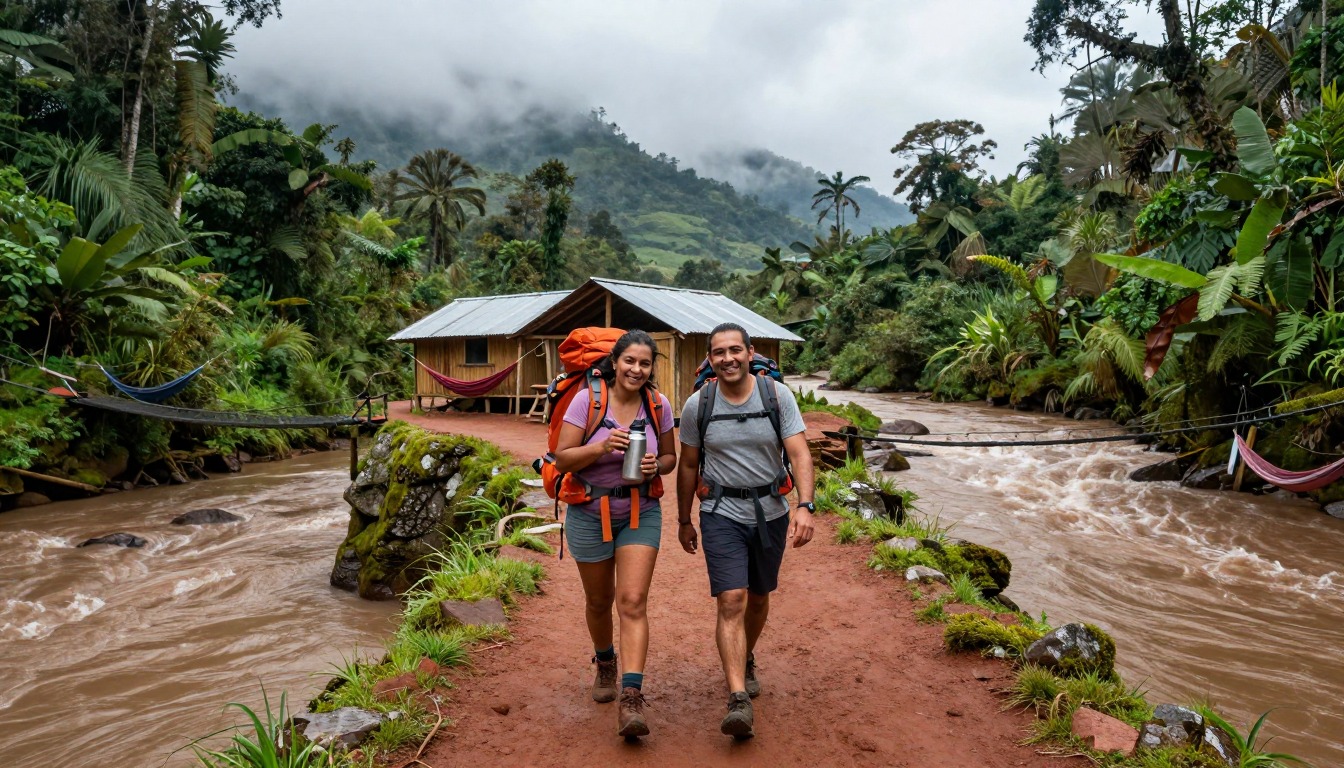
The trek is normally run as a guided package over roughly four days, with a longer, gentler version available that spreads the same route over an extra day. Operators use the same network of trail camps, so the staging is broadly identical whoever you book with — walk to a camp, eat, sleep, walk on. Groups start in the morning after the road transfer out to the trailhead, with the heaviest walking days coming in the middle of the trip. The site itself is normally reached early on the third day, which gives you time on the terraces before starting back. The return retraces the outbound route, generally covered faster because you're descending more than climbing.
Plan this trip in 5 steps
-
Pick the right pack
Match a pack to your trip, fit and priorities.
-
Book a place to stay
Campgrounds, huts and lodges near Ciudad Perdida — the Lost City.
-
Plan food & water
Calories, food weight and water for your days on trail.
Trail-specific tips
Accept that everything gets wet and pack accordingly — dry bags for electronics and one sealed set of sleeping clothes you never walk in. Footwear with real grip matters more than waterproofing, because wet feet are inevitable and slick clay is the actual hazard. Start each day early while it's cooler. The common mistake is under-drinking in humidity that hides how much you're sweating, so drink steadily and use your guide's water stops. As of 2026, ICANH, which runs the Teyuna archaeological park, lists the park as closed from October 1 to October 31, so check dates with ICANH or your operator before building a trip around October. For insect protection and general tropical-hiking basics, see /trail-smarts/.
Permits & rules
The Lost City is normally visited on a guided trek with an authorized operator, out of respect for the Indigenous communities whose land it crosses; ICANH’s FAQ says a guide is not obligatory, so confirm current rules with ICANH. As of September 2026 the archaeological park is scheduled to be closed for the whole of October 2026 (ICANH) — check ICANH before booking. It is hot, humid jungle with river crossings — pack light, quick-dry clothing and insect protection.
Gear suited to this hike
Matched to the terrain and conditions here. Real products — check current price on Amazon.


Heat, humidity and how much to drink
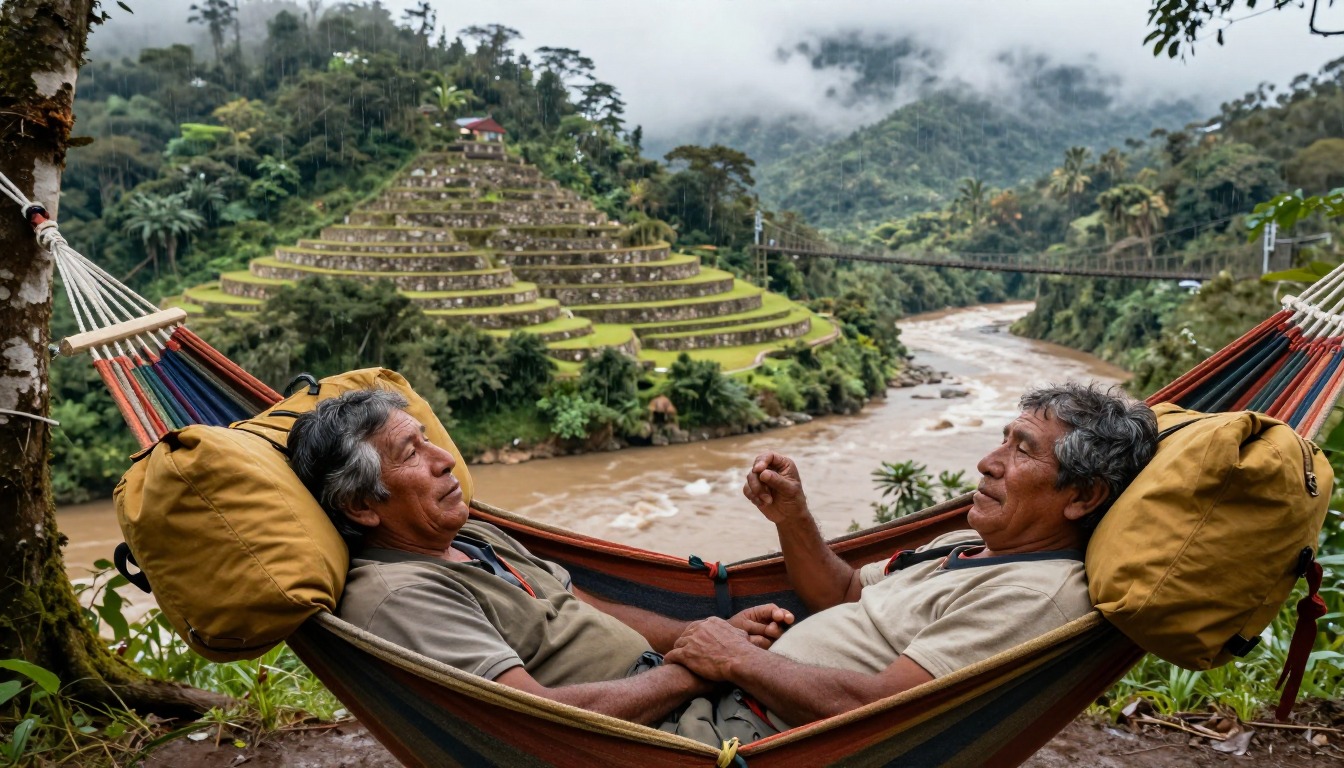
The page says heat and humidity shape the walking more than gradient does. The Grand Canyon National Park guidance notes that hikers in heat can lose one to two quarts, or liters, of water per hour, that salty snacks help balance water intake and that hyponatremia is low blood sodium from drinking too much water and losing too much salt.2 The CDC Yellow Book adds that dehydration is the most important predisposing factor in heat illness besides weather and exercise intensity, and that forcing water when not thirsty raises hyponatremia risk.4
So the practical rule is steady drinking plus food with salt, not chugging. The CDC says light yellow or clear urine usually indicates adequate hydration, which is a simple check to use at camp.5 None of these sources give a jungle-specific figure, so treat the numbers as general heat guidance rather than a plan for this trail.
Wet feet, blisters and the sock system
The trek runs through mud and river crossings, and the page says some crossings are waded in boots or with boots off. NIOSH says wet feet lose heat 25 times faster than dry feet and that trench foot can occur at temperatures as high as 60 degrees Fahrenheit if feet stay wet.1 Cool nights after hot days make that relevant even in the tropics.
Blisters are the everyday version of the same problem. Dermatologists recommend nylon or moisture-wicking socks, shoes that fit properly, and stopping when skin becomes painful or red, and they note cotton soaks up sweat and can lead to friction.6 Carrying a dry pair reserved for sleeping and one for walking is a cheap way to follow that advice. The existing gear picks on the page are generic, so choose footwear on fit and drying speed.
Keeping the pack contents dry, and drinking safely
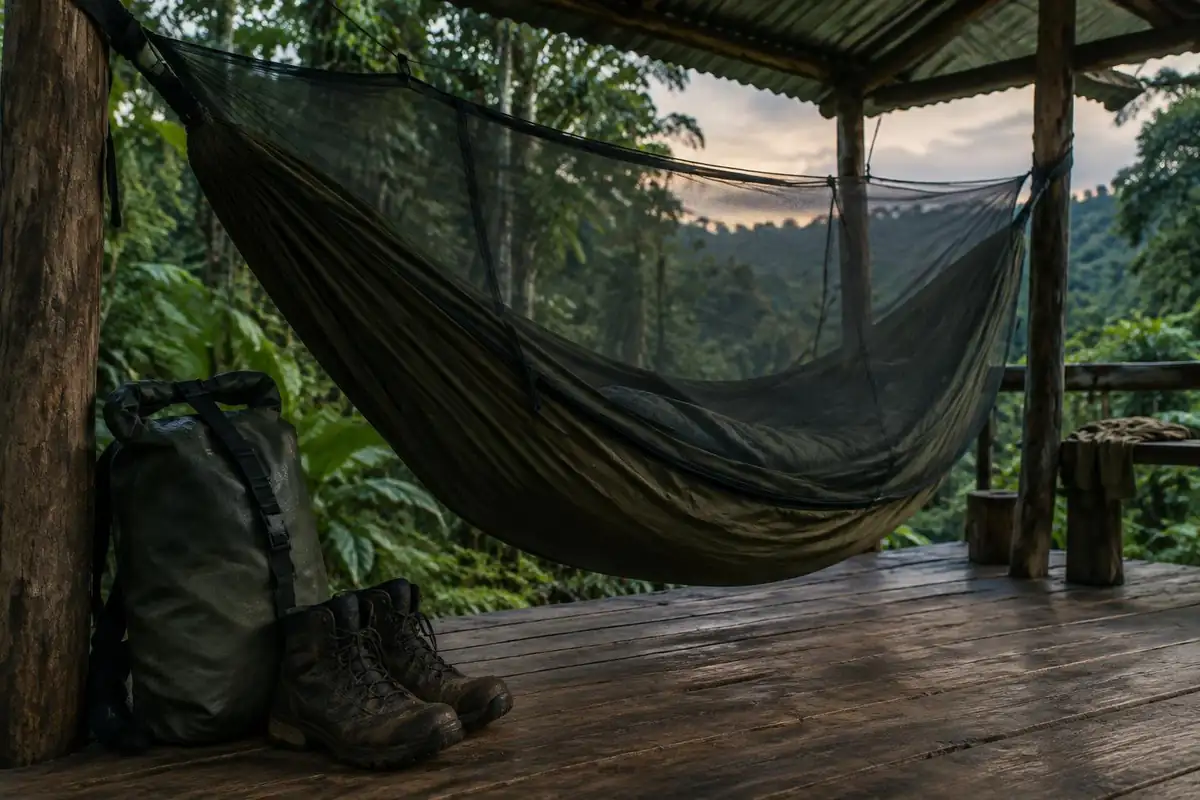
Pack makers are candid that rain gets in. Deuter notes that even when fabric is waterproof, sustained downpours can let moisture through zippers and seams, and it suggests dry bags inside the pack.7 In a climate where the pack will be soaked by rain, sweat and crossings, a dry bag for the sleeping layer, spare socks and electronics is more reliable than trusting the pack itself.
On water, the CDC says a clear mountain stream can still contain germs, and that boiling for one minute is the best way to kill germs, while most portable filters remove parasites but not viruses or bacteria.3 Most guided groups supply treated water, but confirm this with your operator. Permit, season and alert details need a direct check with your operator before you go.
Common questions
How hard is the Ciudad Perdida trek, really?
The walking itself isn't technical, but the combination of heat, humidity, steep repeated climbs and mud makes it tougher than people expect from the daily distances. Reasonably fit hikers manage it comfortably. The hardest adjustment is usually the climate rather than the terrain, particularly for anyone arriving from a cool or dry region.
Can I hike it without a guide?
In practice almost everyone goes with an authorized operator, out of respect for the Indigenous communities whose land the route crosses, and the camps, meals, permits and transfer to the trailhead are handled within the package. ICANH's own FAQ says a guide is not obligatory for visiting the archaeological park, so confirm the current access rules with ICANH and your operator rather than assuming either way.
What are the river crossings like?
They vary with rainfall. In drier spells some are shallow enough to rock-hop or wade easily; after heavy rain the same crossings run higher and faster, and guides make the call on timing and route. Quick-drying trousers and shoes you don't mind soaking make these far less of an ordeal than trying to keep your feet dry.
How many stone steps are there at the end?
More than you'll want to count. The final stairway climbs steeply out of the forest in a long series of narrow, uneven stone treads, often wet and slippery with moss. Take it slowly, use the handrail sections where they exist, and give yourself a breather partway — it's a short section but a steep one at the end of days of walking.
Complete gearsets for this trip
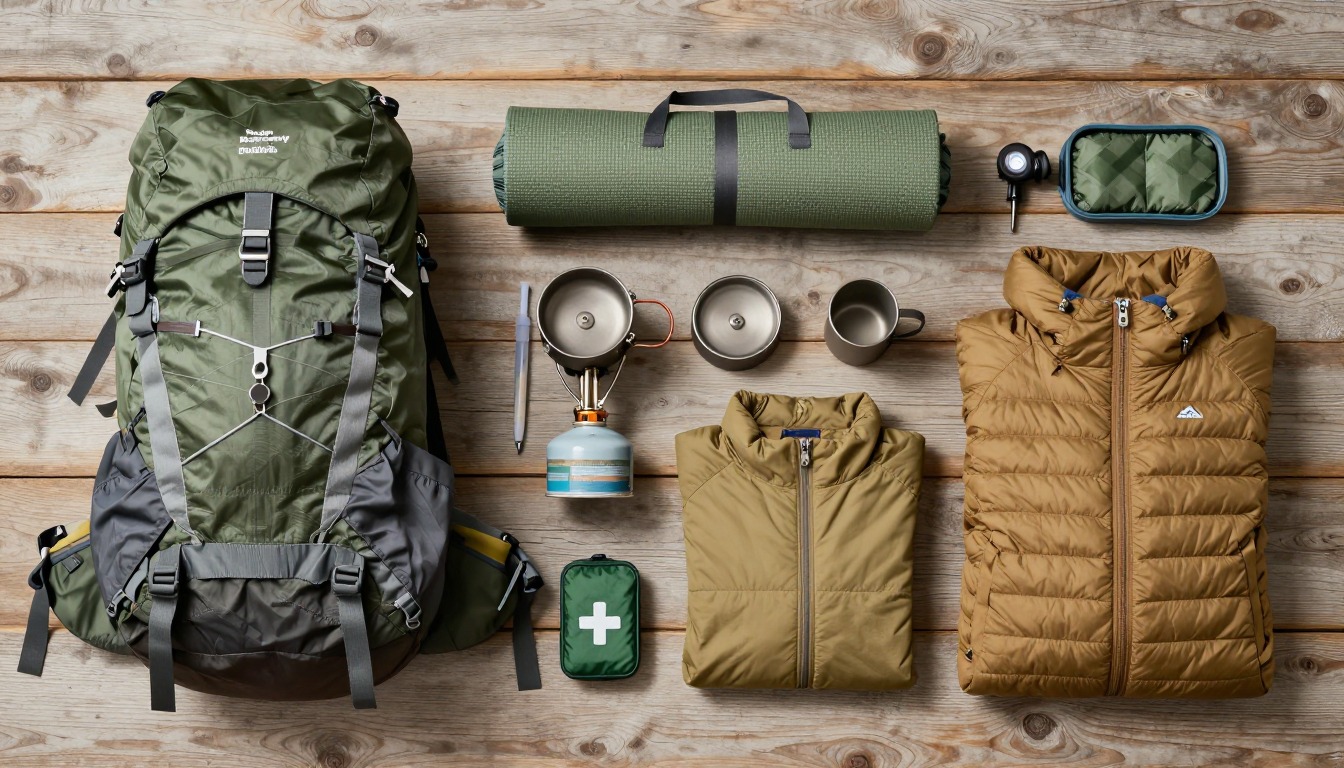
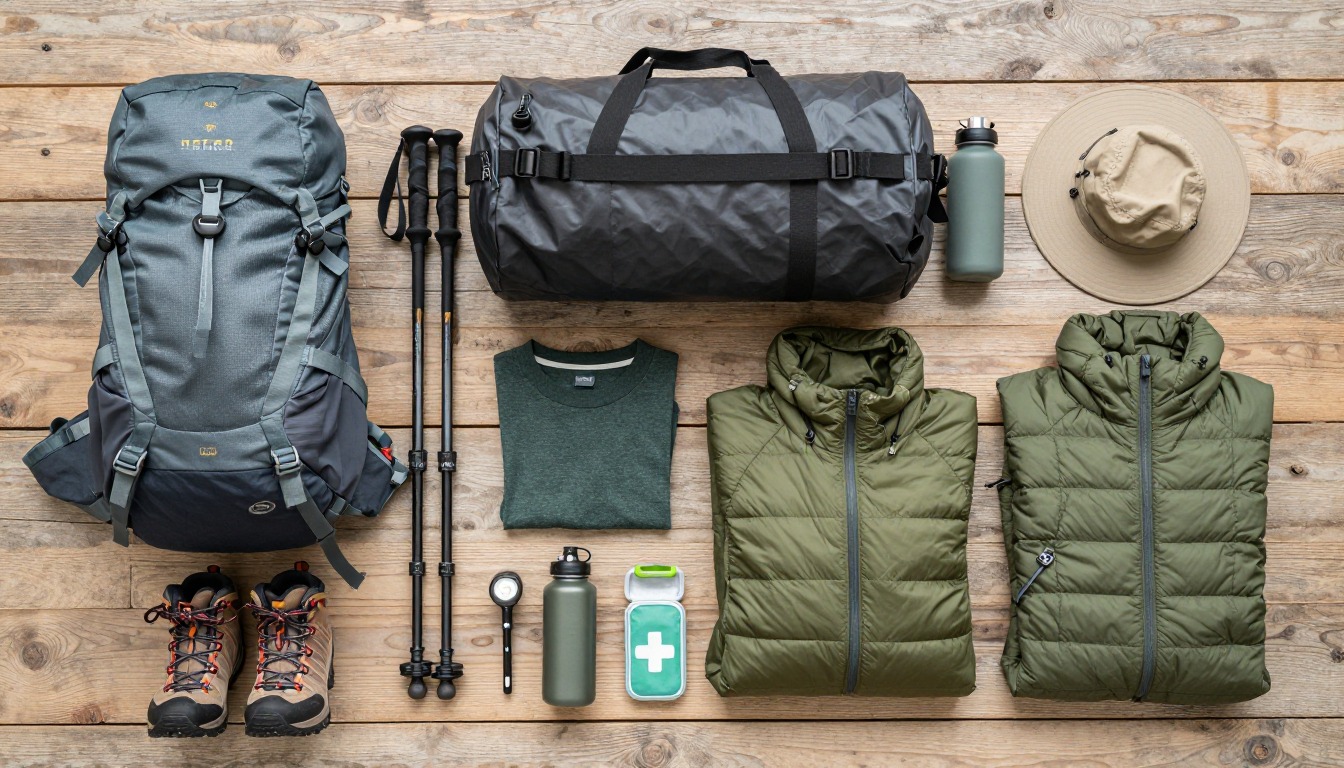
Full curated kits built for exactly this kind of hike.
Trail conditions, permits and access rules change without notice — always confirm current information on the official source above before you go. Some facts on this page are still pending owner verification and are marked accordingly. Product links and the accommodation map are affiliate links: we may earn a commission at no extra cost to you; product prices and availability are shown on Amazon, and accommodation prices on the booking site. See our affiliate disclosure.