
Best Time to Hike Cerro Chirripó
The best time to hike Cerro Chirripó is during the dry season, December to April, according to the official season guidance. The modelled rainfall averages agree: February is the driest month, and the wet months from May to November bring far heavier rain. Confirm current conditions with SINAC.
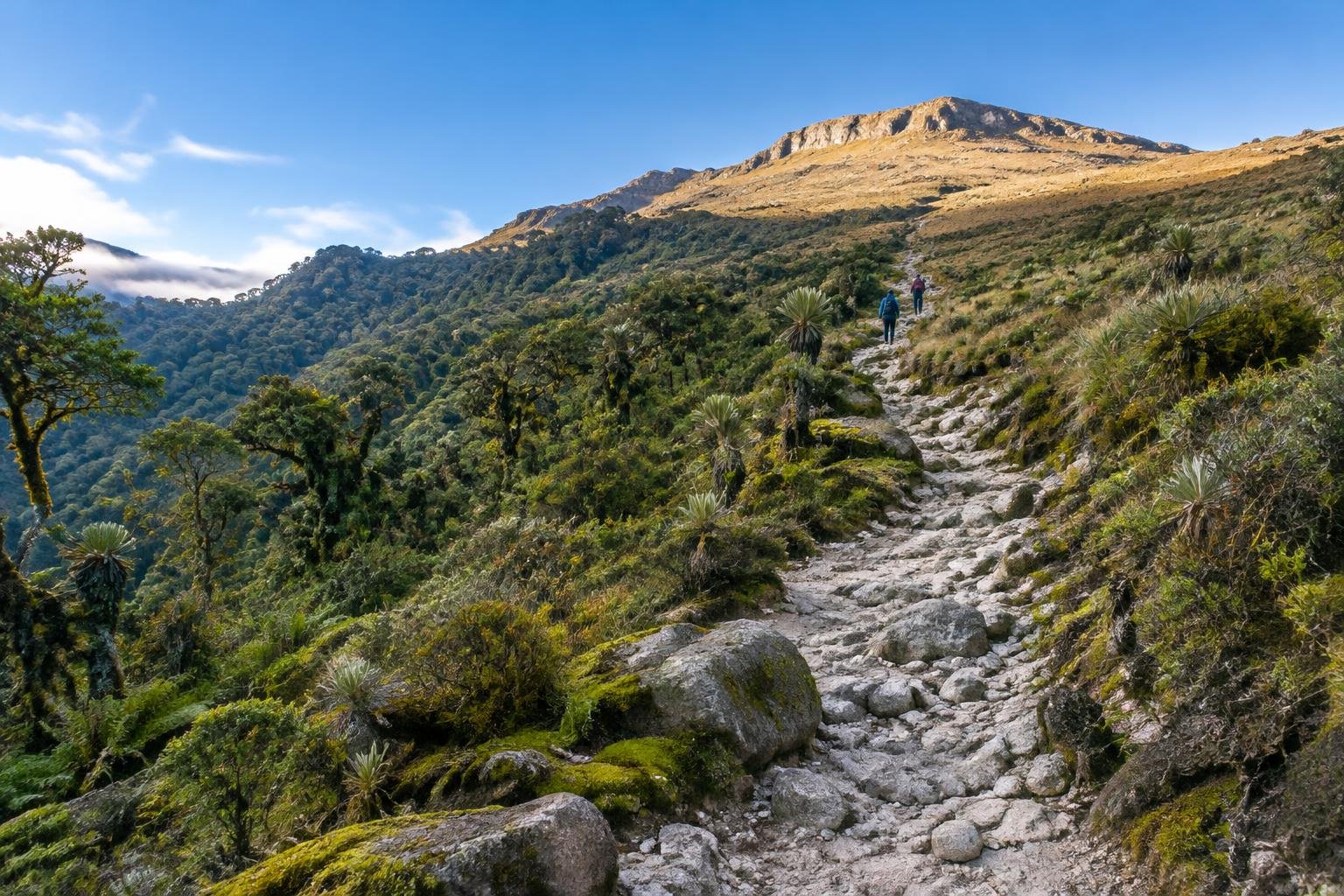
Month-by-month climate for Cerro Chirripó
| Month | Rain | Daylight |
|---|---|---|
| Jan | 103 mm | 11.5 h |
| Feb | 59 mm | 11.7 h |
| Mar | 89 mm | 11.9 h |
| Apr | 164 mm | 12.2 h |
| May | 277 mm | 12.4 h |
| Jun | 303 mm | 12.5 h |
| Jul | 328 mm | 12.5 h |
| Aug | 274 mm | 12.3 h |
| Sep | 299 mm | 12 h |
| Oct | 345 mm | 11.8 h |
| Nov | 270 mm | 11.6 h |
| Dec | 162 mm | 11.4 h |
Modelled regional averages for 2010–2023 (rainfall) and calculated daylight hours; they describe the wider area, not a reading taken on the trail. Temperature changes little from month to month here, so we don’t chart it. Altitude, not season, drives how cold it feels on the route, so check the managing authority’s guidance for the section you plan to walk.
Modelled regional rainfall is lowest in February at 59 mm, followed by March at 89 mm and January at 103 mm. It climbs through April (164 mm) and peaks in October at 345 mm, with June, July and September also near or above 300 mm. Daylight varies little, from about 11.4 hours in December to 12.5 hours in June and July. Because monthly temperature barely changes here, altitude, not season, drives how cold the climb feels. Check the managing authority's guidance for current conditions.
Cerro Chirripó season by season
Dry season peak · January to March
This is the core of the official dry season and the strongest window on the numbers. February averages just 59 mm of rain, with March at 89 mm and January at 103 mm, the lowest figures of the year. Daylight is around 11.5 to 11.9 hours, so plan to start before dawn and finish the day's walking while the light lasts. Permits and Crestones Base Lodge beds tend to sell out, so reserve early. Expect the summit to be cold even in drier months.
Late dry season · April
April closes the official dry season, but the modelled rainfall has already risen to 164 mm, well above February's 59 mm. It can still be a workable month, yet showers become more likely as the transition to the wetter months begins. Daylight stretches to about 12.2 hours, a little more usable time than in midwinter. Since the climb is long and the summit can be cloudy, treat April as a shoulder choice and confirm current conditions with SINAC before committing to dates.
Wet season · May to November
These months fall outside the official dry season and carry the heaviest modelled rain, from 270 mm in November to 345 mm in October, with June, July and September all near 300 mm or more. Daylight is steady at roughly 11.6 to 12.5 hours. A long, strenuous climb is harder with that much rain, and cloud can hide the summit views. If you can only go in these months, rely on the managing authority's guidance and keep your plans flexible, since permits and lodge beds still need booking.
Return of the dry season · December
December opens the official dry season, and rainfall averages 162 mm, noticeably lower than the 270 mm of November but higher than January's 103 mm. It is the shortest-daylight month at about 11.4 hours, so an early start matters if you want clear views and time to reach the lodge. Demand for permits and beds can be high at the start of the dry season, so reserve ahead. Confirm current conditions with SINAC before you travel.
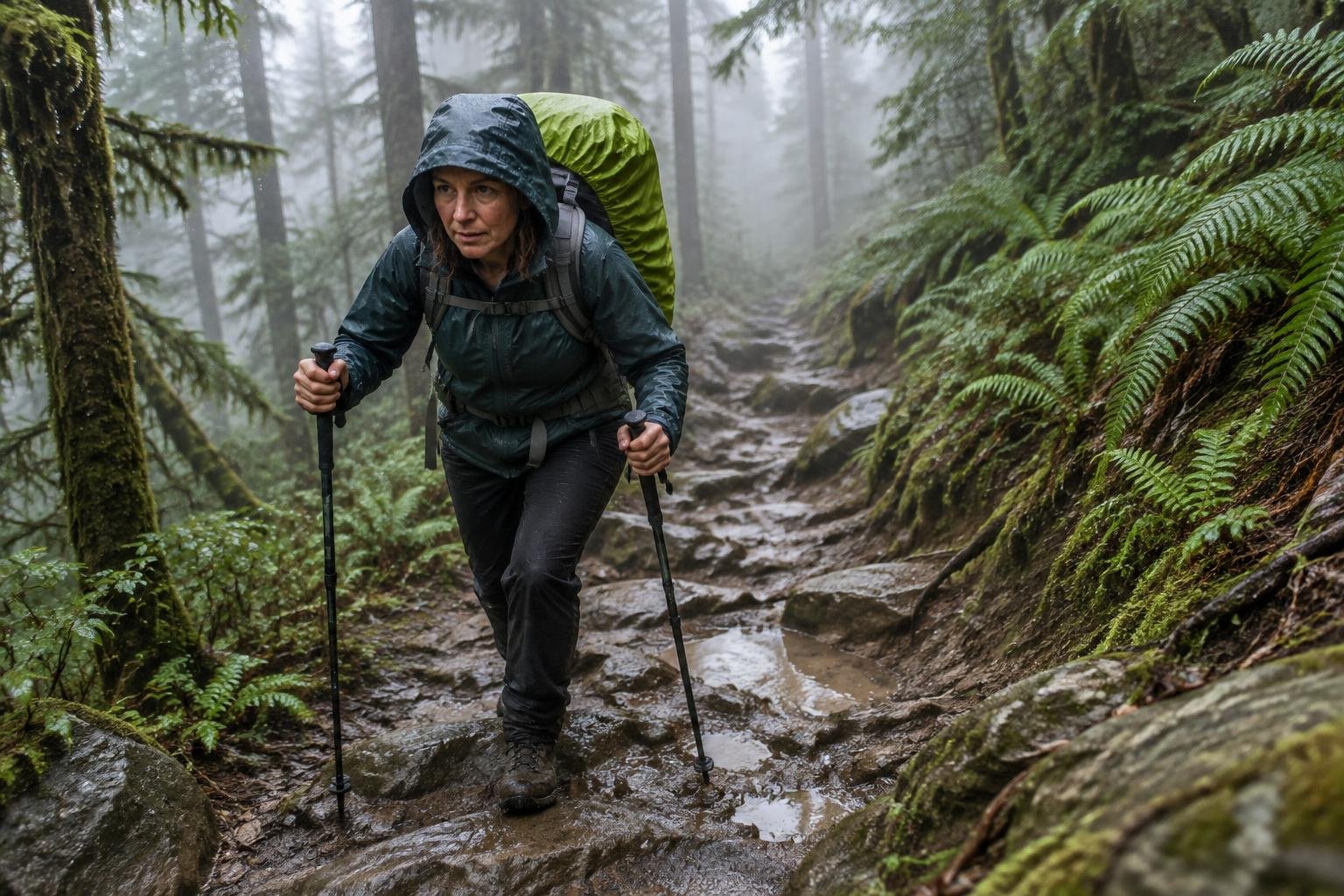
Official season guidance
SINAC (National System of Conservation Areas): Dry season, December to April
You must reserve a Chirripó National Park entry permit AND a bed at the Crestones Base Lodge in advance — most climbers stay at the Crestones Base Lodge (SINAC also lists camping at Albergue Urán, and the Herradura–Urán and San Jerónimo routes require community guides), and permits and beds sell out. The climb is long and the summit is cold and can be cloudy; start before dawn for the clearest views.
Check current dates on sinac.go.cr (Chirripó National Park)What to pack for the season
Pack for a cold summit and variable weather, whatever the season. Bring layers you can add or remove, reliable rain cover for the wetter months, and sun protection for exposed stretches. With only 11.4 to 12.5 hours of daylight and a pre-dawn start, a headlamp is essential. Follow the managing authority's guidance for what you must carry.
For layering, rain cover and weather planning, see hiking in rain, heat and cold.
Timing mistakes to avoid
The biggest mistake is booking a date without checking the dry-season window, since May to November brings far heavier modelled rain. Another is relying on one month's average: April sits at the edge of the dry season and is already wetter than February. Do not leave permits and Crestones Base Lodge beds to the last minute, because they sell out and are required in advance. Finally, do not start late; the summit can be cloudy, and an early start gives the clearest views.
Common questions
What is the best month to hike Cerro Chirripó?
The official season guidance points to the dry season, December to April. On the modelled numbers, February is the driest month at 59 mm of rain, with March and January also relatively dry. Confirm current conditions with SINAC before you set your dates.
Can you hike Cerro Chirripó in the wet season?
The official guidance recommends the dry season, and the modelled rainfall from May to November is much heavier, reaching 345 mm in October. The climb is long and strenuous, and cloud can hide the summit, so the wet months are harder. Check with the managing authority before planning.
Does daylight change much through the year?
Only slightly. Calculated daylight ranges from about 11.4 hours in December to roughly 12.5 hours in June and July. Because the climb is long and the advice is to start before dawn, plan your day around the shorter winter light and carry a headlamp.
When should I book permits and lodge beds?
Book as early as you can. You must reserve a national park entry permit and a bed at the Crestones Base Lodge in advance, and both sell out. Since the dry season, December to April, is the recommended window, expect the strongest demand then and confirm details with SINAC.
Sources
- SINAC (National System of Conservation Areas) — sinac.go.cr (Chirripó National Park): official season and permit guidance.
- NASA POWER (Prediction Of Worldwide Energy Resources): monthly temperature and rainfall averages, 2010–2023, from MERRA-2 reanalysis. Daylight hours are calculated from latitude.
Conditions, closures and permit rules change without notice — confirm current information with the managing authority before you go. See our editorial policy and affiliate disclosure.