
Affiliate disclosure: this page contains affiliate links. Purchases made through them may earn us a commission at no extra cost to you. See our affiliate disclosure.
In plain English
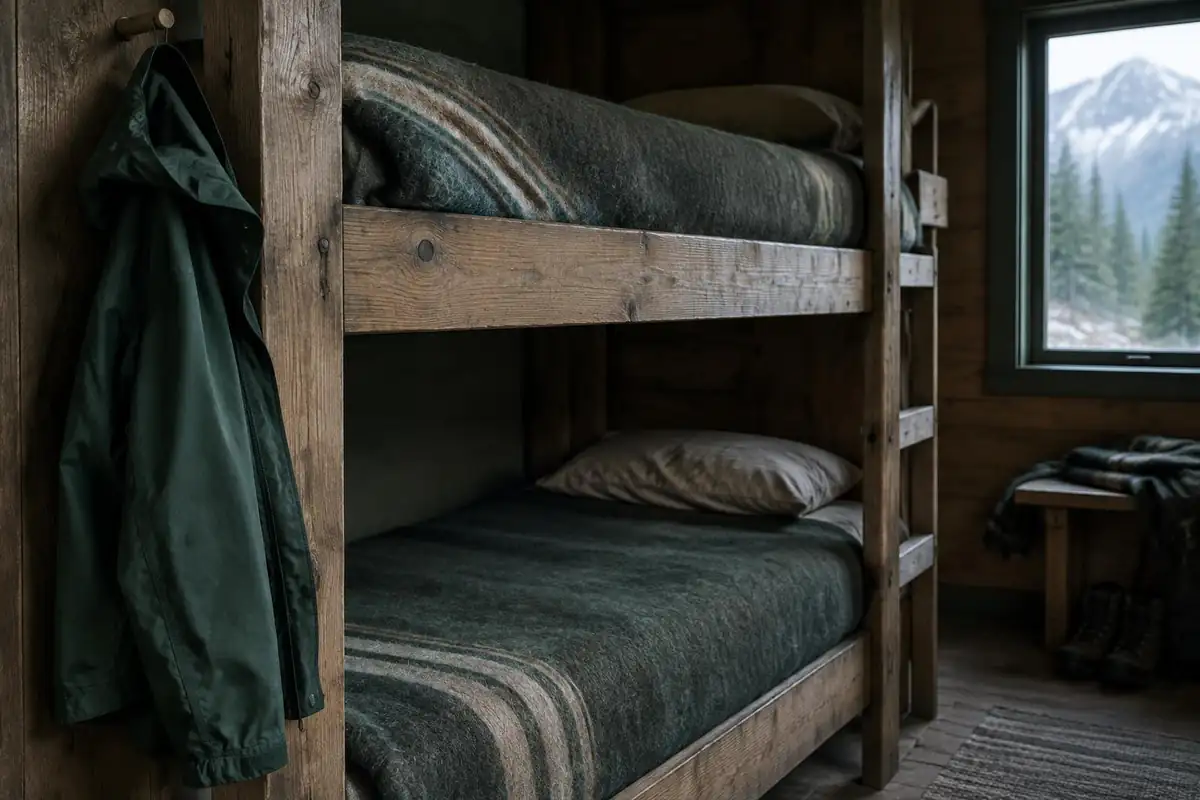
Chirripó is a two-day climb with a night in a mountain lodge near the top. You sleep high, wake very early, and walk to the summit before the clouds arrive. It works like a mountain hut trip where the hut is the whole plan, and you can not just show up.
Costa Rica's park service, SINAC, says visits happen only with a booking made through its online reservation system, and that you must register at the park office before you enter, with entry hours in the early morning.1 It also says that lodging, food and luggage transport are provided by a concessionaire.1 In other words, one booking gets you into the park and another gets you a bed and meals.
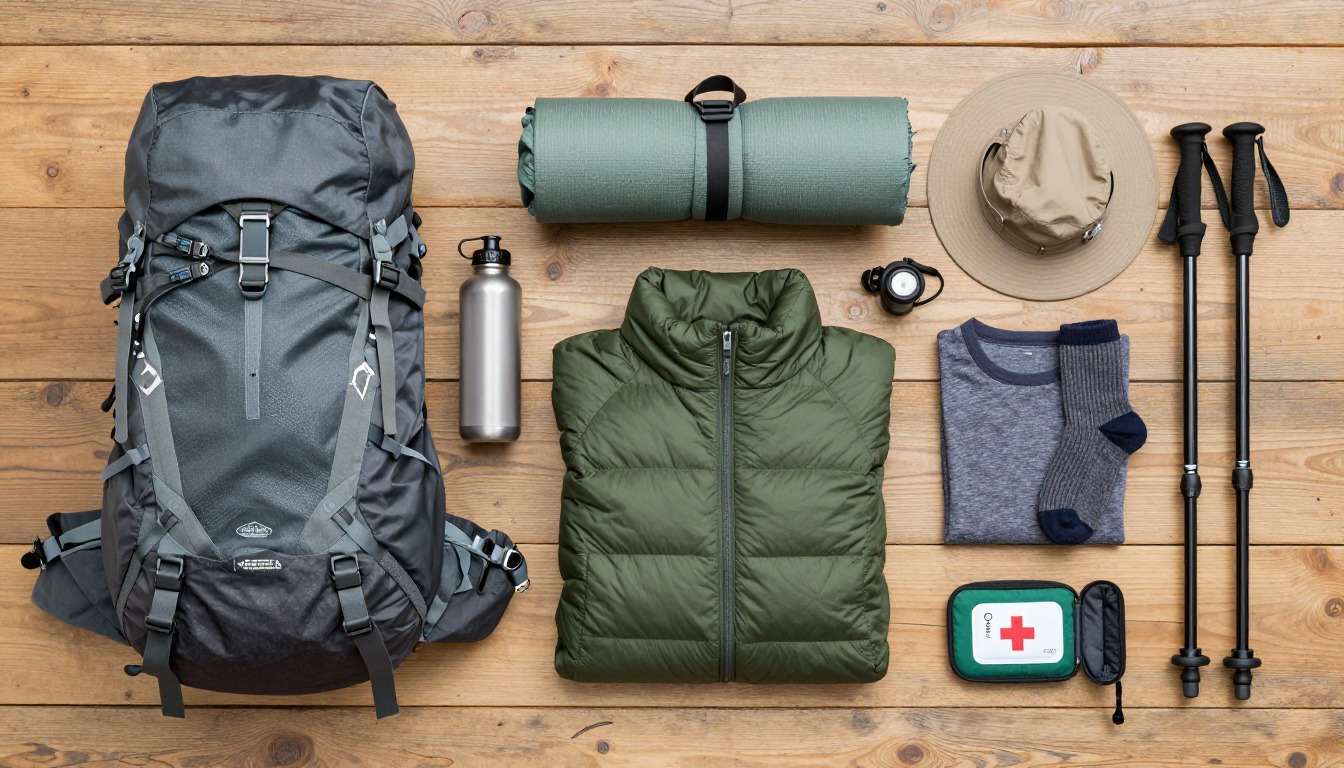
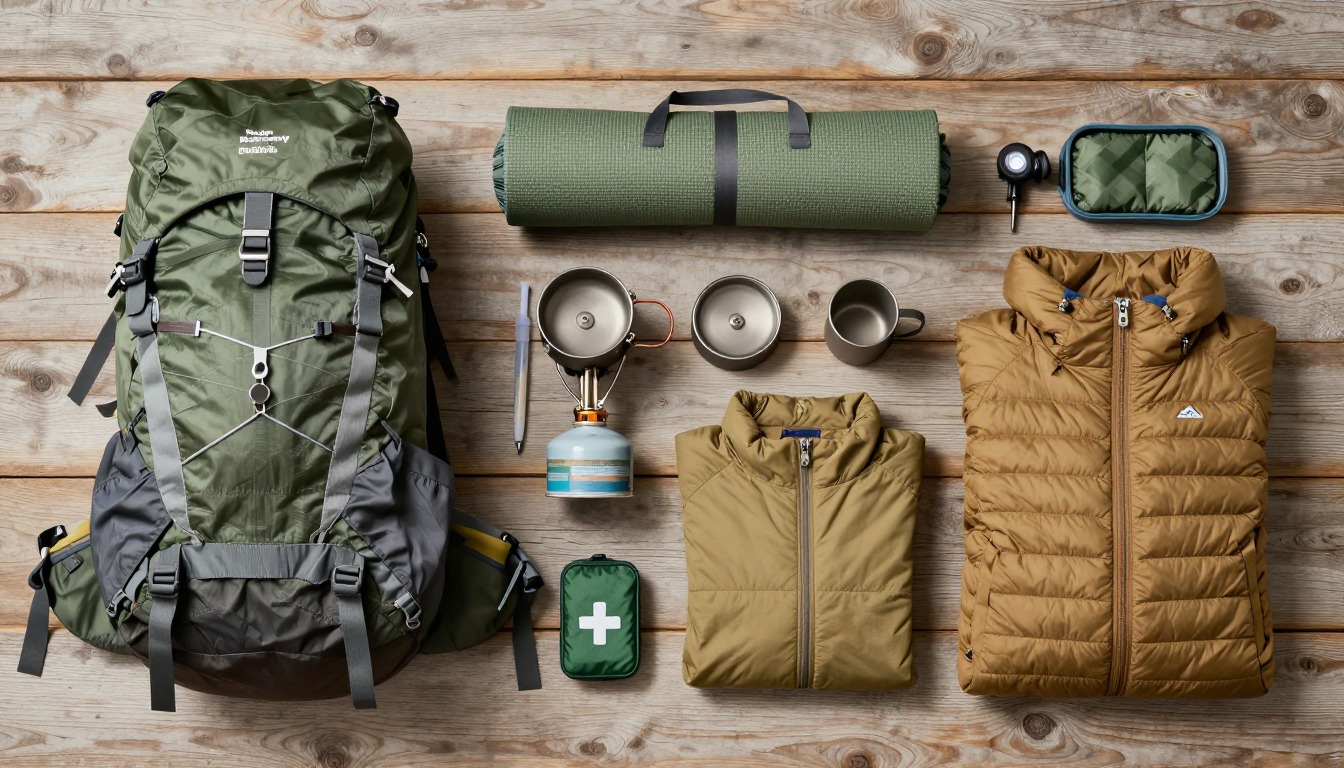
That shapes your pack. If a service carries your luggage up, you can walk with a small daypack. If not, you carry everything. The highest part of the trip is cold, windy and often damp, so pack warm layers, a headlamp for the pre-dawn start, and a rain shell. Plan to leave any extra baggage in San Gerardo de Rivas before you start.
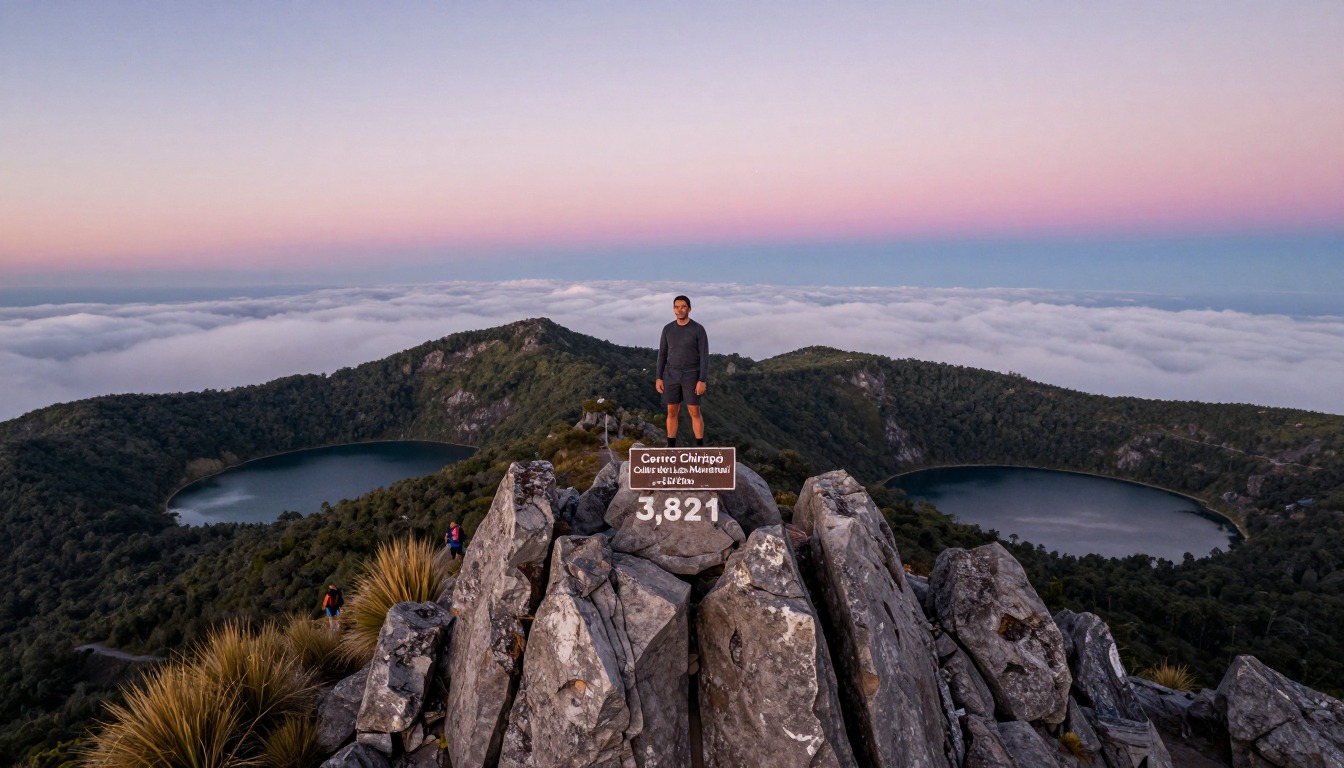
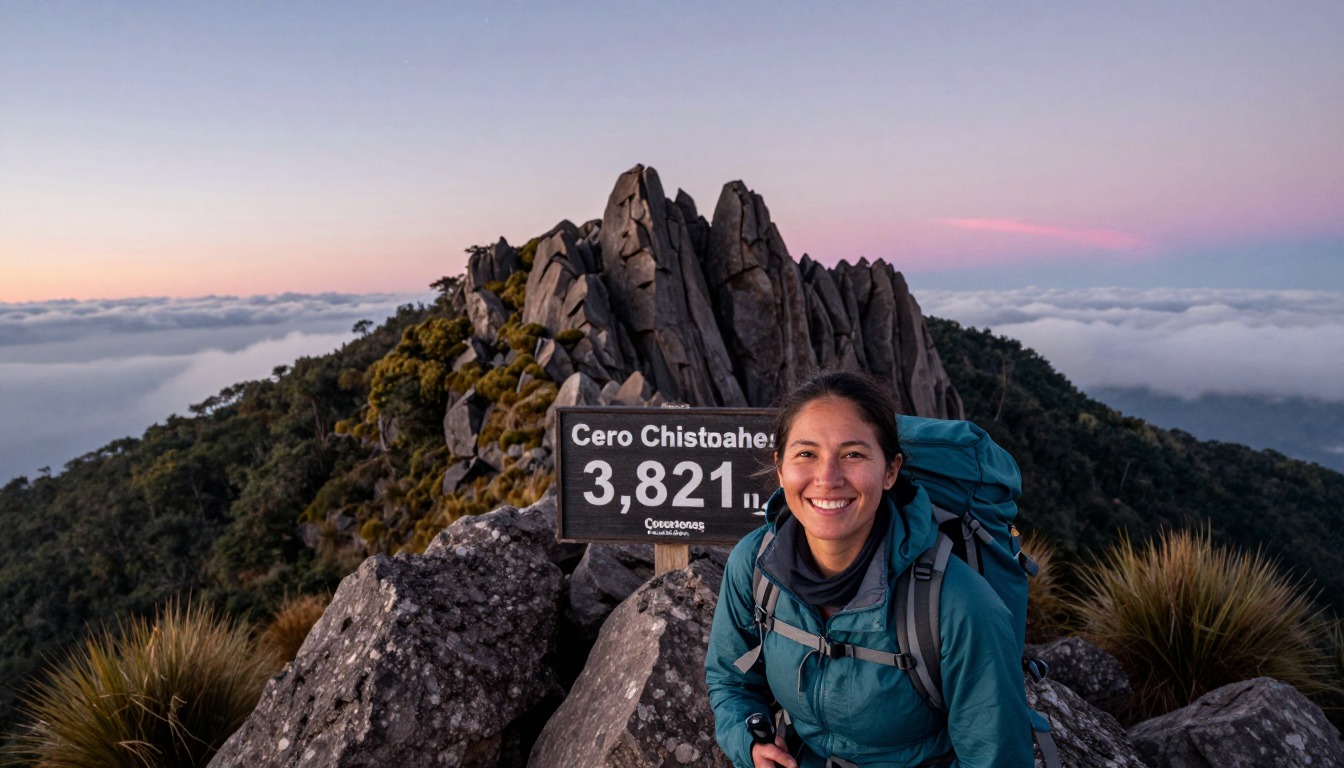
Cerro Chirripó is Costa Rica's highest peak at 3,820 meters, and climbing it from the village of San Gerardo de Rivas is a genuinely strenuous multi-day effort, not a casual walk. Camping is allowed only at sites SINAC authorizes (its rate list includes camping at Albergue Urán), so on the standard route most people need a bed at the Crestones Base Lodge, the refuge near the summit — and that bed, along with your park entry, has to be booked well ahead through SINAC's online reservation system.
Why hike here
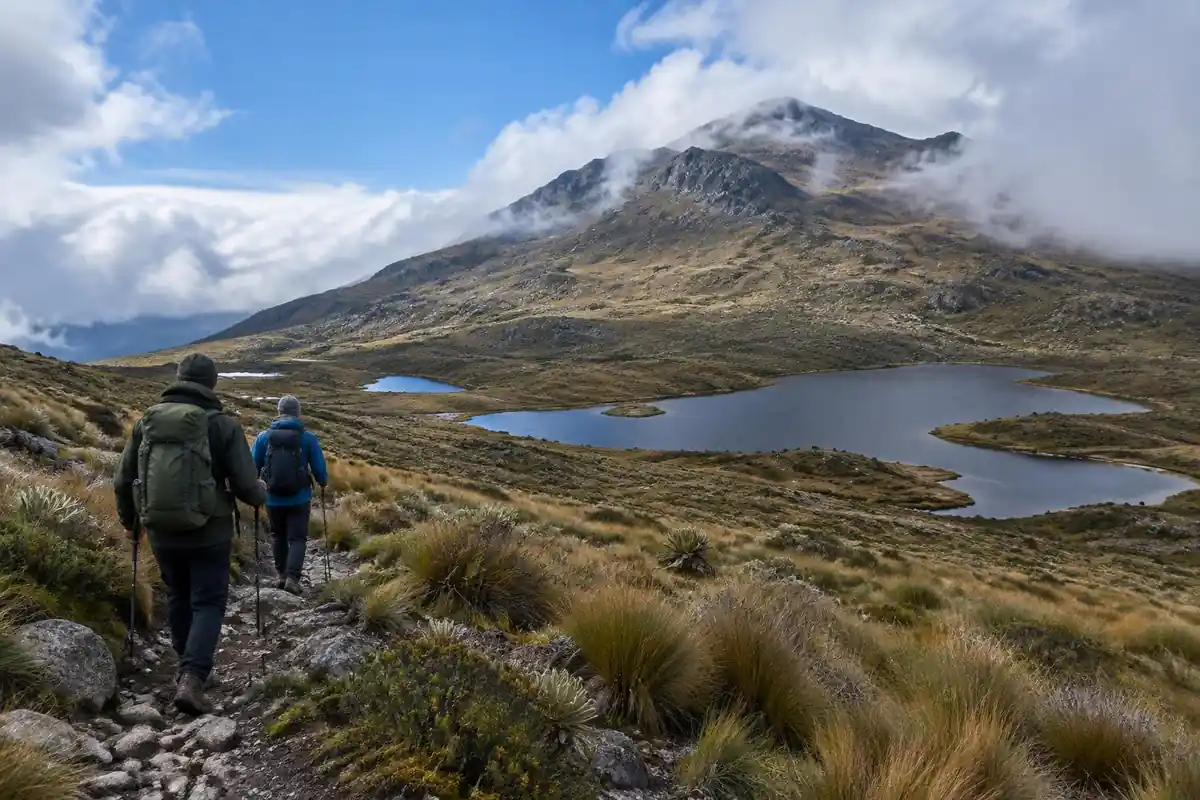
What makes Chirripó special is the shift in landscape as you climb — the trail leaves the lower slopes behind and gains elevation until the terrain opens into stark, wind-scoured highland that feels far removed from the Costa Rica most travelers picture. Splitting the ascent with a night at the Crestones Base Lodge changes the rhythm of the trip: you arrive tired in the afternoon, watch the temperature drop hard after dark, then set out again before sunrise to reach the summit while the sky is still clearing. Standing on the highest point in the country, above clouds that often roll in later in the day, is the payoff for the early planning and permit-booking most hikers do months ahead. It rewards people who come prepared for cold, thin air, and a long day on their feet.
Getting there
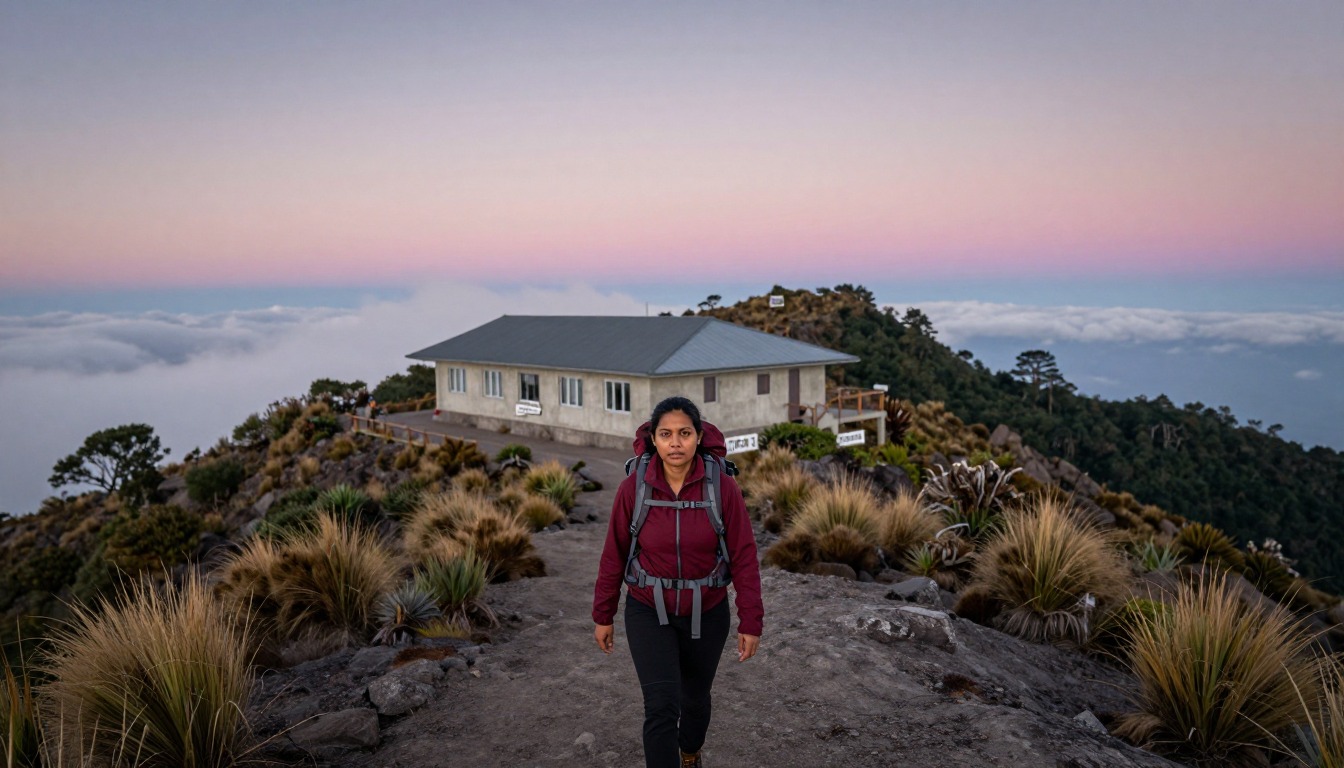
Most hikers fly into San José, Costa Rica's main international gateway, then travel south by road toward the town of San Isidro de El General in the Pérez Zeledón region. From there, a shorter local drive climbs into the hills to San Gerardo de Rivas, the trailhead village where the climb to Crestones Base Lodge and the summit begins. Because the last stretch is on smaller mountain roads, allow extra time for the drive, and plan to arrive the evening before your permitted start date so you're not rushing to the trailhead.
Where to stay
The realistic options, closest-to-the-trail first. Book through the official links — we don't list prices or availability because they change all the time.
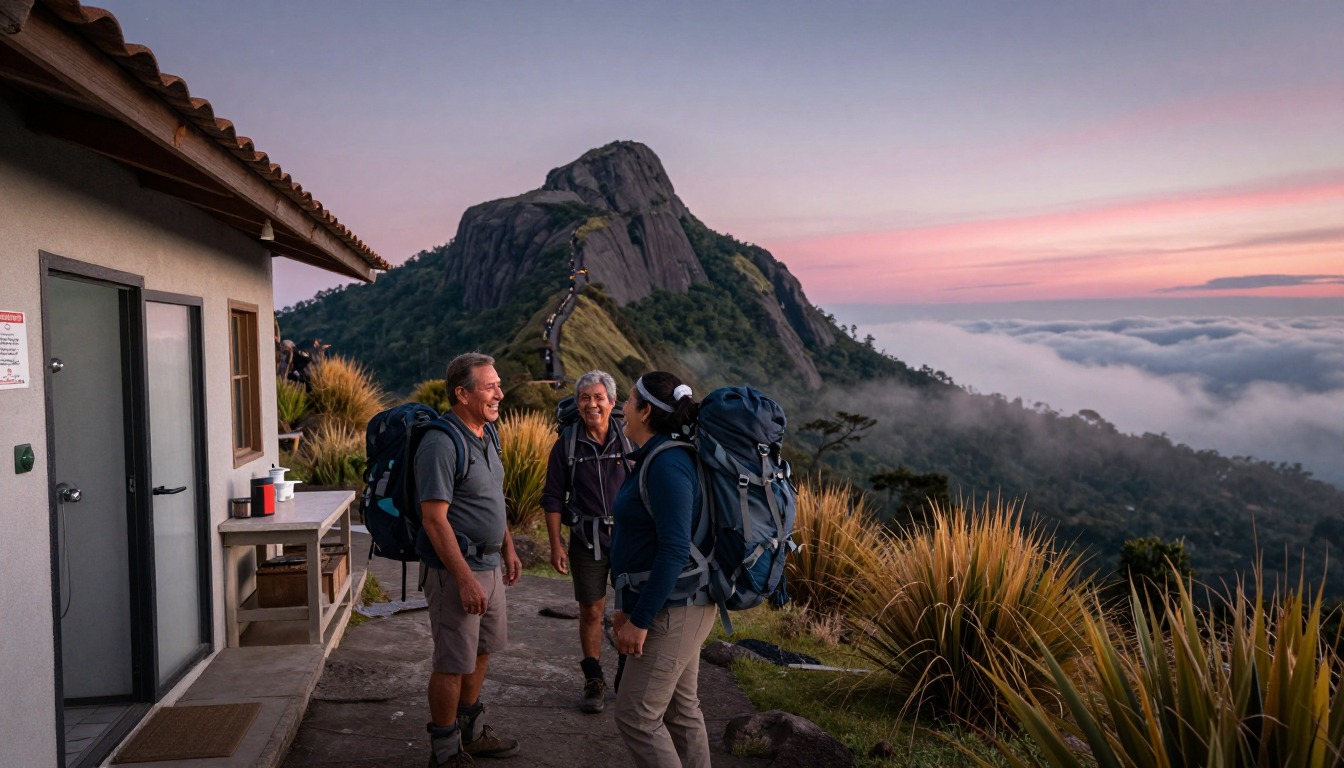
For example: The park’s mountain refuge near the top, where climbers overnight before the pre-dawn summit
Most climbers — the refuge bed is the standard way to stay.
You must reserve both a park entry permit and a refuge bed, and they sell out.
Park reservation (SINAC)For example: Guesthouses and small lodges in the trailhead village
Climbers the night before, to start the long ascent early.
Base here to make the early start; the climb from the village is long.
Village lodging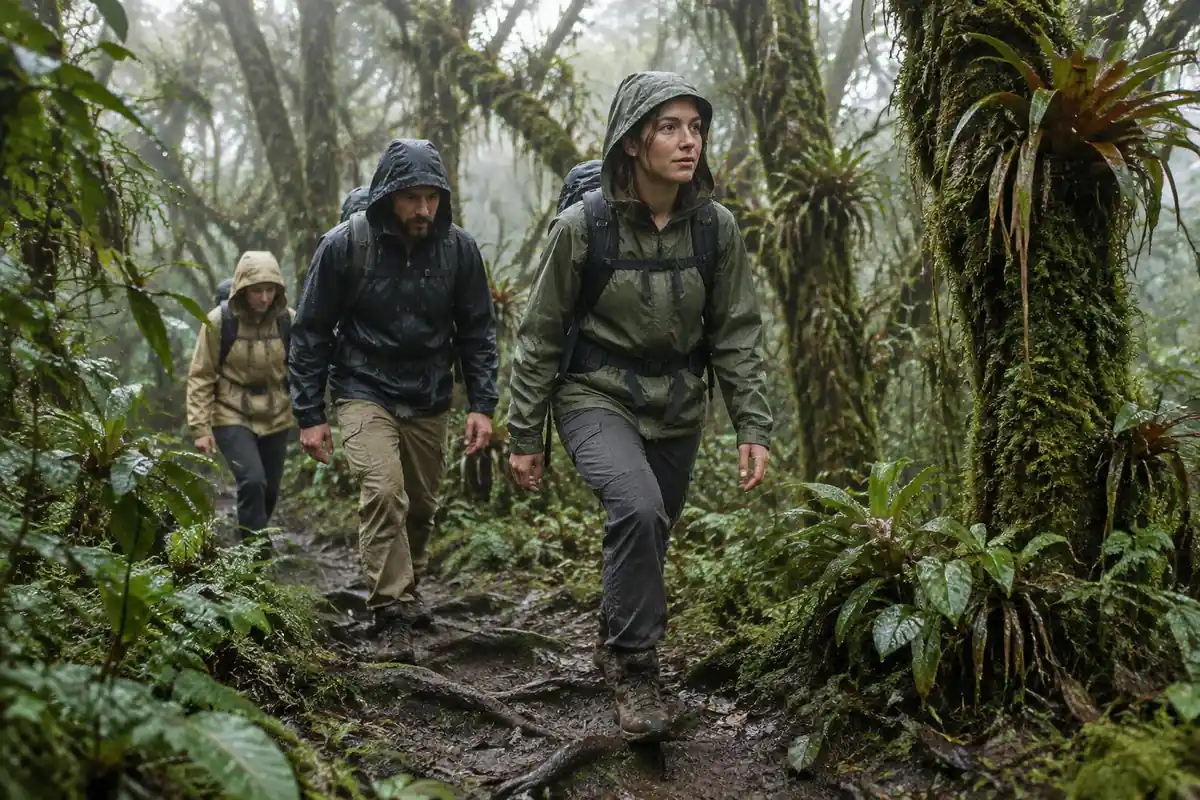
Permits & rules
You must reserve a Chirripó National Park entry permit AND a bed at the Crestones Base Lodge in advance — most climbers stay at the Crestones Base Lodge (SINAC also lists camping at Albergue Urán, and the Herradura–Urán and San Jerónimo routes require community guides), and permits and beds sell out. The climb is long and the summit is cold and can be cloudy; start before dawn for the clearest views.
Gear you'll want for this trip
Matched to the terrain and conditions here. Real products — check current price on Amazon.


How SINAC's system works, and where the page differs
SINAC's official Chirripó page says visits are exclusively by prior reservation, made only through its online system. Entry to the park is allowed every day between 3 a.m. and 10 a.m., and requires registering beforehand at the administrative office, which has set daytime hours.1 It lists lodging, food service and transport of materials and luggage as concessioned services, and says every visitor must pay the admission, camping and other rates set by SINAC before entering.1 That means the sensible order is to secure the reservation first, then arrange the village night, then time your arrival for the registration window.
Some guides say camping is not permitted anywhere on the mountain and that the Crestones Base Lodge bed is essential. SINAC's rate list, however, includes an item for camping at Albergue Urán, which suggests camping is offered on at least one route.1 SINAC also says the sites in its list are the only ones allowed, and that going anywhere else brings sanctions.1 Read the current SINAC rules and ask the park directly rather than assuming camping is either allowed or banned everywhere.
Routes, guides and elevation
SINAC's table of authorized trails lists San Gerardo to Base Crestones at 14.5 kilometers and Base Crestones to Cerro Chirripó at 5.1 kilometers, with the summit at 3,820 meters and Base Crestones at 3,393 meters above sea level.1 It also lists a longer 25-kilometer route through Herradura and Urán and a route from San Jerónimo. The table carries a note that entering with accompanying guides from local communities is mandatory, and that note appears against those two alternative routes rather than the San Gerardo route.1 If your plan uses anything other than the standard route, confirm the guide requirement with SINAC.
Those elevations matter for how you sleep. The CDC says any unacclimatized person sleeping at 8,000 feet or higher is at risk of altitude illness and that fitness does not protect against it.2 Base Crestones, at about 11,100 feet, is far above that line. The CDC also says headache is the main symptom, typically starting 2 to 12 hours after arrival at altitude, and that you should never go higher to sleep while having symptoms.2 Mild symptoms at the lodge are a reason to tell staff and descend, not to push on.
Weather and what to carry to the lodge
SINAC describes a dry season from December to April and a green season from May to November, with annual average temperatures ranging from about 20 degrees Celsius in the lower parts to around 0 degrees Celsius in the upper parts, strong winds in the dry season, and a lowest recorded temperature of minus 9 degrees Celsius.1 That agrees with the page's advice to expect cold. The CDC says hypothermia can develop even in cool temperatures above 40 degrees Fahrenheit if a person is chilled by rain, sweat or cold water.3 A wet layer at the lodge is a bigger problem than a cold night in a dry bag.
The National Park Service recommends headlamps as the hands-free light source, which suits a pre-dawn start.4 For your pack, Washington Trails Association says a 45 to 50 liter pack should fit gear for a standard one- or two-night trip, and a 25 to 30 liter pack is good for a full-day hike.5 With lodging and meals provided by the concessionaire, you may need less than a full camping kit, so ask what is included before packing.
Common questions
Do I need a permit to climb Cerro Chirripó?
Yes — climbing Chirripó requires a park entry permit from Chirripó National Park's SINAC-managed reservation system, and separately a reserved bed at the Crestones Base Lodge near the summit, since camping is limited to SINAC-authorized sites. Both the permit and the lodge bed can sell out, so book as far in advance as possible rather than trying to arrange things once you arrive.
Where do hikers stay before and during the climb?
The night before, most people stay in a guesthouse or small lodge in San Gerardo de Rivas, the village at the trailhead. During the climb itself, the only option partway up is the Crestones Base Lodge refuge near the summit — camping is allowed only at SINAC-authorized sites, so on the standard route that reserved bed is what makes an overnight ascent possible. SINAC also says entering with guides from local communities is mandatory on the longer Herradura–Urán and San Jerónimo routes, so confirm the guide requirement if you plan anything other than the standard route.
When is the best time to hike Cerro Chirripó?
The dry season, December through April, is generally the best window, since trail conditions and summit visibility tend to be more reliable than in the wetter months. Even then, the summit is cold and can cloud over quickly, so most hikers start the final push well before dawn to reach the top while the sky is still clear.
Complete gearsets for this trip
Full curated kits built for exactly this kind of hike — what to bring, why, and links to similar gear.
Lodging details are compiled from official parks, refuge associations and reservation systems and can change without notice. We publish no prices, availability or ratings — always confirm current information on the official site before booking or setting out. Product links and the accommodation map are affiliate links: we may earn a commission at no extra cost to you; product prices and availability are shown on Amazon, and accommodation prices on the booking site. See our affiliate disclosure.