
Affiliate disclosure: this page contains affiliate links. Purchases made through them may earn us a commission at no extra cost to you. See our affiliate disclosure.
In plain English
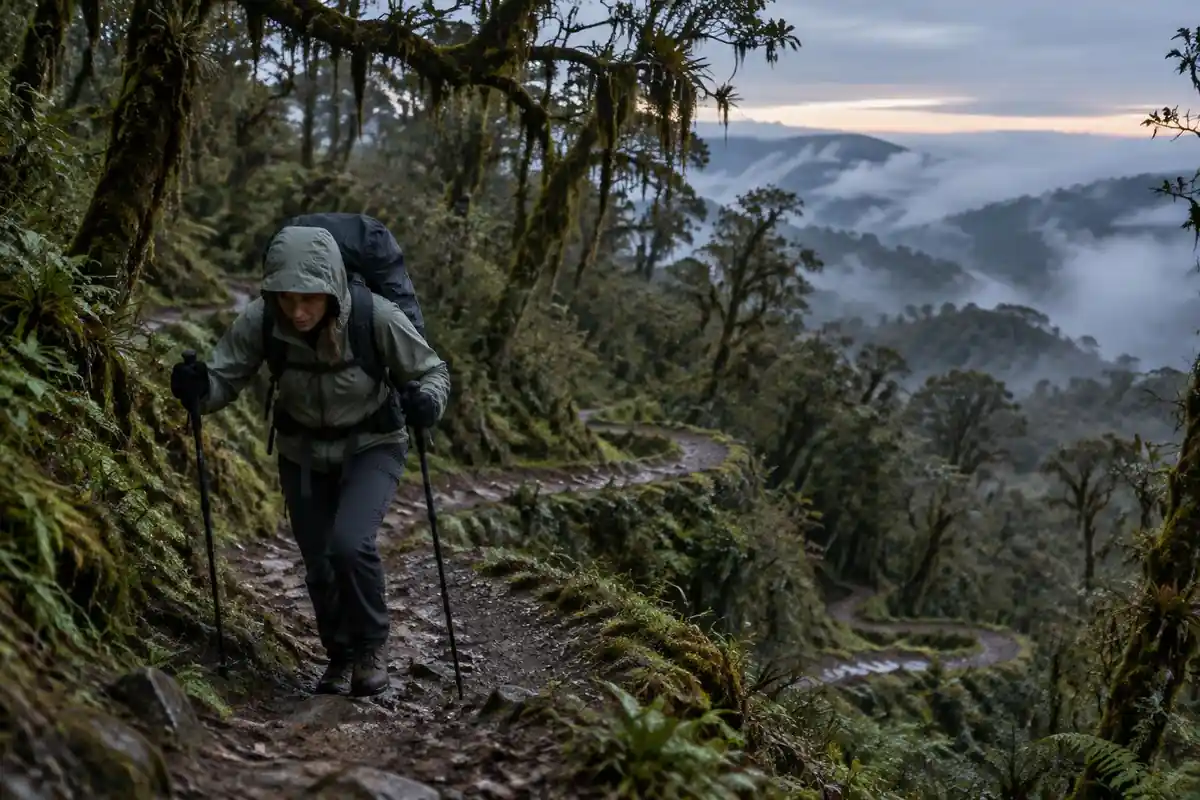
Chirripó is a long, steady climb with almost no flat parts. You start in warm, humid forest, pass through misty cloud forest, and end in open, windy highland with tufts of grass and bare rock. The temperature drops a lot on the way up.
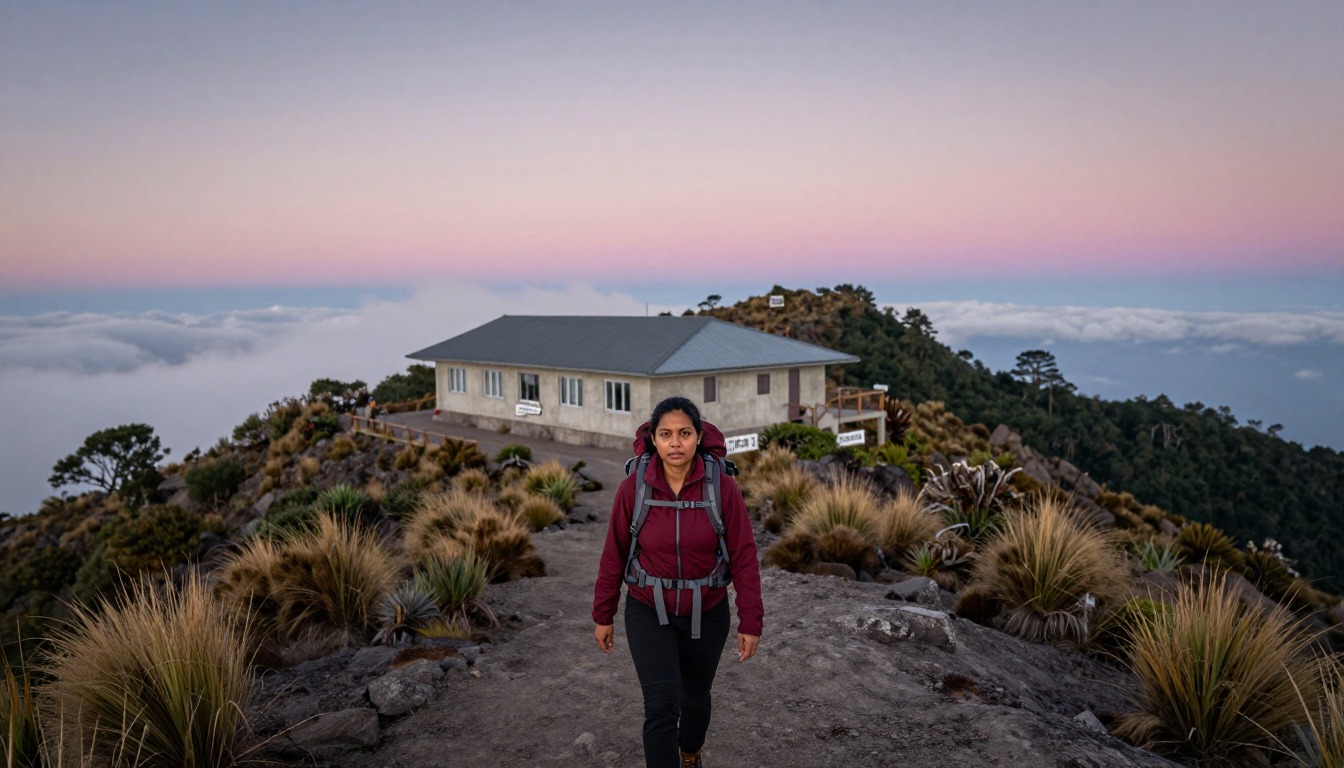
The trip is built around a bed near the top. On the first day you climb most of the way and rest. Very early the next morning you walk to the summit with only a small pack, so you arrive before clouds roll in.
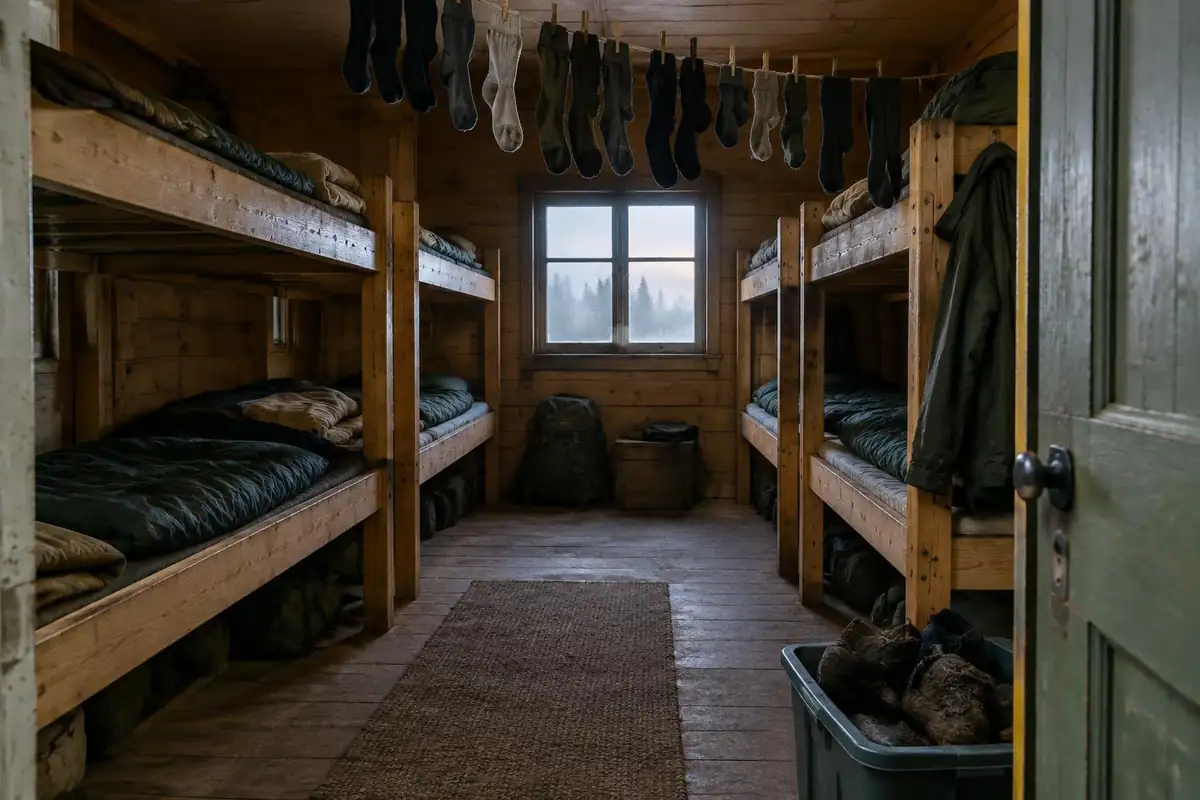
Because you carry your overnight gear up a steep slope, weight matters. Every liter of water weighs about a kilogram, and every extra item shows up in your legs by afternoon. Pack warm clothes, a rain jacket and a headlamp for the early start. Test everything on a short hike first.
What the hike is like
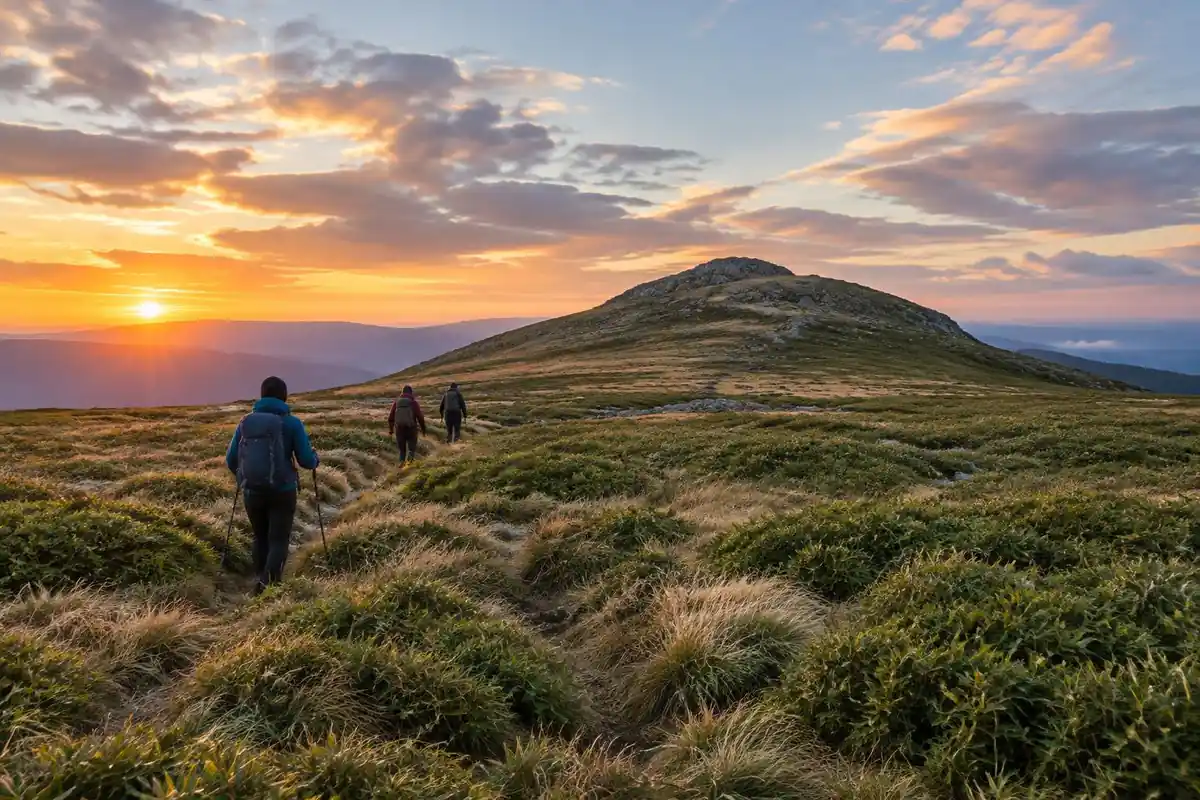
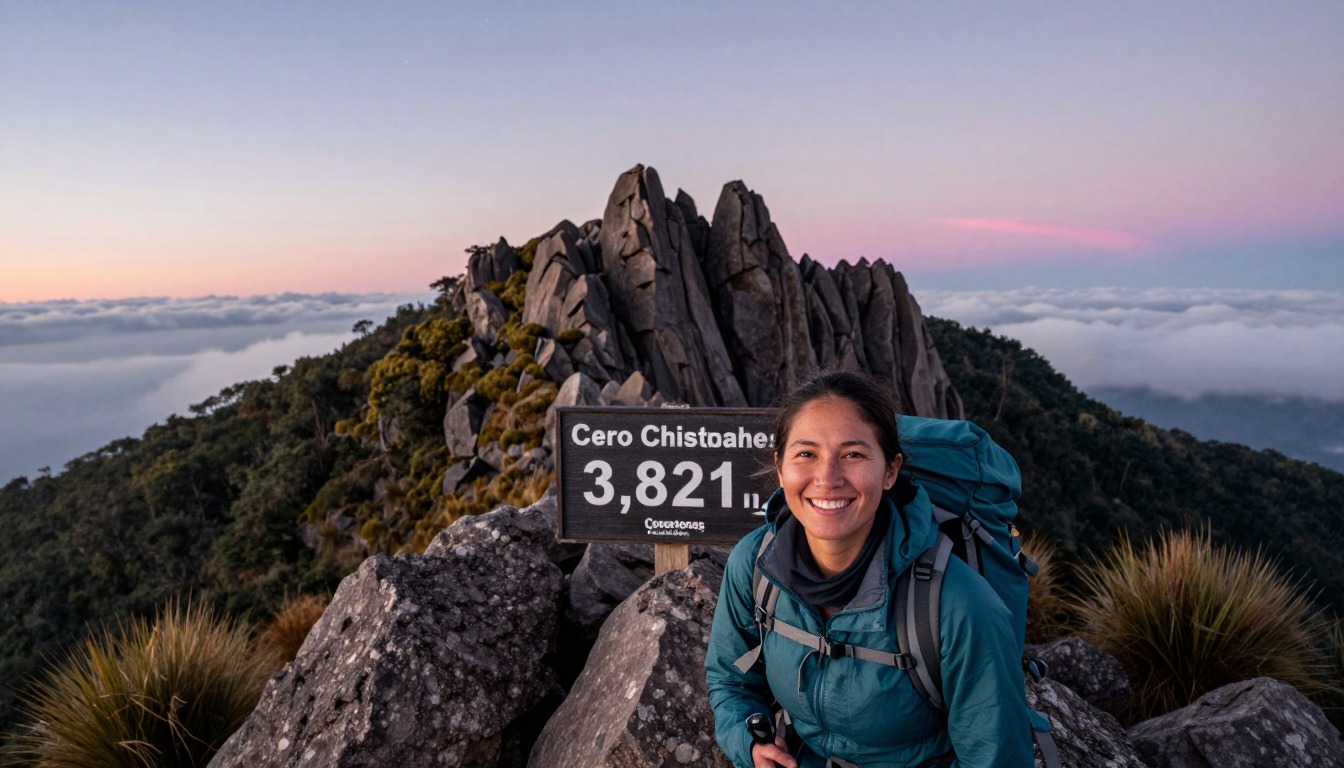
Chirripó is a long, unbroken climb with very little respite — the trail leaves the valley above San Gerardo de Rivas and simply goes up, on a wide, rocky, deeply eroded path that never flattens out for long. The lower half is hot, humid forest walking with switchbacks and rooty steps; higher up the canopy shrinks, cloud forest takes over, and the moisture in the air turns the track greasy in places. Then the vegetation stops almost abruptly and the route emerges into páramo — open, wind-scoured highland of tussock grass and bare rock that looks nothing like the Costa Rica below it. The final stretch to the summit from the refuge is rougher and rockier still, with a short scrambly section near the top and jagged rock formations standing over the approach.
How to plan the itinerary
Nobody does this in one push from the trailhead and back — camping is limited to the sites the park authority (SINAC) authorizes, so the trip is usually structured around a reserved bed at the refuge near the summit. The standard pattern is to sleep in the trailhead village the night before, start the climb very early the next morning, and spend most of that day gaining height to reach the refuge in the afternoon. The summit push then happens well before dawn the following day, unloaded, so you're on top while the sky is still clear, before cloud typically builds. Many people descend all the way out the same day after returning to the refuge; others book a second refuge night and use the extra day for other trails across the páramo.
Plan this trip in 5 steps
-
Pick the right pack
Match a pack to your trip, fit and priorities.
-
Plan food & water
Calories, food weight and water for your days on trail.
Trail-specific tips
Start the ascent day in the dark — the lower forest is hot by mid-morning and the climb is long enough that a late start turns into a late, tired arrival. Carry more water than the mild summit temperatures suggest, because the sweating happens low down. Bring genuinely warm layers regardless: nights at the refuge get cold and the pre-dawn summit walk is exposed and windy. The recurring mistake is treating this as a tropical hike and packing only for heat. General cold-and-altitude prep is on /trail-smarts/.
Permits & rules
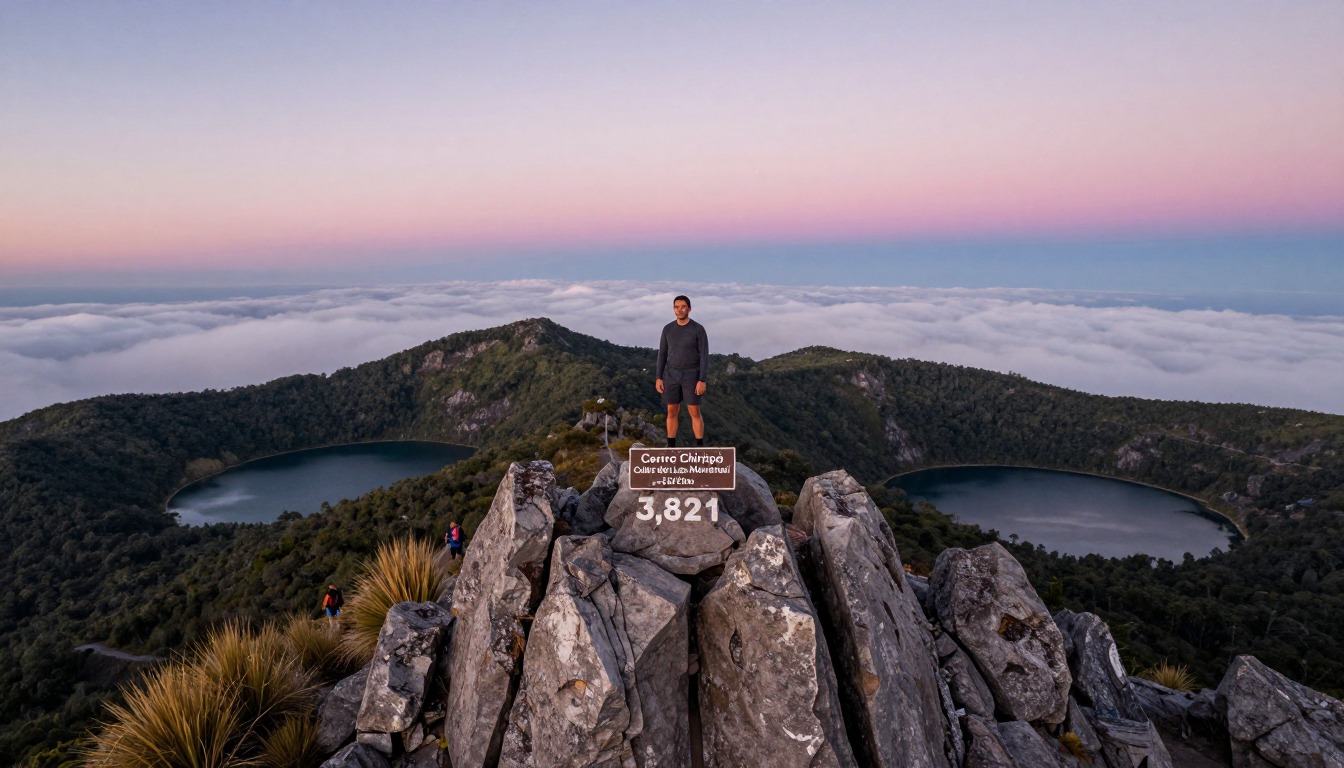
You must reserve a Chirripó National Park entry permit AND a bed at the Crestones Base Lodge in advance — most climbers stay at the Crestones Base Lodge (SINAC also lists camping at Albergue Urán, and the Herradura–Urán and San Jerónimo routes require community guides), and permits and beds sell out. The climb is long and the summit is cold and can be cloudy; start before dawn for the clearest views.
Gear suited to this hike
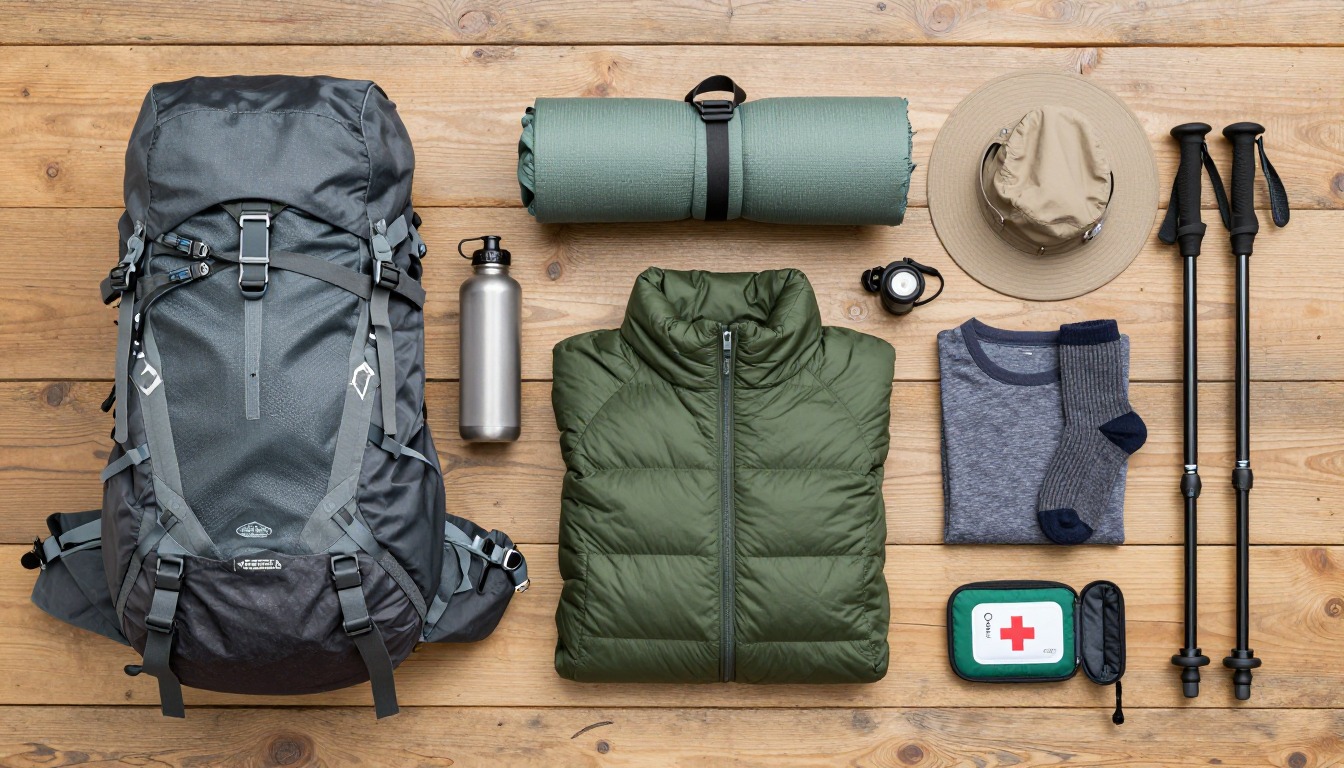
Matched to the terrain and conditions here. Real products — check current price on Amazon.


A long climb to sleeping altitude
The page describes an unbroken climb to a refuge, and it is the refuge that sets the altitude risk. The CDC says any unacclimatized person sleeping at 8,000 feet or higher is at risk of altitude illness and that physical fitness does not protect against it.1 The 2025 review of Wilderness Medical Society guidance puts increased risk above about 2,500 meters.4 Since the trek gains a great deal of height in one day, arriving with a headache is plausible. The CDC says headache typically starts 2 to 12 hours after arrival at altitude, and that hikers should never go higher to sleep while symptoms persist.1
The page suggests a second refuge night for people who want extra time on the páramo. That is also a sensible margin if you feel poorly, so it is worth asking about before booking.
What the sources can and cannot confirm about the park's rules
The reservation system is built around a refuge stay, and camping is limited to the sites SINAC authorizes. Rules and booking processes change, so book only through the park authority's current process and check any alert before travelling.
The Park Service also recommends leaving a trip plan with someone not on the trip and setting a turnaround time.5 On a route with one obvious way up and down, agreeing a turnaround with your group is easy to do and easy to forget.
Weight, light and layers for a hot-to-cold climb
The trail starts hot and ends cold, so layers matter. The CDC says hypothermia can develop above 40 degrees Fahrenheit if someone is chilled by rain, sweat or cold water.3 The EPA says UV intensity increases about 6 percent per kilometer of elevation, and that overcast skies still transmit about 31 percent of UV.6 Bring sun protection even for a cloudy summit morning.
Weight is the other planning variable. Water has a mass of about 1 kilogram per liter, according to the USGS, so a few liters is a real load on a steep climb.7 Base weight, meaning everything you carry except food, water and fuel, is where savings come from.8 Because a pre-dawn summit push uses a headlamp, the Park Service's essentials list recommends hands-free lighting.2
Common questions
Can I climb Chirripó in a single day?
It isn't the normal way to do it, and the park's reservation system is built around an overnight at the refuge rather than a same-day return. The ascent alone is a full, strenuous day for most hikers. Planning around the refuge bed you've booked is far more realistic than trying to compress the whole climb into daylight hours.
Do I need a guide?
The standard route from San Gerardo is well-defined and signposted, and many hikers walk it without a guide, but SINAC notes that accompanying guides from local communities are mandatory on the longer Herradura–Urán and San Jerónimo routes. What you do need is a park entry reservation and a booked refuge bed, arranged in advance through the park's official system. Porter services are available if you'd rather not carry your overnight gear up the whole climb.
How cold does it get up there?
Much colder than visitors expect from Costa Rica. The high ground is open páramo with no shelter, and clear nights can drop near or below freezing. The pre-dawn summit push is the coldest part of the trip. A warm jacket, hat, gloves and a wind layer are genuinely necessary, not optional extras.
What's the summit push actually like?
Short compared with the previous day but rougher — a rocky, undulating walk across open highland in the dark, with a brief scrambly section near the top. You leave your main pack at the refuge and carry only water, layers and a headlamp, which makes a big difference to how it feels on tired legs.
Complete gearsets for this trip
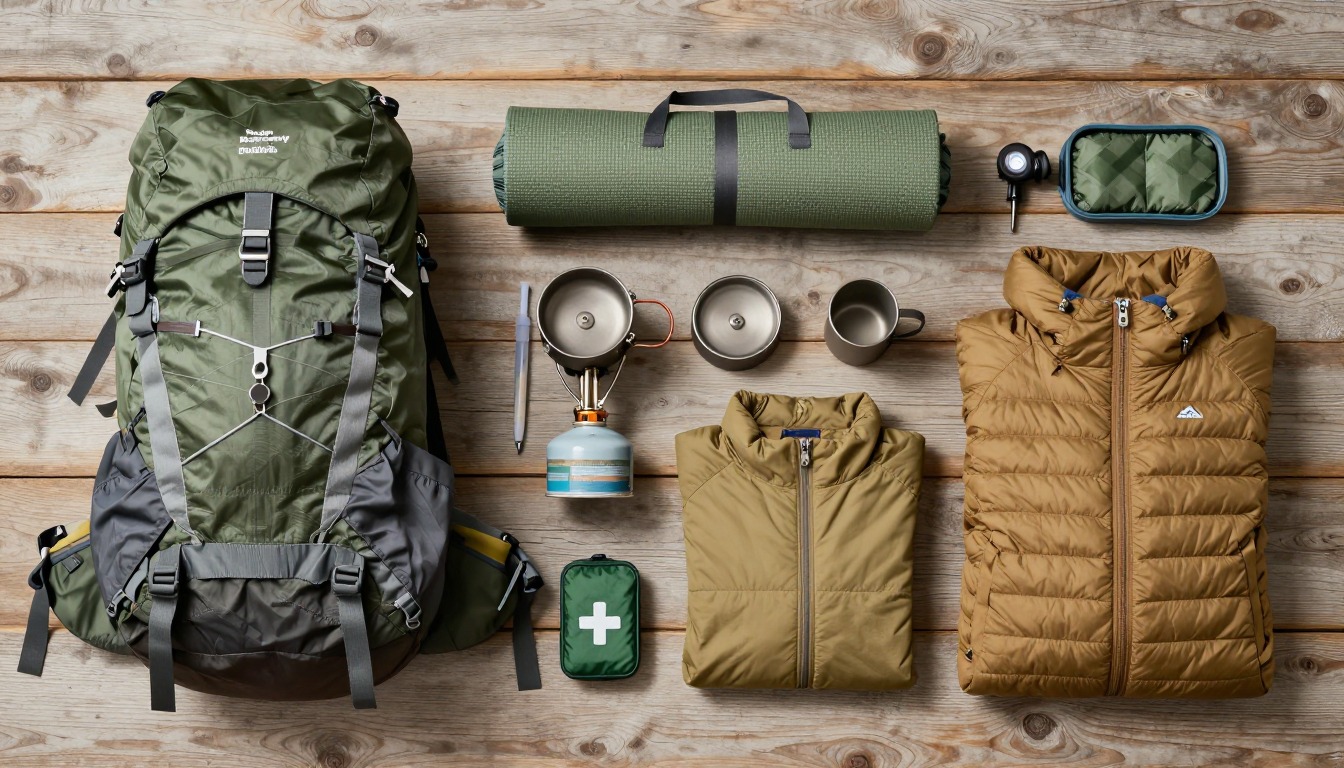
Full curated kits built for exactly this kind of hike.
Trail conditions, permits and access rules change without notice — always confirm current information on the official source above before you go. Some facts on this page are still pending owner verification and are marked accordingly. Product links and the accommodation map are affiliate links: we may earn a commission at no extra cost to you; product prices and availability are shown on Amazon, and accommodation prices on the booking site. See our affiliate disclosure.