
Affiliate disclosure: this page contains affiliate links. Purchases made through them may earn us a commission at no extra cost to you. See our affiliate disclosure.
In plain English
There are two ways to do this hike. You can sleep in the small town of El Chaltén and walk up to the lake and back in a day, or you can camp near the trail and start from higher up. The town has plenty of beds. The camps are what need planning.
The national parks administration says three camps in the north zone are managed and 'with reservation', which means you should plan to book them, not just turn up. It lists a fourth, remote area, Laguna Toro, where you must register first at the park visitor center.1 Camping is only allowed at the allowed sites, and campfires are banned inside the park.3
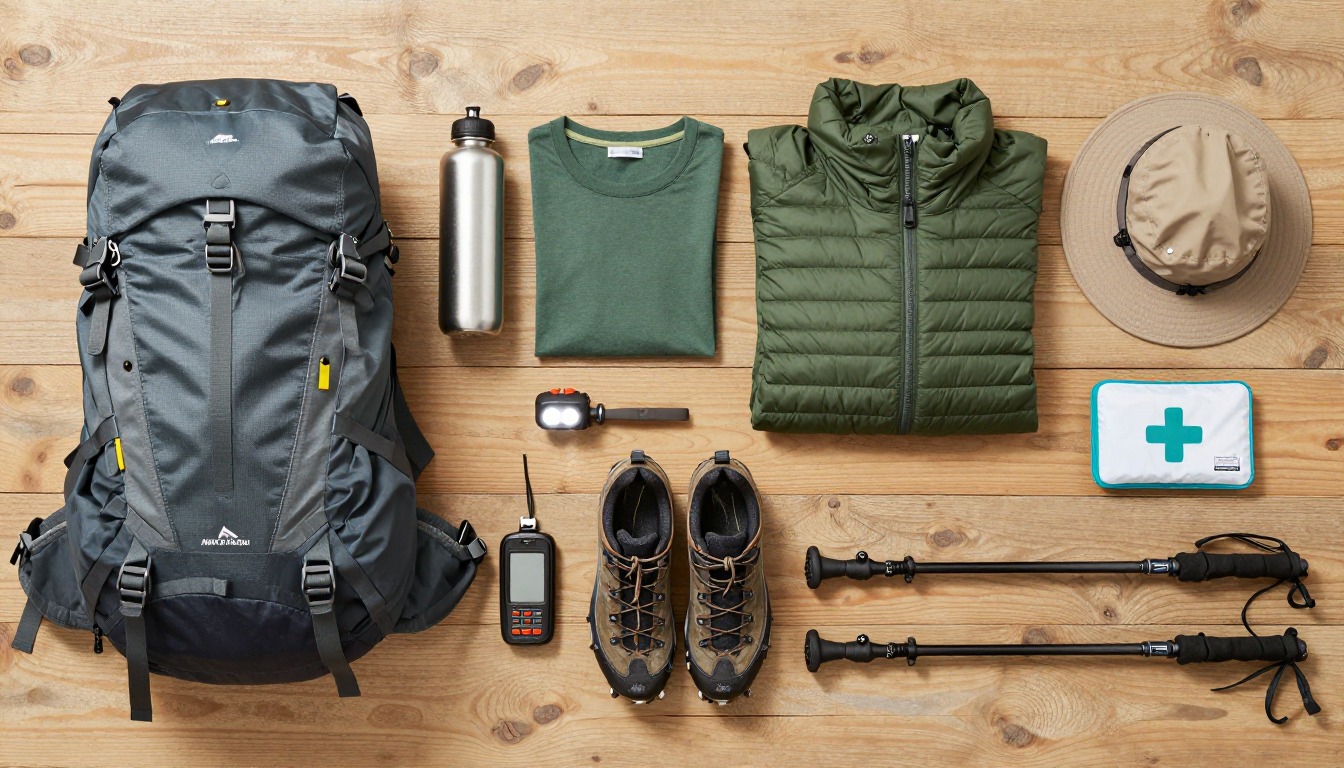
That changes what goes in your pack. A day hike needs a light bag with water, food, layers and a headlamp. A night in a camp needs a shelter, a sleeping bag, a pad and a stove that runs on the type of gas cylinder the park allows. Patagonian weather can turn windy quickly, so a shell layer and a plan for cold hands matter in both cases.
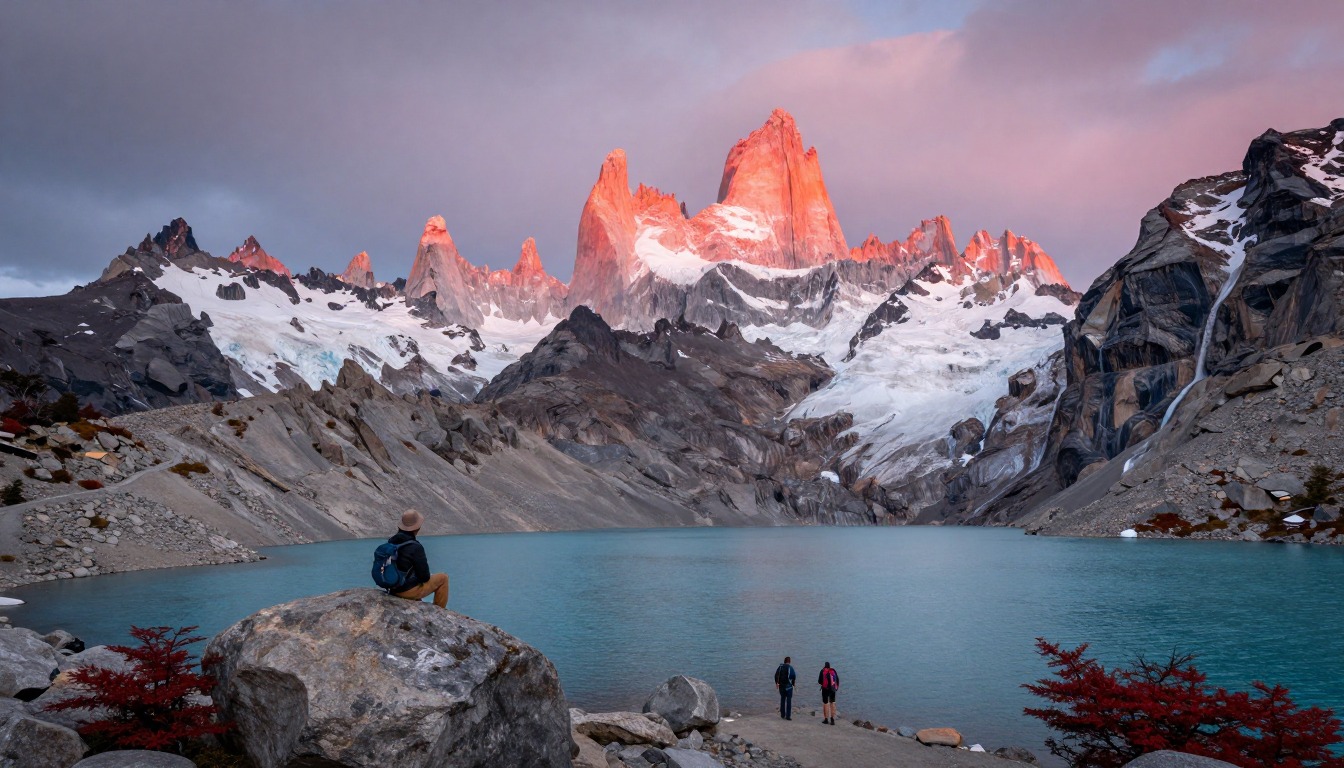
Laguna de los Tres is the classic day hike out of El Chaltén, Argentina's trekking capital, climbing through southern beech forest toward Mount Fitz Roy's granite spires before a steep, rocky final push to a turquoise lagoon at the mountain's base. The trail starts right from town, so the main planning question is whether you sleep in El Chaltén or camp at one of the managed north-zone camps for a sunrise start.
Why hike here
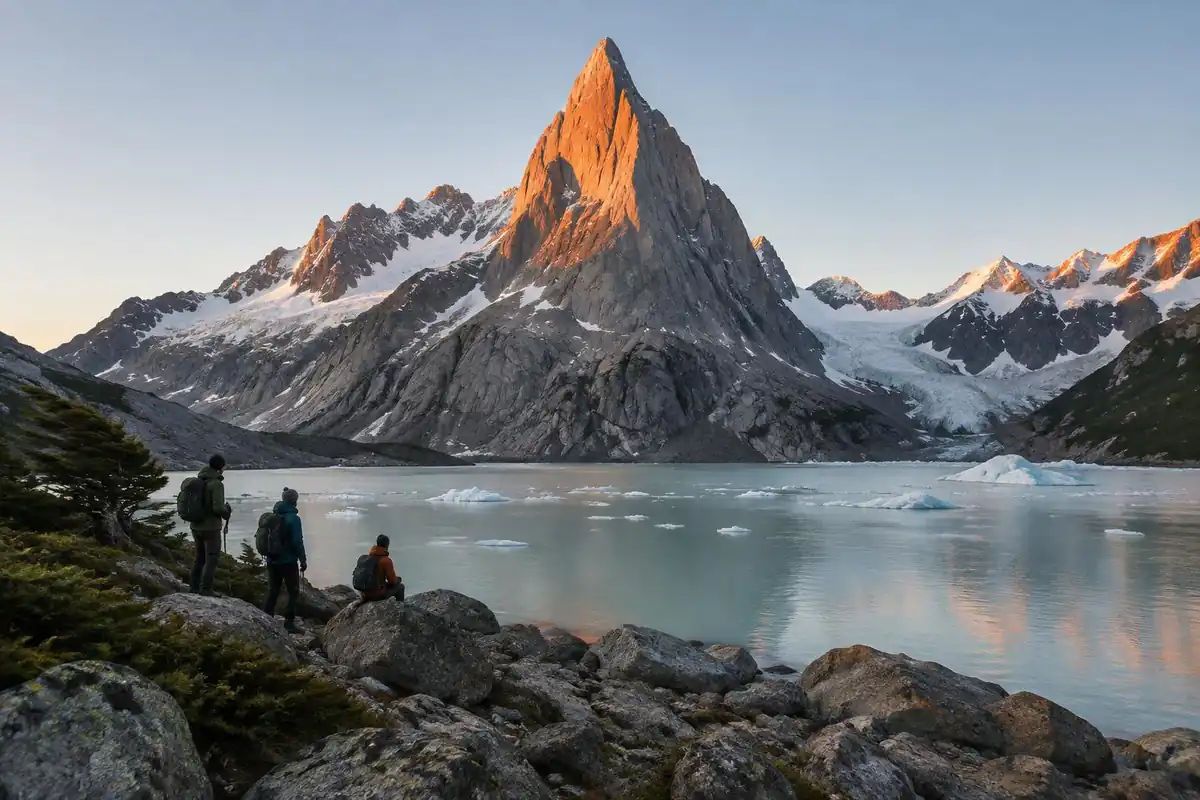
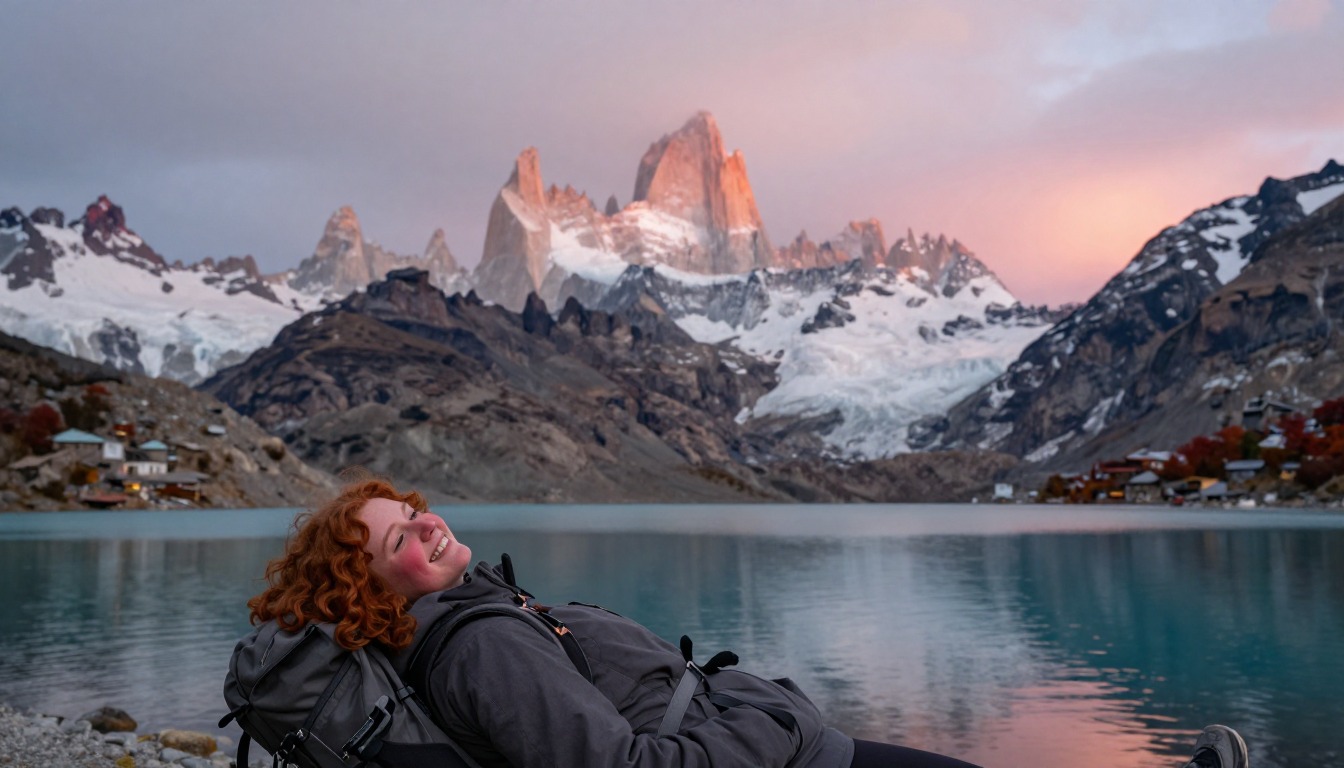
What makes this hike special is the payoff at the top: after hours of steady forest walking, the trail breaks onto open scree for the final climb, and Laguna de los Tres opens up with Fitz Roy's spires standing straight out of the water. Because the trailhead sits in town rather than deep in a park, there's little logistics tax on getting here, since the trails start from town, though the parks administration publishes an access-fee schedule (effective June 2026) and the north-zone camps take reservations. Patagonian wind is part of the deal too; it can go from still to fierce in the time it takes to eat lunch, and the light on the spires shifts constantly with the weather. Hikers who camp at a managed site below Fitz Roy get a shot at watching the first light hit the granite before the day-trippers from town arrive.
Getting there
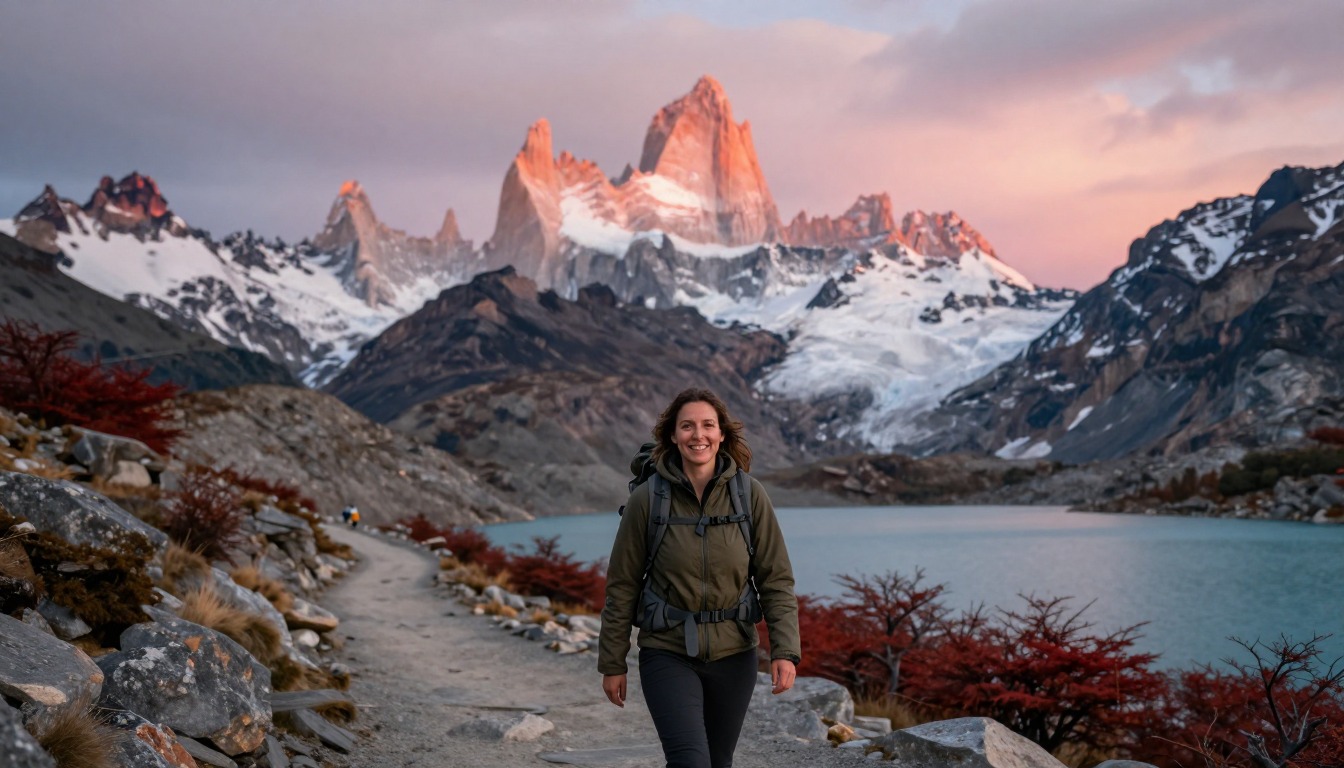
Most hikers reach El Chaltén by flying into El Calafate, the nearest airport with regular domestic and some international connections, then taking a bus or shuttle for the overland leg north — a ride of a few hours through open Patagonian steppe. El Chaltén itself is small enough to walk across, and because Laguna de los Tres and the park's other trails start directly from the edge of town, there's no additional transport or trailhead shuttle to arrange once you've arrived. Given Patagonia's wind and weather, it's worth building in a spare day around your travel dates.
Where to stay
The realistic options, closest-to-the-trail first. Book through the official links — we don't list prices or availability because they change all the time.
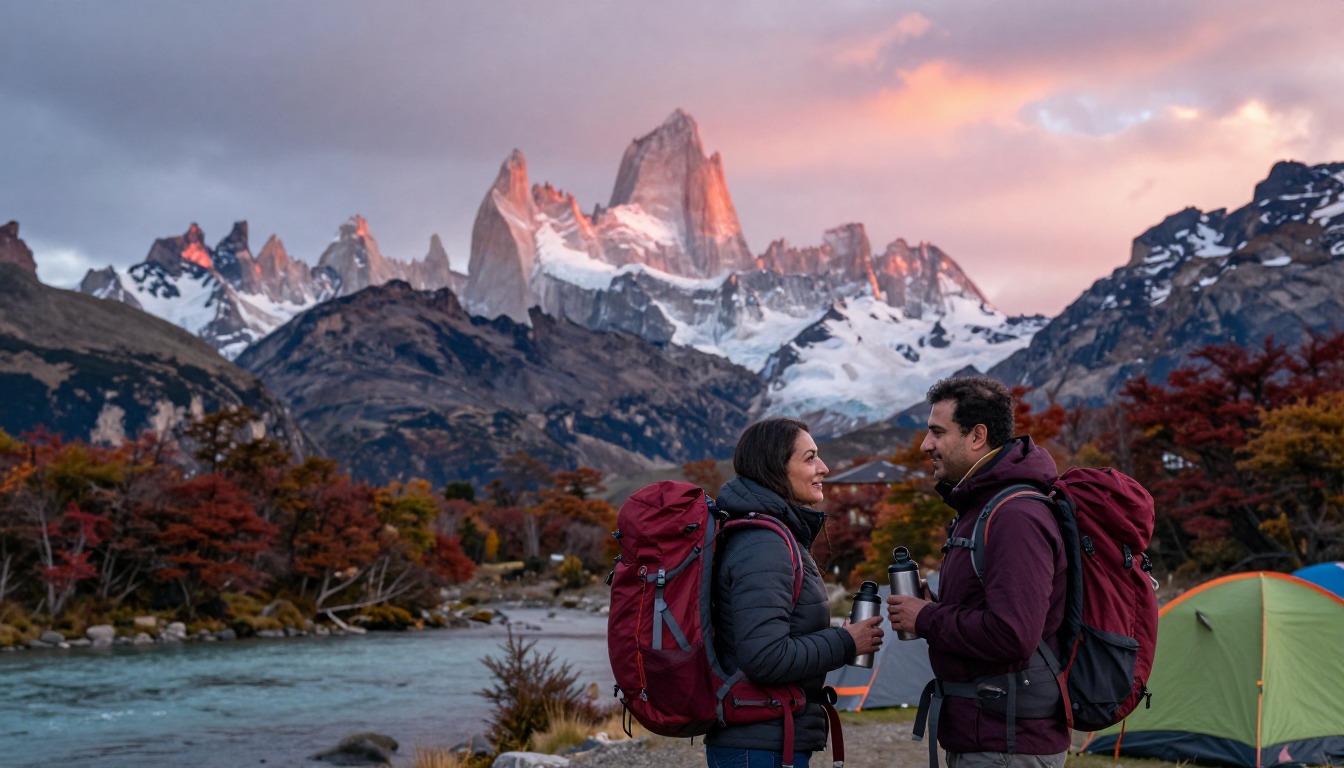
For example: Hotels, hostels, cabins and rentals in the trekking town of El Chaltén
Most hikers — all trails start from town, and check the park for the current access fee.
El Chaltén is Argentina’s self-styled trekking capital; book ahead in summer.
Town lodgingFor example: Managed campsites along the trails (such as Poincenot below Fitz Roy) for those extending the trip
Backpackers who want the lagoon at first light before the day crowds.
Camp only at designated, reserved sites; Patagonian wind and weather are fierce.
Trail camping (reserve via the park)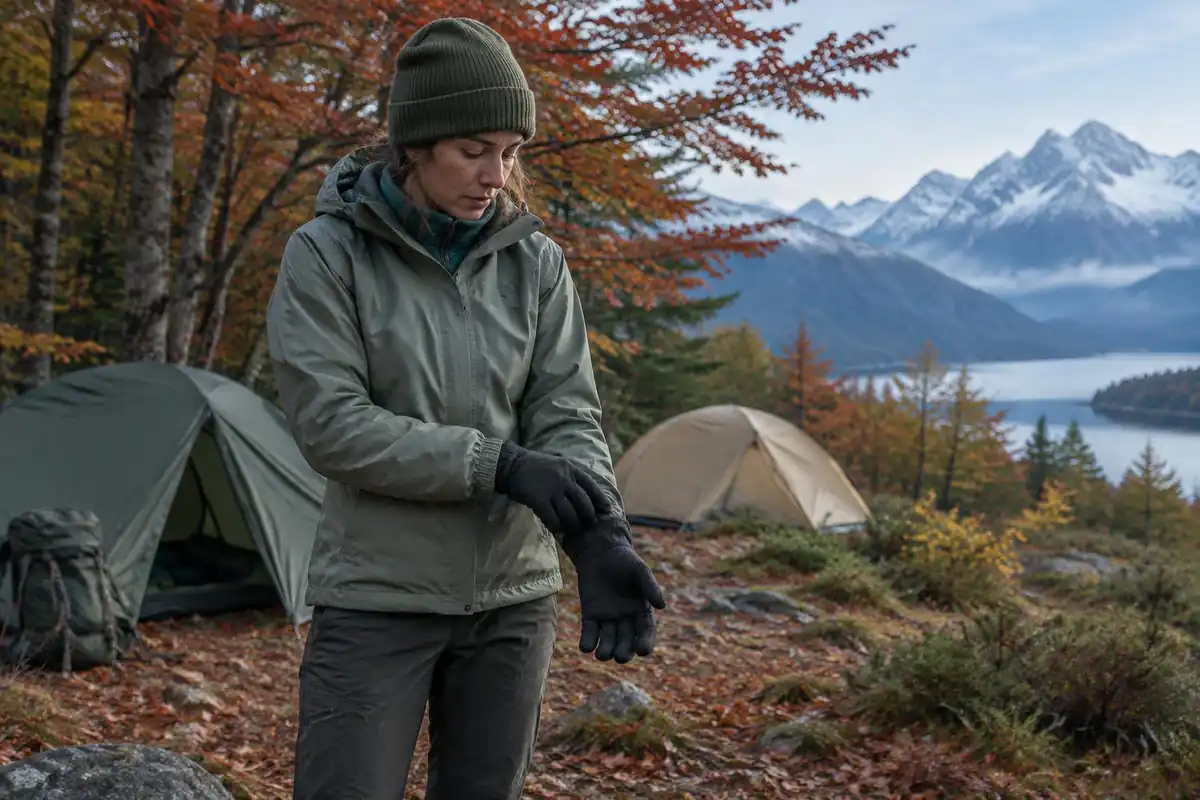
Permits & rules
The trails start right from El Chaltén. Parques Nacionales has charged a north-zone access fee since June 2026 — check the park for current fees — and the De Agostini, Capri and Poincenot managed camps are reservable, with registration for Laguna Toro. The final climb to Laguna de los Tres is steep, and the weather changes in minutes, so start early and pack layers.
Gear you'll want for this trip
Matched to the terrain and conditions here. Real products — check current price on Amazon.


What the parks administration says about the camps
Argentina's national parks administration, in its accommodation page for Los Glaciares, lists camps with latrines in the north zone: De Agostini, Laguna Capri and Poincenot, each described as managed and with reservation, and Laguna Toro, described as a remote area with mandatory registration at the park visitor center before entering El Chaltén or online.1 Some guides describe free campsites and no permit. That is not what the official accommodation page says: it presents the three main camps as administered with reservations and does not describe them as free, so confirm current booking steps, costs and rules with the parks administration before you travel.
The parks administration's fee page states that access fees, effective from June 2026, apply to both the south and north zones of the park, with categories by residency and exemptions for certain groups.2 The page's statement that there is no entry fee therefore appears out of date or wrong. Check the current fee page, which also explains how to buy an access ticket, before you plan your day.
Rules that shape your pack
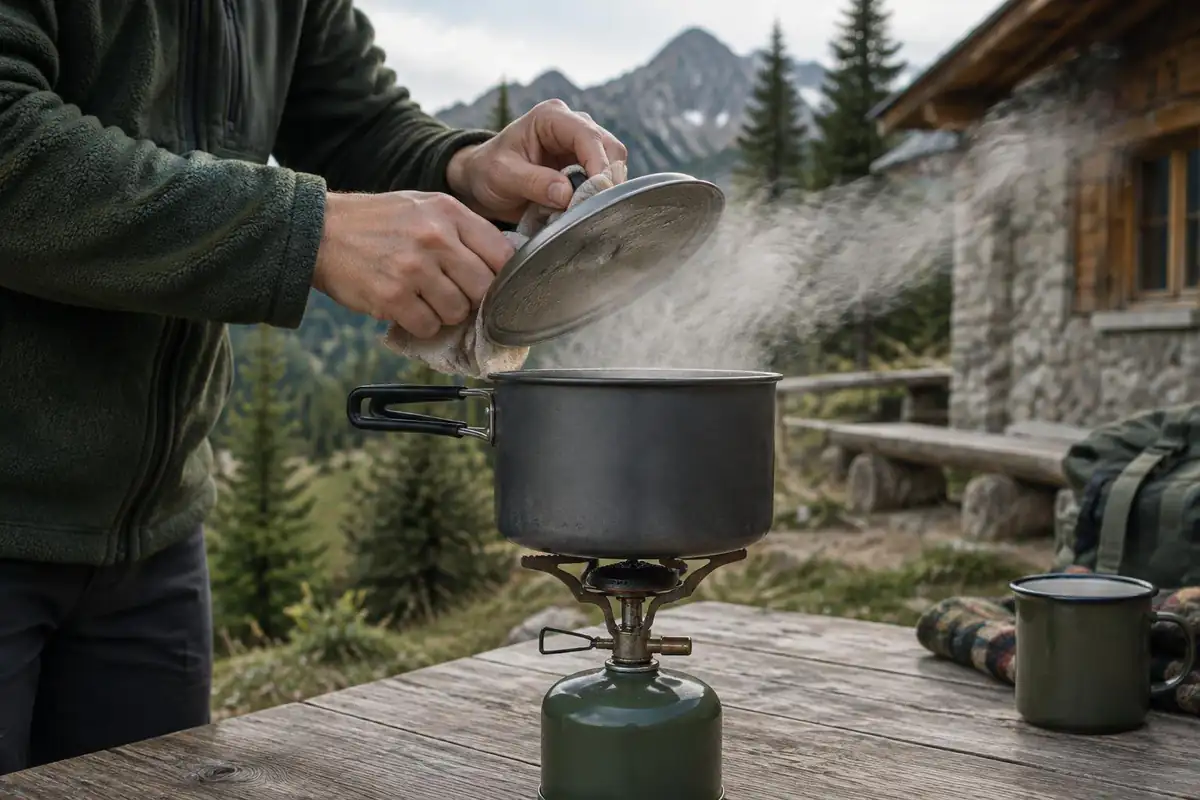
The north zone brochure sets out a short rule list that maps directly onto gear: do not make fire inside the park, use only camping gas cylinders, camp only at the allowed sites, use the latrines and do not throw trash in them, and take your trash out, including paper, fruit peels and yerba mate.3 It also says registration is mandatory for climbing and trekking in remote areas, that pets and drones are not allowed, and that phone signal is missing or low.3 A gas-cylinder rule means a canister stove; MSR notes that canister fuel is not available everywhere and that canister stoves are almost always lighter and more compact than liquid fuel models.5 If you fly in, note that the TSA prohibits flammable liquid fuels in both carry-on and checked bags, so plan to buy cylinders locally rather than pack fuel.6
Washington Trails Association describes a 25 to 30 liter pack as good for a full-day hike and a 45 to 50 liter pack as fitting a standard one- or two-night trip.4 Sleeping in town and day hiking to the lake fits the first size. Camping at the Poincenot area pushes you to the second size, plus a fuel canister and a shelter that can hold up to wind.
Weather, timing and a safe start
The brochure advises that weather conditions in town differ from those in the mountains, and recommends calculating your walking time to be back before night, along with waterproof clothing, sunscreen, insect repellent and a flashlight.3 The National Park Service's guidance is consistent: it advises leaving a trip plan with a trusted person who is not on the trip, and setting a turnaround time and sticking to it.7 Since phone signal is low, agree on that turnaround time before you leave town.
Cold and wind combine into a hypothermia risk. The CDC says hypothermia can develop even in cool temperatures above 40 degrees Fahrenheit if a person is chilled by rain, sweat or cold water, and lists hikers among people at higher risk.8 A sunrise start from a camp means cold hands and a long stand at the lake, so pack an insulated layer that you keep dry at the bottom of the pack. The page's advice to pack layers and a windproof shell holds for both the day hike and the overnight.
Common questions
Do I need a permit or pay a fee to hike to Laguna de los Tres?
Argentina's national parks administration publishes an access-fee schedule for the north zone (effective June 2026), so check the current fees and rules before you go. All the trails around El Chaltén, including the one to Laguna de los Tres, start right from town, and registration is mandatory for trekking in remote areas such as Laguna Toro.
Should I stay in El Chaltén or camp on the trail?
Both are options. El Chaltén has hotels, hostels, cabins, and rentals, which is the simpler choice and worth booking ahead in the busy summer months. The parks administration lists managed campsites in the north zone, De Agostini, Laguna Capri and Poincenot, each 'with reservation', plus a remote Laguna Toro area with mandatory registration, so confirm booking steps, costs and rules before you go if you want to be at the lagoon for sunrise before the day-trippers arrive.
When's the best time to hike, and what should I pack for the weather?
The hiking season runs roughly November through March. Even within that window, Patagonian weather can shift from calm to windy and back within an hour, so pack layers, a windproof shell, and start early — both to beat any afternoon wind and to have daylight in hand if conditions turn.
Complete gearsets for this trip
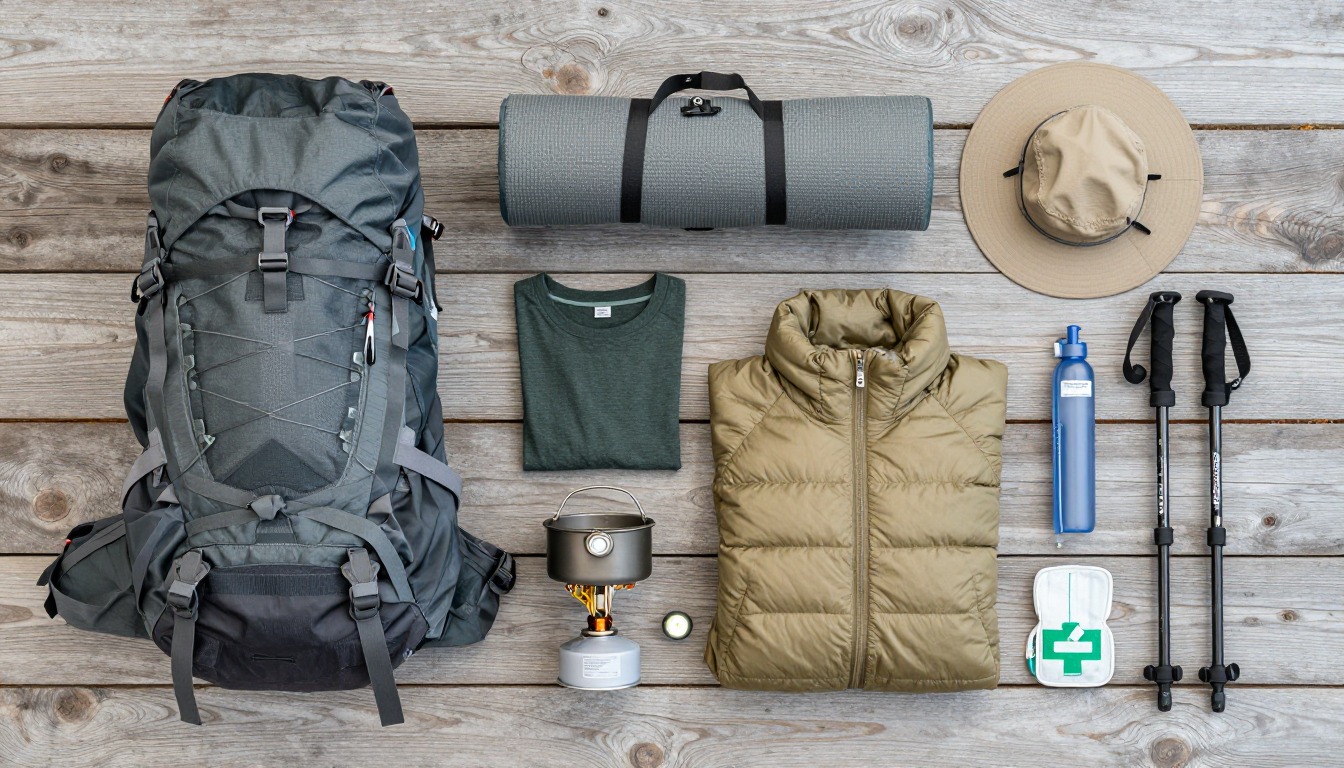
Full curated kits built for exactly this kind of hike — what to bring, why, and links to similar gear.
Lodging details are compiled from official parks, refuge associations and reservation systems and can change without notice. We publish no prices, availability or ratings — always confirm current information on the official site before booking or setting out. Product links and the accommodation map are affiliate links: we may earn a commission at no extra cost to you; product prices and availability are shown on Amazon, and accommodation prices on the booking site. See our affiliate disclosure.