
The Torres del Paine W-Trek setup
The W Trek crams Chilean Patagonia's whole reputation into four or five days: wind strong enough to stagger a loaded hiker, weather that swings from bright sun to sideways sleet before lunch, and some of the most photographed granite towers on Earth. This is a packing list built around what actually decides how the trek goes — a shelter and layering system that holds up to wind and rain, not just distance covered — plus the reservation logistics that make or break a W Trek before you've taken a single step.
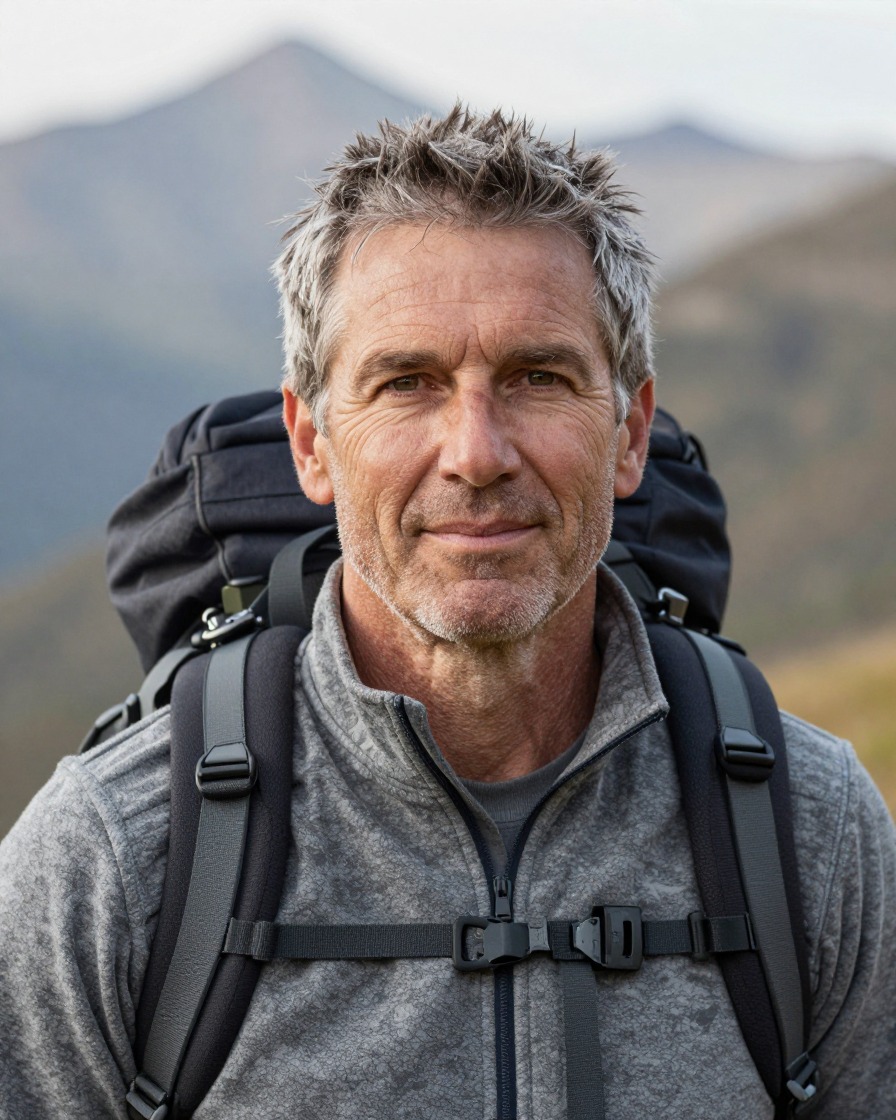
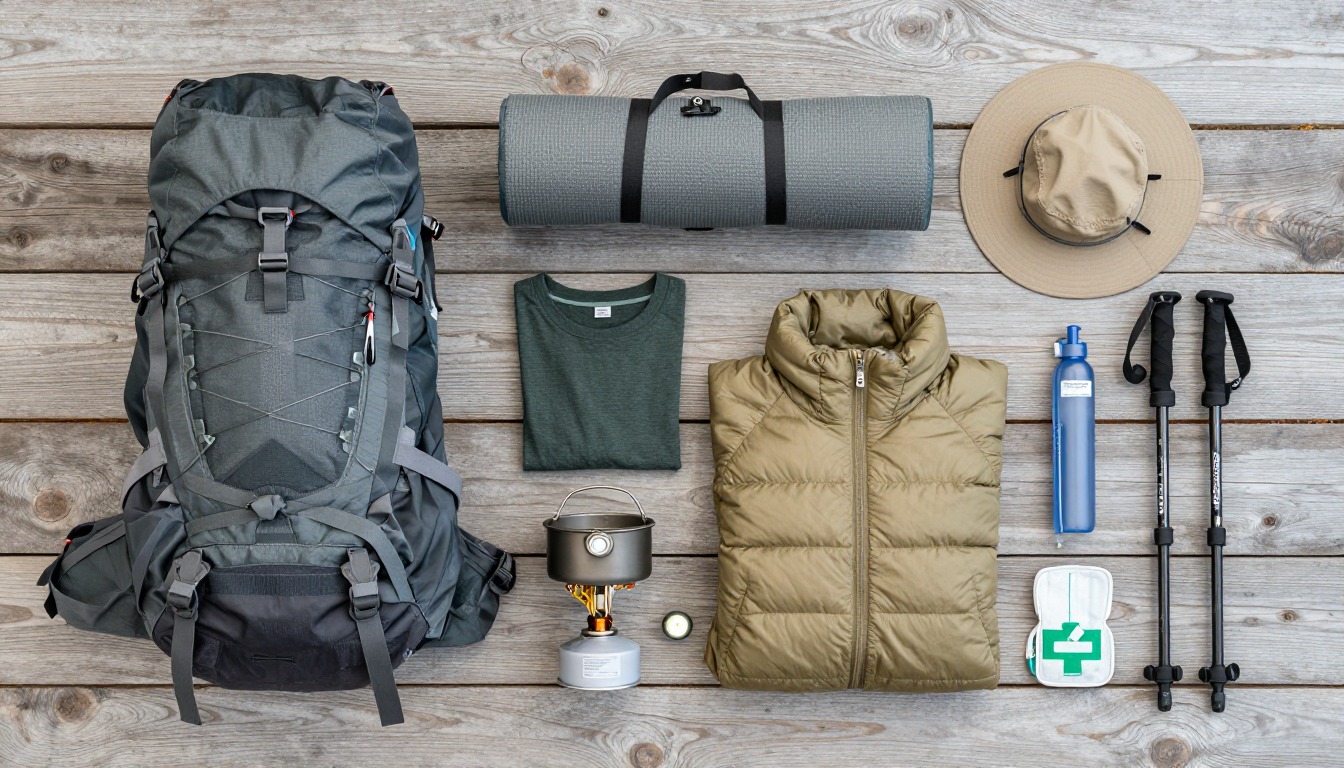
The W Trek's difficulty isn't distance or altitude — it's Patagonian weather refusing to settle on a season. Wind is the defining force here: strong enough on exposed sections that a shelter relying on stakes alone is a real risk, which is why a freestanding tent (or a booked refugio bed) matters more than almost any other choice you make. Add rain, hail and full sun inside the same few hours, thinner ozone at this latitude that burns skin faster than the temperature suggests, and the odd stream to ford, and the kit stops being about shaving ounces and starts being about staying dry, warm and upright. Everything below is chosen to survive being battered by wind and drenched by rain on the same afternoon — and to work whether you're camping self-sufficiently or booking refugios with meals included.
This suits hikers fit enough for four or five consecutive days averaging roughly 10–20 km with a loaded pack, comfortable planning months ahead around Chile's mandatory campsite and refugio reservation system, and ready for wind and weather that can turn a calm morning into a battering afternoon with no warning. It's not a wilderness-permit, walk-up trip — every night's bed is booked in advance, at a specific site, for a specific date. If you'd rather decide night-to-night or you're not prepared to carry (or pay for) a genuinely waterproof, wind-rated setup, a shorter Patagonian day hike is the better starting point.
- Decide camping, refugio-and-catered, or a mix when you book — that choice determines whether a tent, stove and food even make your pack list.
- Build a shelter and sleep system rated for real wind and near-freezing nights, not just rain — a freestanding tent that doesn't depend on stakes in soft or rocky ground.
- Layer for four seasons in one afternoon: a wicking base layer, real insulation, and a fully waterproof, wind-blocking shell you can get on in under a minute.
- Lock in every campsite and refugio reservation before you fly — the W Trek runs on a booked, point-to-point itinerary, not on availability you find on arrival.
About this setup
The W Trek gets its name from the shape it traces on a map — a zigzag from Refugio Torres in the east, up to the Base Torres viewpoint, back down and west along Lago Nordenskjöld, up into the Valle del Francés, and on to Grey Glacier — usually walked over four or five days inside Torres del Paine National Park in Chilean Patagonia. What the map doesn't show is the wind. Patagonia sits in the path of near-constant westerlies squeezed between the Andes and the open ocean, and on exposed stretches — the Francés lookout, the final push up to the Base Torres, anywhere along the lakeshore — that wind can be strong enough to stagger a loaded hiker. It's the single biggest reason gear choices here differ from an ordinary multi-day hike: everything gets secured, tent included.
Patagonian weather is famous for changing without warning — bright sun, then a squall of horizontal rain or hail, then clear again, sometimes inside the same hour. Layering for that isn't optional dress-up; it's the difference between a good day and a miserable one, which is why a genuinely waterproof shell belongs at the top of every pack, always within reach. The same southern latitude that brings the wind also sits under a seasonal thinning of the ozone layer, so UV exposure runs higher here than the temperature alone suggests — sunburn and eye strain sneak up on cool, overcast days almost as easily as clear ones.
None of this is a spontaneous trip. The CONAF-run campsites and private refugios along the route sell out, often months in advance in the December–March high season, and rangers check bookings at trail junctions — the itinerary is locked in before you fly. The other early decision is camping versus refugio: refugios offer a bed, and often meals, which can strip a tent, stove, sleeping bag and food out of your pack entirely, while camping keeps you self-sufficient and flexible but adds real weight. Either way, expect a handful of stream and creek crossings on foot along the route — most are short, but wet feet and a slip on wet rock are the realistic hazards, not anything more dramatic.
The pack
Four to five days of wind-rated shelter and full waterproof layers calls for real capacity — most hikers land in the 45–55 L range, whether camping or staying in refugios.
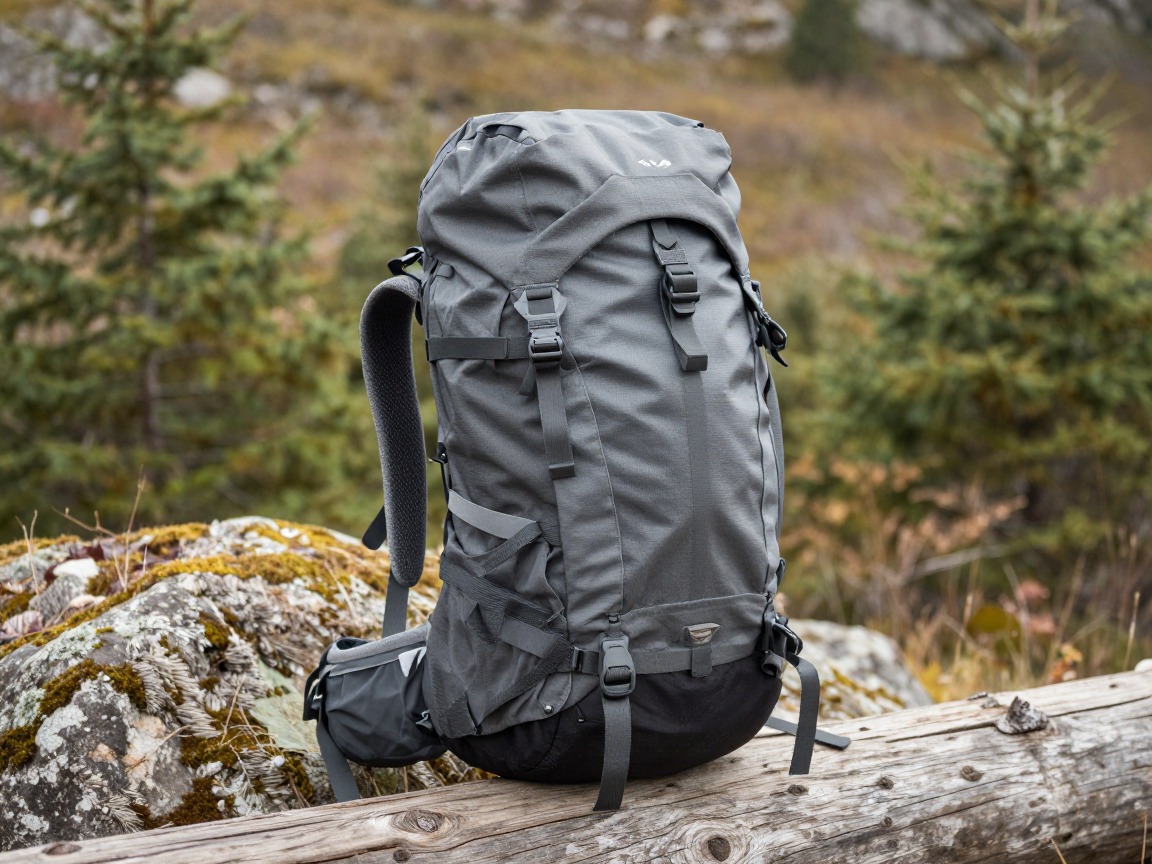
Multi-day trekking pack
Carries a wind-rated shelter (or your refugio essentials), a full waterproof layering system, and several days of food and fuel across a point-to-point route with no resupply.
What to look for: A supportive hip belt and a torso fit sized to you, 45–55 L for camping (a bit less for refugio-only), and external attachment points to secure a wet jacket or wind shell fast when weather turns.
 WoneNice 50L Check price
  Teton 55L Scout Internal Frame Backpack for Hiking Check price
 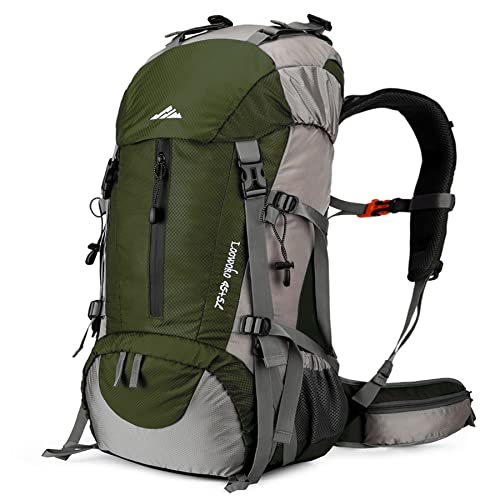 Loowoko 50L Hiking Backpack with Rain Cover for Both Men & Women Check price
 - A pack liner or heavy-duty dry bag — wind-driven rain finds its way into anything not sealed
Shelter & sleep: camping or refugio
Patagonian wind decides this section more than temperature does — a shelter that depends on stakes alone is a real risk on rocky or sandy campsite ground. Booking refugio beds instead can remove this whole section from your pack.
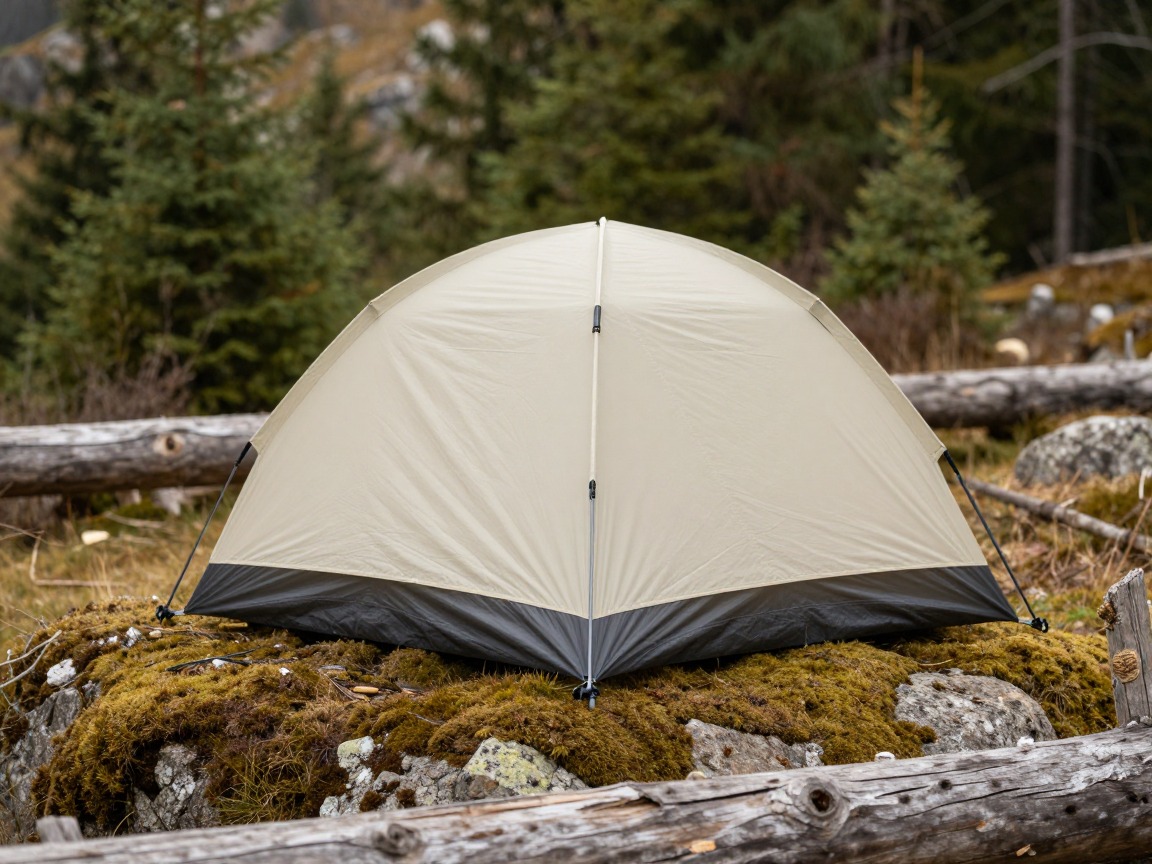
Freestanding tent
Pitches securely on rocky, sandy or platform campsite ground where stakes alone won't hold — important on a trek known for wind strong enough to flatten a poorly secured shelter.
What to look for: A genuinely freestanding (or close to it) design with a low profile against wind, a full-coverage fly, and guylines plus stakes you'll still use for extra security even on a freestanding tent.
 Night Cat 2-Persons Backpacking Tent: Waterproof Lightweight Camping Check price
  BISINNA 2/4 Person Camping Tent Lightweight Waterproof Backpacking T Check price
  Forceatt Tent for 2 Person is Waterproof and Windproof Check price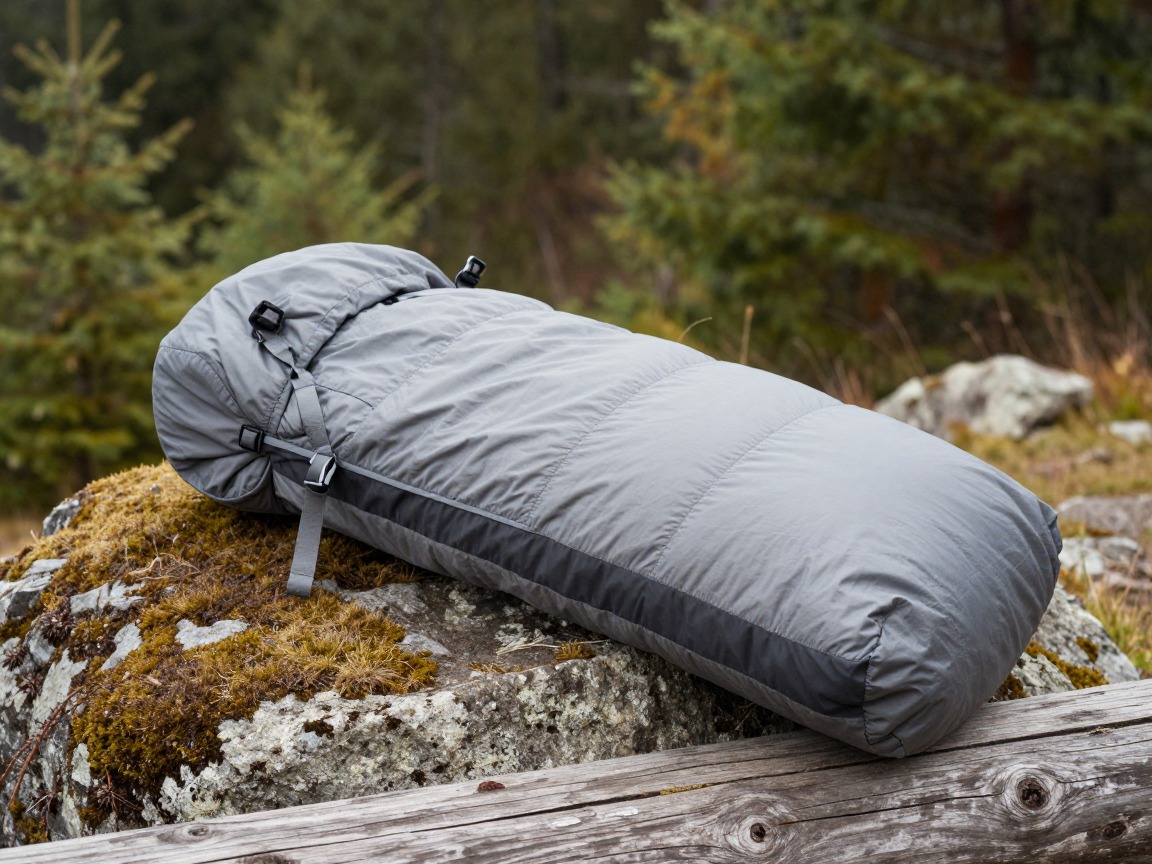
Sleeping bag
Keeps you warm through cold, windy nights that can run colder than the daytime temperature suggests, especially near Grey Glacier.
What to look for: A comfort rating close to freezing, a fill suited to Patagonia's damp air (synthetic if condensation is likely, down if you're confident keeping it dry), and a hood that seals out drafts.
 MalloMe Sleeping Bags for Adults Cold Weather & Warm - Backpacking C Check price
 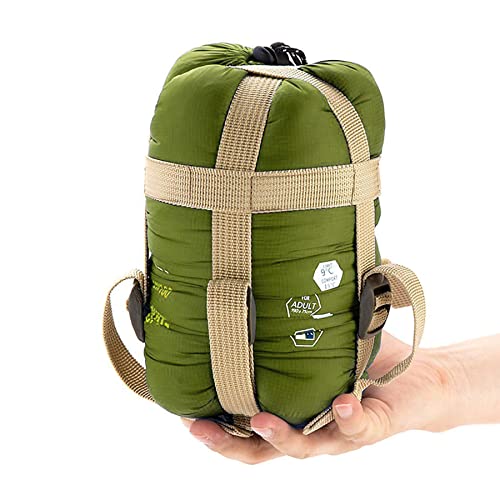 ECOOPRO Portable Check price
  Teton Trailhead Check price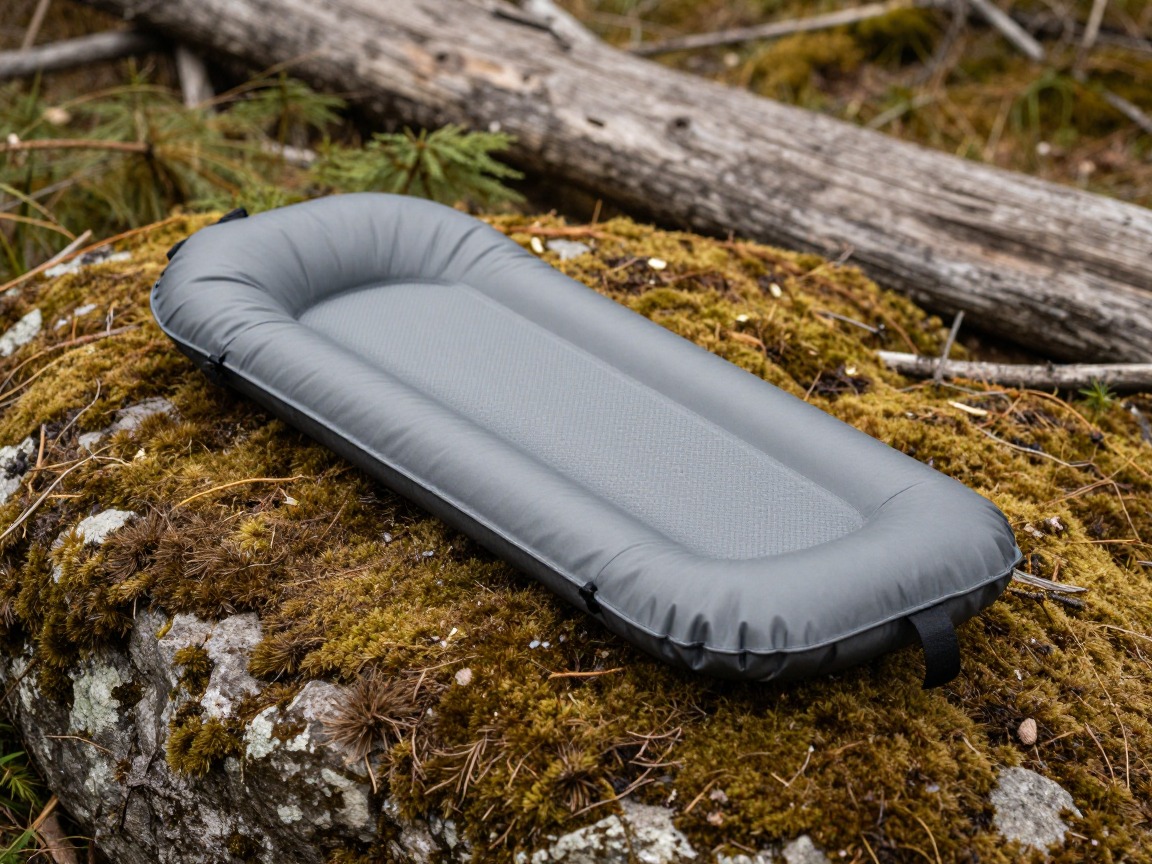
Sleeping pad
Insulates you from cold ground as much as it cushions you — a real factor on exposed, wind-scoured campsites.
What to look for: An R-value suited to near-freezing nights, a packed size that fits the rest of a wind-rated kit, and a quiet fabric that won't keep you awake in a gusty campsite.
 FUN PAC Camping Sleeping Pad Check price
  Gear Doctors® Ether 17.5oz Ultralight Camping Sleeping Pad Check price
  Oramoose 4in Ultralight Camping Sleeping Pad with Pillow and Foot Pu Check price
 - Stakes and guylines, used even on a freestanding tent in real wind
- A sleeping bag liner — extra warmth if camping, and useful for hygiene in shared refugio bunks
- Earplugs, for wind against tent fabric or a shared refugio dorm
Wind-proof, waterproof layering
Four seasons in one afternoon is the norm here, not the exception — this layering system goes from full sun to sideways sleet and back without a gear change.
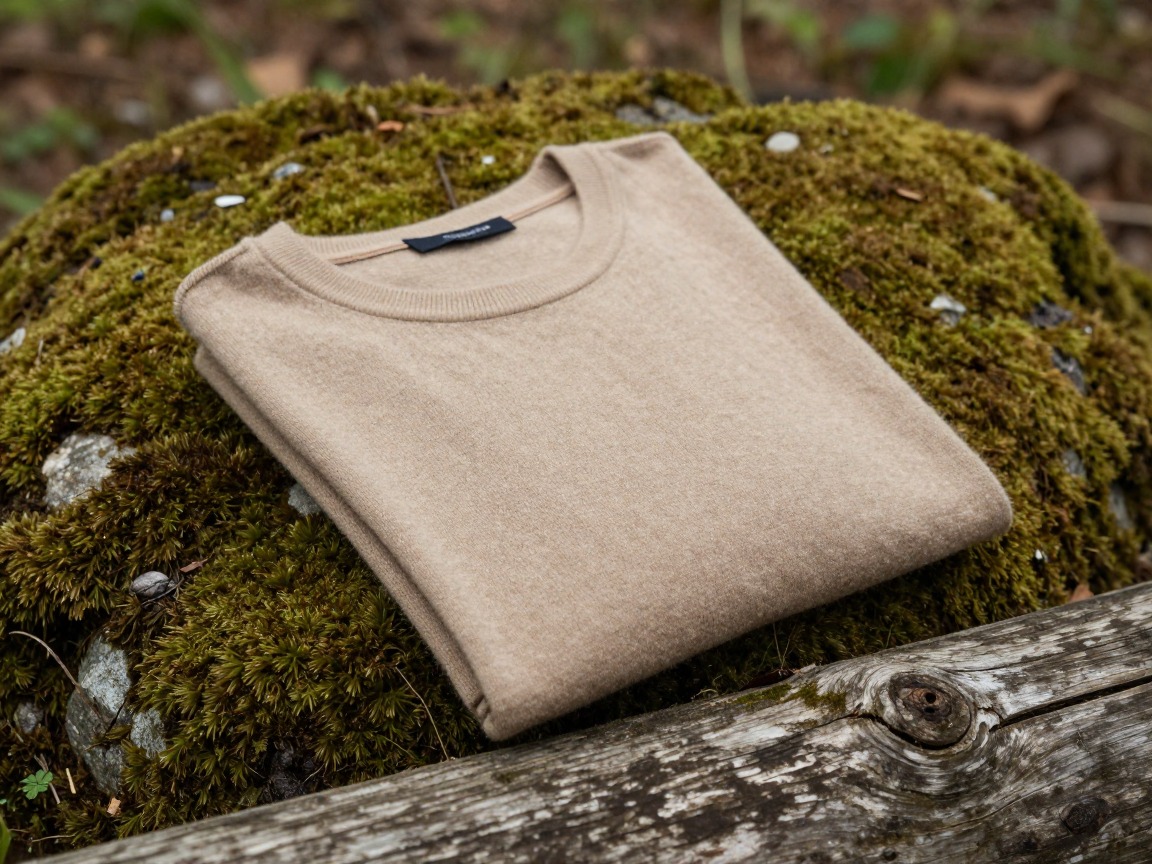
Wicking base layer
Keeps you regulated through a trek that swings from sweaty climbs to standing around in a cold wind inside the same hour.
What to look for: Merino or a synthetic blend that keeps insulating even damp — cotton holds moisture and loses its warmth exactly when Patagonian wind picks up.
 100% Merino Wool Base Layer Men Set - Thermal Underwear for Men Long Check price
  Merino.tech Merino Wool Base Layer Women Set - Heavyweight Check price
  100% Merino Wool Base Layer Men Set - Thermal Long Underwear with Ba Check price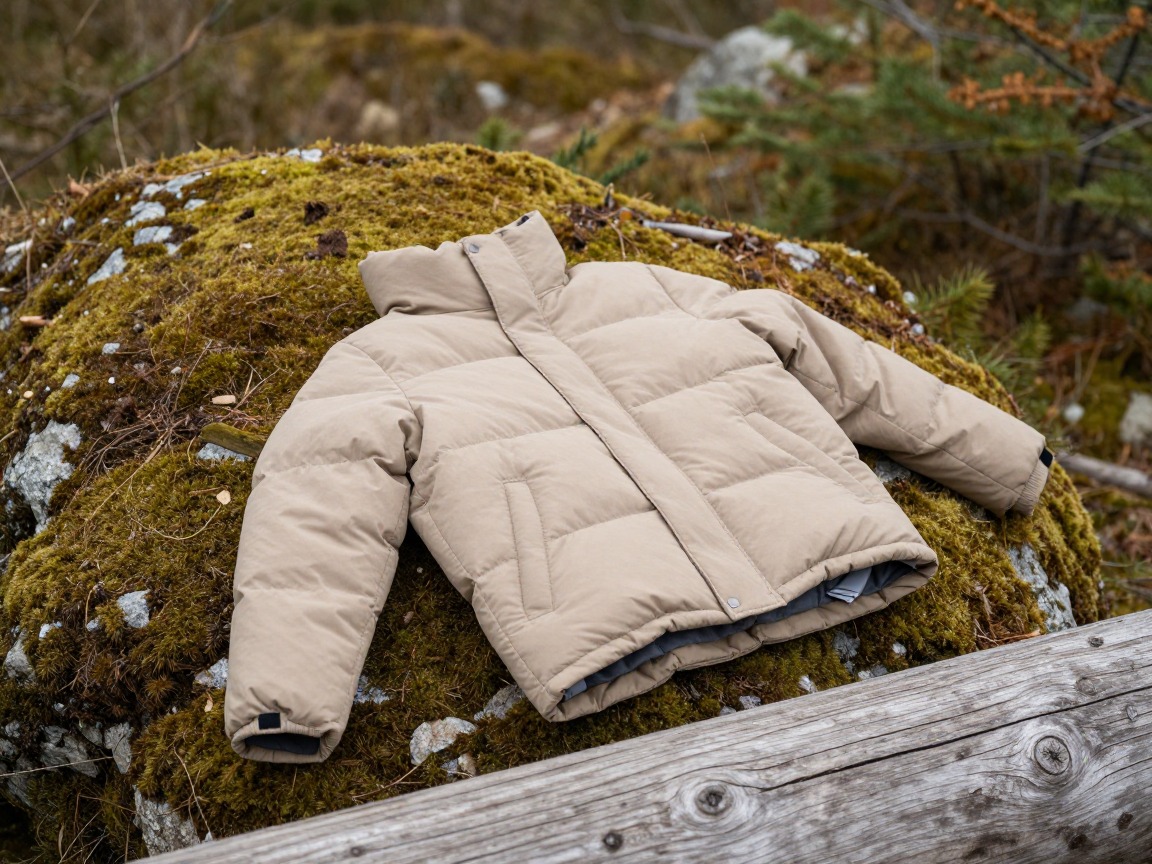
Packable insulated layer
Goes on the moment you stop moving or the wind turns cold, which on this trek can happen with almost no warning.
What to look for: Real warmth for its packed size, quick to layer over a base and under a shell, with a synthetic fill if you expect it to get damp.
 Outdoor Ventures Women's Packable Lightweight Puffer Jacket with Hoo Check price
  Amazon Essentials Women's Lightweight Long-Sleeve Water-Resistant Pa Check price
  Outdoor Ventures Women's Packable Lightweight Puffer Jacket with Hoo Check price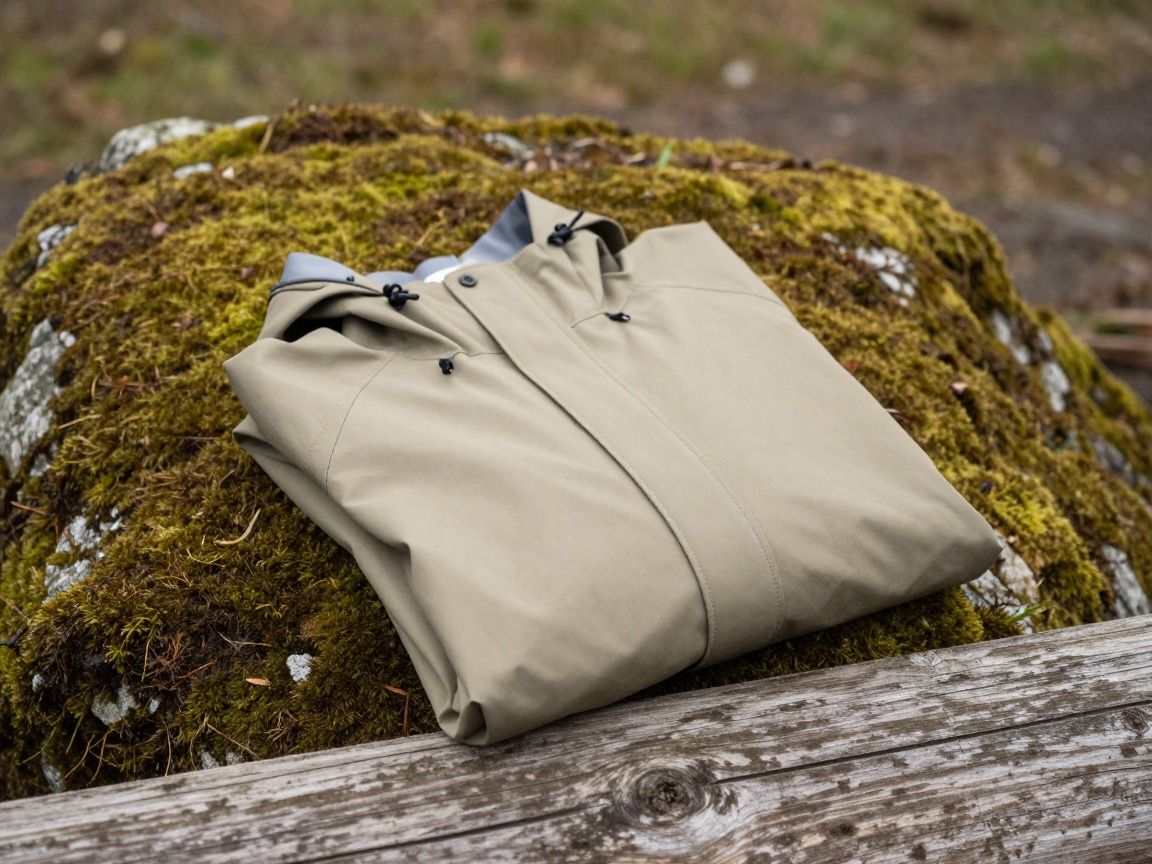
Wind/rain shell
The most-used piece of gear on the whole trek — fully waterproof and windproof, not just water-resistant, for wind-driven Patagonian rain and hail.
What to look for: A genuinely waterproof, breathable shell with a hood that cinches down and fits over a warm hat. Keep it at the very top of your pack, not buried at the bottom.
 UIQUR Mens Rain Jacket Raincoat Waterproof Windbreaker Black L Check price
  COOFANDY Men's Waterproof Hiking Travel Shell Breathable Rain Jacket Check price
  Columbia Womens Arcadia II Waterproof Rain Jacket Check price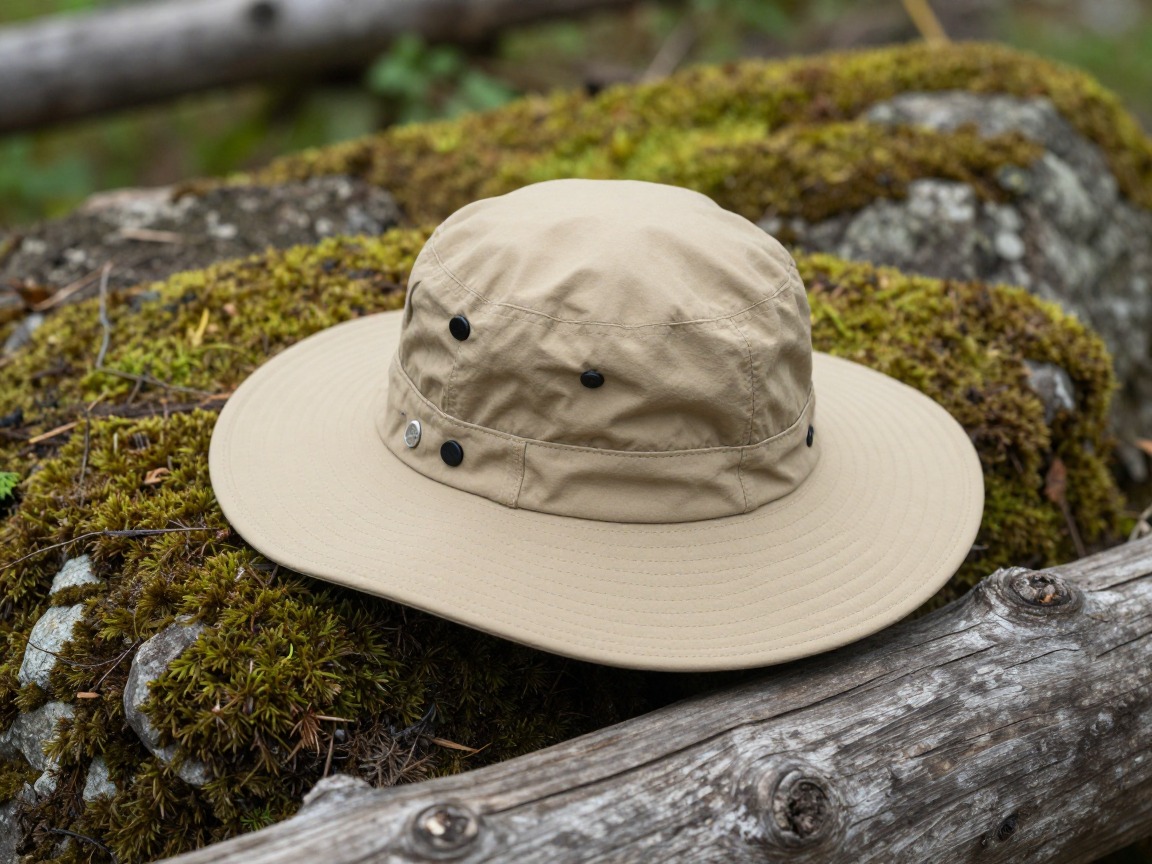
Sun protection
Thinner ozone at this southern latitude lets more UV through, so sun and wind burn skin and eyes faster here than the temperature suggests, cloud or no cloud.
What to look for: A brimmed hat that stays on in wind (a chin cord helps), wraparound sunglasses for wind-driven grit and glare, and real sunscreen reapplied through the day.
 FURTALK Womens Sun Hat with Ponytail Hole Beach Hiking Summer Wide B Check price
 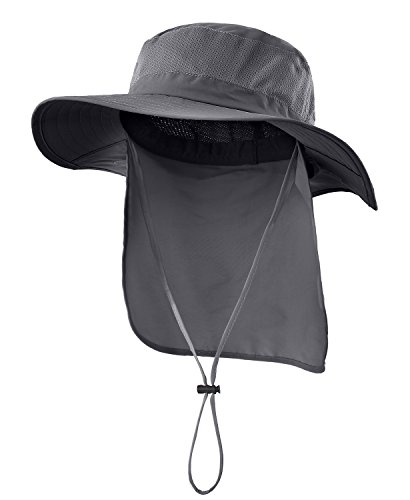 Home Prefer Outdoor UPF50+ Mesh Sun Hat Wide Brim Fishing Hat with N Check price
  FURTALK Sun Hats for Men Fishing Hat UPF Protection Wide Brim Bucket Check price
 - Wool hiking socks plus a dry spare pair
- Warm hat or beanie and wind-blocking gloves
- Buff or neck gaiter for driving wind and dust
- Gaiters, useful on muddy trail sections and light stream crossings
Water, river crossings & the trail
Meltwater and rain keep water sources frequent, and the route includes a handful of stream and creek crossings — mostly straightforward, but worth planning for.
Water filter
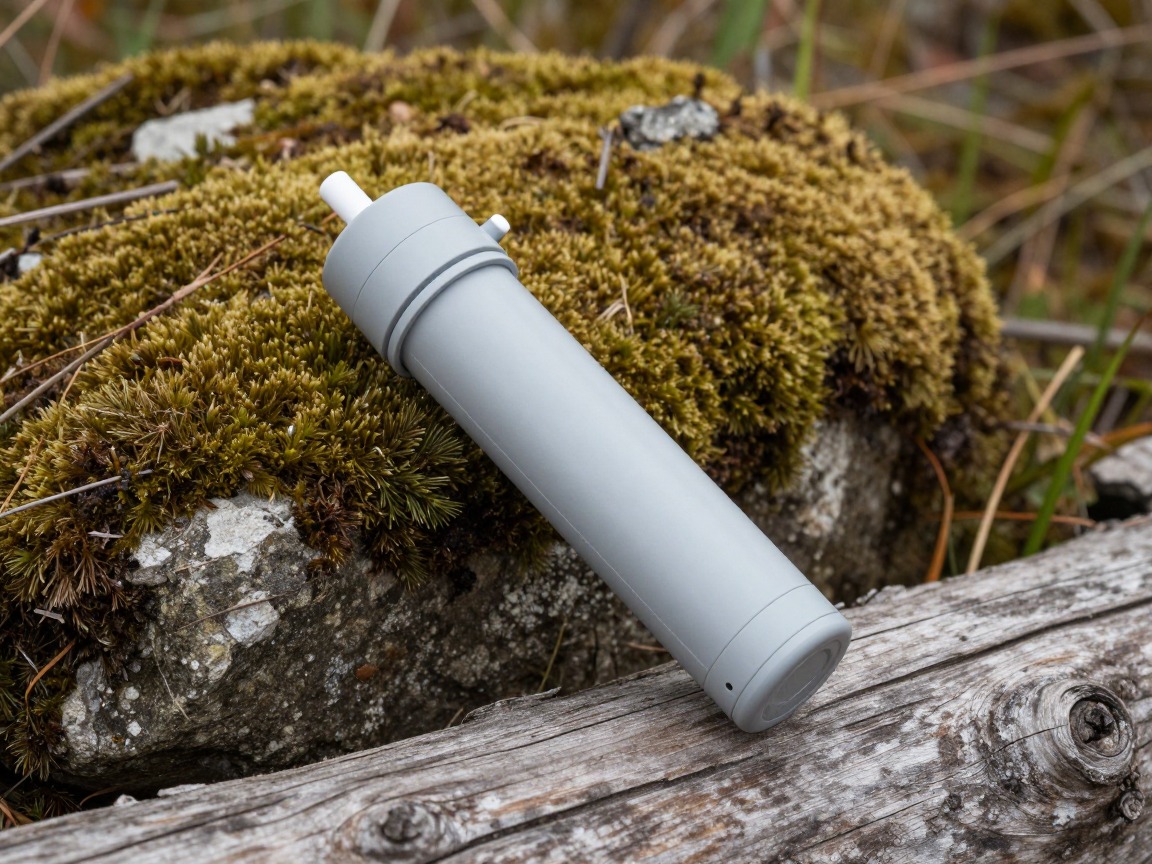
Treats the glacier melt and stream water that's abundant along the route, so you're not carrying days of water at once.
What to look for: Fast flow and easy field cleaning, since Patagonian streams can run cloudy with glacial silt — a filter rated for that outperforms one built for clear water only.
 Sawyer Squeeze Water Filtration System Check price
  Sawyer Products SP128 Mini Water Filtration System Check price
  LifeStraw Personal Water Filter for Hiking Check price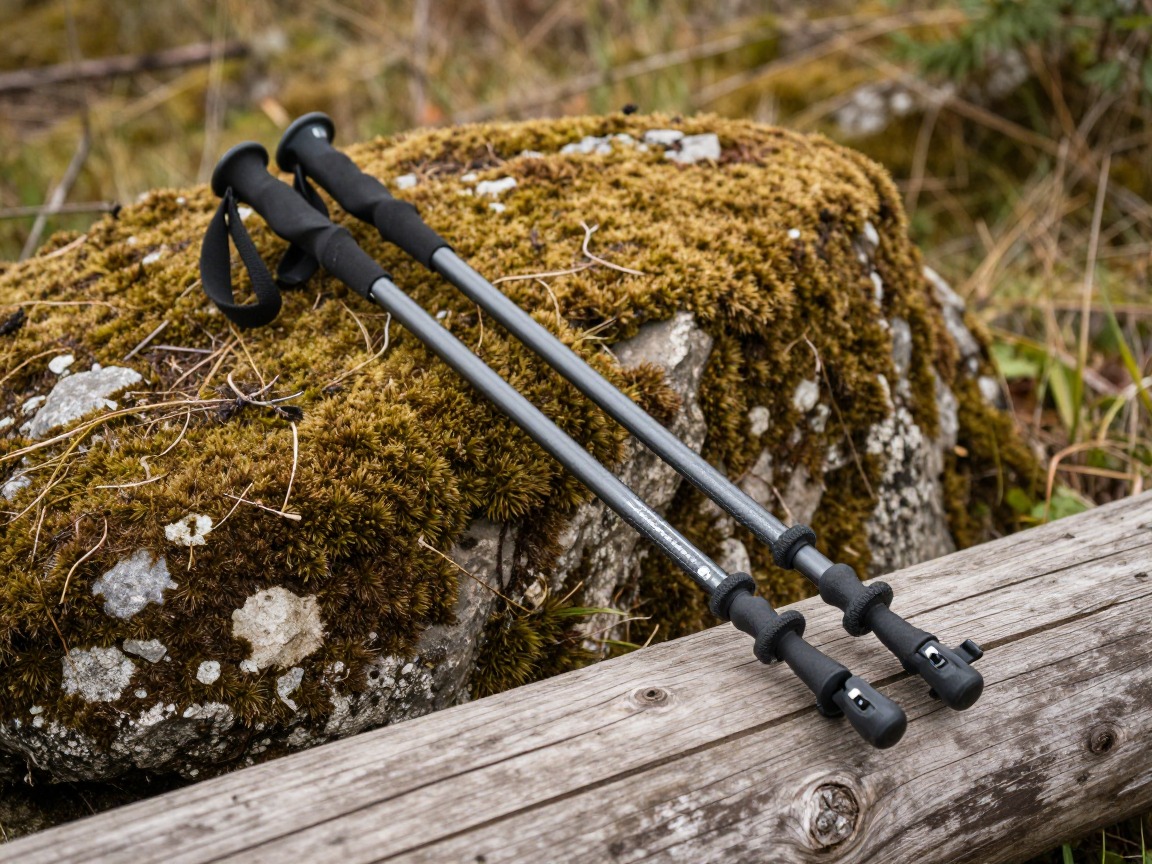
Trekking poles
Add real stability against wind gusts on exposed sections, and steady you crossing streams or loose scree.
What to look for: Adjustable length, locks that hold under load and wind, and baskets suited to soft or rocky ground.
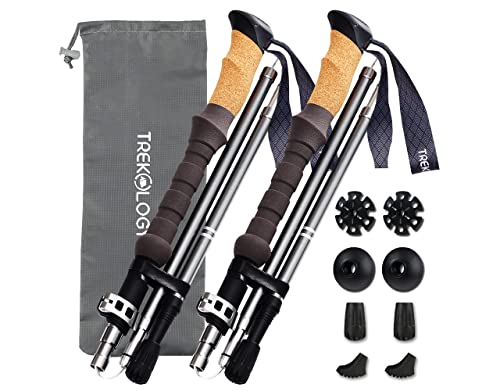 Trekology Trek-Z Cork Grip Collapsible Lightweight Hiking Trekking P Check price
 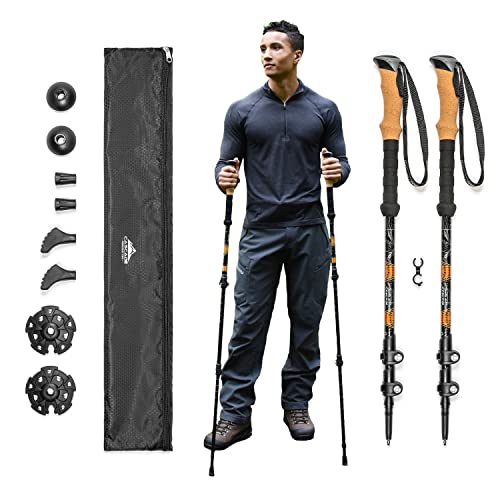 Cascade Mountain Tech Trekking Poles Check price
 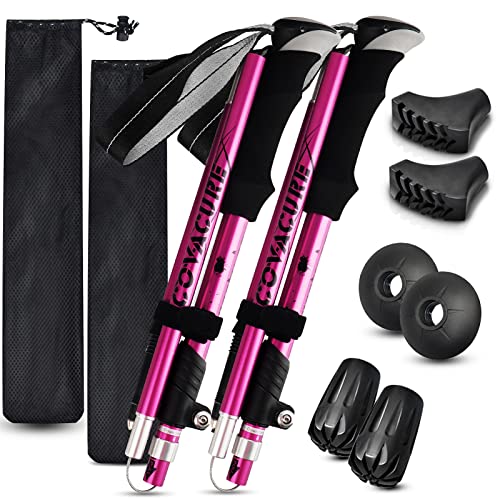 covacure Hiking Poles Check price
 - Water bottles or a soft reservoir (2–3L capacity for long stretches between refugios)
- Camp shoes or sandals, handy for wet feet after a crossing and for resting your boots at camp
Kitchen (self-sufficient camping)
If you're camping rather than booking refugio meals, a simple canister kitchen covers cooking in exposed, windy conditions.
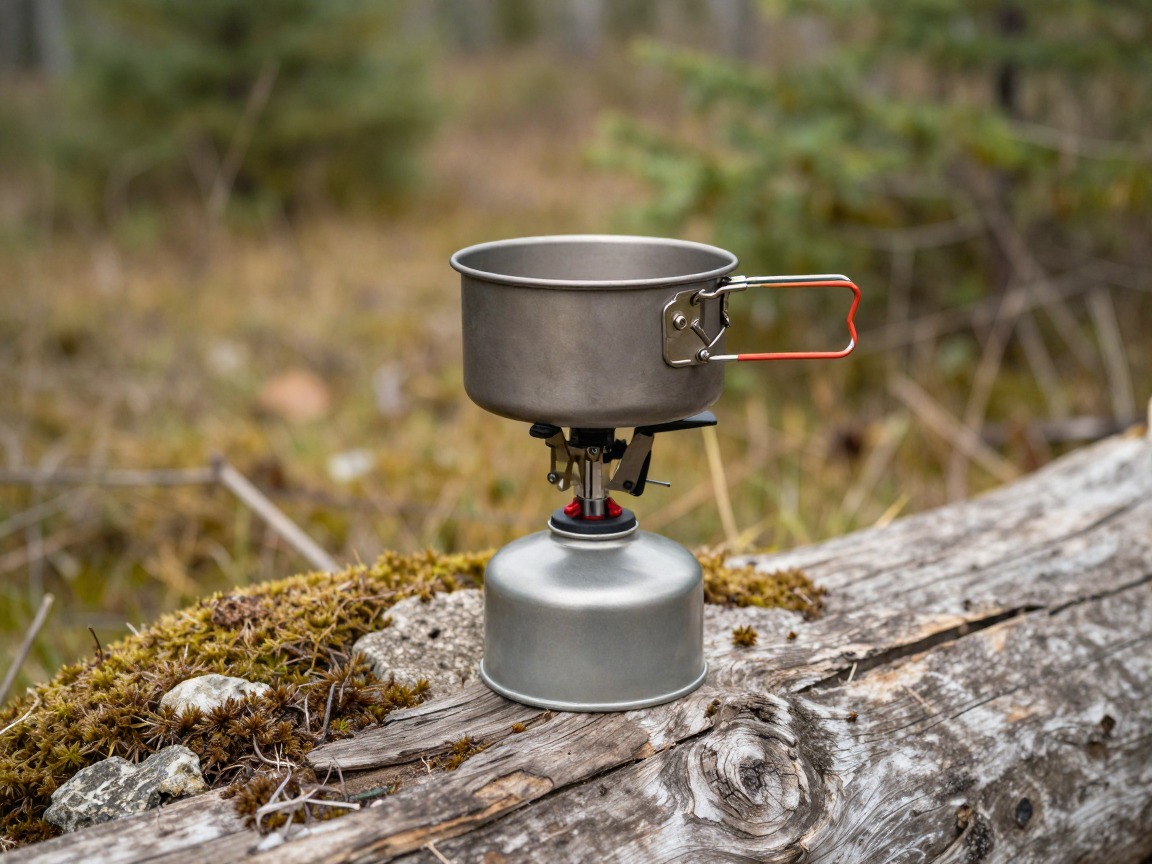
Backpacking stove
Boils water for dehydrated meals and hot drinks — a genuine comfort after a windy day on exposed trail.
What to look for: A stable canister stove with some wind resistance (or a simple windscreen), since an open flame in Patagonian gusts needs real shelter to stay lit.
 AOTU Portable Camping Stoves Backpacking Stove with Piezo Ignition S Check price
  MSR PocketRocket 2 Ultralight Camping and Backpacking Stove Check price
  Fire-Maple Greenpeak 1 Camping Stove with Piezo Ignition Portable Ga Check price
 - Fuel canister — confirm what's available to buy locally versus what you need to bring in
- A lightweight pot and utensil
- Meals and snacks for each day, plus a margin for a weather-delayed day
- Skip this whole section if your nights are refugio-and-catered
Navigation, sun & safety essentials
The W Trek is well-marked and patrolled, but weather, wind and river crossings still call for the basics done properly.
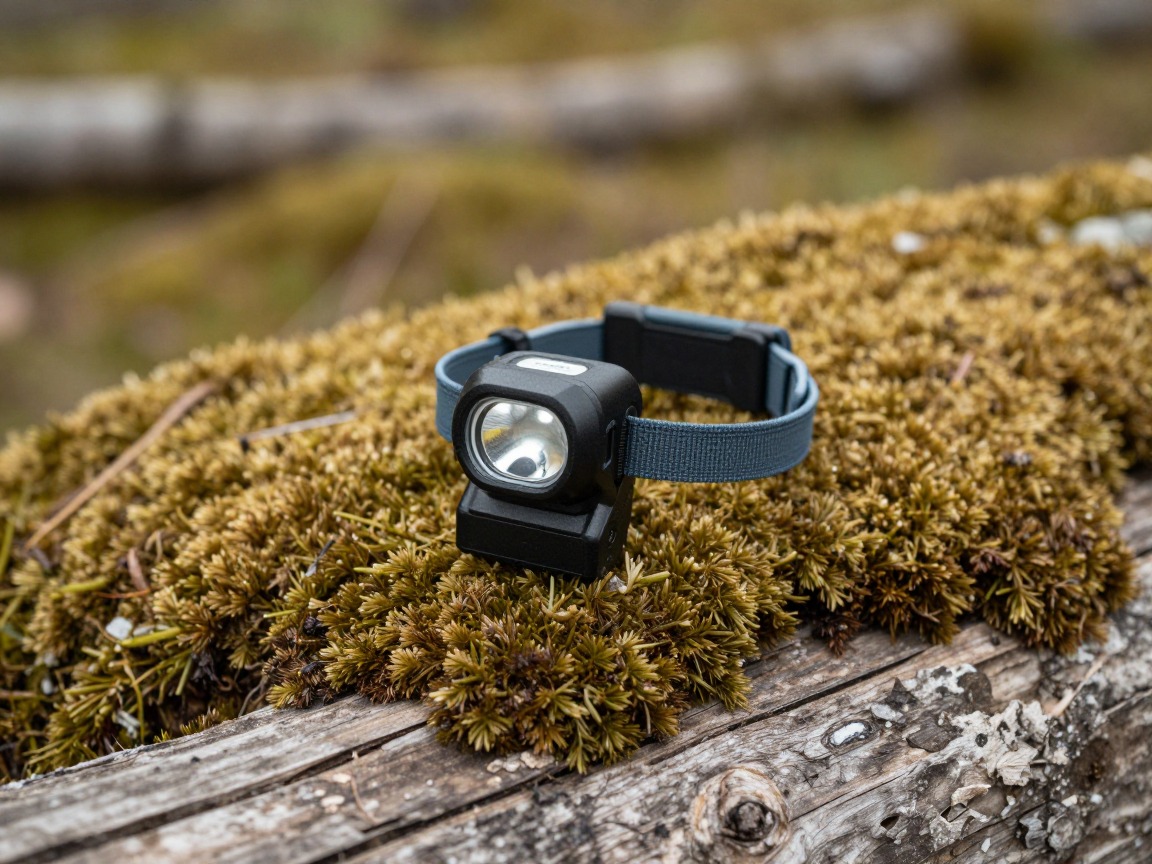
Headlamp
Backs up early starts, camp chores after dark, and the rare day that runs longer than planned because of wind or a river crossing.
What to look for: Reliable output, a secure strap for windy conditions, and spare batteries or a full charge for each stretch between refugios.
 LHKNL Headlamp Flashlight Check price
 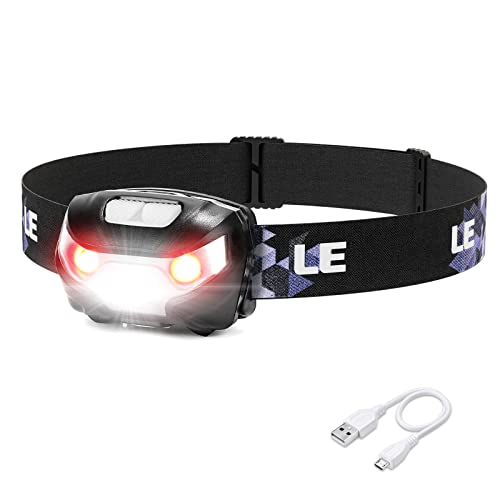 Lepro LED Headlamp Rechargeable IPX4 Waterproof Headlight 5 Modes - Check price
 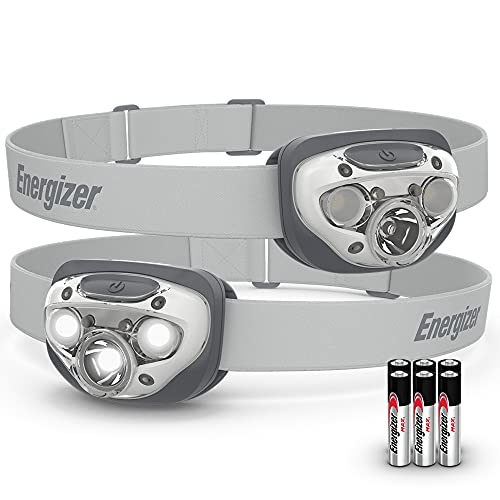 Energizer LED Headlamp PRO Check price
First-aid kit
Covers blisters, cuts and the everyday bumps of a multi-day trek, alongside a working sense of how to layer for and recognize getting cold and wet.
What to look for: A kit weighted toward blister care and minor injuries, matched to how far each stage sits from a ranger station or refugio.
 Mini First Aid Kit - 150 Piece Small Waterproof EVA Hard Shell Case Check price
  Adventure Medical Kits Ultralight/Watertight Medical Kit .5 Check price
 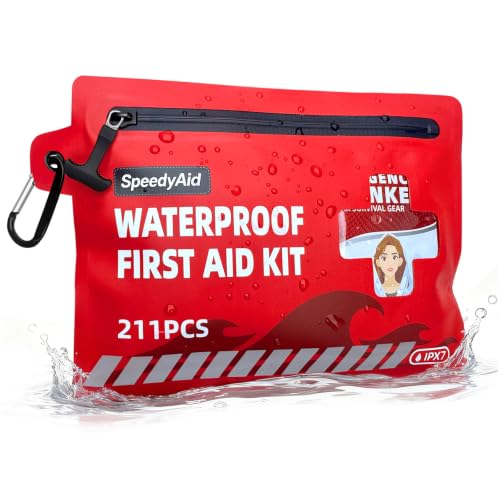 211 PCS Waterproof First Aid Kit Check price
 - Printed and digital copies of every campsite/refugio reservation and your park entry permit
- A trail map — cell signal is unreliable across most of the park
- Sunscreen and SPF lip balm
- Phone and a power bank
- Cash (Chilean pesos) for refugio extras not covered by your booking
How to adapt this setup
Booking beds with meals included can remove the tent, stove, cookware and most food from your pack — check exactly what each reservation covers (bedding, towel, meals) before you cut gear.
Carrying your own shelter and kitchen the whole way adds weight but keeps you independent of refugio meal times — lean harder on the wind-rated shelter and full kitchen setup above.
Fewer crowds and easier bookings, but colder nights and a real chance of snow at higher points — add a warmer sleeping bag and extra insulation, and confirm which services are actually open.
Longer daily distances with less slack for a wind-forced delay — build in a buffer where your itinerary allows, and prioritize the wind shell and trekking poles over anything non-essential.
More remote terrain and fewer refugio options past the W, so lean toward the self-sufficient camping setup and pack extra food margin.
Common mistakes to avoid
- Bringing a non-freestanding, stake-only shelter, when campsite ground is often rocky, sandy, or a wooden platform that stakes barely grip.
- Packing a merely water-resistant jacket instead of a genuinely waterproof, wind-blocking shell for wind-driven Patagonian rain.
- Booking accommodation loosely or last-minute — campsites and refugios sell out months ahead, and rangers do check reservations.
- Underestimating sun exposure because it's windy and cool — thinner ozone at this latitude burns skin and eyes fast, cloud or no cloud.
- Packing a full camping kit after booking refugio-and-catered nights, when the reservation already covers shelter and meals.
- Treating a stream crossing casually in worn-out footwear — most fords are simple, but a slip on wet rock is the real risk.
Make it yours
Frequently asked questions
How hard is the Torres del Paine W Trek?
Most hikers cover it in four to five days, averaging roughly 10–20 km a day on well-marked trail with some steep, exposed sections — fitness and steady footing matter more than technical skill. The real challenge isn't the distance, it's hiking it through Patagonia's wind and fast-changing weather.
Do I need to book campsites in advance for the W Trek?
Yes — every night's campsite or refugio bed is a separate, mandatory reservation with a specific operator, and popular dates in the December–March season sell out months ahead. Rangers check bookings on the trail, so this isn't optional.
Should I camp or stay in refugios on the W Trek?
Refugios, with or without meals, mean a bed and often food already sorted, which can cut a tent, stove, sleeping bag and food weight from your pack. Camping keeps you self-sufficient and is usually cheaper, but adds real pack weight — many hikers mix both across the trek.
Why is the wind such a big deal on the W Trek?
Patagonia's near-constant westerlies get funneled between the Andes and the ocean, and on exposed sections — ridgelines, lakeshores, the approach to the towers — gusts can be strong enough to affect your footing. It's why a freestanding tent and a genuinely wind-blocking shell matter more here than on most multi-day hikes.
What's the weather like on the W Trek?
Expect a version of all four seasons in a single afternoon — sun, wind, rain or hail, then sun again — even during the summer trekking season. A full waterproof layering system, not just a light jacket, is what actually keeps you comfortable through it.
Illustrative images show the type of gear, not specific products. Recommendations link to similar items on Amazon; we only ever link real listings and never show fabricated prices or ratings. General planning guidance, not a substitute for your own judgment or professional backcountry-safety instruction.