
Affiliate disclosure: this page contains affiliate links. Purchases made through them may earn us a commission at no extra cost to you. See our affiliate disclosure.
In plain English
Most of this hike is easy. You walk through forest, then across a wide flat valley with the famous granite peak growing bigger in front of you. Then the trail changes. The last stretch climbs steeply up loose stones with no shade, and it is the part that tires most people out.
It helps to plan your day around that last climb, not the total distance. Start early, keep your energy for the steep part, and decide before you start what time you will turn around if you are running late. Being tired near the top is when people slip on the way back down.
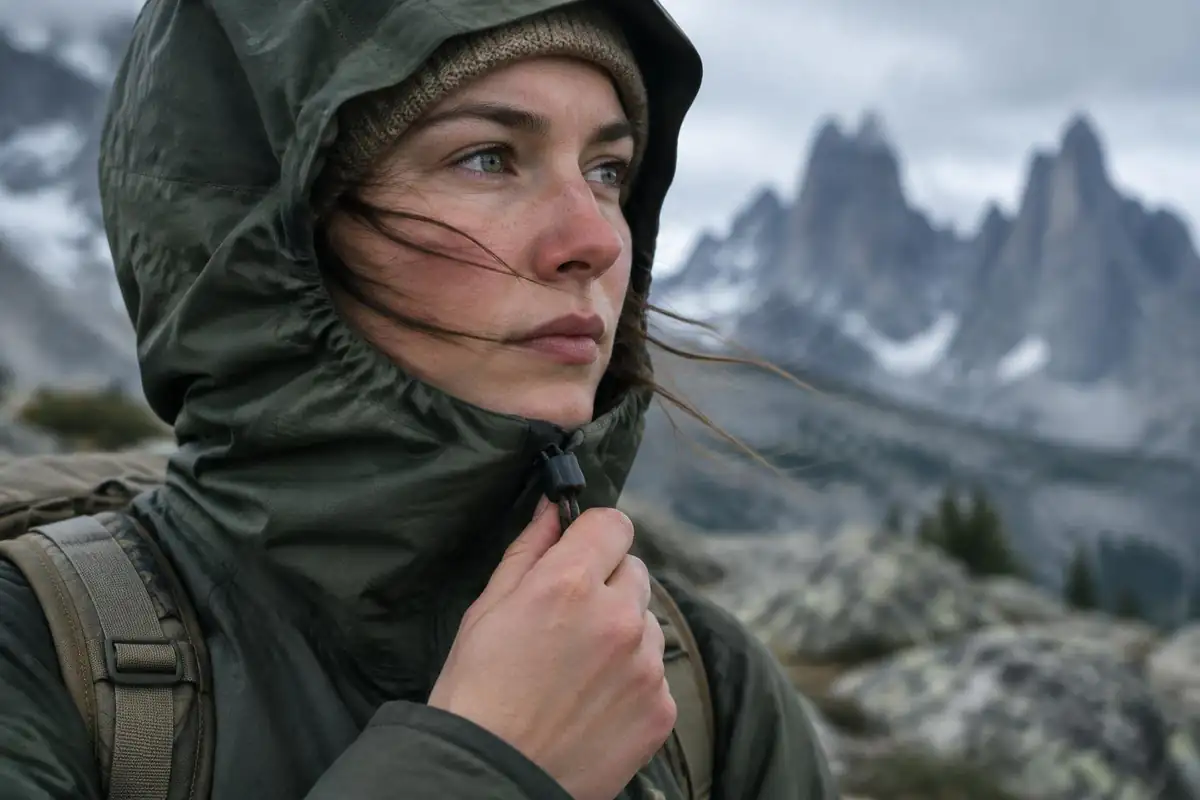
The weather in the mountains can change fast, and the top is windy and open. A small daypack with a warm layer, a wind jacket, water and food is enough. Poles are worth carrying, because they take some of the load off your knees on the steep loose descent.
What the hike is like
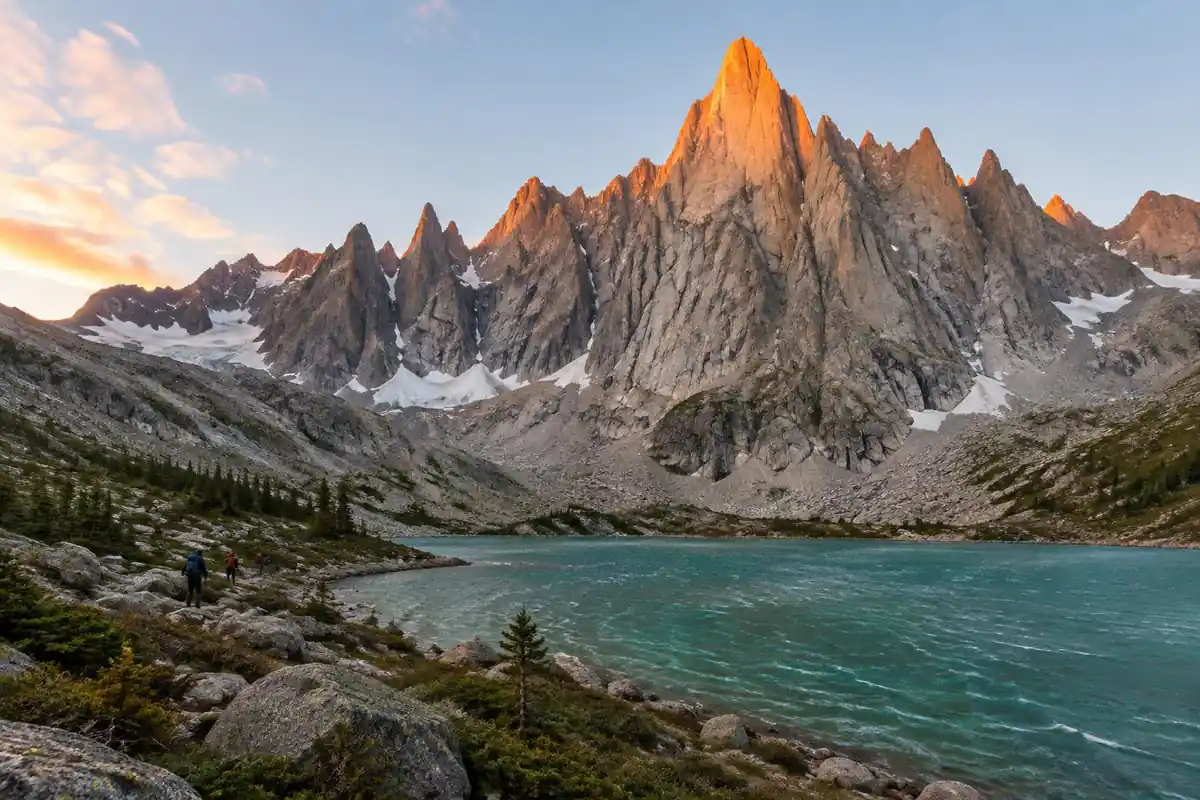
The trail leaves the edge of El Chaltén on a gentle climb and settles into a long, rolling middle section through southern beech forest — good, well-maintained path with roots and stones, undulating rather than steadily ascending, with a lake partway along where plenty of people stop and some turn around. The forest thins into a broad, flat valley walk toward the backcountry campsite below the spires, and that stretch is easy going with Fitz Roy growing in front of you the whole way. Then the route changes entirely. The final push is a steep, relentless climb up loose rock and scree on switchbacks with no shelter, gaining most of the day's height in one short section. The lagoon and the granite wall behind it appear abruptly at the top of it.
How to plan the itinerary
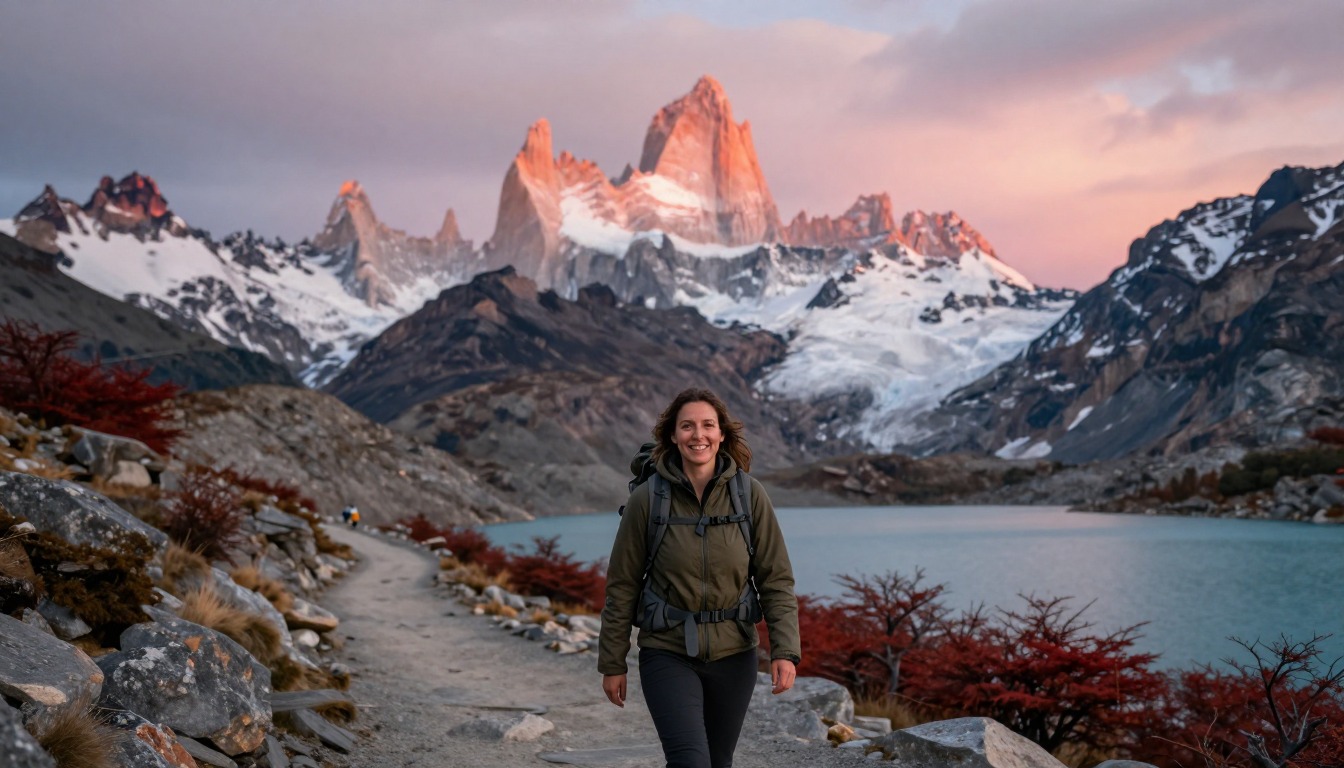
Most people do this in a single long day out of town and back, leaving early and treating the final climb as the crux rather than the distance. That works well because the trailhead is in El Chaltén itself, so there's no transport to arrange and you can adjust your start time to the forecast on the morning. The alternative is to walk in the day before with camping gear, sleep at the designated backcountry site in the valley below the spires, and do the steep final section pre-dawn — which is what hikers chasing first light on the granite tend to do. Some people also extend the walk by linking it with other trails out of town over two or three days rather than returning the same way.
Plan this trip in 5 steps
-
Pick the right pack
Match a pack to your trip, fit and priorities.
-
Book a place to stay
Campgrounds, huts and lodges near Fitz Roy — Laguna de los Tres.
-
Plan food & water
Calories, food weight and water for your days on trail.
Trail-specific tips
Check the forecast the morning you go, not the week before — Patagonian weather here is measured in hours. Save something in your legs for the final climb; hikers who push the easy forest miles often arrive at the base of it already spent. The loose rock on that section is worse going down than up, so allow real time for the descent. Wind is the wildcard: a shell you can put on one-handed matters more than an extra fleece. Argentina's national parks administration publishes an access fee schedule for Los Glaciares National Park (fees apply from June 2026, including the north zone around El Chaltén), and the main campsites there are managed and reservable rather than free, so check current fees and booking steps before you go. General layering and weather-window advice is on /trail-smarts/.
Permits & rules
The trails start right from El Chaltén. Parques Nacionales has charged a north-zone access fee since June 2026 — check the park for current fees — and the De Agostini, Capri and Poincenot managed camps are reservable, with registration for Laguna Toro. The final climb to Laguna de los Tres is steep, and the weather changes in minutes, so start early and pack layers.
Gear suited to this hike
Matched to the terrain and conditions here. Real products — check current price on Amazon.



Plan the day around the final climb
The page says to treat the last section as the crux rather than the distance, and the evidence agrees with that framing. The Park Service advises planning for uphill sections to take at least double the downhill time and setting a turnaround time you stick to.1 For a long day that ends with a steep climb, that means working backward: decide when you need to be back at the trailhead, subtract the descent, and turn around at the point where you would arrive too late.
The page also mentions a walk-in option with a night at the backcountry site and a pre-dawn climb for first light. If you do that, the Park Service's headlamp recommendation is relevant: it names headlamps as the hands-free light source, and you need both hands free on scree.4 Leave No Trace guidance to camp at least 200 feet from lakes and streams applies to any camping you do, though Argentine park rules may set their own requirements.5
Downhill on loose rock: what poles actually do
The page suggests poles are worth bringing for the descent. The research supports that specific use. In one study, trekking poles significantly reduced sagittal-plane moments at lower-limb joints during downhill hiking across no pack, a day pack and a heavy pack.2 Another found knee compressive and shear forces fell by 12 to 25 percent on a steep downhill ramp when poles were used.6
By contrast, a study on level ground found that walking with poles did not appear to reduce knee compressive load.7 That is why the sensible plan on this trail is to carry poles for the scree descent rather than to assume they help everywhere.
Wind, wet and sun above the treeline
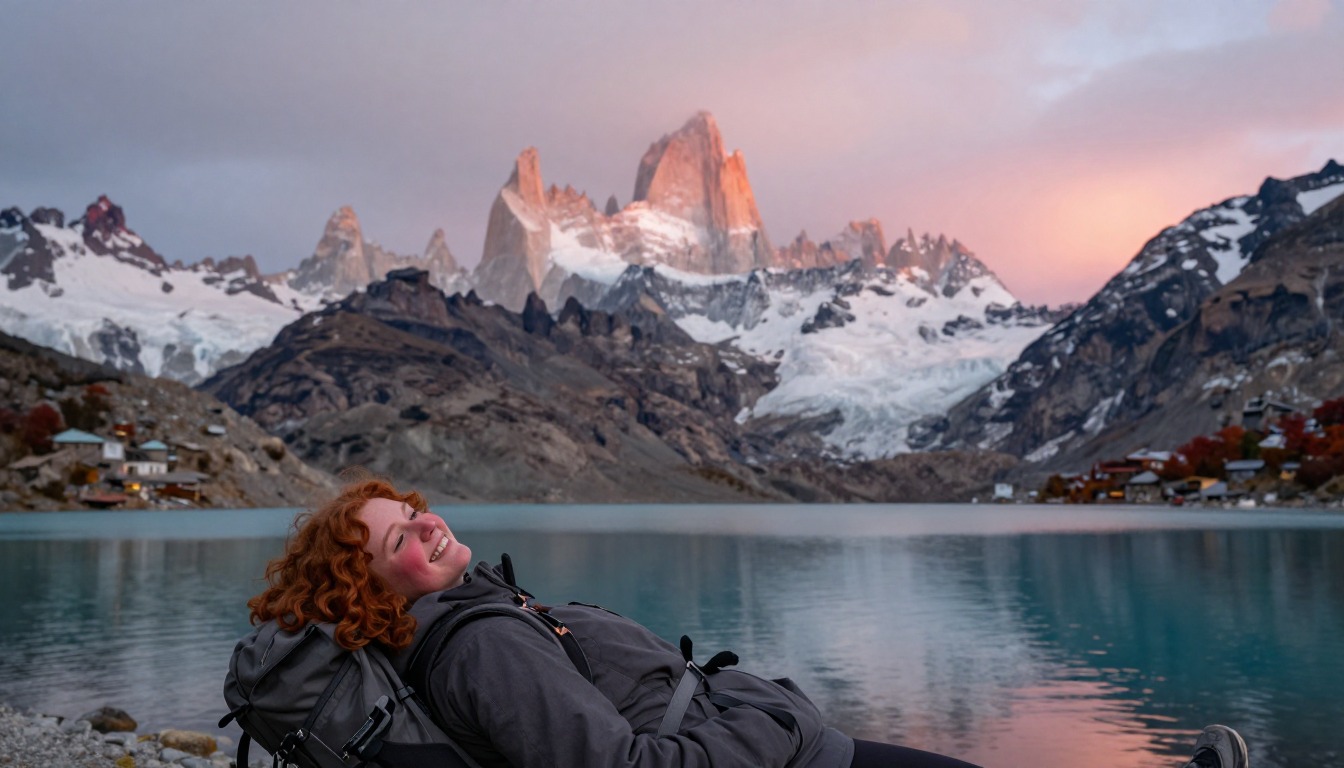
Open ground at the top is exposed. The CDC says hypothermia can develop even in cool temperatures above 40 degrees Fahrenheit if a person is chilled by rain, sweat or cold water, and that warning signs include shivering, fumbling hands and confusion.3 The lagoon is a place people sit and cool off after a hot climb, which is exactly when sweat plus wind can chill you. Put a layer on before you stop.
Overcast skies do not remove sun risk. The EPA says overcast skies still transmit about 31 percent of UV.8 Check current trail and campsite information with the park authority before you go.
Common questions
How hard is the final climb to the lagoon?
It's the part everyone remembers. After hours of comfortable forest and valley walking, the route turns steeply up loose rock and gains height fast with no easing off. Fit hikers still find it a grind, and it's exposed to wind. Nothing technical is involved — it's a steep, rough walking path — but it's a genuine effort at the end of a long day.
Can I turn back partway and still get a good view?
Yes, and plenty of people do. The lake partway along the route and the open valley below the spires both give excellent views of Fitz Roy without the steep final section, and both are reasonable turnaround points if weather closes in or legs give out. That flexibility is one of the trail's best features.
Do I need to start before sunrise?
Only if you want first light on the spires from the top, which usually means camping in the valley overnight or walking the forest section in the dark with a headlamp. Otherwise an early-morning start from town is plenty — it gets the climb done before afternoon wind builds and leaves daylight in reserve for the descent.
Are trekking poles worth bringing?
For most hikers, yes. The rolling forest section is easy on them, but the steep, loose descent from the lagoon is exactly the terrain poles are built for, and it comes at the point in the day when your legs are tired. If you only ever use poles going downhill, this is a trail to bring them for.
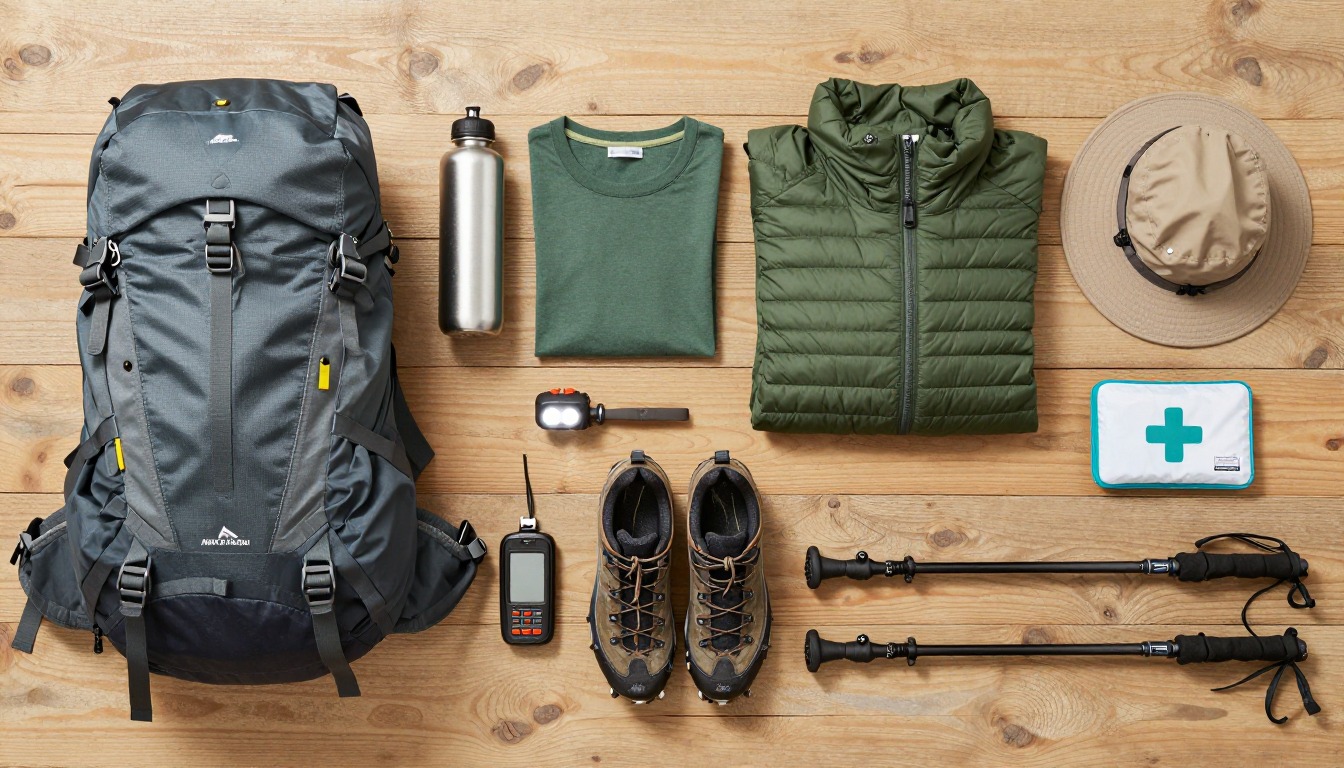
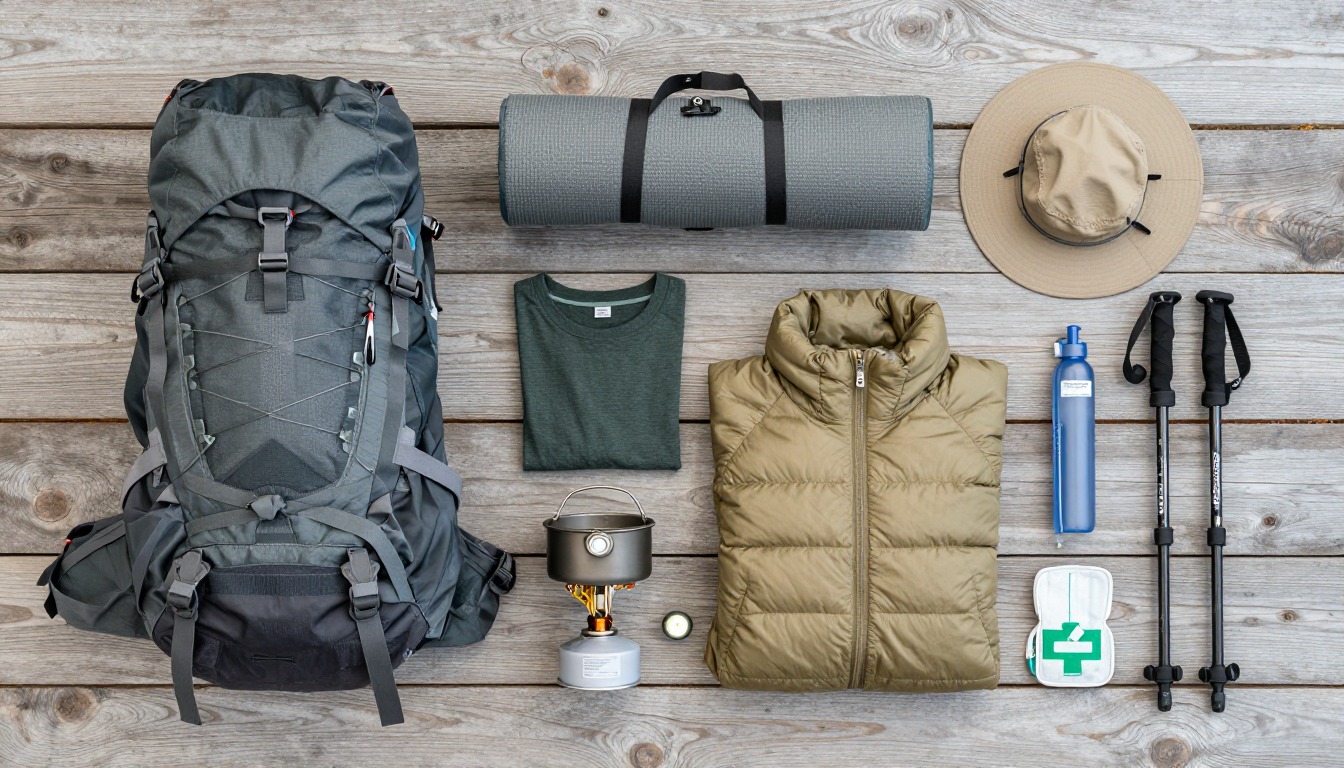
Complete gearsets for this trip
Full curated kits built for exactly this kind of hike.
Trail conditions, permits and access rules change without notice — always confirm current information on the official source above before you go. Some facts on this page are still pending owner verification and are marked accordingly. Product links and the accommodation map are affiliate links: we may earn a commission at no extra cost to you; product prices and availability are shown on Amazon, and accommodation prices on the booking site. See our affiliate disclosure.