
How to Train for W Trek in Torres del Paine
To train for the W Trek in Torres del Paine, build an aerobic base with regular walking, add a weekly hill or stair session, and layer in strength work for legs, hips and core. Then walk with a loaded pack, adding weight gradually, and rehearse the trip with back-to-back days. Because the W is a point-to-point route of spur climbs and rocky descents, include slow step-downs, then taper in the last one to two weeks.
General fitness guidance, not medical or personal training advice. If you have a health concern, an injury, or you're returning to exercise after a long break, check with a doctor first.
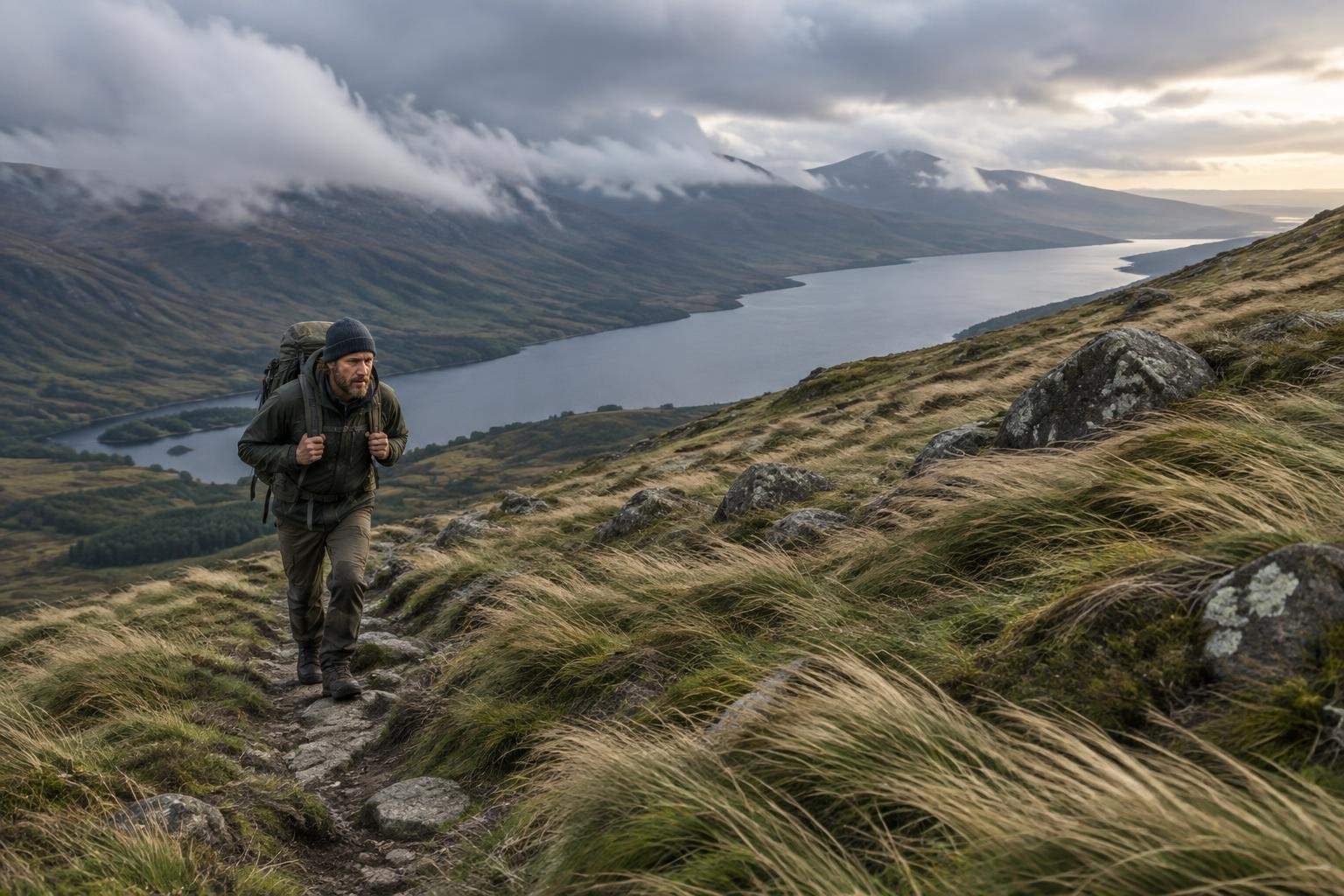
What the W Trek in Torres del Paine asks of your body
The W is a point-to-point route of roughly 75 to 80 km (47 to 50 mi), usually walked in four or five days. Cumulative elevation gain is roughly 3,000 to 3,500 m (9,800 to 11,500 ft), depending on which side trips you include: the Torres base viewpoint, French Valley and Grey Glacier. Difficulty is rated moderate to strenuous, and the spur days to the Torres base and French Valley are the hardest. Expect loose moraine rock, a boulder scramble, steep glacier-carved valley climbing, and wind off the ice and lakes. Day-by-day mileage and trail-by-trail gain are not published here.
Start with a weekly base
The CDC suggests adults get 150 minutes of moderate-intensity activity a week, or 75 minutes of vigorous activity, or an equivalent mix, and it does not have to be done all at once. Splitting it across the week works fine. For a trek like the W, treat that as your starting floor rather than your finish line. Brisk walking, easy cycling or hiking all count, and your first weeks should simply make that weekly habit automatic before you ask your body for more.
The training plan, phase by phase
Build the base · Weeks 1 to 4
Walk regularly and let the weekly total grow toward the CDC baseline and a little beyond. Keep most sessions at a conversational pace. The aim is not speed but a body that is used to being on its feet for a long time, since the W will have you walking day after day. Include at least one longer walk each week, and add muscle-strengthening work on two days.
Add hills and stairs · Weeks 5 to 6
Keep the base walking and add a weekly hill or stair session. The spurs are where the effort is, so a sustained climb on a hill or a long stair set is the closest match. Climb at a steady pace rather than sprinting, and finish with a few slow step-downs, because the way down from a steep valley works the legs differently from the way up.
Walk with the pack · Weeks 7 to 10
Start loaded walks light, many people begin around 10 pounds, and add weight in small steps. A commonly quoted ceiling is about 20% of body weight. Choose rolling or hilly ground when you can. Because the W lets you leave heavy gear at the night's accommodation and climb the spurs with a daypack, practice both: a longer walk with your full carry and a climb with a lighter load.
Rehearse and taper · Weeks 11 to 12
A couple of weeks out, do two loaded walks on consecutive days to see how tired legs and feet cope with a second day. Fix any gear or blister issues now. Then taper in the last one to two weeks, keeping walks shorter and easier so you arrive rested. Allow roughly 8 to 12 weeks across all four phases for a multi-day trip with a full pack.
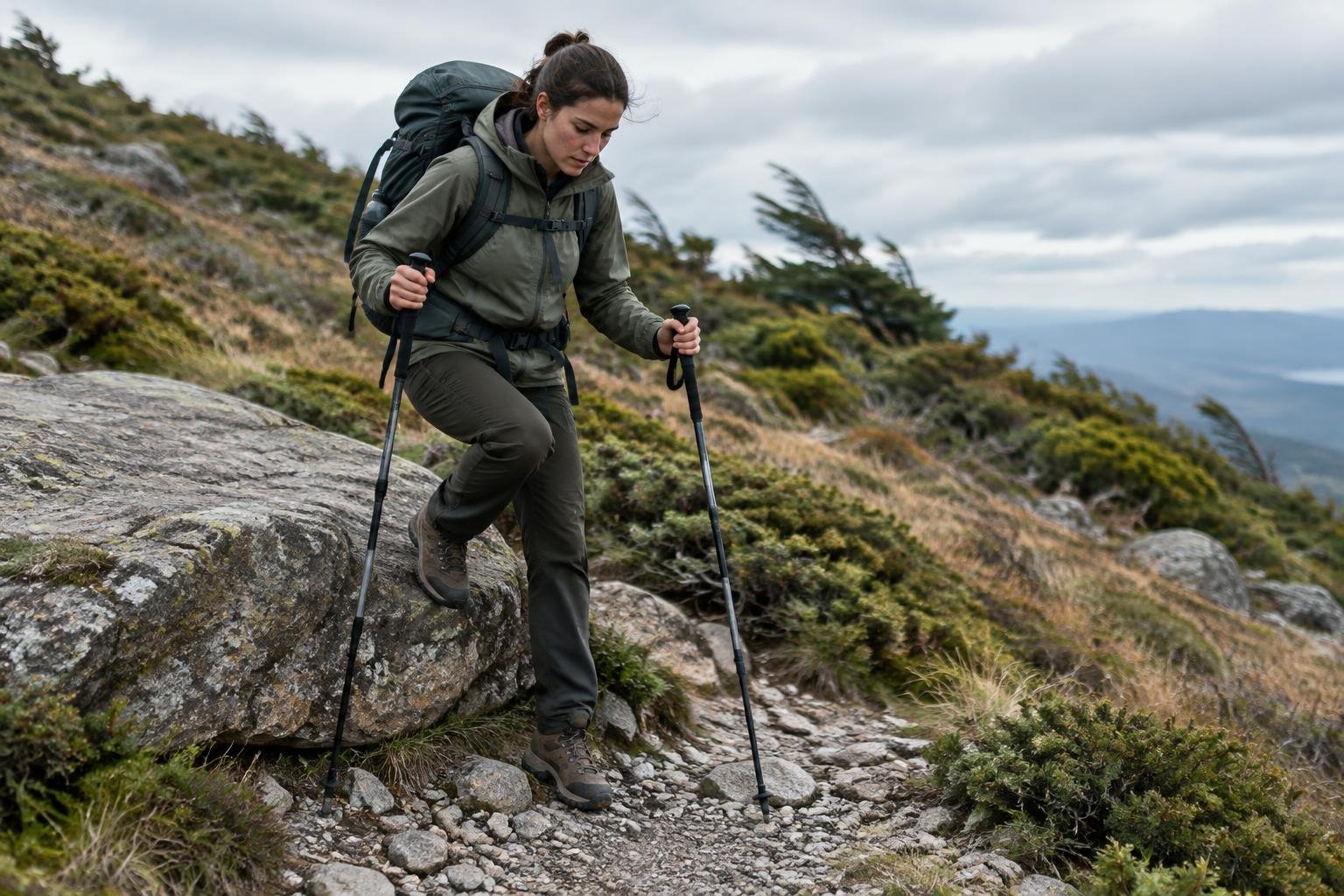
Strength work that helps on the trail
The CDC recommends muscle-strengthening activity on at least 2 days each week, working all major muscle groups. For the W, put legs, hips and core first: squats, lunges, step-ups and planks are familiar choices. Add slow step-downs from a bench or low step, since stairs replicate downhill poorly and the descents here come on loose rock and boulders. Downhill loads the quads and causes delayed soreness, so practice it before you go.
Pack walks and back-to-back days
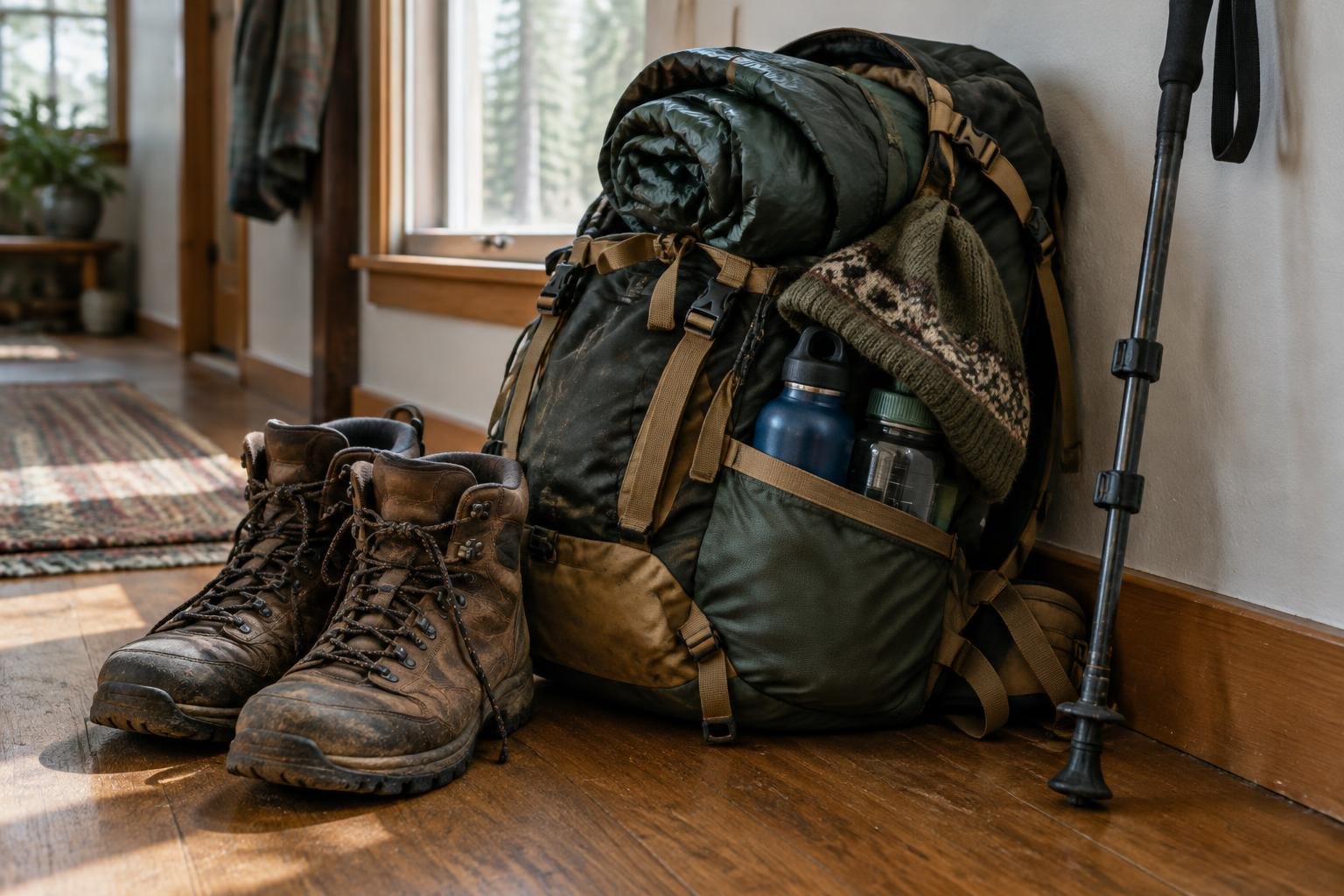
Begin with a light pack, many people start around 10 pounds, and add weight a little at a time, keeping it under the commonly quoted ceiling of about 20% of body weight. Since the W is walked over four or five days, the most useful rehearsal is two loaded walks on consecutive days a couple of weeks out. Wear the boots, socks and pack you plan to use, and carry a lighter daypack on a hill session too, to mimic the spur days.
Terrain and descents
The hard part of the W is terrain, not thin air. The spurs climb moraine and glacier-carved valleys on loose rock, finish with a boulder scramble that takes longer than it looks, and then bring you back down the same way. Downhill loads the quads and causes delayed soreness, and stairs replicate it poorly, so add slow step-downs to your training. The connecting legs are easier walking but rarely sheltered, so practice long walks in wind and changeable weather too.
Training mistakes to avoid
The most common mistake is never walking with a loaded pack until the trip itself. Another is training only on flat ground, which leaves the legs unready for the steep spurs and the long descents. Starting too late is a third: the ledger suggests roughly 8 to 12 weeks for a multi-day trip. Skipping strength work, ignoring step-downs, and training hard right up to departure instead of tapering in the last one to two weeks round out the list.
Common questions
How long should I train for the W Trek?
For a multi-day trip with a full pack, allow roughly 8 to 12 weeks. Spend about 4 to 8 weeks building an aerobic base, then add hills or stairs, then loaded pack walks, and taper in the last one to two weeks. This is general fitness guidance, not medical advice.
Do I need to train with a full pack?
Yes, at least some of the time. Start light, many people begin around 10 pounds, and add weight gradually, staying under about 20% of body weight. Because the W lets you climb the spurs with a daypack, also practice lighter climbs so you are ready for both loads.
What kind of strength work helps most?
The CDC recommends muscle-strengthening on at least 2 days each week, working all major muscle groups. For this route, favor legs, hips and core, and add slow step-downs, since stairs replicate downhill poorly and the descents are steep and rocky.
Is stair climbing enough to prepare for the downhill sections?
Not on its own. Stairs replicate downhill poorly, and downhill loads the quads and causes delayed soreness. Add slow, controlled step-downs from a bench or low step, and walk downhill with a pack when you can. If you have health concerns, ask a doctor first.
Sources
- Centers for Disease Control and Prevention — Physical Activity Guidelines for Adults: weekly aerobic and muscle-strengthening targets.
- CONAF & park concessionaires — parquetorresdelpaine.cl (park information): official route information.
- Training and fitness for hiking (this site): the general training progression this plan builds on.
See our editorial policy and affiliate disclosure.