
Best Time to Hike Torres del Paine — W Trek
The best time to hike Torres del Paine's W Trek is November to March, the Patagonian summer. Those months bring the longest daylight, up to about 16 hours in December, and the year's warmest relative conditions. Every night must be booked in advance, so reserve before you travel.
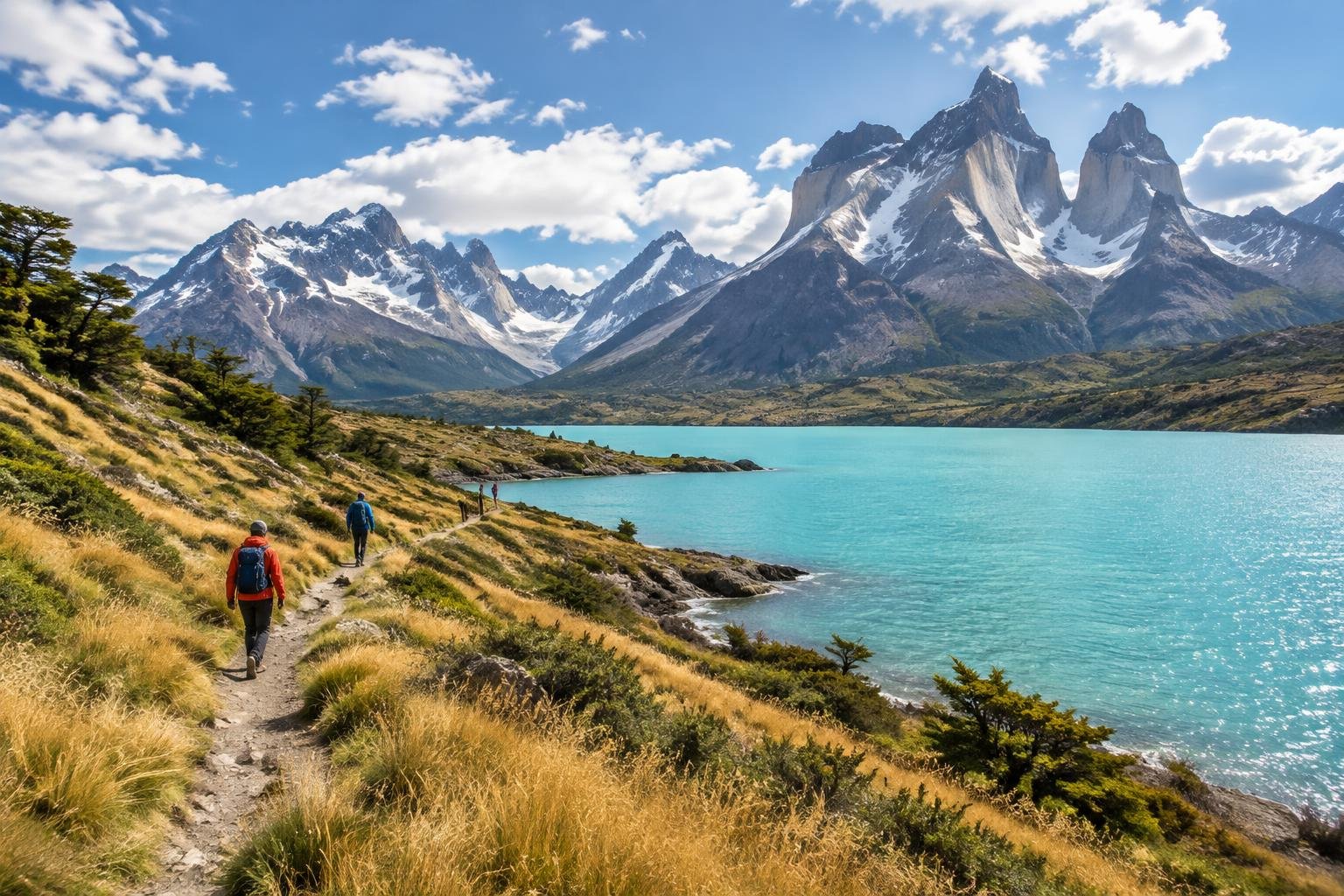
Month-by-month climate for Torres del Paine — W Trek
| Month | Relative warmth | Rain | Daylight |
|---|---|---|---|
| Jan | Warmest | 133 mm | 15.8 h |
| Feb | Warmest | 110 mm | 14.3 h |
| Mar | Warmest | 128 mm | 12.5 h |
| Apr | Warm | 128 mm | 10.4 h |
| May | Mild | 122 mm | 8.7 h |
| Jun | Coldest | 134 mm | 7.7 h |
| Jul | Coldest | 117 mm | 8.1 h |
| Aug | Coldest | 116 mm | 9.7 h |
| Sep | Cool | 97 mm | 11.6 h |
| Oct | Warm | 107 mm | 13.6 h |
| Nov | Warm | 120 mm | 15.4 h |
| Dec | Warmest | 127 mm | 16.3 h |
Modelled regional averages for 2010–2023 (rainfall) and calculated daylight hours; they describe the wider area, not a reading taken on the trail. “Relative warmth” compares each month with the warmest and coldest months of this place’s own year. It is not a temperature, and the high parts of a route are colder than the region around them.
Rainfall in the modeled regional average barely changes through the year, staying between about 97 mm in September and 134 mm in June, so no month is truly dry here. Daylight is the bigger swing: roughly 16 hours in December against under 8 in June. In relative terms, December through March are the warmest months of this place's year, while June to August are the coldest. Treat these as typical regional figures, not trail measurements.
Torres del Paine — W Trek season by season
Peak summer · December to March
This is the warmest stretch of the year, with daylight running from about 16 hours in December to 12.5 in March. Monthly rainfall typically sits between 110 and 133 mm, so rain cover remains essential even now. It falls inside the official season guidance of November to March, and it is also when bookings are most in demand, so reserve every night early.
Autumn shoulder · April to May
Conditions cool from warm in April to mild in May, and daylight shrinks from about 10.4 hours to 8.7. Rainfall on average stays around 122 to 128 mm a month. This period sits outside the official season guidance of November to March, so check the managing authority's guidance on services, bookings and rules before planning a trip, and allow for shorter hiking days.
Winter · June to August
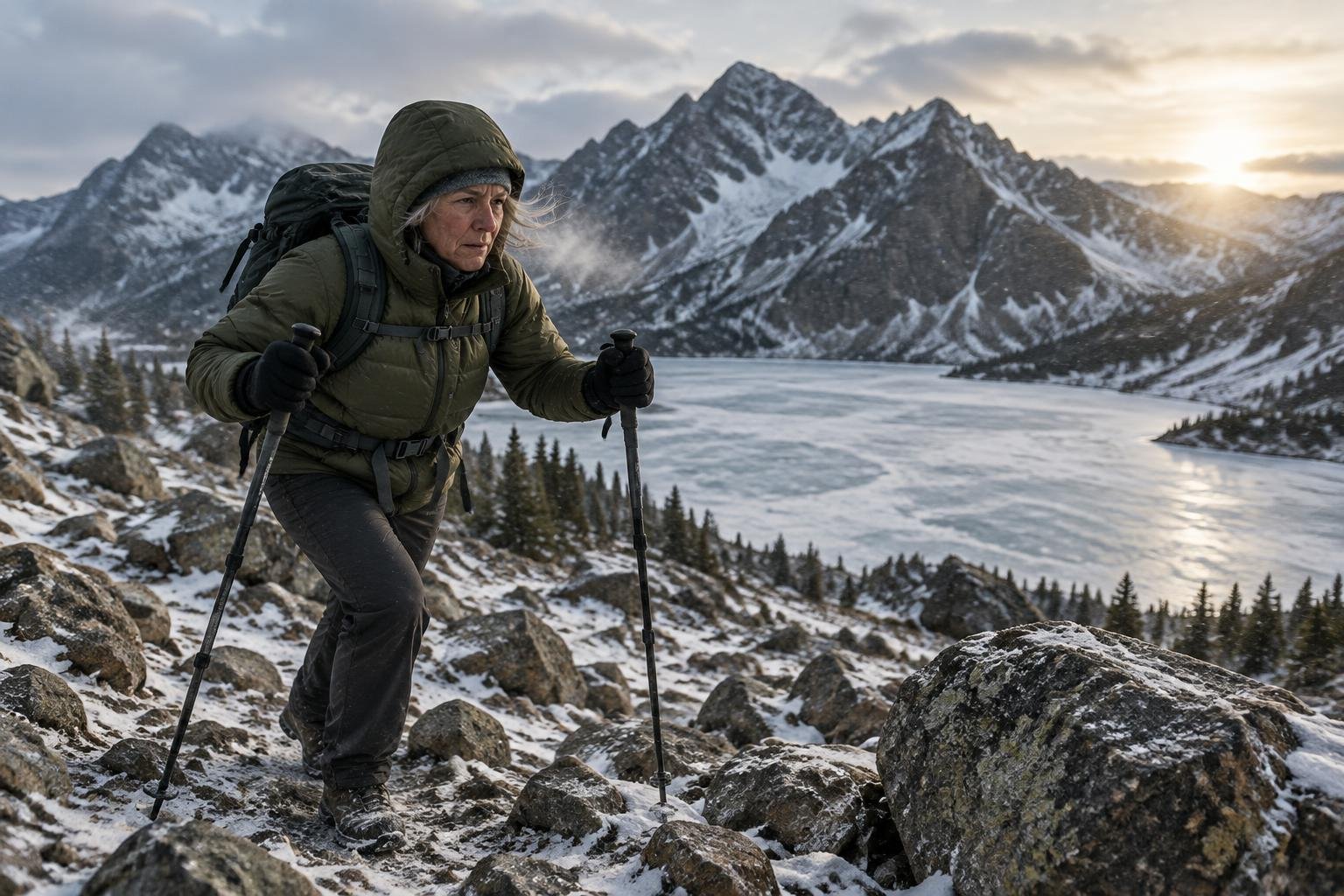
These are the coldest months of this place's year, with daylight between about 7.7 and 9.7 hours and typical rainfall of 116 to 134 mm a month. The permit rules note that microcrampons and trekking poles can be mandatory in winter conditions. This is well outside the November to March season guidance, so confirm current rules with CONAF and the park before considering it.
Spring shoulder · September to October
Conditions move from cool in September to warm in October, and daylight stretches from about 11.6 to 13.6 hours. September is the driest month in the modeled data at about 97 mm, with October near 107 mm. Both months fall before the official November start, so check with the managing authority about what is open and what rules apply.
Official season guidance
CONAF & park concessionaires: November to March (Patagonian summer)
Every night in the park — refugio, serviced or free CONAF site — must be reserved in advance; rangers check bookings. There are no walk-up beds or pitches. As of 16 September 2026 CONAF no longer requires an accredited guide on the Base Torres and W routes, but microcrampons and trekking poles can be mandatory in winter conditions — check CONAF and the park site for current rules.
Check current dates on parquetorresdelpaine.cl (park information)What to pack for the season
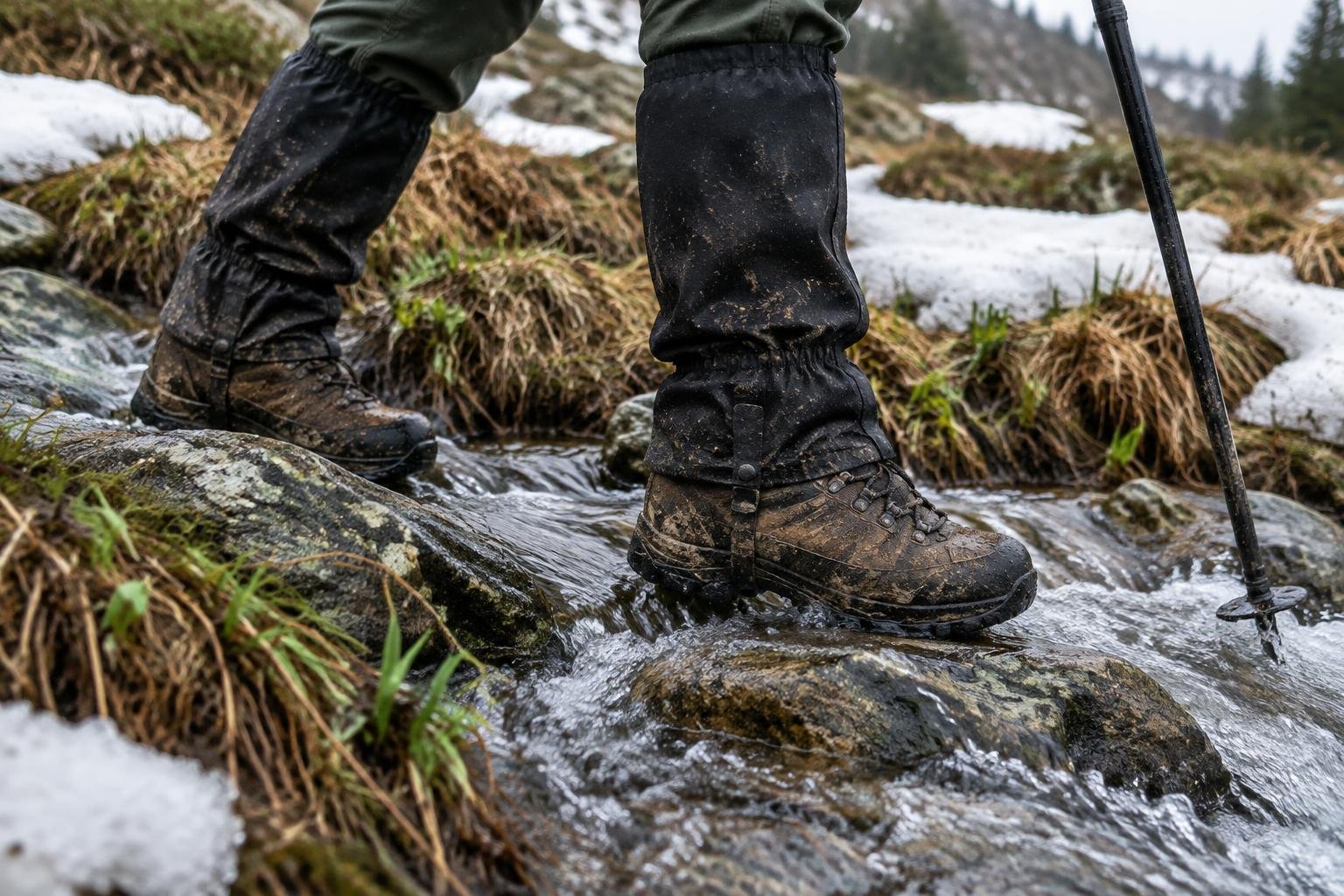
Because rain stays typical in every month and daylight changes sharply with the season, pack layers you can add or shed, reliable rain cover, and sun protection for the long summer days. Carry a headlamp if you hike outside peak summer, when daylight is short. Winter conditions can call for extra gear, so check the current rules.
For layering, rain cover and weather planning, see hiking in rain, heat and cold.
Timing mistakes to avoid
The biggest timing mistake on the W Trek is assuming you can arrive in season and sort out beds later. Every night must be reserved in advance, and rangers check bookings, so leaving it late can cost you the whole trip. Another is treating a single month as dry: rain averages above 95 mm in every month. Finally, don't assume winter rules match summer ones; check CONAF for current requirements.
Common questions
When is the official hiking season for the W Trek?
The official season guidance is November to March, the Patagonian summer. Outside those months conditions and requirements can change, including mandatory microcrampons and trekking poles in winter. Always confirm dates and current rules with CONAF and the park before you plan.
Which month has the longest daylight on the W Trek?
December has the longest daylight in the data, about 16.3 hours, followed by November at roughly 15.4 and January at 15.8. By June, daylight falls to about 7.7 hours, which noticeably shortens how much trail you can cover in a day.
Is there a dry month for hiking the W Trek?
No month is truly dry. Modeled regional rainfall runs from about 97 mm in September to 134 mm in June. September is the lowest, but it falls outside the official November to March season, so carry rain cover whenever you go.
Do I need to book in advance for the W Trek?
Yes. Every night in the park, whether in a refugio, a serviced site or a free CONAF site, must be reserved in advance, and rangers check bookings. There are no walk-up beds or pitches, so confirm your nights before arriving.
Sources
- CONAF & park concessionaires — parquetorresdelpaine.cl (park information): official season and permit guidance.
- NASA POWER (Prediction Of Worldwide Energy Resources): monthly temperature and rainfall averages, 2010–2023, from MERRA-2 reanalysis. Daylight hours are calculated from latitude.
Conditions, closures and permit rules change without notice — confirm current information with the managing authority before you go. See our editorial policy and affiliate disclosure.