
How to Train for Salkantay Trek
To train for the Salkantay Trek, build an aerobic base of steady walking, add a weekly hill or stair session, then spend several weeks carrying a loaded pack, with strength work for legs, hips and core twice a week. Taper in the last one to two weeks, and plan time at altitude before the pass, because fitness alone will not protect you at 4,600 m.
General fitness guidance, not medical or personal training advice. If you have a health concern, an injury, or you're returning to exercise after a long break, check with a doctor first.
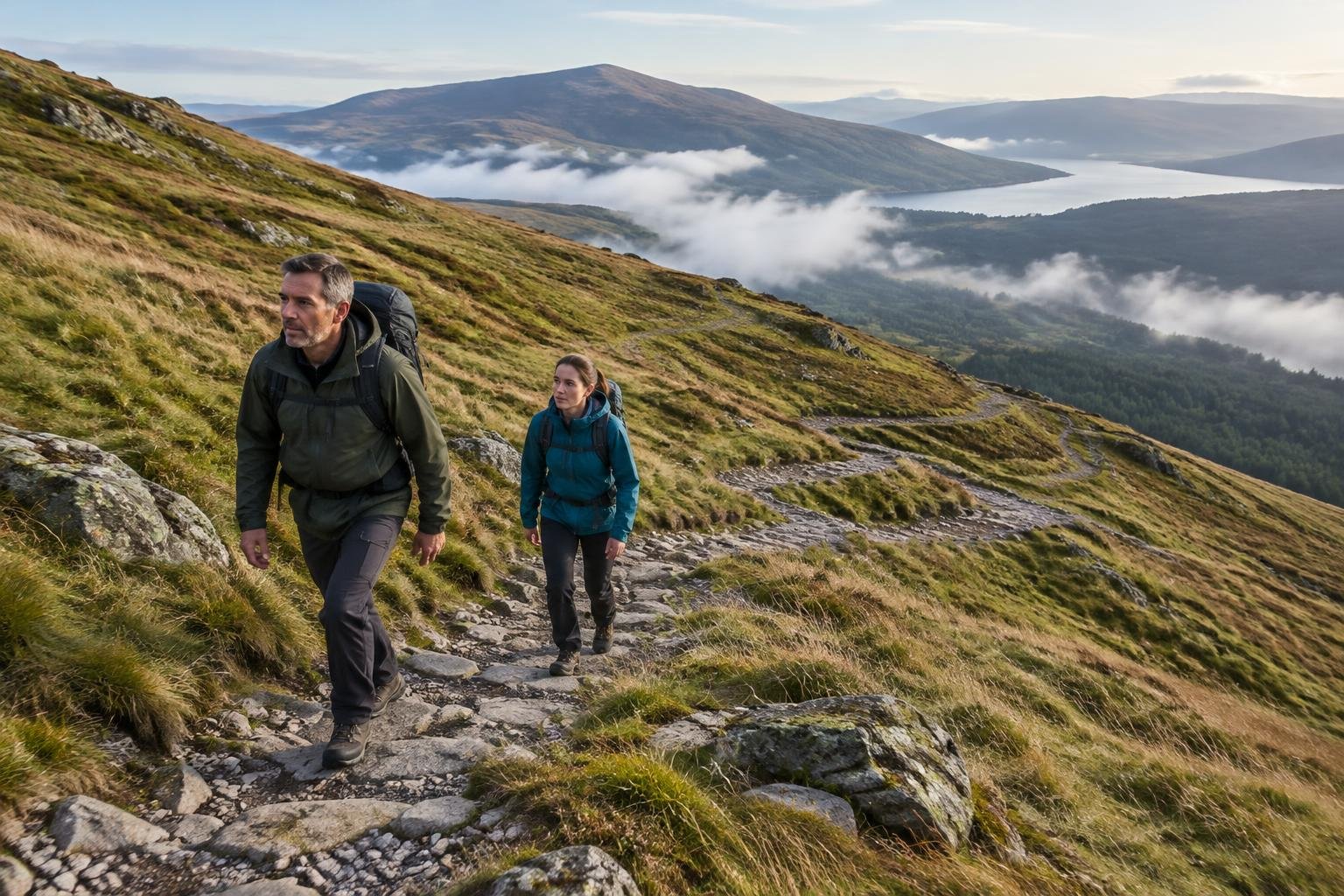
What the Salkantay Trek asks of your body
The Salkantay is a strenuous, high-altitude point-to-point trek of about 74 km (46 mi) over roughly 5 days, with a cumulative gain of around 3,660 m (12,030 ft). The big effort is the pass day: a long, exposed climb up moraine and loose rock to about 4,600 m (15,090 ft), followed by an even longer descent into cloud forest. Terrain shifts from stony valley track to muddy single-track to warm valley roads, so your legs need stamina, climbing strength and tolerance for sustained downhill. No other training-relevant figures are published here.
Start with a weekly base
Start from the CDC adult guidance: 150 minutes of moderate-intensity activity a week, or 75 minutes of vigorous activity, or an equivalent mix. It does not have to happen all at once; you can split it across the week. For a multi-day trek like this, treat that as the floor you reach before specific preparation begins, not the finish line. Brisk walking, easy hiking and cycling all count toward it. Once the weekly habit holds steady, you have the base to layer hills and pack weight on top.
The training plan, phase by phase
Aerobic base · Weeks 1 to 4
Build steady walking until the CDC weekly target feels routine, using the 4 to 8 week base-building window as your guide. Keep most sessions comfortable and conversational. Add one longer walk each week so your feet, calves and hips adapt to time on your legs. Do not worry about pack weight or speed yet. The goal is a reliable habit you can repeat without nagging aches.
Hills and stairs · Weeks 3 to 6
Add one weekly hill or stair session, overlapping with the end of your base phase. The pass day is a long sustained climb, so favor longer, steady uphill efforts over short sprints. Keep your base walks going alongside. Build the session gradually in duration, and finish it with some easy walking on flatter ground to practice staying steady when tired.
Loaded pack walks · Weeks 5 to 10
Start carrying a pack, light at first, since many people begin around 10 pounds, and add weight in small steps. A commonly quoted ceiling for a loaded pack is about 20% of body weight. Move your hill session onto loaded walks when you feel ready. A couple of weeks before departure, rehearse with two loaded walks on consecutive days to mimic back-to-back trek days.
Taper · Final 1 to 2 weeks
Ease off in the last one to two weeks so you arrive fresh rather than fatigued. Keep moving with shorter, easier walks and skip any new or punishing sessions. Spend the freed-up energy on sorting your boots, pack fit and logistics. Across all phases, allow roughly 8 to 12 weeks in total for a multi-day trip with a full pack.
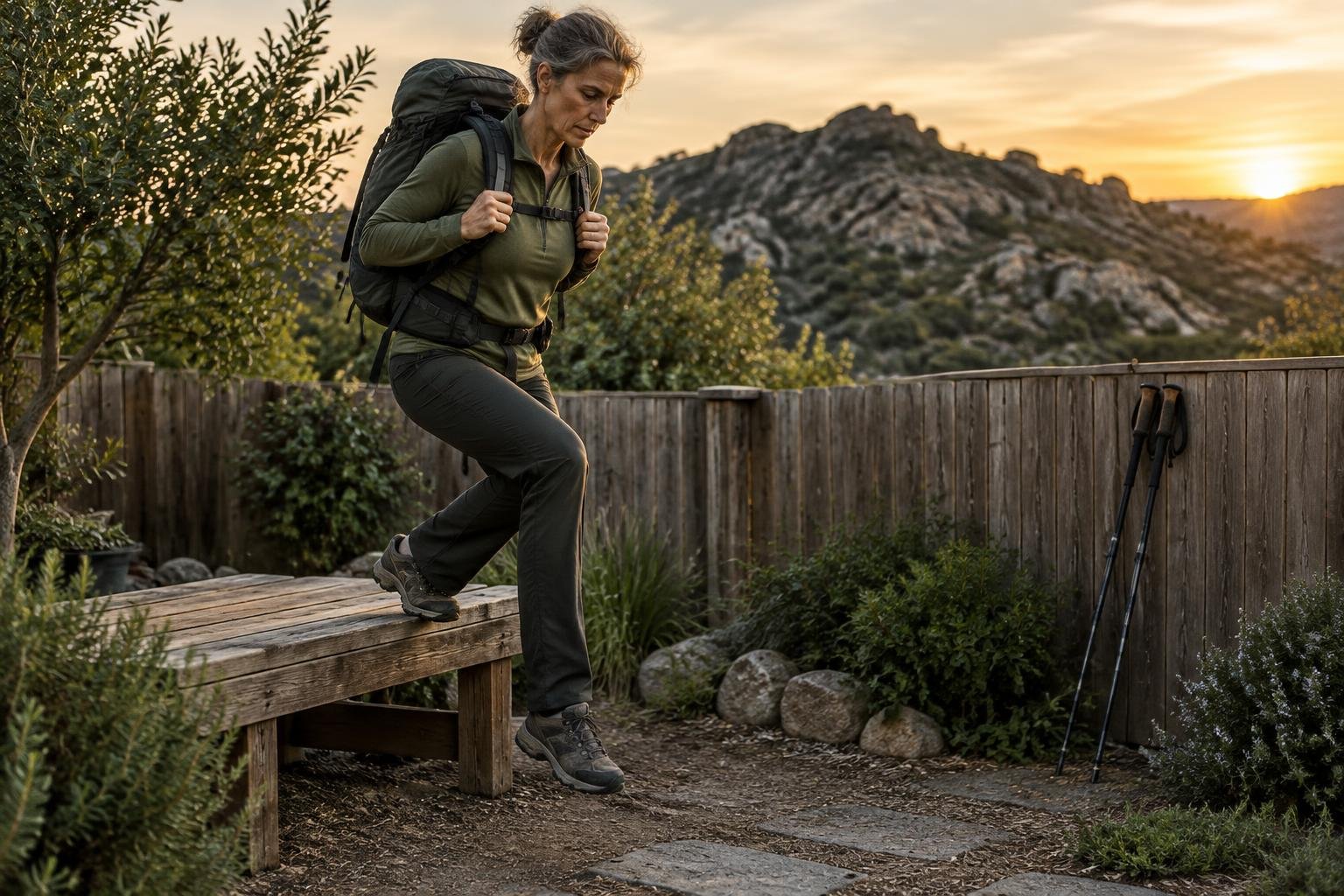
Strength work that helps on the trail
Follow the CDC guidance of muscle-strengthening activity on at least 2 days each week, working all major muscle groups. For trekking, prioritize legs, hips and core, since they carry the pack and stabilize you on loose rock and muddy single-track. Because the descent from the pass is long, add slow step-downs: stairs replicate downhill poorly, and downhill loads the quads and causes delayed soreness. Practicing controlled step-downs before departure helps your legs cope.
Pack walks and back-to-back days
Begin with a light pack, many people start around 10 pounds, and add weight in small steps, staying under the commonly quoted ceiling of about 20% of body weight. The Salkantay is a multi-day point-to-point route with a long pass day followed by an even longer descent, so back-to-back days matter. A couple of weeks out, do two loaded walks on consecutive days to see how your feet, shoulders and hips respond when tired on day two.
Altitude: why a slow ascent matters
Altitude is the main variable here, and training does not replace a slow ascent. Guidance from the CDC Yellow Book and Wilderness Medical Society says to avoid going from low elevation to a sleeping altitude of 2,750 m (9,000 ft) or more in a single day. Spending 2 to 3 nights at roughly 2,450 to 2,750 m (8,000 to 9,000 ft) before going higher is protective against acute mountain sickness. Sleeping altitude matters more than the altitude reached in the day. Plan acclimatization time in Cusco before you start, and ask a doctor about any health concerns.
More in our guide to hiking at altitude and acclimatization.
Training mistakes to avoid
The most common mistake is never walking with the loaded pack until the trek itself. Others: starting too late for the 8 to 12 week window, skipping downhill preparation even though the pass descent is long, and training only on flat ground for a route with about 3,660 m (12,030 ft) of gain. Do not assume fitness replaces gradual acclimatization to high sleeping altitudes. Tapering is also overlooked, so resist cramming extra sessions in the last couple of weeks.
Common questions
How long should I train for the Salkantay Trek?
Allow roughly 8 to 12 weeks for a multi-day trip with a full pack. Spend about 4 to 8 weeks on an aerobic base, add a weekly hill or stair session, then build loaded pack walks, and taper in the last one to two weeks before departure.
Does being fit prevent altitude problems on the pass?
No. Training fitness does not replace a slow ascent. Altitude guidance focuses on how you gain sleeping altitude, not on how strong you are, so plan acclimatization time and a gradual approach to the 4,600 m (15,090 ft) pass. For health concerns, ask a doctor.
How much weight should I train with?
Start light, many people begin around 10 pounds, and add weight in small steps. A commonly quoted ceiling for a loaded pack is about 20% of body weight. Do a couple of loaded walks on consecutive days a couple of weeks before you go.
Why train for downhill when the trek is mostly about the climb?
The descent from the pass is long, dropping from bare high country into cloud forest. Downhill loads the quads and causes delayed soreness, and stairs replicate it poorly. Adding slow step-downs to your strength work prepares your legs for it.
Sources
- Centers for Disease Control and Prevention — Physical Activity Guidelines for Adults: weekly aerobic and muscle-strengthening targets.
- CDC Yellow Book — High-Altitude Travel and Altitude Illness: ascent-rate guidance (consistent with Wilderness Medical Society recommendations).
- Regional authorities — machupicchu.gob.pe (official Machu Picchu site, Peru Ministry of Culture): official route information.
- Training and fitness for hiking (this site): the general training progression this plan builds on.
See our editorial policy and affiliate disclosure.