
Best Time to Hike Garibaldi Lake & Panorama Ridge
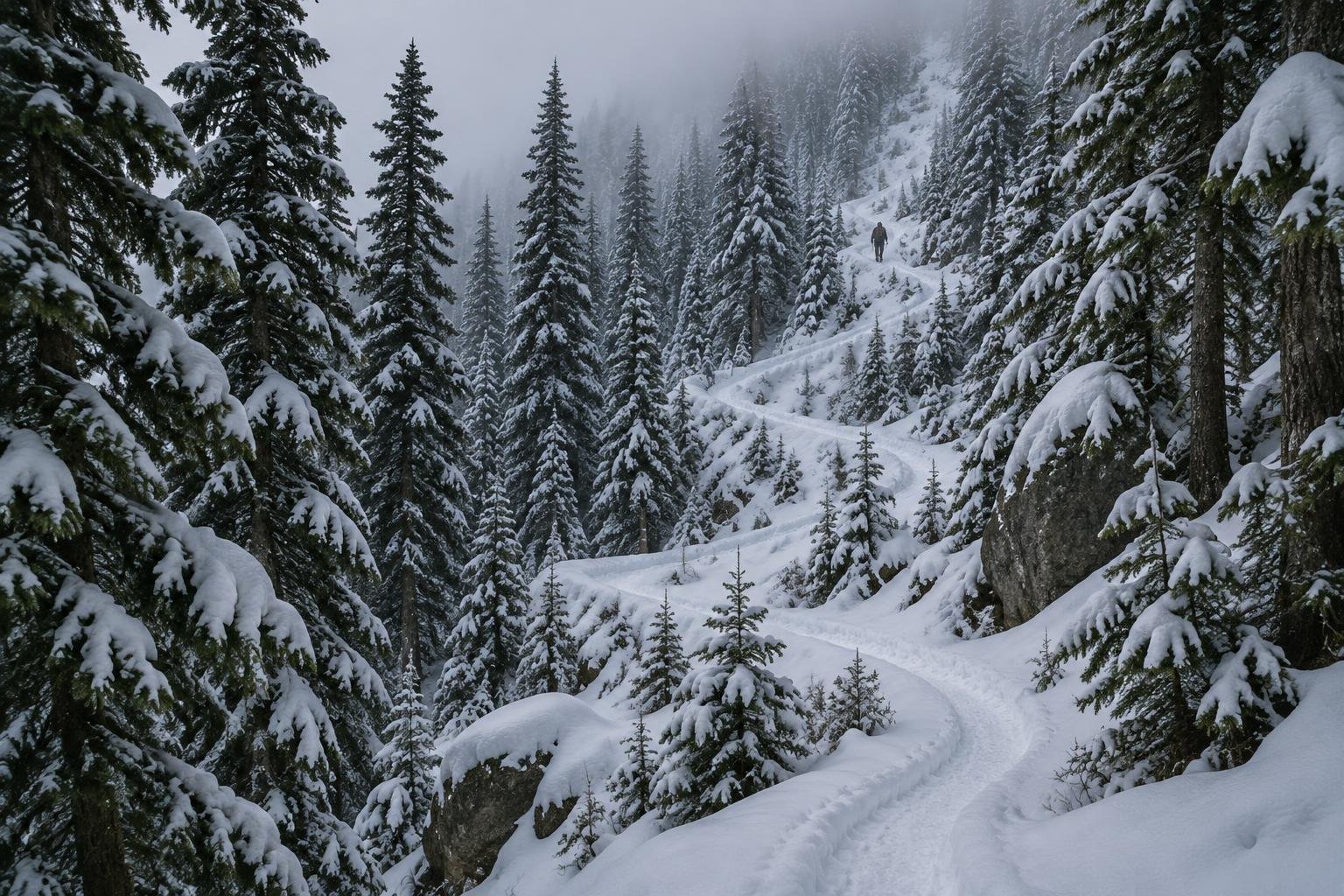
The best time to hike Garibaldi Lake & Panorama Ridge is typically July to October, once the snow melts. Snow can linger into summer on the upper trail, so confirm conditions with BC Parks. July and August are also the driest months in the regional data.
Month-by-month climate for Garibaldi Lake & Panorama Ridge
| Month | Relative warmth | Rain | Daylight |
|---|---|---|---|
| Jan | Coldest | 248 mm | 8.3 h |
| Feb | Coldest | 149 mm | 9.8 h |
| Mar | Coldest | 193 mm | 11.6 h |
| Apr | Cool | 127 mm | 13.5 h |
| May | Mild | 83 mm | 15.2 h |
| Jun | Warmest | 89 mm | 16.1 h |
| Jul | Warmest | 53 mm | 15.7 h |
| Aug | Warmest | 57 mm | 14.3 h |
| Sep | Warmest | 135 mm | 12.4 h |
| Oct | Mild | 194 mm | 10.5 h |
| Nov | Coldest | 265 mm | 8.8 h |
| Dec | Coldest | 231 mm | 7.9 h |
Modelled regional averages for 2010–2023 (rainfall) and calculated daylight hours; they describe the wider area, not a reading taken on the trail. “Relative warmth” compares each month with the warmest and coldest months of this place’s own year. It is not a temperature, and the high parts of a route are colder than the region around them.
The modelled regional numbers show a clear dry window in summer. July is the driest month at about 53 mm, with August close behind at 57 mm, while November is the wettest at about 265 mm and January and December also run above 230 mm. Daylight swings from roughly 7.9 hours in December to about 16.1 hours in June. June through September are the warmest months of this place's own year, while November through March are the coldest. These are modelled regional averages, not trail measurements.
Garibaldi Lake & Panorama Ridge season by season
Winter and early spring · November to April
These are the coldest and wettest months of this place's year in the regional data. November is the wettest month at about 265 mm, and January and December each run above 230 mm. Daylight is also at its shortest, around 7.9 to 8.8 hours from November through January. The official season guidance points to July to October, and this window falls outside it. Snow can linger on the upper trail well beyond the colder months, so anyone considering an off-season trip should check conditions with BC Parks first.
Late spring · May to June
Rainfall eases to roughly 83 to 89 mm a month, and the warmth label rises from mild in May to the warmest group in June. Daylight stretches to about 15 to 16 hours, which gives plenty of time on the trail. However, the official season guidance says to expect the snow melt to determine when the route is ready, typically from July, and snow can linger into summer. June may look good in the climate numbers, but the upper trail can still hold snow, so check conditions with BC Parks before committing.
Summer · July to August
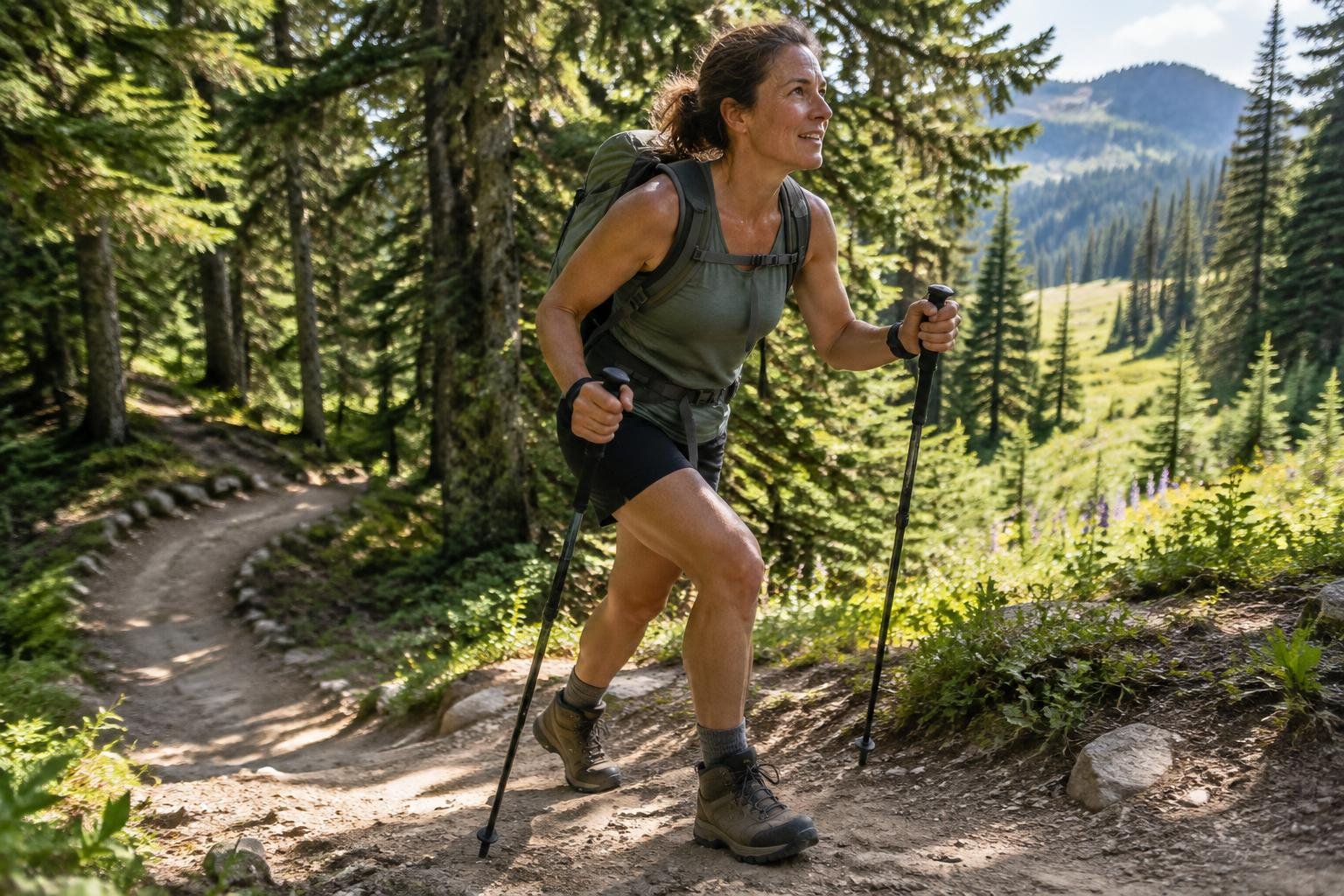
This is the heart of the recommended window and the driest stretch of the year in the modelled data, with July at about 53 mm and August at about 57 mm. Both months fall in the warmest group of this place's year, and daylight remains long at roughly 14 to 16 hours. With the snow typically melted by now, these months suit both a long day hike and an overnight trip. Overnight camping needs a BC Parks reservation for a specific site and date, so plan ahead.
Early autumn · September to October
Both months remain within the official July to October season guidance, though rainfall climbs from about 135 mm in September to about 194 mm in October. September is still in the warmest group of this place's year, while October drops to mild. Daylight shrinks from about 12.4 hours to about 10.5 hours, so start earlier and plan to finish well before dark. Conditions can change quickly as the season turns, so check with BC Parks before you go.
Official season guidance
BC Parks: Typically July to October, once the snow melts (snow can linger into summer)
Day hiking needs no permit, but overnight backcountry camping requires a BC Parks reservation for a specific site and date. Snow can linger on the upper trail well into summer; check conditions. Fires, drones and dogs are not allowed in the park, and day-use passes may apply at busy trailheads — check BC Parks.
Check current dates on bcparks.caWhat to pack for the season
Because the season runs from drier summer into wetter autumn, pack layers you can add or remove as conditions shift. Carry reliable rain protection, since even the driest months bring some rain. Sun protection matters on exposed sections in the long summer days. Shorter autumn daylight makes a headlamp a sensible backup for a slower return.
For layering, rain cover and weather planning, see hiking in rain, heat and cold.
Timing mistakes to avoid
A common mistake is choosing a month from the climate numbers alone. June looks warm and fairly dry in the data, yet the official season guidance says snow can linger on the upper trail into summer. Another is assuming a dry month means the route is ready; check conditions with BC Parks. Overnight trips also need a reservation for a specific site and date, so leaving booking until the last minute can limit your choice of dates, especially in popular summer weeks.
Common questions
What is the best month to hike Garibaldi Lake?
The official season guidance points to July to October, once the snow melts. In the modelled regional data, July and August are the driest months, at about 53 mm and 57 mm of rain. Confirm current trail conditions with BC Parks before you travel.
Can I hike Garibaldi Lake in June?
June is warm and relatively dry in the regional numbers, with long daylight of about 16 hours. However, the official guidance says snow can linger on the upper trail well into summer. Check conditions with BC Parks before deciding, as the snow melt, not the calendar, determines readiness.
Is September a good time to hike here?
September falls within the July to October season guidance and is still among the warmest months of this place's year. Rainfall rises to about 135 mm, and daylight falls to roughly 12.4 hours. Start earlier, carry rain cover, and check BC Parks for current conditions.
Do I need a permit, and does the season affect it?
Day hiking needs no permit, but overnight backcountry camping requires a BC Parks reservation for a specific site and date. Summer is the busiest period, so book early. Day-use passes may also apply at busy trailheads, so check BC Parks for current rules.
Sources
- BC Parks — bcparks.ca: official season and permit guidance.
- NASA POWER (Prediction Of Worldwide Energy Resources): monthly temperature and rainfall averages, 2010–2023, from MERRA-2 reanalysis. Daylight hours are calculated from latitude.
Conditions, closures and permit rules change without notice — confirm current information with the managing authority before you go. See our editorial policy and affiliate disclosure.