
Affiliate disclosure: this page contains affiliate links. Purchases made through them may earn us a commission at no extra cost to you. See our affiliate disclosure.
In plain English
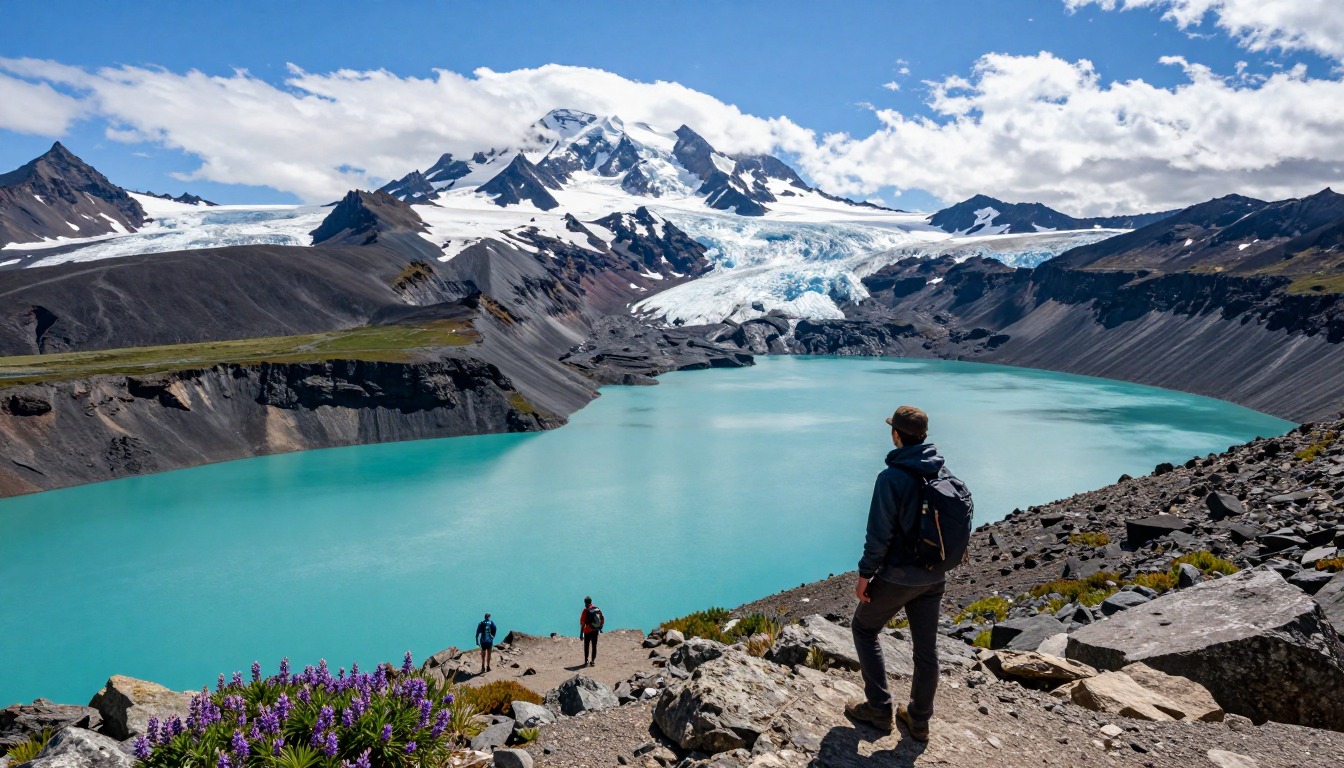
Garibaldi Lake is a bright turquoise lake in the mountains north of Vancouver. Panorama Ridge is a high rocky viewpoint above it. Getting to either one starts with a long climb up switchbacks, which are zigzags that make a steep slope easier to walk.
The park has firm rules. You need a day-use pass at the main trailheads on busy summer days, and fires, drones and pet dogs are not allowed in the park.1 If you want to camp, you must book a spot ahead of time.
The weather can surprise you. BC Parks says it can snow in any month, and the lakes are fed by glaciers, so the water is very cold all year.1 Even on a hot day at the parking lot, pack a warm layer and a rain jacket. If you are going all the way to the ridge in one day, start very early.
What the hike is like
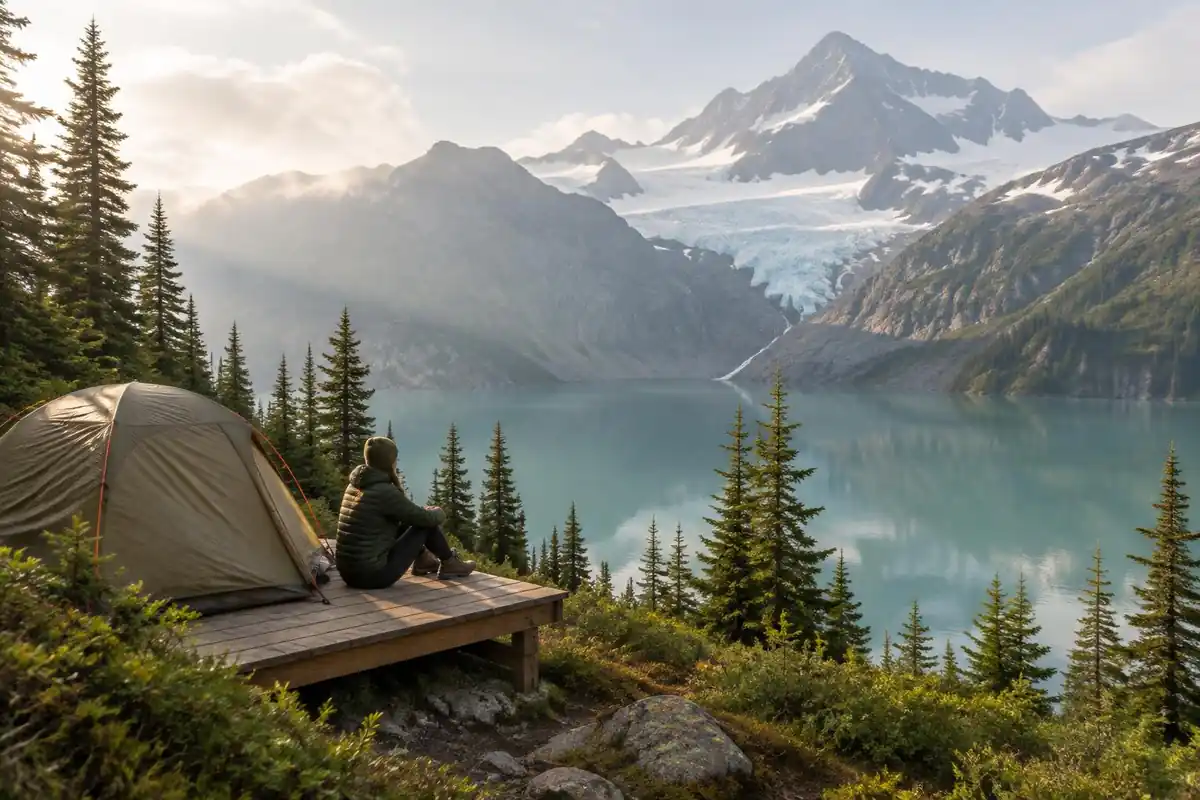
The opening stretch is the part nobody enjoys and everybody remembers: a long series of forested switchbacks grinding up from the parking area with no view to break them up, on smooth, well-built trail that's easy underfoot and monotonous by design. Higher up the forest opens and the route splits, one way traversing directly toward Garibaldi Lake, the other climbing through Taylor Meadows — wet, flowering, boardwalked in places — with both arms rejoining beyond. From the lake and meadows, the continuation toward Panorama Ridge crosses open subalpine country beneath Black Tusk's black spire, then turns uphill in earnest, climbing a broad shoulder before a final steep, gravelly push onto the narrow rocky crest itself. The last few minutes are hands-occasionally-on scrambly ground rather than a groomed path.
How to plan the itinerary
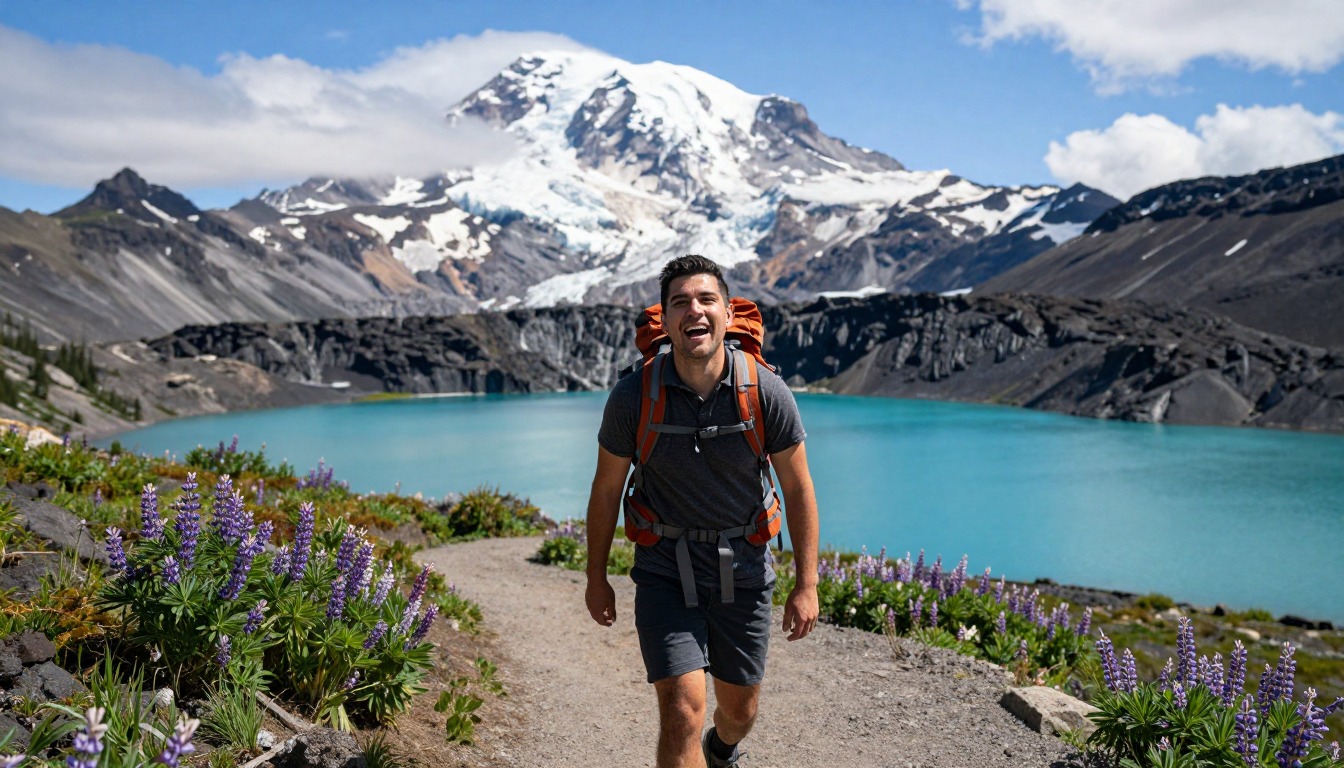
Garibaldi Lake alone is a solid day trip: climb the switchbacks, spend time at the shore, and come back the way you arrived. Panorama Ridge from the trailhead is a genuinely long day, and hikers who attempt it usually leave at dawn to have time in hand on the return. The common alternative is to split it — camp a night at the lake or in the meadows, walk up to the ridge with a light pack the following morning when the light is better and the crowds haven't arrived, and hike all the way out afterwards. That staging turns a punishing single push into two very manageable halves, but it depends entirely on a camping reservation secured long before you arrive.
Plan this trip in 5 steps
-
Pick the right pack
Match a pack to your trip, fit and priorities.
-
Book a place to stay
Campgrounds, huts and lodges near Garibaldi Lake & Panorama Ridge.
-
Plan food & water
Calories, food weight and water for your days on trail.
-
Estimate your time
Pre-filled with this trail’s distance and climb — adjust for your pace.
Trail-specific tips
Pace the opening switchbacks conservatively; people burn their day there and pay for it on the ridge climb. Snow sits on the meadows and the upper slopes well into summer, which obscures the tread and makes the final gravelly pitch far more serious than it looks in photos — check recent conditions instead of assuming July means clear. Bugs in the meadows can be fierce at peak melt. Carry more water than the cool forest suggests, since the upper route is open and dry. BC Parks requires day-use passes at the Rubble Creek and Diamond Head trailheads on busy summer days, and fires, drones and dogs (except accredited assistance dogs) are prohibited in the park; it also warns that it can snow at any time of year and that the glacier-fed lakes are very cold all year. Check the BC Parks page for current dates and rules. For bear practice and snow-travel basics, see /trail-smarts/.
Permits & rules
Day hiking needs no permit, but overnight backcountry camping requires a BC Parks reservation for a specific site and date. Snow can linger on the upper trail well into summer; check conditions. Fires, drones and dogs are not allowed in the park, and day-use passes may apply at busy trailheads — check BC Parks.
Gear suited to this hike
Matched to the terrain and conditions here. Real products — check current price on Amazon.


Passes, bookings and park rules that shape your plan
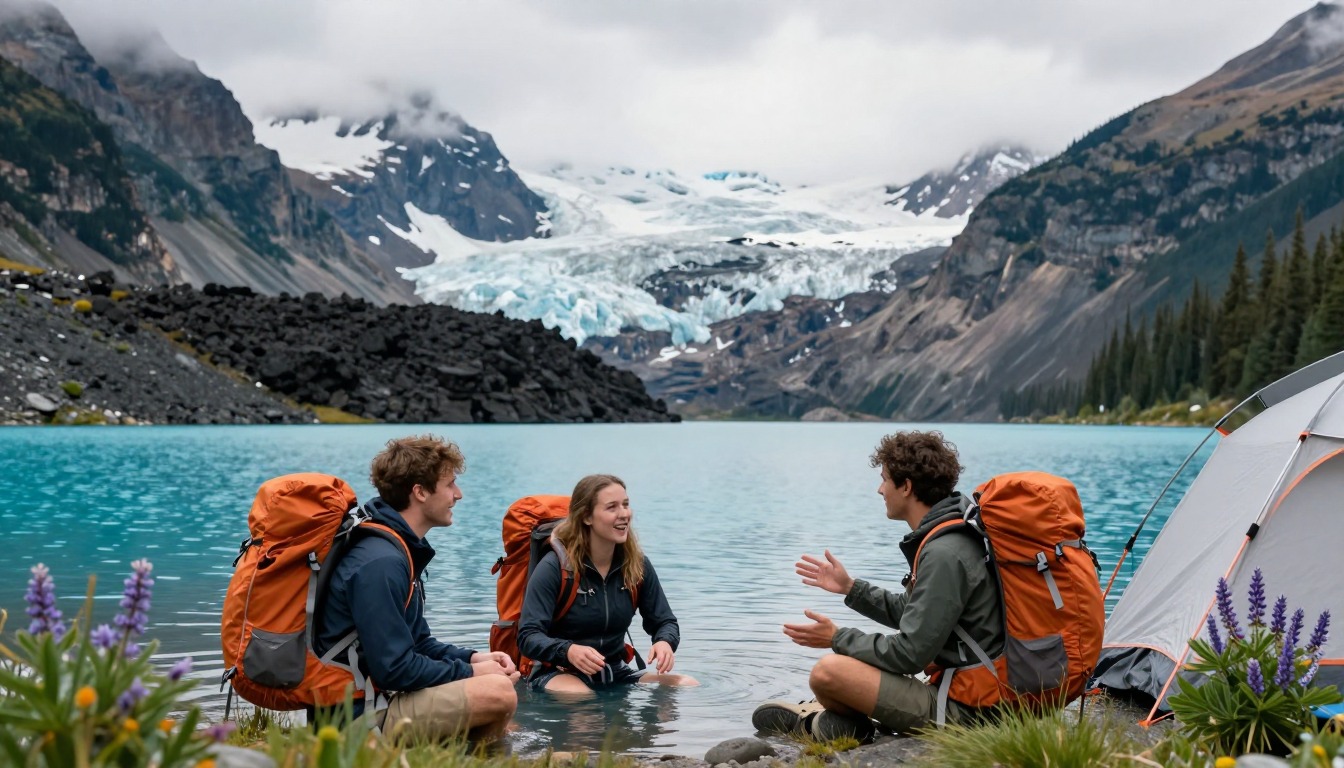
BC Parks' page states that passes are required at the Diamond Head and Rubble Creek trailheads on Fridays, weekends, Mondays and holidays through the summer season; at the time of checking, the page still listed the 2025 dates, so confirm the current season's window before you go.1 Overnight stays use designated backcountry sites booked through the park's reservation system.1
The rules also affect gear. Fires are prohibited in the park, so any hot food comes from a stove; check the official page for current stove rules and fire bans. Dogs and other pets are prohibited except those with identification from an accredited training school, and drones are banned.1 The park lists grizzly and black bears among its large mammals,1 and NPS guidance is that bears treat anything scented, including toiletries and trash, as food,3 so store it all together away from your tent.
Snow any month, cold water all year
The page lists July to October as the best season, and that is when the trail is usually snow-free. BC Parks adds that it can snow any time of year and that avalanche and glacier hazards exist year-round,1 so the season is a likelihood, not a guarantee. Pack a warm layer and a waterproof shell even in August.
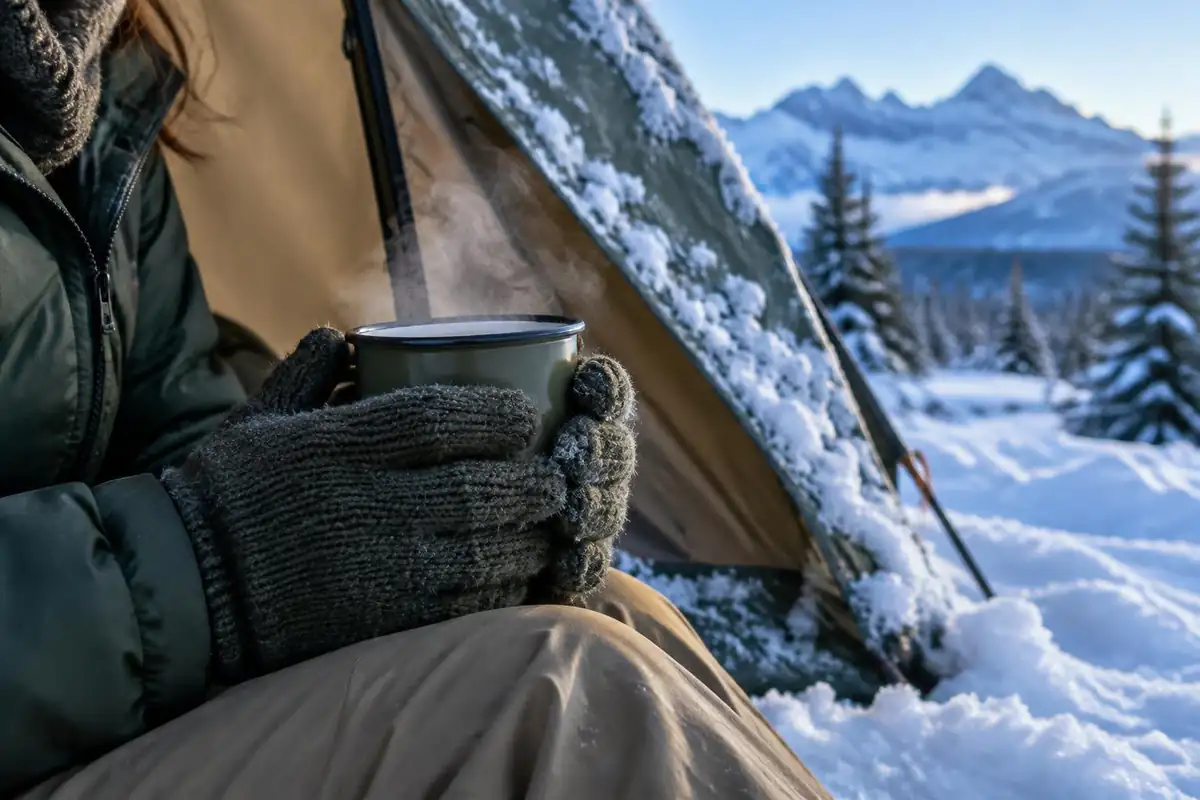
The glacier-fed lakes are extremely cold all year, according to BC Parks.1 NIOSH notes immersion hypothermia develops faster than ordinary hypothermia and can occur in any water below 70°F.4 Treat a swim as a short dip with a dry layer ready, not a long soak. The same lakes and streams are your water source; CDC says clear mountain water can still carry germs and should be treated.5
Day push or overnight: the time math and the loose rock
Naismith's rule allows an hour per three miles plus an hour per 2,000 ft of ascent.2 The page's round trip of about 18.6 miles and 4,990 ft works out to roughly 6.2 plus 2.5 hours, close to nine hours of moving time before breaks. That is why the page suggests either a dawn start or splitting the trip with a night at the lake or Taylor Meadows.
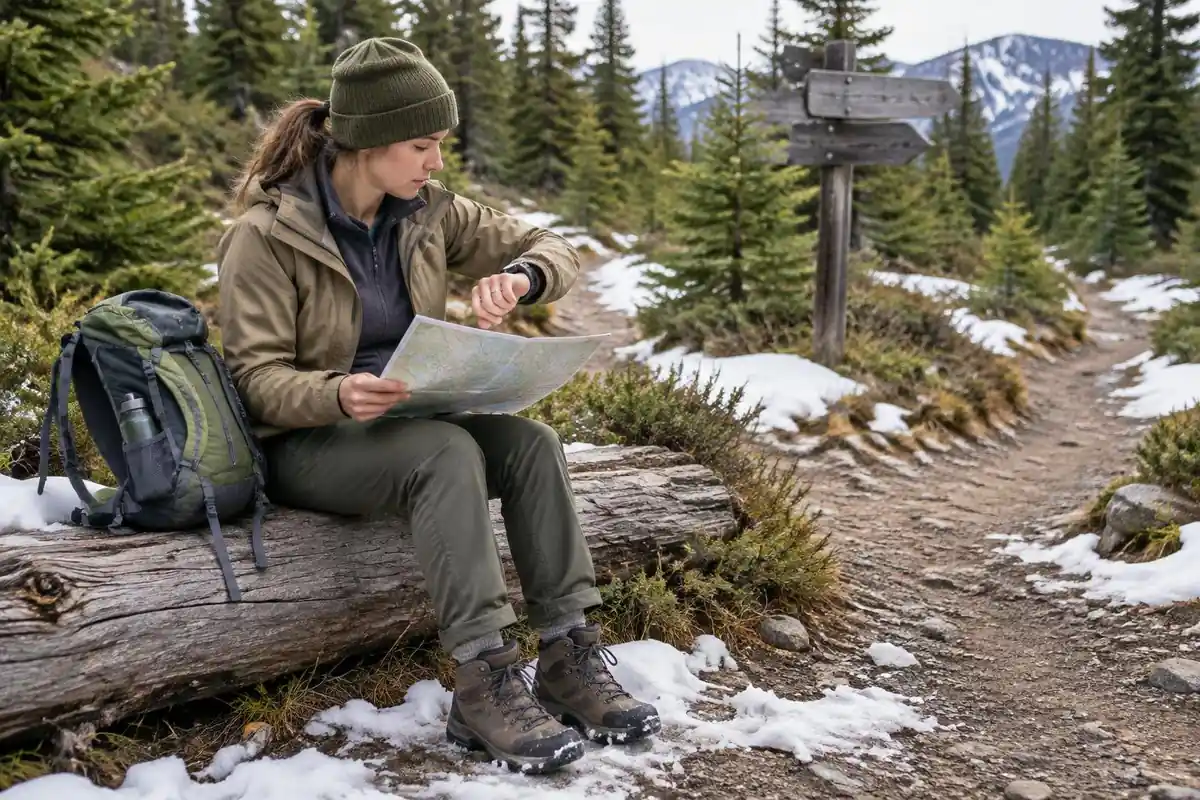
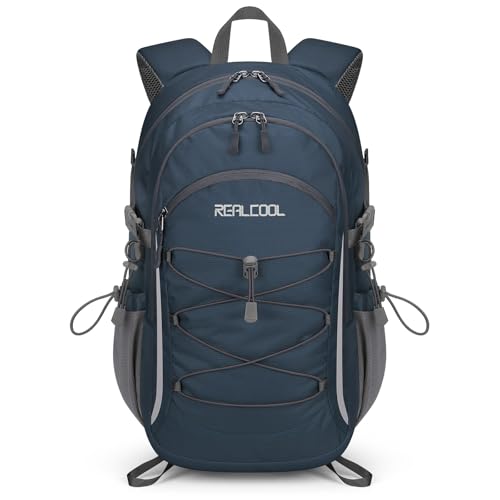
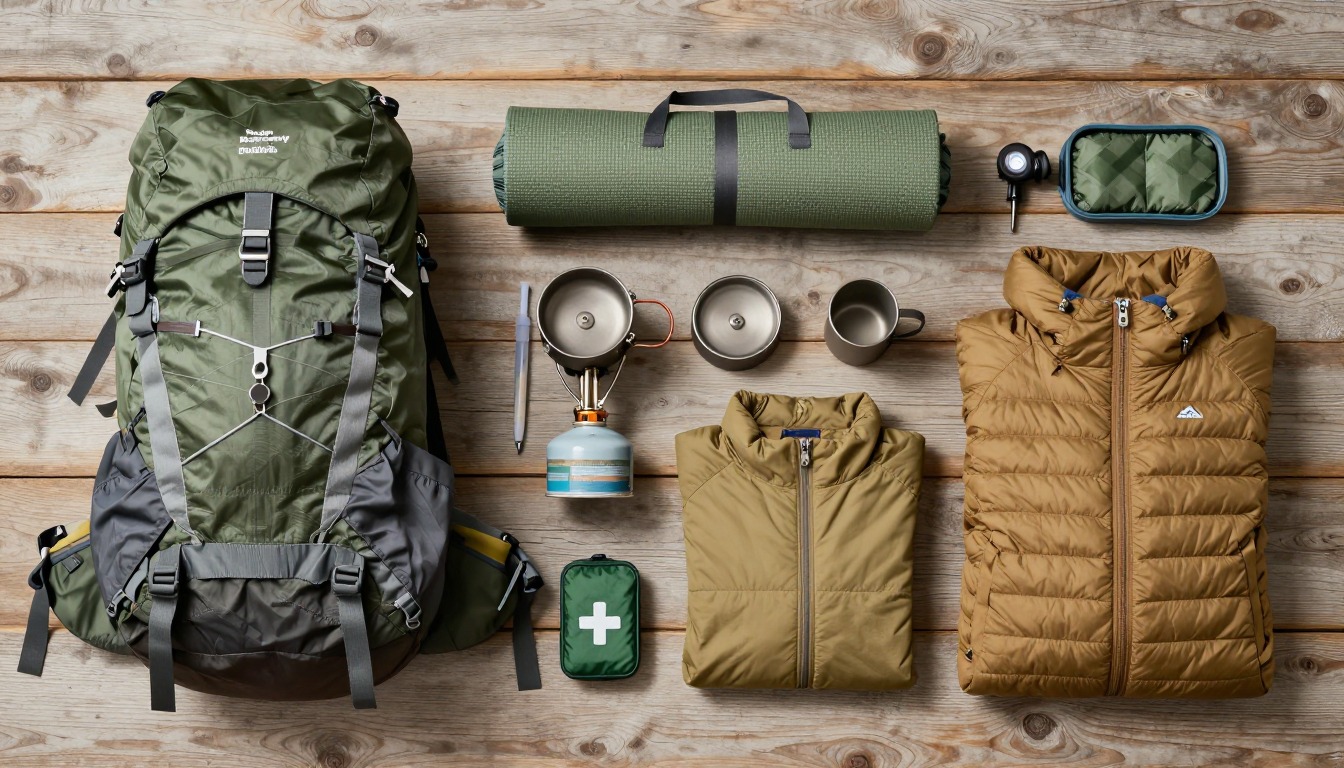
Splitting the trip changes the pack. An overnight means a 40 to 55 liter pack with shelter, sleeping gear and a stove, but it lets you walk up to the ridge the next morning with only a light daypack or a stripped-down main pack. The final push onto the ridge is steep, loose gravel, and BC Parks specifically says climbing nearby Black Tusk is not recommended because of loose, unstable rock.1 On that kind of ground, poles help most on the way down: a lab study found they cut knee forces by 12 to 25% on a steep descent.6
Common questions
Is Panorama Ridge doable as a day hike?
It is, and plenty of people do it, but it's a big day with a lot of climbing and a long return on tired legs. Fit hikers who start at first light manage it comfortably; anyone starting mid-morning tends to be descending the switchbacks in the dark. If in doubt, make the lake your goal and treat the ridge as a bonus.
Is this hike suitable for beginners?
Garibaldi Lake is beginner-friendly in terms of terrain — the trail is wide and well graded the whole way — but the sustained climbing makes it a demanding first big hike. Panorama Ridge is a different proposition and is better attempted once you know how your legs handle a long day with a steep finish.
Do I need trekking poles?
They're not essential but they earn their place, particularly on the descent of those endless switchbacks and on the loose gravel near the top of the ridge. If there's still snow on the upper slopes, poles become considerably more useful for balance and for testing what's underneath the surface.
Should I go via Taylor Meadows or straight to the lake?
Many hikers go up one arm and come back the other, which costs little extra and shows you both. The meadows route is the prettier walk in wildflower season; the direct arm gets you to the water faster. If you're heading for Panorama Ridge, the meadows side lines up naturally with the onward climb.
Complete gearsets for this trip
Full curated kits built for exactly this kind of hike.
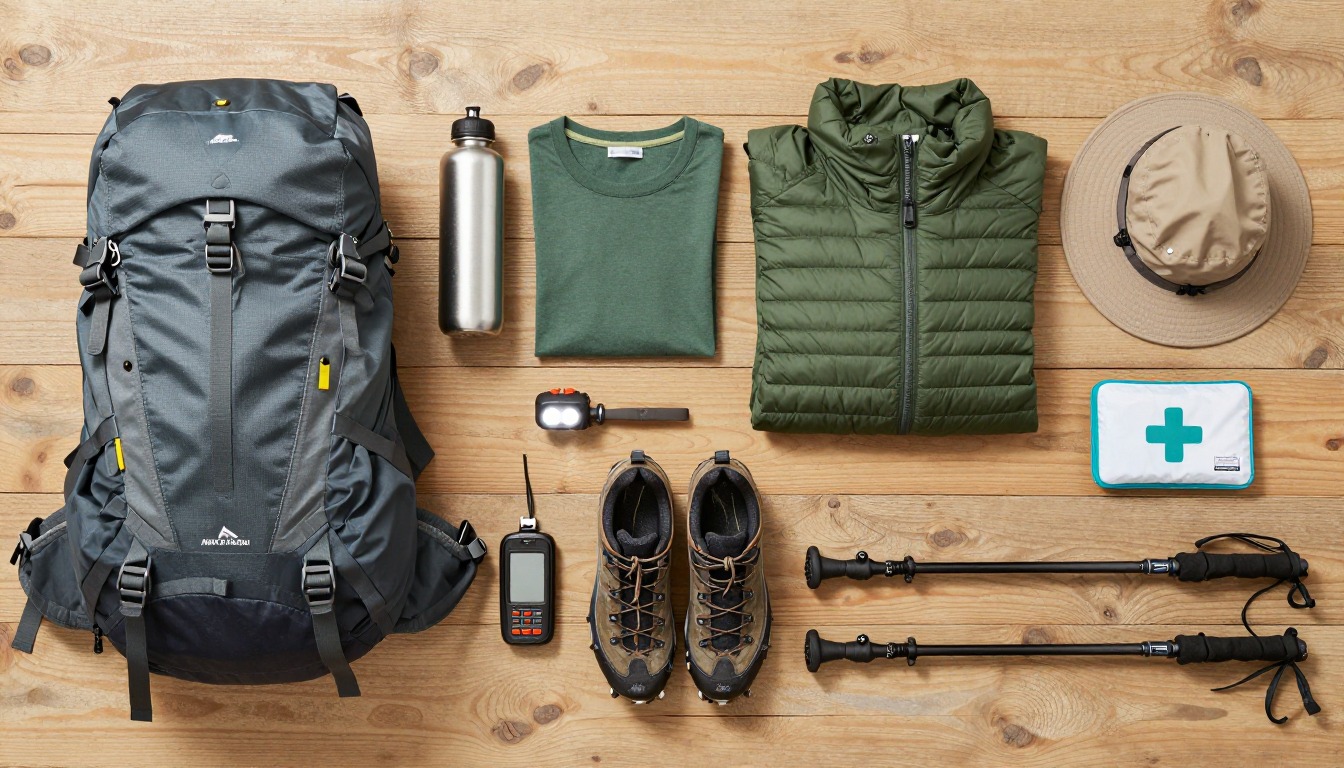
Trail conditions, permits and access rules change without notice — always confirm current information on the official source above before you go. Some facts on this page are still pending owner verification and are marked accordingly. Product links and the accommodation map are affiliate links: we may earn a commission at no extra cost to you; product prices and availability are shown on Amazon, and accommodation prices on the booking site. See our affiliate disclosure.