
Kilimanjaro vs Mount Kinabalu: Which Should You Hike?
Choose Kilimanjaro if you want a multi-day, high-altitude trek through several climate zones and can commit about a week; choose Mount Kinabalu if you want a compact, fixed two-day guided climb up a staircase-style trail to a granite summit. Both are strenuous, and both are guided.
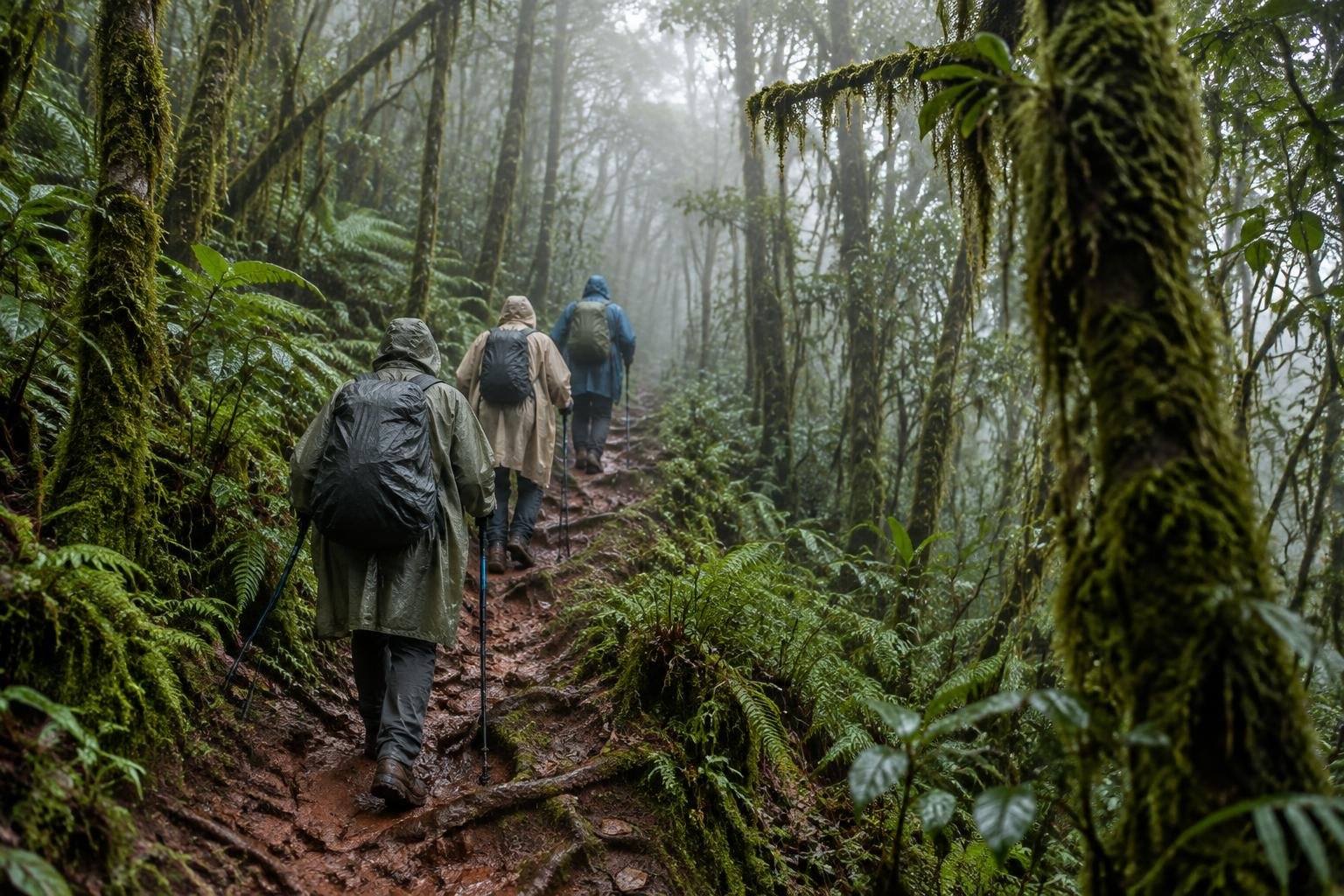
Kilimanjaro and Mount Kinabalu at a glance
Kilimanjaro, via the Machame Route, is a point-to-point trek in Tanzania that crosses rainforest, moorland and open plateau on the way to Uhuru Peak. Mount Kinabalu in Sabah, Malaysia, is an out-and-back climb to Low's Peak on a regulated two-day format. People weigh them because each is a famous, guided summit that doesn't require technical climbing skills.
| Kilimanjaro | Mount Kinabalu | |
|---|---|---|
| Place | Kilimanjaro · Tanzania | Borneo · Sabah, Malaysia |
| Distance | ~62 km / 37 mi total, Machame Gate to Mweka Gate (ascent and descent use different trail sections, so overall it is point-to-point), typically hiked over 6-7 days | ~8.72 km / 5.4 mi one-way from Timpohon Gate to Low's Peak summit (~17.4 km / 10.8 mi round trip) |
| Elevation gain | Net gain of ~4,095 m (13,435 ft) from Machame Gate (~1,800 m) to Uhuru Peak (5,895 m); cumulative trail ascent including undulations is commonly cited around 4,900-5,200 m (16,000-17,000 ft) by trekking operators. Max altitude 5,895 m (Uhuru Peak). | ~2,229 m (7,313 ft) gain from Timpohon Gate (1,866 m) to the Low's Peak summit (4,095 m) |
| Difficulty | Strenuous / high-altitude | Strenuous but non-technical; official Sabah Parks-mandated guided 2-day climb with a compulsory overnight stop |
| Route type | point-to-point | out-and-back |
| Official season | January–March and June–October | Drier months (roughly March–September) |
| Managed by | Tanzania National Parks (TANAPA) | Sabah Parks |
Effort and difficulty
Kilimanjaro is the bigger commitment: about 62 km (37 mi) over typically 6-7 days, with a net gain of roughly 4,095 m (13,435 ft) and a summit at 5,895 m. It's rated strenuous and high-altitude, and the main challenge is acclimatization. Mount Kinabalu covers about 17.4 km (10.8 mi) round trip with roughly 2,229 m (7,313 ft) of gain to 4,095 m. It's strenuous but non-technical, and its demands are concentrated in relentless steps, a pre-dawn summit push and a long descent.
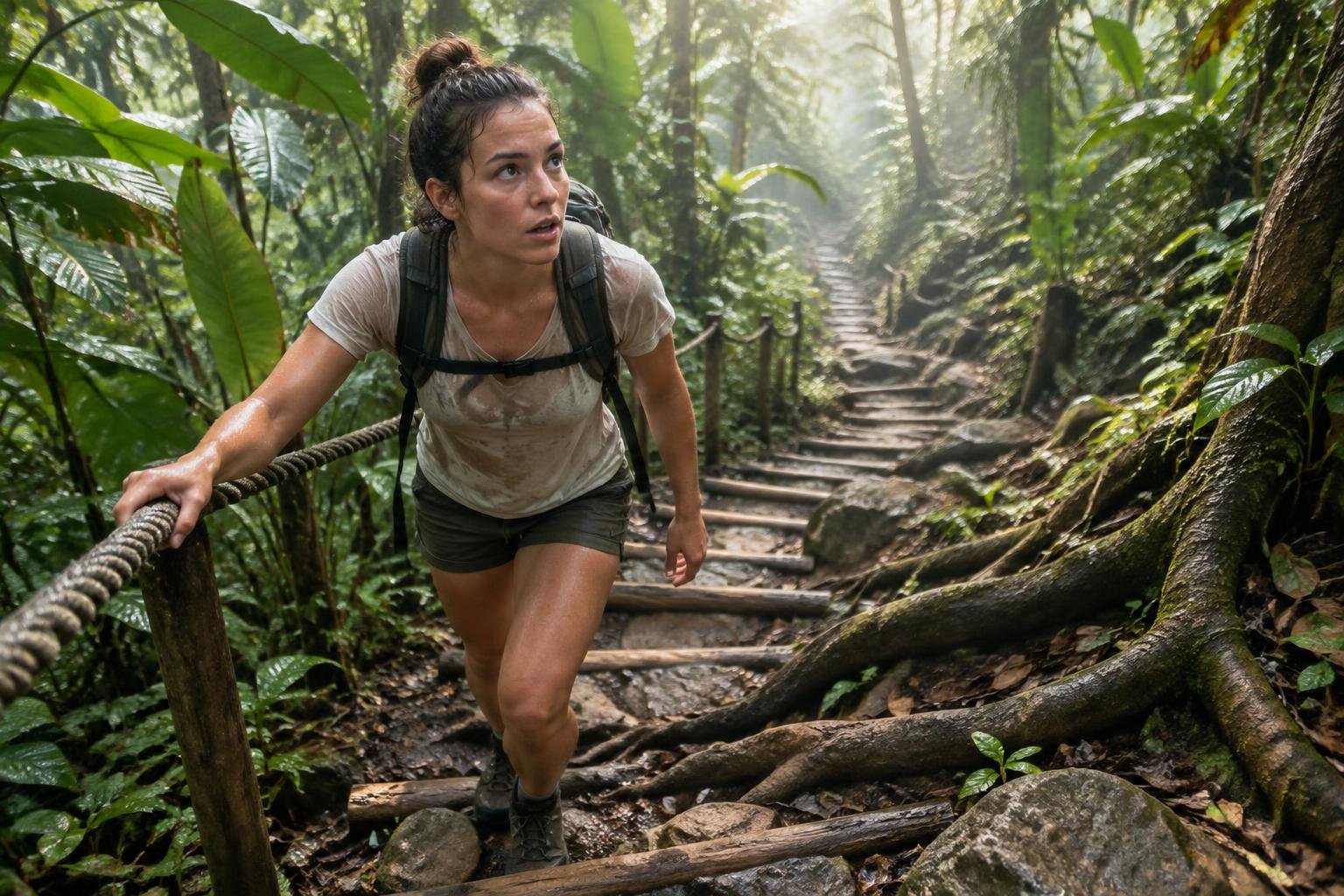
Season, permits and booking
Kilimanjaro's official best season is January–March and June–October, and the lower stages bring rain while higher camps are cold. Mount Kinabalu's drier months run roughly March–September, and the summit is cold and bare granite. Kilimanjaro climbs must be booked through a licensed operator with a guide and crew, with park fees built in. Kinabalu normally involves a permit, a guide and a mid-mountain overnight, and limited hostel beds mean booking far ahead. Confirm current rules with each managing authority.
Which one is right for you?
Choose Kilimanjaro if…
Pick Kilimanjaro if you have about a week, want a true trekking journey through changing landscapes, and are ready for high altitude. It suits hikers who value a longer itinerary with built-in acclimatization time and a crew that has camp standing when you arrive. Choosing a longer itinerary, with an extra night for adjusting to the altitude, is the most useful decision you can make here.
How to hike Kilimanjaro — Machame RouteChoose Mount Kinabalu if…
Pick Mount Kinabalu if you have limited time and want a defined, short objective with a clear structure: climb to the mid-mountain lodging, sleep, then summit around dawn. It suits hikers with strong legs and good stair-climbing stamina who are comfortable with fixed ropes on granite slabs. Plan for a demanding descent and consider adding a night near the park before and after.
How to hike Mount KinabaluWhat the two have in common
Both are strenuous, non-technical summit climbs that require a guide and advance booking through the official system. Both begin in rainforest and finish in cold, exposed, high-altitude terrain. Each is managed by a national or state park authority, and each rewards steady pacing, good preparation and flexibility around weather.
How your choice changes what you pack
Kilimanjaro's longer, multi-climate trek means carrying layers for rain low down and cold higher up, plus a pack sized for several days, though your crew handles camp logistics. Kinabalu's shorter format suits a lighter pack, but you still need warm, wind-resistant layers for the dark summit push, good footwear for steps and granite, and enough water for a long descent.
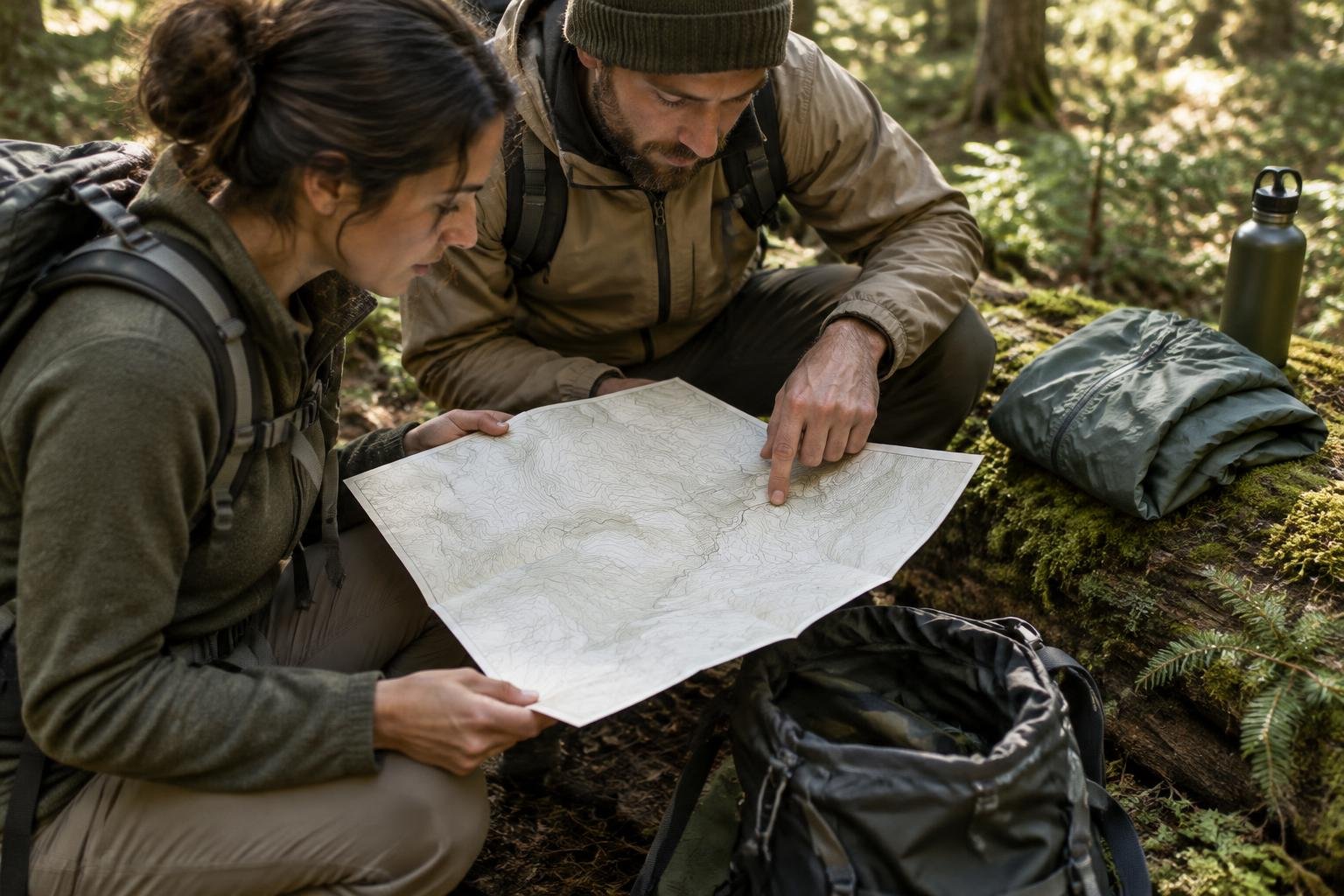
Common questions
Which is harder, Kilimanjaro or Mount Kinabalu?
Kilimanjaro is the greater overall challenge: it's longer, reaches 5,895 m and is rated strenuous and high-altitude. Kinabalu is also strenuous, with relentless steps and a long descent, but it's shorter and non-technical. Altitude and duration are the main differences.
Which is better for first-time high-altitude hikers?
Kinabalu's shorter two-day format is a more contained introduction, while Kilimanjaro's longer itineraries give more time to acclimatize. Both are strenuous and require a guide, so fitness matters either way. Check each authority's current guidance before deciding.
Do I need a guide for both climbs?
Yes. Kilimanjaro climbs must be booked through a licensed operator with a guide and crew. Kinabalu normally involves a permit, a mountain guide and a mid-mountain overnight. Confirm current rules with Tanzania National Parks and Sabah Parks.
When is the best time to climb each?
Kilimanjaro's official best season is January–March and June–October. Mount Kinabalu's drier months run roughly March–September. Both mountains can be wet and cold at times, so check current conditions and official guidance with the managing authorities before booking.
Sources
- Tanzania National Parks (TANAPA) — tanzaniaparks.go.tz (Kilimanjaro visitor guide): official information for Kilimanjaro.
- Sabah Parks — sabahparks.org.my: official information for Mount Kinabalu.
Conditions, permits and access rules change without notice — confirm current information with each managing authority before you go. See our editorial policy.