
Huayhuash Circuit vs Salkantay Trek: Which Should You Hike?
Choose the Huayhuash Circuit if you want a remote, high-altitude loop that stays high the whole way and you can commit to a long camping trip. Choose the Salkantay Trek if you want a shorter point-to-point route that drops from glaciers into cloud forest and ends near Machu Picchu.
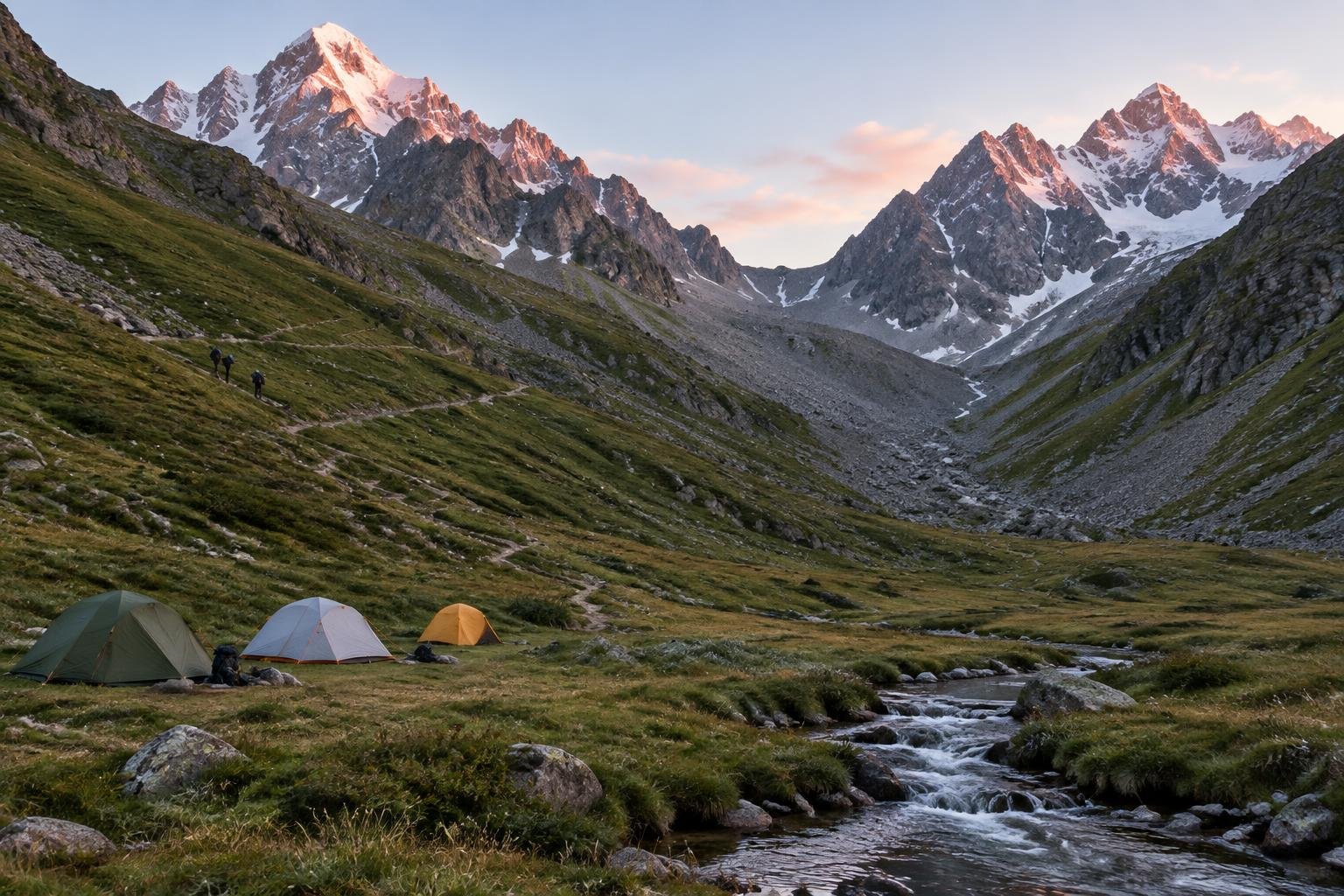
Huayhuash Circuit and Salkantay Trek at a glance
The Huayhuash Circuit is a loop through Peru's Cordillera Huayhuash, linking high valleys and passes beneath glaciated walls. The Salkantay Trek is a point-to-point route near Cusco that climbs to Salkantay Pass, then descends toward Aguas Calientes. Hikers weigh them because both are high Andean treks in Peru, both run in the dry season, and both reward strong, acclimatized walkers, but they offer very different trips.
| Huayhuash Circuit | Salkantay Trek | |
|---|---|---|
| Place | Andes · Peru | Andes · Cusco, Peru |
| Distance | ~120-130 km for the full circuit, typically walked over 8-14 days depending on the route variant taken | ~74 km (46 mi) total over ~5 days, point-to-point from Mollepata/Soraypampa to Aguas Calientes near Machu Picchu |
| Elevation gain | Cumulative gain estimates vary widely by itinerary/operator — roughly 5,350 m (17,545 ft) for a 10-day itinerary up to ~5,900 m (19,357 ft) for an 8-day one; average daily gain/loss exceeds 1,000 m. Crosses four passes above 4,270 m (14,000 ft), three of them above 4,570 m (15,000 ft); max altitude close to 5,000 m at the highest passes. | Cumulative gain of roughly 3,660 m (12,030 ft) across the trek; max altitude ~4,600 m (15,090 ft) at the Salkantay Pass |
| Difficulty | Very strenuous / high-altitude | Strenuous / high-altitude |
| Route type | loop | point-to-point |
| Official season | May to September (dry season) | May to September (dry season) |
| Managed by | Local communities | Regional authorities |
Effort and difficulty
The Huayhuash is the bigger commitment. The full circuit covers roughly 120-130 km, usually over 8-14 days, with cumulative gain estimated from about 5,350 m (17,545 ft) up to ~5,900 m (19,357 ft) depending on the itinerary. It crosses four passes above 4,270 m (14,000 ft), and the route rarely drops to low ground. The Salkantay is about 74 km (46 mi) over roughly 5 days, with about 3,660 m (12,030 ft) of gain and a high point near 4,600 m (15,090 ft). Its difficulty is listed as strenuous, while the Huayhuash is listed as very strenuous.
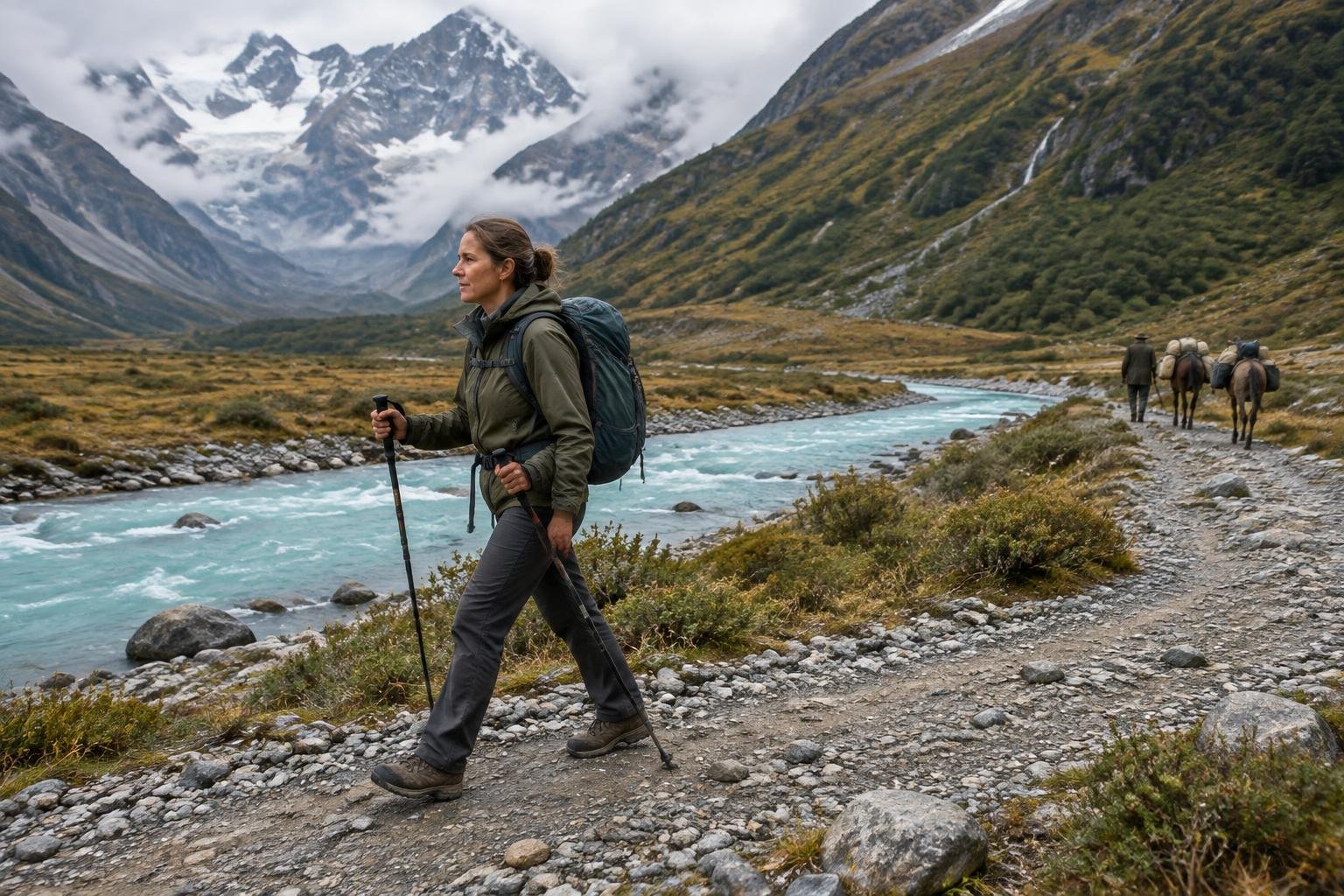
Season, permits and booking
Both treks list May to September, the dry season, as the best window. Rules differ. On the Huayhuash, entry and camping fees are collected by the local communities along the route, so confirm current fees and rules locally or with an operator. For the Salkantay, you do not need the limited Inca Trail permit, but you do need a timed Machu Picchu entry ticket booked ahead. Always confirm current requirements with each managing authority.
Which one is right for you?
Choose Huayhuash Circuit if…
Pick the Huayhuash if you are an experienced, well-acclimatized hiker who wants sustained high country and has the time for a long camping circuit. It suits people comfortable with remote conditions, cold, and a rhythm of one pass after another, usually with arrieros and pack animals carrying the heavy gear. Plan to acclimatize thoroughly in Huaraz before you start.
How to hike Cordillera Huayhuash CircuitChoose Salkantay Trek if…
Pick the Salkantay if you have about five days and want variety underfoot, from stony valley track and a high pass to cloud forest and warmer valley tracks. It suits fit hikers who like a structured, mostly guided trip with a clear finish near Machu Picchu. Acclimatize in Cusco first, and book your timed Machu Picchu entry well ahead.
How to hike Salkantay TrekWhat the two have in common
Both are high-altitude Andean treks in Peru, both are rated strenuous or harder, and both are best in the May to September dry season. Each is built around crossing big passes beneath glaciated peaks, and each is commonly walked with an operator. Neither is a casual outing, and both depend on proper acclimatization before you start.
How your choice changes what you pack
The choice changes what you carry. The Huayhuash is a self-sufficient camping circuit, so expect cold-weather layers, a full camping setup and a plan for food and water across a longer stretch. The Salkantay is shorter, so you need less food and fewer days of kit, but it spans cold high ground and humid, warm lowlands. That means a wider range of layers, including rain protection for the forest sections.
Common questions
Which is harder, the Huayhuash Circuit or the Salkantay Trek?
The Huayhuash is listed as very strenuous and high-altitude, while the Salkantay is listed as strenuous and high-altitude. The Huayhuash is longer, has more cumulative climbing, and stays high throughout, so it is the tougher commitment overall.
Which is better for a first multi-day high-altitude trek?
The Salkantay is generally the more approachable of the two. It is shorter, has a staged itinerary with an easier first day, and descends to warmer country. It is still strenuous, so acclimatize in Cusco first and consider a guided operator.
Do both treks need permits or fees?
Their rules differ. The Huayhuash charges entry and camping fees collected by local communities along the route. The Salkantay does not need the limited Inca Trail permit but does need a timed Machu Picchu ticket. Confirm current details with each managing authority.
Can I hike both in the same season?
Both list May to September as the best season, so the same window works for either. Because each is demanding and needs its own acclimatization, give yourself plenty of recovery time between them. Check current conditions and rules before you plan.
Sources
- Local communities — gob.pe/sernanp (SERNANP, Peru protected areas agency): official information for Huayhuash Circuit.
- Regional authorities — machupicchu.gob.pe (official Machu Picchu site, Peru Ministry of Culture): official information for Salkantay Trek.
Conditions, permits and access rules change without notice — confirm current information with each managing authority before you go. See our editorial policy.