
Best Time to Hike Table Mountain & Lion’s Head
The best time to hike Table Mountain and Lion's Head is spring to autumn, according to SANParks guidance. Summer brings strong wind, so the shoulder months often suit best. Modelled data shows the driest stretch from December to April, while June is typically the wettest month.
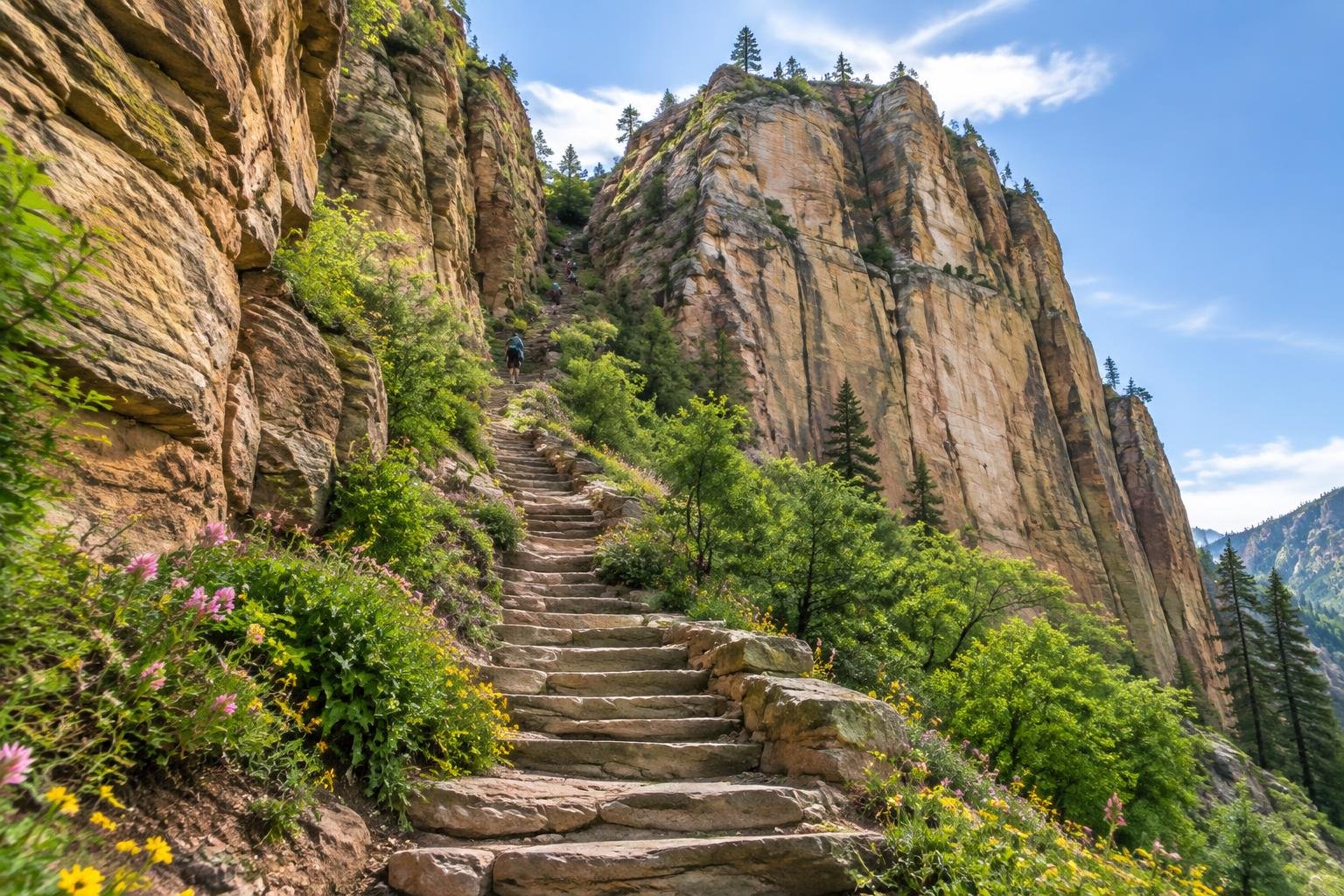
Month-by-month climate for Table Mountain & Lion’s Head
| Month | Relative warmth | Rain | Daylight |
|---|---|---|---|
| Jan | Warmest | 13 mm | 14 h |
| Feb | Warmest | 9 mm | 13.2 h |
| Mar | Warmest | 26 mm | 12.3 h |
| Apr | Warm | 31 mm | 11.1 h |
| May | Cool | 64 mm | 10.2 h |
| Jun | Coldest | 127 mm | 9.8 h |
| Jul | Coldest | 85 mm | 9.9 h |
| Aug | Coldest | 80 mm | 10.7 h |
| Sep | Cool | 46 mm | 11.8 h |
| Oct | Mild | 29 mm | 12.9 h |
| Nov | Mild | 25 mm | 13.8 h |
| Dec | Warmest | 13 mm | 14.3 h |
Modelled regional averages for 2010–2023 (rainfall) and calculated daylight hours; they describe the wider area, not a reading taken on the trail. “Relative warmth” compares each month with the warmest and coldest months of this place’s own year. It is not a temperature, and the high parts of a route are colder than the region around them.
The monthly numbers show a clear wet and dry split. June is typically the wettest month at about 127 mm, with July at 85 mm and August at 80 mm. February is the driest at roughly 9 mm, followed by January and December at about 13 mm each. Daylight swings from around 14.3 hours in December to roughly 9.8 hours in June. Relative to this place's own year, December through March are the warmest months and June through August the coldest. These are modelled regional averages, not measurements taken on the mountain itself.
Table Mountain & Lion’s Head season by season
Late spring · September to November
Spring is the season the official guidance recommends, and the numbers back it up. Rainfall falls from about 46 mm in September to 29 mm in October and 25 mm in November, while daylight grows from roughly 11.8 to 13.8 hours. Warmth moves from cool to mild relative to this place's year. That mix of longer days, drier conditions and gentler warmth makes these months a sound choice for either route, though the weather on the mountain can still change quickly.
Summer · December to February
Summer has the longest daylight, up to about 14.3 hours in December, and the lowest modelled rainfall, with February at roughly 9 mm. It is also the warmest part of this place's year. The official guidance notes that summer brings strong wind, so the dry numbers do not mean easy conditions on exposed sections. Starting early gives you more daylight margin, and checking the forecast and cableway status matters even in the driest months.
Autumn · March to May
Autumn is the other half of the recommended spring-to-autumn window. March is still among the warmest months at about 26 mm of rain, April eases to a warm 31 mm, and May turns cool as rain climbs to roughly 64 mm. Daylight shortens from about 12.3 hours in March to 10.2 in May, so planning your start and finish times matters more as the season advances. Early autumn is generally the more settled end of this window.
Winter · June to August
Winter sits outside the recommended window. June to August are the coldest months of this place's year, and modelled rainfall peaks at about 127 mm in June, with 85 mm in July and 80 mm in August. Daylight is at its shortest, around 9.8 to 10.7 hours. Wet, cold conditions and fewer daylight hours leave less margin on the mountain, so most hikers do better to choose another season. If you do go, check the forecast carefully and confirm conditions with SANParks.
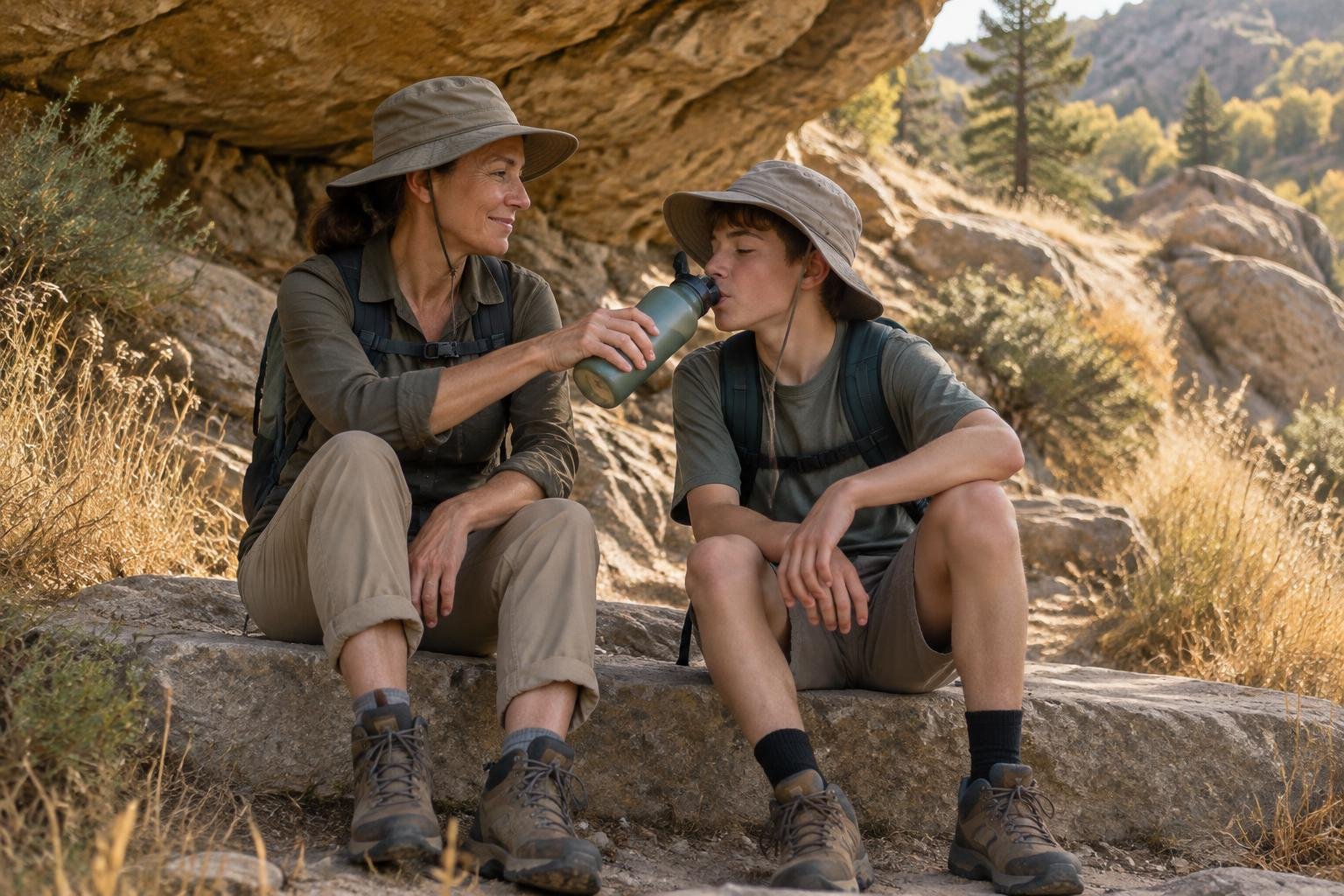
Official season guidance
SANParks: Spring to autumn; summer brings strong wind
No permit is needed for the day hikes. Table Mountain’s weather flips fast — the “tablecloth” cloud can roll in with wind and cold within minutes — so check the cableway status and forecast, start early, and don’t hike alone on quiet routes.
Check current dates on sanparks.orgWhat to pack for the season
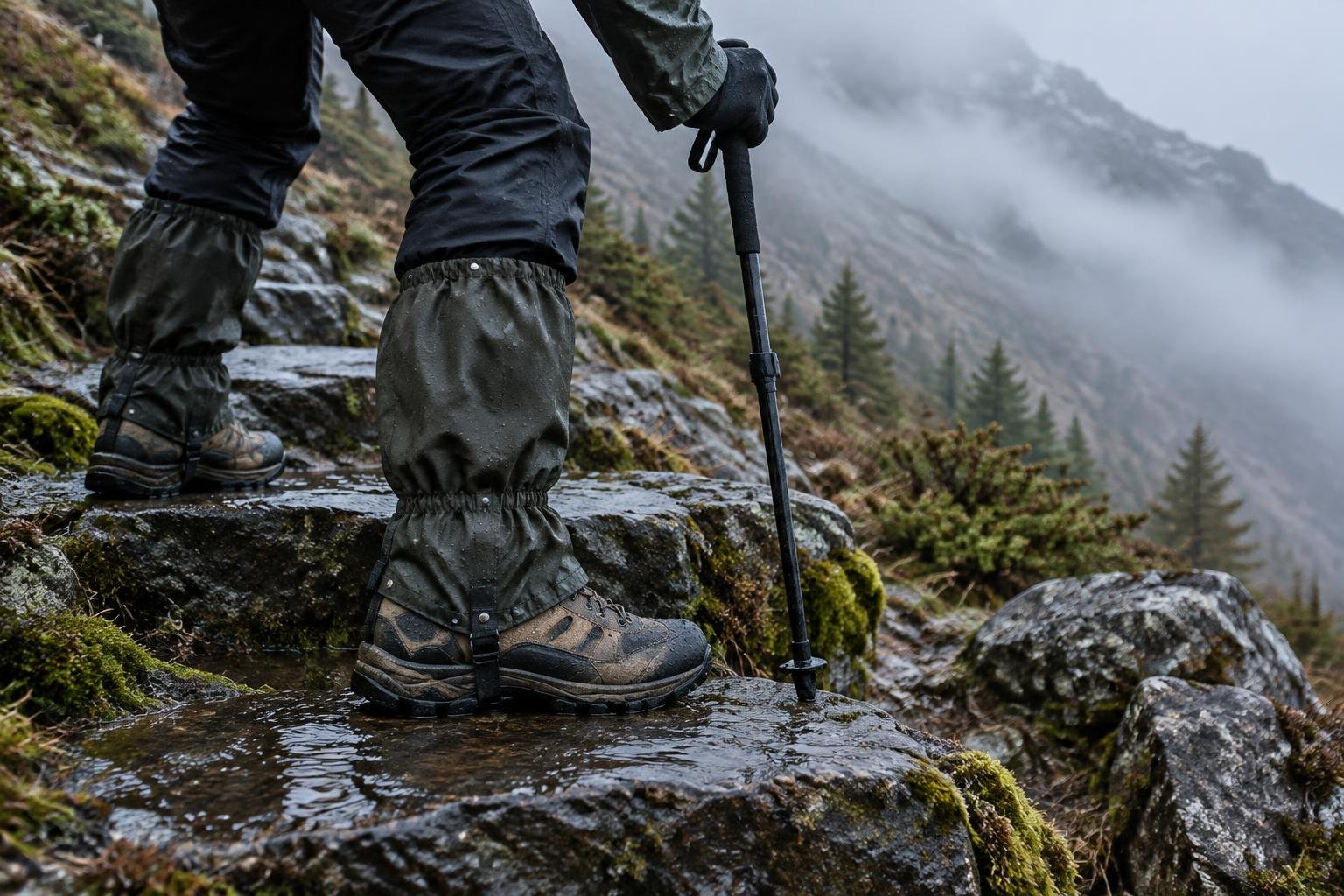
Packing should follow the season and the speed of the weather. Bring layers you can add or shed quickly, a wind-resistant shell, and rain cover for the wetter months. Sun protection and plenty of water matter in the warmer months. Carry a headlamp when daylight is short, and pack for colder, windier conditions at the top than at the start.
For layering, rain cover and weather planning, see hiking in rain, heat and cold.
Timing mistakes to avoid
The biggest timing mistake is judging the day by the weather at the bottom. The permits and rules guidance warns that the tablecloth cloud can roll in with wind and cold within minutes, so a clear start does not guarantee a clear summit. Another error is assuming the dry summer months mean calm conditions, when the official season guidance flags strong wind. Leaving late, especially when daylight is short, cuts your margin. Skipping the forecast and cableway status check is also common. Start early and avoid quiet routes alone.
Common questions
What is the best season to hike Table Mountain?
SANParks guidance points to spring through autumn. Within that window, the numbers suggest September to November and March to April combine moderate warmth, lower rainfall and reasonable daylight. Summer is also dry but brings strong wind, so choose based on your tolerance for exposure.
Which months are wettest for these hikes?
Modelled regional averages put June as the wettest month at about 127 mm, followed by July at 85 mm and August at 80 mm. These are typical figures for the area, not trail measurements, so actual conditions on any given day can differ noticeably.
Is summer a good time to hike Table Mountain and Lion's Head?
Summer offers the longest daylight, up to about 14.3 hours in December, and very low modelled rainfall. However, official guidance notes that summer brings strong wind. Check the forecast and cableway status, start early, and confirm current conditions with SANParks before heading out.
How much daylight can I expect through the year?
Calculated daylight ranges from about 14.3 hours in December to roughly 9.8 hours in June. Spring and autumn fall in between, around 10 to 14 hours. Shorter winter days leave less margin, so plan your start and finish times to match the season.
Sources
- SANParks — sanparks.org: official season and permit guidance.
- NASA POWER (Prediction Of Worldwide Energy Resources): monthly temperature and rainfall averages, 2010–2023, from MERRA-2 reanalysis. Daylight hours are calculated from latitude.
Conditions, closures and permit rules change without notice — confirm current information with the managing authority before you go. See our editorial policy and affiliate disclosure.