

Affiliate disclosure: this page contains affiliate links. Purchases made through them may earn us a commission at no extra cost to you. See our affiliate disclosure.
In plain English
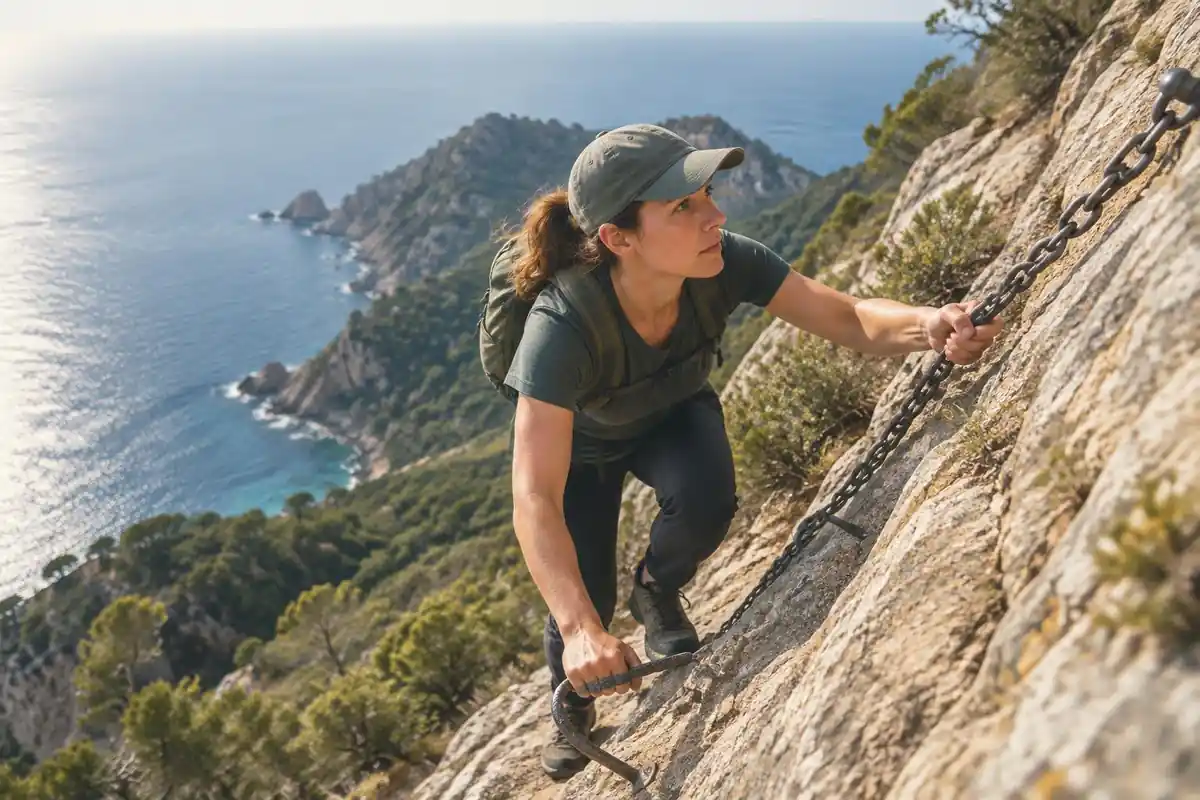
Table Mountain and Lion's Head are close to a big city, but they are real mountain hikes. Platteklip Gorge is a steep staircase of stones with very little shade. Lion's Head winds around the peak and ends with a short section using chains and metal steps, though there is a marked path that avoids it.
The main risks are simple. Heat on the exposed gorge, running out of water, and setting off in the dark or late in the day without a light. Weather on the top can also change quickly.
You do not need a big pack, just a small daypack with more water than you think you will drink, a hat, sun protection, a warm layer and a headlamp if you plan to start before sunrise. Tell someone your plan and go with a friend if you can.
What the hike is like
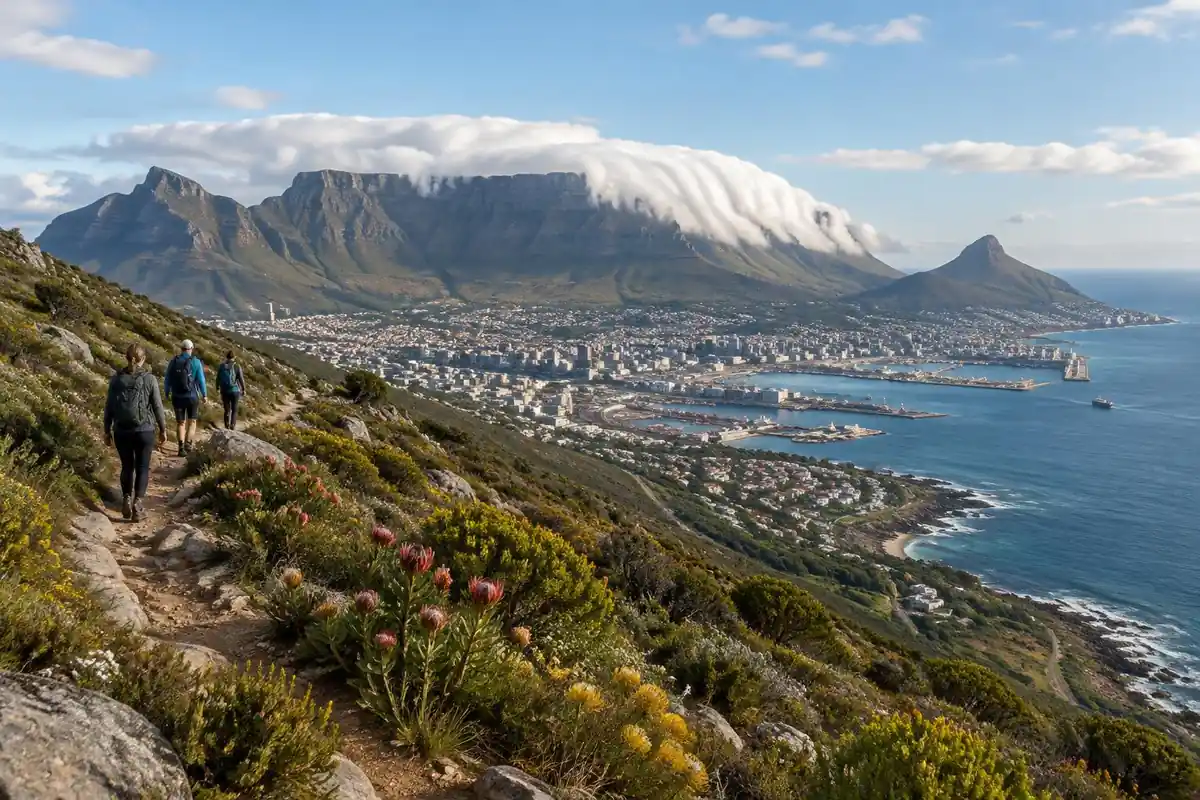
These two hikes feel nothing alike. Platteklip Gorge is a blunt instrument — a stone staircase zigzagging straight up a cleft in the mountain's face, step after built step with almost no flat ground and very little shade once the sun is on it. There's no route-finding involved and nothing technical; it's simply relentless, and the gorge traps heat. At the top it spits you onto the flat summit plateau for an easy walk across to the upper cableway station. Lion's Head is the opposite in character: a spiraling path that winds around the peak, gaining height gradually with the view rotating as you go, before a final section where chains and metal staples turn it briefly hands-on. A signposted bypass route avoids that scrambly part entirely.
How to plan the itinerary
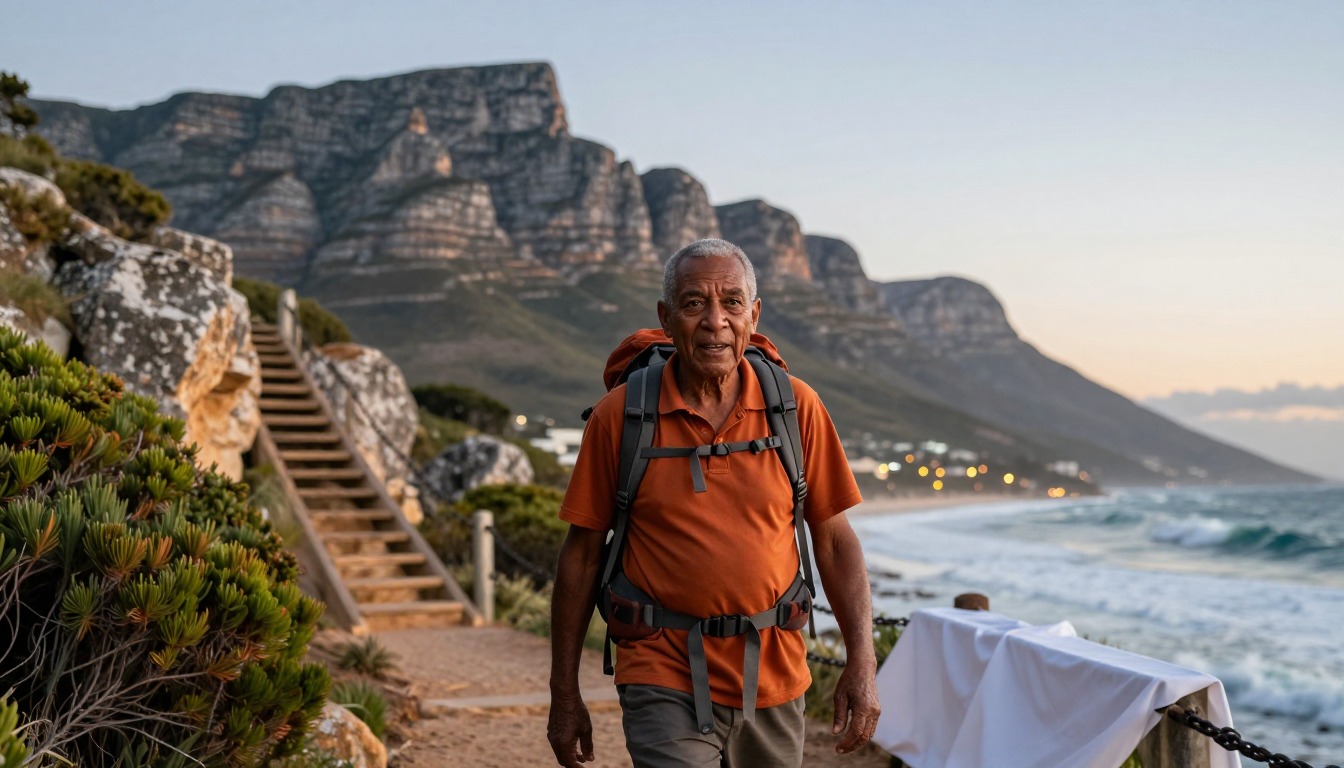
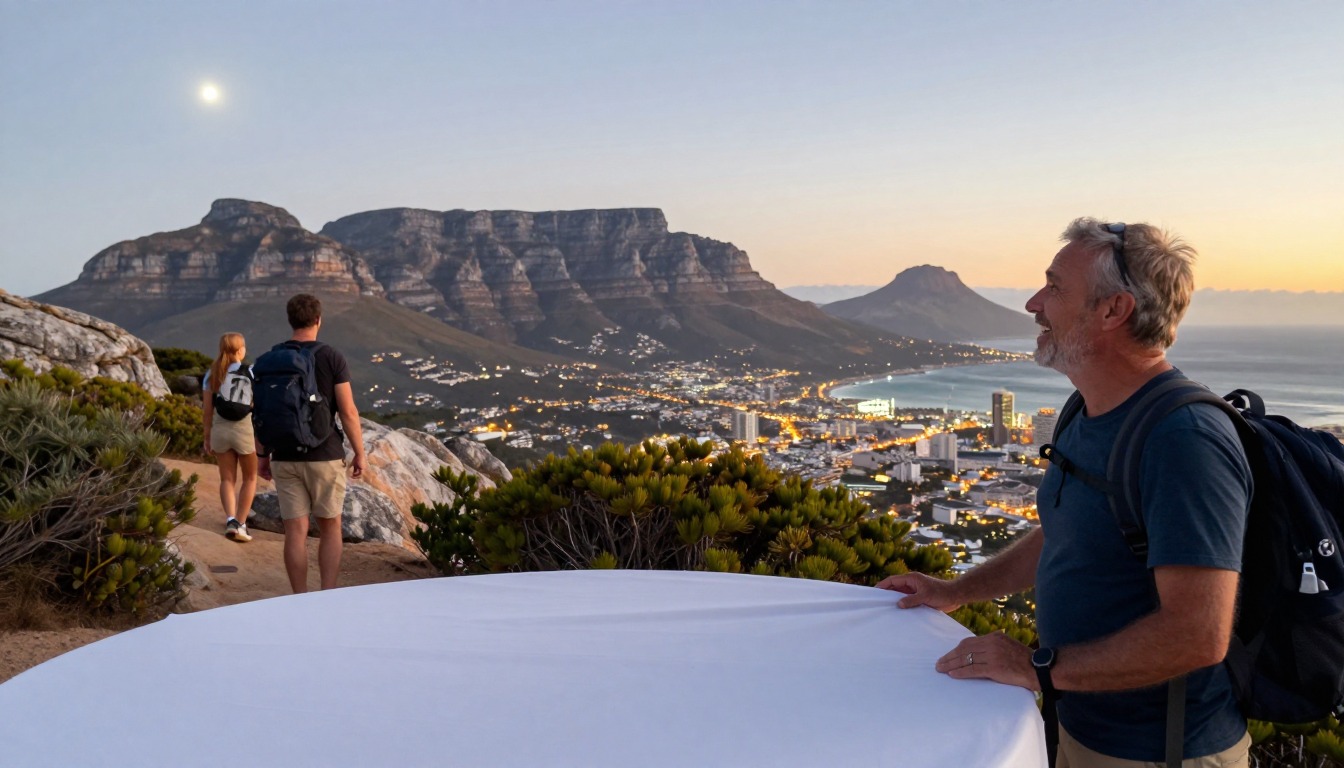
Both are half-day outings rather than expeditions, and most visitors fit them into an ordinary city stay. Platteklip is best done early, before the gorge bakes; a common pattern is to climb it in the morning and ride the cableway down to spare your knees, or ride up and walk down if you'd rather descend than climb. Lion's Head is traditionally walked before dawn for sunrise or in the evening around a full moon, which makes headlamps and an early alarm part of the plan. Plenty of people do both in a single trip on separate days, and some do them on the same day — Lion's Head at sunrise, Platteklip later — though the combination makes for a long day in the sun.
Plan this trip in 5 steps
-
Pick the right pack
Match a pack to your trip, fit and priorities.
-
Book a place to stay
Campgrounds, huts and lodges near Table Mountain & Lion’s Head.
-
Plan food & water
Calories, food weight and water for your days on trail.
Trail-specific tips
Carry more water than seems necessary for a short hike, especially on Platteklip, where there's no shade and no water on the route. Check the cableway's operating status before counting on it for your descent — wind closes it regularly and leaves people walking down on tired legs. Start Platteklip early or late, never in the middle of the day. Sunrise on Lion's Head means descending in daylight, so pace it accordingly. Local advice is to hike with company rather than alone; general safety guidance is on /trail-smarts/.
Permits & rules
No permit is needed for the day hikes. Table Mountain’s weather flips fast — the “tablecloth” cloud can roll in with wind and cold within minutes — so check the cableway status and forecast, start early, and don’t hike alone on quiet routes.
Gear suited to this hike
Matched to the terrain and conditions here. Real products — check current price on Amazon.


Heat on a shadeless staircase
The page says Platteklip is best done early because the gorge bakes. National Park Service guidance from Grand Canyon National Park explains the reasoning: most heat-illness rescues involve people hiking between 10 a.m. and 4 p.m., and hikers in heat can lose one to two quarts of water an hour.1 It also says to eat salty snacks to balance water intake, because hyponatremia, or low blood sodium, comes from drinking too much water and losing too much salt.1 The CDC likewise suggests doing outdoor activities during the coolest parts of the day when heat risk is high.3
Know the signs. The National Weather Service lists heavy sweating, weakness, cool pale clammy skin, dizziness, nausea and headache for heat exhaustion, and says heat stroke, with confusion and hot skin, is a severe emergency needing an ambulance or hospital.4 A short hike can still produce these on a hot day, so treat the climb seriously.
Sun, wind and the top of the mountain
A flat summit plateau is exposed. The EPA says UV intensity increases about 6 percent per kilometer above sea level, and that broken clouds can transmit about 73 percent of UV.5 Sunscreen of SPF 30 or higher applied 20 minutes before going out and reapplied every two hours is the EPA's advice.6
The page says high wind closes the cableway at short notice and that walking back down the same gorge would then be the only way off. Treat that as plausible but check the cableway status yourself, and carry enough water and energy for the walk down whether or not you plan to ride. The National Park Service advises setting a turnaround time you stick to, which is also a good way to limit how late in the day you end up on the steps.7
Sunrise starts, headlamps and going with company
Lion's Head is often walked before dawn or by moonlight. The Park Service names headlamps as the recommended light source because they are hands-free, and that matters on a section with chains and staples.2 It also says it is safer to hike with a companion, that solo hikers should take extra precautions, and that you should leave a trip plan with someone who is not on the trip.7
Check the park's current notices on the day, particularly for fire and weather closures, before you commit to a dawn start.
Common questions
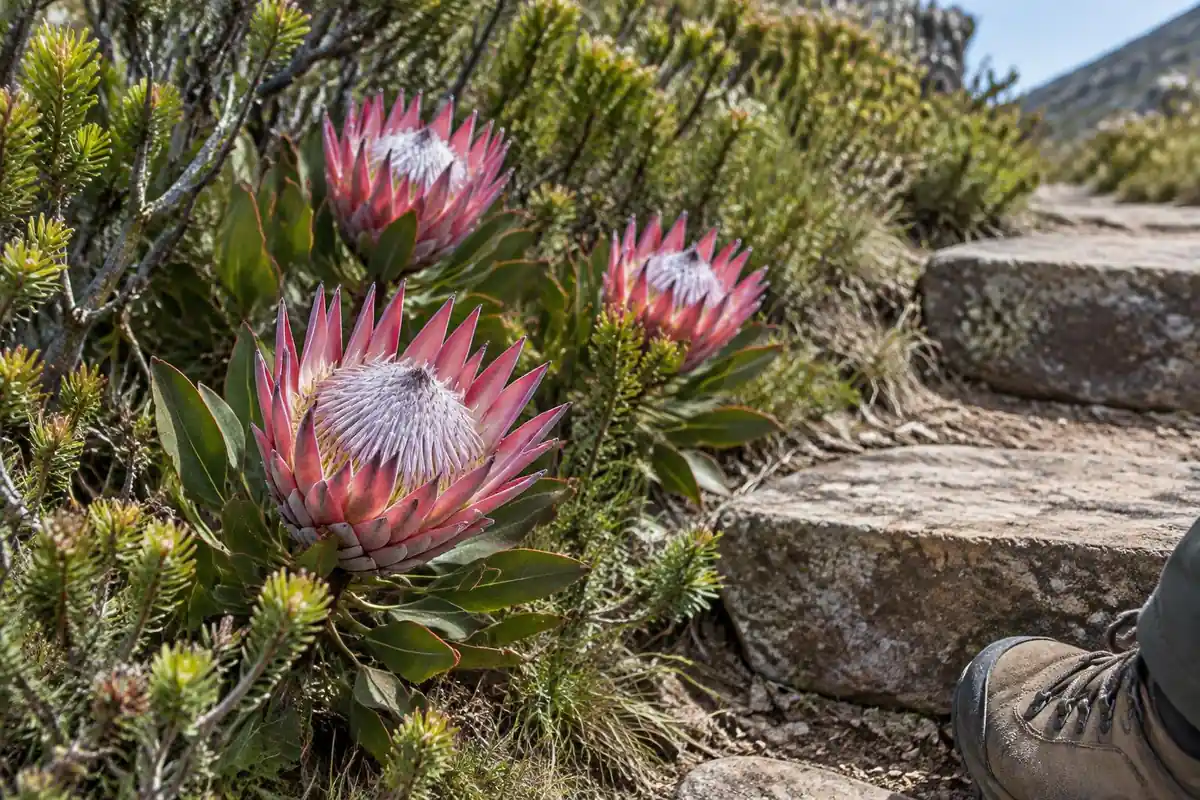
Which is harder, Platteklip Gorge or Lion's Head?
Platteklip, by a clear margin. It's a sustained, steep staircase with no easing off and little shade, and it's the one that catches out visitors who assumed a city hike would be gentle. Lion's Head climbs less and does it more gradually, with the scrambly chain section near the top being its only real difficulty.
Do I have to use the chains on Lion's Head?
No. There's a marked bypass route that skirts the chain-and-staple section and rejoins the main path higher up, adding a little distance but removing the hands-on climbing. Plenty of hikers take it, particularly in the dark on sunrise or full-moon walks, or when the rock is wet.
What is the tablecloth and does it affect the hike?
It's the cloud layer that forms over Table Mountain in a southeasterly wind, and yes — it can drop visibility and temperature on the summit plateau within minutes. It's a good reason to carry a layer even on a warm day, and to check conditions before setting off rather than relying on how it looks from town.
Can I hike up and take the cableway down?
Many people do exactly that on Platteklip, and it's a popular way to save your knees on the descent. Just confirm the cableway is running before you commit — high wind closes it at short notice, and if it's shut your only way off the mountain is walking back down the same steep gorge.
Complete gearsets for this trip
Full curated kits built for exactly this kind of hike.
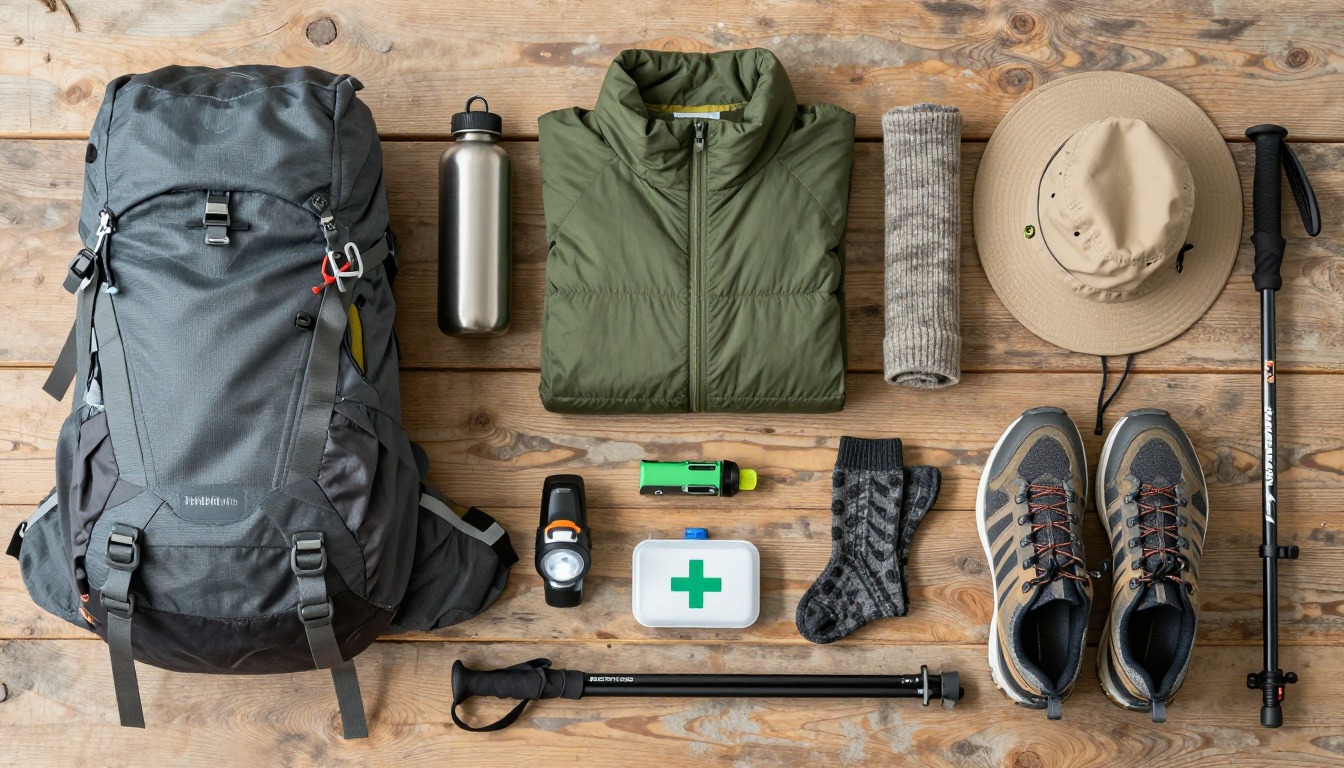
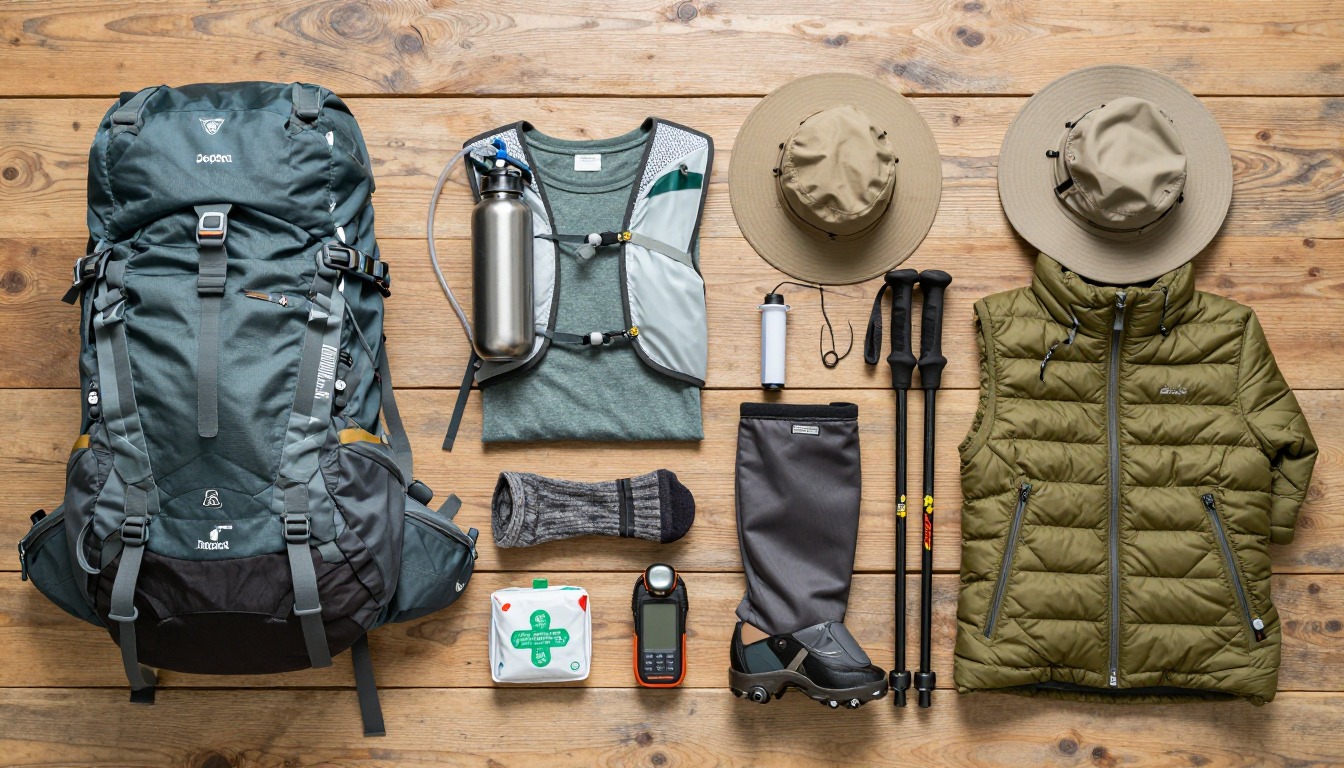
Trail conditions, permits and access rules change without notice — always confirm current information on the official source above before you go. Some facts on this page are still pending owner verification and are marked accordingly. Product links and the accommodation map are affiliate links: we may earn a commission at no extra cost to you; product prices and availability are shown on Amazon, and accommodation prices on the booking site. See our affiliate disclosure.