
Affiliate disclosure: this page contains affiliate links. Purchases made through them may earn us a commission at no extra cost to you. See our affiliate disclosure.
In plain English
Unlike a remote trail, Table Mountain and Lion's Head start inside a big city. You do not need a hut, a campsite or a permit line. You pick a hotel or guesthouse in a neighborhood you like and travel to the trailhead by taxi, rideshare or on foot.
That makes the hike feel easy to plan, and that is the trap. Cities feel safe, but the mountain is still a mountain. Weather can change quickly, and the summit is exposed. It is a good idea to treat a short city hike with the same basic preparation as any other: water, a light layer, sun protection and a plan for turning back.
The other choice is when to go. Many people start early for sunrise or hike at night with the full moon. In both cases you need a light on your head, because it keeps both hands free for steps and rocks. Choose lodging near the trailhead if you want a short trip to a very early start.
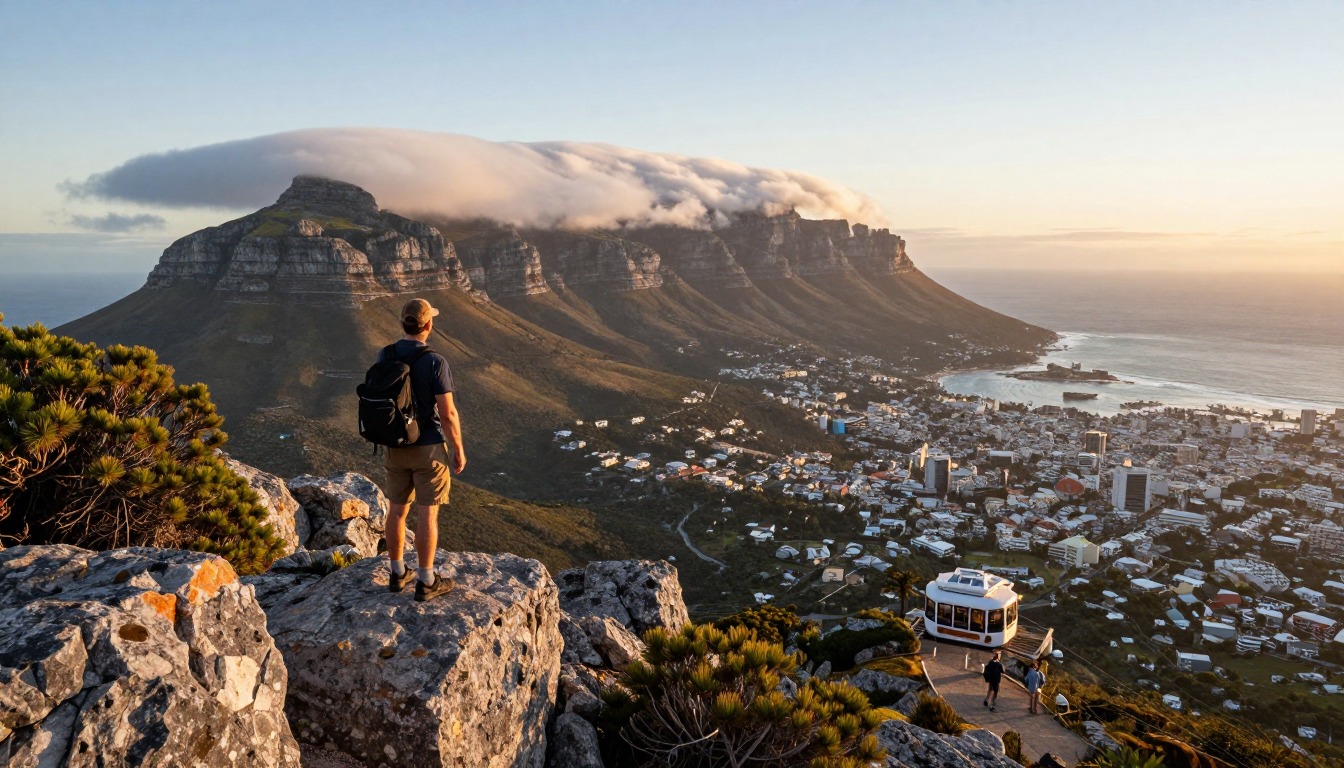
Table Mountain and Lion's Head are Cape Town's signature day hikes — a straight climb up Platteklip Gorge on the mountain's face, or the spiraling loop around Lion's Head that's popular at sunrise and under a full moon. Because both trailheads sit inside the city itself, the 'where do I sleep?' question is really 'which part of Cape Town to base in,' with hotels, guesthouses, and rentals available right across town rather than at a remote trail camp.
Why hike here
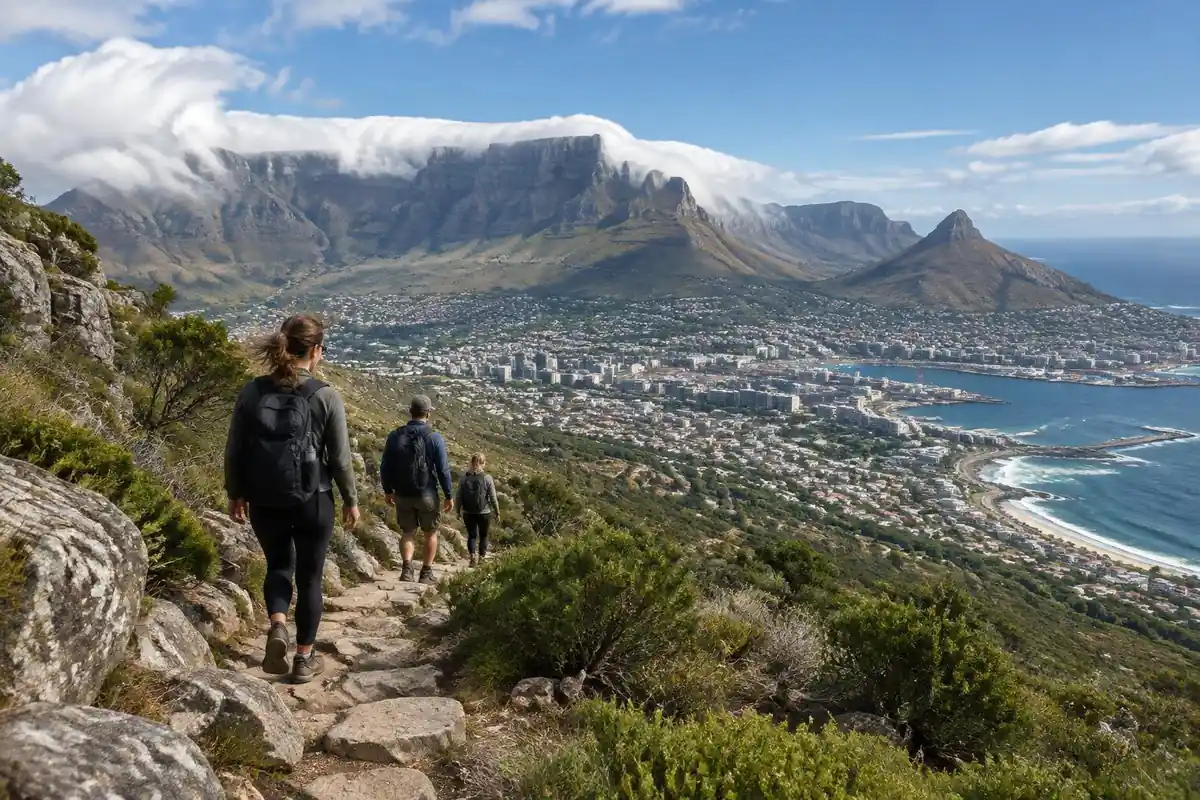
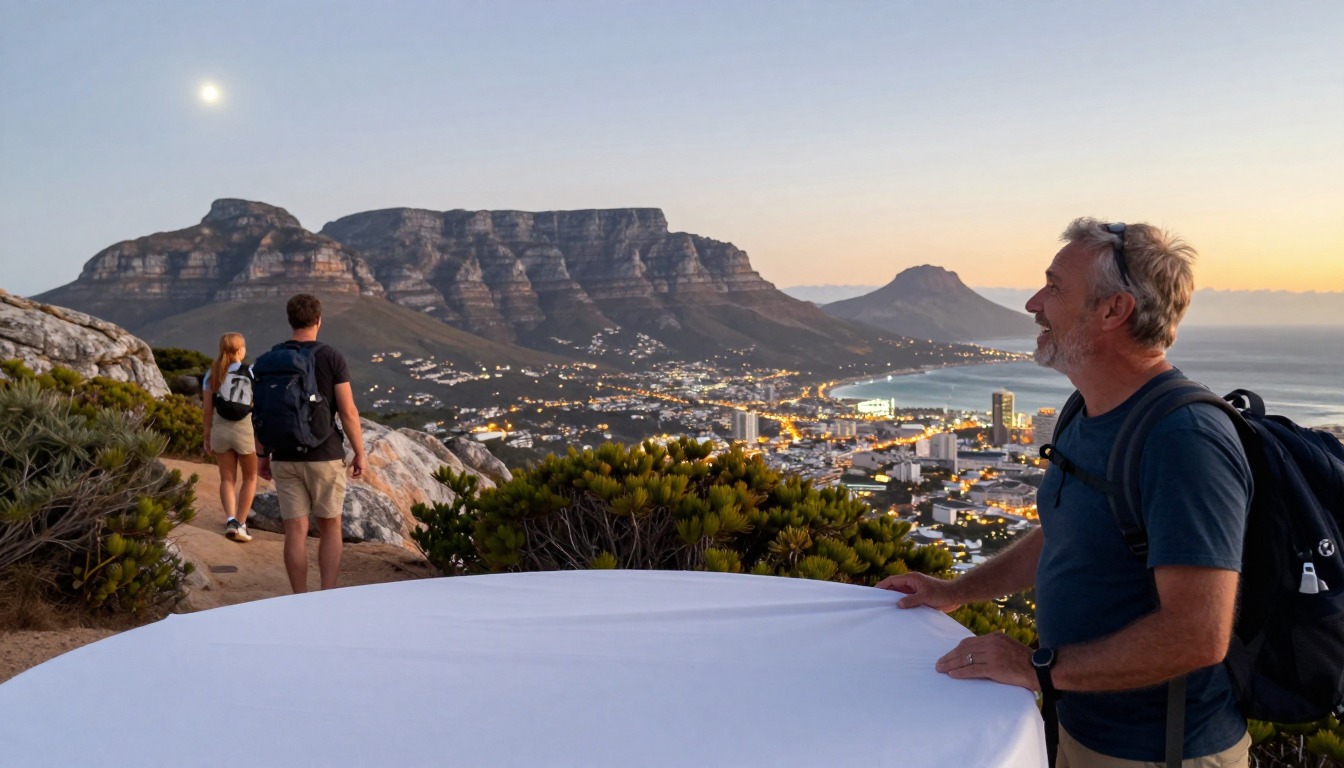
What makes these hikes stand out is how much city and wilderness overlap in a single outing. Platteklip Gorge is a direct, no-nonsense route straight up the mountain's face, gaining the flat summit plateau while the cableway's cars glide overhead and the view opens over the Atlantic on one side and the city bowl on the other. Lion's Head is the gentler counterpart, a spiraling path with a few hands-on sections near the top that draws hikers up before dawn or under a full moon, when the summit fills with people watching the light change over Table Bay. One is a straightforward test of legs and lungs, the other more of a social sunrise ritual, and both sit inside the same national park.
Getting there
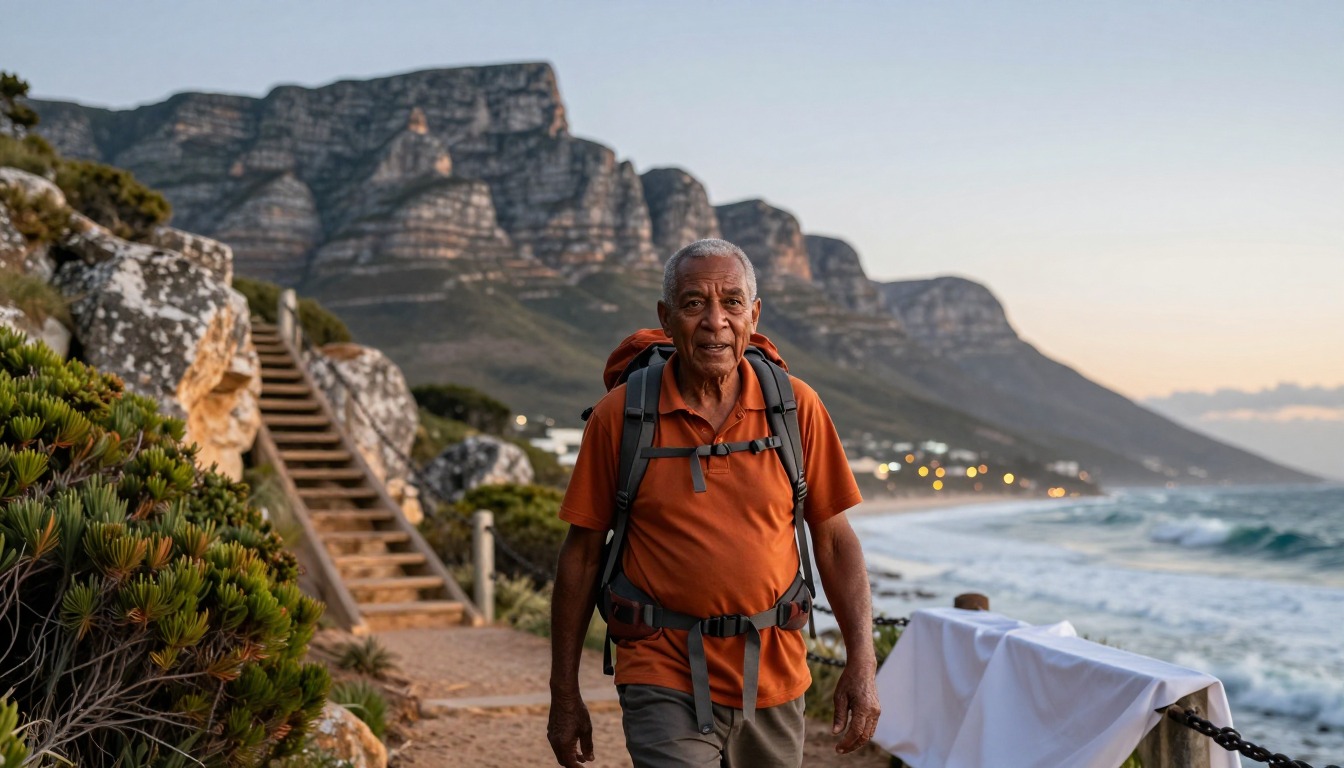
Cape Town International Airport is the gateway, with both trailheads reachable by a short taxi or rideshare from almost anywhere in the city — there's no long approach or remote access road involved. Hikers based in the City Bowl or Camps Bay are typically minutes from the Lion's Head trailhead, while Platteklip Gorge starts near the lower cableway station on Tafelberg Road. Many people ride the cableway up and hike down, or hike up and ride down, so staying near the cableway is worth considering if you want that option built into your day.
Where to stay
The realistic options, closest-to-the-trail first. Book through the official links — we don't list prices or availability because they change all the time.
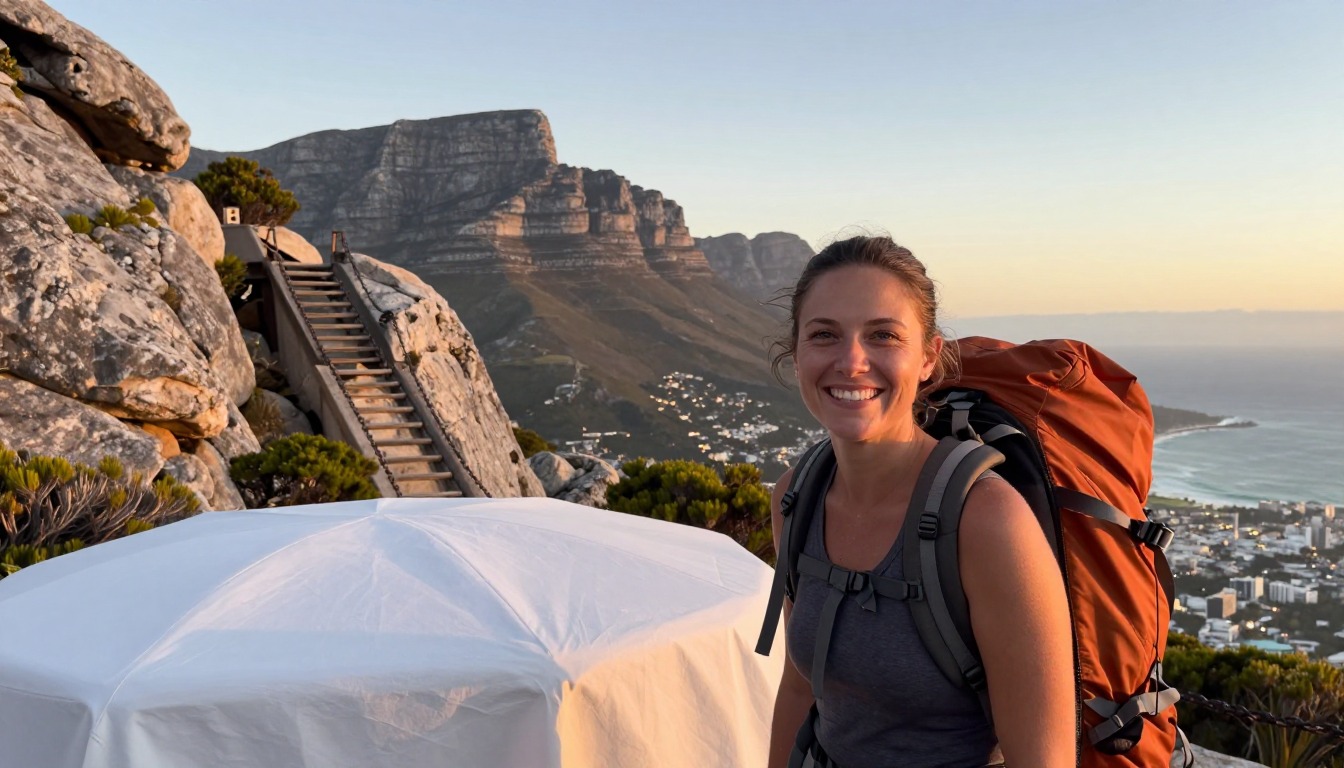
For example: Hotels, guesthouses and rentals across Cape Town, at the foot of the mountains
Everyone — the trailheads are right in the city.
Stay near the City Bowl or Camps Bay for quick trailhead access.
City lodgingFor example: Lodging near the cableway and Platteklip trailhead
Hikers who want to walk up and ride the cableway down (or vice versa).
The cableway offers an easy descent if legs or weather give out.
Nearby lodging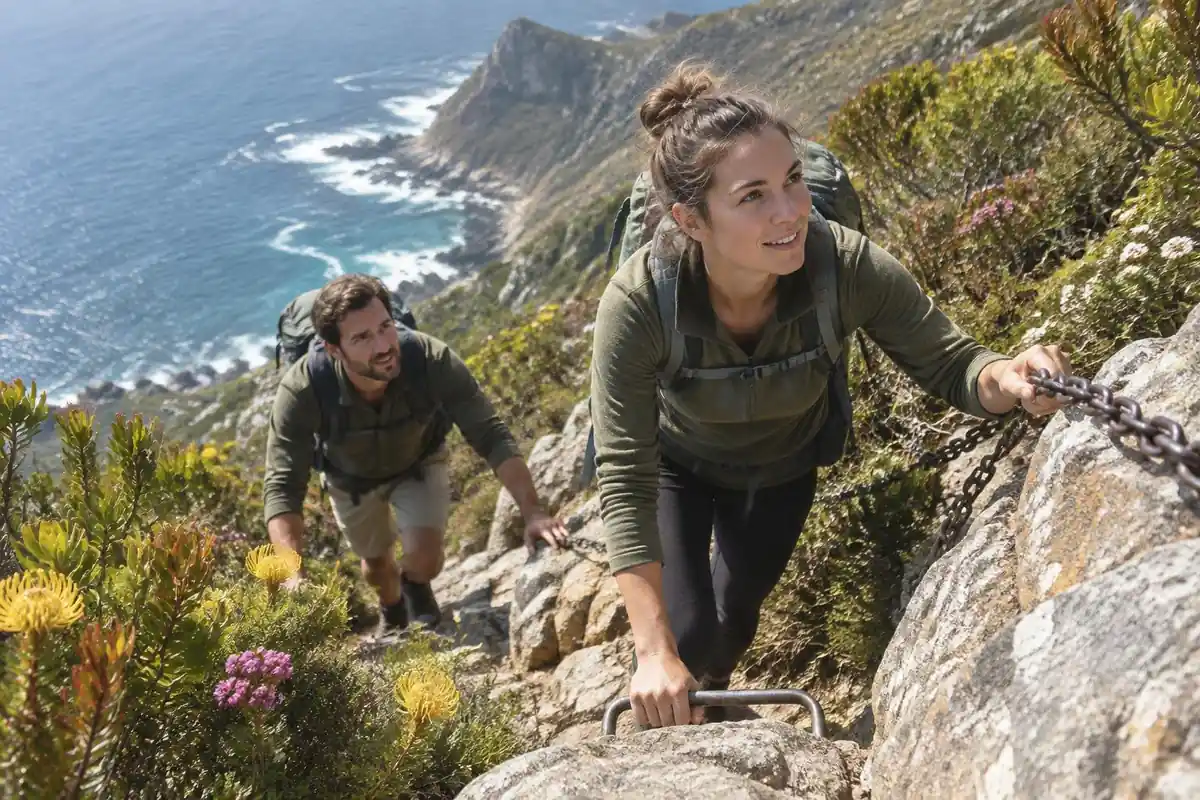
Permits & rules
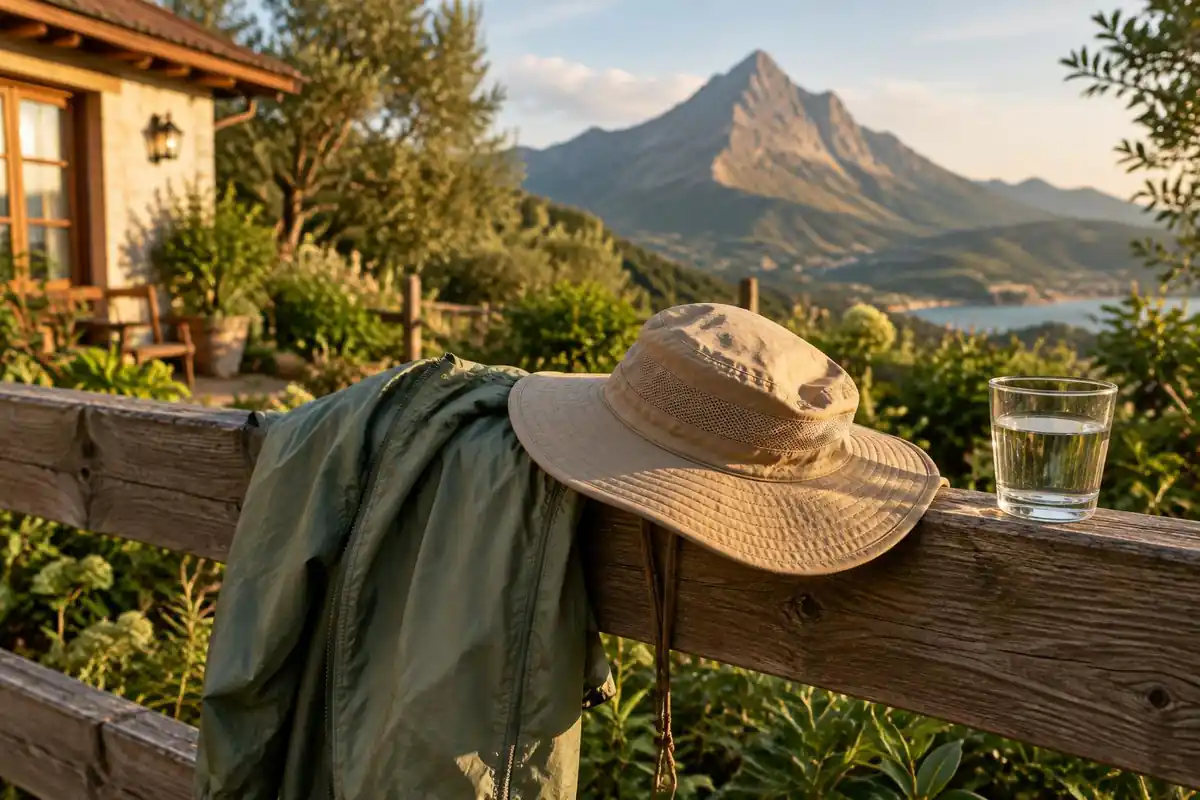
No permit is needed for the day hikes. Table Mountain’s weather flips fast — the “tablecloth” cloud can roll in with wind and cold within minutes — so check the cableway status and forecast, start early, and don’t hike alone on quiet routes.
Gear you'll want for this trip
Matched to the terrain and conditions here. Real products — check current price on Amazon.


City lodging changes the trip, not the risk
With no trail camp and no hut, the lodging decision becomes about timing and logistics. The page suggests basing in the City Bowl or Camps Bay for quick trailhead access, or near the cableway if you want the option to ride down. Those are sensible practical choices, but the site's research could not verify cableway operating rules or the page's statement that no permit is needed for day hikes from an official source. Table Mountain National Park is managed by SANParks, so confirm rules, closures and cableway status with SANParks or the cableway operator before you go.
The National Park Service's general advice for any day hike is useful here: leave a trip plan with someone who is not on the trip, plan uphill sections to take at least double the downhill time, and set and stick to a turnaround time.4 It also says not to rely on a cell phone for emergencies.4
Sun, heat and timing
The CDC's Yellow Book says UVB is most intense from 10 a.m. to 4 p.m., at higher elevations and closer to the equator, and that UV exposure still occurs in cooler weather and on overcast days.2 It recommends broad-spectrum sunscreen of SPF 30 or higher, reapplied every 2 to 4 hours.2 A direct climb up a gorge is exposed to sun for long stretches, which is why an early start also cuts your UV dose. The EPA adds that UV intensity rises about 6% per kilometer of elevation.5
Heat is the second issue. The National Park Service's Grand Canyon guidance says that hikers in heat can lose one to two quarts of water per hour and that most heat-illness rescues involve people hiking between 10 a.m. and 4 p.m.6 That is written for a desert canyon, but the same logic applies on a sunny face with no shade. Carry more water than seems necessary for a short climb, and plan the steepest part for the cooler hours.
Dawn and moonlight starts, and what to pack
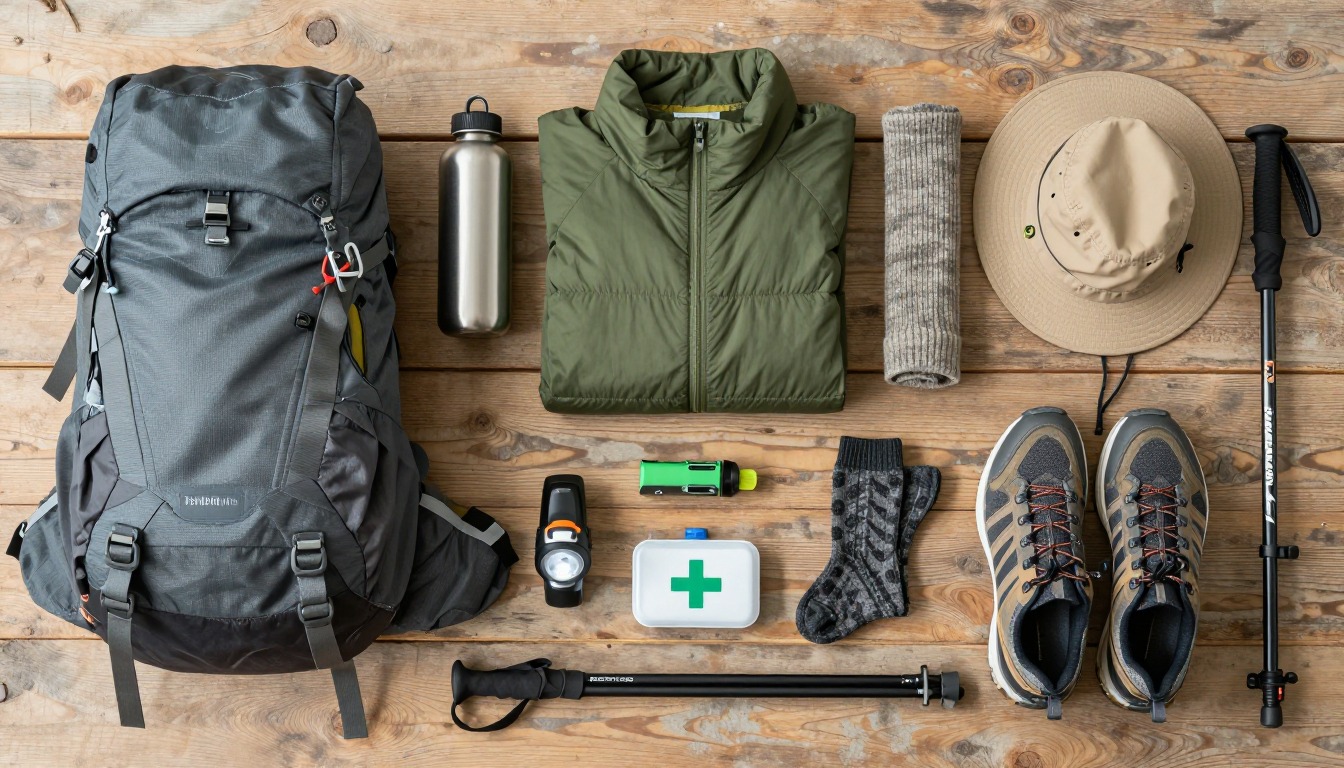
The National Park Service says headlamps are the recommended light source because they are hands-free, and that bright clothing makes you easier for search and rescue to see.3 A sunrise or full-moon start on Lion's Head means walking up in the dark and often coming down in daylight, so keep the light and a spare battery at the top of the pack. Lightning is the other point to keep in mind: the National Weather Service says there is no safe place outdoors during a thunderstorm and that if you can hear thunder you are likely within striking distance, so turn back or head down.7 A tent is no shelter either.8
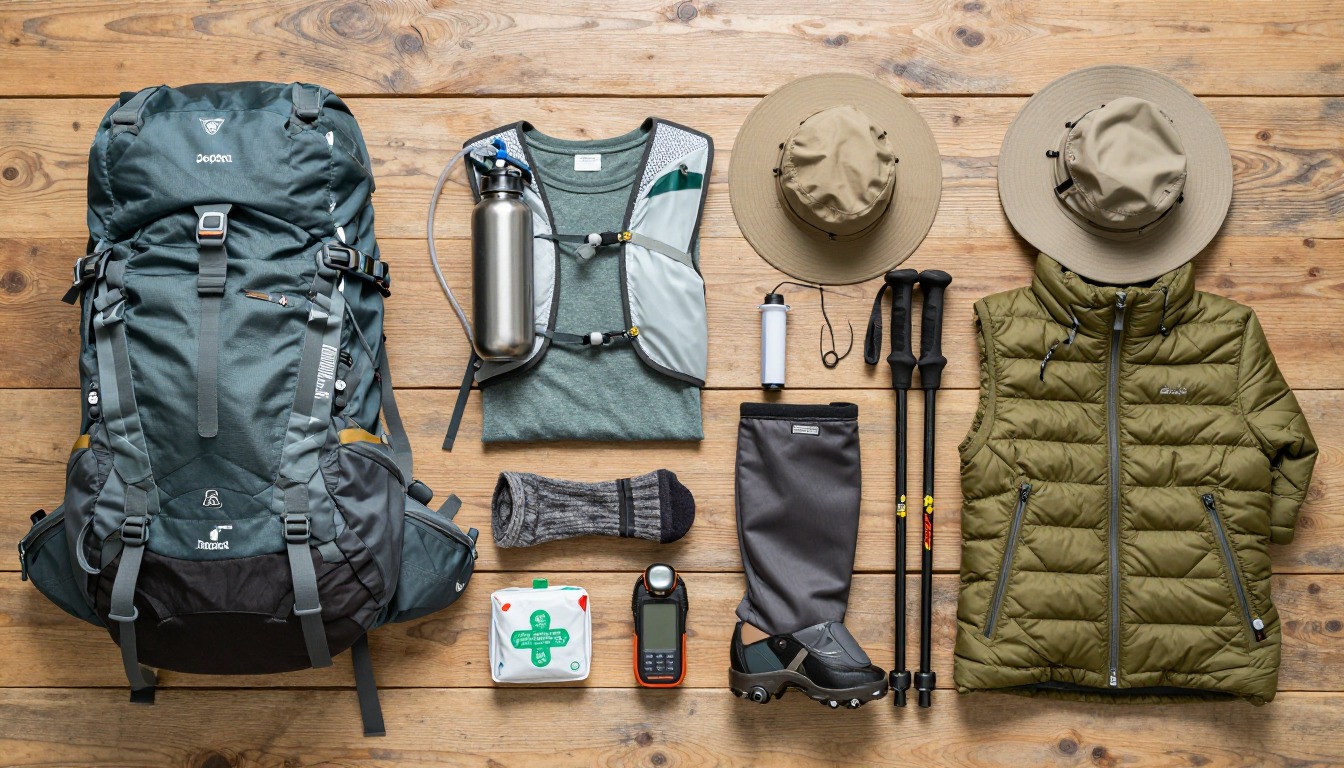
A 25 to 30 liter pack is enough for a full-day hike, per Washington Trails Association.1 Fill it with water, a light shell, a warm layer for the summit, sun protection and food, and keep the load close to your back so hands-on sections near the top stay easy. If you plan to ride the cableway down, still carry the layers: the page notes cloud and wind can arrive quickly, and it advises checking cableway status.
Common questions
Do I need a permit to hike Table Mountain or Lion's Head?
No permit is required for day hikes on either route; both fall within Table Mountain National Park and are open to walk-up access. Conditions can change fast, though, so check the forecast and cableway operating status before you set out, especially if you're timing a summit around sunrise or planning to ride down.
Where should I stay to be close to the trailheads?
Since both trailheads are inside Cape Town itself, most hikers simply pick a neighborhood — the City Bowl or Camps Bay put you within easy reach of Lion's Head, while lodging near Tafelberg Road and the cableway suits anyone tackling Platteklip Gorge or planning to ride down afterward. Hotels, guesthouses, and rentals are available right across the city.
What's the best time of year, and what's the 'tablecloth'?
Spring through autumn generally brings the most stable hiking weather. Summer adds strong southeasterly wind and a fast-forming cloud layer over the mountain known locally as the tablecloth, which can drop visibility and temperature within minutes — a good reason to check conditions and hike quieter trails with company rather than alone.
Complete gearsets for this trip
Full curated kits built for exactly this kind of hike — what to bring, why, and links to similar gear.
Lodging details are compiled from official parks, refuge associations and reservation systems and can change without notice. We publish no prices, availability or ratings — always confirm current information on the official site before booking or setting out. Product links and the accommodation map are affiliate links: we may earn a commission at no extra cost to you; product prices and availability are shown on Amazon, and accommodation prices on the booking site. See our affiliate disclosure.