
Best Time to Hike Routeburn Track
The best time to hike Routeburn Track is November to April, the Great Walk season set out in the official season guidance. Summer months bring the warmest and longest days, though rain is heavy in every month. Check the Department of Conservation for exact season dates and book huts ahead.
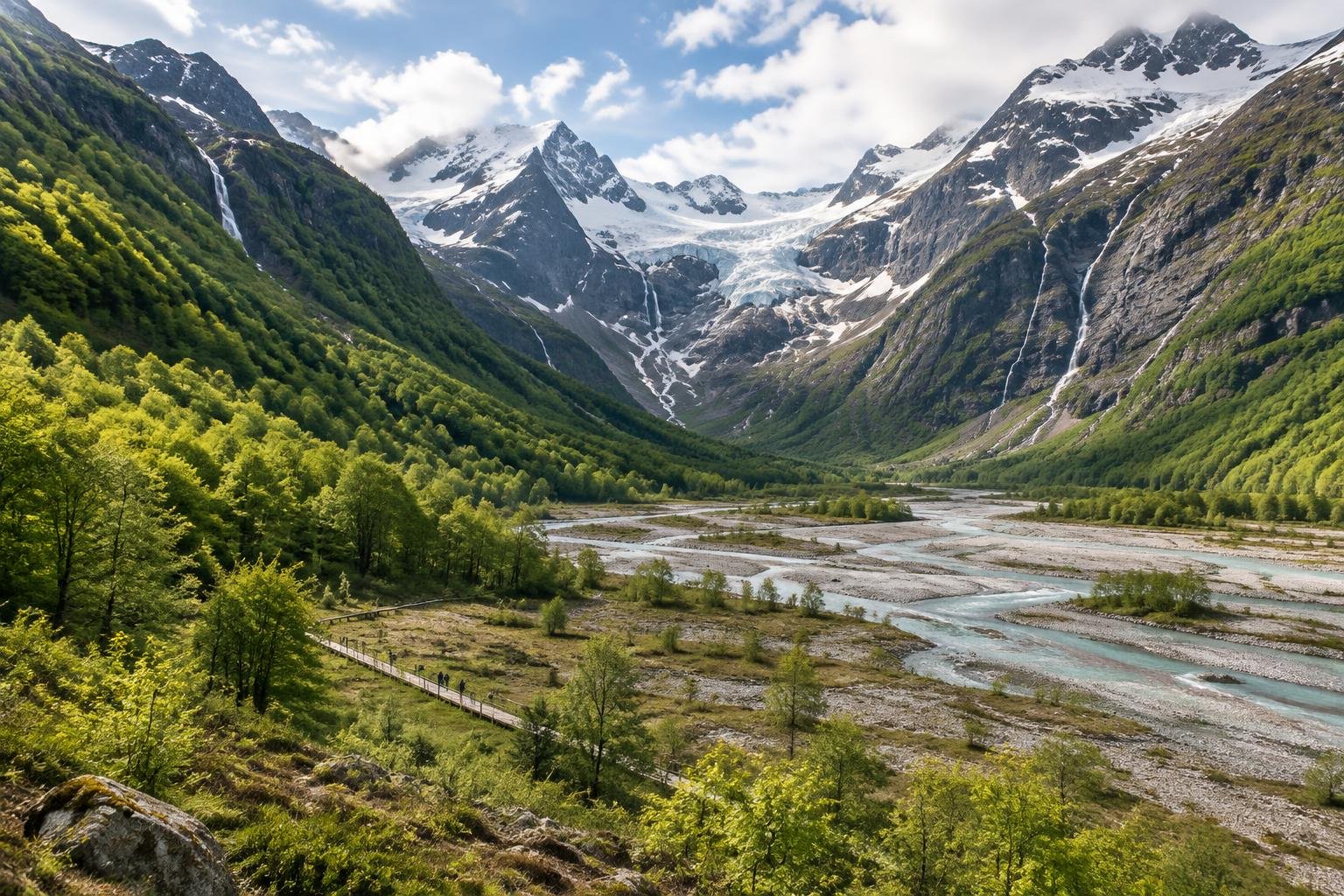
Month-by-month climate for Routeburn Track
| Month | Relative warmth | Rain | Daylight |
|---|---|---|---|
| Jan | Warmest | 201 mm | 15 h |
| Feb | Warmest | 165 mm | 13.8 h |
| Mar | Warmest | 166 mm | 12.4 h |
| Apr | Warm | 176 mm | 10.7 h |
| May | Cool | 200 mm | 9.4 h |
| Jun | Coldest | 157 mm | 8.6 h |
| Jul | Coldest | 193 mm | 8.9 h |
| Aug | Coldest | 160 mm | 10.1 h |
| Sep | Cool | 186 mm | 11.7 h |
| Oct | Mild | 208 mm | 13.3 h |
| Nov | Warm | 175 mm | 14.7 h |
| Dec | Warmest | 194 mm | 15.4 h |
Modelled regional averages for 2010–2023 (rainfall) and calculated daylight hours; they describe the wider area, not a reading taken on the trail. “Relative warmth” compares each month with the warmest and coldest months of this place’s own year. It is not a temperature, and the high parts of a route are colder than the region around them.
The modelled averages show a wet region year-round: monthly rainfall sits between about 157 mm in June and 208 mm in October, with January (201 mm) and May (200 mm) also among the wetter months. Daylight swings widely, from roughly 8.6 hours in June to 15.4 hours in December. Relative to this place's own year, January through March are the warmest months and June through August the coldest. Treat these as regional averages, not trail measurements.
Routeburn Track season by season
Early summer · November to December
The Great Walk season is underway, and daylight is generous, with about 14.7 hours in November and 15.4 hours in December. Warmth is relatively warm to warmest for this place's year, yet rainfall still averages roughly 175 to 194 mm a month, so rain cover matters. The Harris Saddle is high and exposed, and the weather can turn quickly to cold rain or snow, so pack layers even in a warm-labelled month.
Mid to late summer · January to March
These are the warmest months of the year here, and they sit inside the November to April season, so huts are in service and must be booked in advance for a fixed date and direction. Rainfall remains substantial, between about 165 and 201 mm a month on average, so expect wet spells. Daylight shrinks from around 15 hours in January to 12.4 hours in March, which affects how much margin you have each day.
Autumn shoulder · April to May
April is still within the Great Walk season and is labelled warm, with about 10.7 hours of daylight and roughly 176 mm of rain on average. By May the warmth label drops to cool, daylight falls to about 9.4 hours, and rainfall averages near 200 mm. The official guidance says to check DOC for exact dates, so confirm what applies before committing to a late-season trip.
Winter and early spring · June to October
This period falls outside the Great Walk season, and the permit text says snow and ice are a serious concern from roughly May to October, so pack for it. June through August are the coldest months of this place's year, with only about 8.6 to 10.1 hours of daylight. Rainfall stays high, about 157 to 208 mm a month. Confirm conditions and requirements with the Department of Conservation before planning anything in these months.
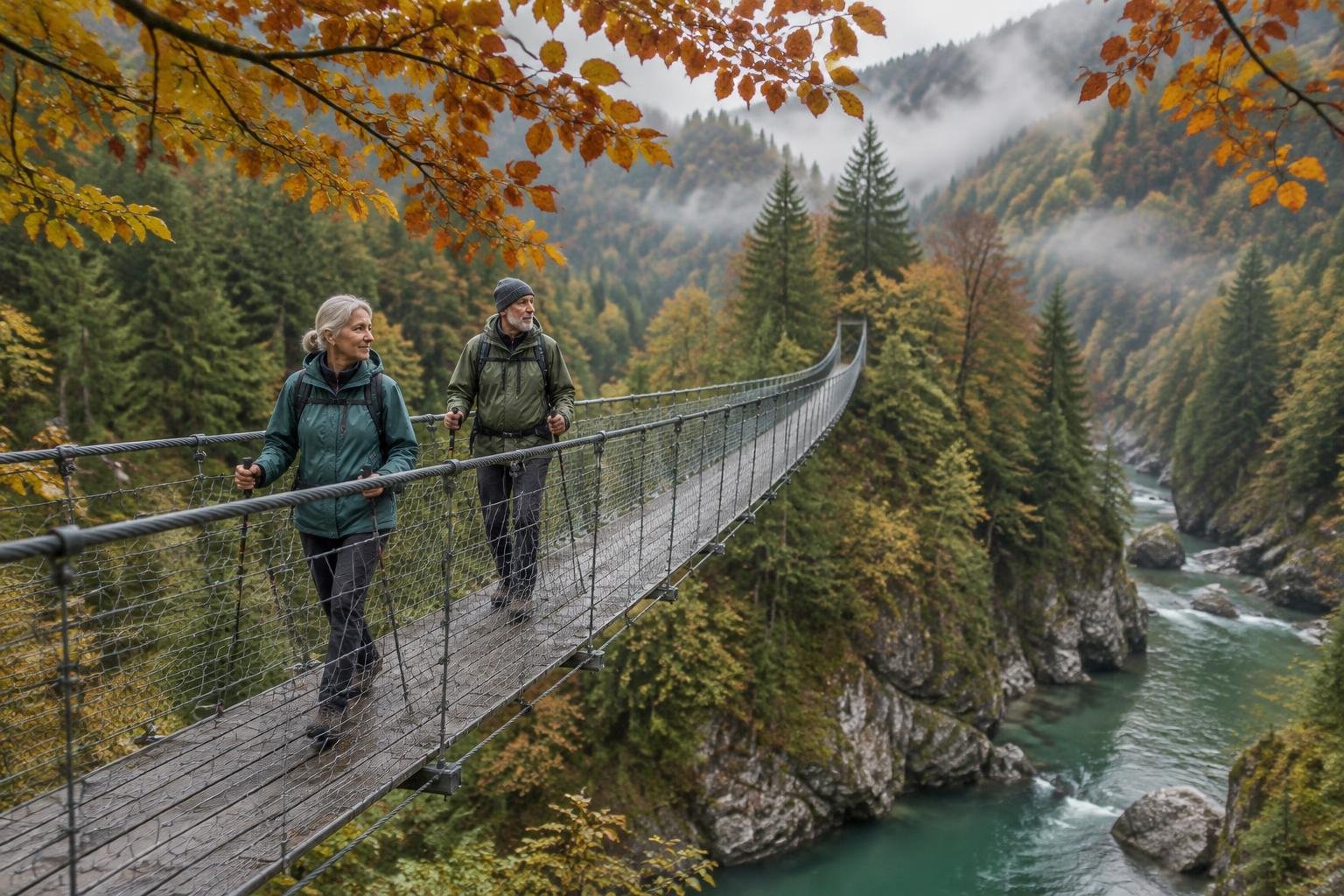
Official season guidance
Department of Conservation (DOC): November to April (Great Walk season; check DOC for exact dates)
In the Great Walk season the huts must be booked in advance for a fixed date and direction. The Harris Saddle is high and exposed — the weather can turn to cold rain or snow quickly, and snow and ice are a serious concern outside the Great Walk season (roughly May to October), so pack for it.
Check current dates on doc.govt.nzWhat to pack for the season
Because rain falls heavily in every month, a dependable waterproof shell and pack rain cover belong in your kit in any season. Add warm layers for the exposed saddle, where cold rain or snow can arrive quickly. Longer summer days reduce the need for lighting, but shorter shoulder-season days make a headlamp worth carrying. Sun protection still matters on open, high ground.
For layering, rain cover and weather planning, see hiking in rain, heat and cold.
Timing mistakes to avoid
A common mistake is picking a month on warmth alone and forgetting that rainfall is high all year. Another is treating the Great Walk season as flexible: the official guidance says huts must be booked in advance for a fixed date and direction, so leaving it late can close off your window. Planning a trip outside November to April without checking the managing authority is the riskiest error, since snow and ice become a serious concern.
Common questions
When is the Routeburn Track Great Walk season?
The official season guidance gives November to April as the Great Walk season. Because exact dates can shift, check the Department of Conservation before you plan, and remember that huts must be booked in advance for a fixed date and direction during this period.
Which months are driest on the Routeburn Track?
No month is truly dry. Modelled regional averages put rainfall between roughly 157 mm in June and 208 mm in October. February and March are among the lower-rainfall months within the season, but you should still plan for wet weather throughout.
Is it possible to hike the Routeburn Track in winter?
The permit text says snow and ice are a serious concern outside the Great Walk season, roughly May to October, so pack for it. Daylight also drops to about 8.6 hours in June. Contact the Department of Conservation for current conditions and requirements before considering a winter trip.
How much daylight can I expect on the Routeburn Track?
Calculated daylight ranges from about 8.6 hours in June to about 15.4 hours in December. Within the November to April season, days run from roughly 10.7 hours in April to over 15 hours in summer, so plan your daily pace and any early starts around the month you choose.
Sources
- Department of Conservation (DOC) — doc.govt.nz: official season and permit guidance.
- NASA POWER (Prediction Of Worldwide Energy Resources): monthly temperature and rainfall averages, 2010–2023, from MERRA-2 reanalysis. Daylight hours are calculated from latitude.
Conditions, closures and permit rules change without notice — confirm current information with the managing authority before you go. See our editorial policy and affiliate disclosure.