
Affiliate disclosure: this page contains affiliate links. Purchases made through them may earn us a commission at no extra cost to you. See our affiliate disclosure.
In plain English
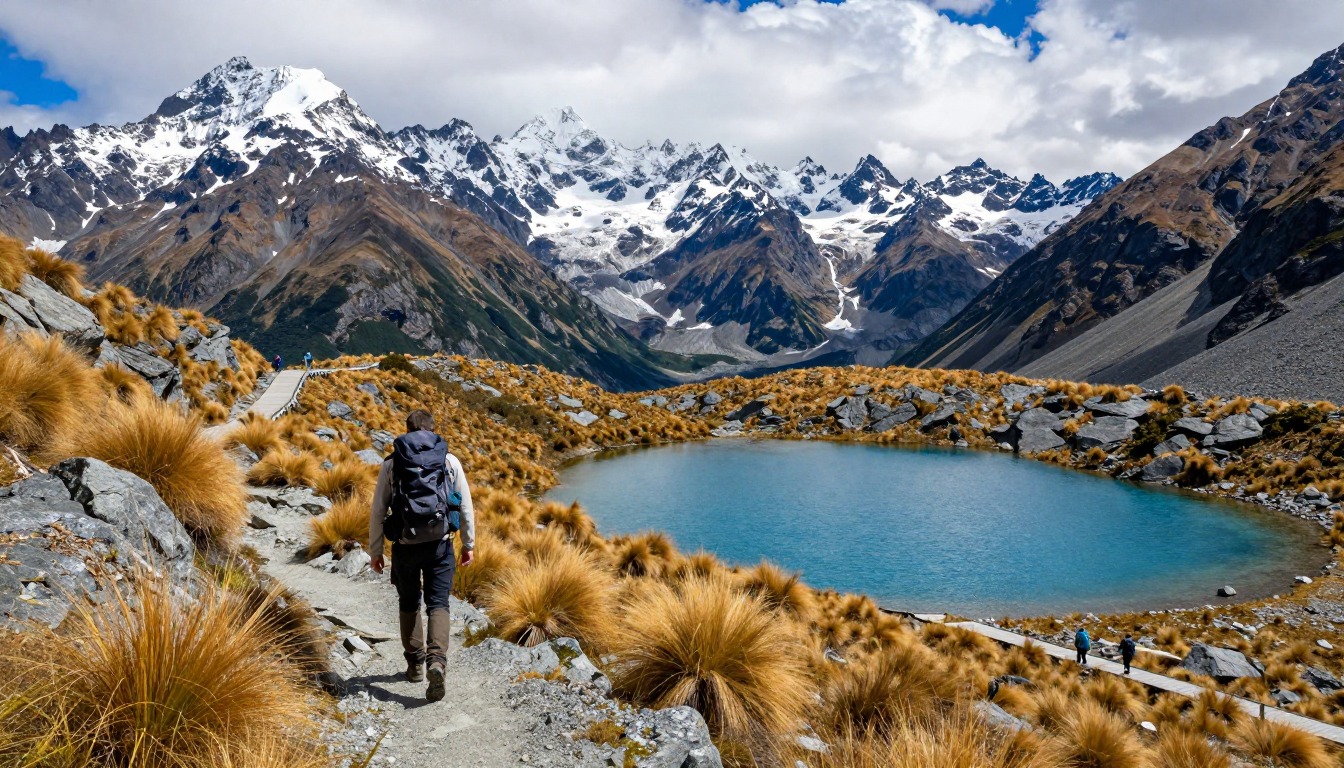
The Routeburn Track crosses two national parks in New Zealand's South Island. It is a one-way walk, so you start at one end, finish at the other and arrange transport between them. The high point is a windy pass called Harris Saddle, where the weather can change quickly.
Where you sleep is set by New Zealand's Department of Conservation, or DOC. It runs three huts and two campsites on the track. A hut here is a shared bunkroom in a shelter, not a hotel: you get a bunk with a mattress, heating and basic cooking facilities, but you bring your own food, your own sleeping bag and something to cook with.
From the start of November to the end of April, you must book your huts or campsites ahead of time, because they fill up. The other half of the year is quieter and needs no booking, but it is winter, and DOC says the track then should only be attempted by people with alpine skills. Check DOC's booking pages and alerts before you go.
The Routeburn Track is a roughly 33-kilometer alpine Great Walk crossing Fiordland and Mount Aspiring National Parks on New Zealand's South Island, climbing over the exposed Harris Saddle between waterfalls, valleys, and wide mountain views. It runs point-to-point rather than as a loop, so hikers need to arrange transport between the two trailheads. Independent walkers stay in Department of Conservation huts, which must be booked well in advance in the Great Walks season with the hut for each night fixed by the booking, while a licensed operator also runs a separate guided, lodge-based version of the same route.
Why hike here
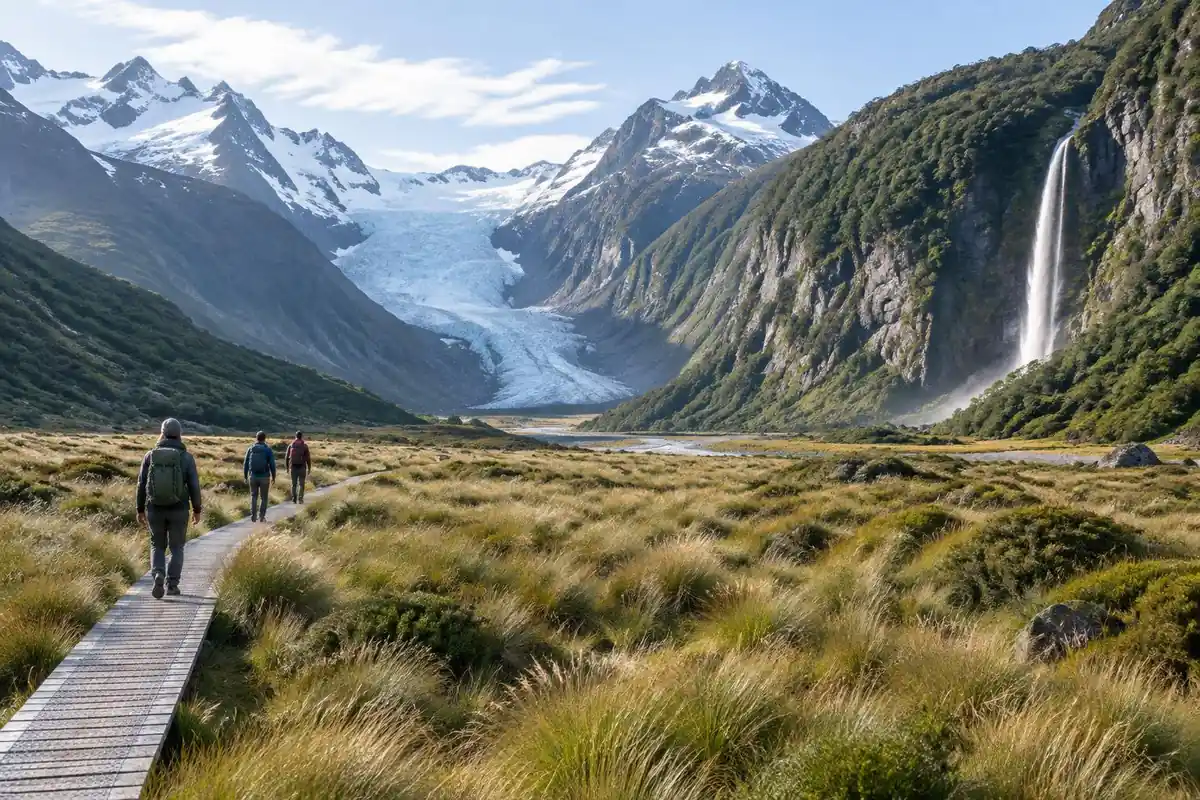
What sets the Routeburn apart is the shift in terrain over just a few days: beech forest and river flats give way to open alpine basins, then to the exposed climb over Harris Saddle, where the ridge lines of two national parks — Fiordland and Mount Aspiring — meet along a single skyline. Waterfalls drop into the valleys below the track, and on a clear day the saddle opens onto wide mountain views in every direction. That exposure cuts both ways, though: this is high, weather-exposed terrain, and cold rain or even snow can arrive at the saddle, and DOC classes the track as advanced and expert from May to October, so a calm morning can turn demanding fast. Crossing two national parks on one route, with the landscape changing at almost every turn, is what makes the extra planning worthwhile.
Getting there
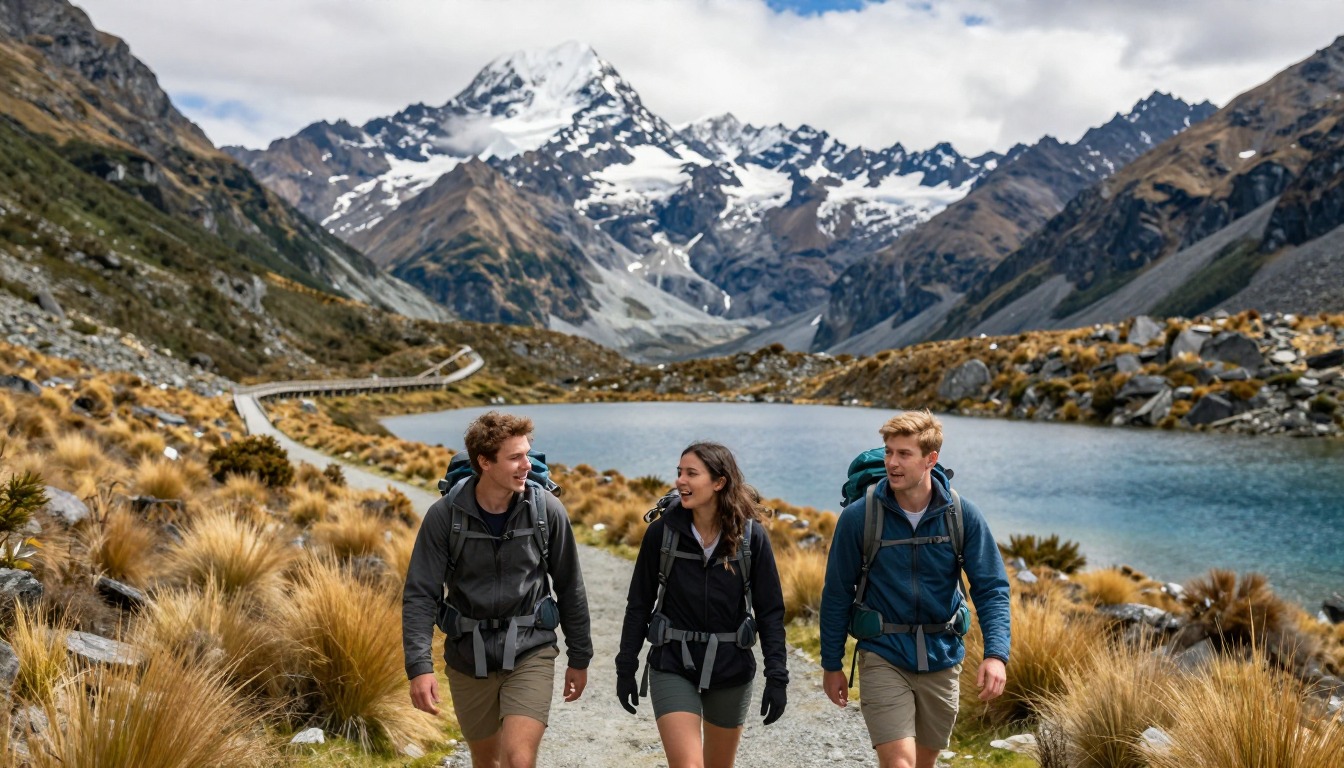
Queenstown, with domestic and international flights, is the main gateway for the Routeburn, with Te Anau serving as the other regional hub, and Glenorchy providing road access to one end of the track. Because the track runs one way between two separate trailheads, most hikers book a shuttle or arrange a car relocation to link the start and finish points rather than returning to where they parked. Building a spare day around the crossing gives some cushion if road or flight connections run late.
Where to stay
The realistic options, closest-to-the-trail first. Book through the official links — we don't list prices or availability because they change all the time.
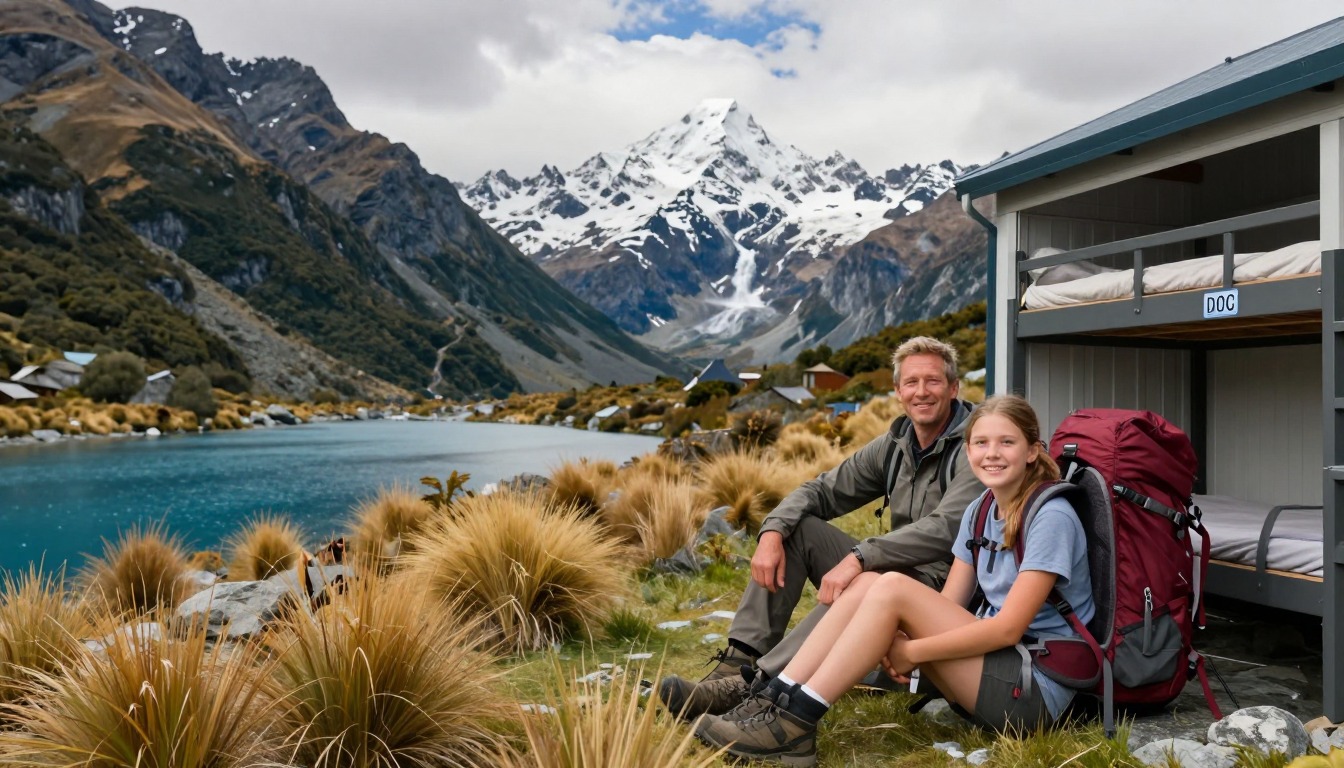
For example: Department of Conservation huts (with bunks and cookers) spaced along the route
Independent walkers in the Great Walk season.
Great Walk huts must be booked in advance; bookings open months ahead and sell out.
Department of Conservation booking systemFor example: Private catered lodges run by the licensed guided-walk operator
Walkers who prefer a guided trip with catered meals.
Guided lodges are separate from DOC huts.
Licensed guided-walk operatorFor example: Hotels and rentals in the towns at each end of the track
Everyone — the track is point-to-point and needs a transport plan.
Arrange transport between the two trailheads before you start.
Nearby-town lodging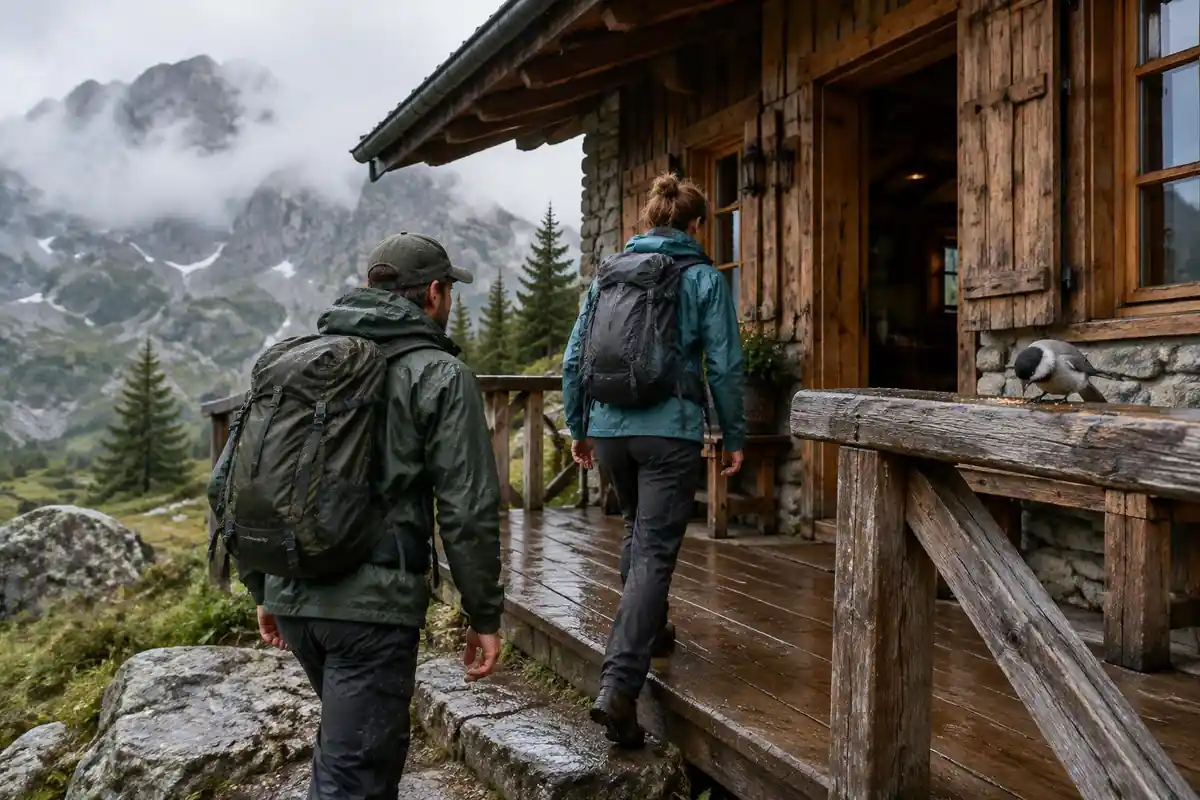
Permits & rules
In the Great Walk season the huts must be booked in advance for a fixed date and direction. The Harris Saddle is high and exposed — the weather can turn to cold rain or snow quickly, and snow and ice are a serious concern outside the Great Walk season (roughly May to October), so pack for it.
Gear you'll want for this trip
Matched to the terrain and conditions here. Real products — check current price on Amazon.


Two seasons, two booking systems
DOC says that in the Great Walks season, from 1 November 2026 to 30 April 2027, bookings are required for huts and campsites, and that walkers without a valid booking may be charged a penalty or turned away if the hut or campsite is full.1 Outside that season, from 1 May to 31 October, bookings are not required, bunks are first come, first served, and payment is by Backcountry Hut Tickets or a Backcountry Hut Pass bought from a DOC visitor centre or online.1 Fees vary by date, so check DOC's current fee table.
This is more nuanced than a summary of a fixed date and direction. DOC states that the track can be walked in either direction; what is fixed in the Great Walks season is the hut or campsite named on your booking for each night.1 DOC's own advice is that most walkers take 3 days and 2 nights, staying at Routeburn Falls and Lake Mackenzie huts, and that you can add more nights by staying at other huts or link the walk with the Greenstone and Caples Tracks.1 Some older itineraries still list Lake Howden Hut, but DOC notes it was destroyed by storm damage in February 2020.
What a hut gives you and what your pack must add
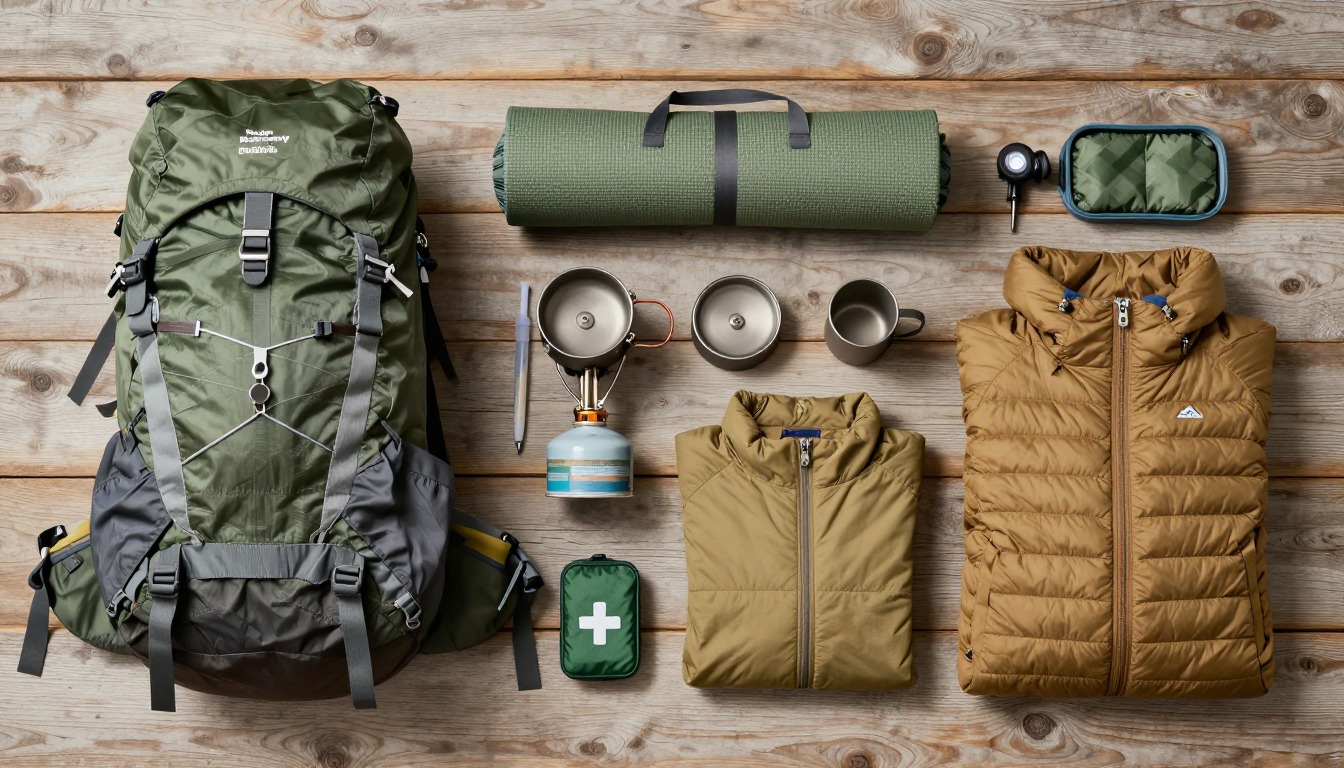
DOC says the huts have bunks, mattresses, heating, toilets, basic cooking facilities, solar-powered lighting and cold running water, with a DOC ranger in residence, and that they do not have food, cooking utensils, showers or bedding.1 That single sentence sets your pack list. You carry all your food, a way to eat and drink from, and a sleeping bag suited to a cold hut. Campers carry a tent and cooking gear too, since DOC says campers cannot use hut facilities.1
Water at the huts comes from a tap that DOC marks as untreated, with a note to boil before use.1 The CDC says boiling is the best way to kill germs, for 1 minute, or 3 minutes above 6,500 feet.2 Harris Saddle, at 1,255 meters according to DOC, sits well below that height, so the one-minute rule applies. A stove that boils water quickly is part of your hut kit, not only your camp kit.
Exposure at the saddle, and what the seasons really mean
DOC's description is more specific than a blanket warning about snow in any month. It says that from May to October conditions can be challenging, cold and wet with ice, snow and short daylight, and that walking the track then is only for fit, experienced, well-equipped people with alpine, river-crossing and navigation skills, with the track classed as advanced and expert.1 In the Great Walks season it says snow and ice can sometimes make the Conical Hill side trip hazardous early and late in the season.1 So cold and snow are most likely outside the booked months, and still possible at the edges of them.
The cold matters most at night. The CDC says hypothermia can develop above 40 degrees Fahrenheit if you get chilled from rain, sweat or cold water.3 When you compare sleeping bags, NEMO explains that the comfort rating is the temperature at which an average woman sleeps comfortably, not curled up, while the limit rating is where an average man keeps thermal balance while curled up.4 Pick a bag by its comfort rating, and add a warm hat and a dry set of sleep clothes.
Common questions
Do I need to book huts before I go?
Yes, in the Great Walks season. DOC requires bookings for huts and campsites from 1 November to 30 April, and popular dates sell out; the track can be walked in either direction, but the hut or campsite named on your booking for each night is fixed, and walking without a valid booking risks a penalty or being turned away. Outside the season bookings are not required and bunks are first come, first served, but the track is then classed as advanced and expert.
What's the difference between the huts and the guided lodges?
Independent walkers carry their own food and stay in Department of Conservation huts, which have bunks, mattresses, heating and basic cooking facilities but no food, cooking utensils, showers or bedding, and require separate booking. A licensed operator also runs a guided version of the track using private, catered lodges instead of the DOC huts. Both follow the same alpine route over Harris Saddle, just with different gear and service levels.
When's the best time to hike the Routeburn Track?
The Great Walks season runs from 1 November to 30 April, when a DOC ranger is in residence and the track is at its most accessible. Even then, Harris Saddle is high and exposed, and cold rain or snow can move in, particularly at the edges of the season, so pack warm layers and a waterproof shell regardless of the forecast, and check conditions before you set out.
Complete gearsets for this trip
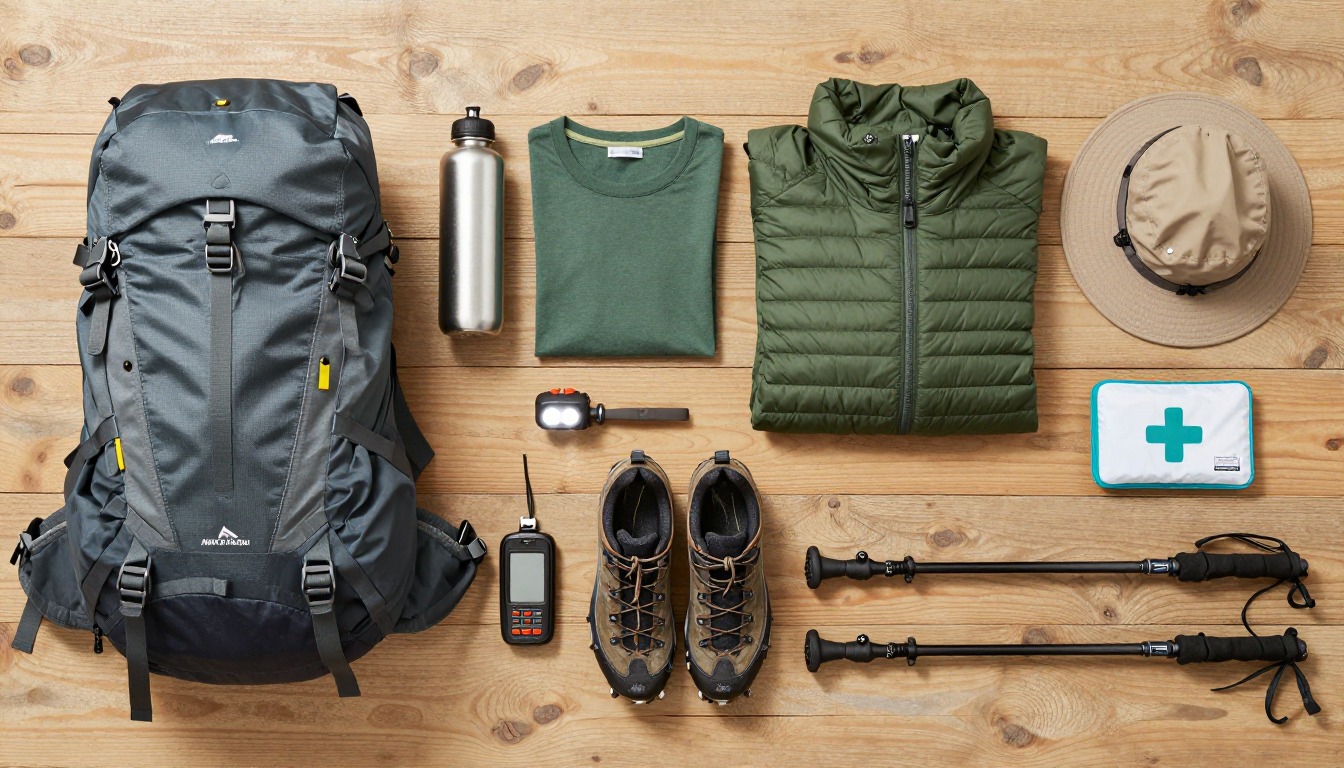
Full curated kits built for exactly this kind of hike — what to bring, why, and links to similar gear.
Lodging details are compiled from official parks, refuge associations and reservation systems and can change without notice. We publish no prices, availability or ratings — always confirm current information on the official site before booking or setting out. Product links and the accommodation map are affiliate links: we may earn a commission at no extra cost to you; product prices and availability are shown on Amazon, and accommodation prices on the booking site. See our affiliate disclosure.